
Geology & Geophysics
The Search for Life
WHOI researchers featured in episode of news program Full Measure February 17, 2021 This week, NASA’s Perseverance Rover lands on Mars to continue the search for life on the Red…
Read MoreCan icebergs be towed to water-starved cities?
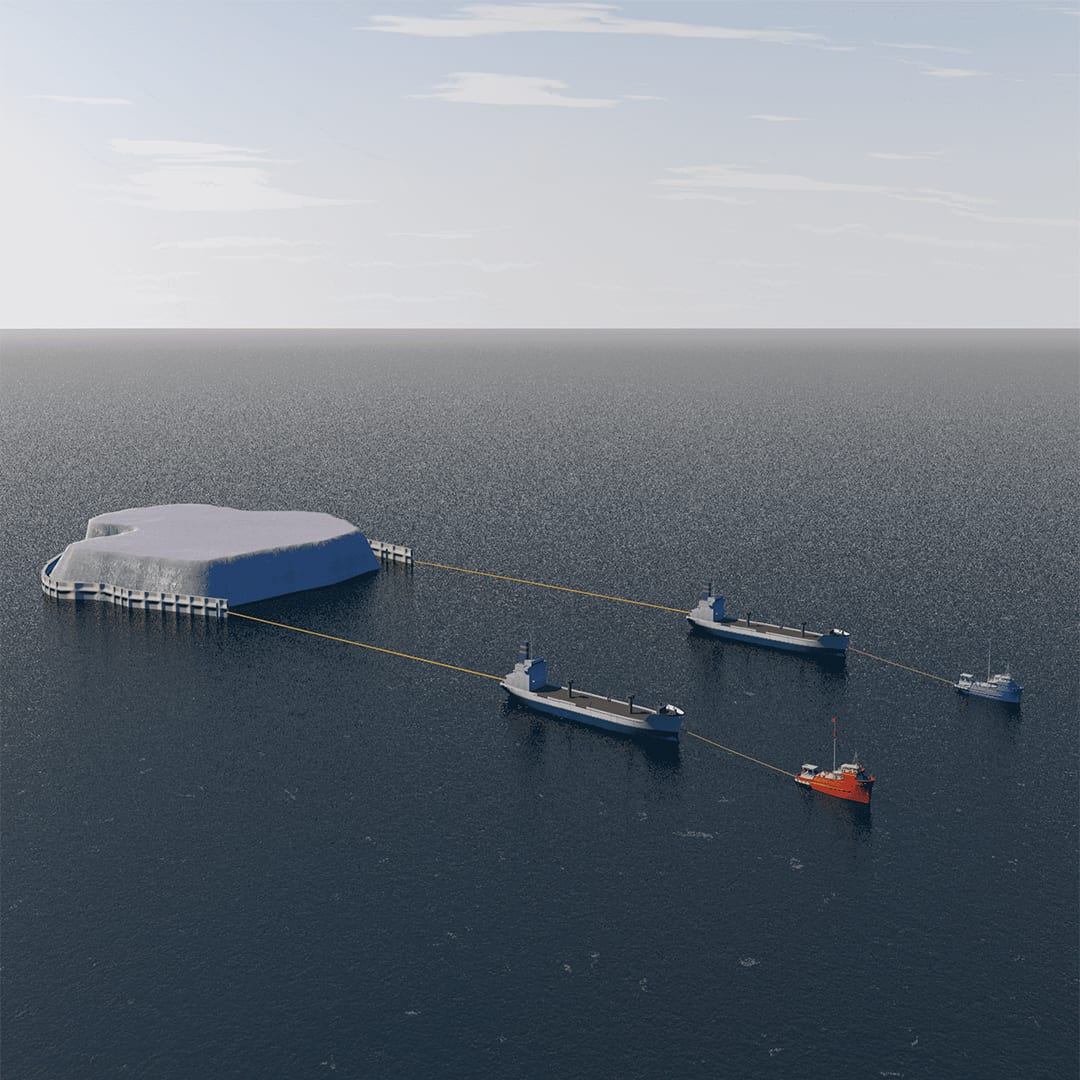
The big tow Researchers have floated the idea of long-distance iceberg towing for decades.
Read MoreDeep ocean drilling: Revealing earth history, geological processes and a deep biosphere
Virginia Edgcomb from the Woods Hole Oceanographic Institution discusses deep ocean drilling, a process that reveals earth history, geological processes and a deep biosphere.
Read MoreCrystals may help reveal hidden Kilauea Volcano behavior
By leveraging observations of tiny crystals of the mineral olivine formed during a violent eruption that took place in Hawaii more than half a century ago, researchers have found a way to test computer models of magma flow, which they say could reveal fresh insights about past eruptions and possibly help predict future ones.
Read MoreWHOI President & Director Dr. Peter de Menocal Recognized as AAAS Fellow
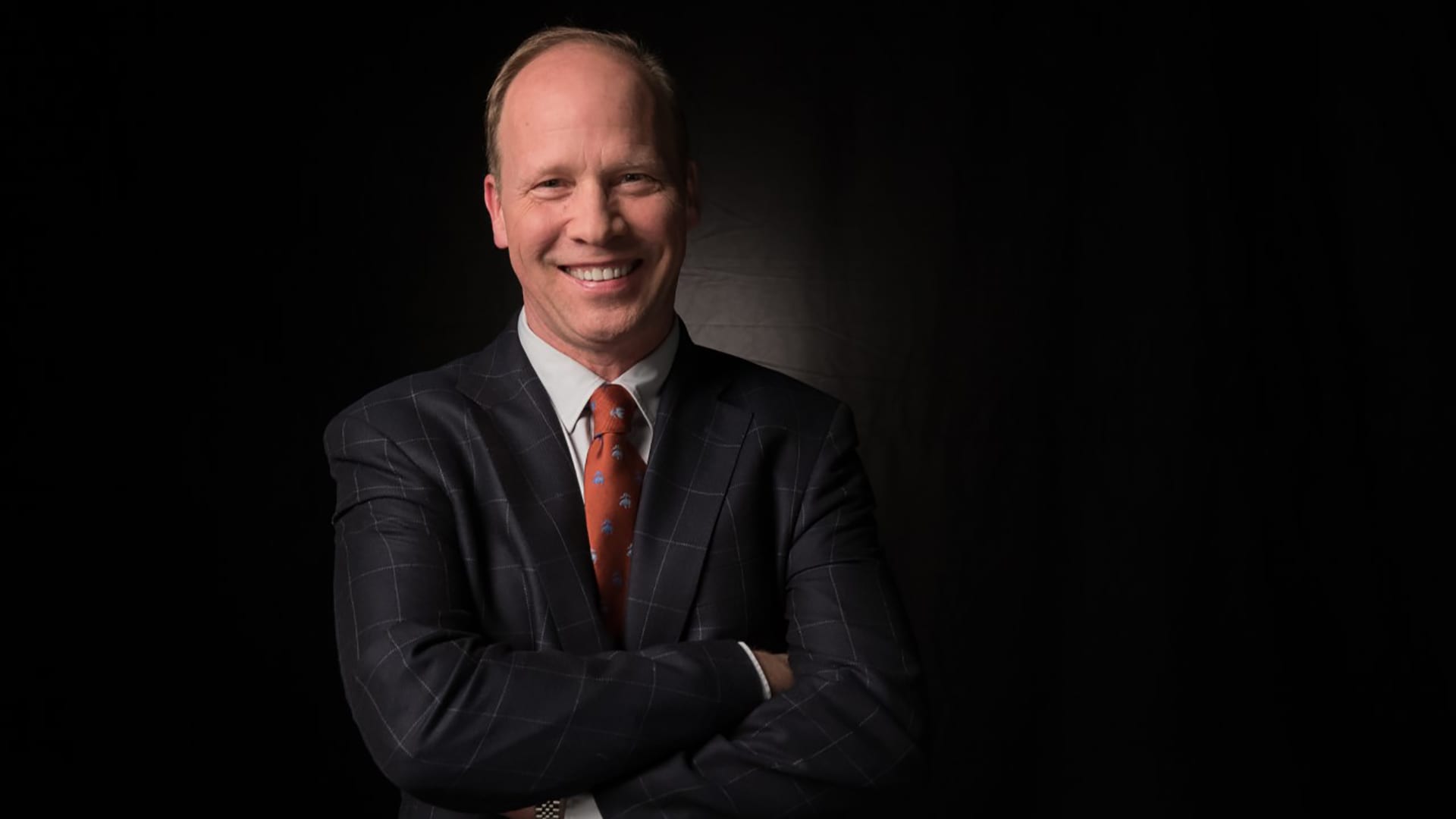
Dr. Peter de Menocal, President and Director of Woods Hole Oceanographic Institution of has been named a Fellow of the American Association for the Advancement of Science (AAAS).
Read MoreThe Battle Below

In late September, President Trump declared the U.S. dependence on China for so-called ‘rare earth’ minerals a ‘national emergency’. Those minerals are essential to technology from our phones to our…
Read MoreAncient storms could help predict future shifts in tropical cyclone hotspots

To get a better sense of how climate change might alter the patterns of major ocean storms, shifting the parameters of tropical cyclone hotspots, scientists reconstructed 3,000-years of storm history in the Marshall Islands.
Read MoreStudy reconstructs ancient storms to predict changes in a cyclone hotspot
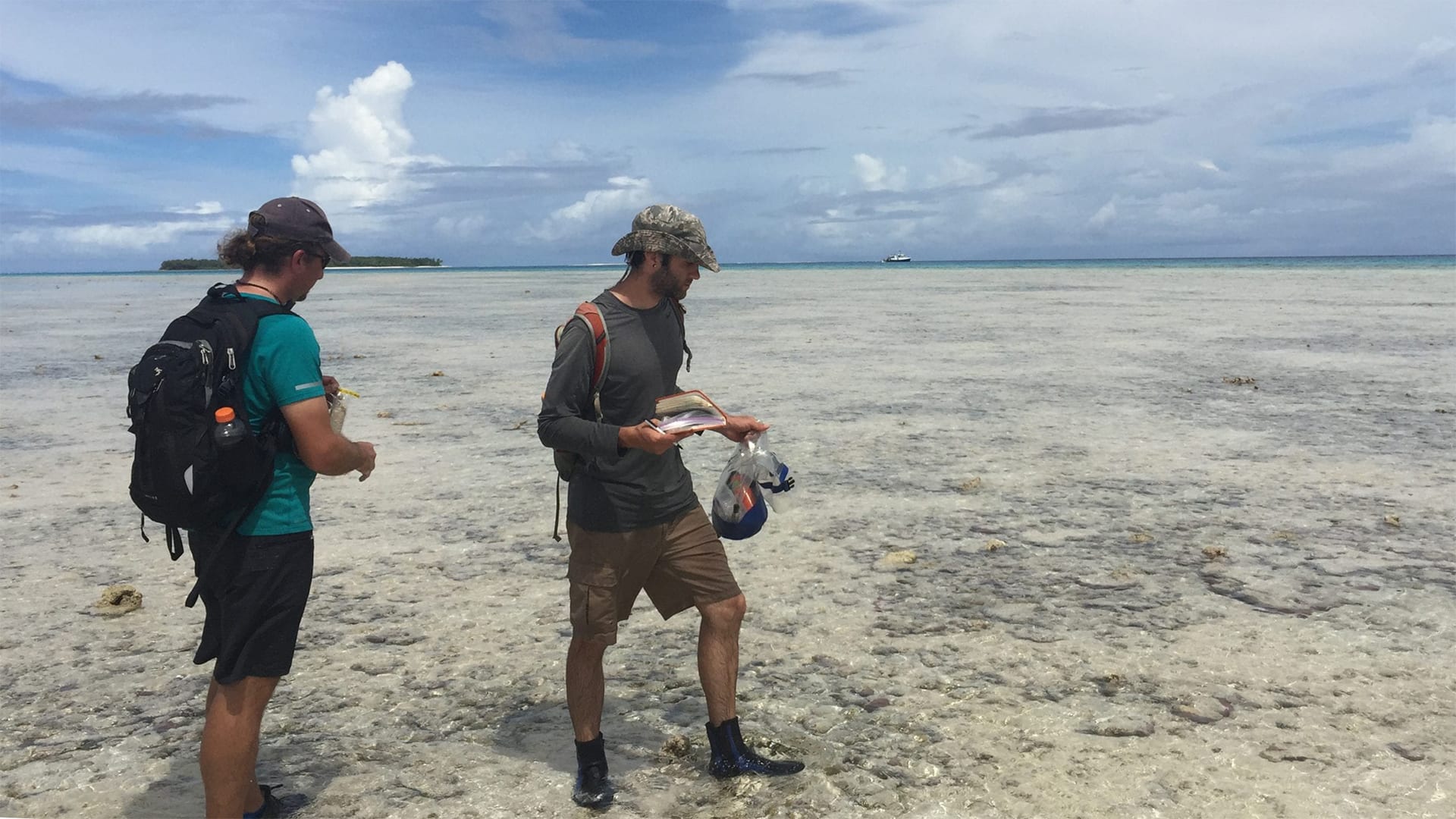
Intense tropical cyclones are expected to become more frequent as climate change increases temperatures in the Pacific Ocean. But not every area will experience storms of the same magnitude
Read MoreFinding answers in the ocean
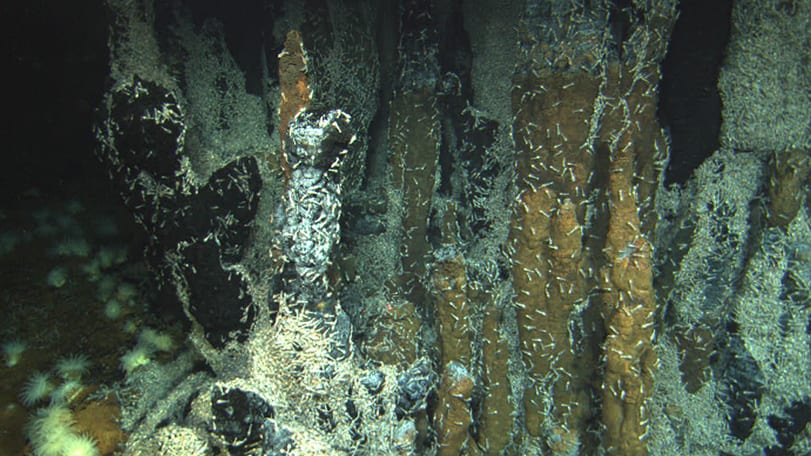
The test being used to diagnose the novel coronavirus—and other pandemics like AIDS and SARS—was developed with the help of an enzyme isolated from a microbe found in marine hydrothermal vents as well as freshwater hot springs.
Read MoreWho is Peter de Menocal? A Conversation with WHOI’s new President & Director
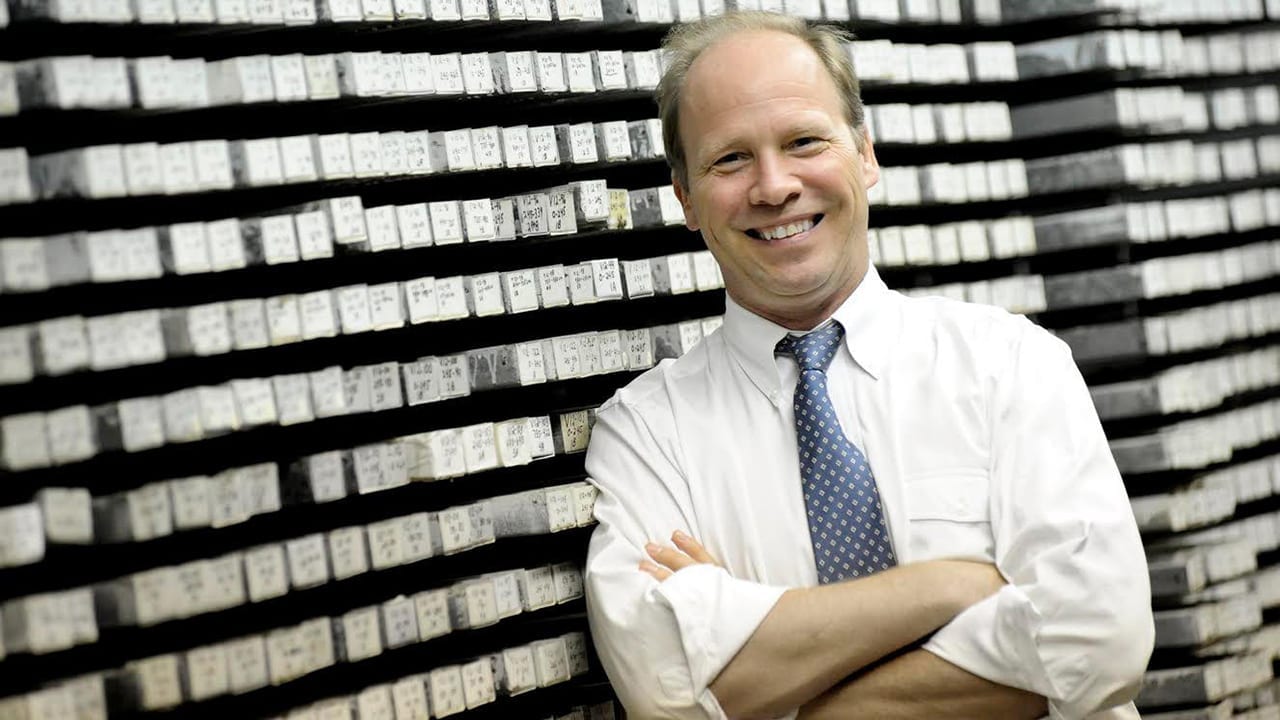
On October 1st, Dr. Peter de Menocal assumed the role of President & Director of Woods Hole Oceanographic Institution, the 11th person to hold that title since the Institution was founded in 1930. In a wide-ranging conversation, we meet the man and the scientist—and get a glimpse of what WHOI’s future may hold under his leadership.
Read MoreCan seismic data mules protect us from the next big one?
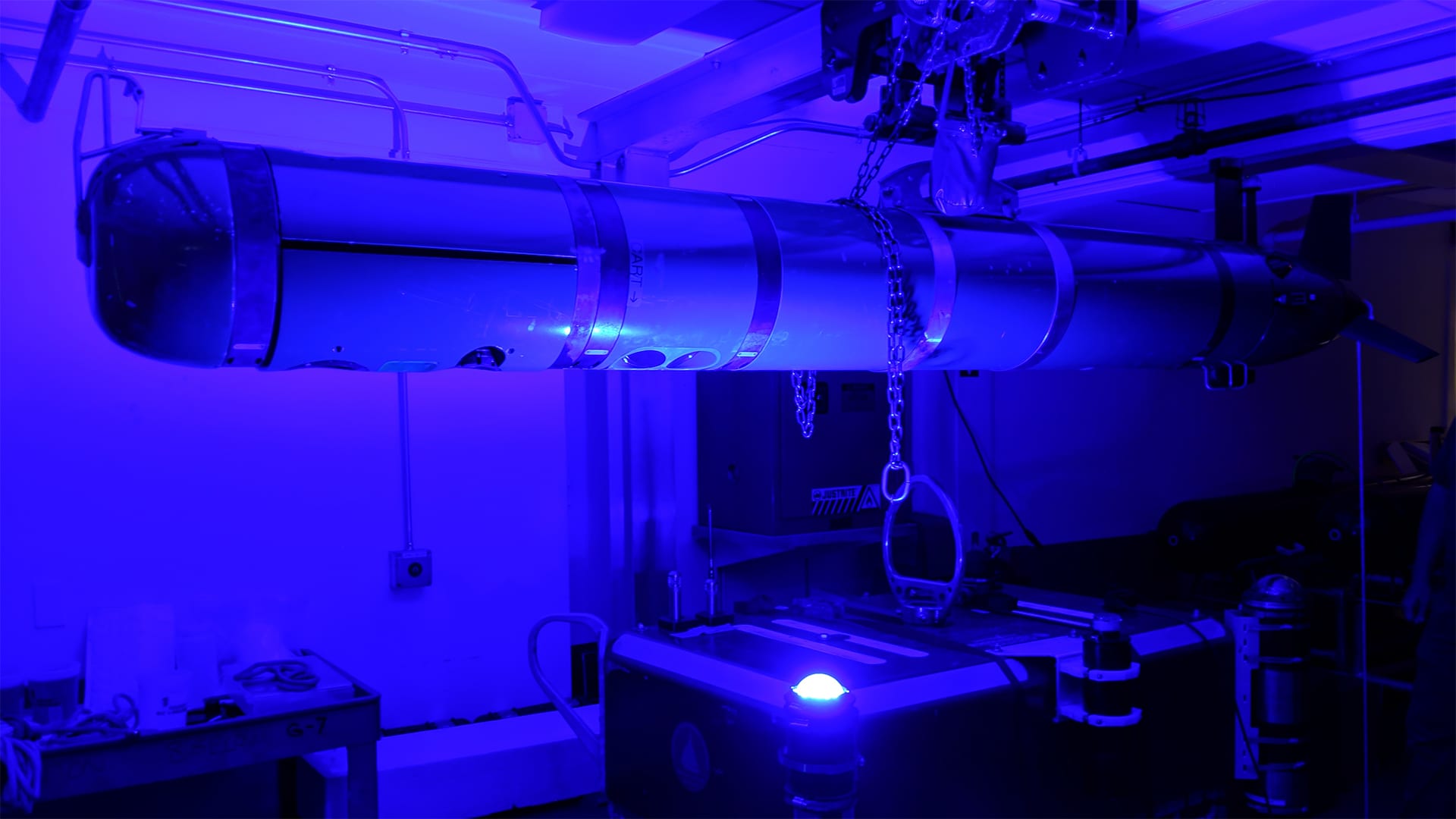
Researchers look to new seafloor earthquake detection systems for better detection and warning of seismic risk
Read MoreAntarctic Ice Sheet Loss Expected to Affect Future Climate Change
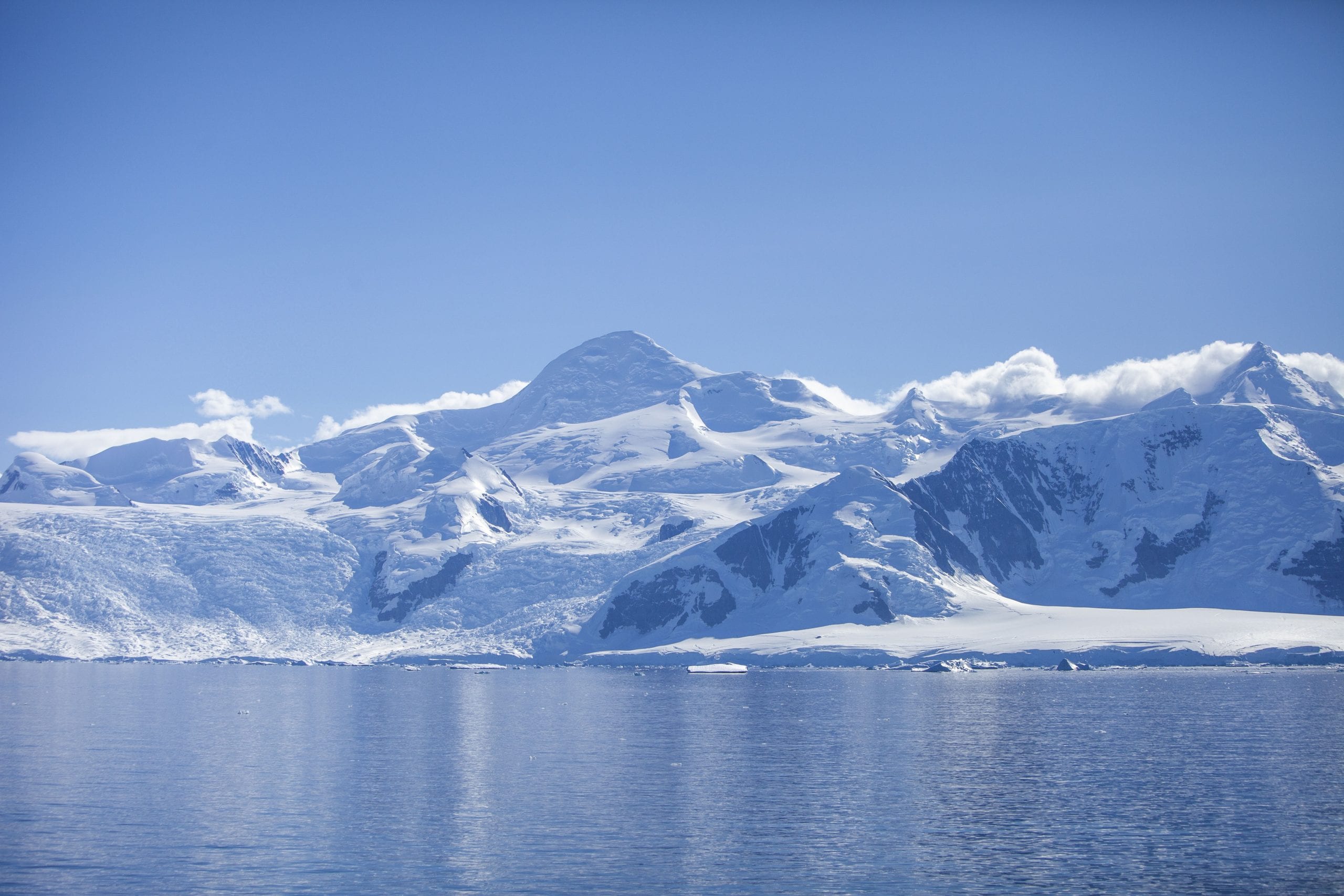
The research team reports that their new models with the added ice melt information reveal important interacting processes and demonstrate a need to accurately account for meltwater input from ice sheets in order to make confident climate predictions.
Read MoreAntarctic ice loss expected to affect future climate change
In a new climate modeling study that looked at the impacts of accelerated ice melt from the Antarctic Ice Sheet (AIS) on future climate, a team of climate scientists reports…
Read MoreWhy is it important to study life in the deep sea and even below the seafloor?
Dr Virginia Edgcomb heads a laboratory at WHOI in the US. She spent three months on a ship in the middle of the Indian Ocean conducting research as part of…
Read MoreScientists revived microbes that were more than 100 million years old
Virginia Edgcomb, a microbial ecologist at WHOI who did not participate in the study, told Science Magazine that the study indicates that “microbial life is very persistent and often finds a…
Read MoreWill melting glaciers cool the climate?
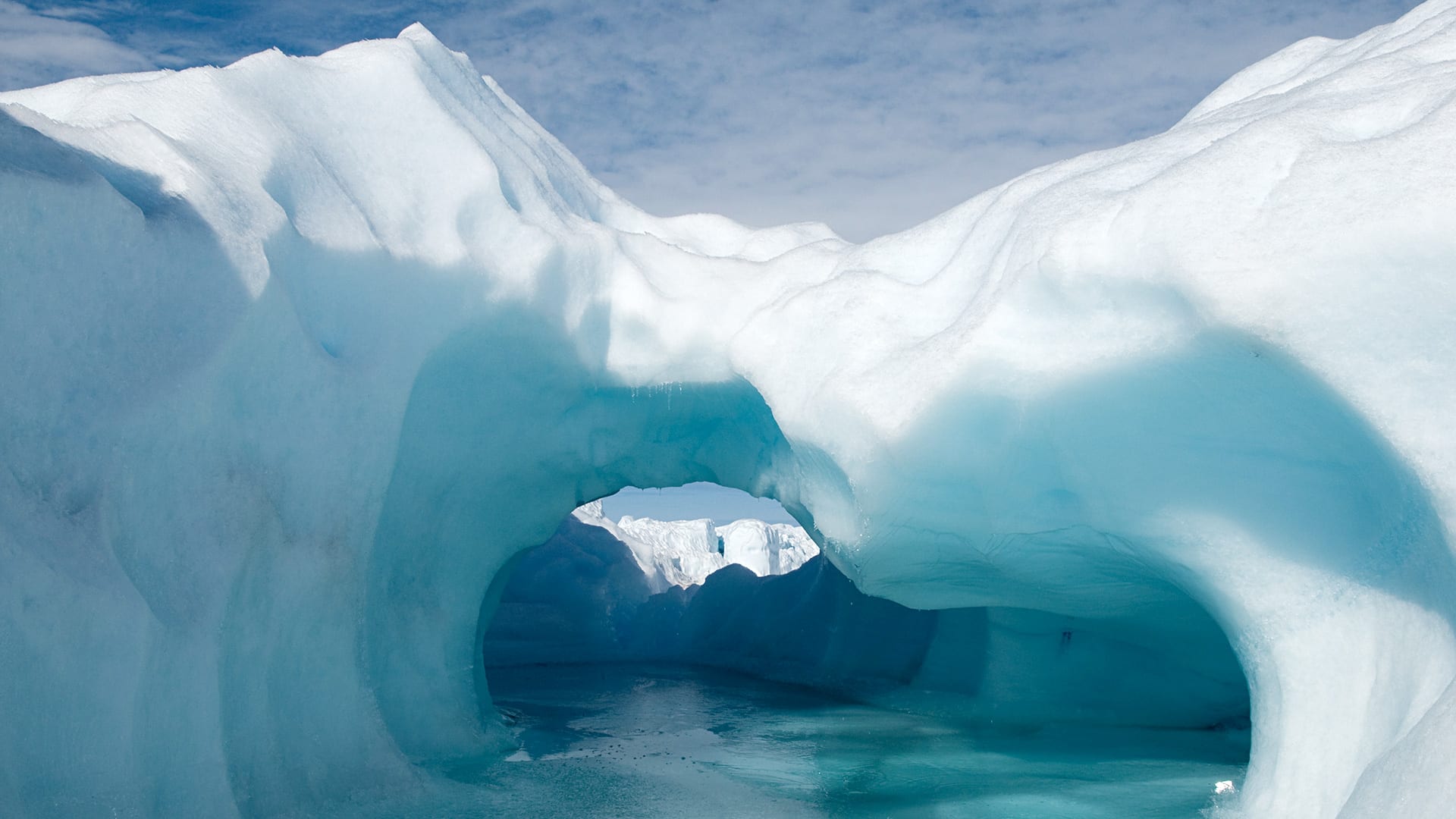
As glaciers melt at unprecedented rates, WHOI’s Simon Pendleton is looking back to historical records to predict whether this new cool runoff will slow ocean circulation and cool the northern hemisphere––findings which could mean adjustments to some climate predictions.
Read MoreAncient Microbes Spring to Life After 100 Million Years Under the Seafloor
Virginia Edgcomb, a microbial ecologist at WHOI who did not participate in the study, told Science Magazine that the study indicates that “microbial life is very persistent and often finds a…
Read MoreWHOI Scientists Make Woods Hole Film Festival Appearance
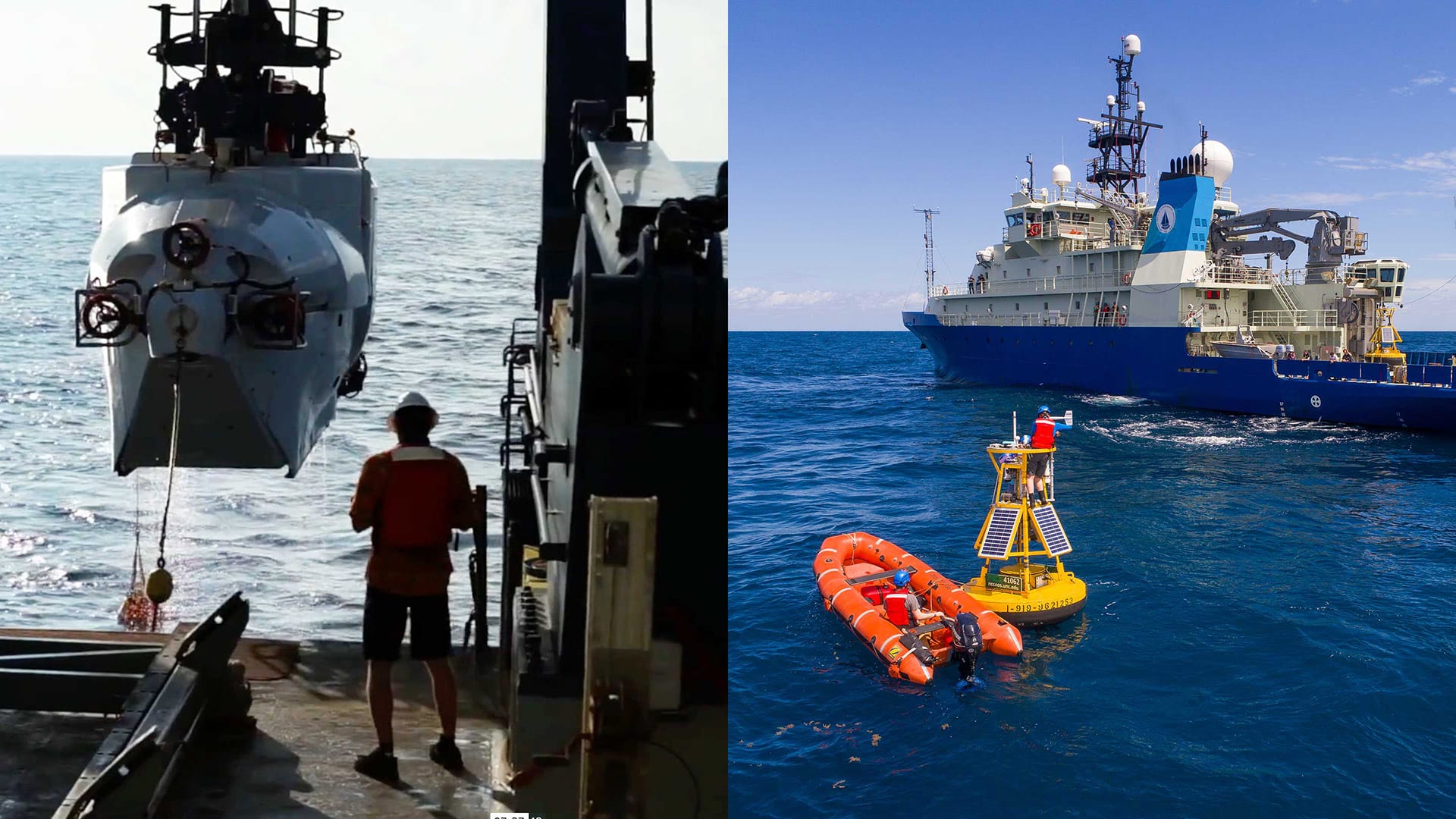
Woods Hole Oceanographic Institution (WHOI) scientists appear in two shorts and a feature film at this year’s Woods Hole Film Festival (WHFF). In addition, scientists will also participate in Q&A…
Read MoreCelebrating an oceanographic life
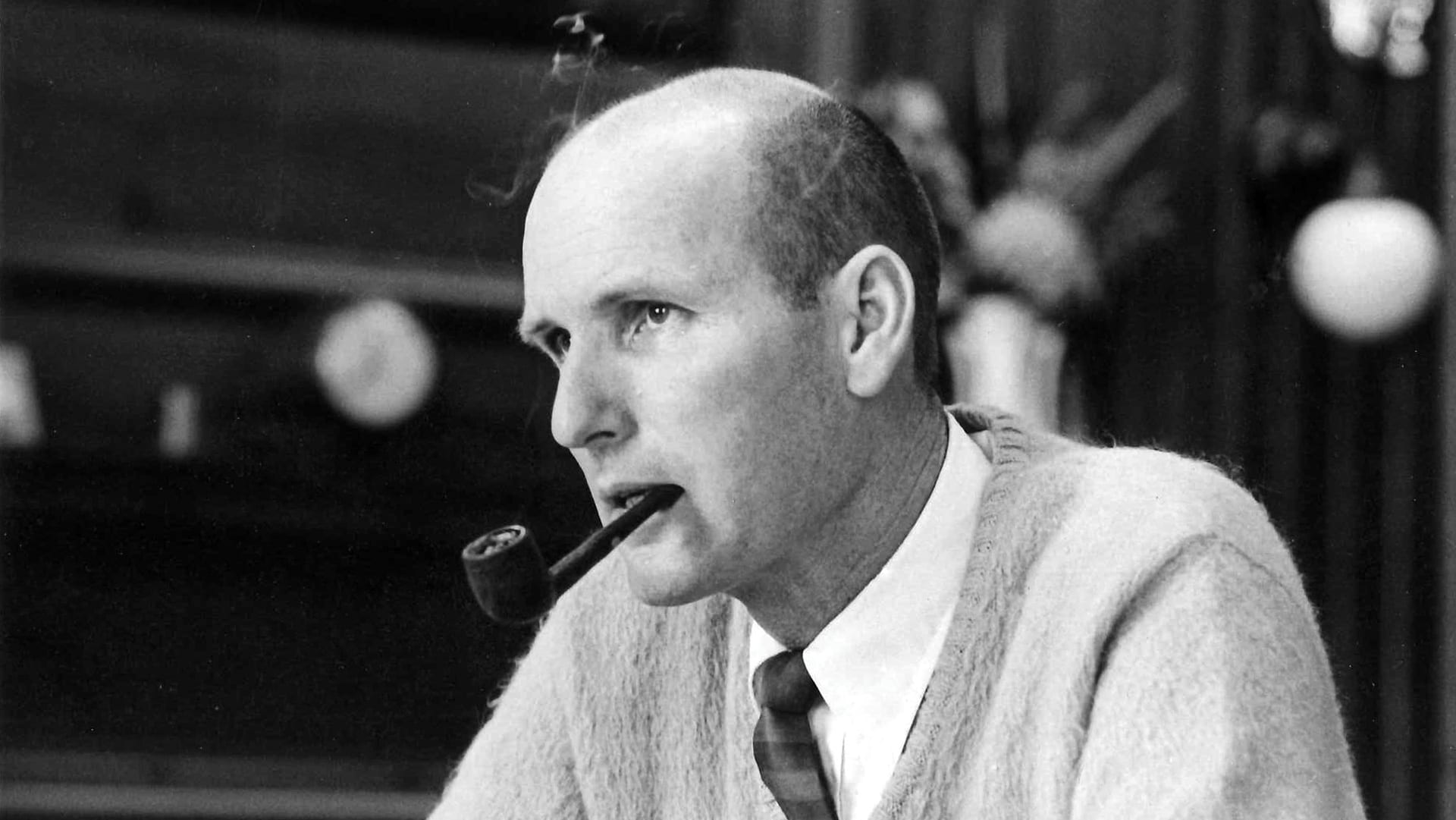
WHOI looks back at the legacy of co-founder of MIT-WHOI Joint Program, former Director of Research and Provost at WHOI, Art Maxwell
Read MoreCelebrating an oceanographic life
WHOI looks back at the legacy of co-founder of MIT-WHOI Joint Program, former Director of Research and Provost at WHOI, Art Maxwell
Read MoreWetter climate to trigger global warming feedback loop in the tropics
As the tropics get wetter, as many climate models predict, soils are likely to experience greater rates of respiration and decomposition, limiting the carbon storage abilities of tropical soils and…
Read MoreWorking from home: Chris German
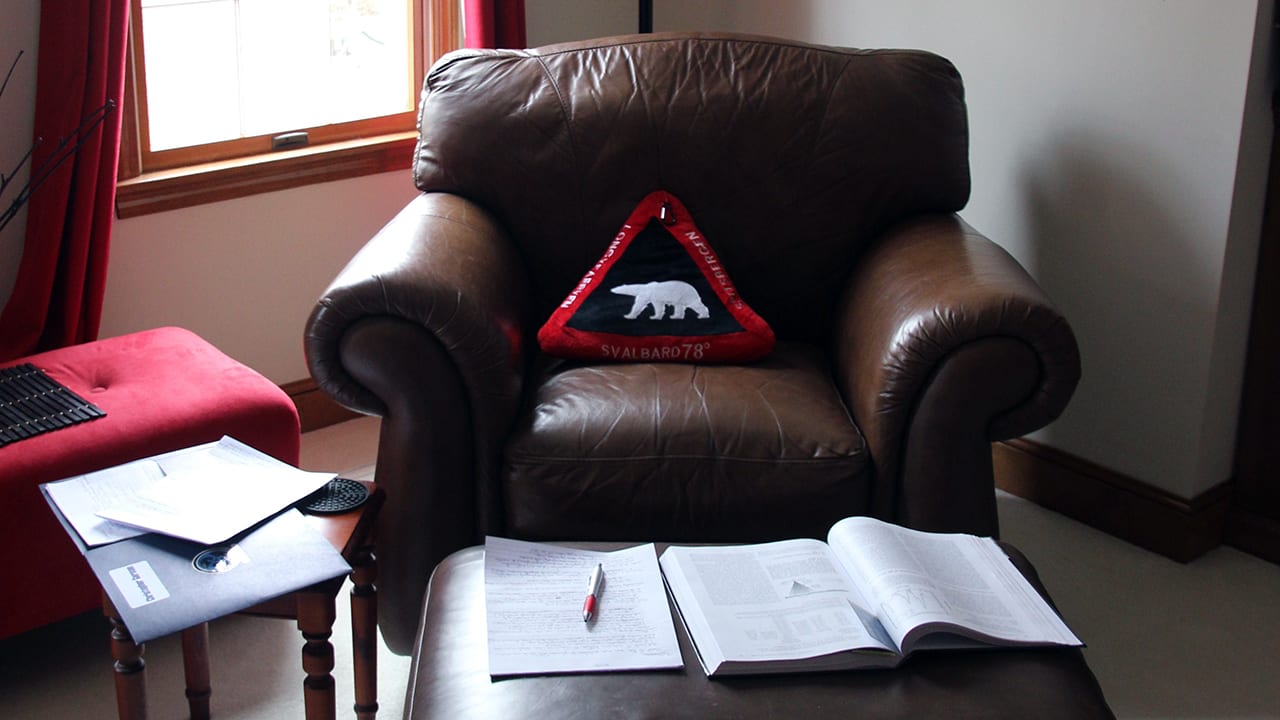
As I reached the end of April, I realized that too much of my time was getting consumed by zoom calls and email in a bid to over-compensate for not…
Read MoreFormer Falmouth students credited in new study
Rebecca Cox and Sarah Lott were interns at the Woods Hole Oceanographic Institution when they became a part of the breakthrough study, which found microorganisms living hundreds of meters beneath…
Read MoreFinding medical answers in the ocean
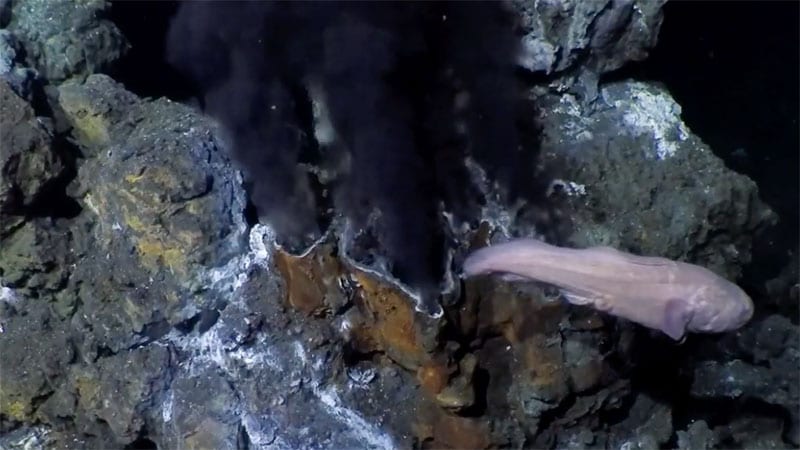
The test being used to diagnose the novel coronavirus—and other pandemics like AIDS and SARS—was developed with the help of an enzyme isolated from a microbe found in marine hydrothermal vents as well as freshwater hot springs.
Read More