
Chemistry
Mercury Cycle

Mercury is converted to monomethl mercury, a neurotoxin that moves up the food chain and becomes highly concentrated in tuna, swordfish and other seafood eaten by humans.
Read MoreCarbon Dioxide, Shell Building, and Ocean Acidification
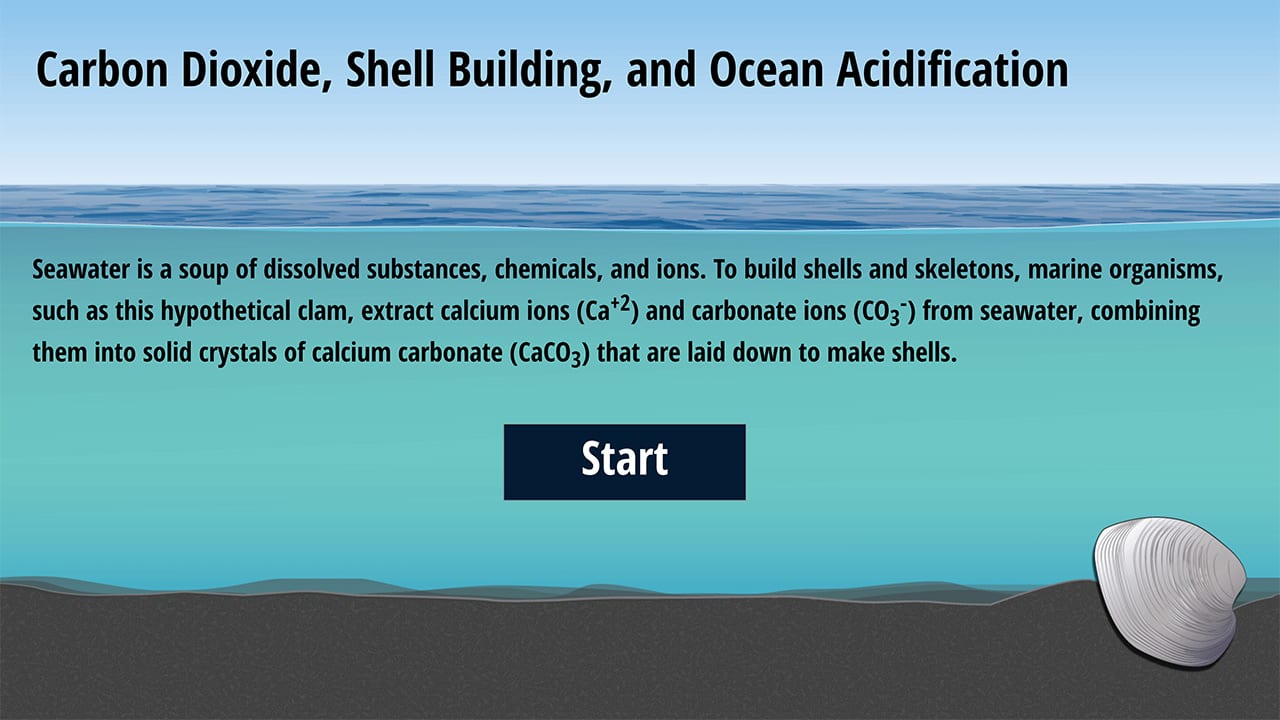
To build shells and skeletons, marine organisms extract calcium ions and carbonate ions from seawater to make shells.
Read MoreBeach Closures
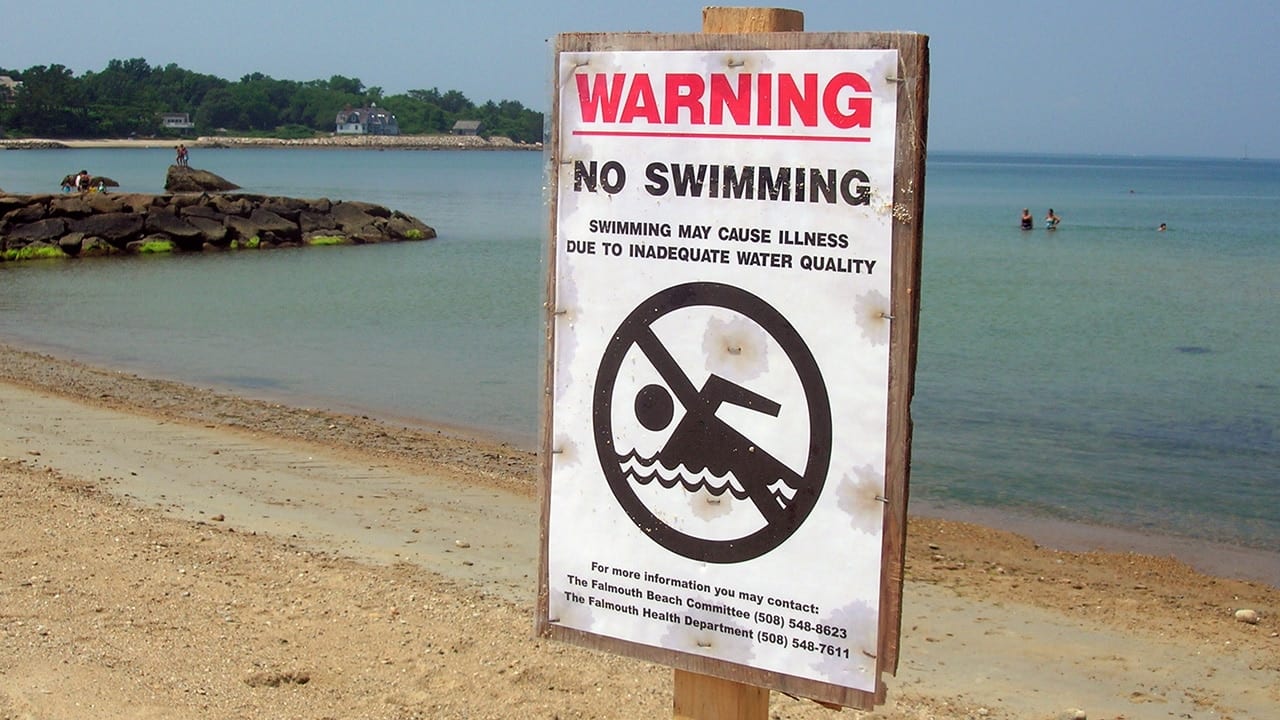
Hundreds of beaches nationwide are closed each year due to the presence of potentially harmful bacteria, viruses, and parasites in the water.
Read MoreLife at Vents & Seeps
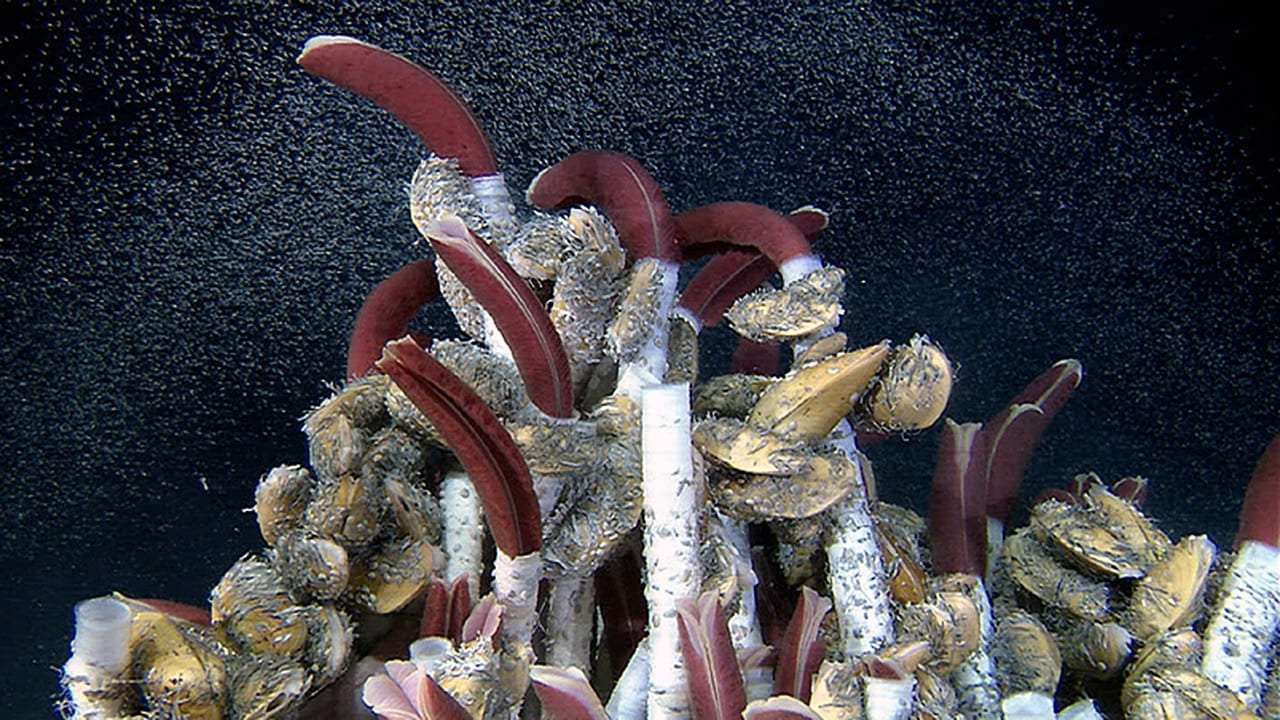
Hydrothermal vents and cold seeps are places where chemical-rich fluids emanate from the seafloor, often providing the energy to sustain lush communities of life in some very harsh environments.
Read MoreOcean Acidification
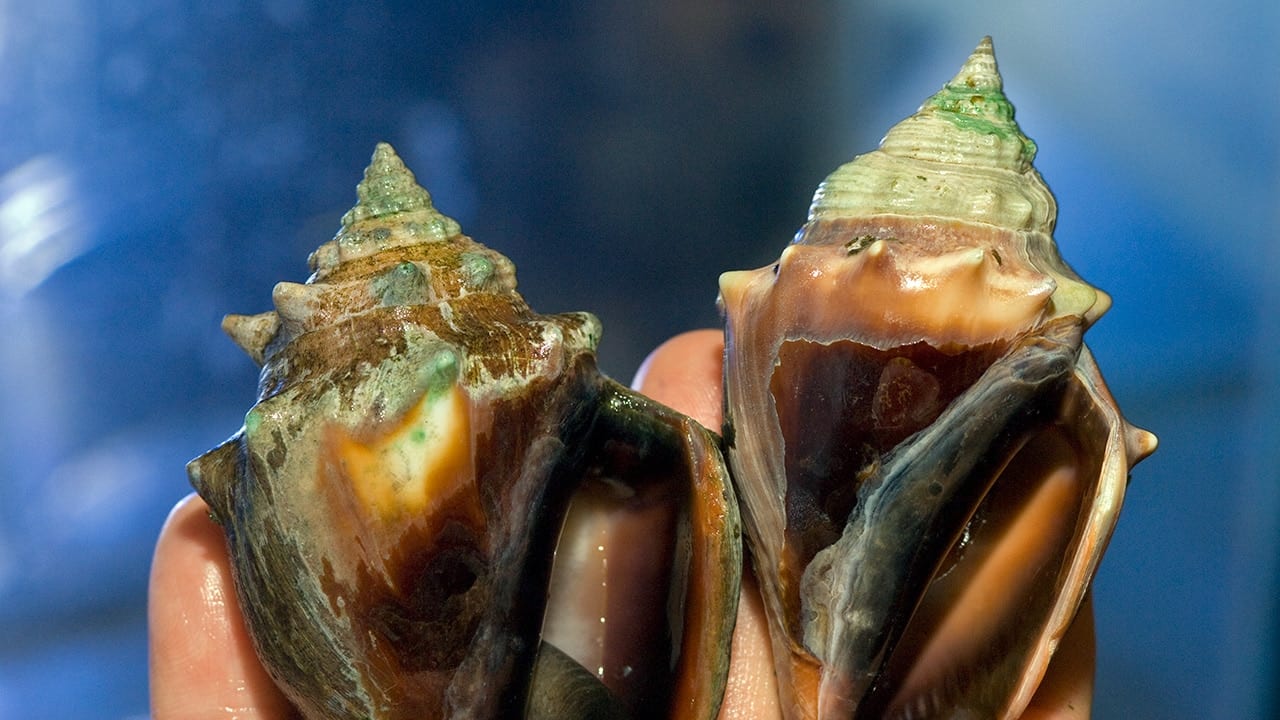
Ocean acidification is a reduction in the pH of the ocean over an extended period of time, caused primarily by an increase of carbon dioxide from the atmosphere.
Read MoreBiogeochemistry
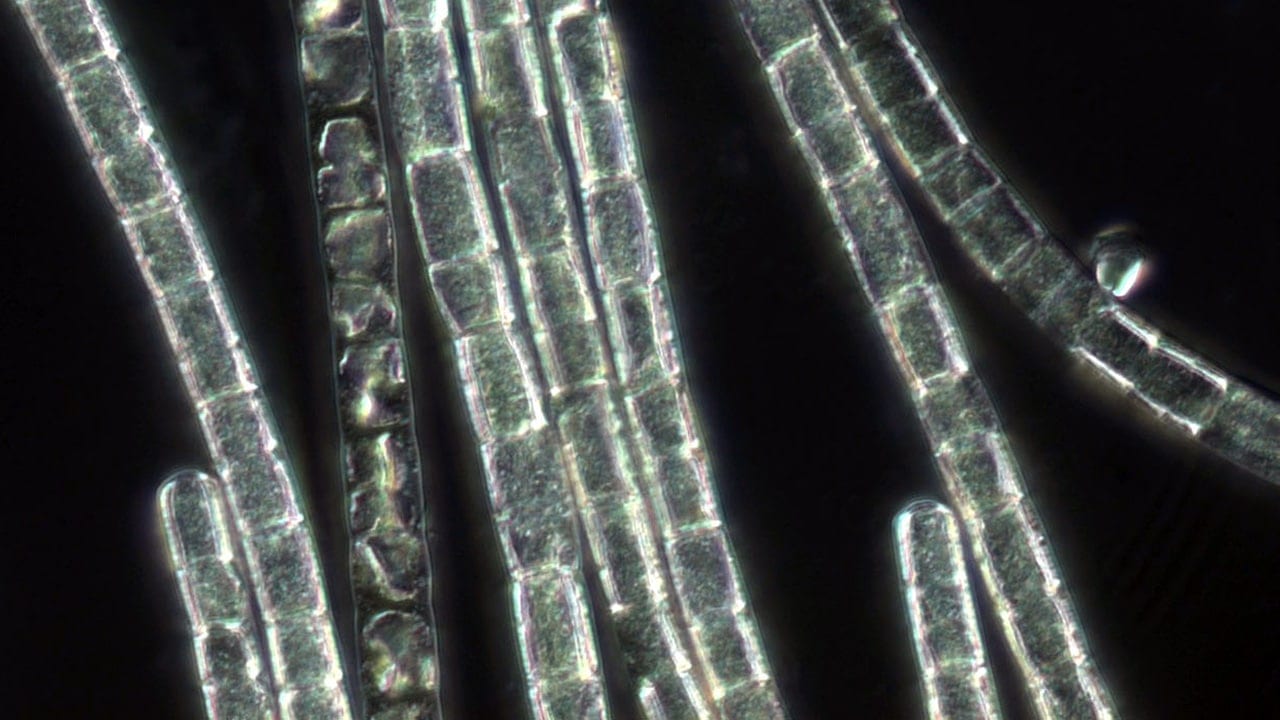
Biogeochemistry studies the cycles of crucial elements, such as carbon and nitrogen, and their interactions with other substances and organisms as they move through Earth's atmosphere, hydrosphere, biosphere, and lithosphere.
Read MoreOcean Chemistry

The understanding of chemistry in the ocean is critical because changes can influence marine life, and in turn, human life.
Read MoreWill oxygen in the ocean continue to decline?
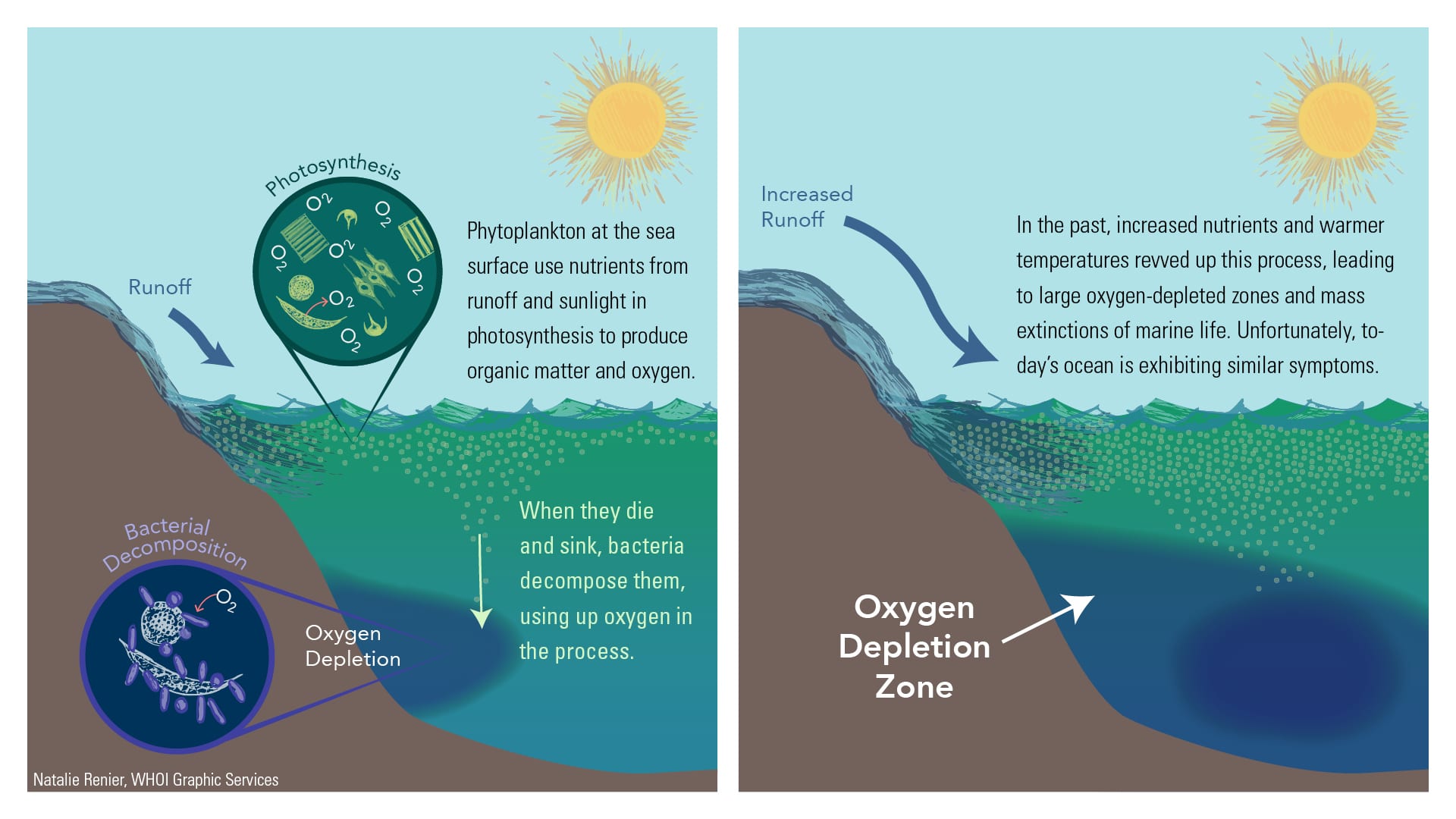
Oxygen loss in the ocean has triggered mass die-offs before—and scientists warn that ongoing deoxygenation may pose a similar threat today.
Read MoreElemental Journeys
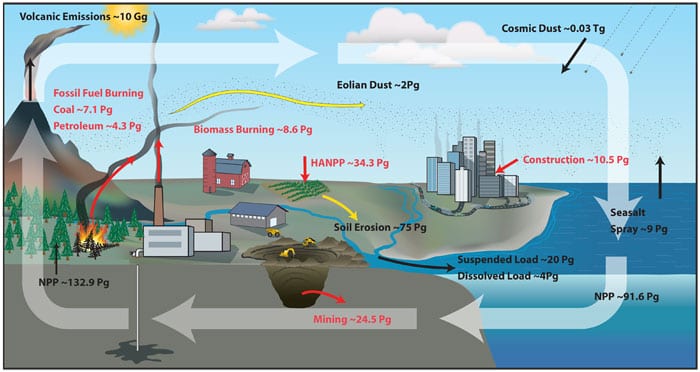
Vast amounts of elements move via nature and humans—through erosion, rivers, farming, and more—measured in Pg, Tg, and Gg. HANPP tracks our impact.
Read MoreRadioactivity in the Ocean: Natural vs. Human Sources
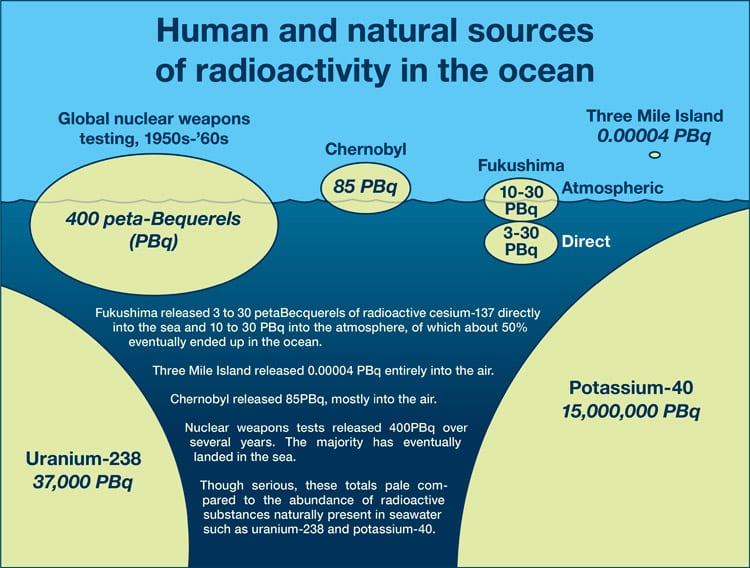
Nuclear accidents released PBqs of radiation, but natural sources like potassium-40 far exceed them—15 million PBq already exist in seawater.
Read MoreBacteria and Diatoms
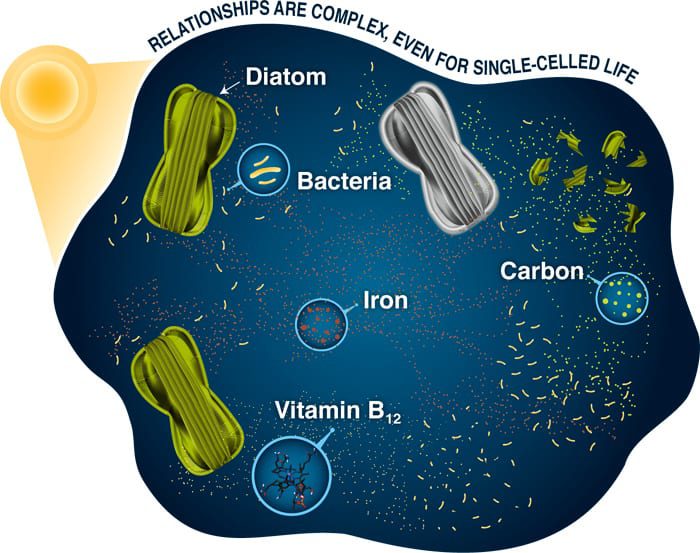
Diatoms and bacteria rely on each other for key nutrients like carbon and B12—but they also compete for scarce iron in the ocean’s complex chemical soup.
Read MoreForms and Transformations of Estrogen
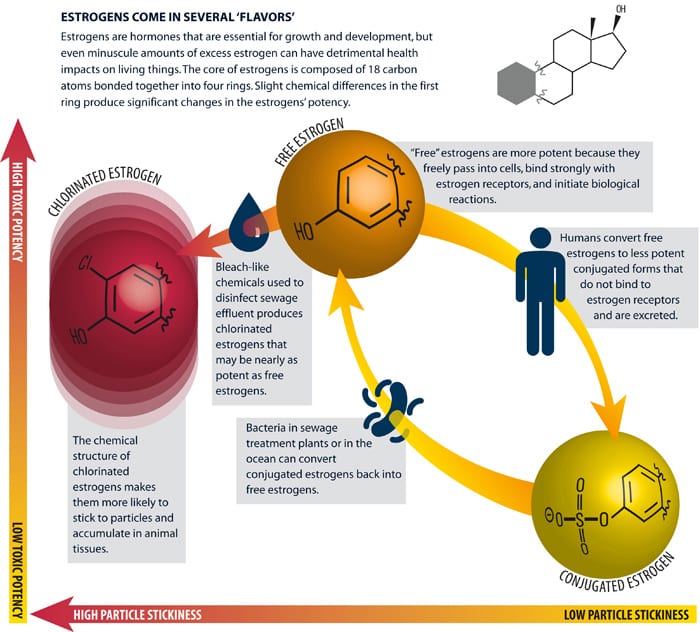
Estrogens exist in free, conjugated, and chlorinated forms, with varying potency and environmental impacts, influencing human health and ecosystems.
Read MoreMarine Microbe Relations
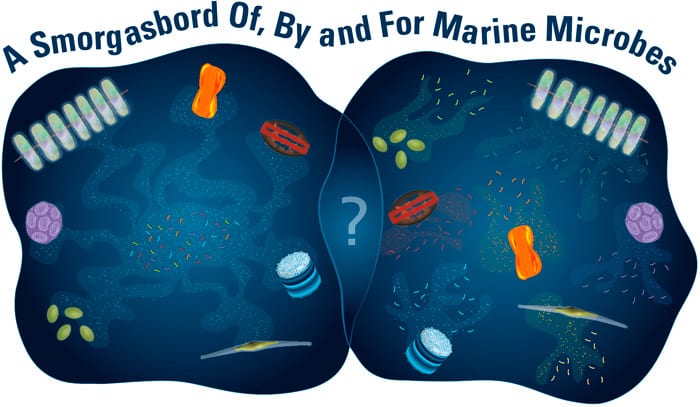
Scientists uncover how autotrophic and heterotrophic microbes interact via dissolved organic carbon, shaping ocean food webs and influencing Earth’s chemistry.
Read MoreFukushima and Radiation in the Ocean: How much?
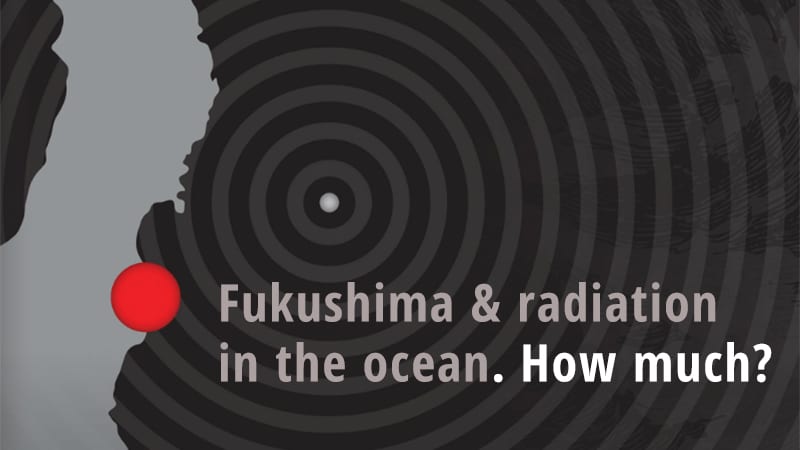
Fukushima released radioactive water into the Pacific. Explore how much, how it spread, and what it means for ocean health, seafood, and human safety.
Read MoreCarbon Around the World
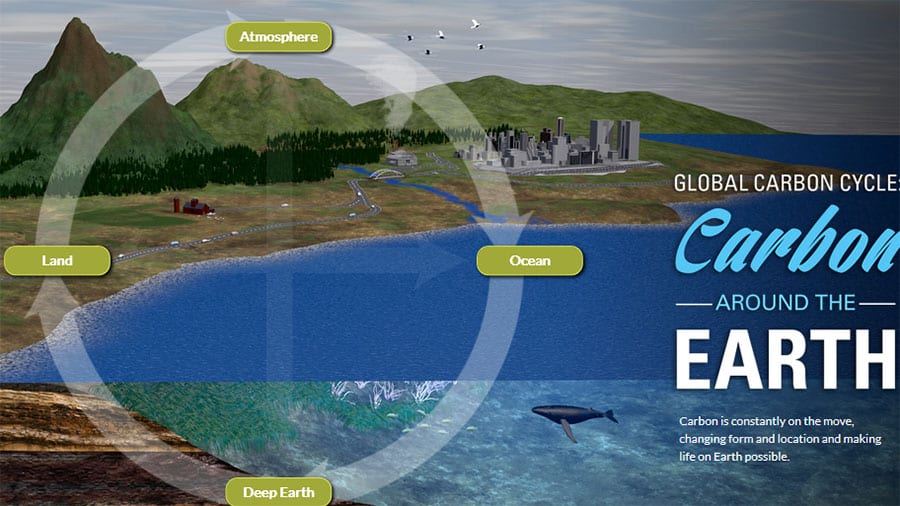
Carbon makes up the backbone of all life on Earth. It’s found in the cells of all living things, is abundant in rocks and sediments, and is also found in the atmosphere and ocean.
Read MoreRadiation Health Risks
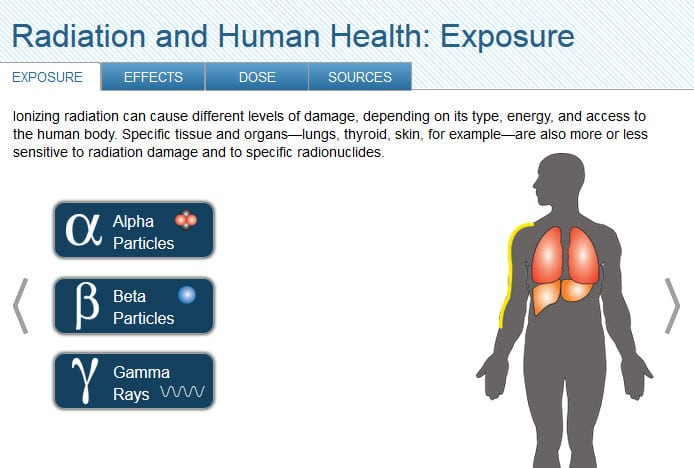
Explore how different types of ionizing radiation—gamma rays, beta particles, and more—interact with the human body, and how damage depends on type, dose, and exposure.
Read MoreABCs of Radioactivity
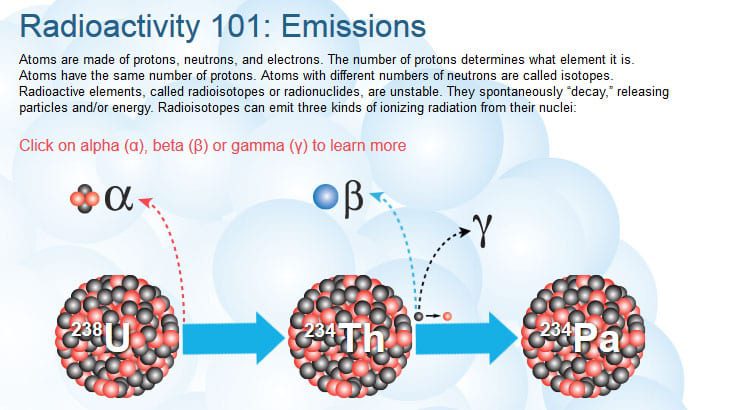
Atoms are made of protons, neutrons, and electrons. Radioactive elements, called radioisotopes or radionuclides, are unstable.
Read MoreMeasuring River Chemistry
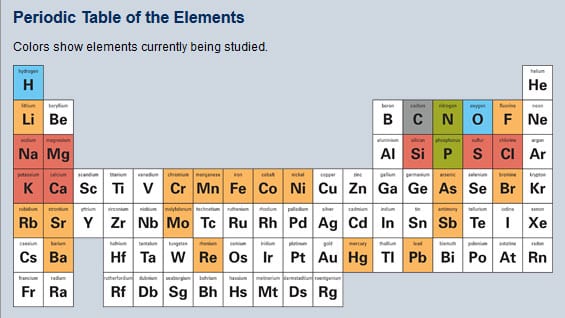
Analyzing the water’s chemistry tells about the land the river flows over, the health of the watershed, and changes caused climate change or human activities.
Read MoreA River Runs Through It
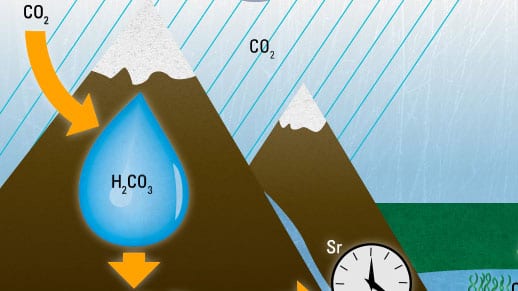
In this interactive, track a geochemical journey that starts in the atmosphere, moves through rocks and plants, and sinks to the seafloor.
Read More