
Chemistry
How do deep-sea organisms get energy?
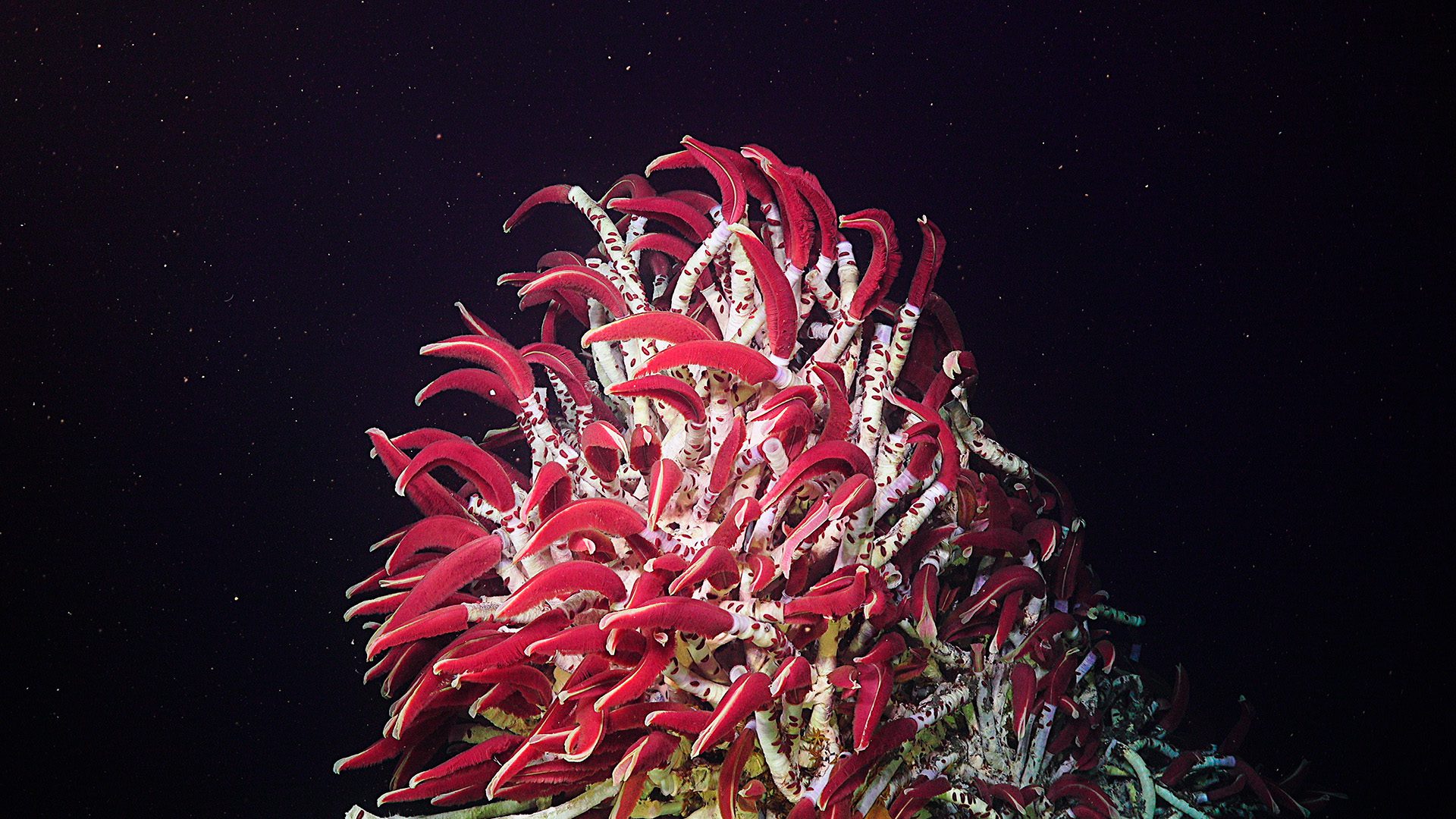
Deep-sea microbes use chemosynthesis from vents and seeps, sustaining ecosystems central to life and exploration.
Read MoreHow does bioluminescence work?
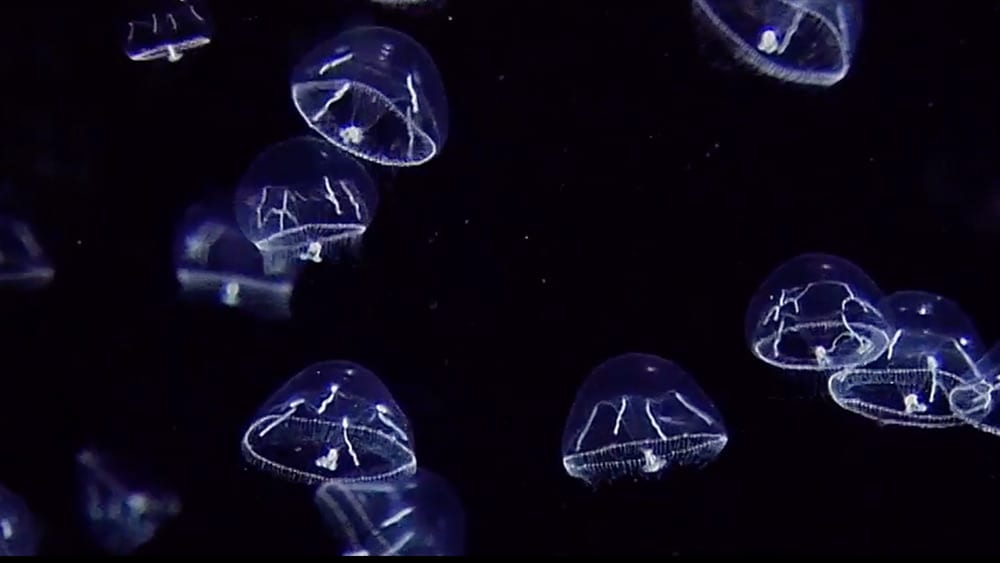
Deep in the ocean there’s very little sunlight. But if you could swim down there, it would look a bit like the night sky. Why is this?
Read MoreDoes plastic last for thousands of years in the environment?
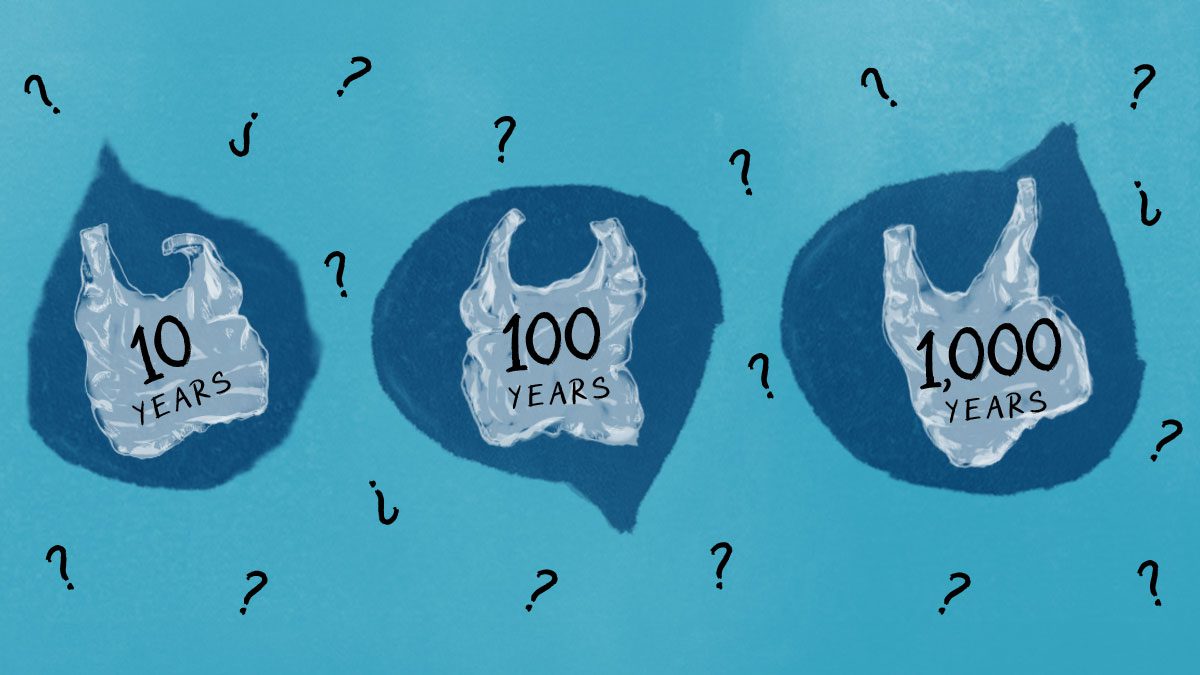
Plastic pollution is a serious-and growing-environmental problem, with millions of tons of bags, bottles, fishing gear and more piling up on land and floating out to sea.
Read MoreLife and chemistry at deep-sea hydrothermal vents
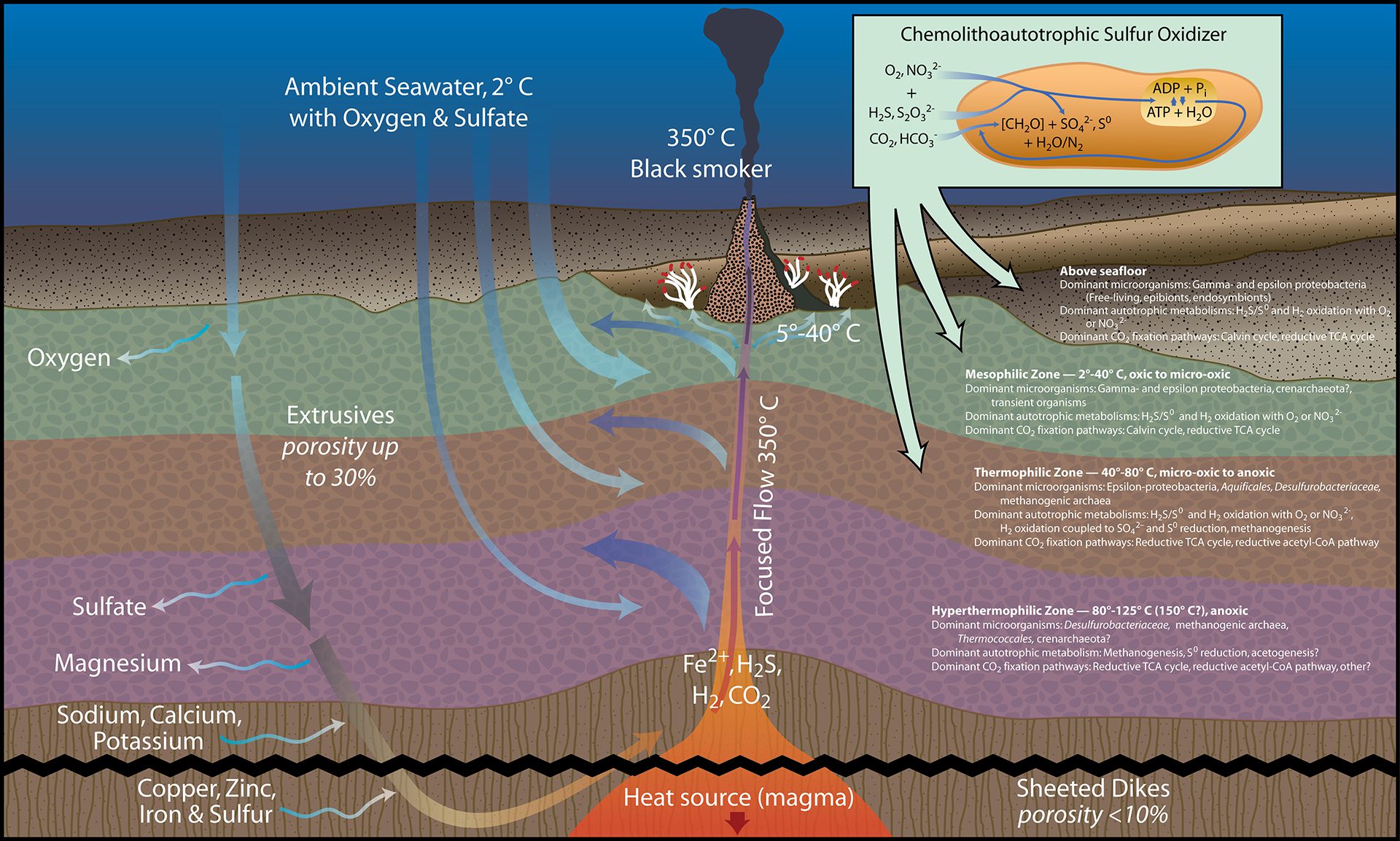
Hydrothermal vents host extreme microbes that drive key chemical cycles—oxidizing sulfur, fixing CO?, and producing methane in a hot, mineral-rich environment.
Read MoreDecoding microbes by their lipids
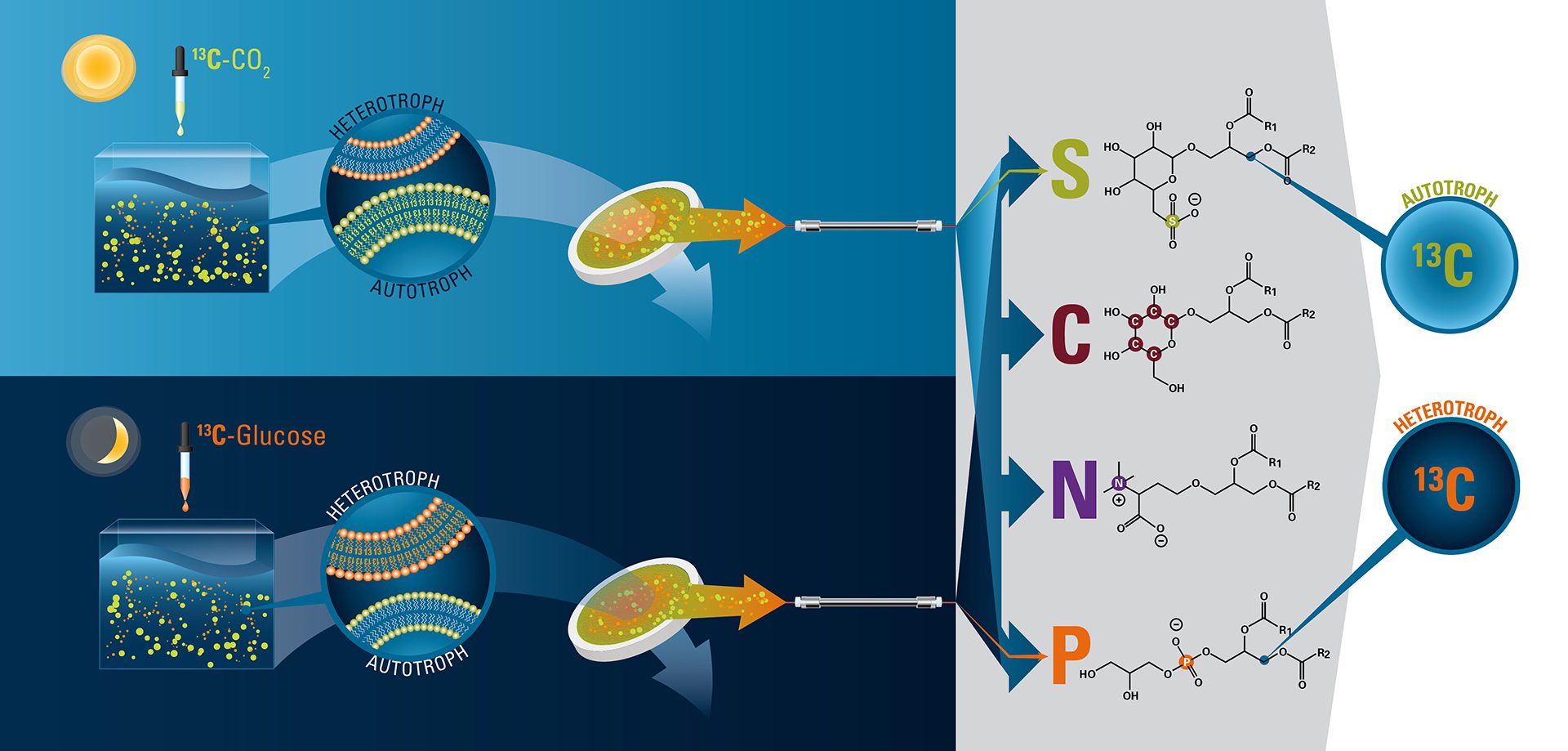
Scientists use lipid chemistry to identify ocean microbes—distinguishing light-powered autotrophs from carbon-processing heterotrophs in seawater samples.
Read MoreTwo Chemical Roads Diverge in an Open Ocean illustration
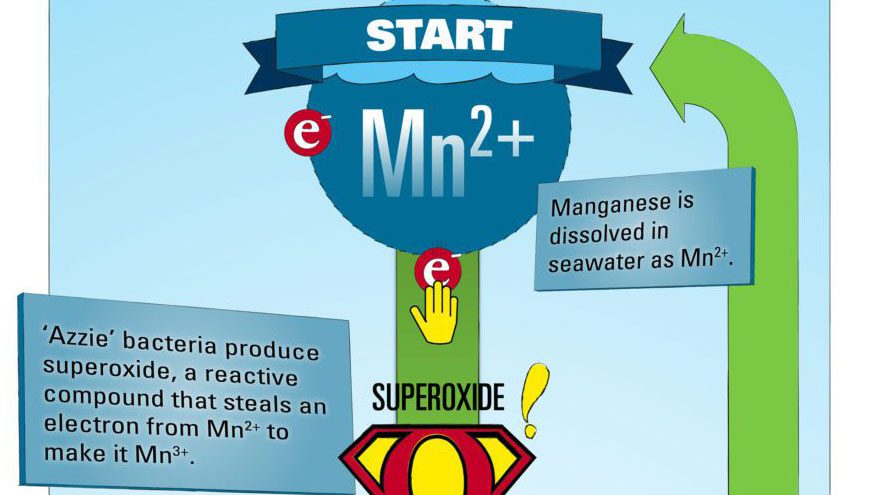
An exploration of how and why manganese oxide deposits form in the environment
Read MoreThe seafloor is teeming with methane
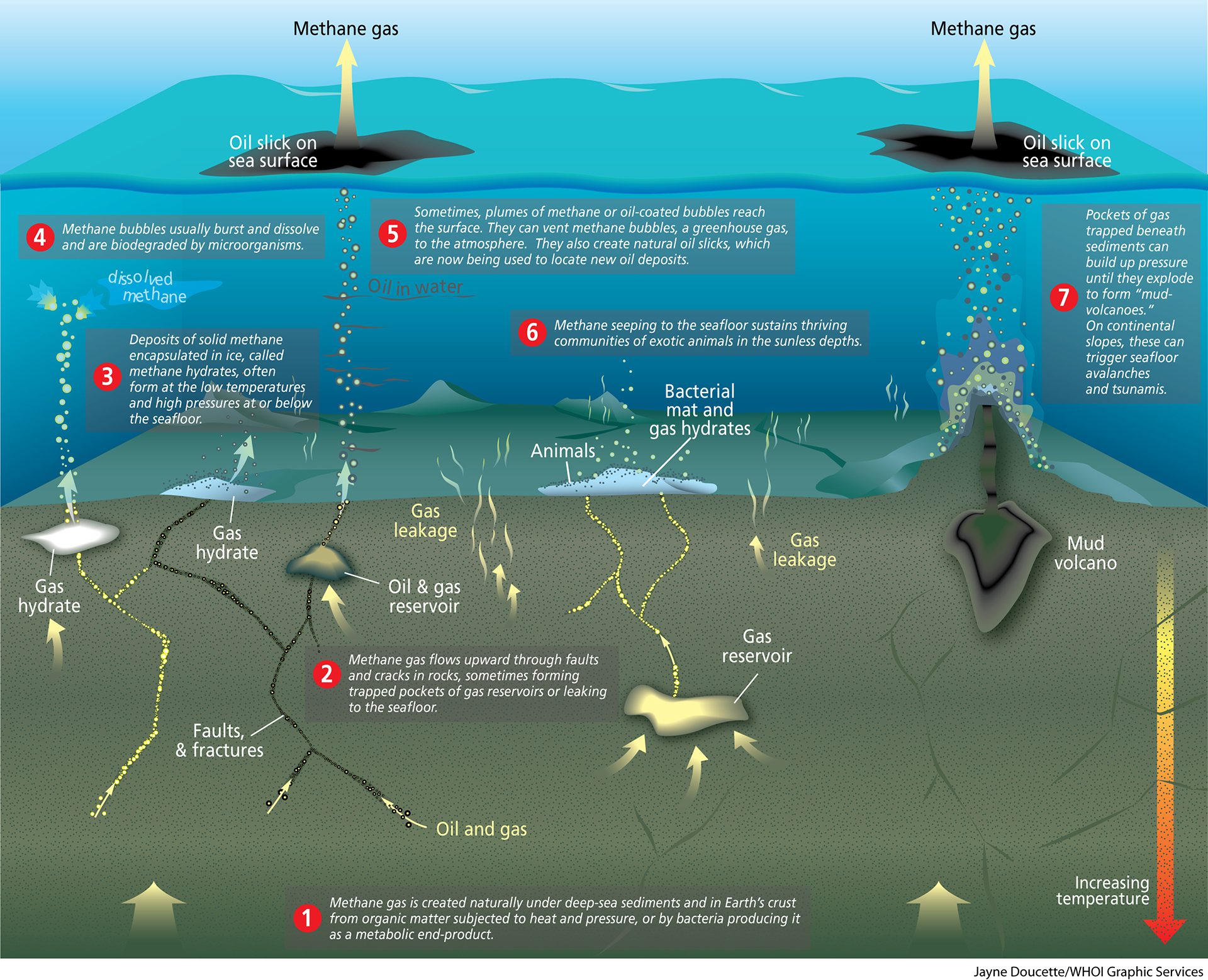
Methane seeping from the seafloor fuels deep-ocean ecosystems where microbes use it for energy, supporting unique animals in dark, sunlight-free habitats through chemosynthesis.
Read MoreInfographic showing the effects of radiation on human tissue
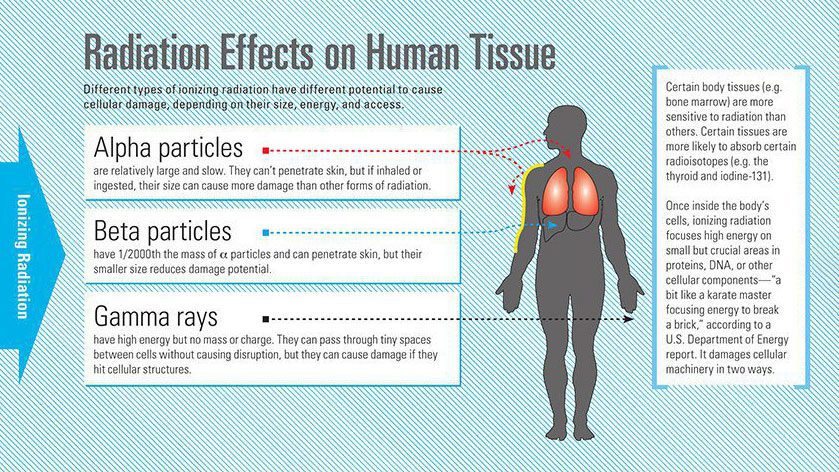
Different types of ionizing radiation have different potential to cause cellular damage, depending on their size, energy, and access.
Read MoreCalcium carbonate skeleton formation
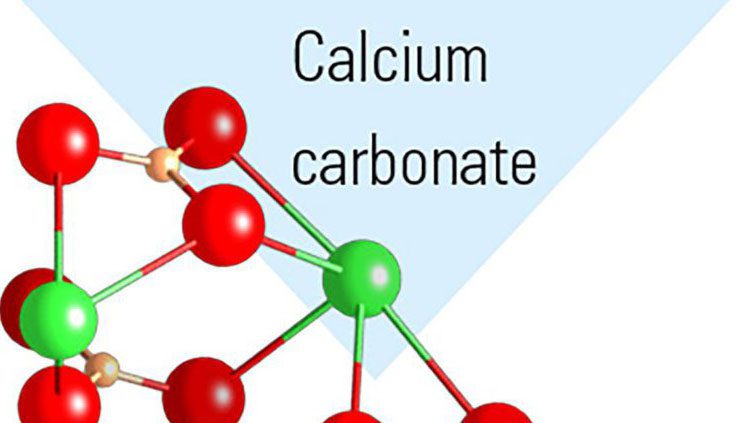
Corals build skeletons from calcium and carbonate ions, but lower ocean pH reduces carbonate availability, making it harder for corals to grow their skeletons.
Read MoreInfographic measuring amount of radioisotopes at 3 different nuclear disasters
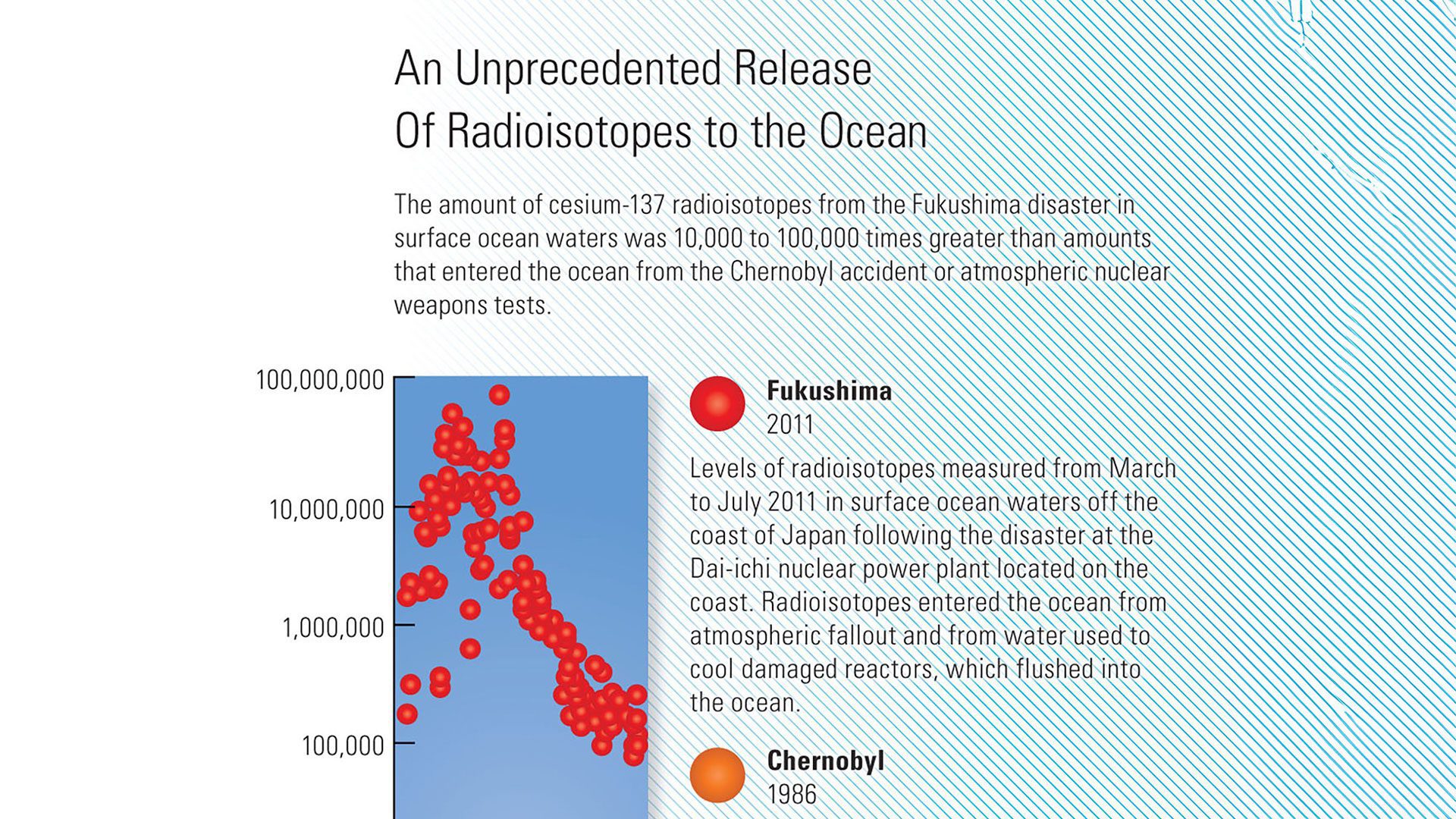
The Fukushima disaster resulted in an unprecedented release of radioisotopes into the ocean.
Read MoreInfographic showing different levels of radiation doses
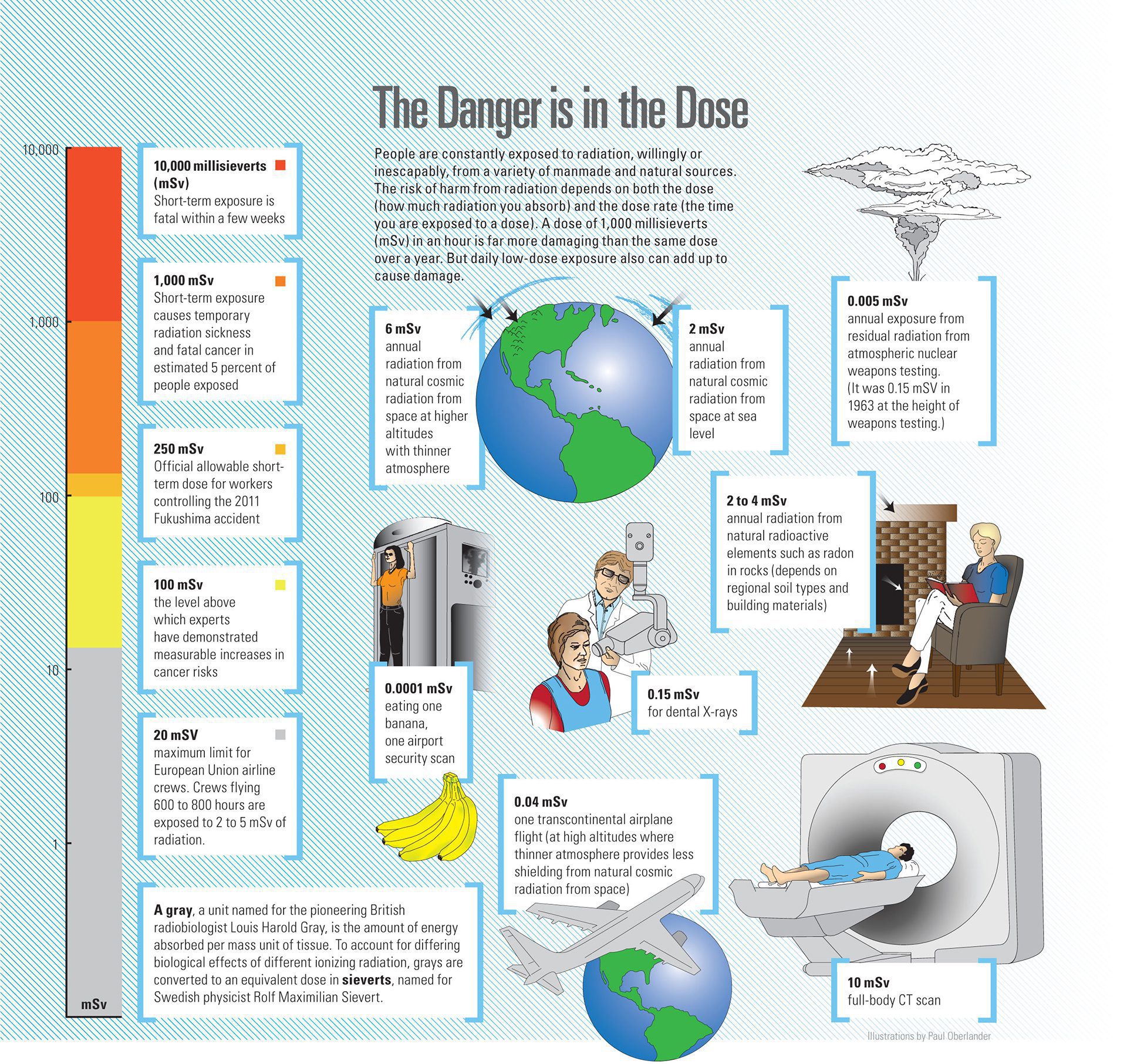
People are constantly exposed to radiation from a variety of manmade and natural sources. The risk of harm from the radiation depends on both the dose and the dose rate.
Read MoreGlobal Map of Cesium-137 Levels in the Ocean
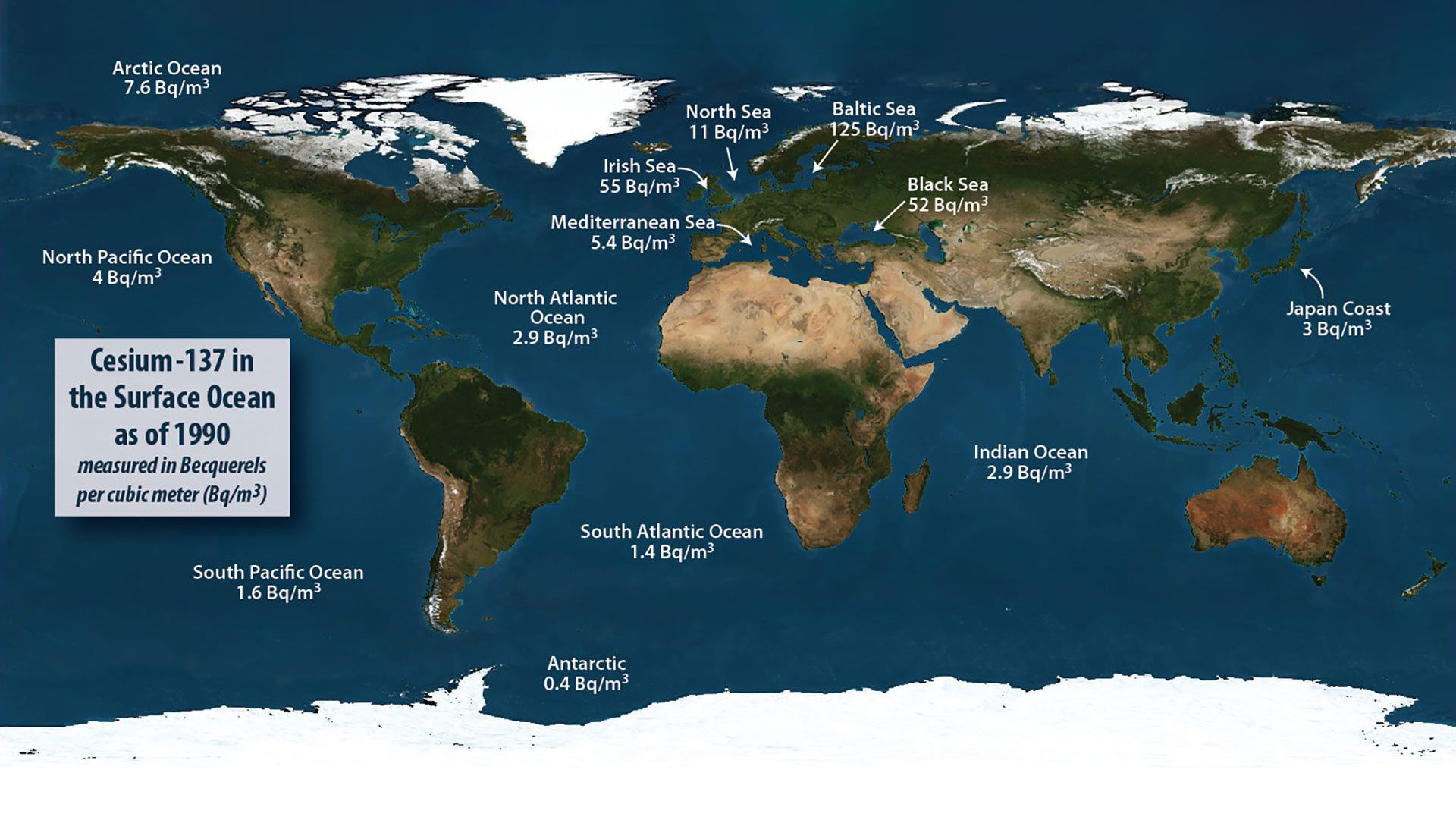
Map shows global ocean levels of Cesium-137, a radioactive isotope released from nuclear fission and major nuclear events like weapons tests and reactor accidents.
Read MoreMercury cycle illustration
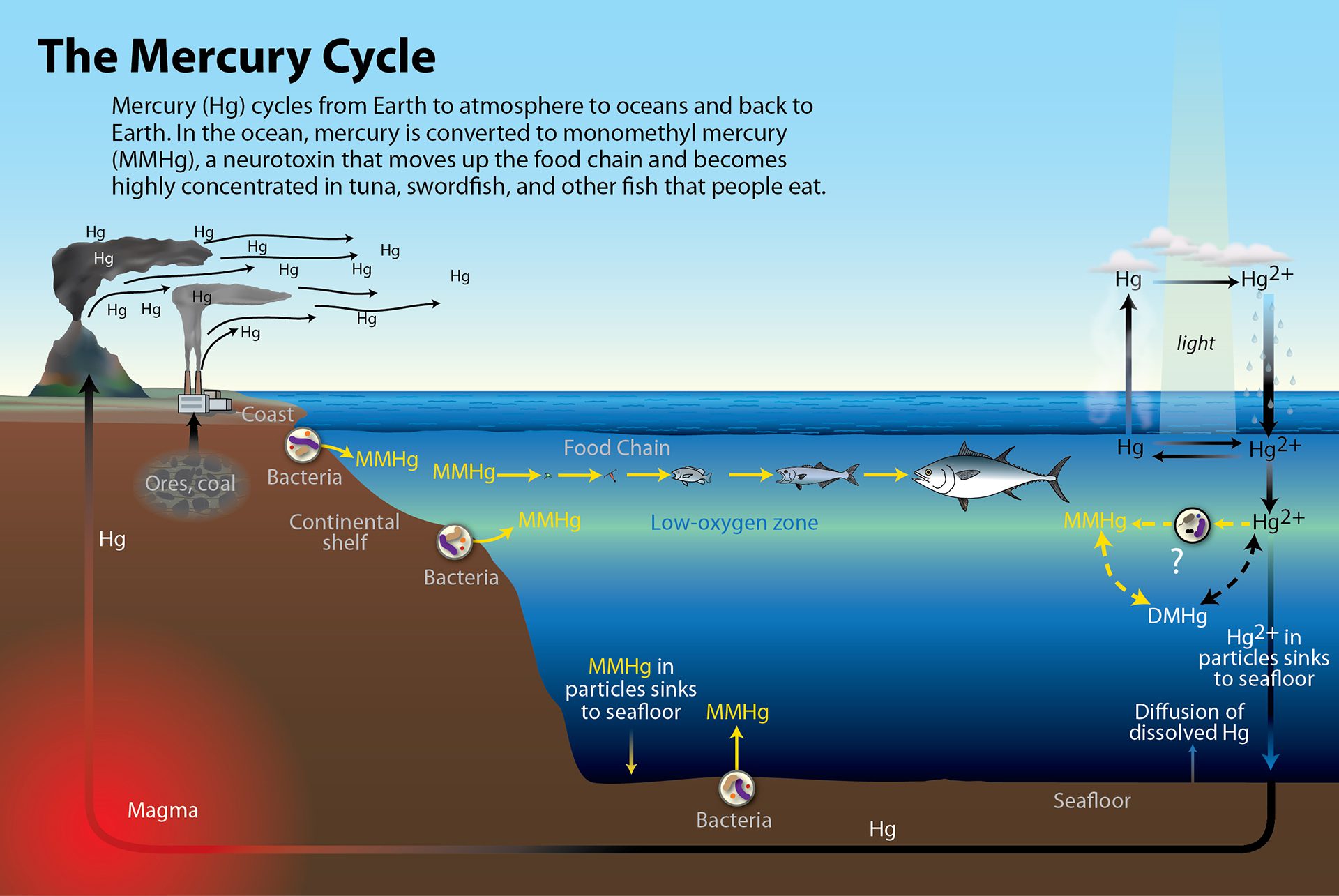
Mercury cycles between Earth, air, and ocean, where it becomes toxic monomethylmercury that builds up in tuna, swordfish, and other fish we consume.
Read MoreThe effects of ocean acidification on sound waves
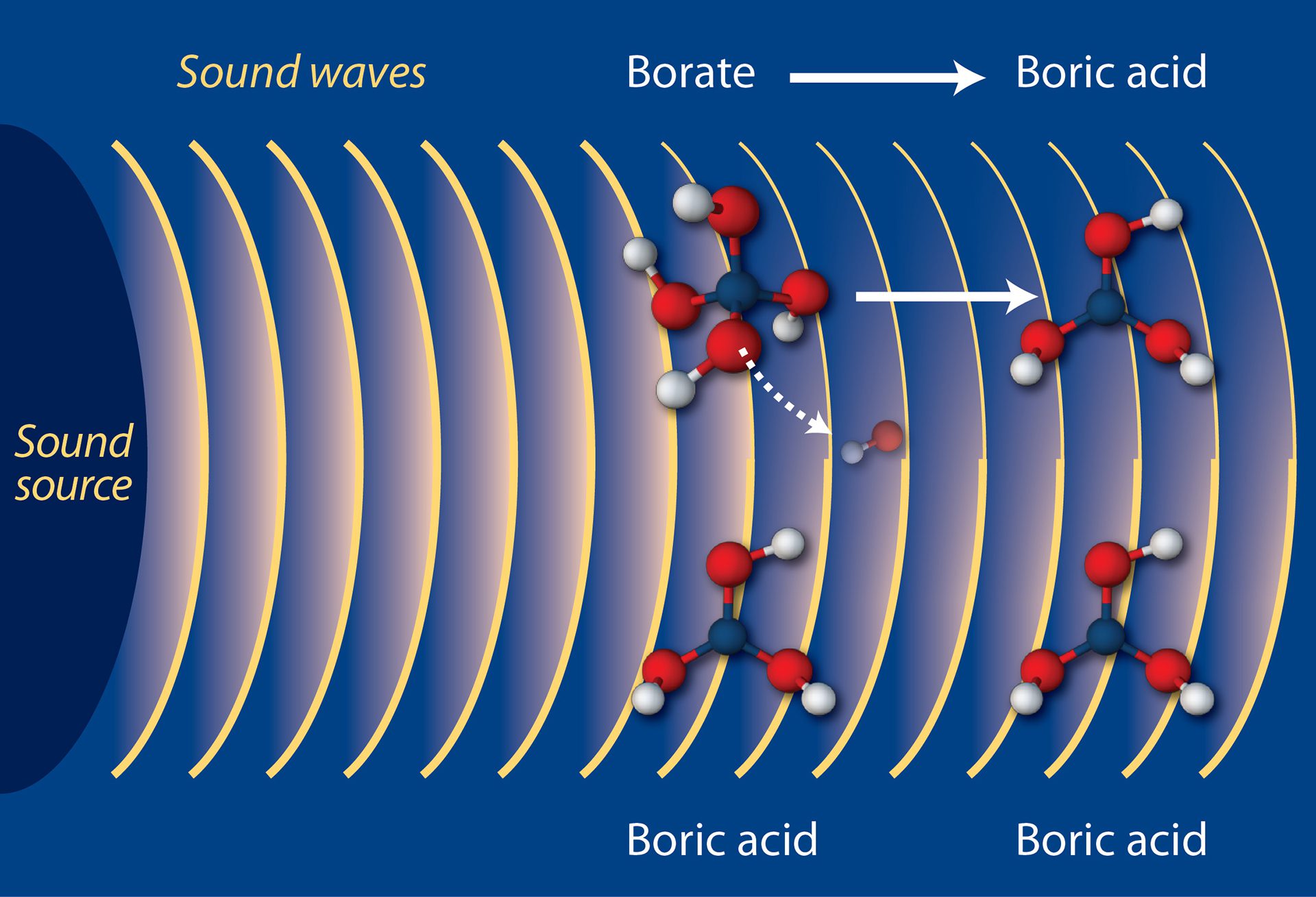
Low-frequency ocean sound causes borate to change to boric acid, absorbing energy. Ocean acidification may reduce this, but WHOI scientists found the effect on sound travel is minimal.
Read MoreSources of dissolved iron in seawater
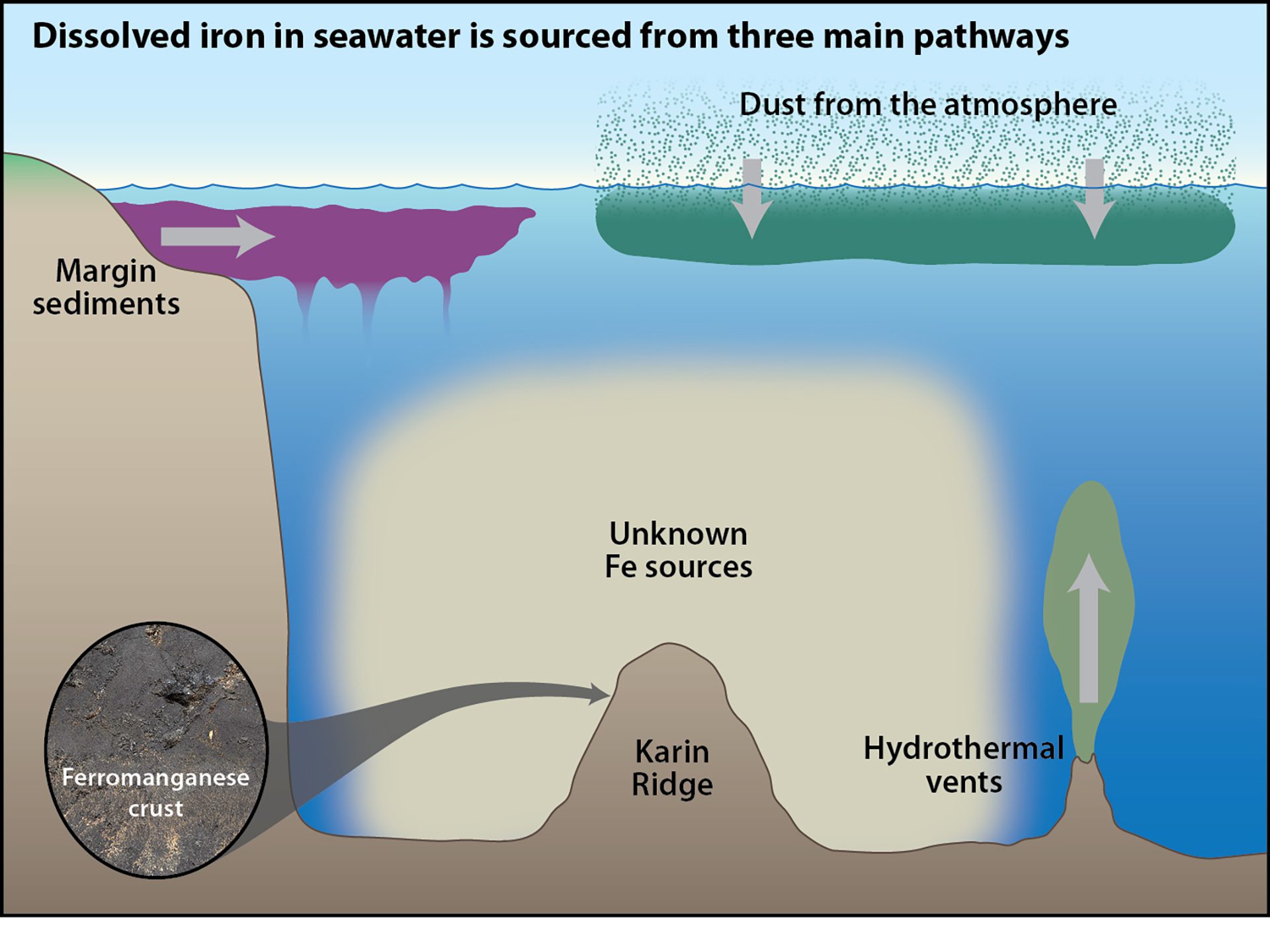
New research shows deep-ocean vents and sediments supply much dissolved iron to the central Pacific, traveling far—challenging the dust-only iron source view.
Read MoreHow the Fraser River picks up chemical signatures along its journey
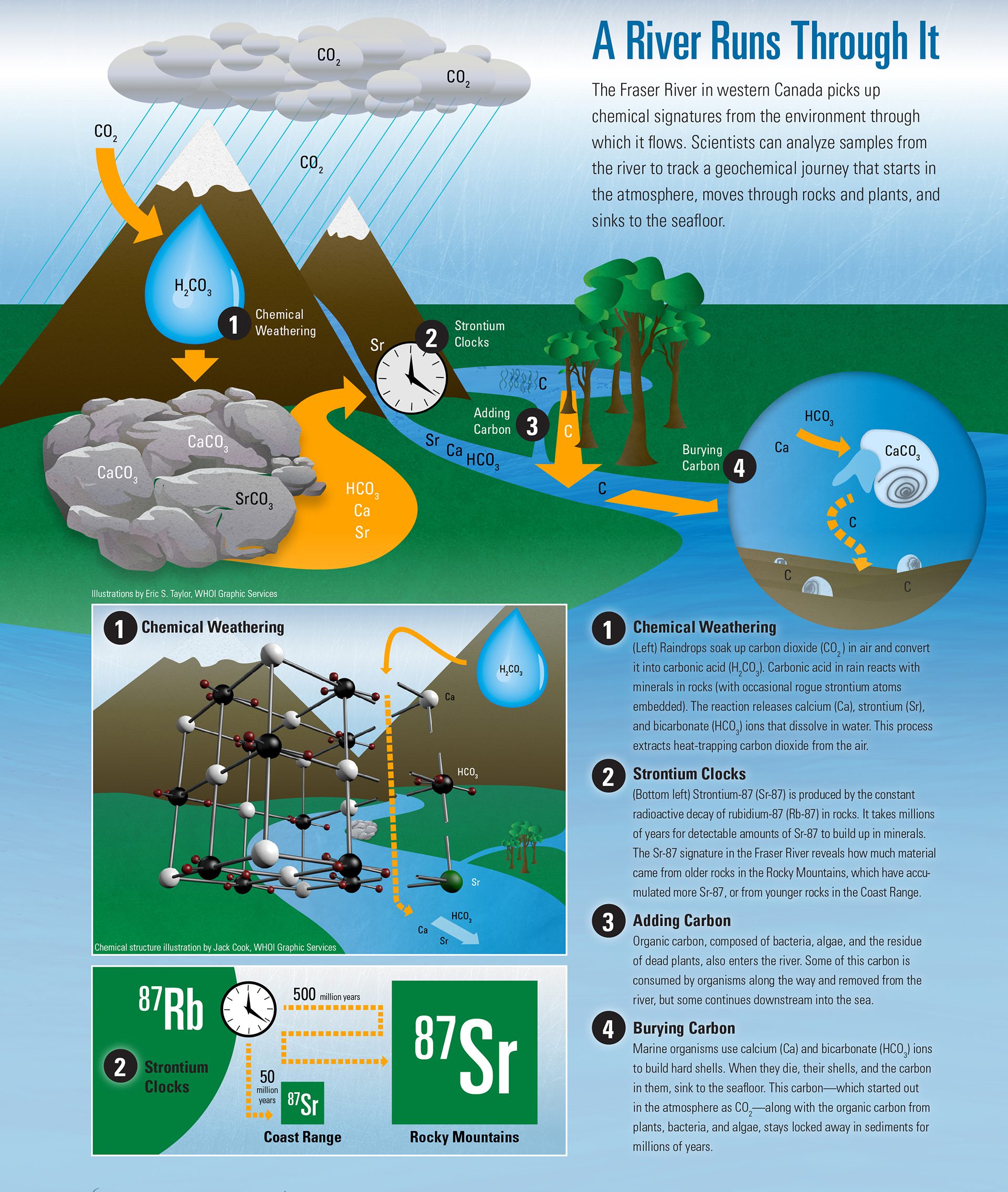
Samples from the Fraser River help scientists track a geochemical journey that starts in the atmosphere, moves through rocks and plants, and sinks to the seafloor.
Read MoreDiatoms and Coccoliths carbon-dioxide carbon removal from atmosphere
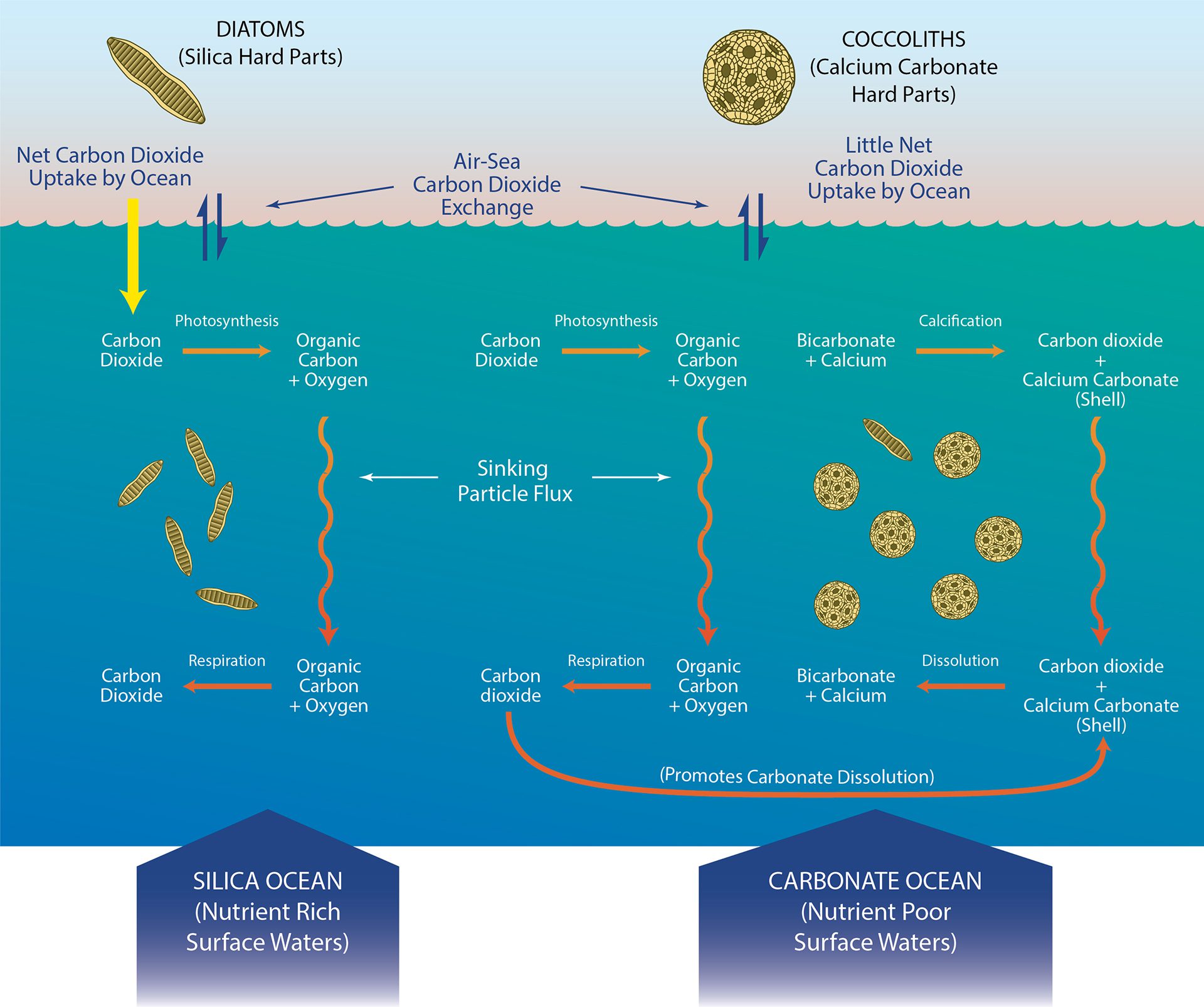
Conditions that influence how diatoms and coccoliths removal of carbon-dioxide — from the atmosphere to the deep ocean.
Read MoreEstrogens comes in several "flavors"
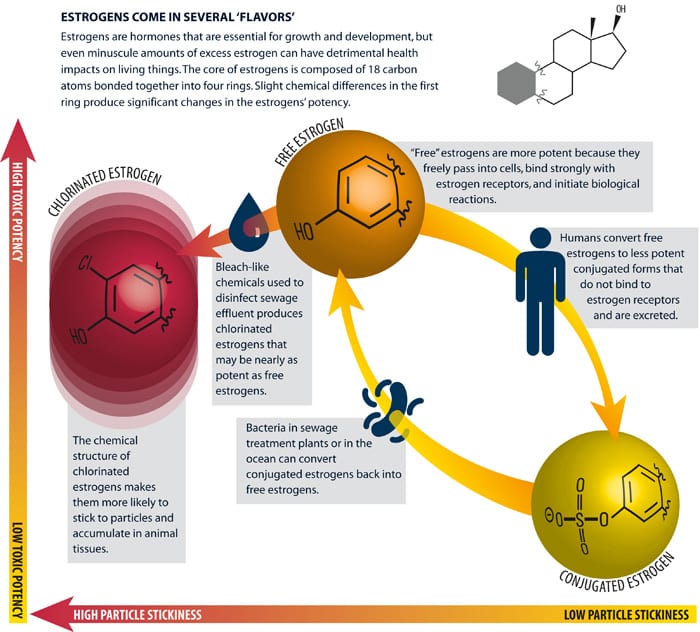
Estrogens are hormones that are essential for growth and development, but even minuscule amounts of excess estrogen can have detrimental health impacts on living things.
Read MoreDeep Water Horizon oil spill dispersant theory scenarios
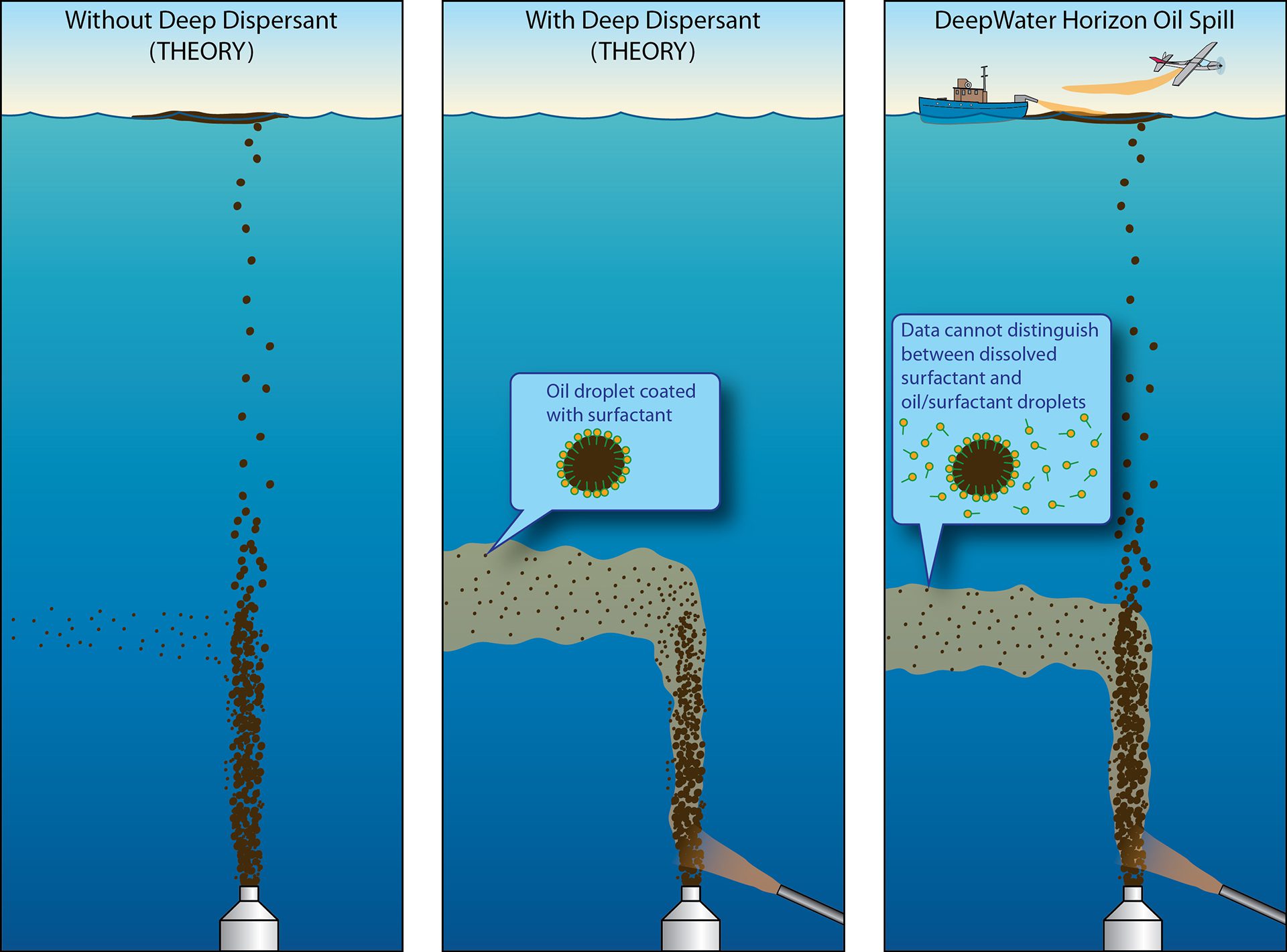
Oil droplets from deep wells can be broken into small, neutrally buoyant droplets by dispersants, helping microbes degrade them before they reach the surface.
Read MoreComparison of oil dispersant effectiveness in different weather
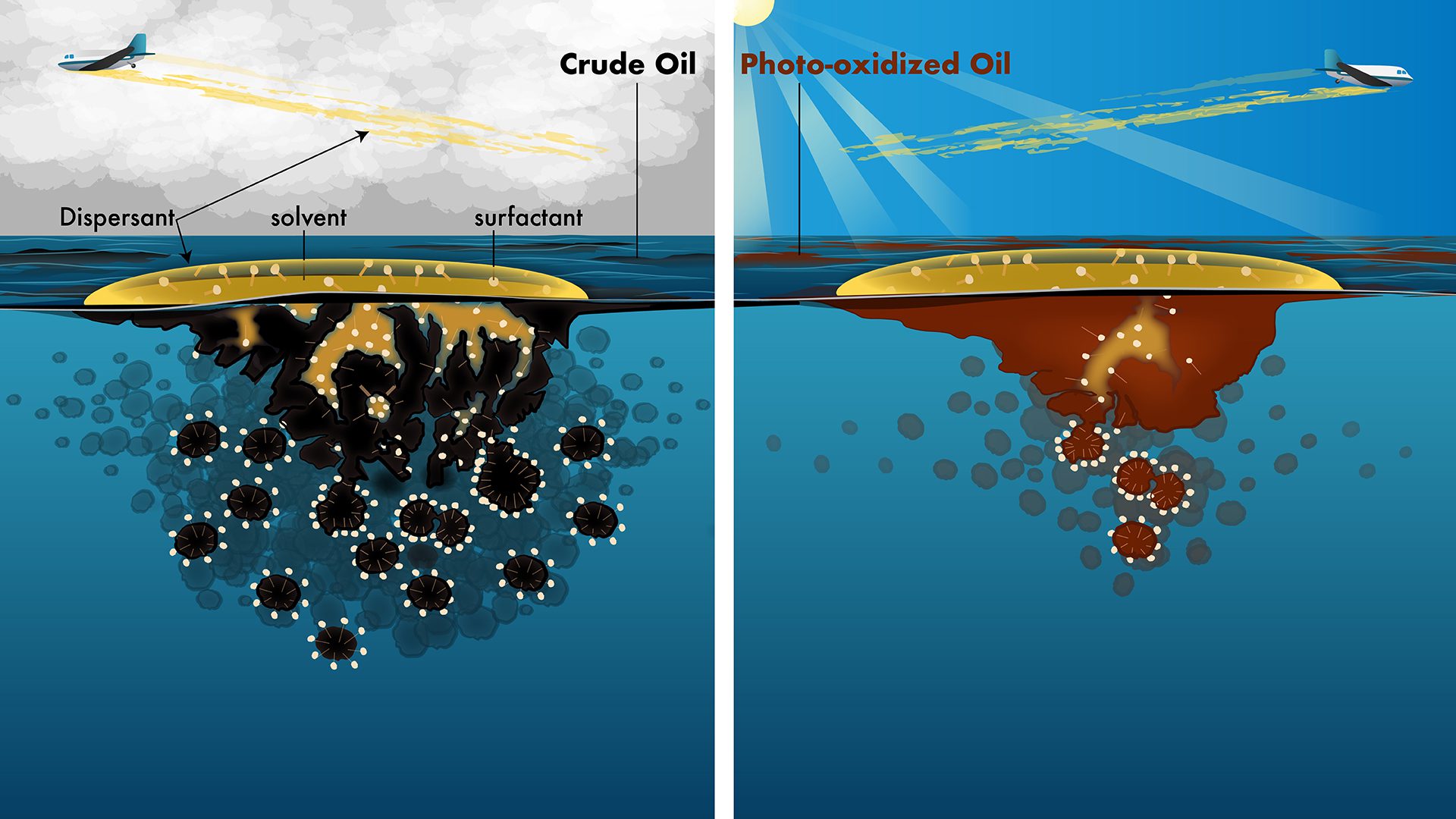
Sunlight changes oil chemistry on the ocean surface, reducing dispersant effectiveness by limiting how well surfactants break oil into small droplets.
Read MoreComparison of radioactivity sources in the ocean
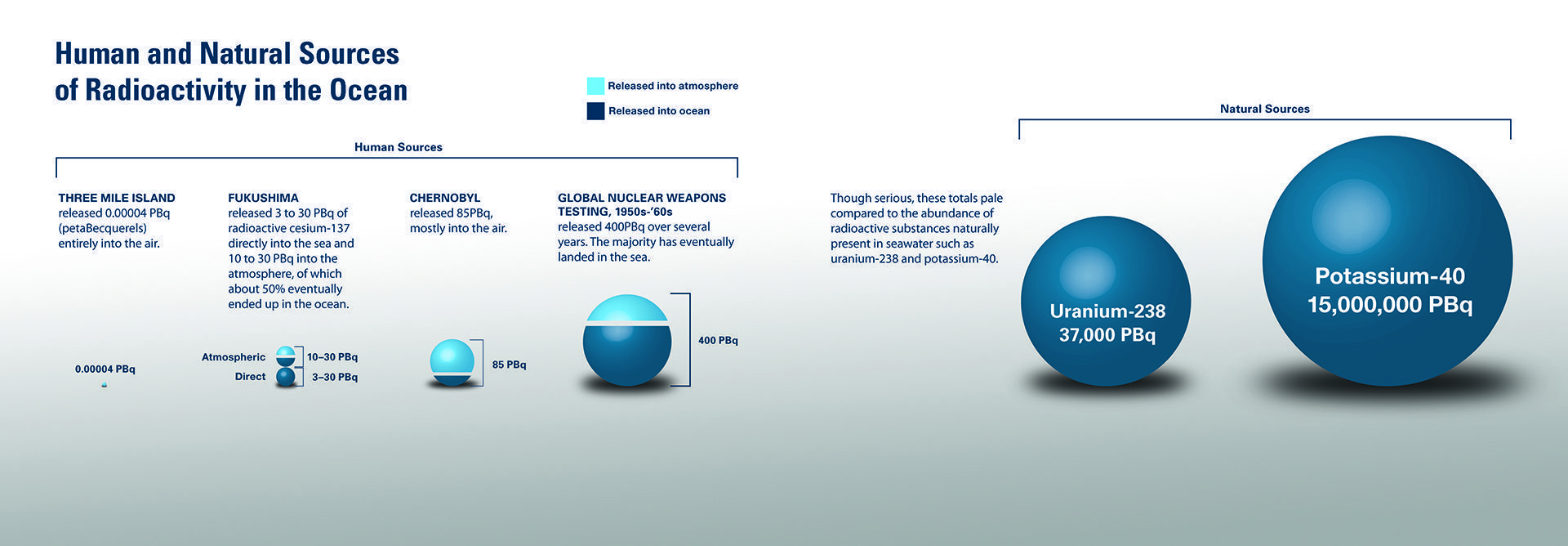
The background level of radiation in the ocean varies around the globe. The primary source has been nuclear weapons testing in the Pacific Ocean.
Read MoreChemical process by which phytoplankton and harmful algal blooms grown
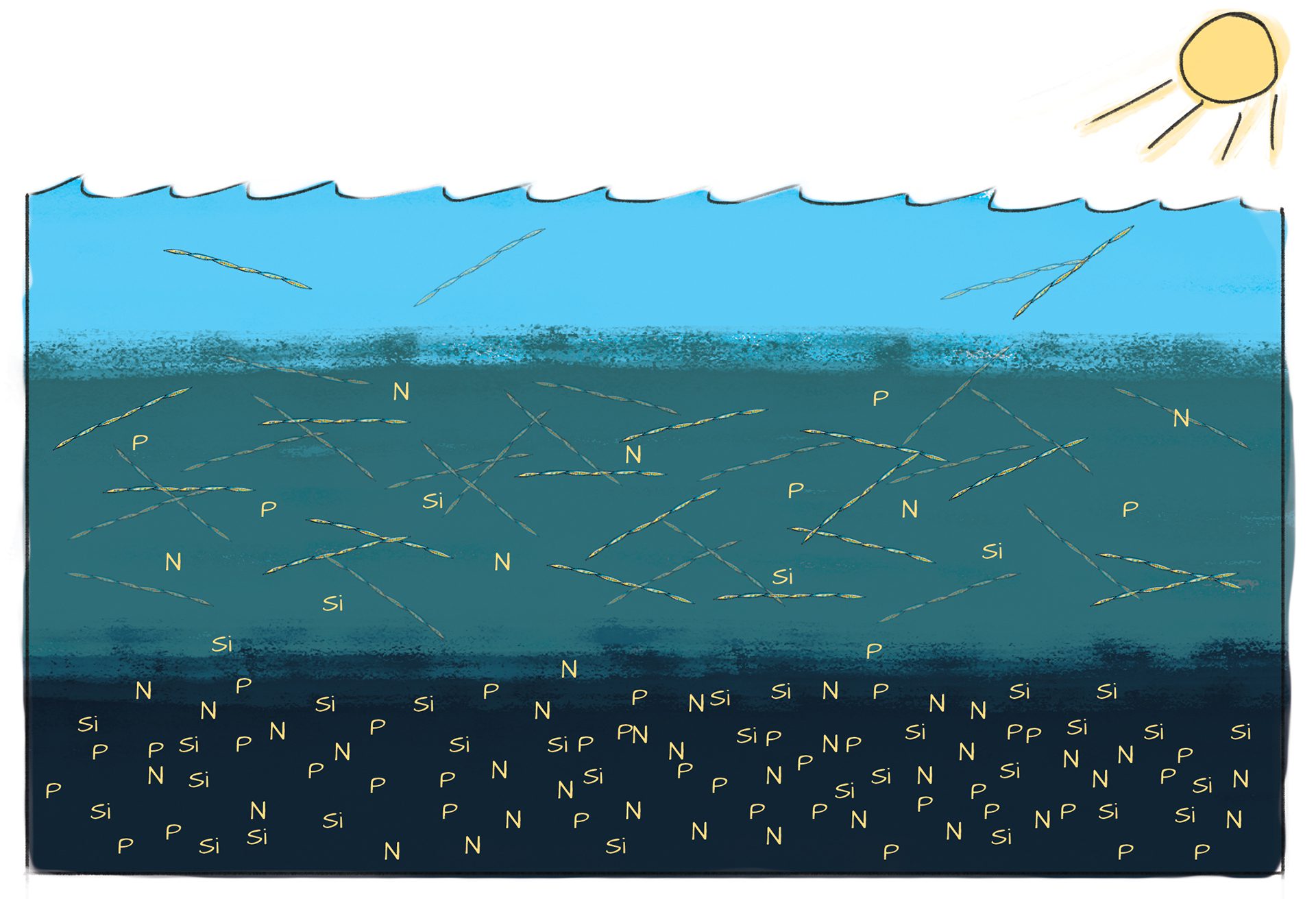
Phytoplankton thrive where sunlight and nutrients overlap—often just below the surface—creating a “sweet spot” for growth that fuels ocean life and ecosystems.
Read MoreOcean acidification is no big deal, right?
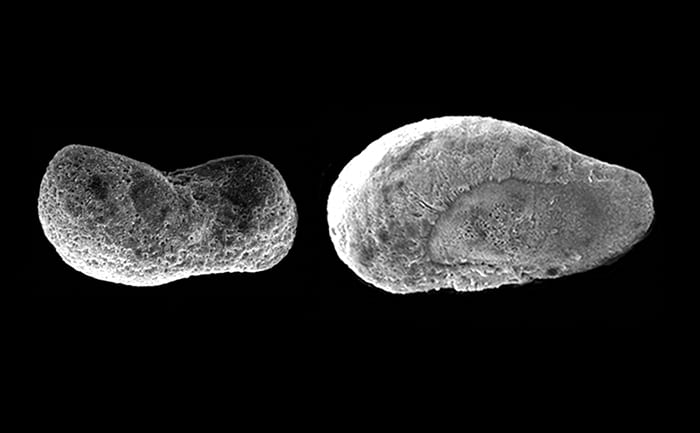
Some people argue that ocean acidification isn’t an issue of concern. After all, they say, the ocean isn’t actually acidic. There is some truth to that. On the pH scale,…
Read MoreOcean Alkalinity
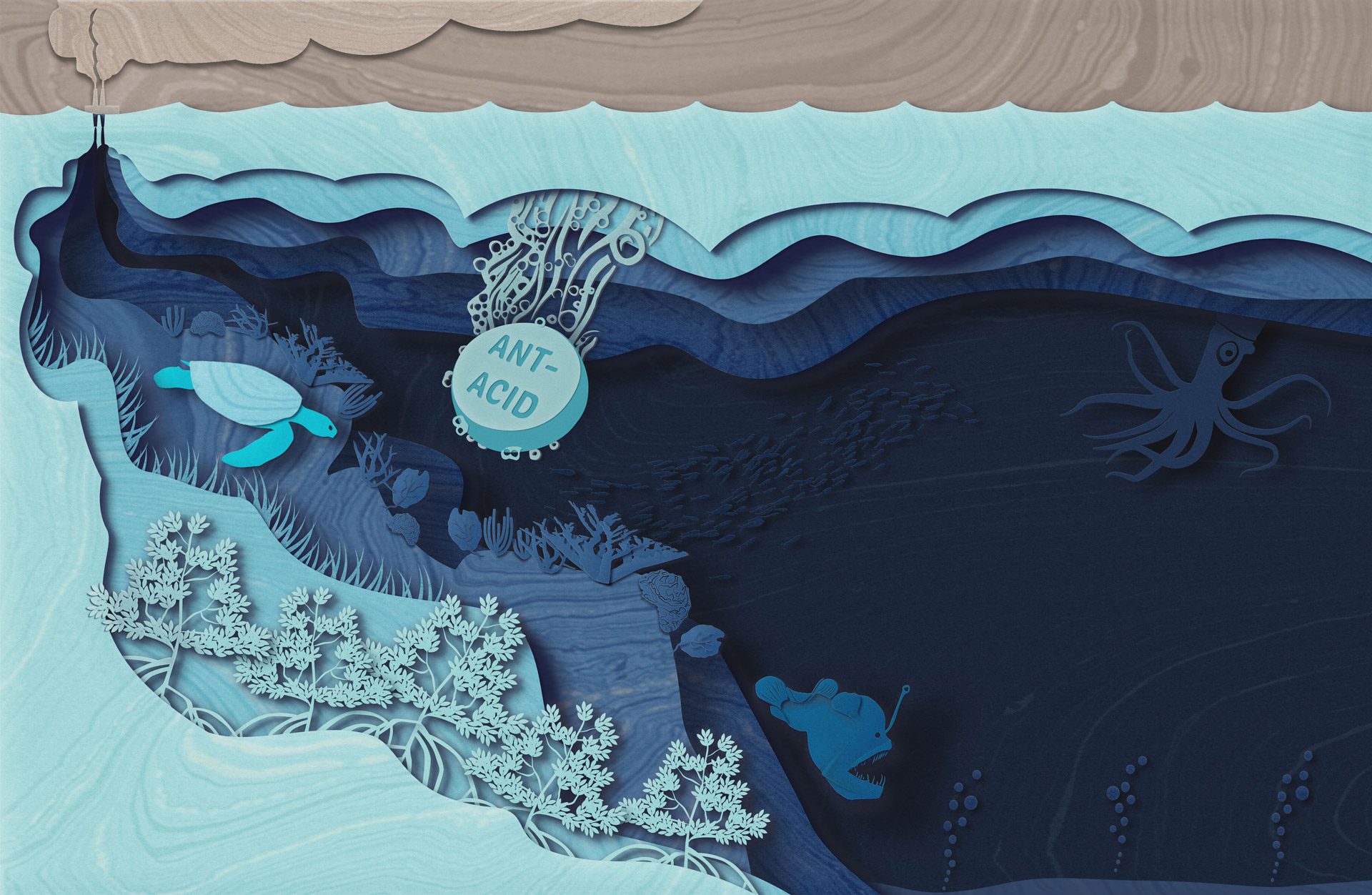
When alkalinity reacts with carbon dioxide in the ocean, it converts it to a form that can't readily return to the atmosphere as carbon dioxide gas.
Read More