
News Releases
Oil residues can travel over 5,000 miles on ocean debris, study finds
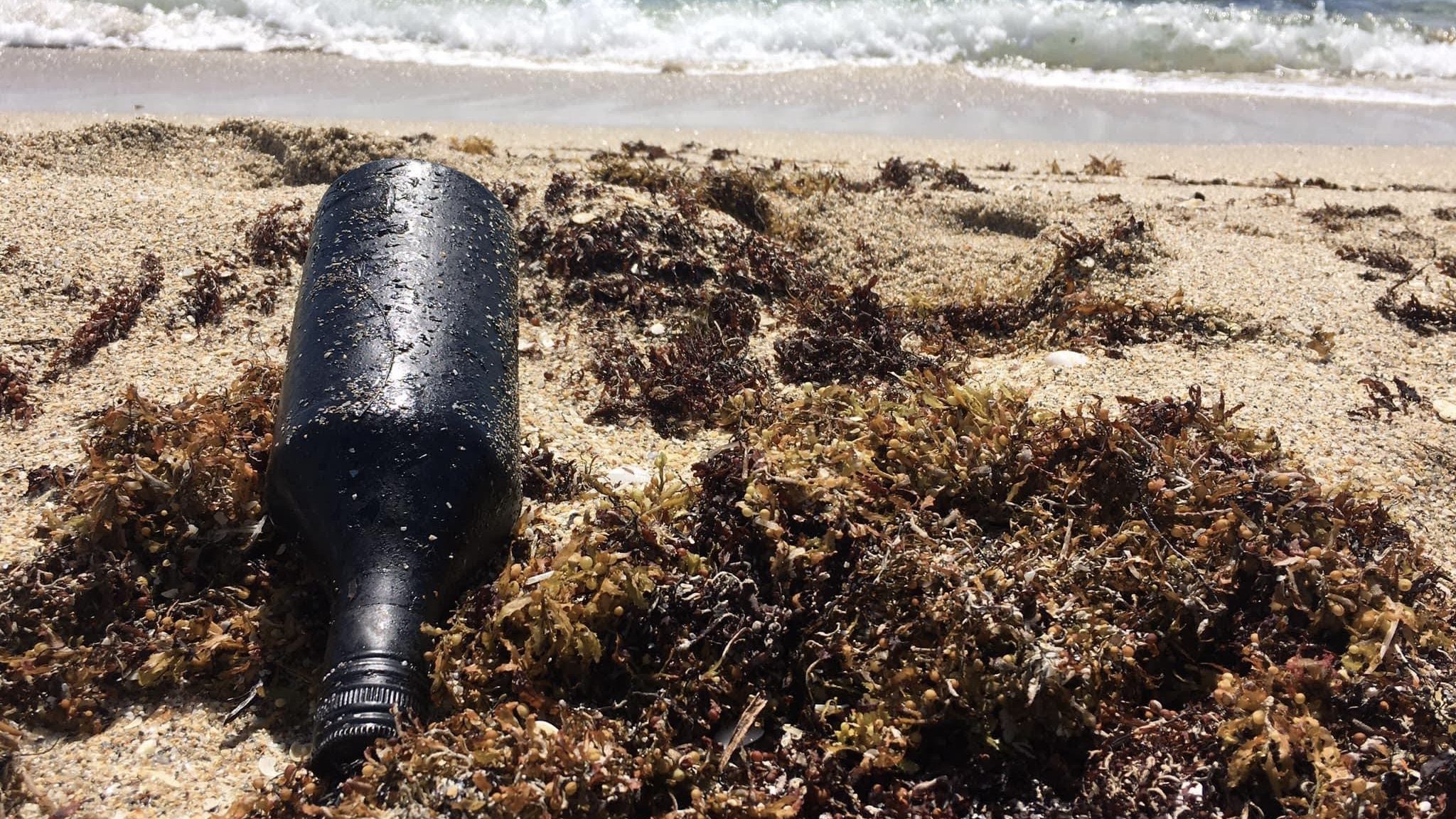
Oil spill forensics reveal how plastic debris can carry petroleum pollution across entire ocean basins
Read MoreUSS Arizona provides blueprint for addressing oil leakage at thousands of WWII shipwrecks
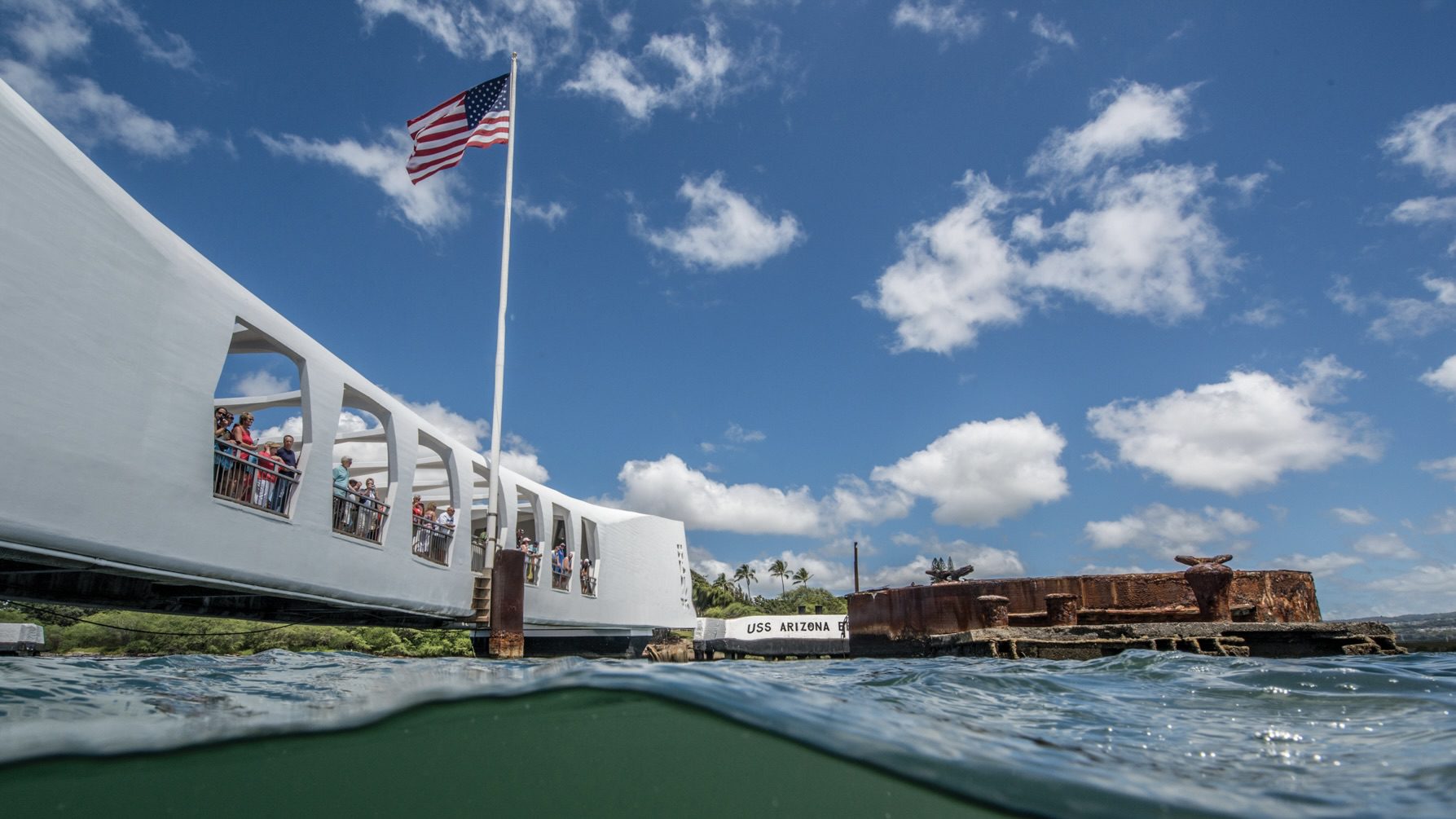
The findings underscore the USS Arizona’s dual role as a solemn memorial and a “living laboratory.”
Read MoreDissolving oil in a sunlit sea
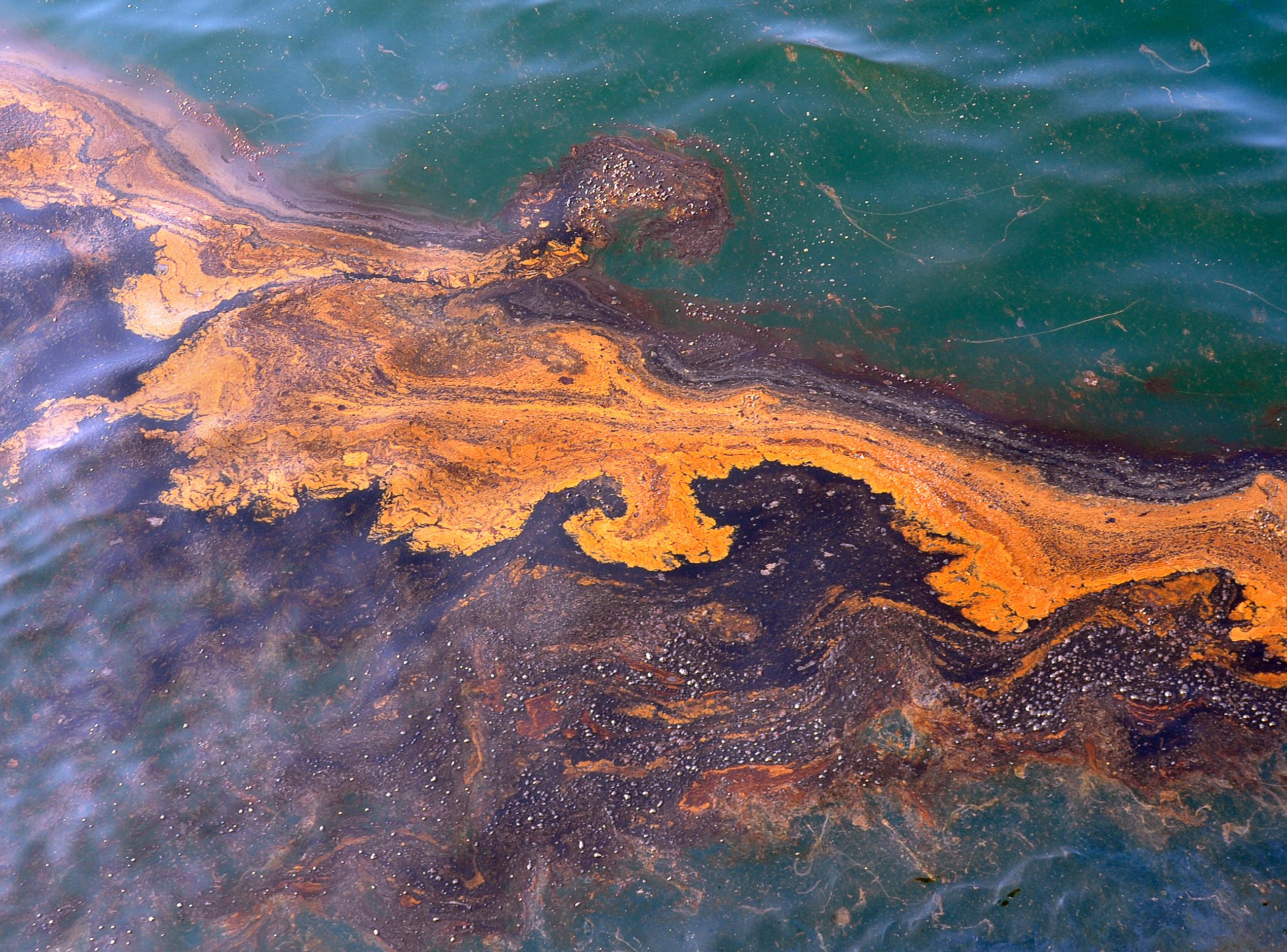
A team of Woods Hole Oceanographic Institution (WHOI) researchers discovered that nearly 10 percent of the oil floating on the Gulf after the Deepwater Horizon disaster was dissolved into seawater by sunlight – a process called “photo-dissolution”. The findings were published today in the paper “Sunlight-driven dissolution is a major fate of oil at sea” in Science Advances.
Read MoreFirst Detailed Oil Sample Analysis Completed from Mauritius Oil Spill
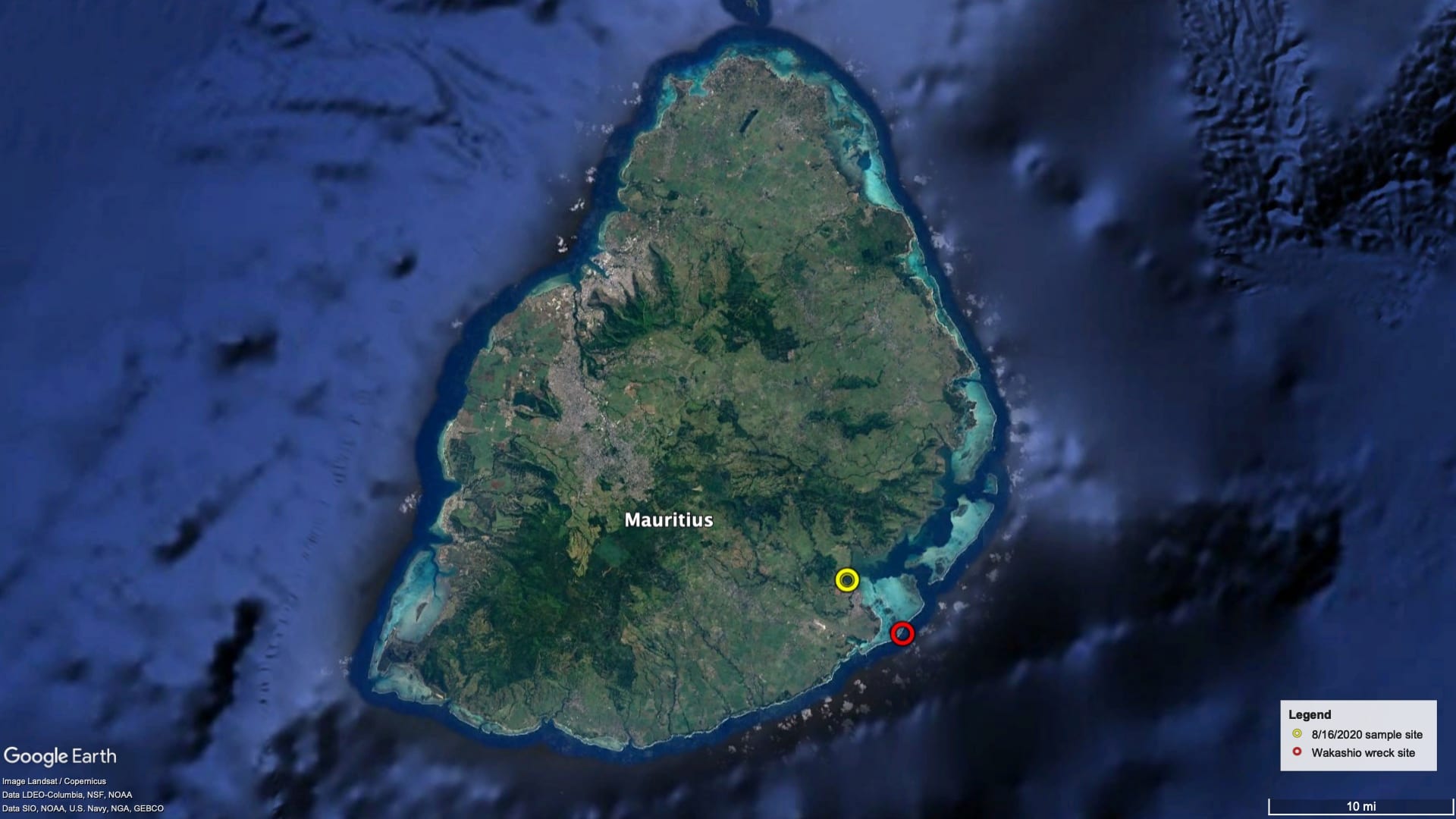
When the Japanese bulk carrier MV Wakashio struck a coral reef off the coast of Mauritius on July 25, 2020, and began leaking fuel oil two weeks later, local residents and the international community sprang into action to protect the pristine habitats that fringe the Indian Ocean nation.
Read MoreWhat did scientists learn from Deepwater Horizon?
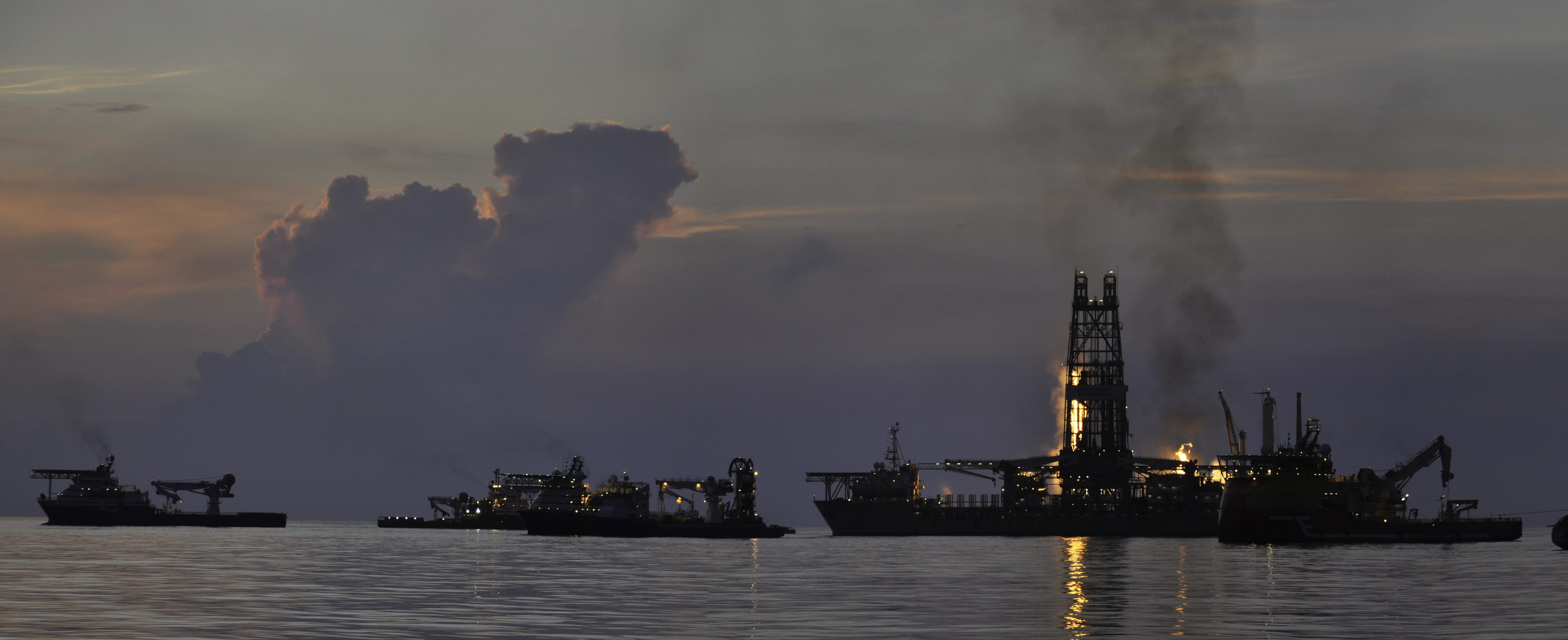
Ten years after the Deepwater Horizon explosion caused the largest accidental marine oil spill in history, WHOI marine geochemists Elizabeth Kujawinski and Christopher Reddy review what they— and their science colleagues from around the world—have learned.
Read MoreSunlight Reduces Effectiveness of Dispersants Used in Oil Spills
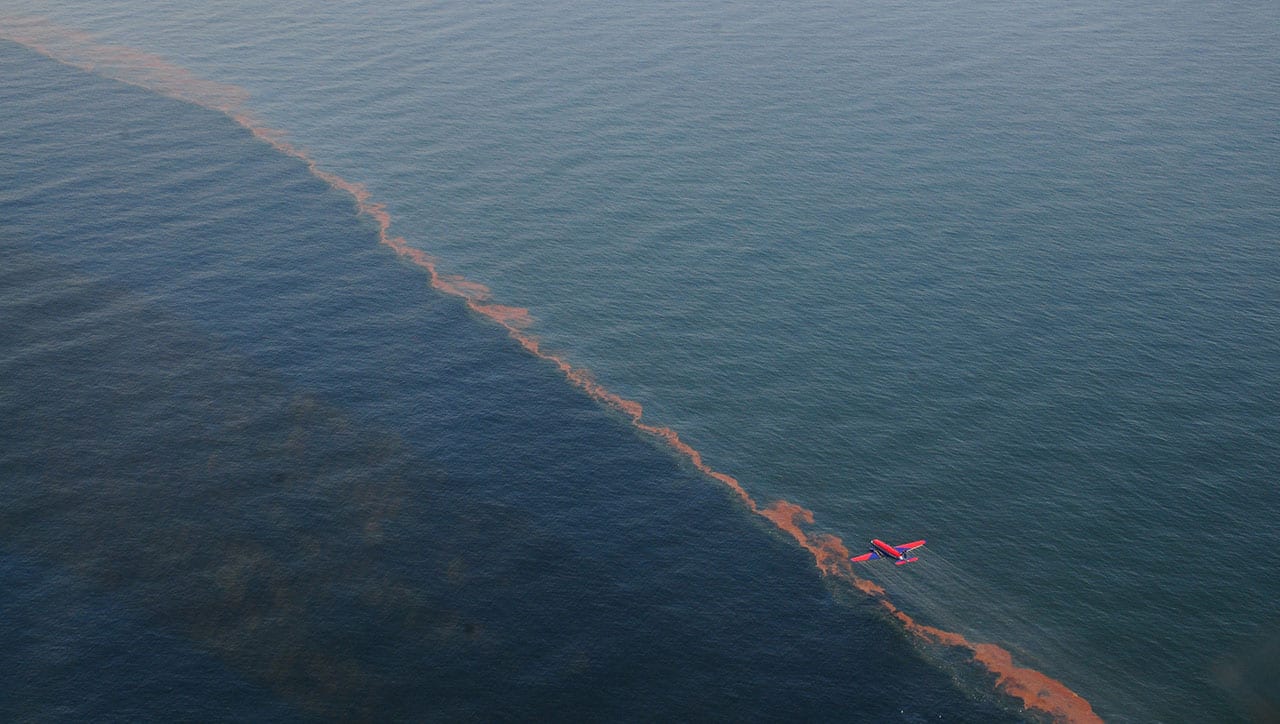
A research team led by Woods Hole Oceanographic Institution (WHOI) found that sunlight chemically alters crude oil floating on the sea surface within hours or days. In a follow-up study the team reported that sunlight changes oil into different compounds that dispersants cannot easily break up. The results of these two studies could affect how responders decide when, where, and how to use dispersants.
Read MoreDispersants Improved Air Quality for Responders at Deepwater Horizon
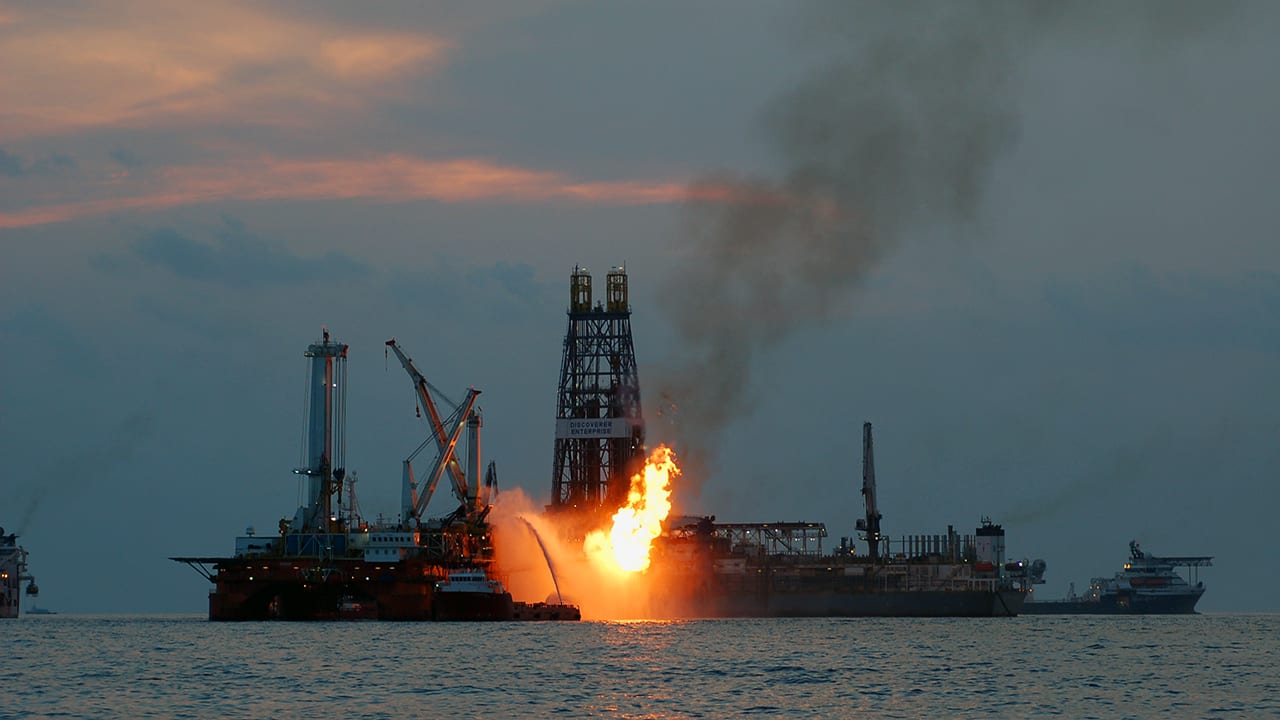
A study published Aug. 28, 2017, in the Proceedings of the National Academy of Sciences adds a new dimension to the controversial decision to inject large amounts of chemical dispersants immediately above the crippled oil well at the seafloor during the Deepwater Horizon disaster in 2010. The dispersants may have significantly reduced the amount of harmful gases in the air at the sea surface’diminishing health risks for emergency responders and allowing them to keep working to stop the uncontrolled spill and clean up the spilled oil sooner.
Read MoreStudy Provides Some Answers to Fate of Deepwater Horizon Oil
Nearly five years after the Deepwater Horizon explosion spilled roughly 200 million gallons of oil into the Gulf of Mexico, scientists are still working to answer the question: Where did all the oil go?
A paper published today in the Proceedings of the National Academy of Sciences provides a piece of the puzzle with an analysis of the oil that ended up on the seafloor, establishing its footprint, rough quantity and likely deposition mode, and pegging its source to that deep ocean plume of oil.
Read MoreDispersant from Deepwater Horizon Spill Found to Persist in the Environment
A new study by scientists at Haverford College and Woods Hole Oceanographic Institution (WHOI) has found that the dispersant compound DOSS, which decreases the size of oil droplets and hampers the formation of large oil slicks, remains associated with oil and can persist in the environment for up to four years.
Read MoreWHOI Scientists Contribute to Study on Impact to Coral Communities from Deepwater Horizon Spill
Six scientists from Woods Hole Oceanographic Institution (WHOI) have contributed to a new report finding “compelling evidence” that the Deepwater Horizon oil spill has impacted deep-sea coral communities in the…
Read MoreMysterious Flotsam in Gulf of Mexico Came from Deepwater Horizon Rig, Study Finds
Shortly after the Deepwater Horizon disaster, mysterious honeycomb material was found floating in the Gulf of Mexico and along coastal beaches. Using state-of-the-art chemical forensics and a bit of old-fashioned…
Read MoreFour WHOI Scientists Contribute to Comprehensive Picture of the Fate of Oil from Deepwater Horizon Spill
A new study provides a composite picture of the environmental distribution of oil and gas from the 2010 Deepwater Horizon spill in the Gulf of Mexico. It amasses a vast…
Read MoreWHOI-Led Study Sharpens Picture of How Much Oil and Gas Flowed in Deepwater Horizon Spill
In a detailed assessment of the Deepwater Horizon oil spill, researchers led by a team from the Woods Hole Oceanographic Institution (WHOI) have determined that the blown-out Macondo well spewed oil at a rate of about 57,000 barrels a day, totaling nearly 5 million barrels of oil released from the well between April 20 and July 15, 2010, when the leak was capped. In addition, the well released some 100 million standard cubic feet per day of natural gas.
Read MoreWHOI Study Reports Microbes Consumed Oil in Gulf Slick at Unexpected Rates
In the first published study to explain the role of microbes in breaking down the oil slick on the surface of the Gulf of Mexico, Woods Hole Oceanographic Institution (WHOI) researchers have come up with answers that represent both surprisingly good news and a head-scratching mystery.
Read MoreWHOI Scientists Analyze, Explain the Chemical Makeup of Gulf Plume
Taking another major step in sleuthing the 2010 Deepwater Horizon oil spill, a research team led by the Woods Hole Oceanographic Institution (WHOI) has determined what chemicals were contained in a deep, hydrocarbon-containing plume at least 22 miles long that WHOI scientists mapped and sampled last summer in the Gulf of Mexico, a residue of the Deepwater Horizon oil spill.
Read MoreWHOI Unveils Website on its Role in Gulf Oil Spill Research
One year after the explosion of the Deepwater Horizon drilling platform in the northern Gulf of Mexico, the Woods Hole Oceanographic Institution (WHOI) is unveiling a new multimedia website, Science in a Time of Crisis.
Read MoreFirst Study of Dispersants in Gulf Spill Suggests a Prolonged Deepwater Fate
To combat last year?s Deepwater Horizon oil spill, nearly 800,000 gallons of chemical dispersant were injected directly into the oil and gas flow coming out of the wellhead nearly one mile deep in the Gulf of Mexico. Now, as scientists begin to assess how well the strategy worked at breaking up oil droplets, Woods Hole Oceanographic Institution (WHOI) chemist Elizabeth B. Kujawinski and her colleagues report that a major component of the dispersant itself was contained within an oil-gas-laden plume in the deep ocean and had still not degraded some three months after it was applied.
Read MoreNational Deep Submergence Facility Vehicles Assist in Response to Deepwater Horizon Oil Spill
The U.S. National Deep Submergence Facility (NDSF) has had a growing and important role in the ocean science community’s response to the 2010 Deepwater Horizon oil spill in the Gulf…
Read MoreWHOI Website Will Take Viewers Deep into the Gulf
It may take years before scientists determine the full impact of the 2010 Deepwater Horizon oil spill in the Gulf of Mexico. But, utilizing the human-occupied submersible Alvin and the autonomous underwater vehicle (AUV) Sentry, researchers are about to investigate?and view first-hand?the possible effects of the spill at the bottom of the Gulf. And, from Dec. 6-14, the mission will be relayed to the public as it happens on the Woods Hole Oceanographic Institution?s (WHOI) Dive and Discover website (http://divediscover.whoi.edu).
Read MoreWHOI Scientists Map and Confirm Origin of Large, Underwater Hydrocarbon Plume in Gulf
Scientists at the Woods Hole Oceanographic Institution (WHOI) detected and characterized a plume of hydrocarbons that is at least 22 miles long and more than 3,000 feet below the surface of the Gulf of Mexico, a residue of the BP Deepwater Horizon oil spill. The work presents a forensic snapshot of the plume characteristics in June and is reported in a study appearing in the Aug. 19 issue of the journal Science.
Read MoreWHOI Science Mission to Study Deepwater Horizon Spill Using Mass Spectrometry and AUV Sentry
A multidisciplinary team of investigators from Woods Hole Oceanographic Institution embarked June 17 on a twelve-day research effort in the Gulf of Mexico aboard the R/V Endeavor, conducting three simultaneous…
Read MoreWHOI Participates in Meeting Aimed at Finding Solutions to Control or Stop Oil Spill
On June 1, 2010, members of the staff of the Woods Hole Oceanographic Institution (WHOI) participated in a meeting at the Environmental Protection Agency headquarters in Washington, D.C., to consider…
Read MoreWHOI Joins Consortium to Study, Minimize Effects of Gulf Oil Spill
The Woods Hole Oceanographic Institution (WHOI) is partnering with two Louisiana institutions to determine the myriad impacts of the Deepwater Horizon oil discharge into the Gulf of Mexico and to devise and implement possible solutions to the disaster.
Read MoreNatural Petroleum Seeps Release Equivalent of 8-80 Exxon Valdez Oil Spills
A new study by researchers at Woods Hole Oceanographic Institution (WHOI) and the University of California, Santa Barbara (UCSB) is the first to quantify the amount of oil residue in…
Read More