
News Releases
What can a whale’s breath tell us? According to a new study, a lot about its health
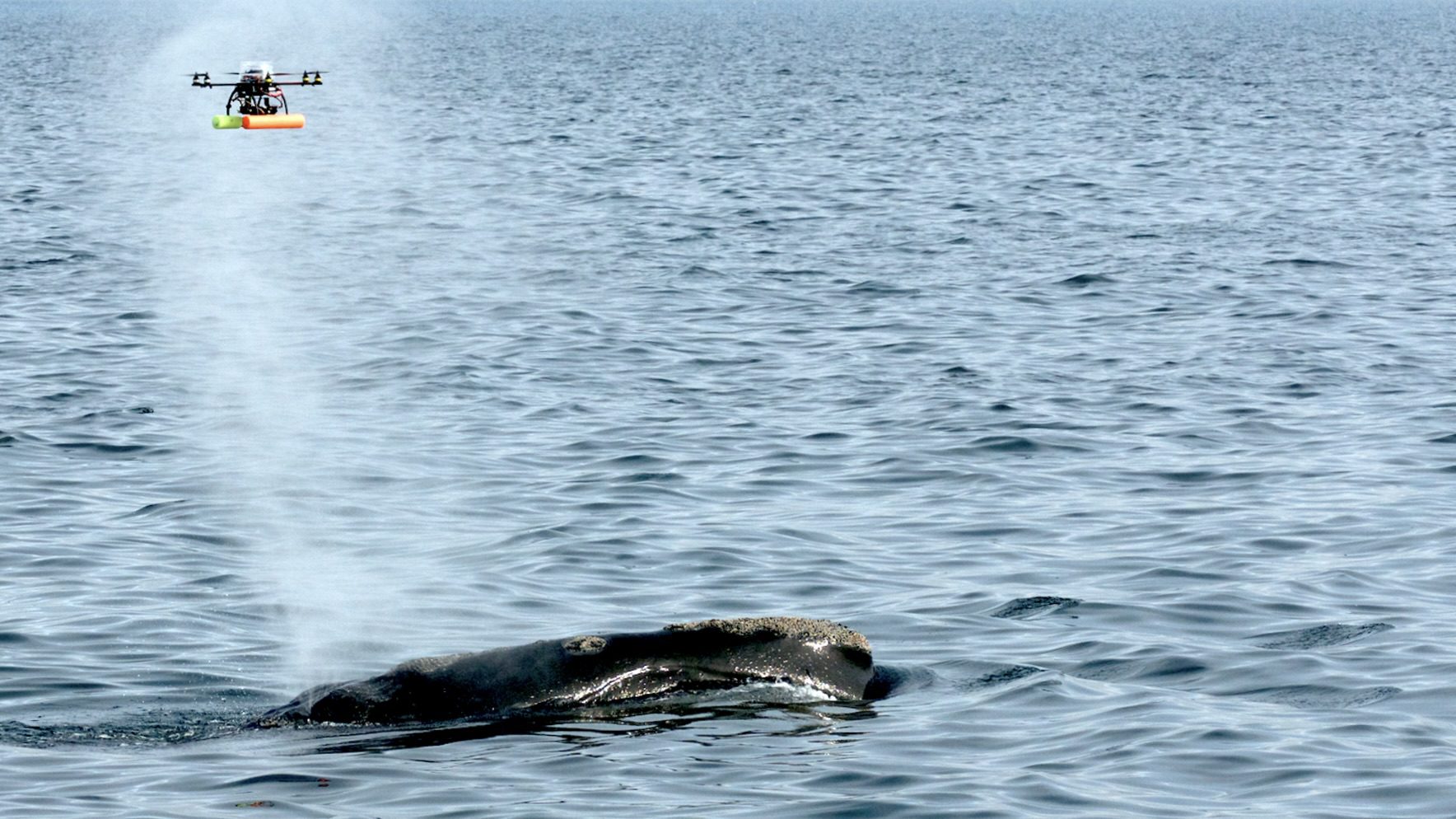
A first of its kind study links drone-collected respiratory microbes with health assessments, offering hope for protecting vulnerable populations
Read MoreWoods Hole Oceanographic Institution’s Julie Huber awarded prestigious Rachel Carson Lecture by the American Geophysical Union
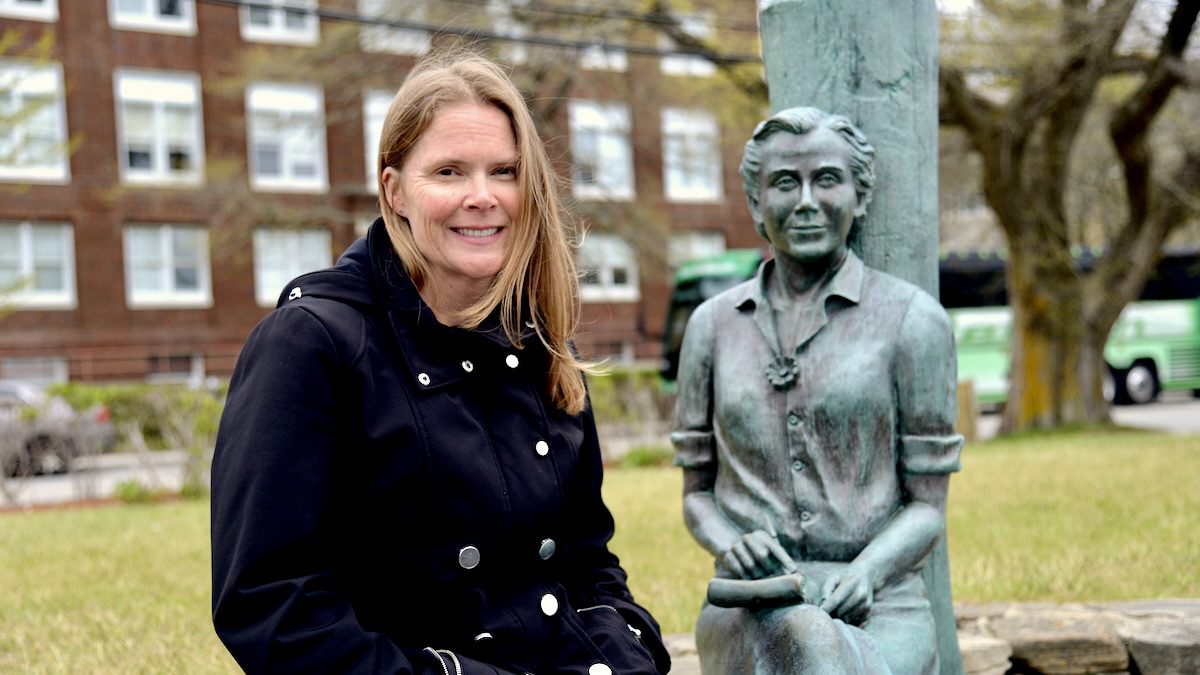
WHOI’s Julie Huber Awarded Prestigious Rachel Carson Lecture by the AGU
Read MoreMicrobe Dietary Preferences Influence the Effectiveness of Carbon Sequestration in the Deep Ocean
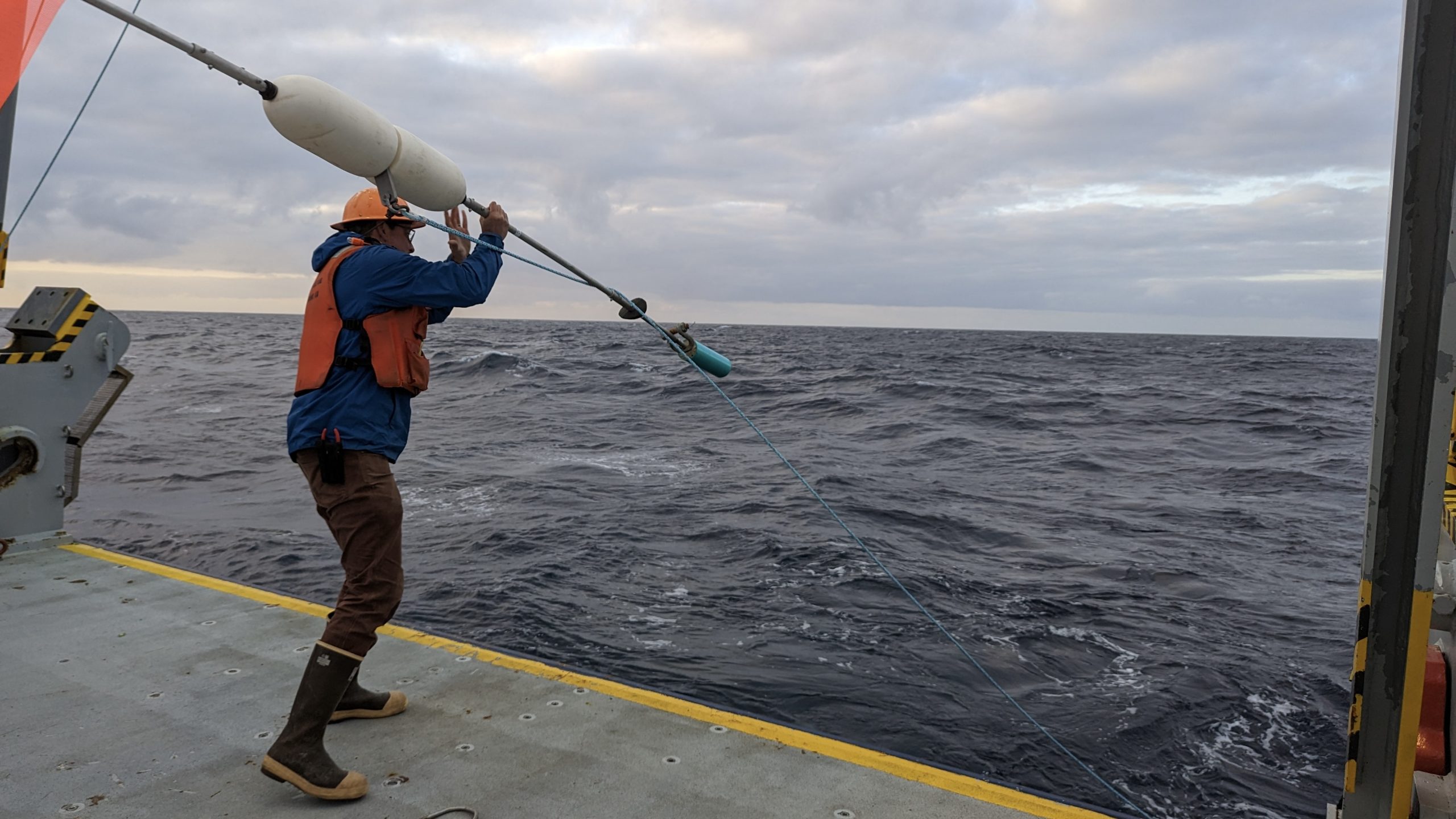
A series of seemingly small processes helps carry carbon dioxide from the ocean’s surface to the deep sea, where it can be stored away for decades.
Read MoreNew Technologies Revise Scientists’ Understanding of the Oxygen Minimum Zone
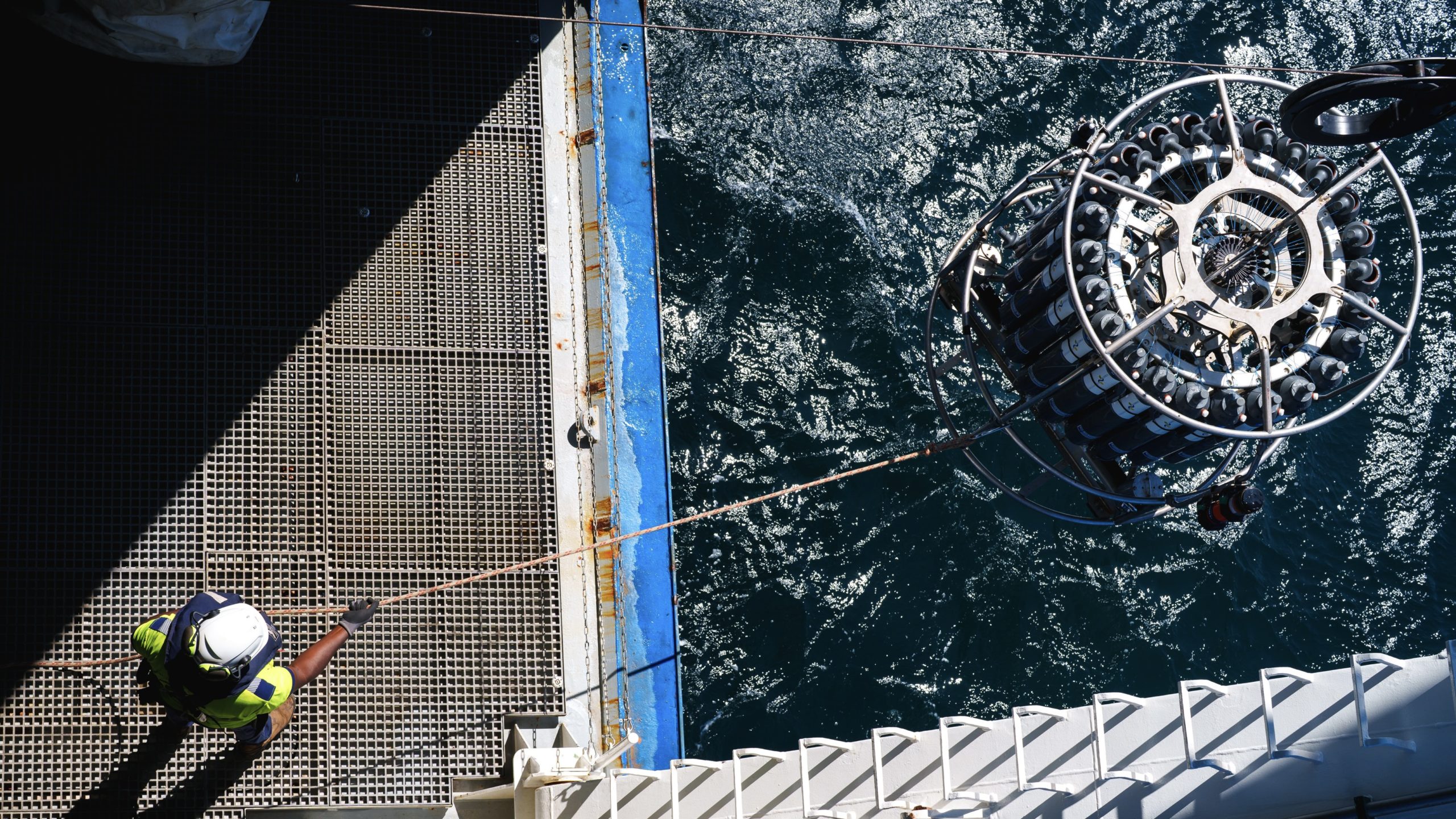
A new technology detects trace amounts of oxygen in an environment where previously these life-supporting molecules were below the limit of detection.
Read MoreWHOI scientists receive 2022 Simons Early Career Investigator Awards
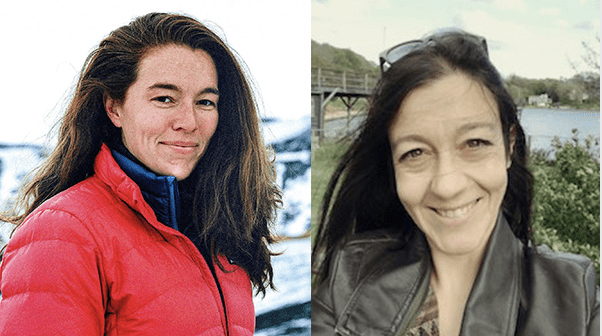
Two Woods Hole Oceanographic Institution scientists have received prestigious Simons Early Career Investigator in Marine Microbial Ecology and Evolution Awards. Maria Pachiadaki and Harriet Alexander are both assistant scientists at WHOI, focusing on different aspects of microbial ecology.
Read MoreDeepest sediment core collected in the Atlantic Ocean
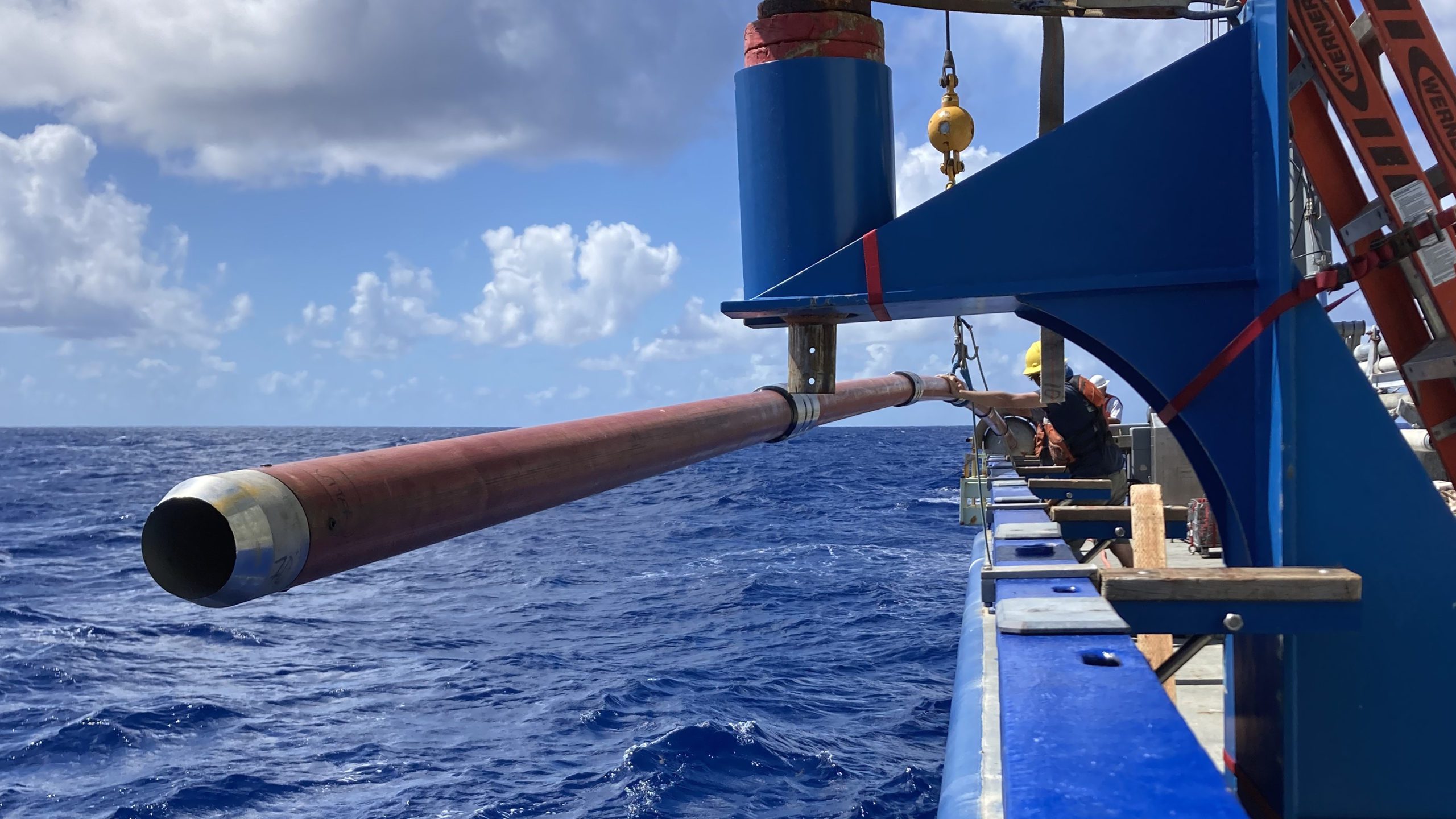
A team of scientists, engineers, and ship’s crew on the research vessel Neil Armstrong operated by the Woods Hole Oceanographic Institution (WHOI) recently collected a 38-foot-long cylindrical sediment sample from the deepest part of the Puerto Rico Trench, nearly 5 miles below the surface.
Read MoreWHOI scientist elected as Fellow of the American Academy of Microbiology
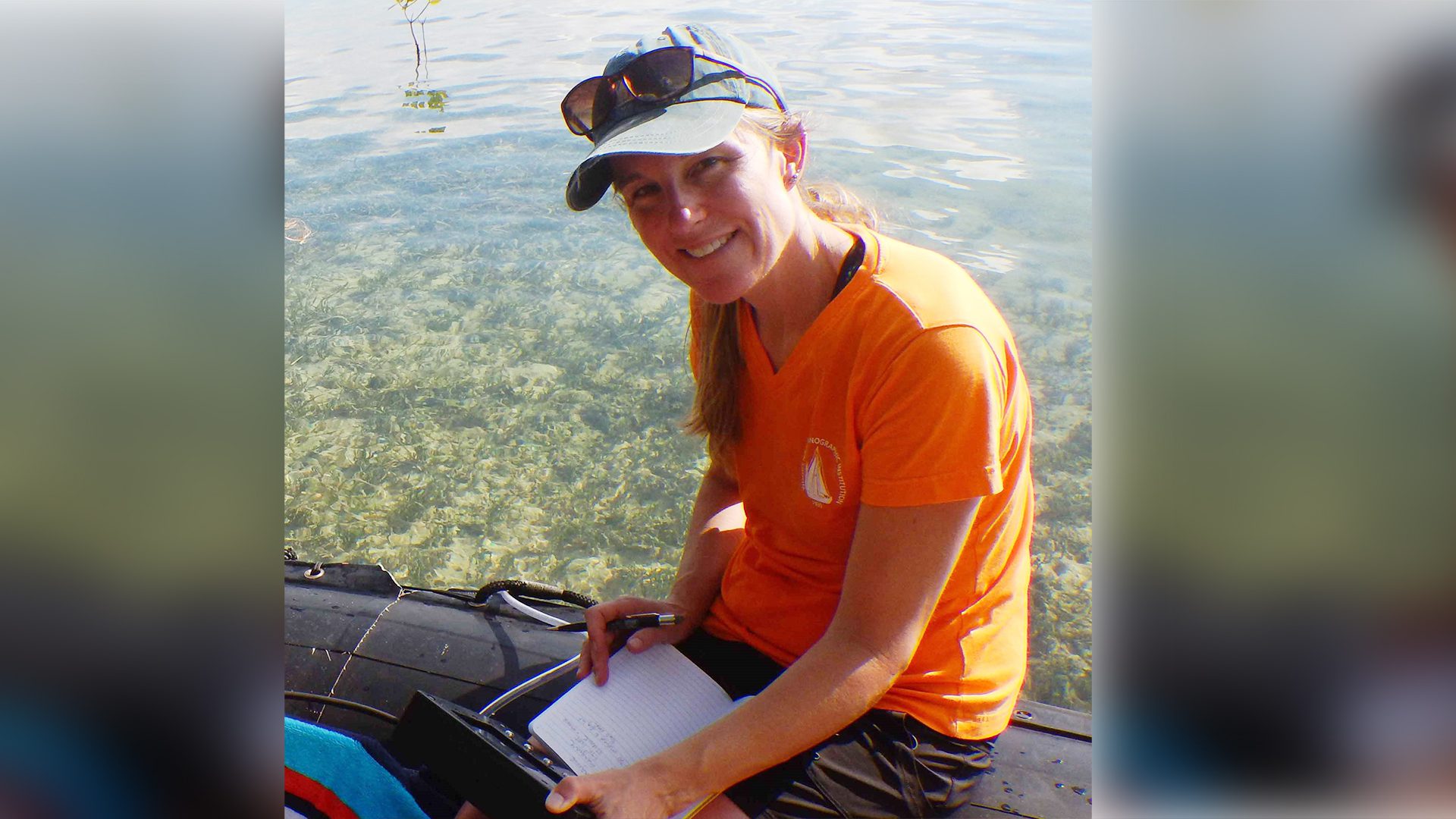
Woods Hole Oceanographic Institution scientist elected as Fellow of the American Academy of Microbiology Colleen Hansel, associate scientist at WHOI, has been elected as a Fellow of the American Academy…
Read MorePlate Tectonics Fuels a Vast Underground Ecosystem
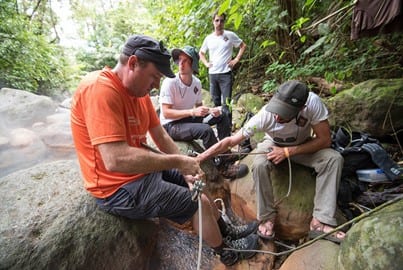
The subsurface is among Earth’s largest biomes, but the extent to which microbial communities vary across tectonic plate boundaries or interact with subduction-scale geological processes remains unknown. In a recently published study, scientists compare bacterial community composition with deep-subsurface geochemistry from 21 hot springs across the Costa Rican convergent margin.
Read MoreStudy Sheds Light on Critically Endangered Beluga Whale Population
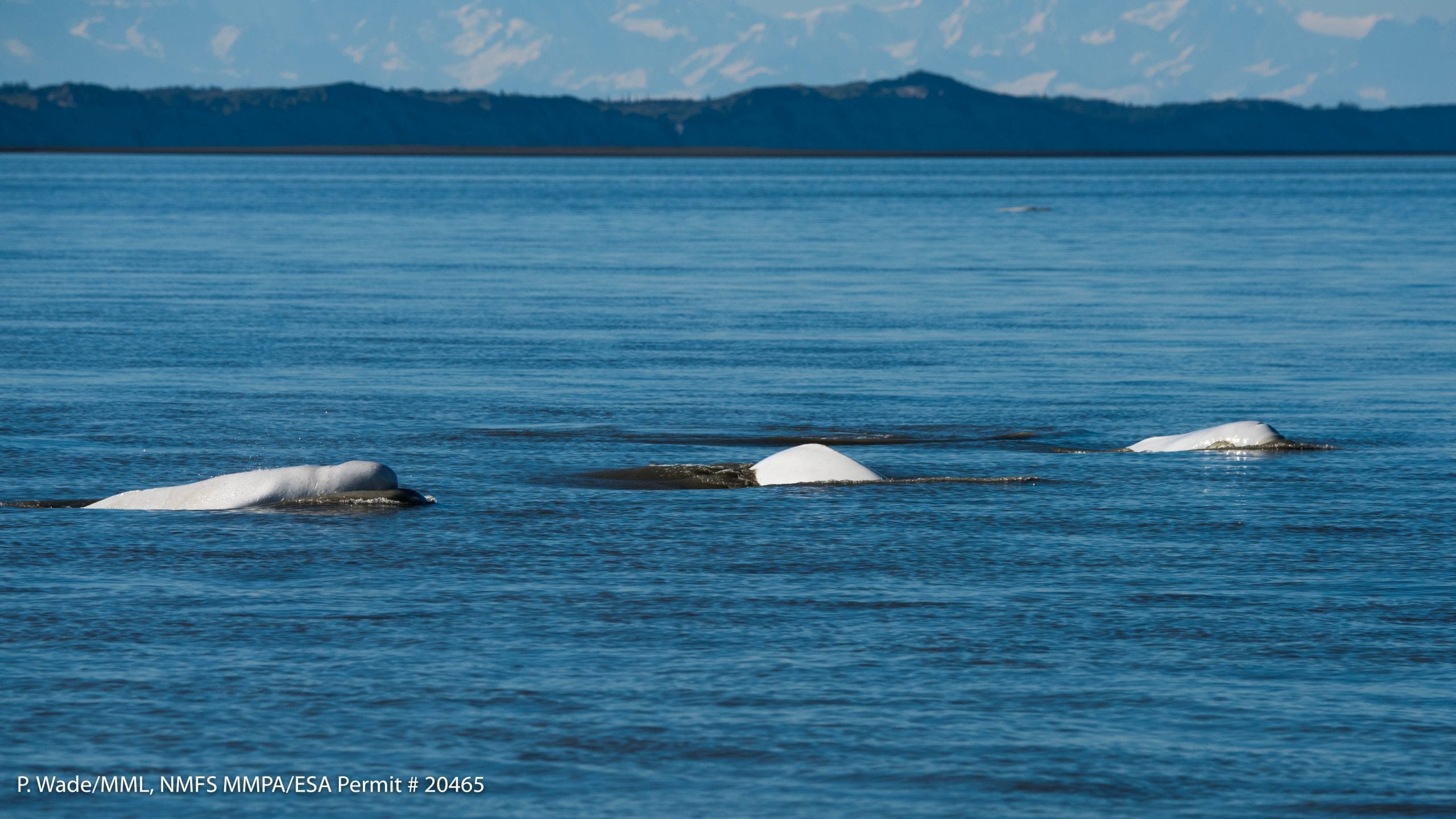
A team of scientists from Woods Hole Oceanographic Institution (WHOI) and NOAA Fisheries are collaborating to help stem the decline of a critically endangered population of beluga whales in the Cook Inlet, Alaska.
Read MoreWHOI receives $2.7M from Simons Foundation to study nutrients, microbes that fuel ocean food web
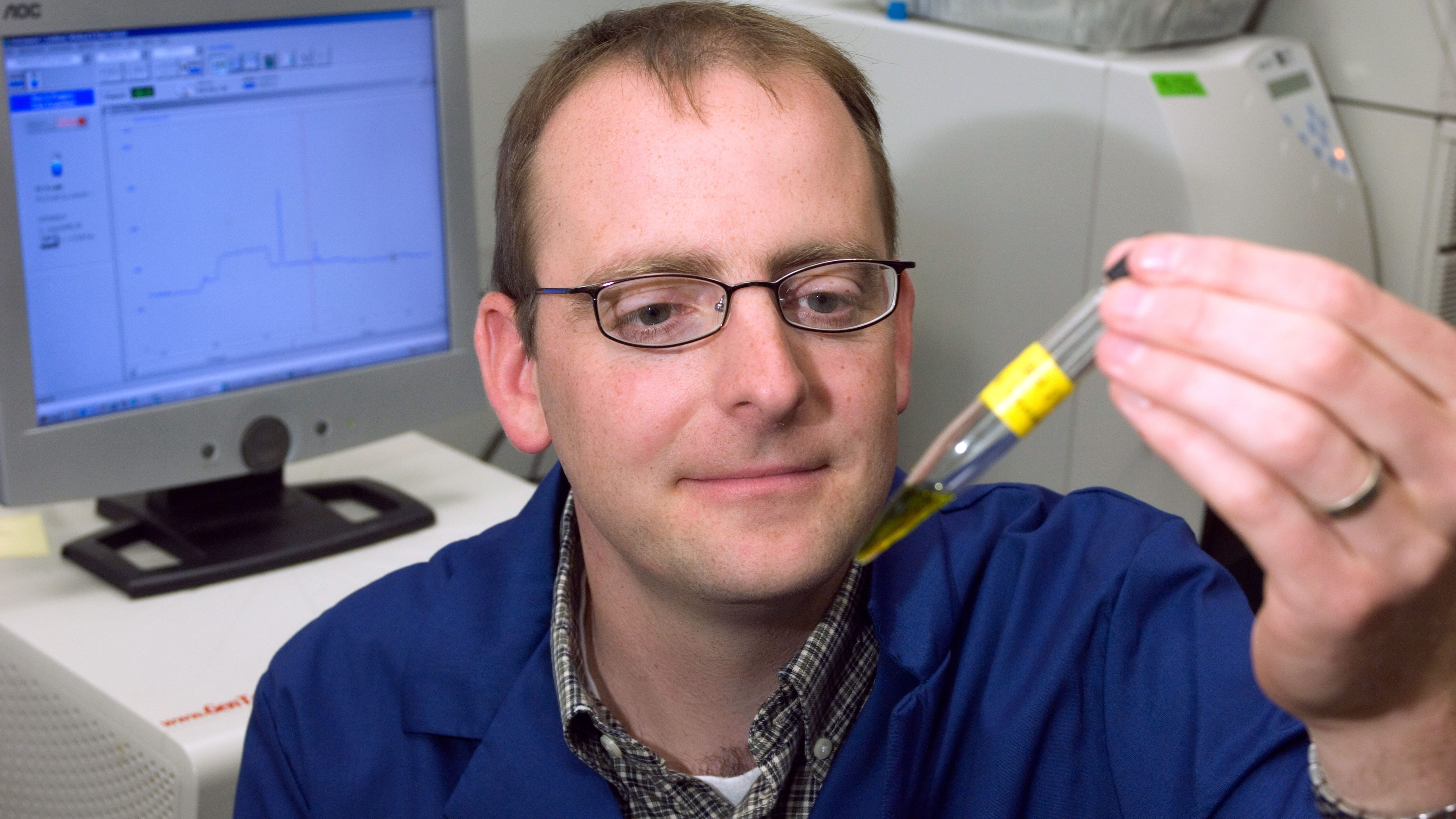
The Simons Foundation has awarded Woods Hole Oceanographic Institution (WHOI) scientists Dan Repeta and Benjamin Van Mooy two grants totaling $2.7 million to study key processes that help fuel the…
Read MoreMicrobes far beneath the seafloor rely on recycling to survive
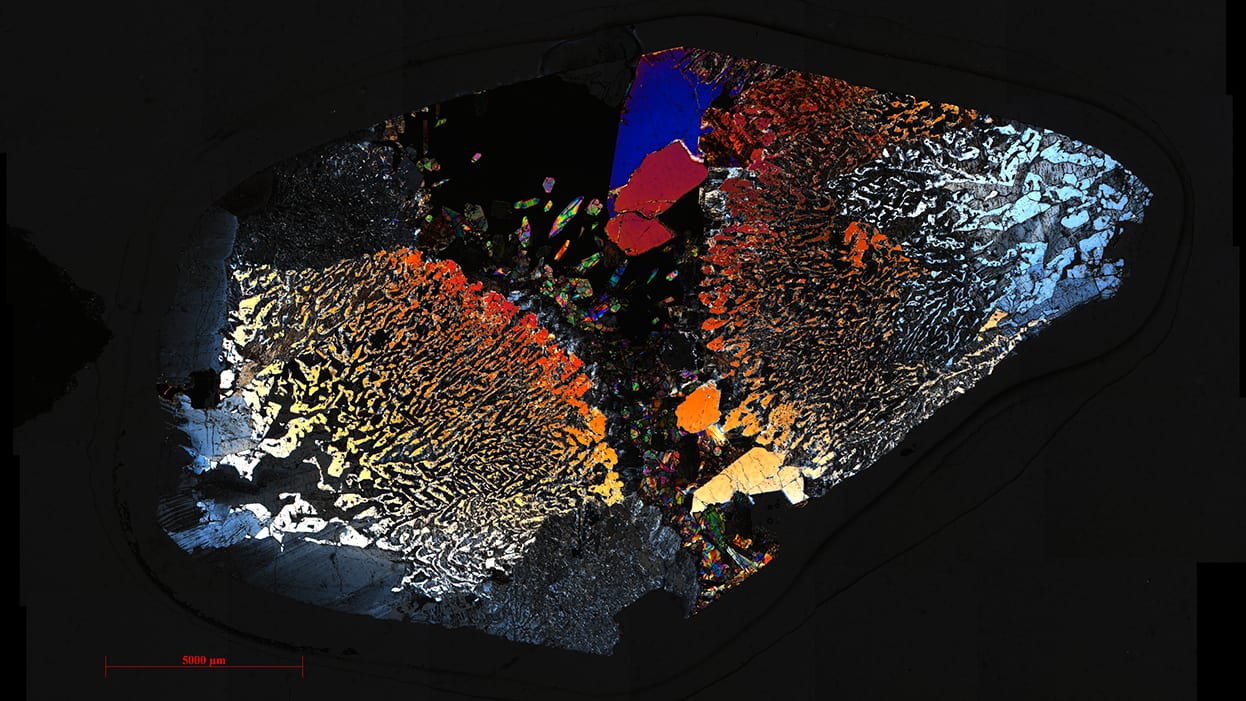
Scientists from Woods Hole Oceanographic Institution and colleagues reveal how microorganisms could survive in rocks nestled thousands of feet beneath the ocean floor in the lower oceanic crust.
Read MoreMicrobes May Act as Gatekeepers of Earth’s Deep Carbon

Two years ago an international team of scientists visited Costa Rica’s subduction zone, where the ocean floor sinks beneath the continent and volcanoes tower above the surface. They wanted to…
Read MoreMonitoring Bacteria on Whale Skin
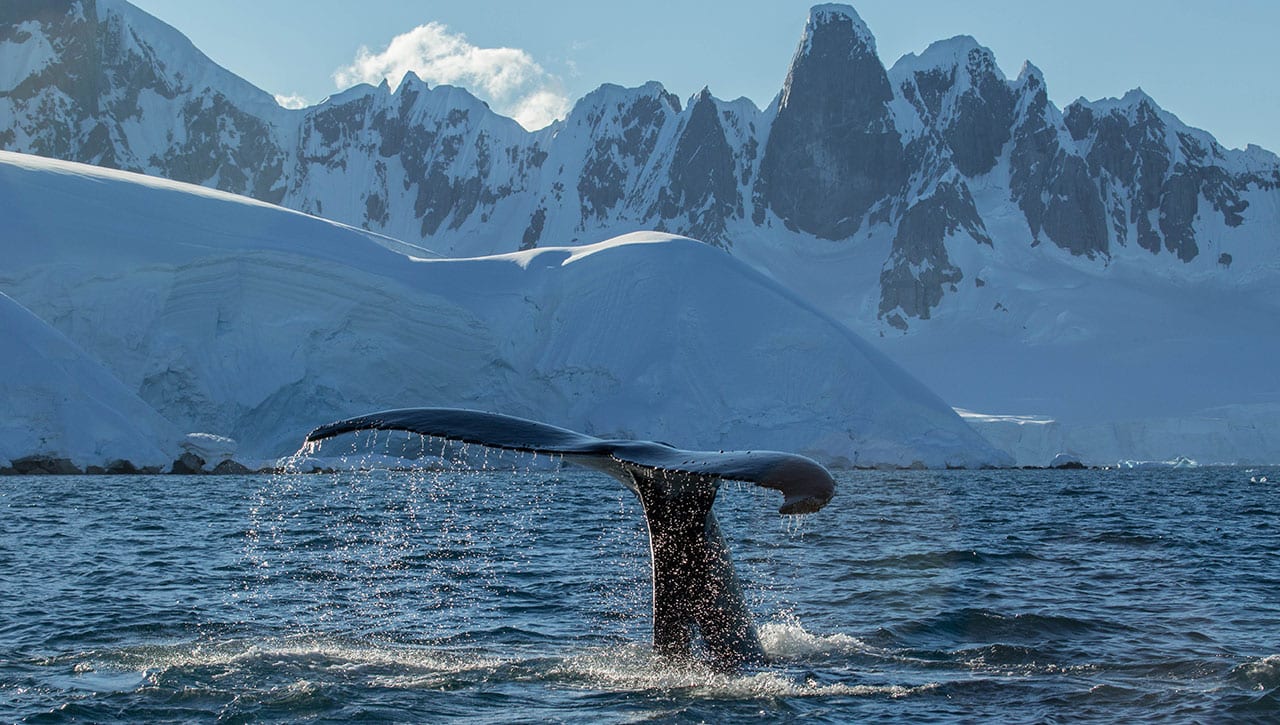
Just like with humans, the skin on marine mammals serves as an important line of defense against pathogens in their environment. A new study sheds light on the skin microbiome – a group of microorganisms that live on skin – in healthy humpback whales, which could aid in future efforts to monitor their health.
Read MoreStudy Identifies Whale Blow Microbiome
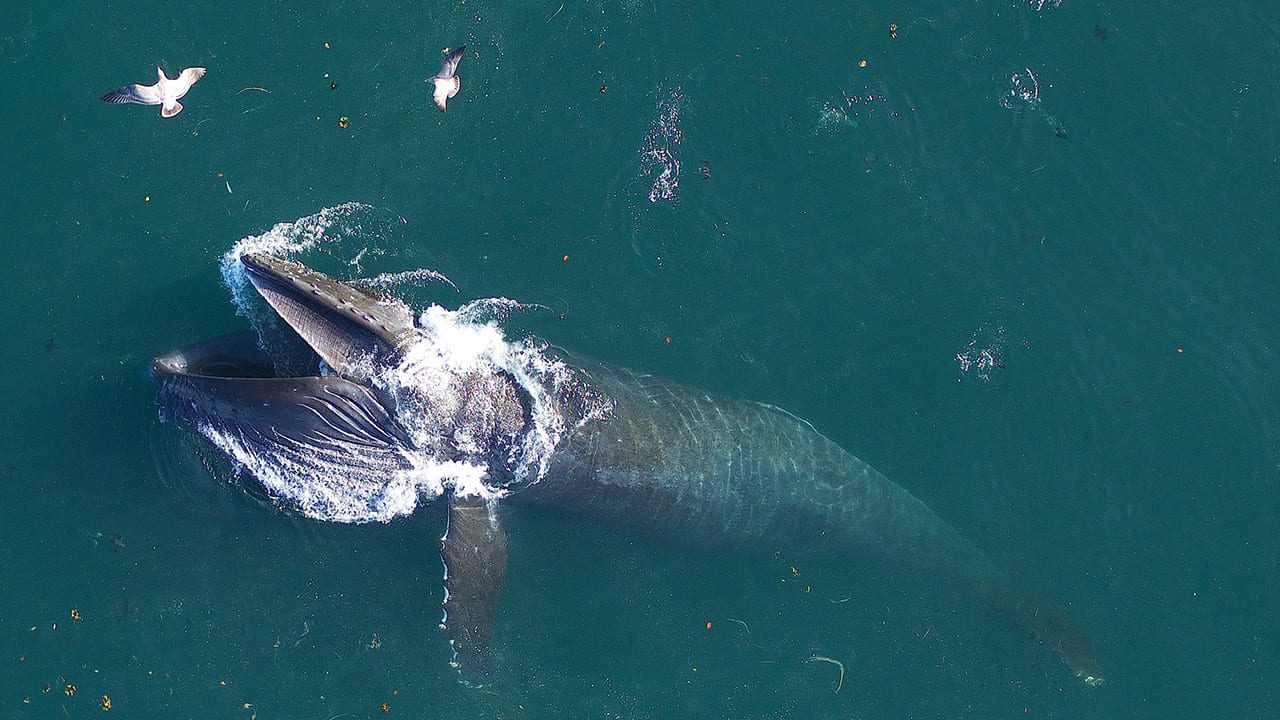
A new study by the Woods Hole Oceanographic Institution (WHOI) and colleagues identified for the first time an extensive conserved group of bacteria within healthy humpback whales’ blow’the moist breath that whales spray out of their blowholes when they exhale.
Read MoreWHOI Scientist Receives Camille and Henry Dreyfus Foundation Award
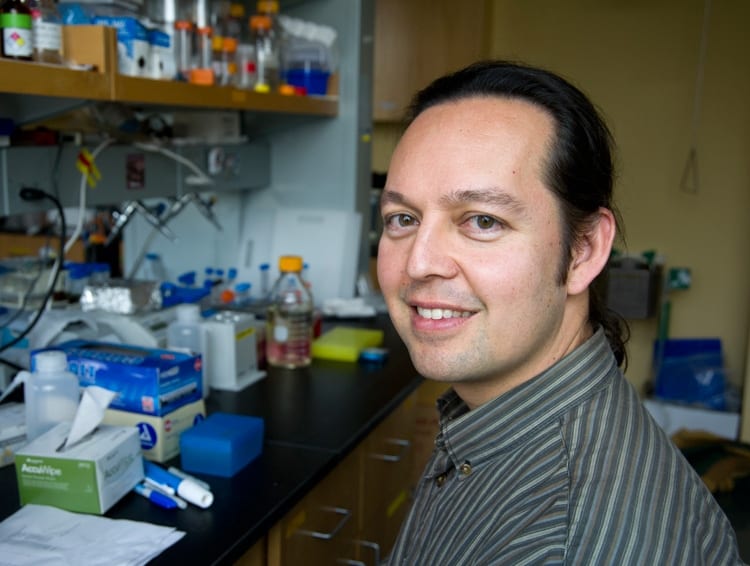
The Camille and Henry Dreyfus Foundation selected Mak Saito, a biogeochemist at Woods Hole Oceanographic Institution (WHOI), as one of eight awardees of a 2016 Postdoctoral Program in Environmental Chemistry grant.
Read MoreStudy Reveals Corals’ Influence on Reef Microbes
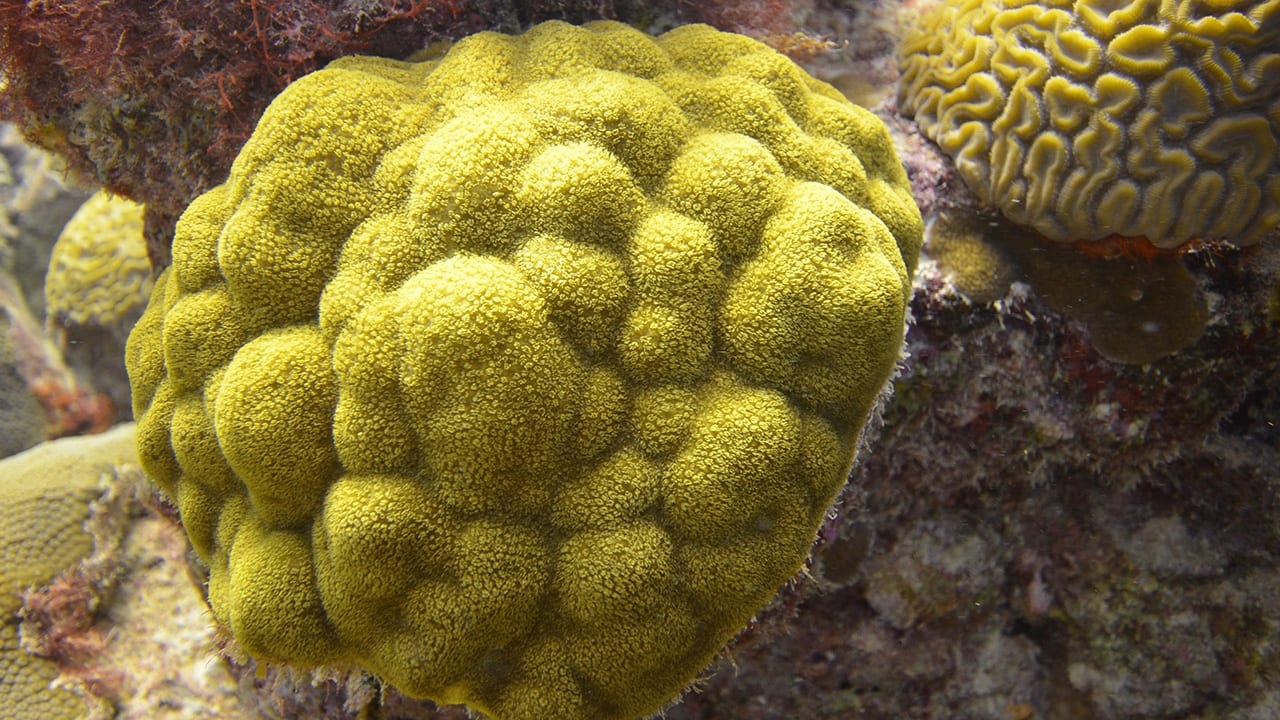
As they grow, corals are bathed in a sea of marine microbes, such as bacteria, algae, and viruses. While these extremely abundant and tiny microorganisms influence coral communities in a variety of ways, a new study by researchers at the Woods Hole Oceanographic Institution (WHOI), the Bermuda Institute of Ocean Sciences (BIOS) and University of California, Santa Barbara (UCSB) reveals that corals also have an impact on the microbes in waters surrounding them
Read MoreAmy Apprill Featured in Science’s Video Series
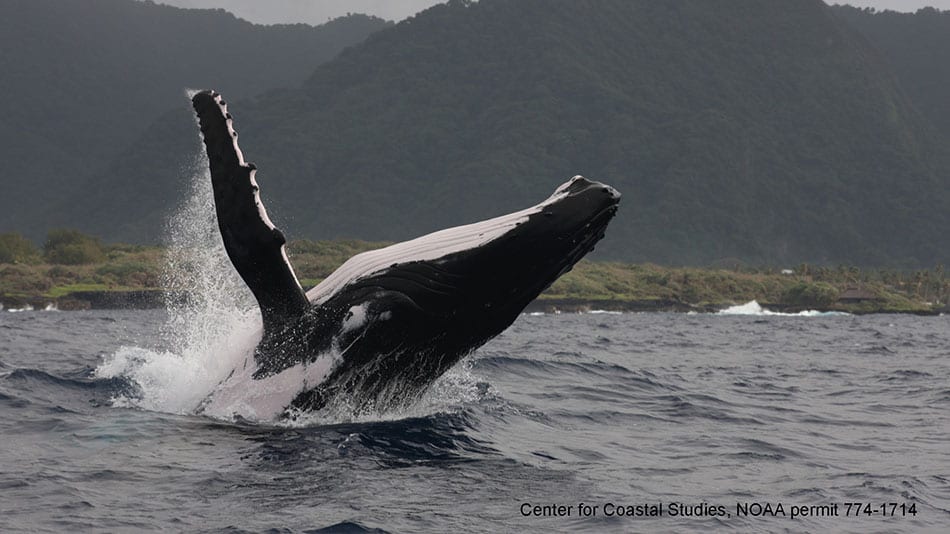
Amy Apprill, a microbiologist at the Woods Hole Oceanographic Institution (WHOI), is one of the extraordinary women scientists featured in Science Magazine’s online video series, “XX Files: Extraordinary Science, Extraordinary Women.” The eight-part series, which highlights diverse projects led by a group of impressive female scientists, began in early October. The video featuring Apprill’s work, “The Humpback Microbiome,” debuts on December 15 and is the last in the special series.
Read MoreClimate Change Will Irreversibly Force Key Ocean Bacteria into Overdrive
A new study from University of Southern California and Woods Hole Oceanographic Institution (WHOI) shows that changing conditions due to climate change could send Tricho into overdrive with no way to stop – reproducing faster and generating lots more nitrogen. Without the ability to slow down, however, Tricho has the potential to gobble up all its available resources, which could trigger die-offs of the microorganism and the higher organisms that depend on it.
Read MoreEvidence of Ancient Life Discovered in Mantle Rocks Deep Below the Seafloor
Ancient rocks harbored microbial life deep below the seafloor, reports a team of scientists from the Woods Hole Oceanographic Institution (WHOI), Virginia Tech, and the University of Bremen. This new…
Read MoreScientists Find Possible Solution to an Ancient Enigma
The widespread disappearance of stromatolites, the earliest visible manifestation of life on Earth, may have been driven by single-celled organisms called foraminifera. The findings, by scientists at Woods Hole Oceanographic…
Read MoreWHOI Research Projects Awarded $5.2 M to Support Marine Microbial Research
There are more microbes in a bucket of seawater than there are people on Earth. Despite their abundance, humans are only just beginning to fathom the complex role marine microbes…
Read MoreNSF Announces Major Awards for Biodiversity Research, WHOI Scientists Selected
A WHOI-led project is one of several major awards recently announced by the National Science Foundation’s (NSF) Dimensions in Biodiversity research program. The multi-disciplinary, international collaborative effort will advance our understanding of deep-sea hydrothermal vent microbial communities and their global impact.
Read MoreBacterial Communication Could Affect Earth’s Climate
Woods Hole Oceanographic Institution (WHOI) scientists have discovered that bacterial communication could have a significant impact on the planetÃÂs climate.
Read MoreWHOI Teaming with Flatley Discovery Lab in Search for Effective Treatments for Cystic Fibrosis
The Woods Hole Oceanographic Institution (WHOI) has signed a $1.18 million agreement with the Flatley Discovery Lab in Charlestown, Mass., to investigate and supply marine microbial extracts as possible treatments for cystic fibrosis (CF).
Read More