
News Releases
Study reveals Missoula Floods impact on past abrupt climate changes
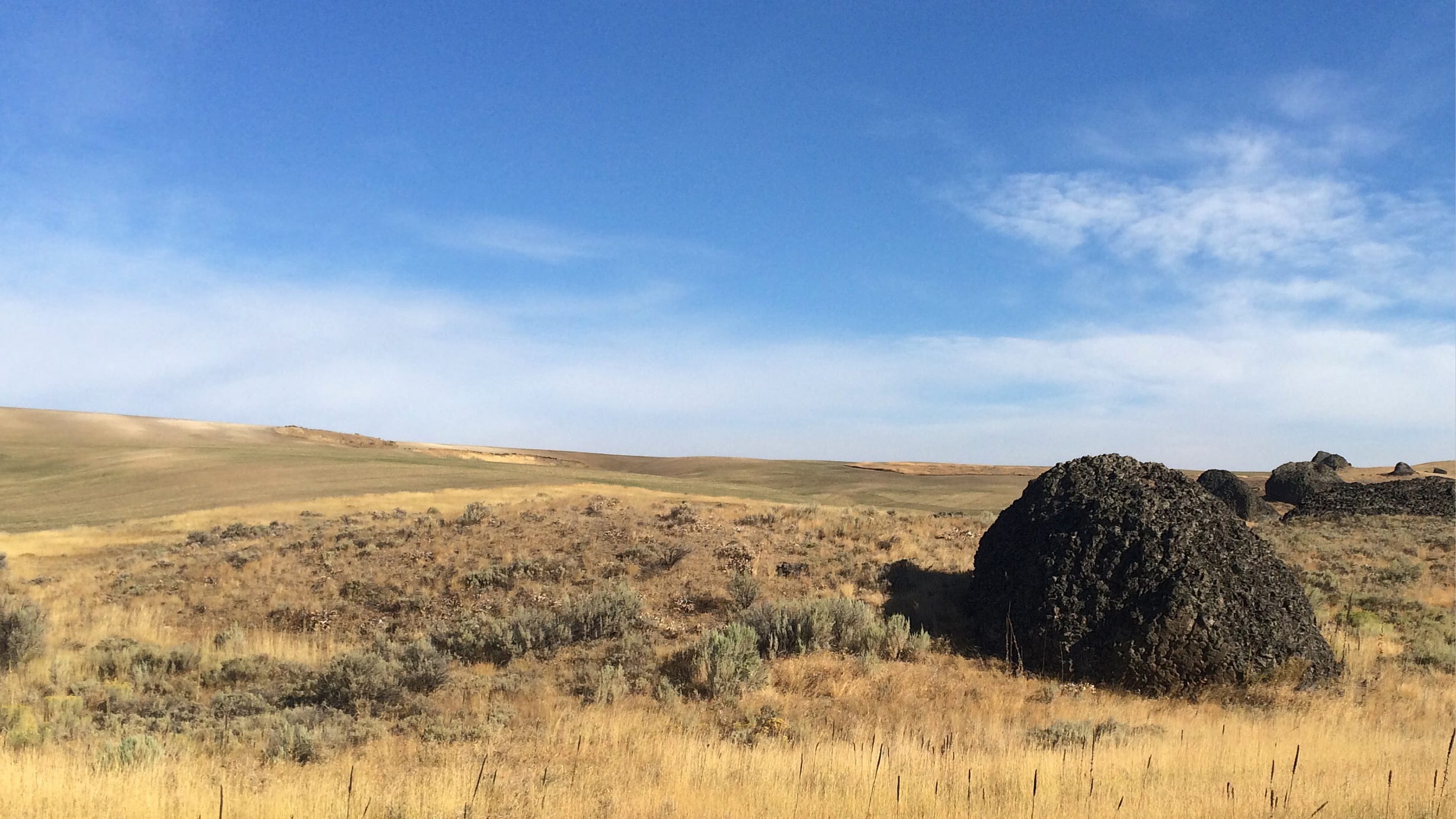
A new study shows for the first time how massive flood events in the eastern North Pacific Ocean—known as the Missoula Floods—may have in part triggered abrupt climate changes in the Northern Hemisphere during the last deglaciation (approximately 19,000–11,700 years ago).
Read MoreFollowing the Fresh Water
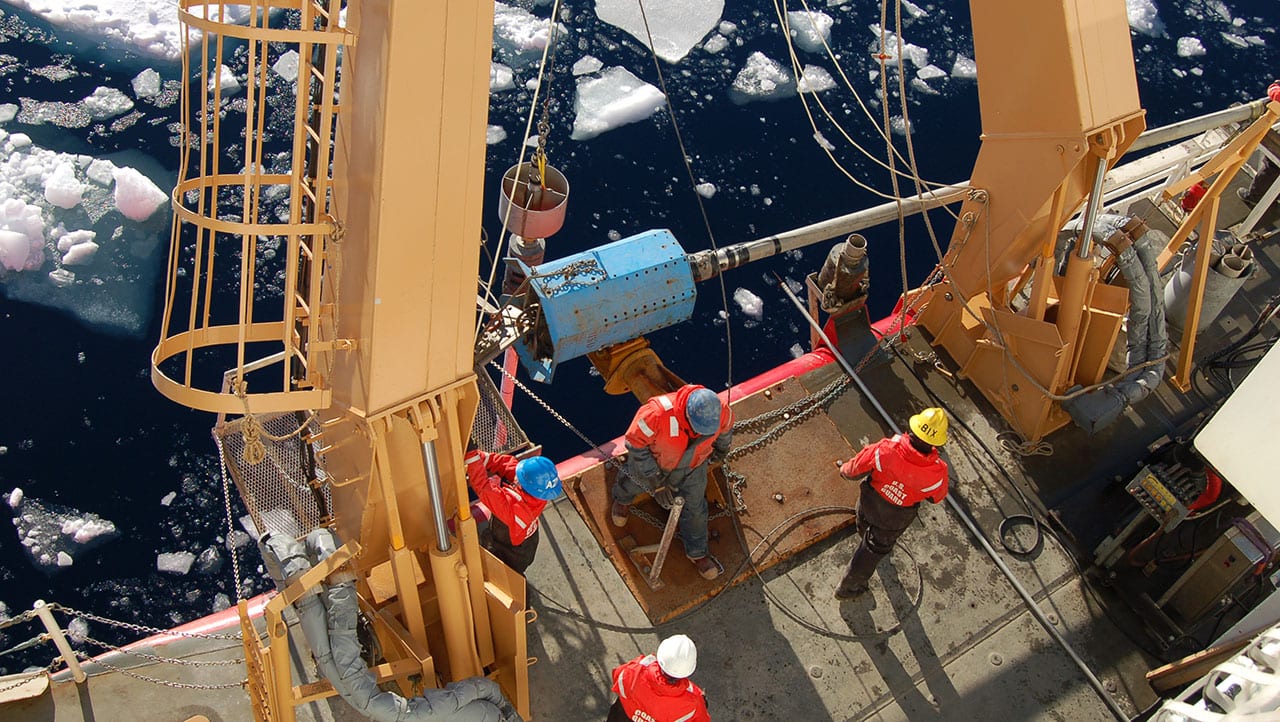
A research team led by Woods Hole Oceanographic Institution (WHOI) found the fingerprint of a massive flood of fresh water in the western Arctic, thought to be the cause of an ancient cold snap that began around 13,000 years ago.
Read MoreExtinction of Neanderthals Was Not a Climate Disaster Scenario
For the past few decades, scientists have offered several competing theories for what led to the extinction of the Neanderthals, with much of the debate focusing on the relative roles of climate change versus conflict with modern humans. Now one theory can be ruled out. New research by a multidisciplinary, international team?including paleoclimatologist Konrad Hughen of the Woods Hole Oceanographic Institution?shows that Neanderthals did not die out at a time of extreme and sudden climatic change, as some researchers have suggested.
Read MoreFine-tuning the Steps in the Intricate Climate Change Dance
New scientific findings are strengthening the case that the oceans and climate are linked in an intricate dance, and that rapid climate change may be related to how vigorously ocean…
Read MoreAbrupt Climate Change Brought to Public Attention in Hollywood Movie
The movie The Day After Tomorrow, released today by 20th Century Fox, paints a dramatic picture of the effects of climate change – and raises questions about the boundary between science and science fiction. How fast can Earth’s climate change? Will global warming raise sea level and flood coastal cities? If our climate cools, will it spawn an “ice age” in our lifetimes?
Read MoreTropical Plants Help Identify Lags Between Abrupt Climate and Vegetation Shifts in Different Parts of the World
Clues to the timing and cause of abrupt climate changes in the past may lie in ocean floor sediments, according to a study by scientists at Woods Hole Oceanographic Institution (WHOI).
Read MoreRate of Ocean Circulation Directly Linked to Abrupt Climate Change in North Atlantic Region
A new study strengthens evidence that the oceans and climate are linked in an intricate dance, and that rapid climate change may be related to how vigorously ocean currents transport heat from low to high latitudes.
Read MoreNew Study Reports Large-scale Salinity Changes in the Oceans
Tropical ocean waters have become dramatically saltier over the past 40 years, while oceans closer to Earth’s poles have become fresher, scientists reported today in the journal Nature. Earth’s warming surface may be intensifying evaporation over oceans in the low latitudes–raising salinity concentrations there–and transporting more fresh water vapor via the atmosphere toward Earth’s poles.
Read MoreFossil Records Show Methane in Seafloor Sediments Released During Periods of Rapid Climate Warming
Scientists have found new evidence indicating that during periods of rapid climate warming methane gas has been released periodically from the seafloor in intense eruptions. In a study published in the current issue of the journal Science, Kai-Uwe Hinrichs and colleagues Laura Hmelo and Sean Sylva of the Woods Hole Oceanographic Institution (WHOI) provide a direct link between methane reservoirs in coastal marine sediments and the global carbon cycle, an indicator of global warming and cooling.
Read MoreUndersea Cracks along Continental Shelf Could Trigger Tsunamis along U.S. East Coast
Potential landslides on the outer continental shelf and slope along the Mid-Atlantic coast could trigger tsunamis that might have devastating effects on populated coastal areas. In a paper published in the May 2000 issue of the journal Geology,Neal Driscoll of the Woods Hole Oceanographic Institution and colleagues Jeffrey Weissel of Columbia University??A?s Lamont-Doherty Earth Observatory and John Goff of the University of Texas at Austin say newly discovered cracks along the edge of the continental shelf could be an early warning sign that the seafloor is unstable in these areas.