Tracking the hidden currents of Cape Cod Bay
Scientists are using drifters and ocean models to better understand how water, nutrients, and pollutants move through the bay
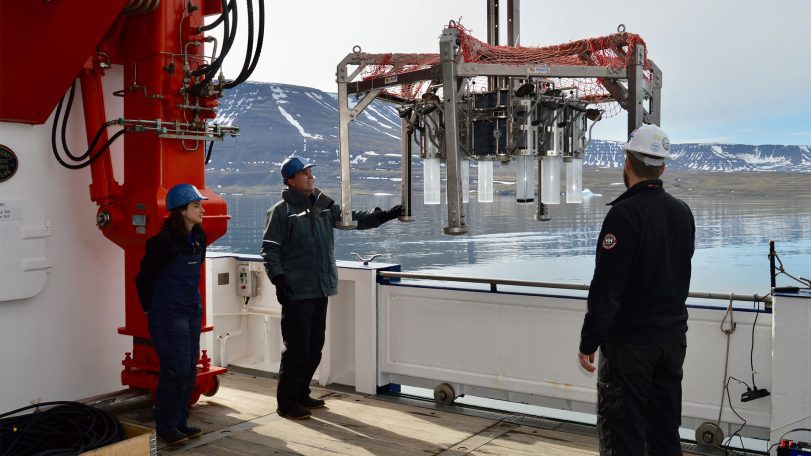
The unseen toll of war on science
As the changing climate accelerates the spread of toxic algal blooms in the Arctic, the Russia–Ukraine war is cutting off critical international collaboration needed to understand and protect vulnerable ecosystems and communities.

The human cost of Brazil’s floods
New research maps social vulnerability after the 2024 deluge
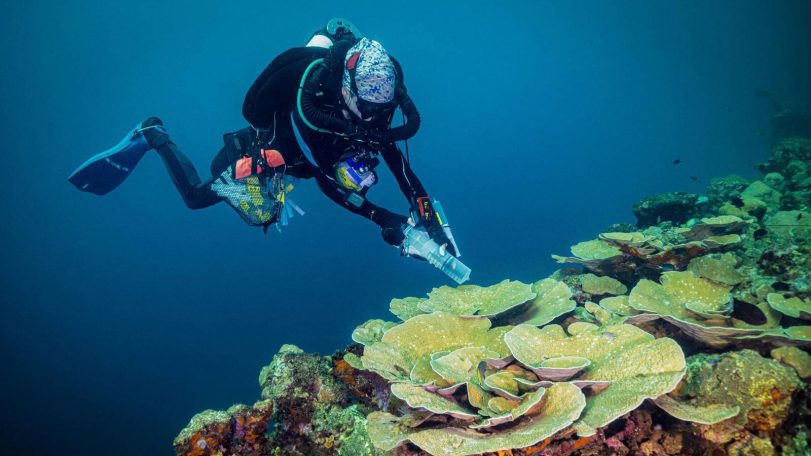
From ruin to reef
What Pacific wrecks are teaching us about coral resilience—and pollution
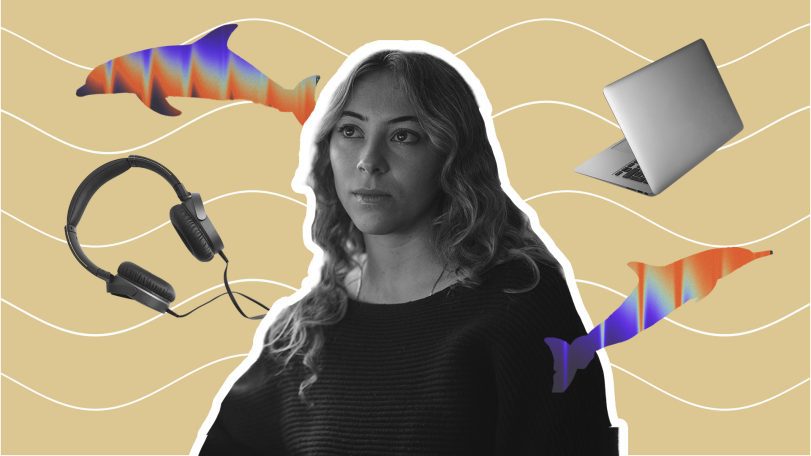
One researcher, 15,000 whistles: Inside the effort to decode dolphin communication
Scientists at WHOI analyze thousands of dolphin whistles to explore whether some sounds may function like words
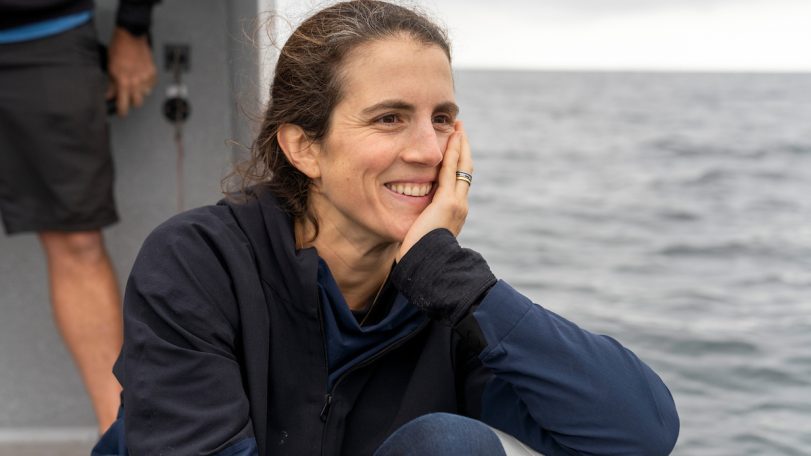
Remembering Tatiana Schlossberg, a voice for the ocean
Environmental journalist and author Tatiana Schlossberg passed away after battling leukemia on December 30, 2025….
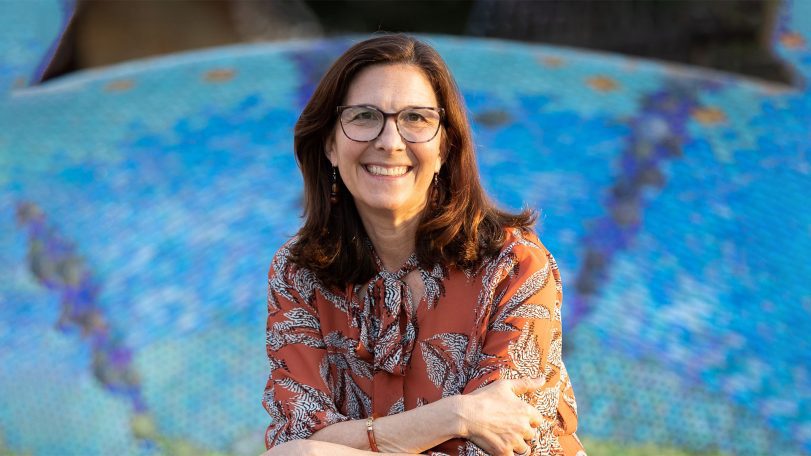
As the ocean warms, a science writer looks for coral solutions
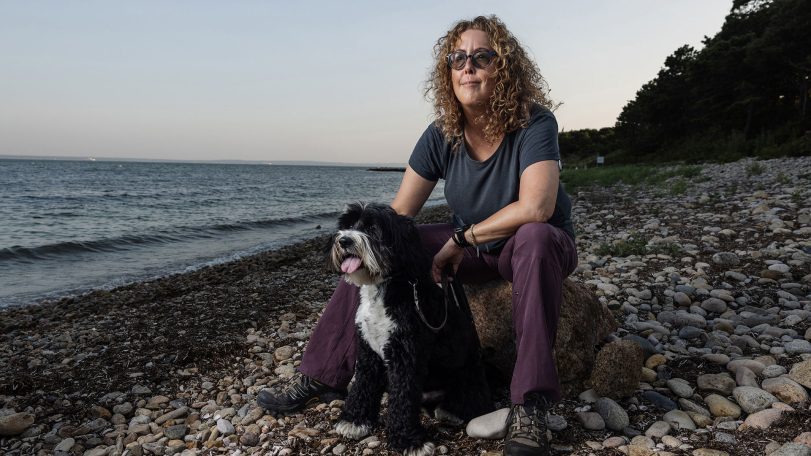
Scientist-turned-author Juli Berwald highlights conservation projects to restore coral reefs
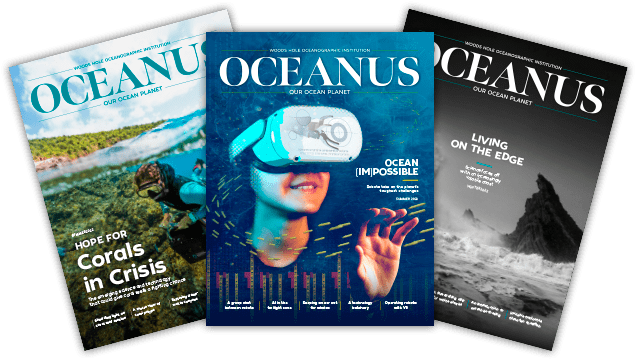
and get Oceanus delivered to your door twice a year as well as supporting WHOI's mission to further ocean science.
Our Ocean. Our Planet. Our Future.
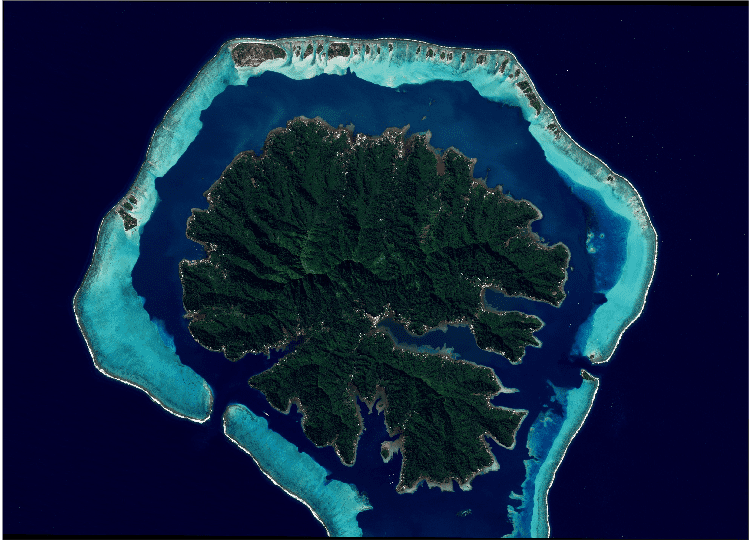
How an MIT-WHOI student used Google Earth to uncover a river–coral reef connection
Google Earth helps researcher decode how rivers sculpt massive breaks in coral reefs
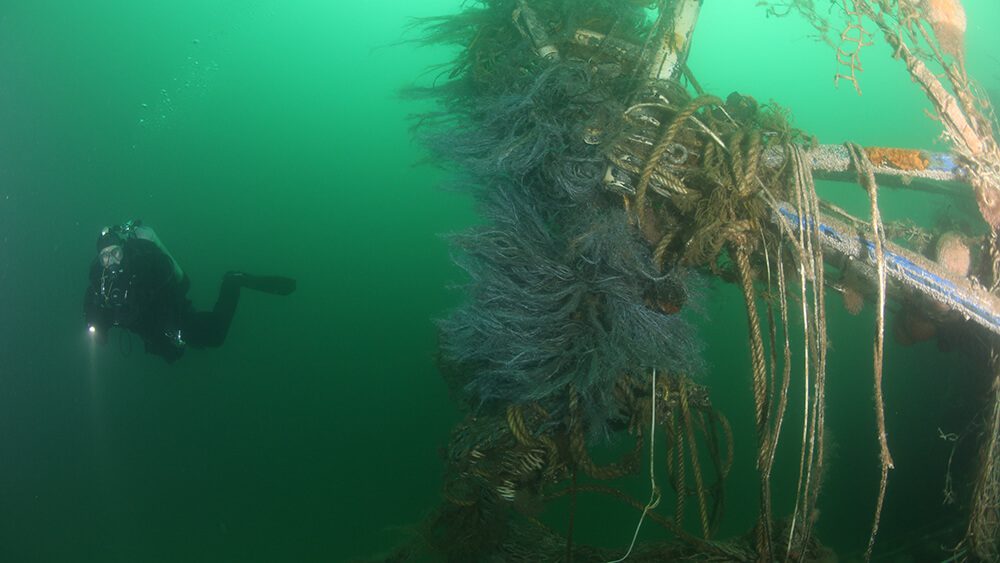
A new underwater robot could help preserve New England’s historic shipwrecks
WHOI’s ResQ ROV to clean up debris in prominent marine heritage sites
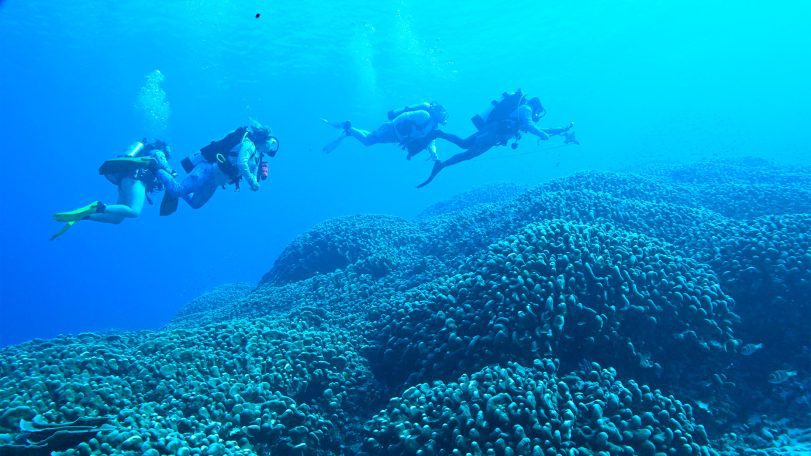
Inside the Solomon Islands’ hidden mega coral — a 300-year-old ocean giant
WHOI’s Reef Solutions team journeys to the world’s largest coral colony

The little big picture
WHOI senior biologist Heidi Sosik on the critical need for long-term ocean datasets
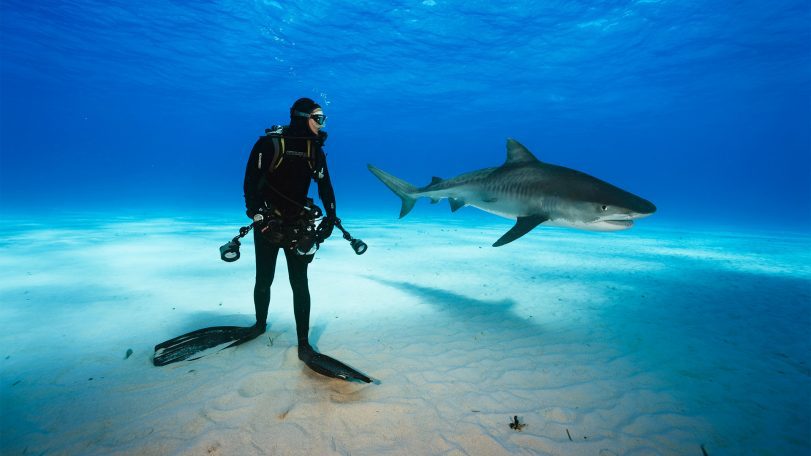
Lessons from a lifetime of exploration
Award-winning ocean photographer Brian Skerry shares insights from a career spent around ocean life and science
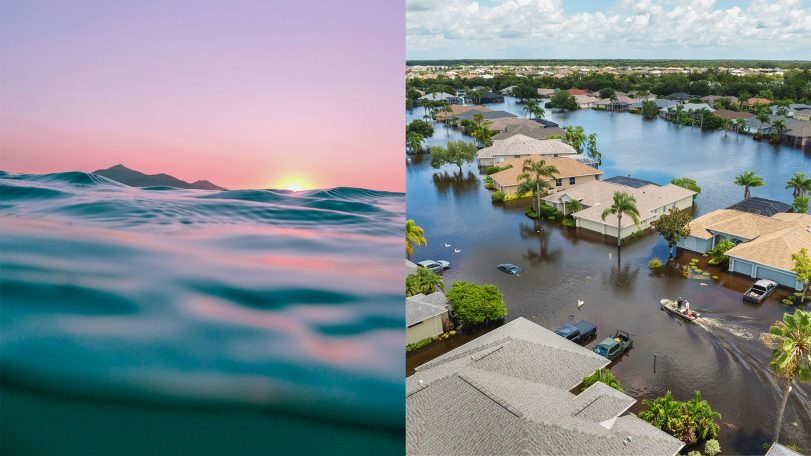
The ocean weather nexus, explained
The vital role of ocean observations in extreme weather forecasting
Breaking down plastics together
Through a surprising and successful partnership, WHOI and Eastman scientists are reinventing what we throw away
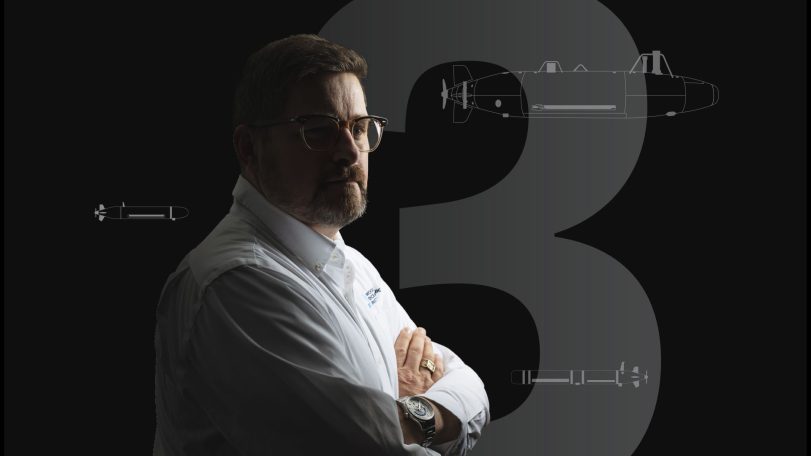
Three questions with Carl Hartsfield
Captain Hartsfield, USN retired, discusses the role ocean science plays in our national defense
The Ocean (Re)Imagined
How expanding our view of the ocean can unlock new possibilities for life
Looking for something specific?
We can help you with that. Check out our extensive conglomeration of ocean information.
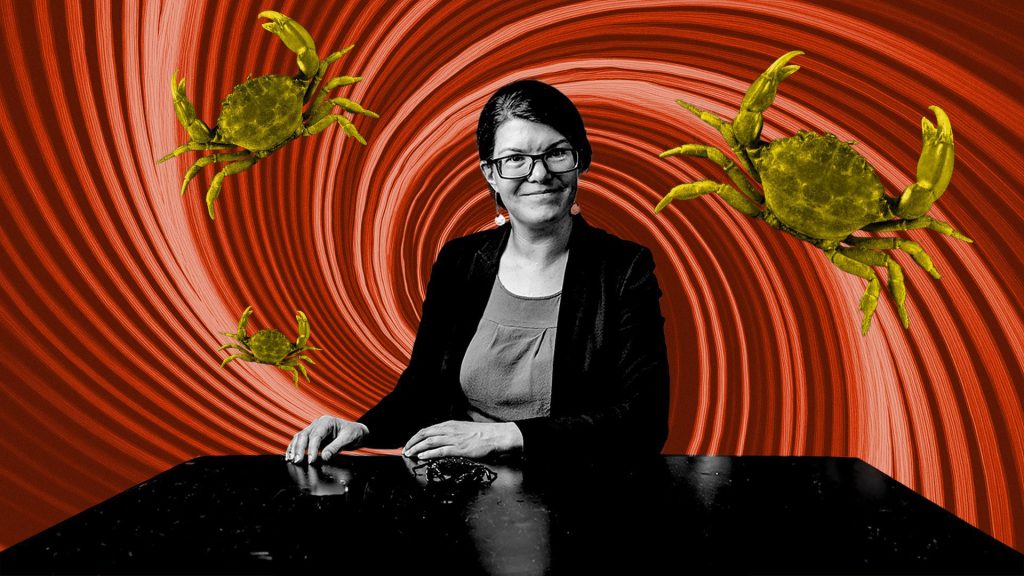
Body snatchers are on the hunt for mud crabs
WHOI biologist Carolyn Tepolt discusses the biological arms race between a parasite and its host
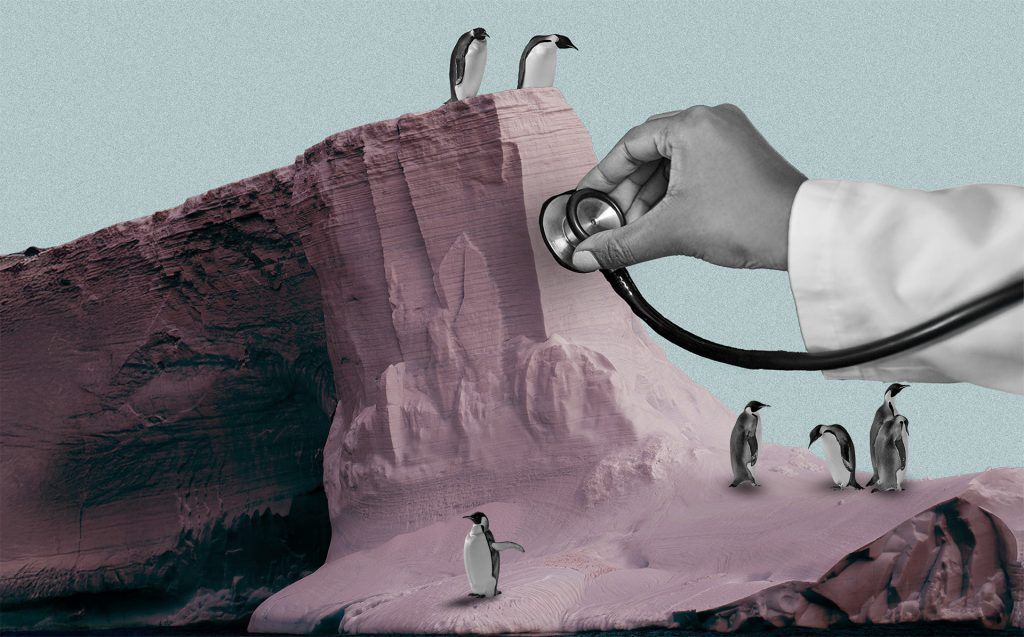
A polar stethoscope
Could the sounds of Antarctica’s ice be a new bellwether for ecosystem health in the South Pole?
Secrets from the blue mud
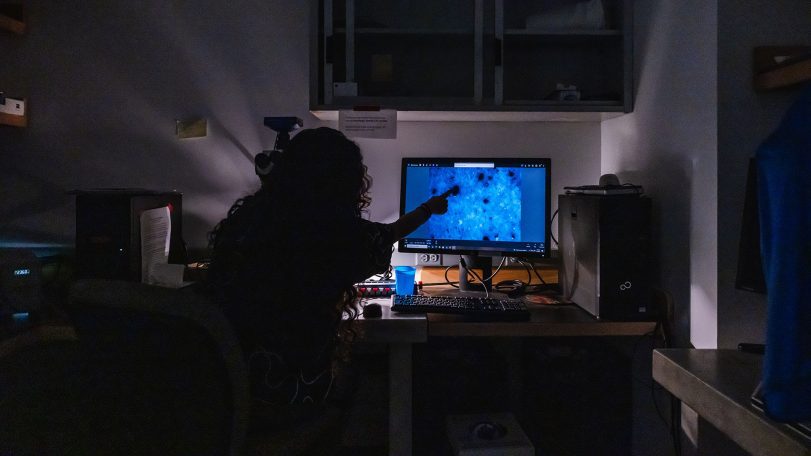
Microbes survive—and thrive—in caustic fluids venting from the seafloor
Top 5 ocean hitchhikers
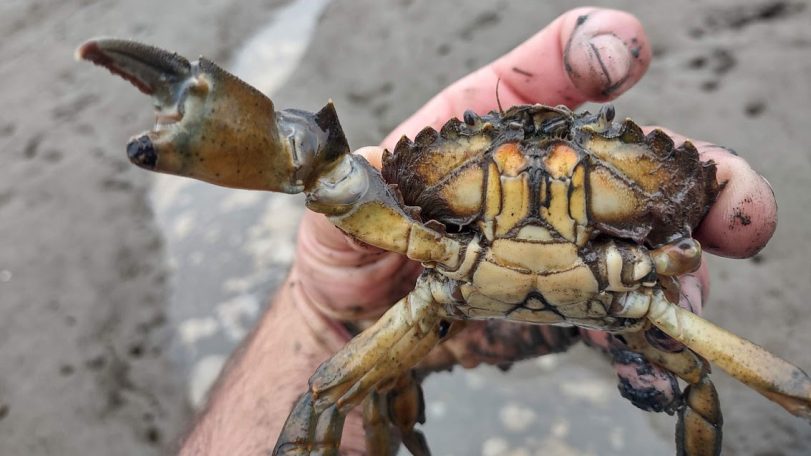
As humans traveled and traded across the globe, they became unwitting taxis to marine colonizers
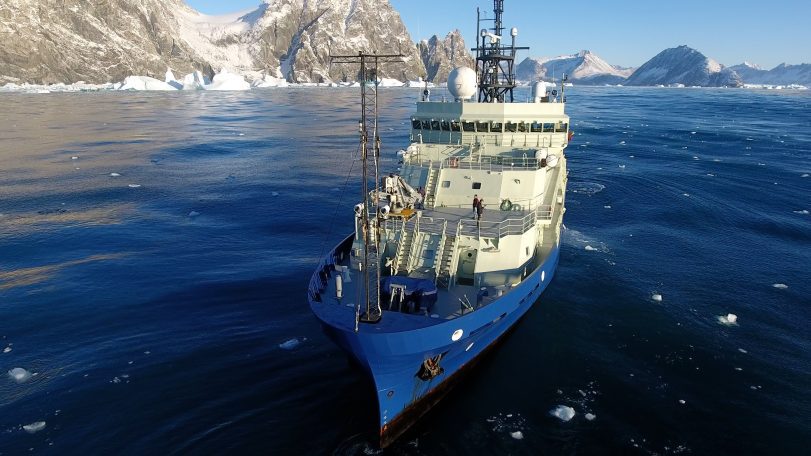
Following the Polar Code
Crew of R/V Neil Armstrong renew their commitment to Arctic science with advanced polar training
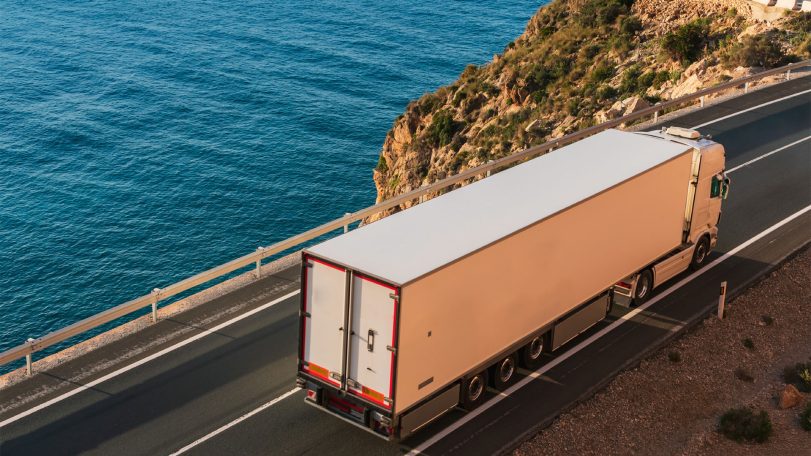
Harnessing the ocean to power transportation
WHOI scientists are part of a team working to turn seaweed into biofuel
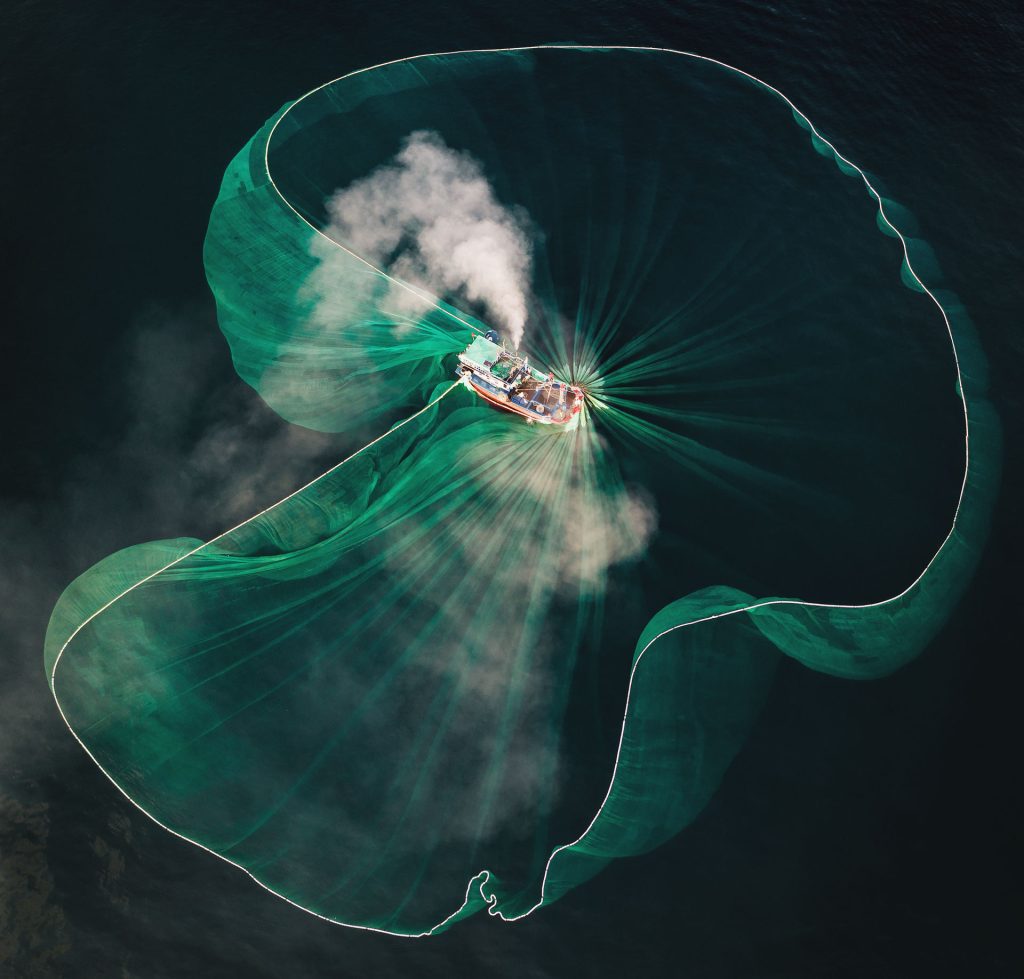
Casting a wider net
The future of a time-honored fishing tradition in Vietnam, through the eyes of award-winning photographer Thien Nguyen Noc
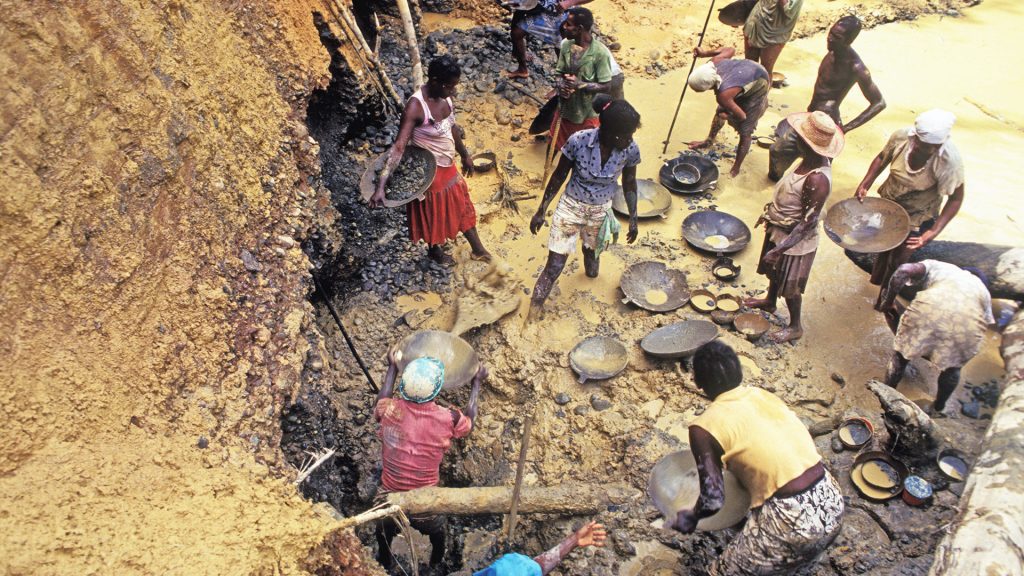
Gold mining’s toxic legacy
Mercury pollution in Colombia’s Amazon threatens the Indigenous way of life
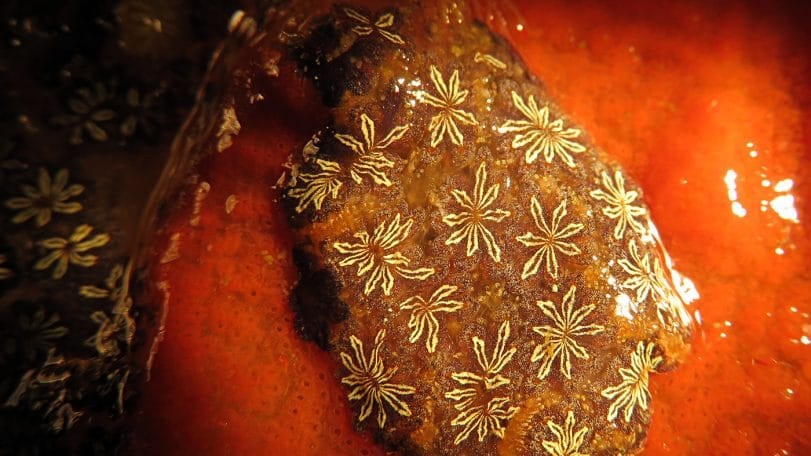
Who Grows There?
Biofouling organisms—barnacles, tunicates, bryozoans, and other marine invertebrates—are a common sight on docks, ship hulls, rocks, and other hard underwater surfaces. WHOI postdoctoral scholar Kirstin Meyer has been studying the fouling community in coastal waters of Woods Hole, Mass., to assess how it develops and changes over time. Her preliminary results suggest that both water temperature and competition play a key role in driving community composition.
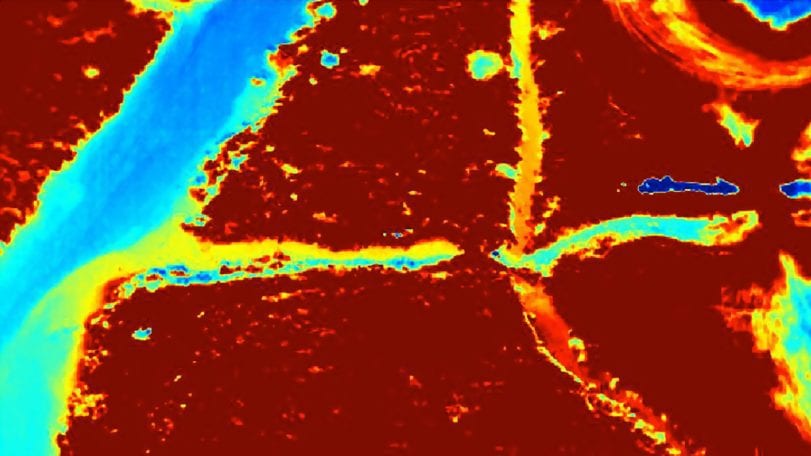
Up in the Sky!
Nope, it’s not a bird or a plane. It’s a drone on a scientific mission…
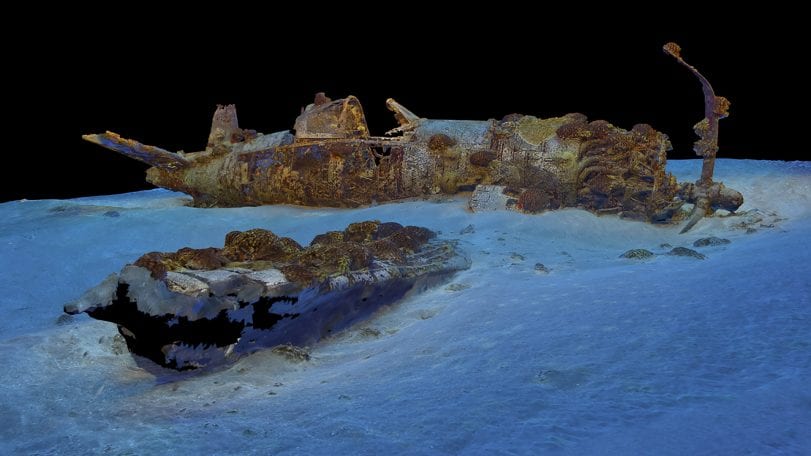
Re-envisioning Underwater Imaging
A revolutionary new underwater imaging system developed at Woods Hole Oceanographic Institution can generate ultrahigh-definition television…
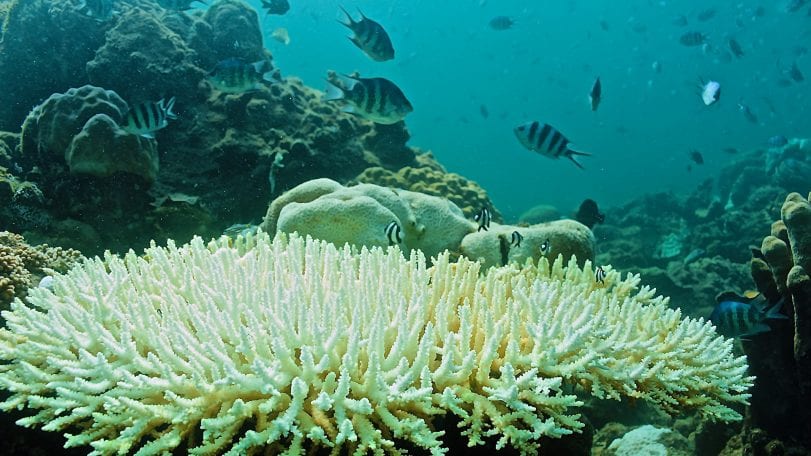
A Double Whammy for Corals
Scientists know that gradually rising ocean temperatures can push corals past a threshold and cause…
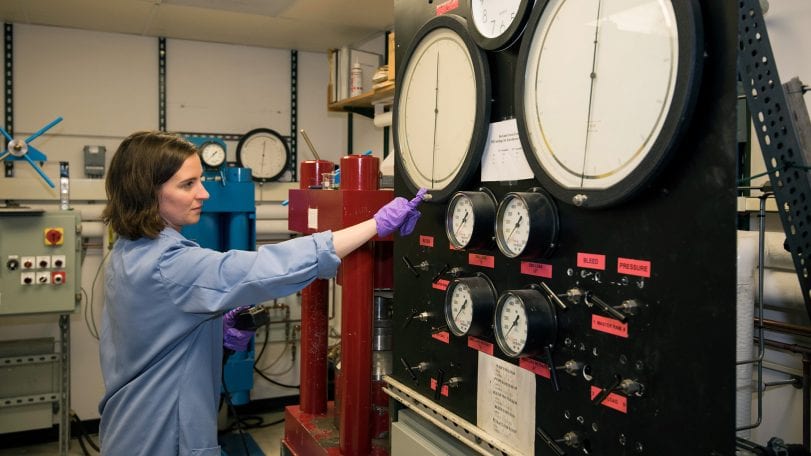
Taking Earth’s Inner Temperature
Woods Hole Oceanographic Institution wasn’t an obvious fit for Emily Sarafian. “I always felt a…
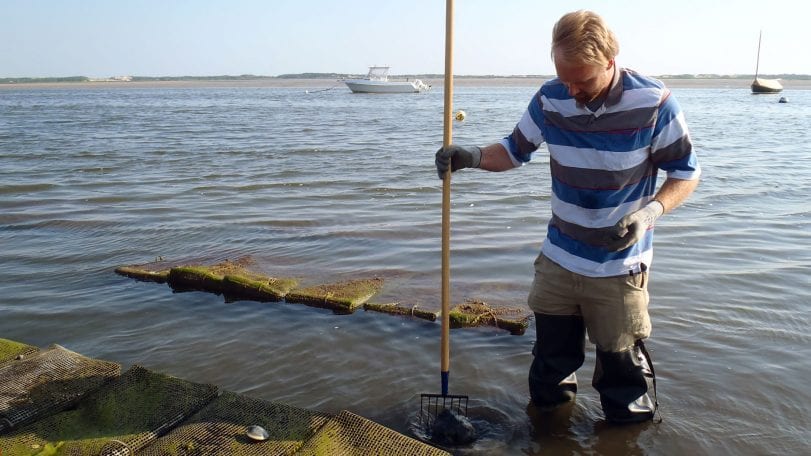
Can Clams and Oysters Help Clean Up Waterways?
Towns in Cape Cod are looking to shellfish not only as culinary treats, but as…
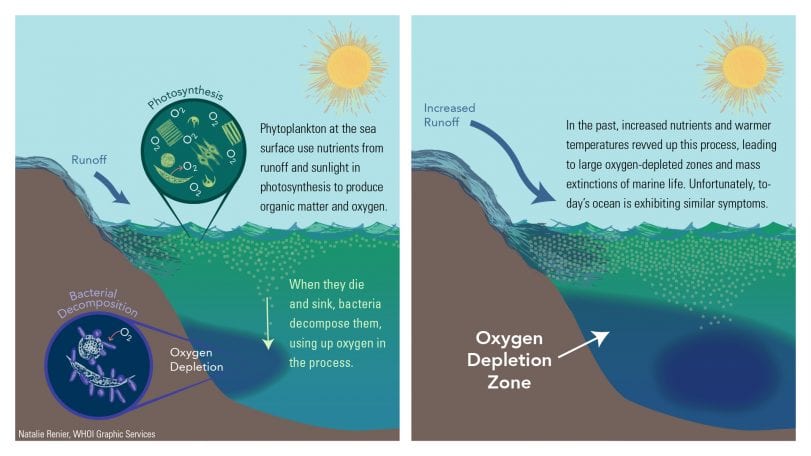
Will Oxygen in the Ocean Continue to Decline?
The living, breathing ocean may be slowly starting to suffocate. The ocean has lost more…
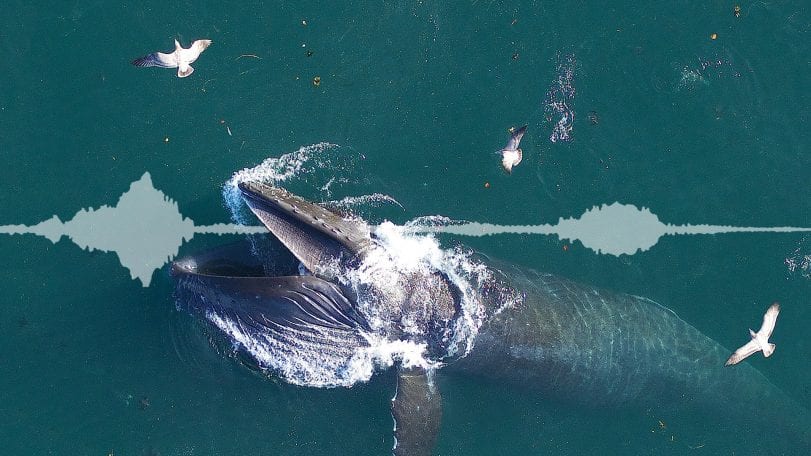
Scientists Reveal Secrets of Whales
Researchers have known for decades that whales create elaborate songs. But a new study has…
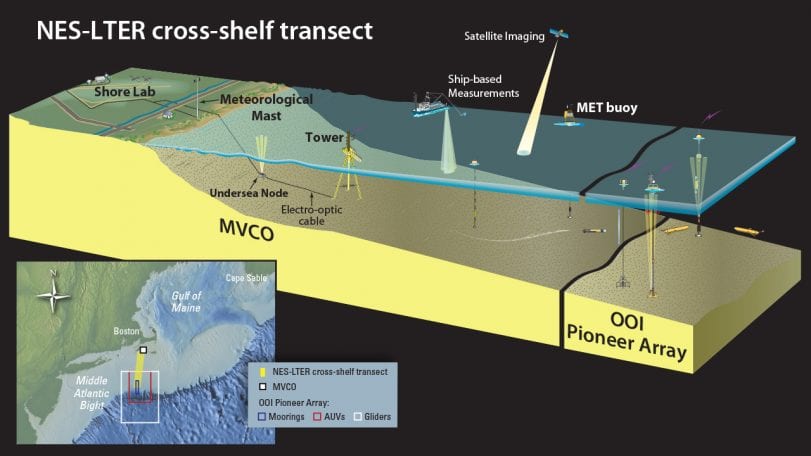
Long-term Study Focuses on New England Ocean
The National Science Foundation has created a new Long Term Ecological Research site off the New England coast to increase understanding of an area of the ocean known for its abundant marine life and productive commercial fisheries.
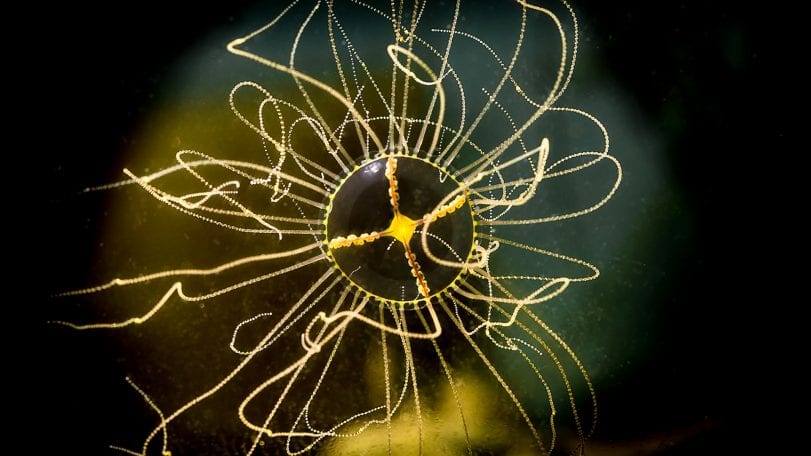
Tiny Jellyfish with a Big Sting
Clinging jellyfish in waters near Vladivostok, Russia, are known for their painful, toxic stings. In the U.S., where clinging jellies had been relatively harmless, a new, venomous variety has recently appeared on Cape Cod, Mass., and in nearby regions. WHOI biologist Annette Govindarajan is using genetic techniques to trace their geographic origins.
Ocean Observatories Initiative
Sailors and scientists have gone to sea for centuries to unravel the inner workings of…
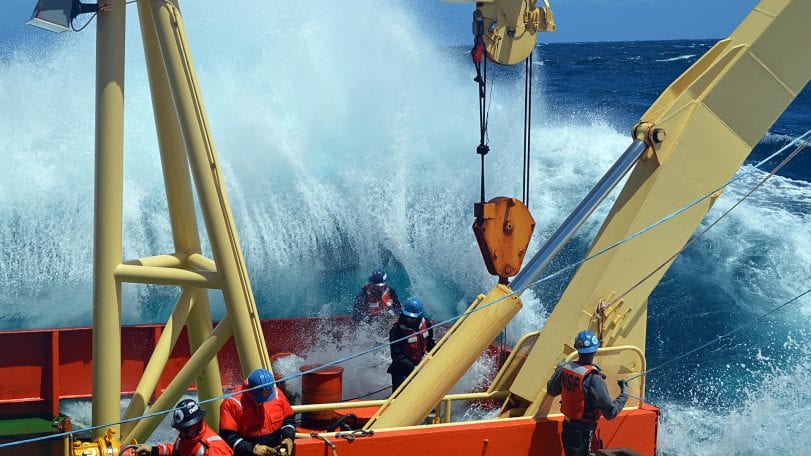
Aqua Incognita
There is a jar of money in the conference room of the Mooring Operations &…