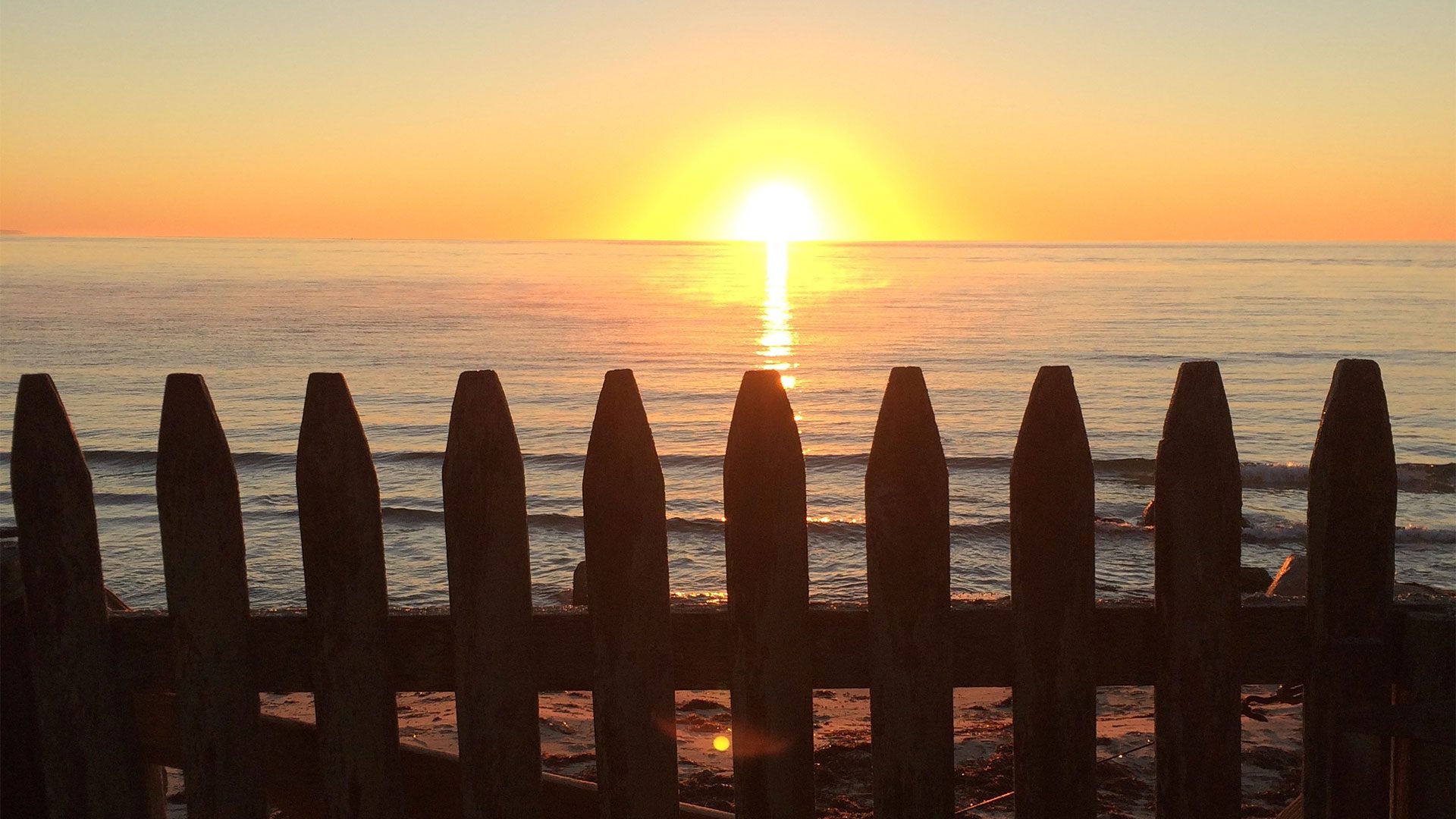
Tracking the hidden currents of Cape Cod Bay
Scientists are using drifters and ocean models to better understand how water, nutrients, and pollutants move through the bay
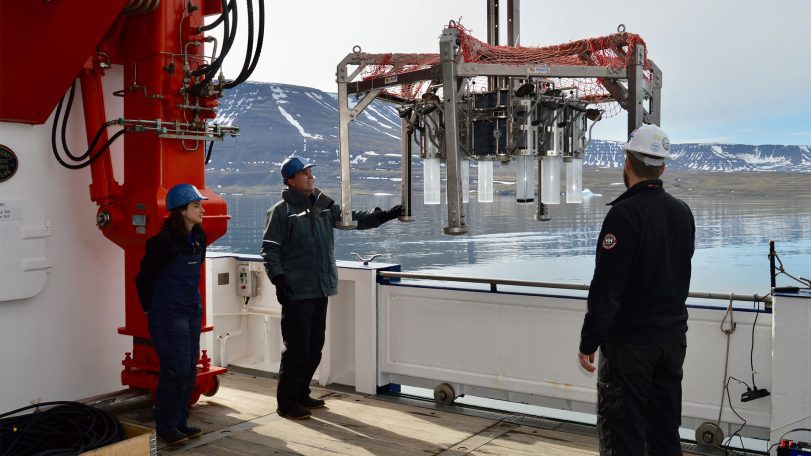
The unseen toll of war on science
As the changing climate accelerates the spread of toxic algal blooms in the Arctic, the Russia–Ukraine war is cutting off critical international collaboration needed to understand and protect vulnerable ecosystems and communities.

The human cost of Brazil’s floods
New research maps social vulnerability after the 2024 deluge

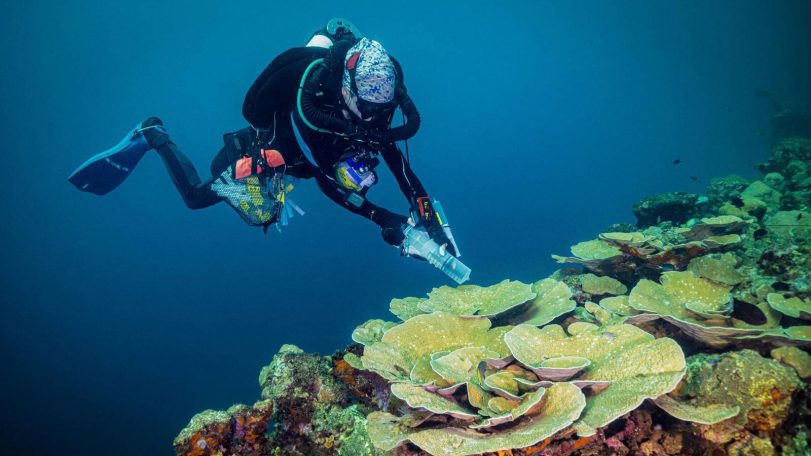
From ruin to reef
What Pacific wrecks are teaching us about coral resilience—and pollution
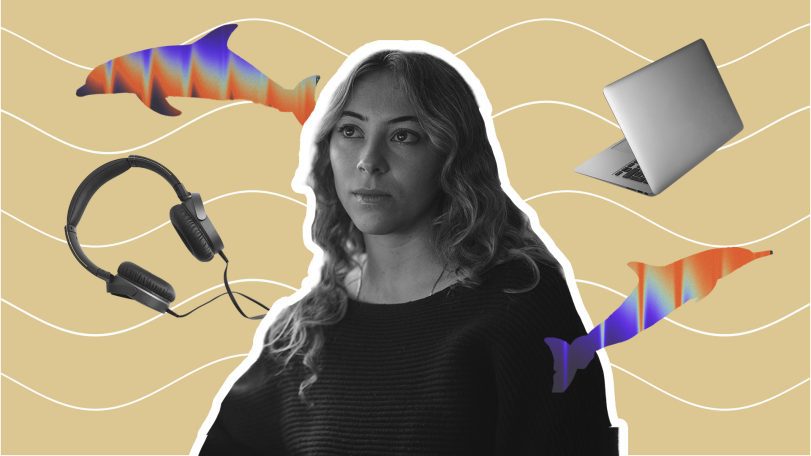
One researcher, 15,000 whistles: Inside the effort to decode dolphin communication
Scientists at WHOI analyze thousands of dolphin whistles to explore whether some sounds may function like words
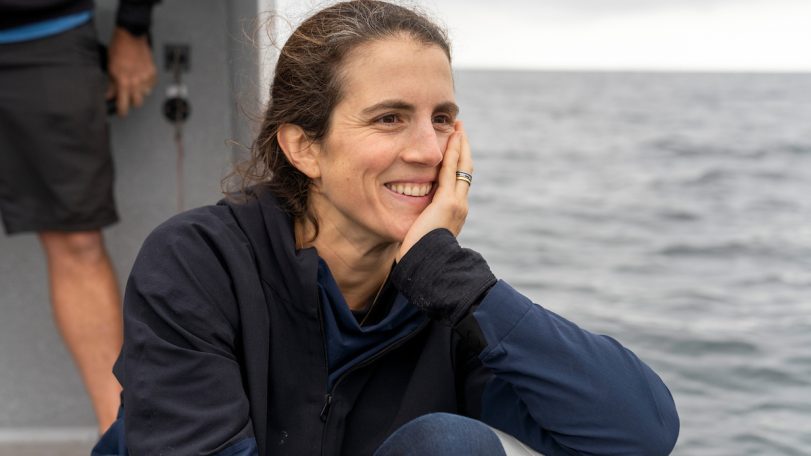
Remembering Tatiana Schlossberg, a voice for the ocean
Environmental journalist and author Tatiana Schlossberg passed away after battling leukemia on December 30, 2025….
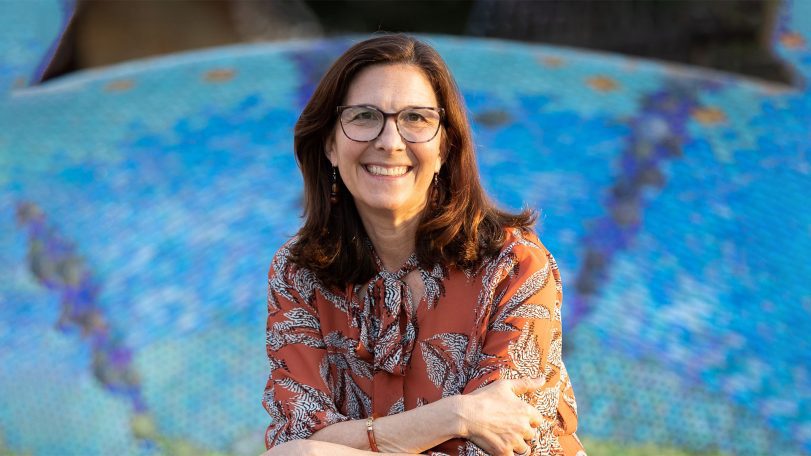
As the ocean warms, a science writer looks for coral solutions
Scientist-turned-author Juli Berwald highlights conservation projects to restore coral reefs
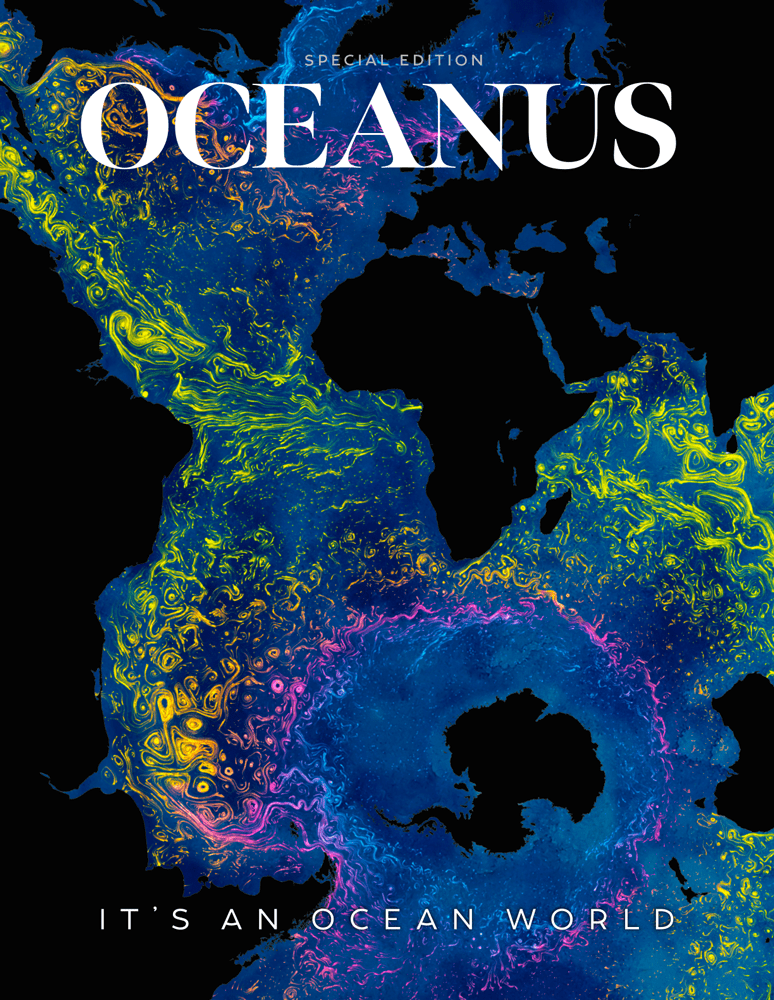
and get Oceanus delivered to your door twice a year as well as supporting WHOI's mission to further ocean science.
Our Ocean. Our Planet. Our Future.
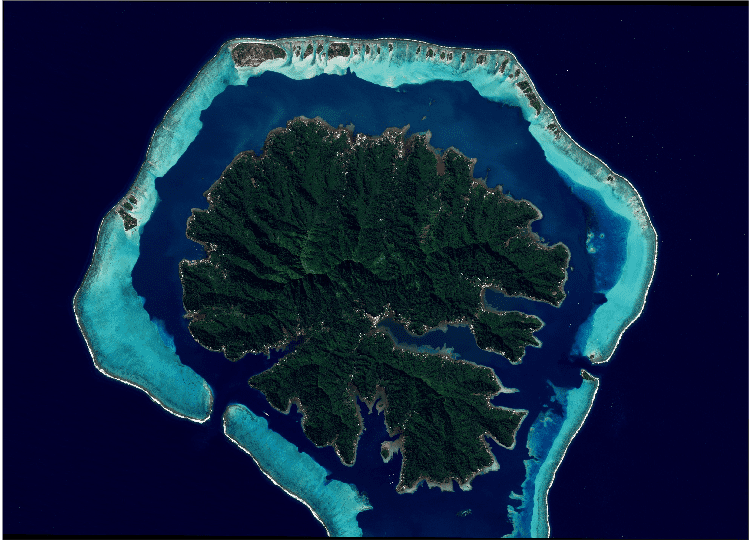
How an MIT-WHOI student used Google Earth to uncover a river–coral reef connection
Google Earth helps researcher decode how rivers sculpt massive breaks in coral reefs
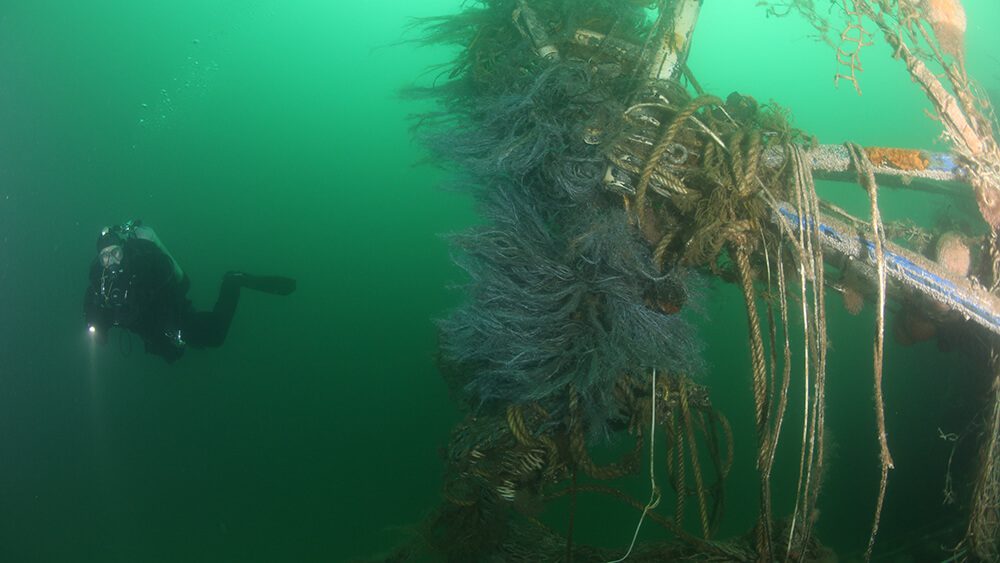
A new underwater robot could help preserve New England’s historic shipwrecks
WHOI’s ResQ ROV to clean up debris in prominent marine heritage sites
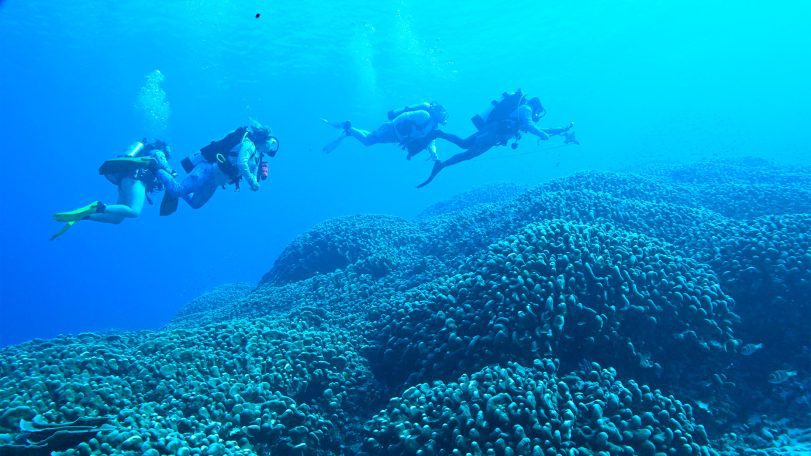
Inside the Solomon Islands’ hidden mega coral — a 300-year-old ocean giant
WHOI’s Reef Solutions team journeys to the world’s largest coral colony

The little big picture
WHOI senior biologist Heidi Sosik on the critical need for long-term ocean datasets
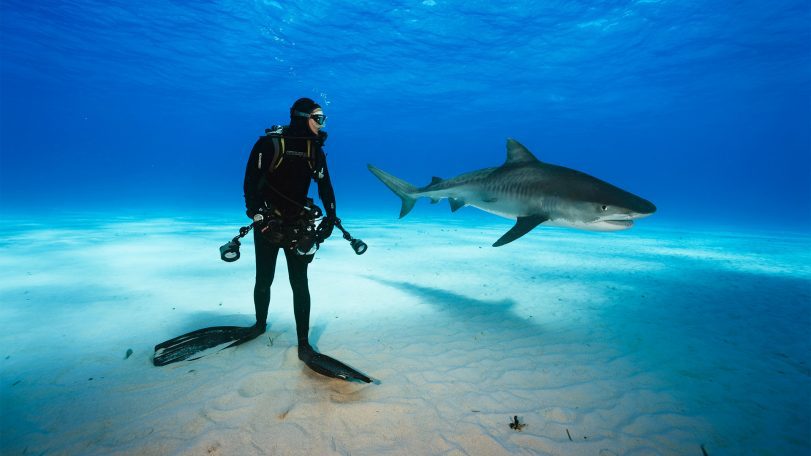
Lessons from a lifetime of exploration
Award-winning ocean photographer Brian Skerry shares insights from a career spent around ocean life and science
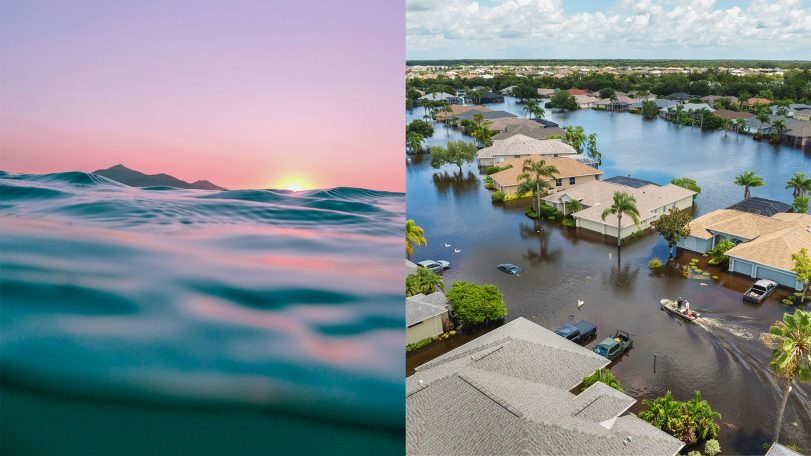
The ocean weather nexus, explained
The vital role of ocean observations in extreme weather forecasting

Breaking down plastics together
Through a surprising and successful partnership, WHOI and Eastman scientists are reinventing what we throw away
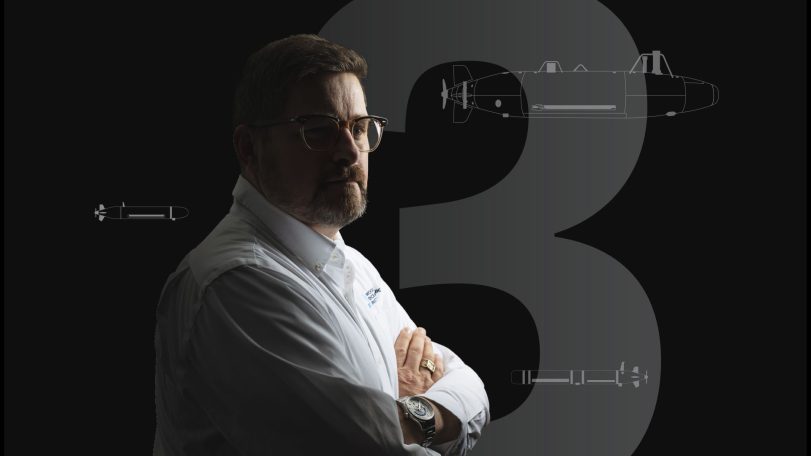
Three questions with Carl Hartsfield
Captain Hartsfield, USN retired, discusses the role ocean science plays in our national defense
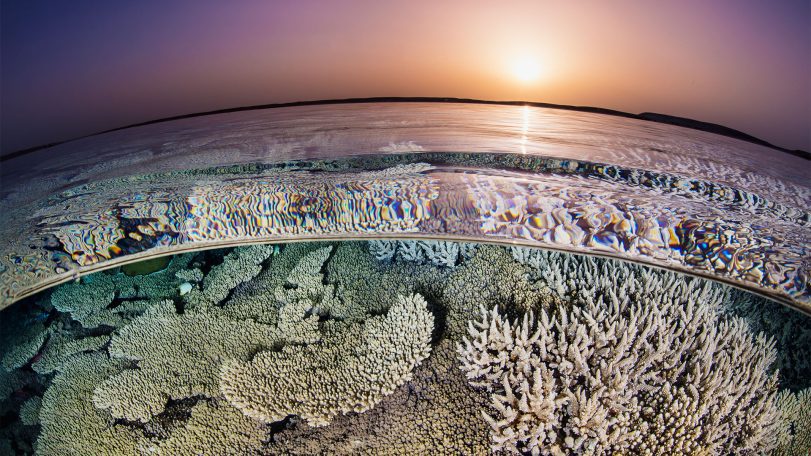
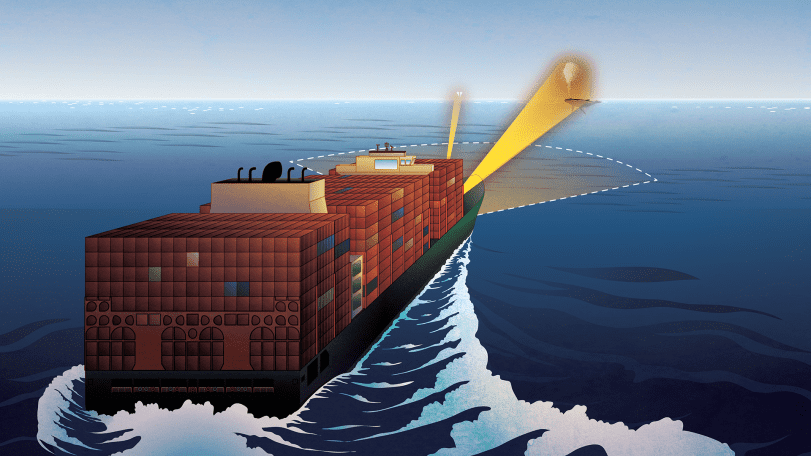
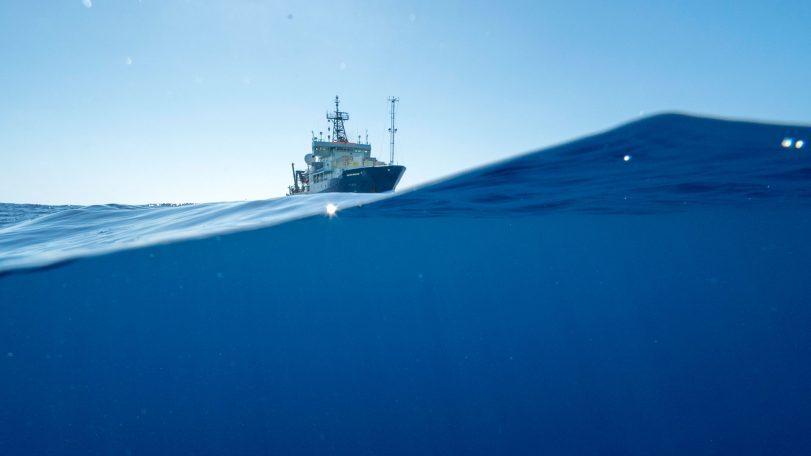
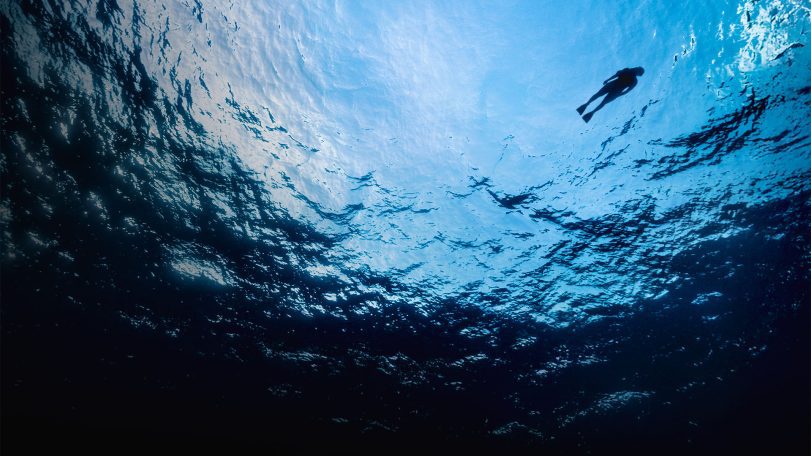
The Ocean (Re)Imagined
How expanding our view of the ocean can unlock new possibilities for life
Looking for something specific?
We can help you with that. Check out our extensive conglomeration of ocean information.
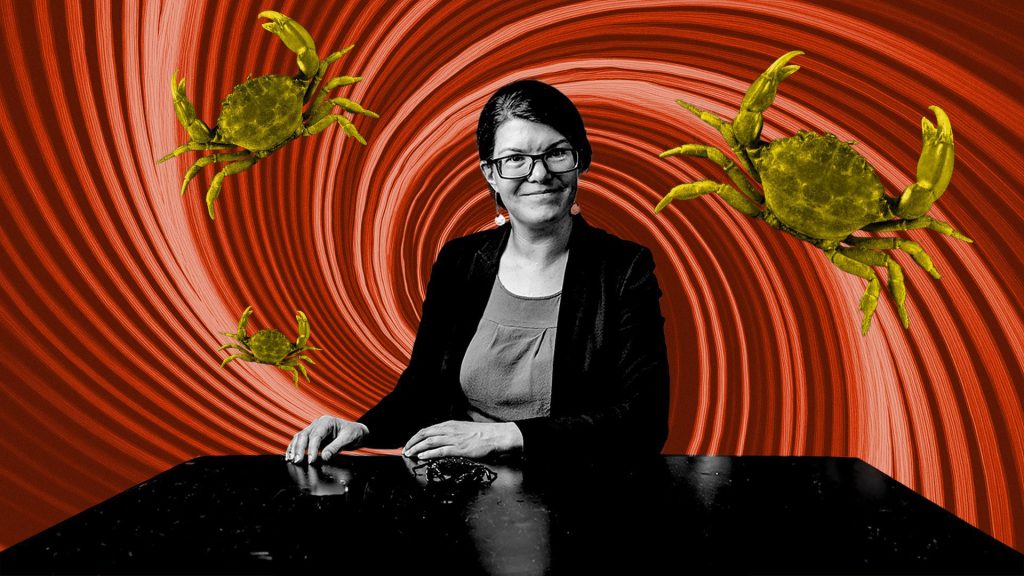
Body snatchers are on the hunt for mud crabs
WHOI biologist Carolyn Tepolt discusses the biological arms race between a parasite and its host
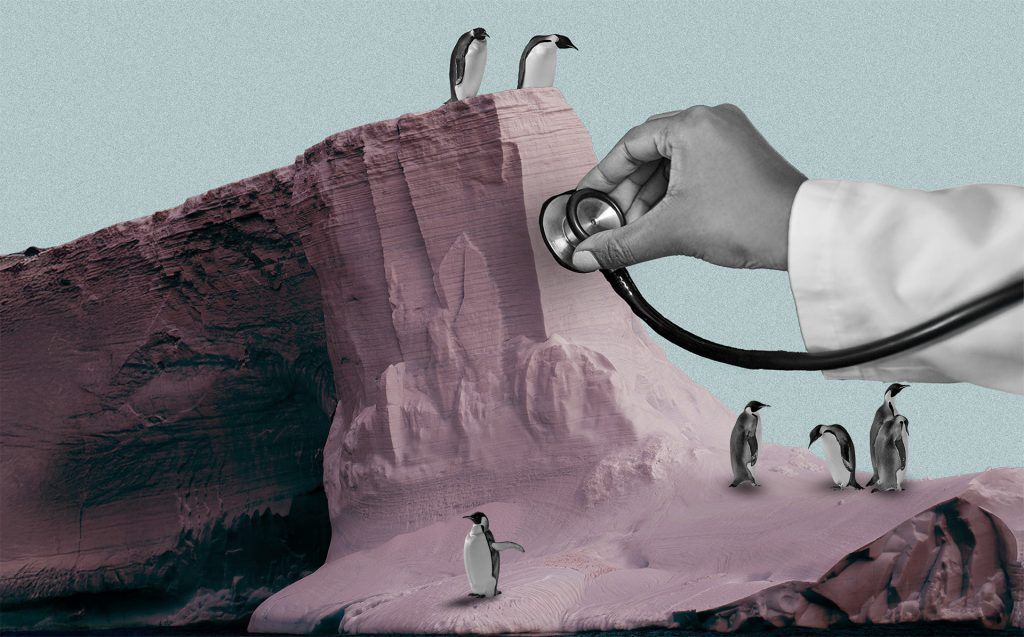
A polar stethoscope
Could the sounds of Antarctica’s ice be a new bellwether for ecosystem health in the South Pole?
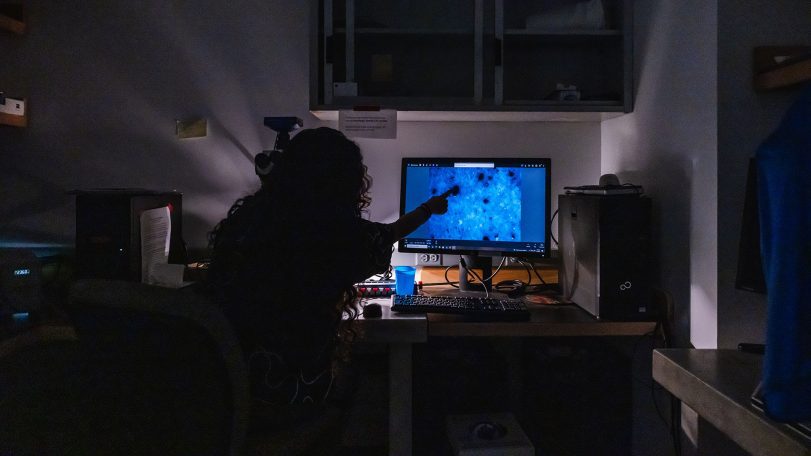
Secrets from the blue mud
Microbes survive—and thrive—in caustic fluids venting from the seafloor
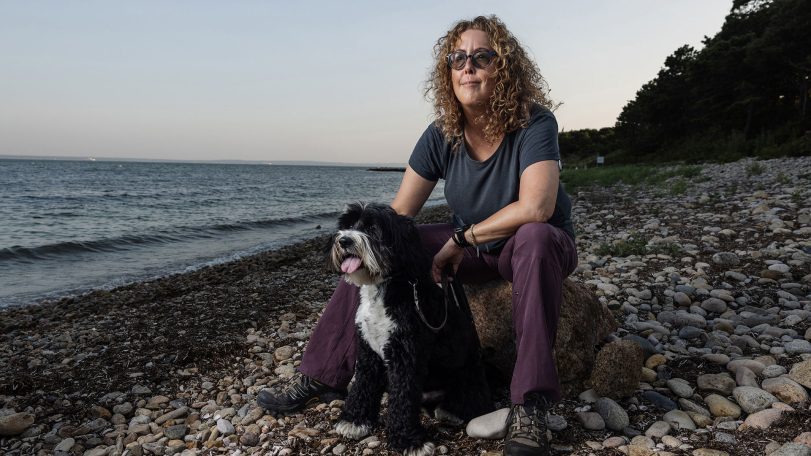
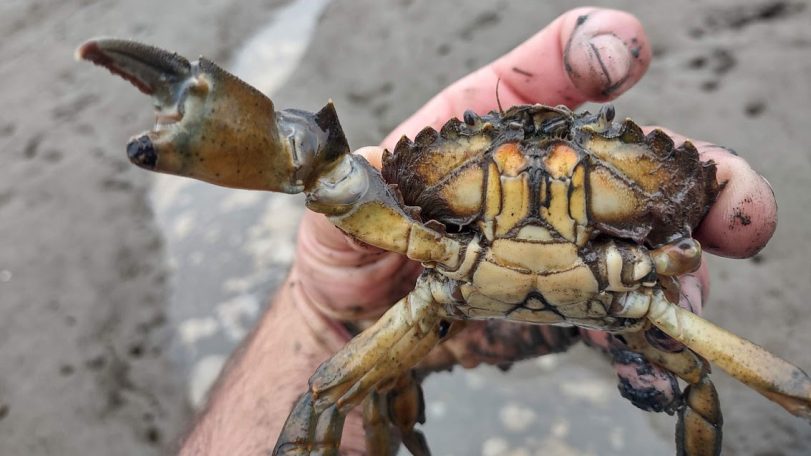
Top 5 ocean hitchhikers
As humans traveled and traded across the globe, they became unwitting taxis to marine colonizers
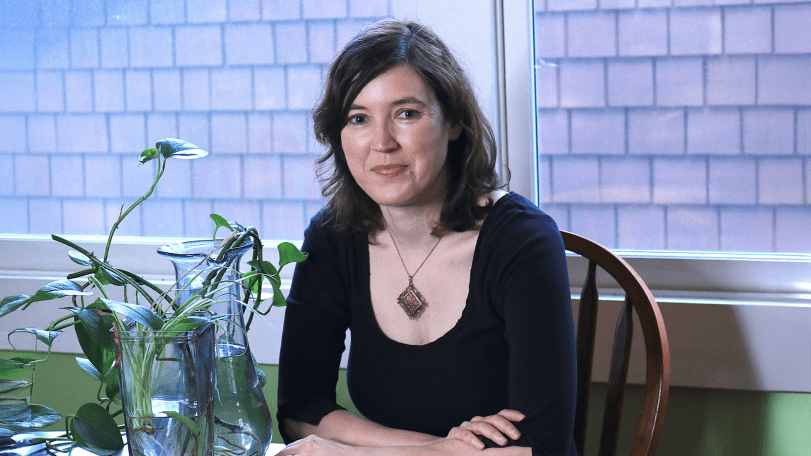
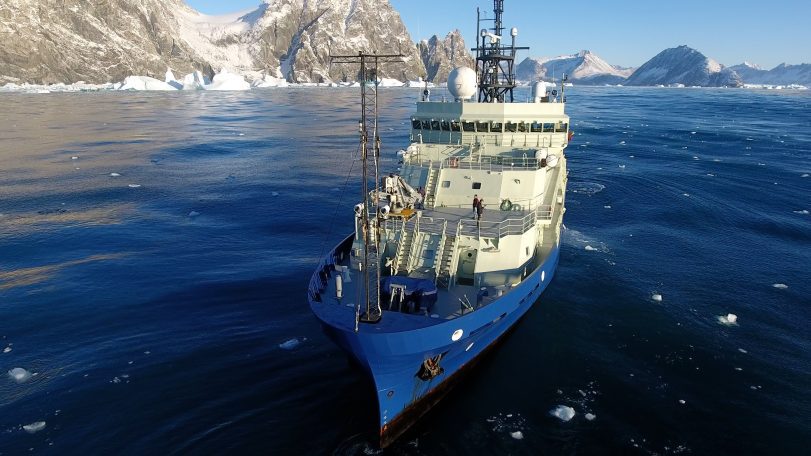
Following the Polar Code
Crew of R/V Neil Armstrong renew their commitment to Arctic science with advanced polar training
Harnessing the ocean to power transportation
WHOI scientists are part of a team working to turn seaweed into biofuel
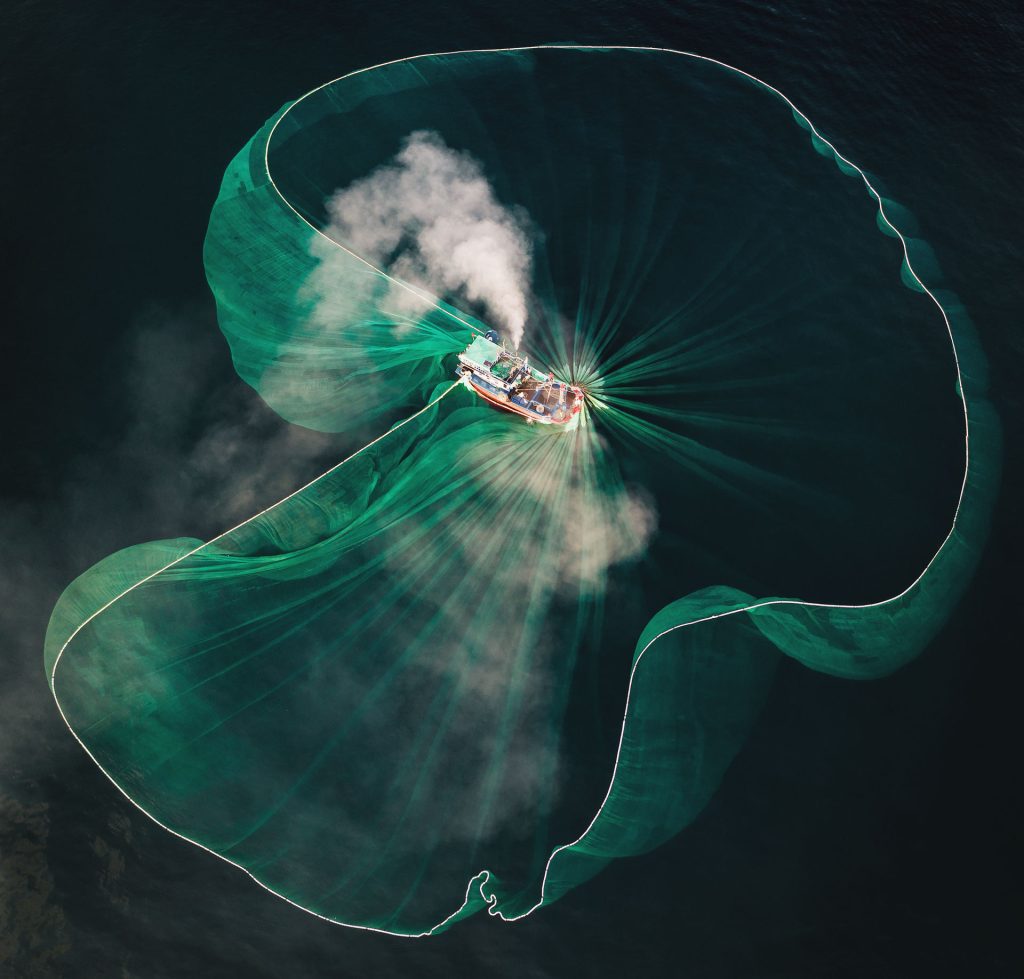
Casting a wider net
The future of a time-honored fishing tradition in Vietnam, through the eyes of award-winning photographer Thien Nguyen Noc

Gold mining’s toxic legacy
Mercury pollution in Colombia’s Amazon threatens the Indigenous way of life
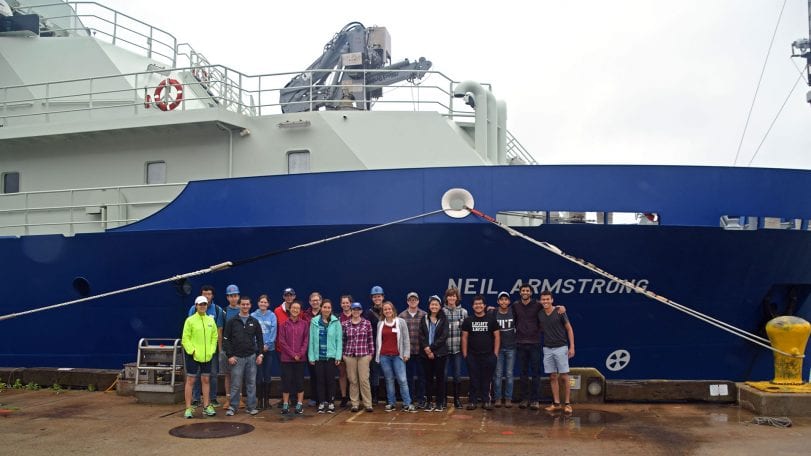
Students Get Their Sea Legs
Woods Hole Oceanographic Institution is known for its ocean-going research. But some incoming graduate students in the MIT-WHOI Joint Program may never have set foot a large research ship before. A new orientation cruise aboard the research vessel Neil Armstrong is introducing students to shipboard life and oceanographic research.
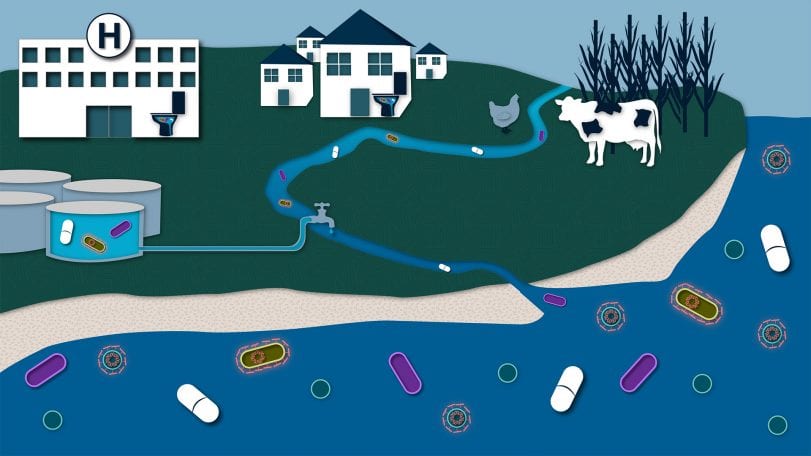
The Bacteria on Your Beaches
The widespread use of antibiotics is increasing the spread of antibiotic-resistant bacteria—perhaps into the ocean, too.
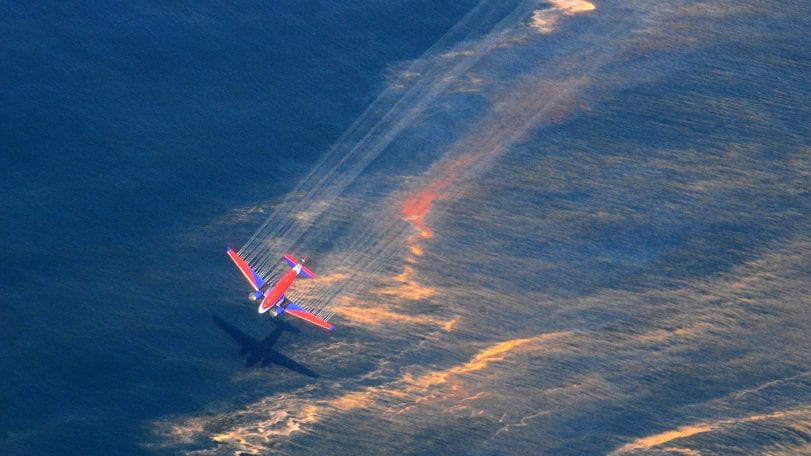
A Long Trail of Clues Leads to a Surprise About Oil Spills
Scientists followed evidence from the 2010 Deepwater Horizon oil spill to discover an unexpected phenomenon.
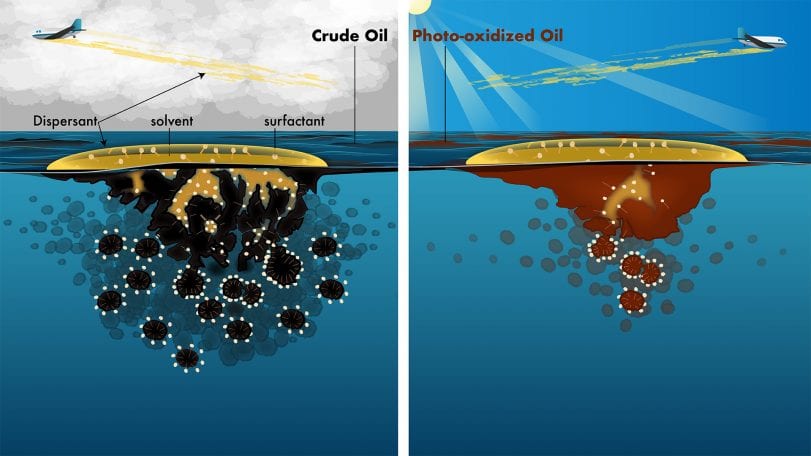
Reassessing Guidelines for Oil Spill Cleanups
A new discovery could change the way officials approach oil spill cleanups.
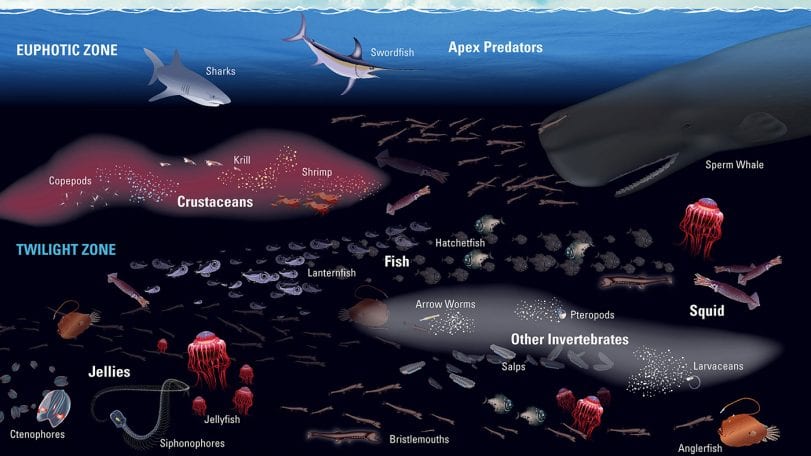
Mission to the Ocean Twilight Zone
The twilight zone is a part of the ocean 660 to 3,300 feet below the surface, where little sunlight can reach. It is deep and dark and cold, and the pressures there are enormous. Despite these challenging conditions, the twilight zone teems with life that helps support the ocean’s food web and is intertwined with Earth’s climate. Some countries are gearing up to exploit twilight zone fisheries, with unknown impacts for marine ecosystems and global climate. Scientists and engineers at Woods Hole Oceanographic Institution are poised to explore and investigate this hidden frontier.
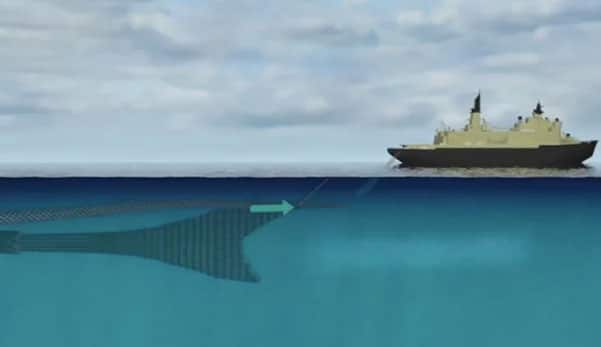
Industrial krill fishing
The twilight zone’s biological abundance makes it an attractive target for commercial fishing operations and…
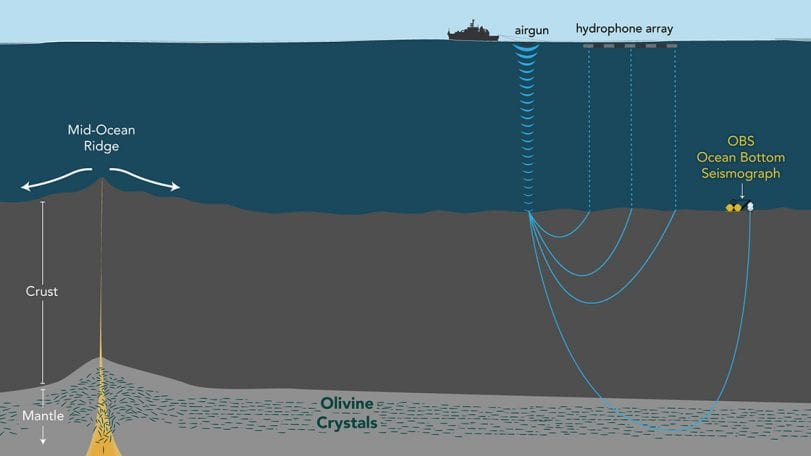
How Is the Seafloor Made?
An ultrasound for the Earth? Using sound waves, a graduate student peers into the crystalline texture of the tectonic plates that cover our planet’s surface.
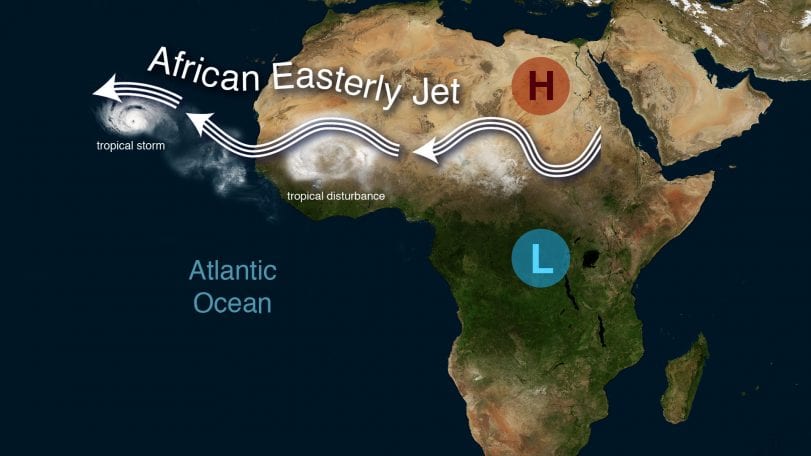
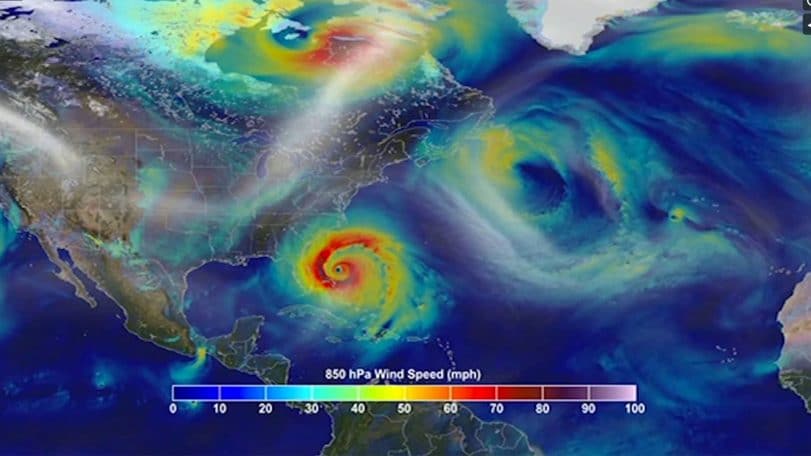
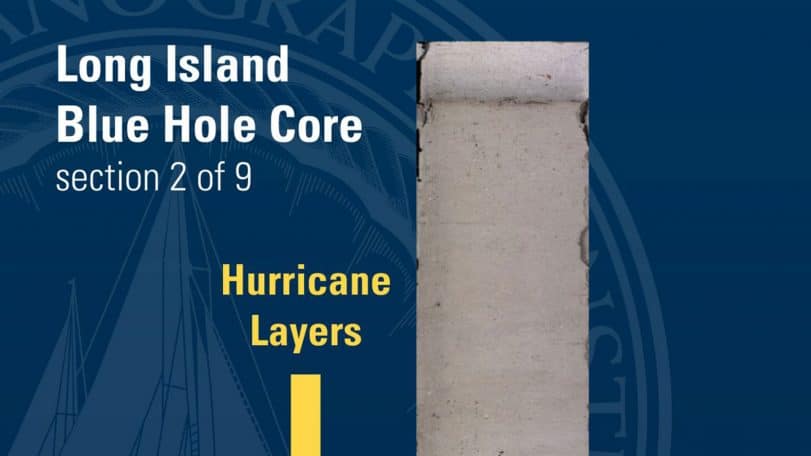
Unearthing Long-Gone Hurricanes
A graduate student at Woods Hole Oceanographic Institution tracks a trail of clues left behind on the seafloor by hurricanes as they stream across the ocean.
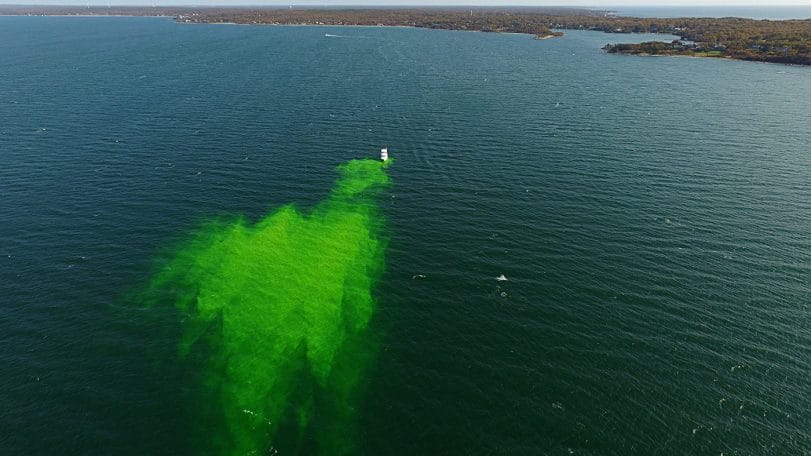
To Track an Oil Spill
WHOI scientists are helping to develop a robotic underwater vehicle that can track oil spills and help responders mitigate damage in remote or ice-covered areas such as the Arctic Ocean and the Great Lakes.
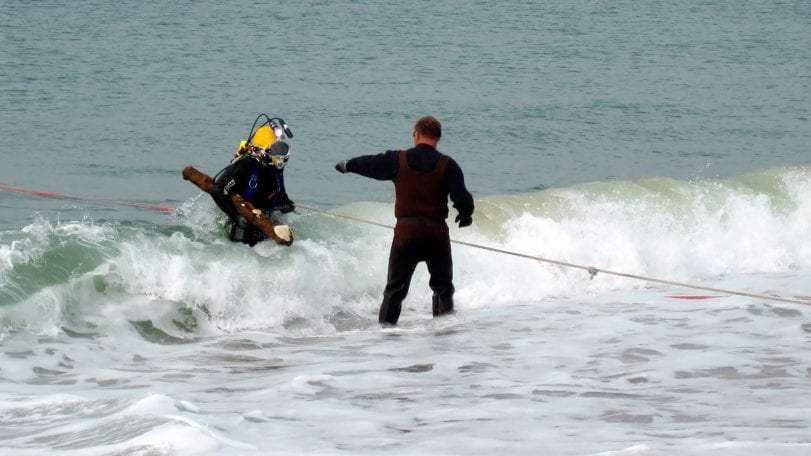
Tracking Unexploded Munitions
U.S. coastlines still have a lot of unexploded ordnance, or UXOs, left offshore by military exercises in the 1940s and 1950s. WHOI scientist Peter Traykovski is investigating where UXOs are and how they are moved and buried along the coast.