
Jeff Donnelly Learn more
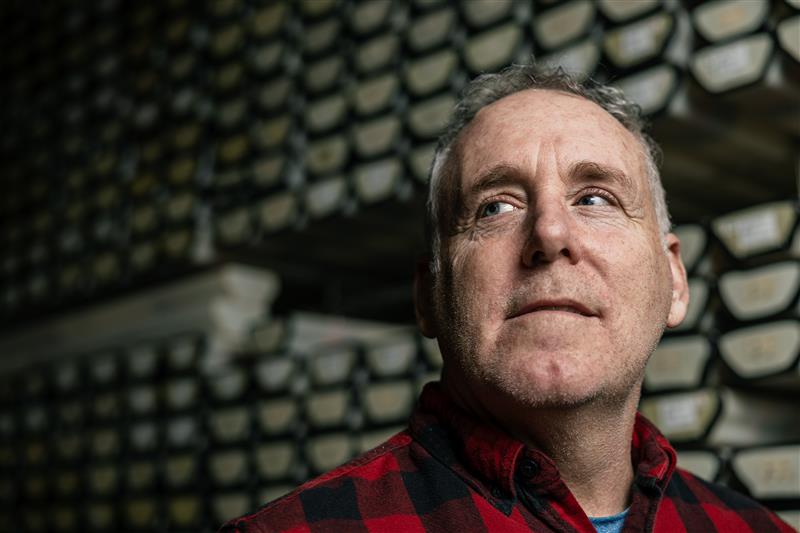
Jeff Donnelly
Senior Scientist, Geology and Geophysics Director, Seafloor Samples Laboratory
Because written and instrumental records of hurricanes are relatively short, much of our understanding of long-term hurricane behavior is limited. Jeff and his team use sediment preserved in underwater caves called “blue holes” around Florida to reconstruct hurricane activity over hundreds to thousands of years. These natural archives reveal a look into the storms of today, while giving a comparison to past hurricane seasons and their activity. See Jeff Donnelly's Coastal Group website.
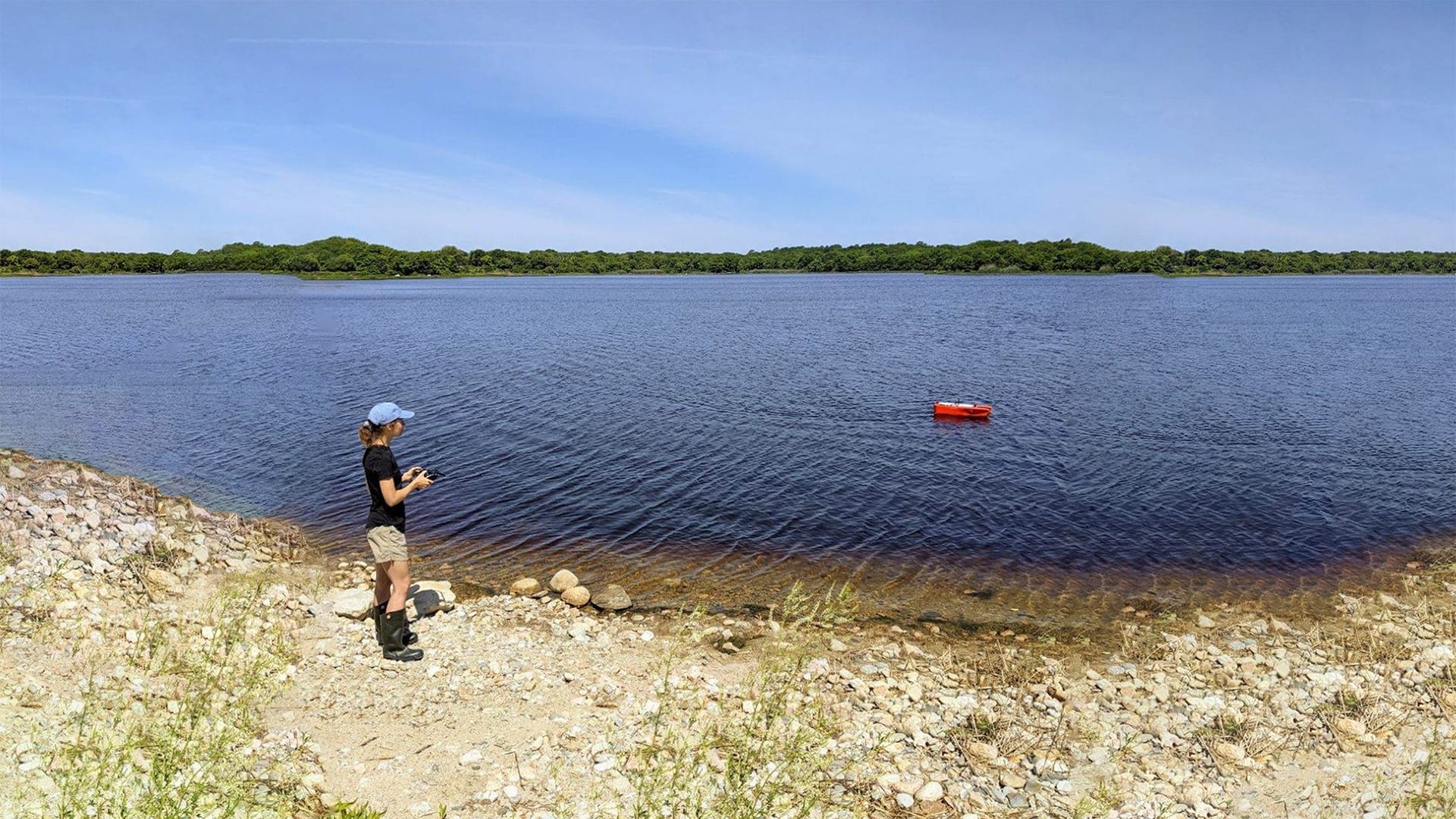
How historic hurricanes can help predict storm intensity
Research on past hurricanes can improve future storm predictions and guide infrastructure and emergency planning
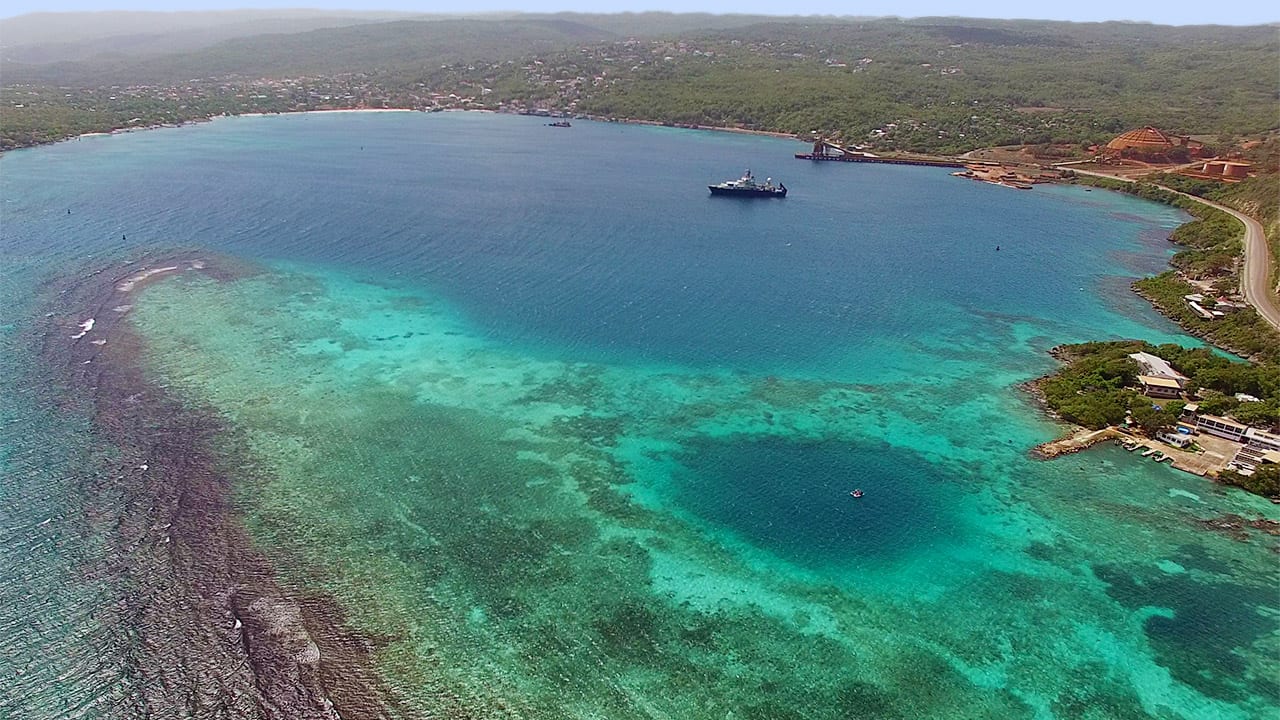
Blue holes and hurricanes
Scientists are digging into clues from these sinkholes to learn about hurricane patterns in the past and in the future
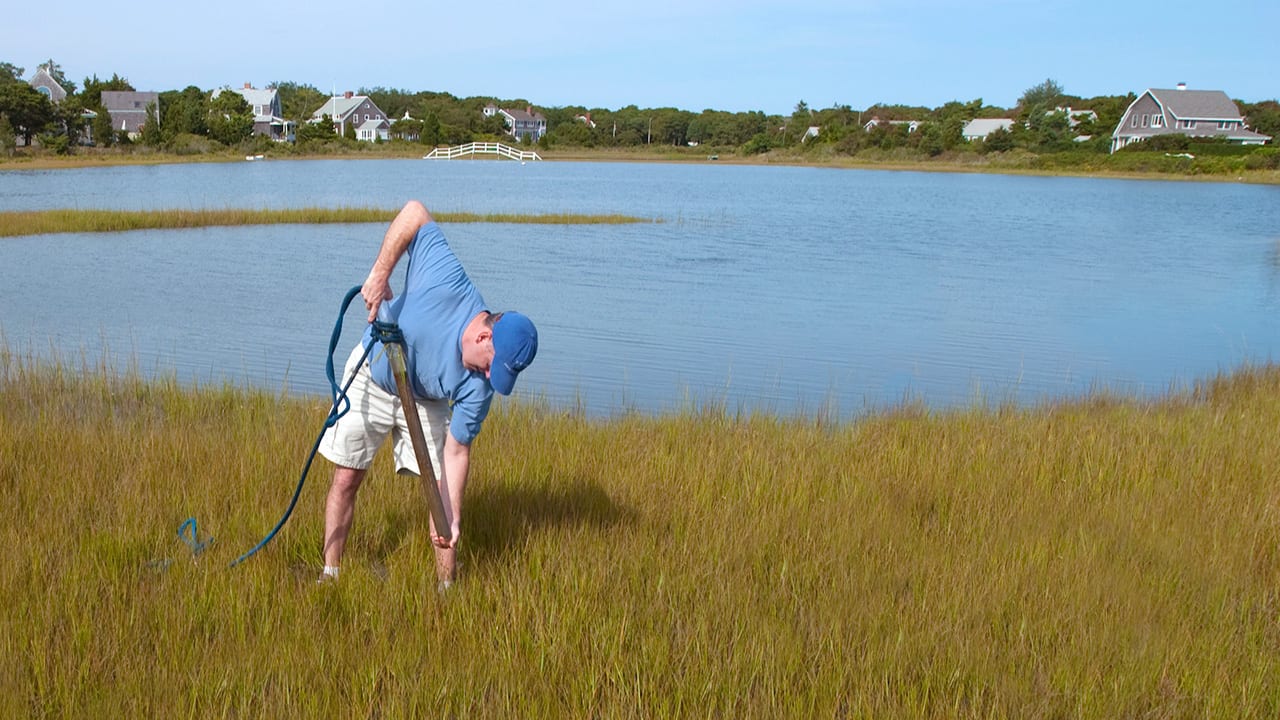
More floods & higher sea levels
Geological records help forecast escalating coastal hazards
Dive Deeper

Unearthing long-gone hurricanes
A graduate student at WHOI tracks a trail of clues left behind on the seafloor by hurricanes as they stream across the ocean

What happens in the ocean as a hurricane passes over?
Hurricanes are powerful storms that cause massive damage on land. Here’s a look at what happens below the surface during a storm

Seafloor Samples Lab
Facilitating research and education through curating and providing access to our diverse collection of samples from the world’s seafloor