
Press Room

ResilientWoodsHole utilizes science and community to take on the impacts of climate change.
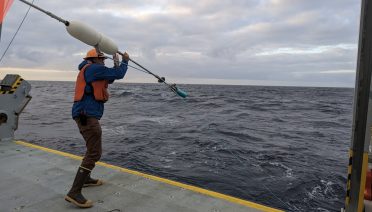
A series of seemingly small processes helps carry carbon dioxide from the ocean’s surface to the deep sea, where it can be stored away for decades.
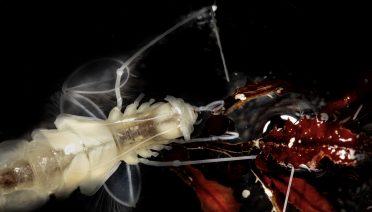
Increased capabilities in the human occupied submersible Alvin open a window on a rarely seen behavior.
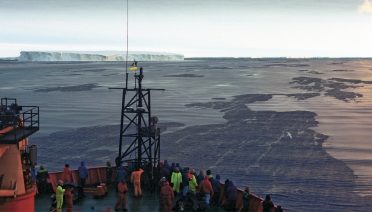
A newly published article spells out the work needed to assess the potential of ocean iron fertilization as a low cost, scalable, and rapidly deployable method of mCDR.
Change was made in response to changing ship availability and to resulting changes in ocean conditions later in the year
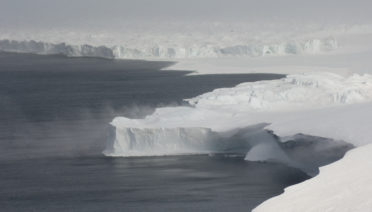
SAMS will operate autonomously for years in hostile, difficult-to-reach locations that are Ground Zero for global sea-level rise
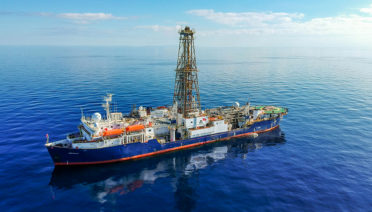
Scientists unravel the role of our planet’s mantle in volcanism and global cycles
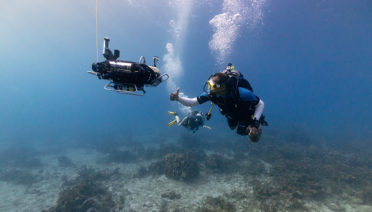
A gift from the Grossman Family Foundation’s Catalyst Fund will accelerate ocean science and engineering, spur innovation, and strengthen WHOI’s position at the forefront of ocean science
WHOI Sea Grant among recipients; funding will support innovative marine debris prevention and removal
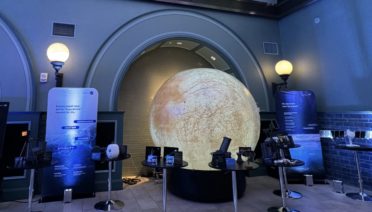
Gear up for the launch of NASA’s Europa Clipper mission with interactive exhibits, captivating models, and special guest speakers.
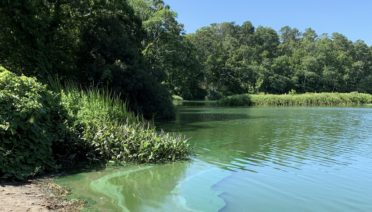
Updated national science strategy for harmful algal research and response builds on major accomplishments, findings.
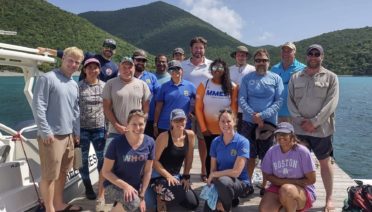
WHOI and the University of the Virgin Islands entered into a MOU extending their working partnership in the exploration and protection of the world’s oceans.
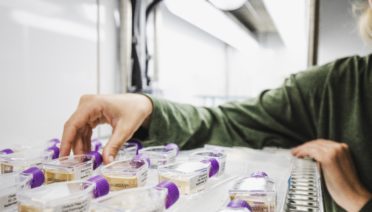
The potent toxicity of the 2022 HAB event “posed an unprecedented risk to human and ecosystem health.”
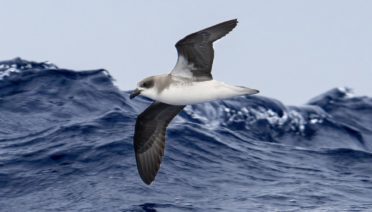
A new study reveals that the rare Desertas Petrels, a wide-ranging seabird in the North Atlantic, exhibit unique foraging behaviors during hurricane season.

Three BGDF scholars will participate in the BGD IMPETUS-Internship at WHOI. This paid, 10-week summer program provides an opportunity for BGD Scholars to engage in cutting-edge research.
Group received $1.2MM NOAA grant, one of the largest single investments in technology targeting the deep sea.
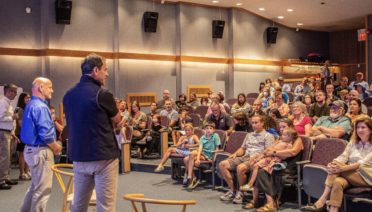
Looking for a fun, free, interactive way to learn more about the mysteries of the ocean? WHOI & the Yawkey Foundation present the 2024 Ocean and Climate Outreach Series.
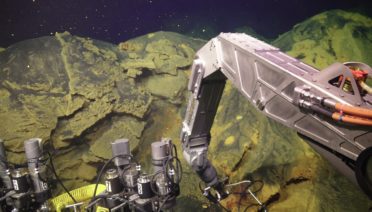
A new study investigates how the influence of low gravity, as found on ocean worlds in our solar system, impacts flow of water and heat below their seafloors.

MIT, Woods Hole Oceanographic Institution researchers find wave activity on Saturn’s largest moon may be strong enough to erode the coastlines of lakes and seas.
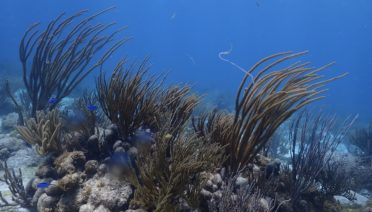
What species live in this coral reef, and are they healthy? Chemical clues emitted by marine organisms might hold that information