
News Releases
The long memory of the Pacific Ocean
Researchers from the Woods Hole Oceanographic Institution (WHOI) and Harvard University have found that the deep Pacific Ocean lags a few centuries behind in terms of temperature and is still adjusting to the entry into the Little Ice Age. Whereas most of the ocean is responding to modern warming, the deep Pacific may be cooling.
Read MoreAtlantic Ocean Circulation at Weakest Point in 1,600 years
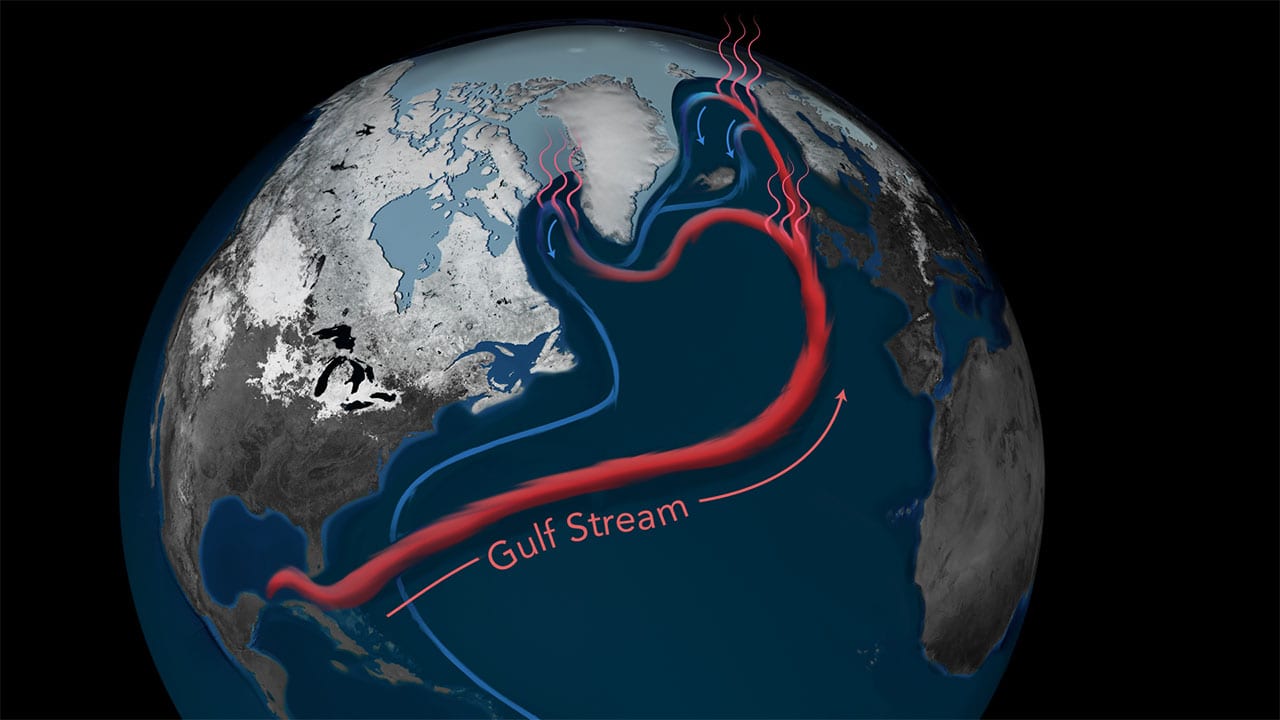
Atlantic Ocean Circulation at Weakest Point in More Than 1500 years New research led by University College London (UCL) and Woods Hole Oceanographic Institution (WHOI) provides evidence that a key cog in the global ocean circulation system hasn’t been running at peak strength since the mid-1800s and is currently at its weakest point in the past 1,600 years. If the system continues to weaken, it could disrupt weather patterns from the United States and Europe to the African Sahel, and cause more rapid increase in sea level on the U.S. East Coast.
Read MoreAntarctic Bottom Waters Freshening at Unexpected Rate
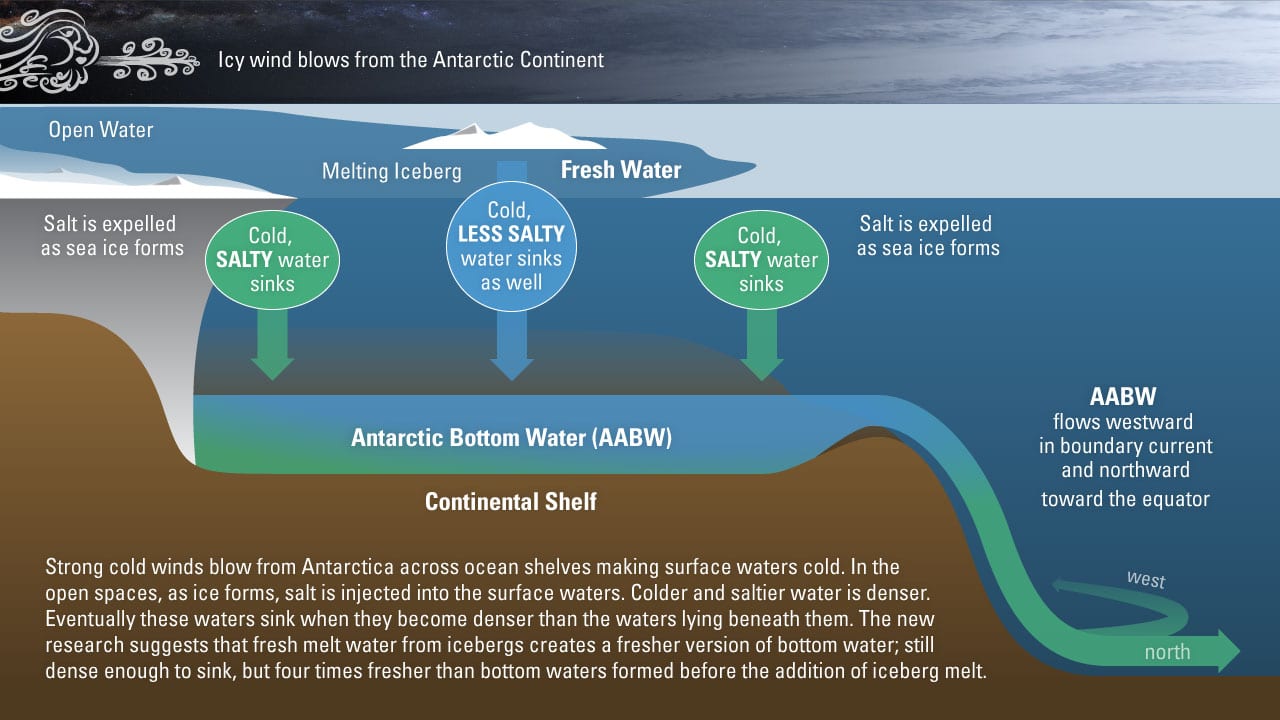
In the cold depths along the sea floor, Antarctic Bottom Waters are part of a critical part of the global circulatory system. Over the last decade, scientists have been monitoring changes in these waters, but a new WHOI study suggests these changes are themselves shifting in unexpected ways, with potentially significant consequences for the ocean and climate.
Read MoreWHOI, NEAQ Embark on Expedition to the Phoenix Islands
A research team led by the New England Aquarium (NEAQ) and Woods Hole Oceanographic Institution (WHOI) are heading out on a 6,000-mile expedition to one of the most remote places on Earth—the Phoenix Islands in the central Pacific Ocean. Throughout the month of September and in the midst of a strengthening Pacific El Nino, researchers will investigate the combined effects of climate change and human activity on the these vast coral reef ecosystems and the diversity of life they sustain.
Read MoreShifting Winds, Ocean Currents Doubled Endangered Galapagos Penguin Population
New research suggests shifts in wind currents over the past three decades, possibly due to climate change and natural variability, have nudged the Equatorial Undercurrent north. The changing current expanded the nutrient-rich, cold water farther north along the coasts of the two islands, likely bolstering algae and fish numbers in the cold pool. This allowed the penguin population to double over the past 30 years, swelling to more than 1,000 birds by 2014, according to the new study.
Read MoreWHOI Scientists Receive $11.6 Million to Measure Changes in Ocean Circulation
Ocean currents, in concert with the atmosphere, play a critical role in regulating Earth’s climate. Yet the complexities of how water is moved around the globe and how the strength…
Read MoreNASA/WHOI Voyage Set to Explore Link Between Sea Saltiness and Climate
A NASA-sponsored expedition is set to sail to the North Atlantic’s saltiest spot to get a detailed, 3-D picture of how salt content fluctuates in the ocean’s upper layers and how these variations are related to shifts in rainfall patterns around the planet.
Read MoreNew Study by WHOI Scientists Provides Baseline Measurements of Carbon in Arctic Ocean
Scientists from the Woods Hole Oceanographic Institution (WHOI) have conducted a new study to measure levels of carbon at various depths in the Arctic Ocean. The study, recently published in…
Read MoreNewly Discovered Icelandic Current Could Change North Atlantic Climate Picture
An international team of researchers, including physical oceanographers from the Woods Hole Oceanographic Institution (WHOI), has confirmed the presence of a deep-reaching ocean circulation system off Iceland that could significantly influence the oceans response to climate change in previously unforeseen ways.
Read MoreTeam finds subtropical waters flushing through Greenland fjord
Waters from warmer latitudes — or subtropical waters — are reaching Greenland’s glaciers, driving melting and likely triggering an acceleration of ice loss, reports a team of researchers led by…
Read MoreStudy Finds Surprising New Pathway for North Atlantic Circulation
Oceanographers have long known that the 20-year-old paradigm for describing the global ocean circulation– called the Great Ocean Conveyor – was an oversimplification. It’s a useful depiction, but it’s like…
Read MoreStudy links swings in North Atlantic Oscillation variability to climate warming
Using a 218-year-long temperature record from a Bermuda brain coral, researchers at the Woods Hole Oceanographic Institution (WHOI) have created the first marine-based reconstruction showing the long-term behavior of one…
Read MoreResearchers Setting Up Observatories to Examine Arctic Changes from Under the Ice
Researchers from the Woods Hole Oceanographic Institution (WHOI) are venturing this month to the North Pole to deploy instruments that will make year-round observations of the water beneath the Arctic…
Read MoreFine-tuning the Steps in the Intricate Climate Change Dance
New scientific findings are strengthening the case that the oceans and climate are linked in an intricate dance, and that rapid climate change may be related to how vigorously ocean…
Read MoreRate of Ocean Circulation Directly Linked to Abrupt Climate Change in North Atlantic Region
A new study strengthens evidence that the oceans and climate are linked in an intricate dance, and that rapid climate change may be related to how vigorously ocean currents transport heat from low to high latitudes.
Read MoreNew Study Reports Large-scale Salinity Changes in the Oceans
Tropical ocean waters have become dramatically saltier over the past 40 years, while oceans closer to Earth’s poles have become fresher, scientists reported today in the journal Nature. Earth’s warming surface may be intensifying evaporation over oceans in the low latitudes–raising salinity concentrations there–and transporting more fresh water vapor via the atmosphere toward Earth’s poles.
Read More