
News Releases
New multi-institutional grant will support a fleet of robotic floats
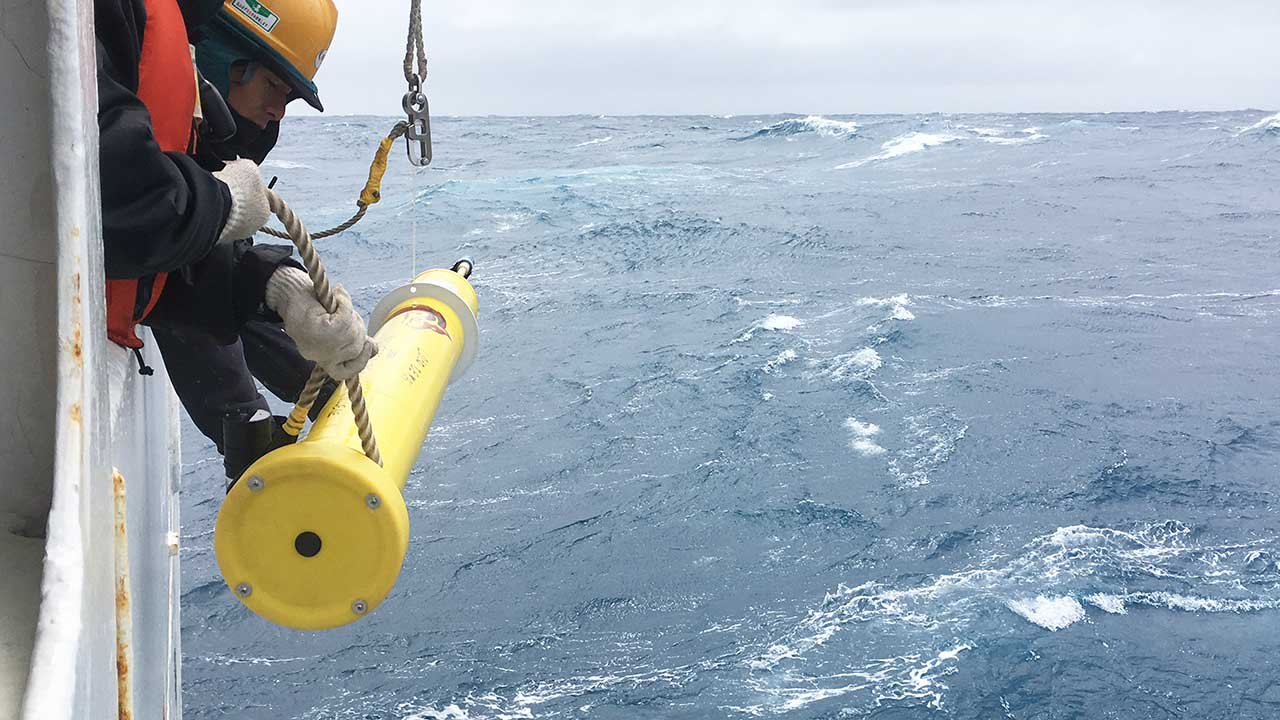
The National Science Foundation approved a $53 million grant to build a global network of chemical and biological sensors that will monitor ocean health.
Read MoreWHOI receives NOAA awards to study, predict harmful algal blooms
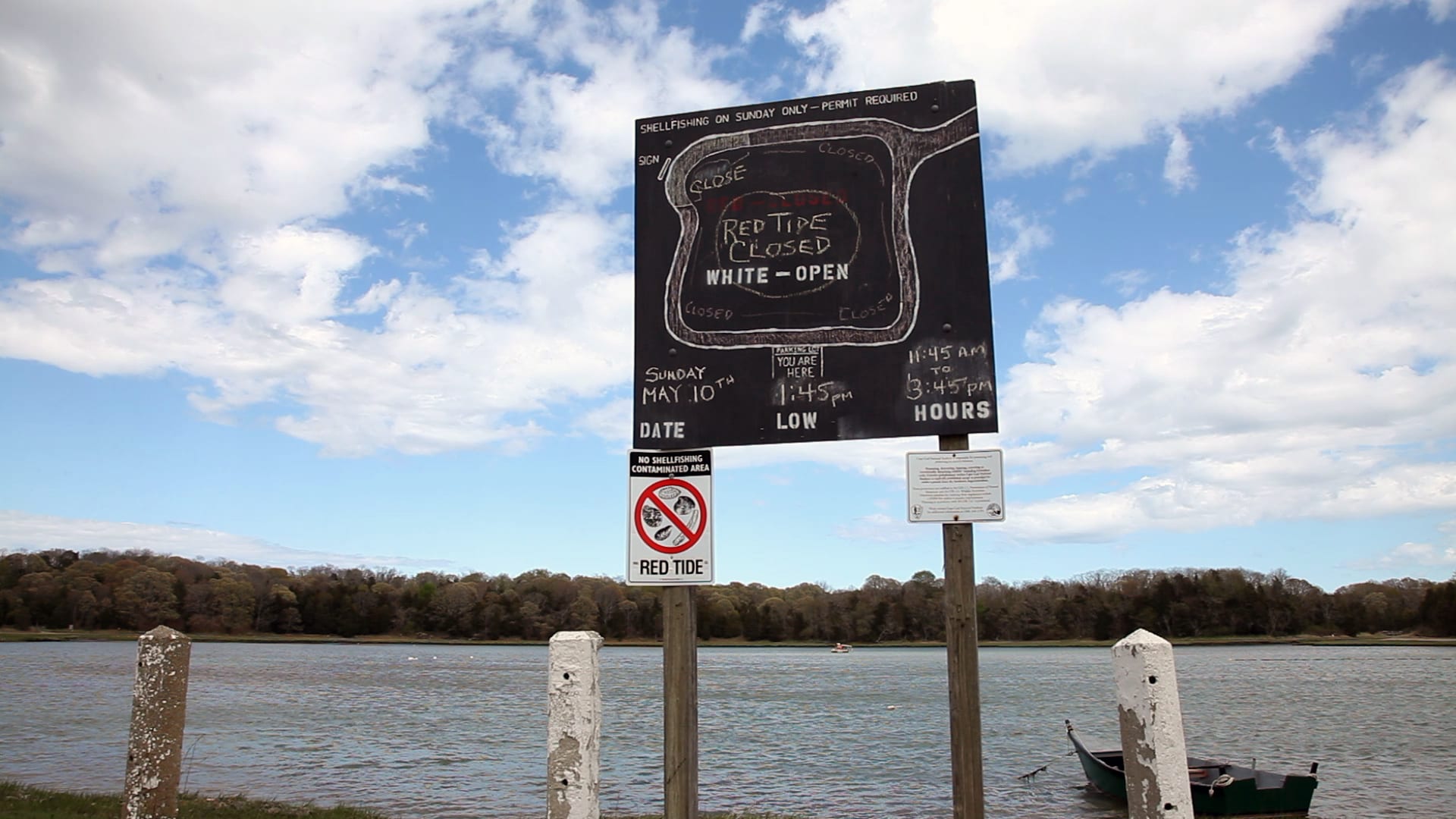
Projects will help enhance monitoring and determine socioeconomic impacts of blooms nationwide Researchers at Woods Hole Oceanographic Institution (WHOI) were recently named in a list of 17 new research projects…
Read MoreThe $500 billion question: what’s the value of studying the ocean’s biological carbon pump?
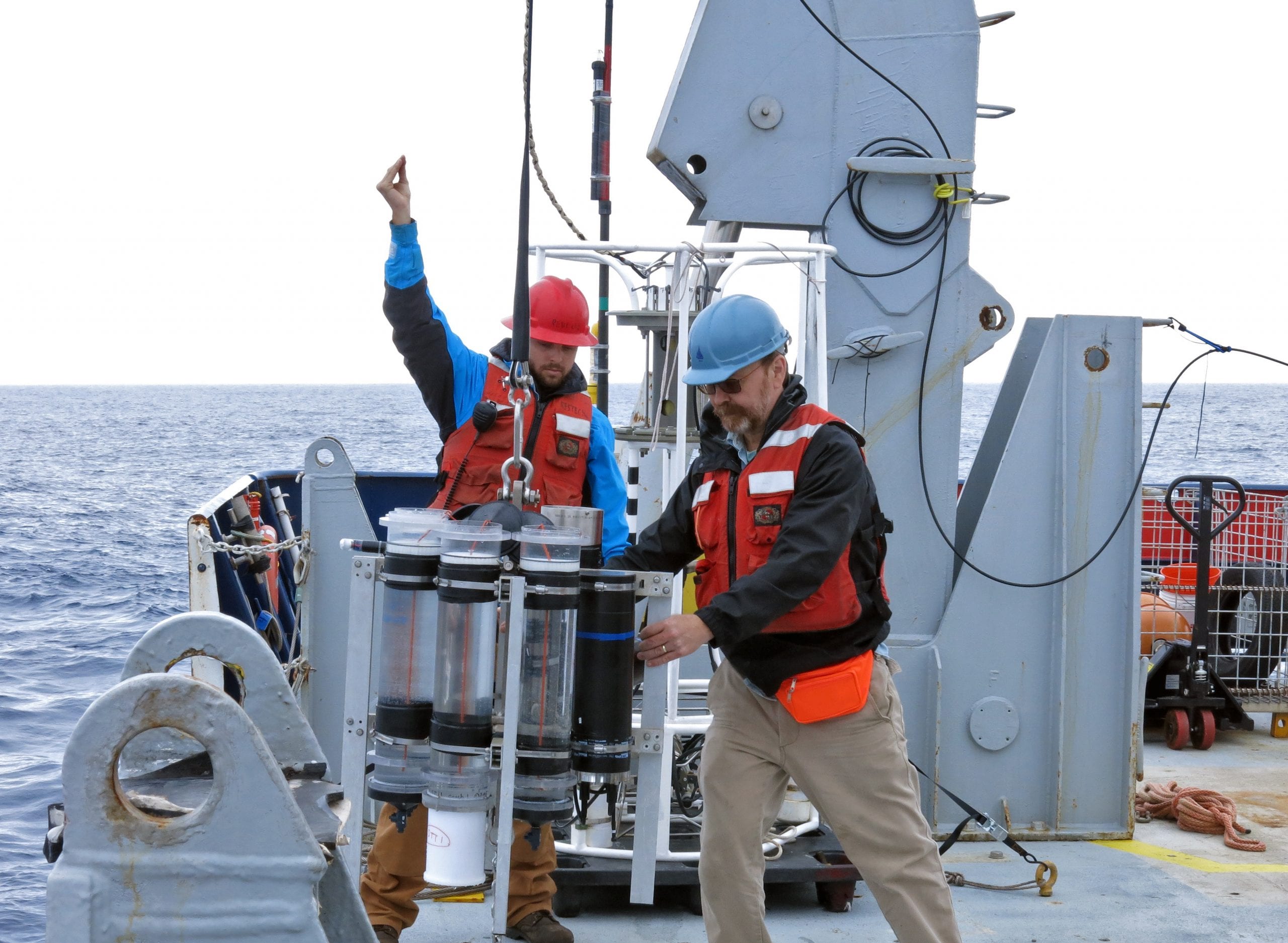
A new study puts an economic value on the benefit of research to improve knowledge of the biological carbon pump and reduce the uncertainty of ocean carbon sequestration estimates.
Read MoreA rapidly changing Arctic

A new study by researchers at Woods Hole Oceanographic Institution (WHOI) and their international colleagues found that freshwater runoff from rivers and continental shelf sediments are bringing significant quantities of carbon and trace elements into parts of the Arctic Ocean via the Transpolar Drift—a major surface current that moves water from Siberia across the North Pole to the North Atlantic Ocean.
Read MoreThe ocean’s ‘biological pump’ captures more carbon than expected
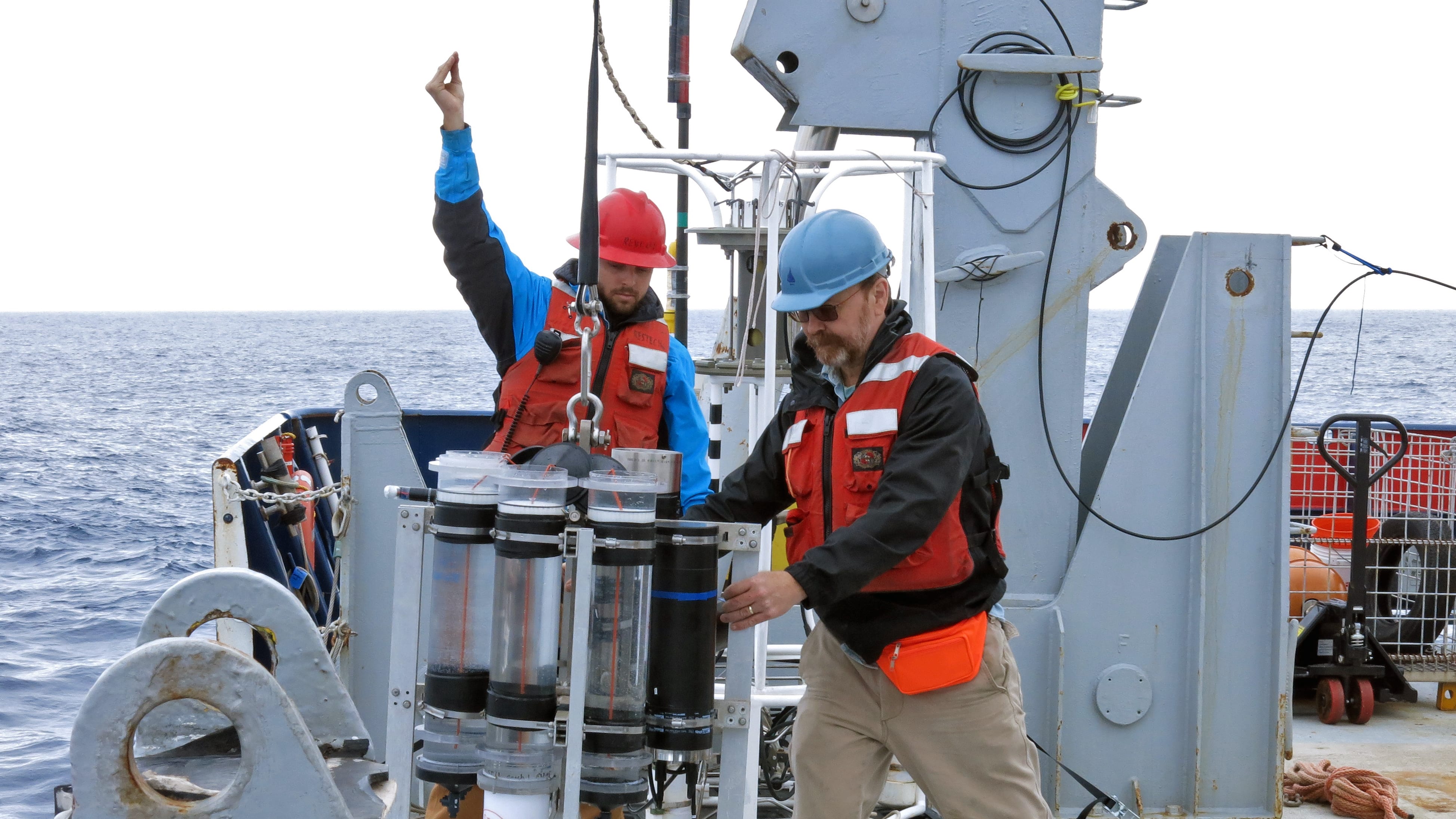
Scientists have long known that the ocean plays an essential role in capturing carbon from the atmosphere, but a new study from Woods Hole Oceanographic Institution (WHOI) shows that the efficiency of the ocean’s “biological carbon pump” has been drastically underestimated, with implications for future climate assessments.
Read MoreNorth Atlantic Ocean productivity has dropped 10 percent during industrial era

Scientists at MIT, Woods Hole Oceanographic Institution (WHOI), and elsewhere have found evidence that phytoplankton’s productivity is declining steadily in the North Atlantic, one of the world’s most productive marine basins.
Read More