
News Releases
New study finds rate of U.S. coastal sea level rise doubled in the past century
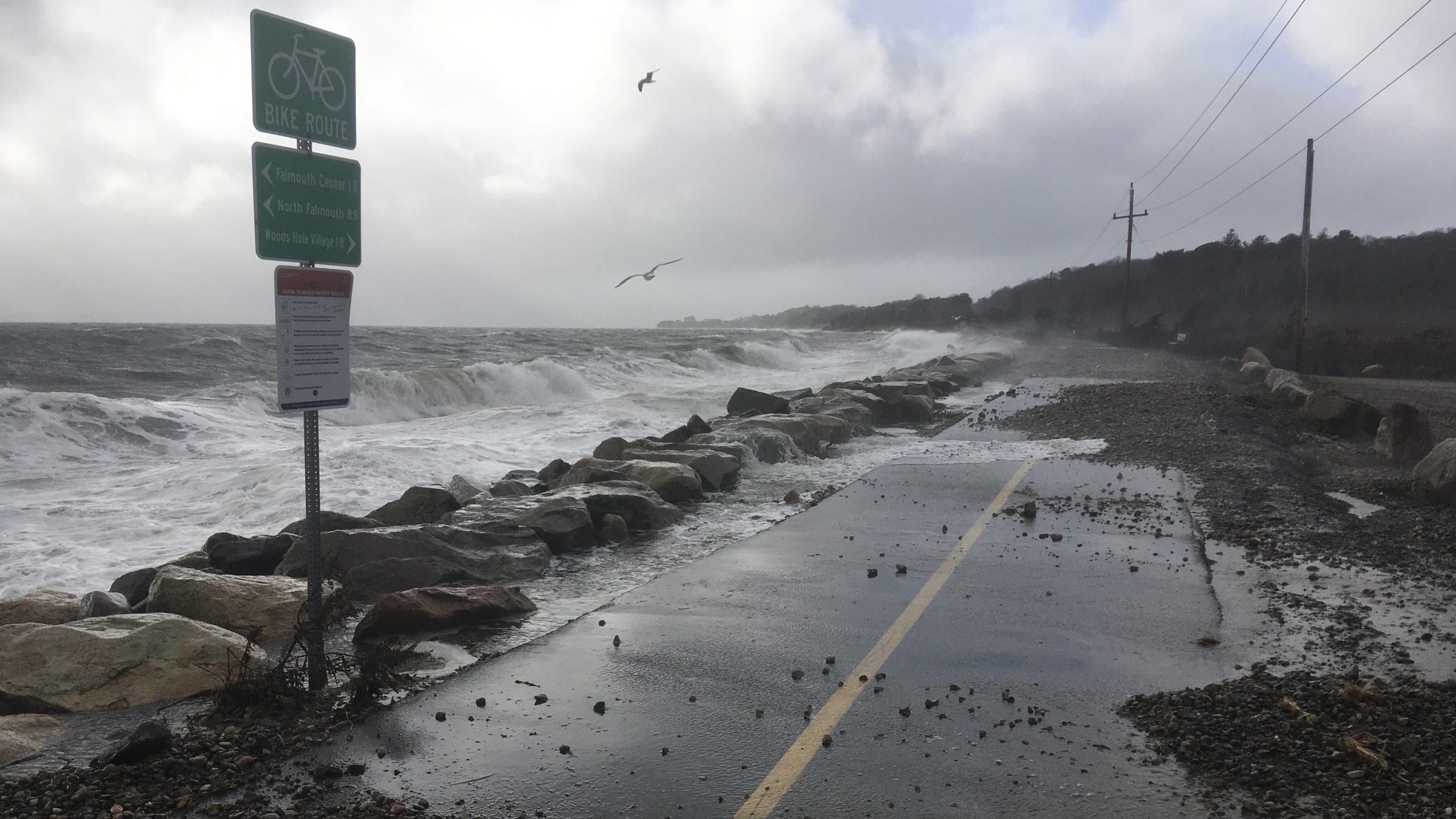
The study finds that the rate of U.S. coastal sea-level rise has more than doubled in the past 125 years.
Read MoreCoastal retreat in Alaska is accelerating because of compound climate impacts
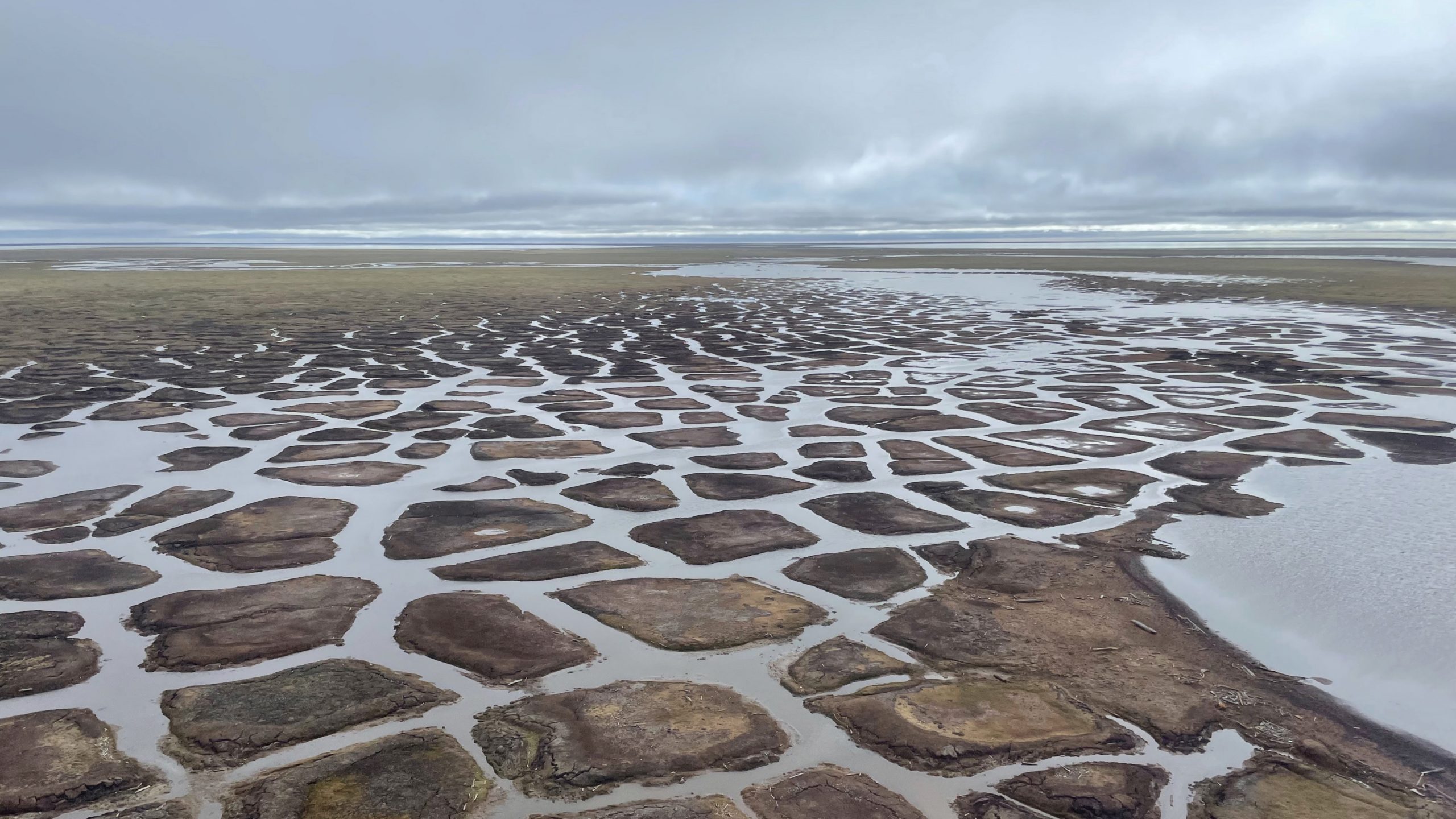
Observations have shown coastal erosion as an increasing Arctic hazard, but other hazards—including sea level rise and permafrost thaw subsidence—have received less attention.
Read MoreA new report on coastal resilience
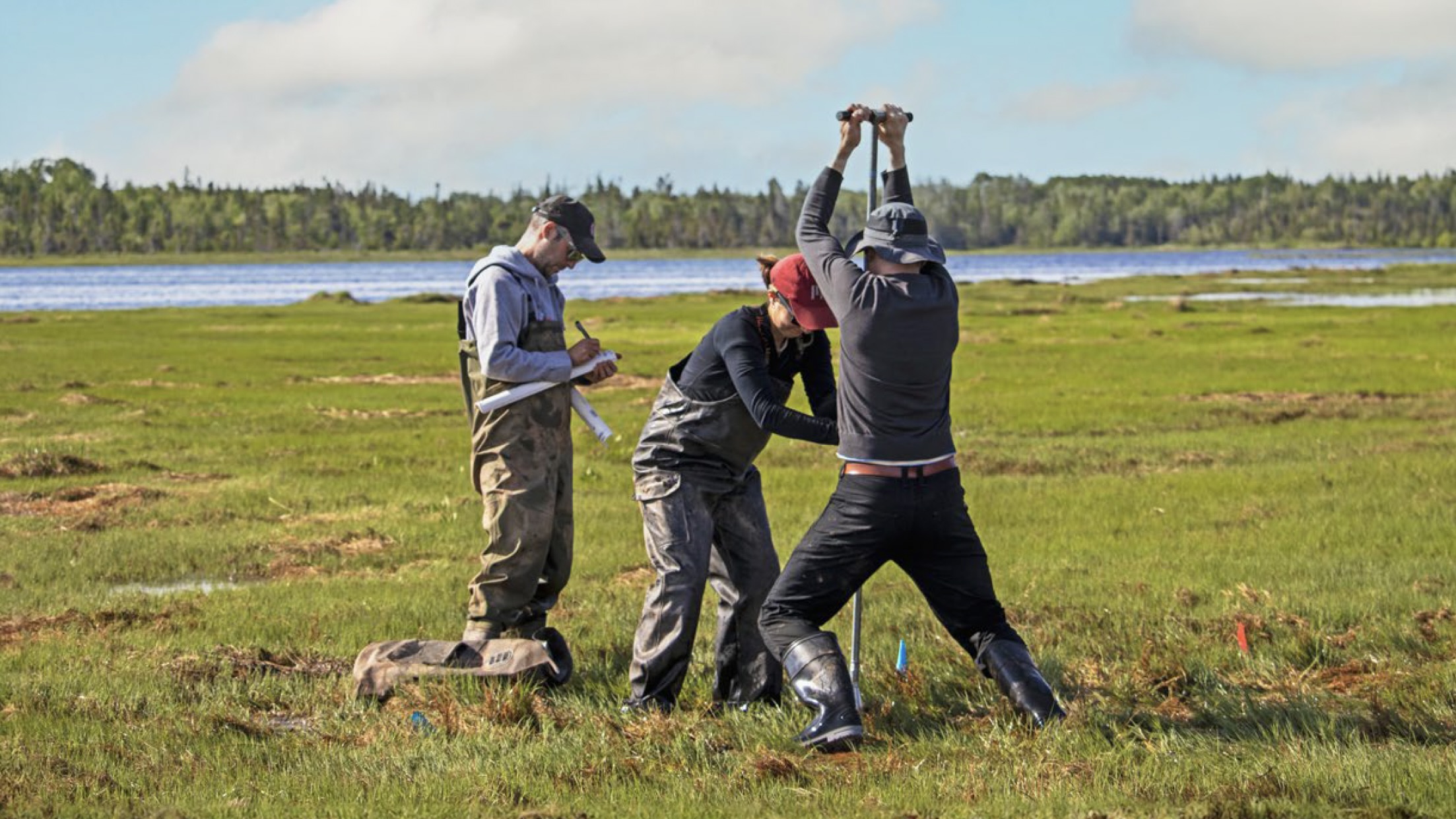
New report released during NY Climate Week and upcoming UN General Assembly high-level plenary meeting on threats posed by sea level rise
Read MoreResilient Woods Hole releases new, interactive tools to prepare for climate change
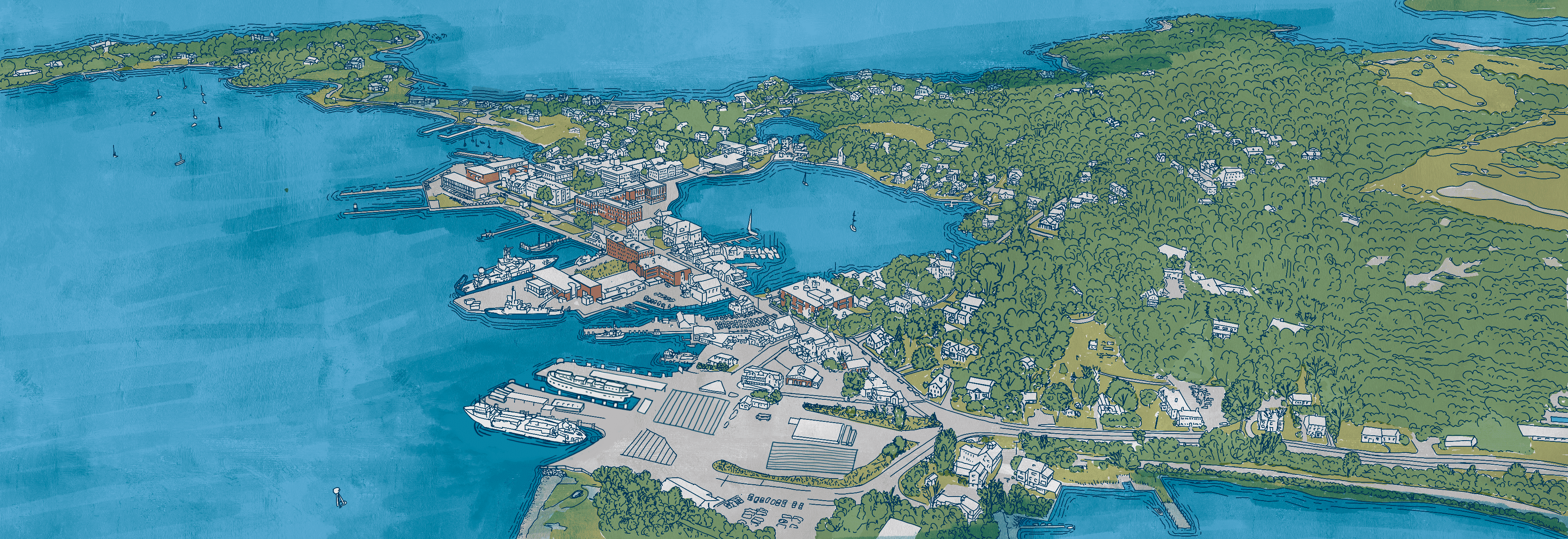
ResilientWoodsHole (RWH) initiative releases new interactive website tools to further engage the local community in its collective goal of securing a climate-resilient future for the coastal village of Woods Hole
Read MoreAntarctic Ice Sheet Loss Expected to Affect Future Climate Change
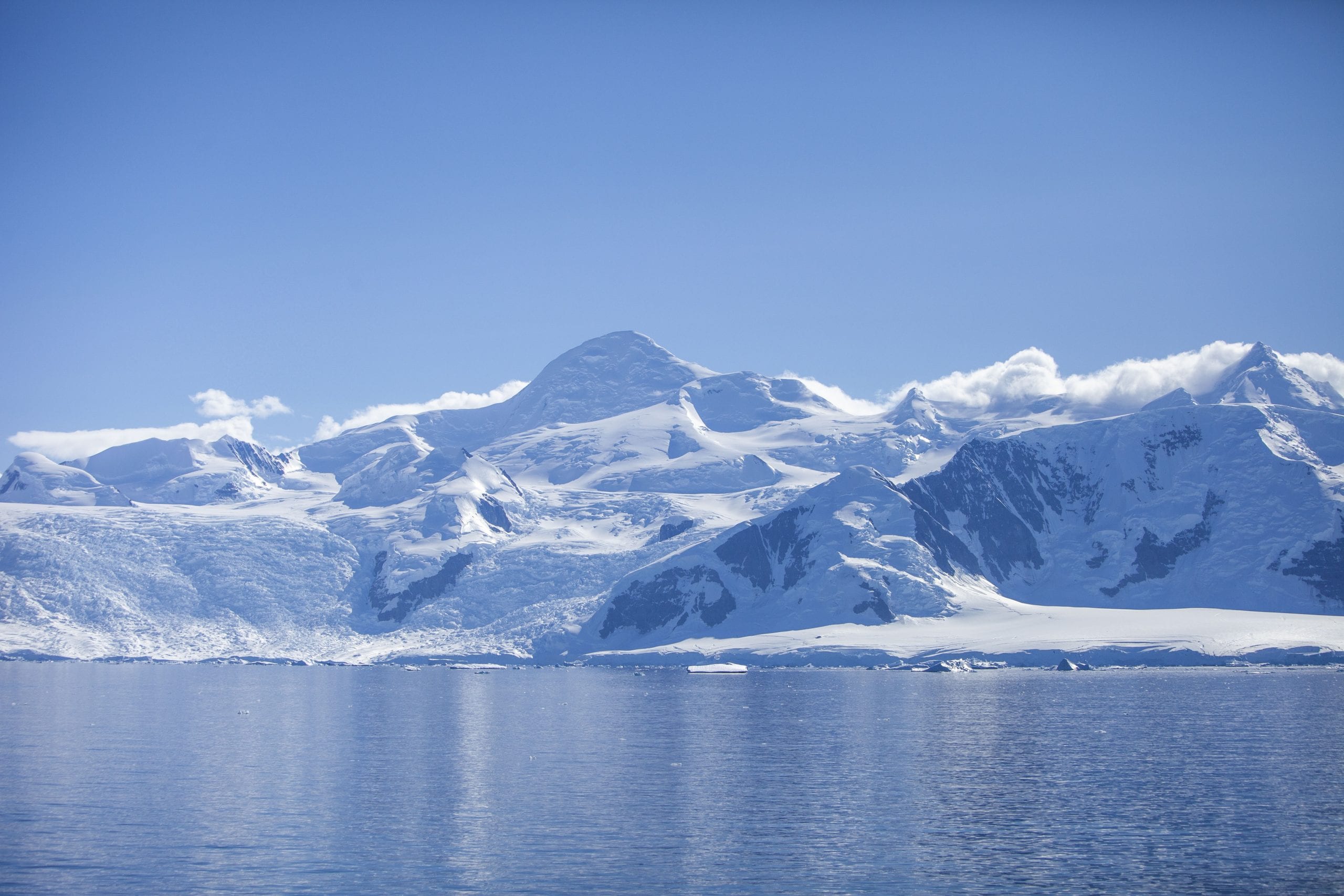
The research team reports that their new models with the added ice melt information reveal important interacting processes and demonstrate a need to accurately account for meltwater input from ice sheets in order to make confident climate predictions.
Read MoreStudy reveals rapid sea-level rise along U.S. Atlantic coast in 18th century
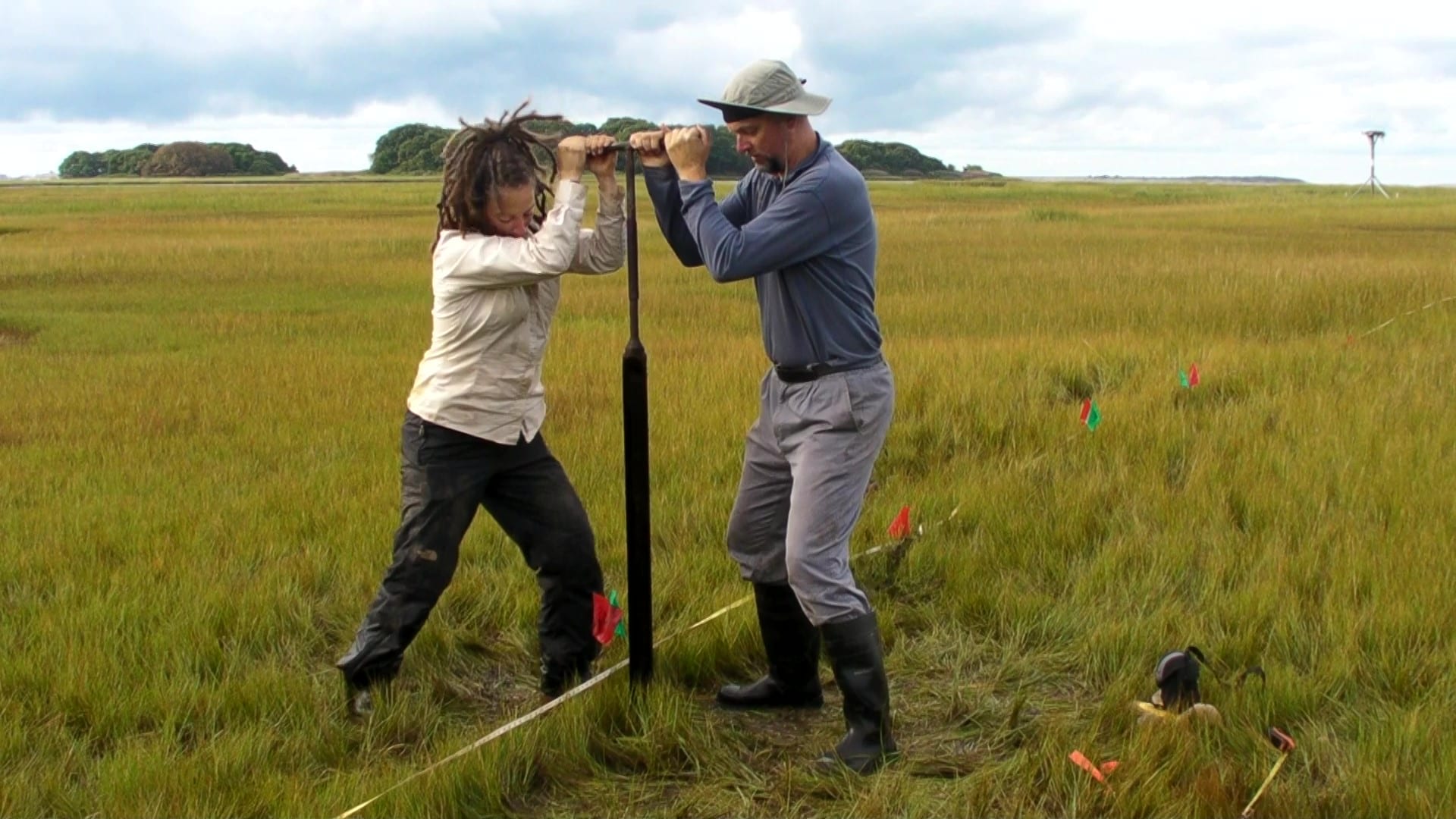
During the 18th century, sea levels along a stretch of the Atlantic coast of North America were rising almost as fast as they were during the 20th Century, reveals a new study.
Read MoreFor now, river deltas gain land worldwide
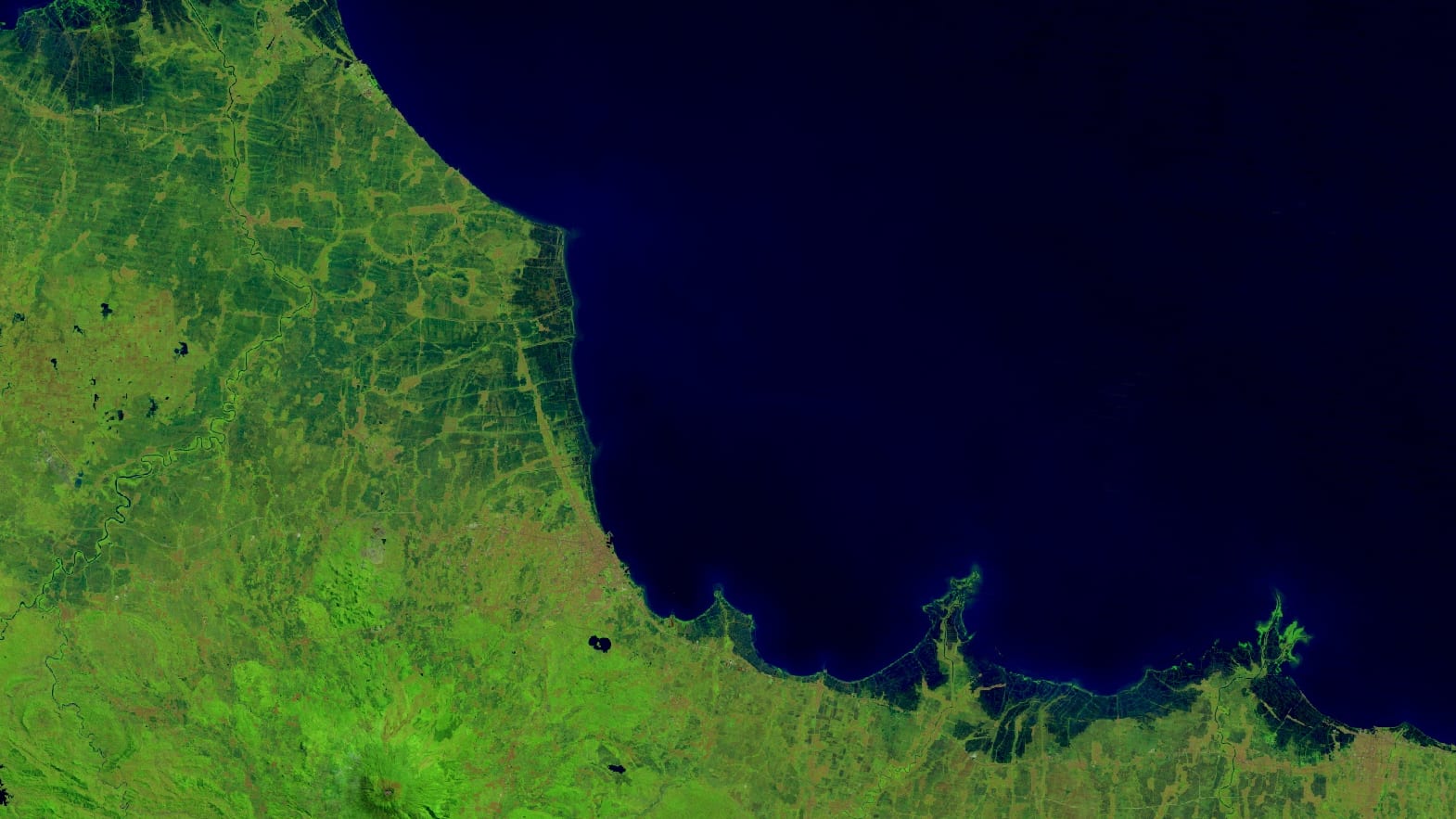
Delta areas worldwide have gained land in the past 30 years, despite river damming. However, recent land gains are unlikely to last throughout the 21st century due to expected, accelerated sea-level rise.
Read MoreNew report takes in-depth look at factors contributing to sea level rise
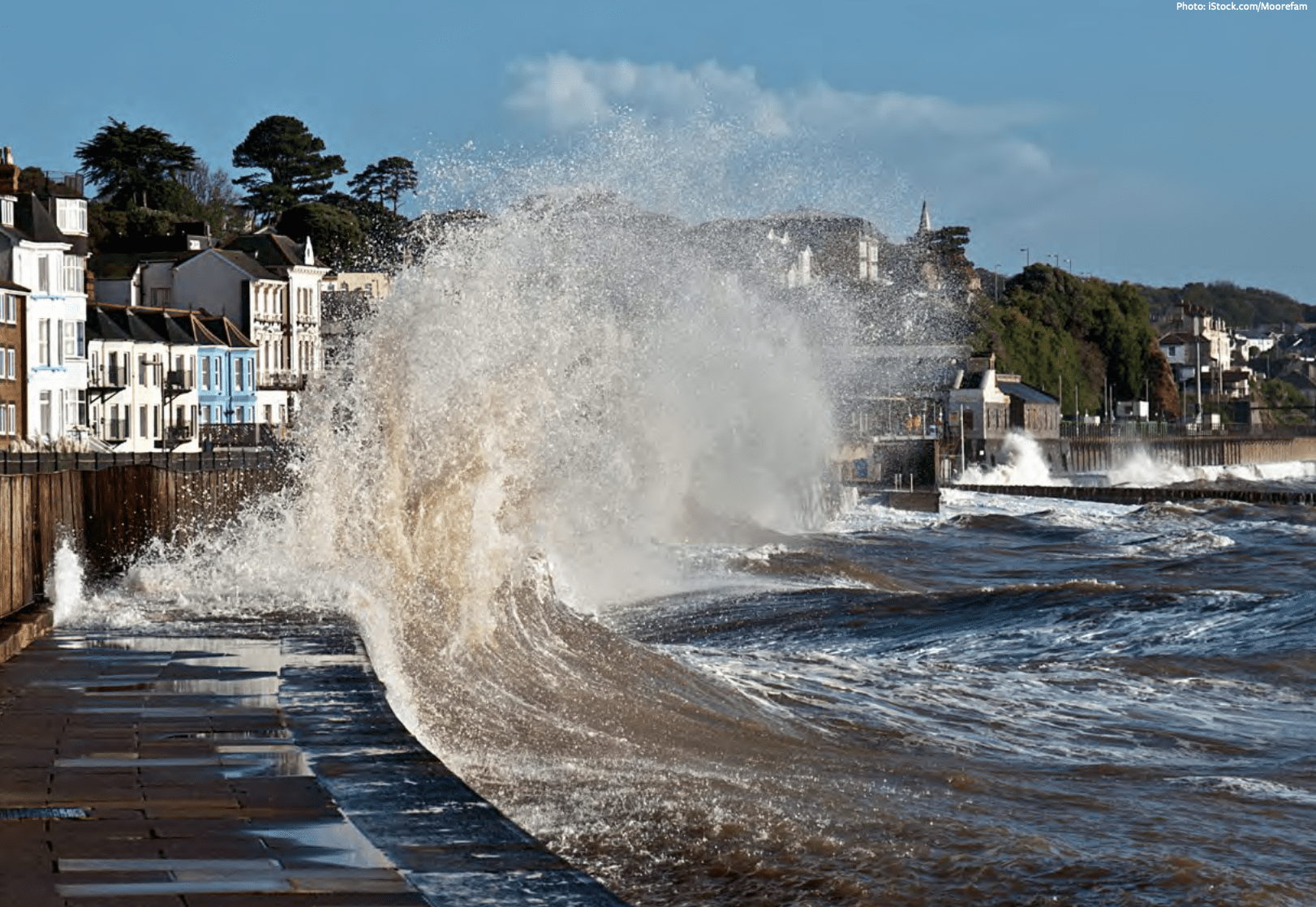
Sea levels in many areas across the global ocean are rising. Since the turn of the 20th century, the seas have risen between six and eight inches globally.
Read MoreStudy Finds No Direct Link Between North Atlantic Ocean Currents, Sea Level Along New England Coast
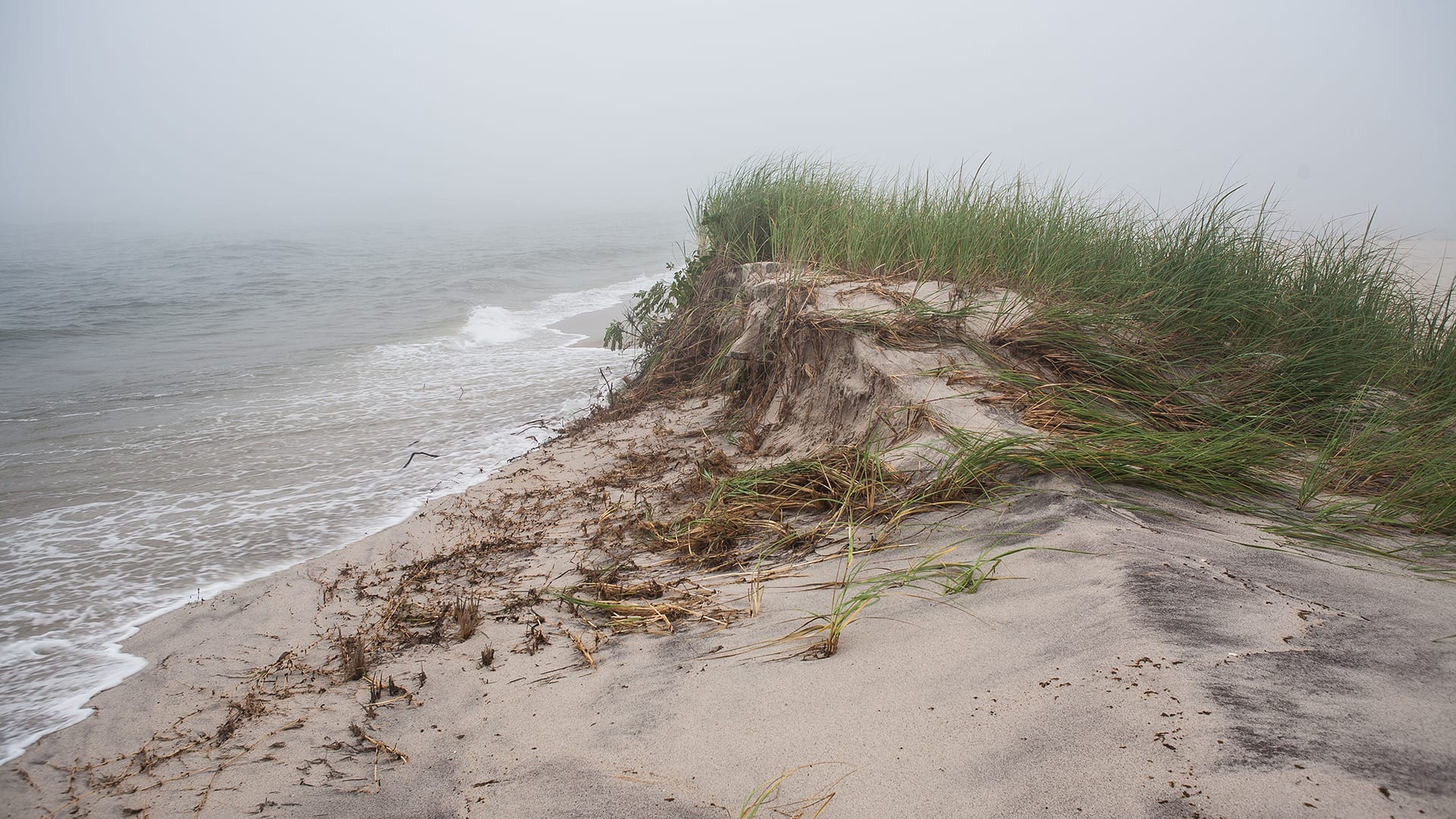
A new study by the Woods Hole Oceanographic Institution (WHOI) clarifies what influence major currents in the North Atlantic have on sea level along the northeastern United States. The study, published June 13 in the journal Geophysical Research Letters, examined both the strength of the Atlantic Meridional Overturning Circulation (AMOC)—a conveyor belt of currents that move warmer waters north and cooler waters south in the Atlantic—and historical records of sea level in coastal New England.
Read MoreWhy Is Sea Level Rising Faster in Some Places Along the U.S. East Coast Than Others?
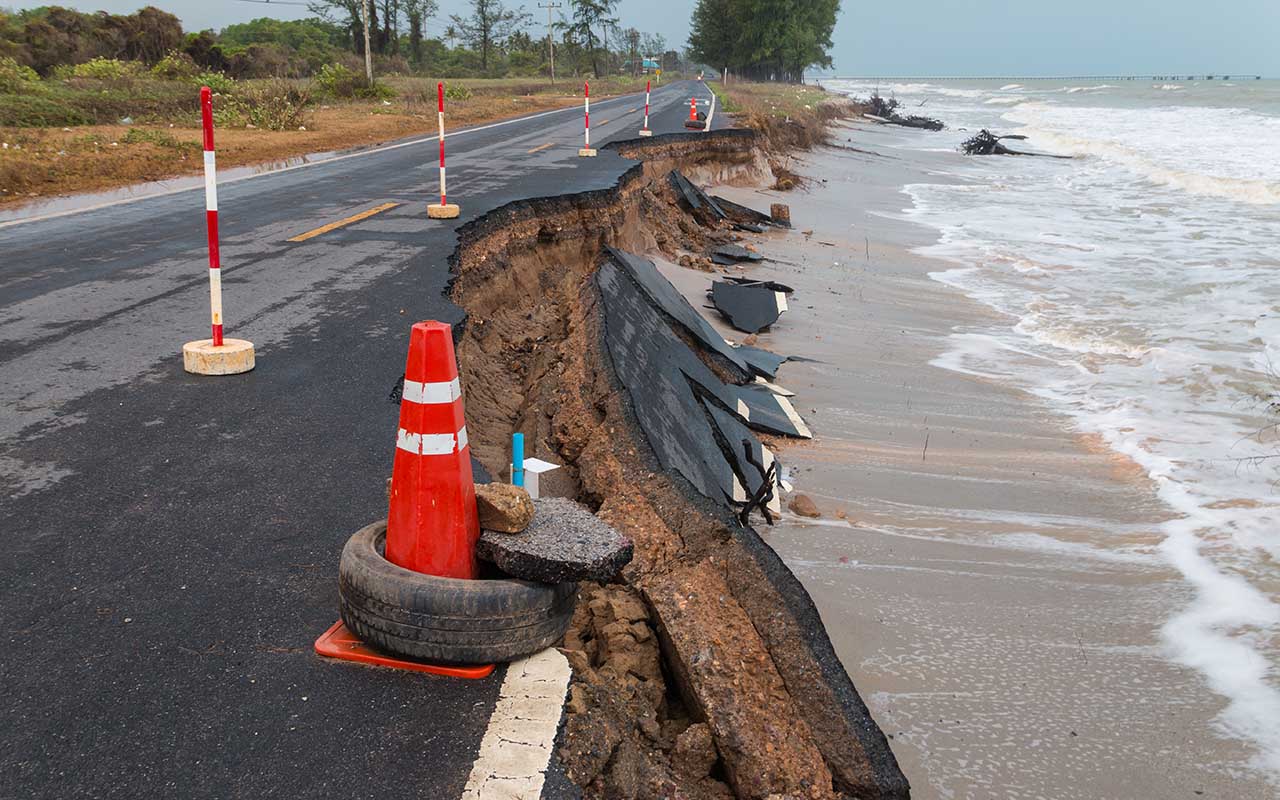
Sea levels are rising globally from ocean warming and melting of land ice, but the seas aren’t rising at the same rate everywhere. Sea levels have risen significantly higher in some U.S. East Coast regions compared to others. A new study led by the Woods Hole Oceanographic Institution (WHOI) reveals why.
Read MoreGreenland Ice Sheet Melt ‘Off the Charts’ Compared With Past Four Centuries
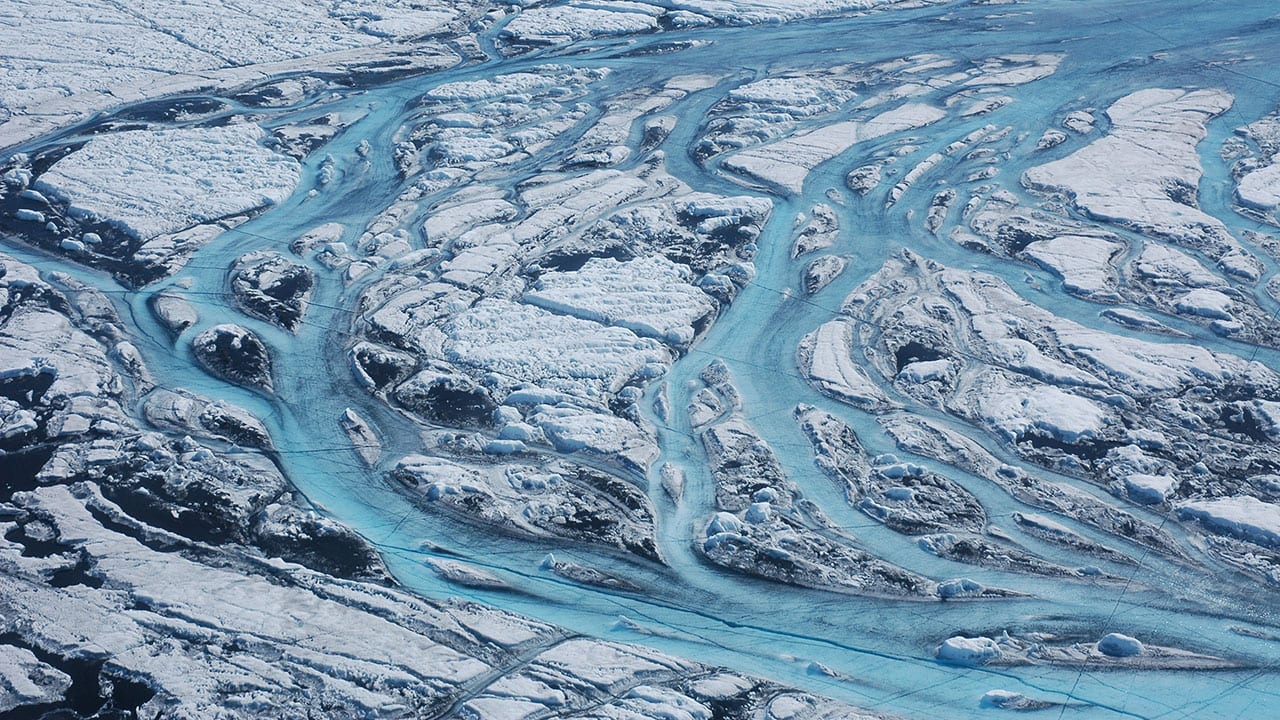
Surface melting across Greenland’s mile-thick ice sheet began increasing in the mid-19th century and then ramped up dramatically during the 20th and early 21st centuries, showing no signs of abating, according to new research published Dec. 5, 2018, in the journal Nature. The study provides new evidence of the impacts of climate change on Arctic melting and global sea level rise.
Read MoreStudy Finds Link Between River Outflow and Coastal Sea Level
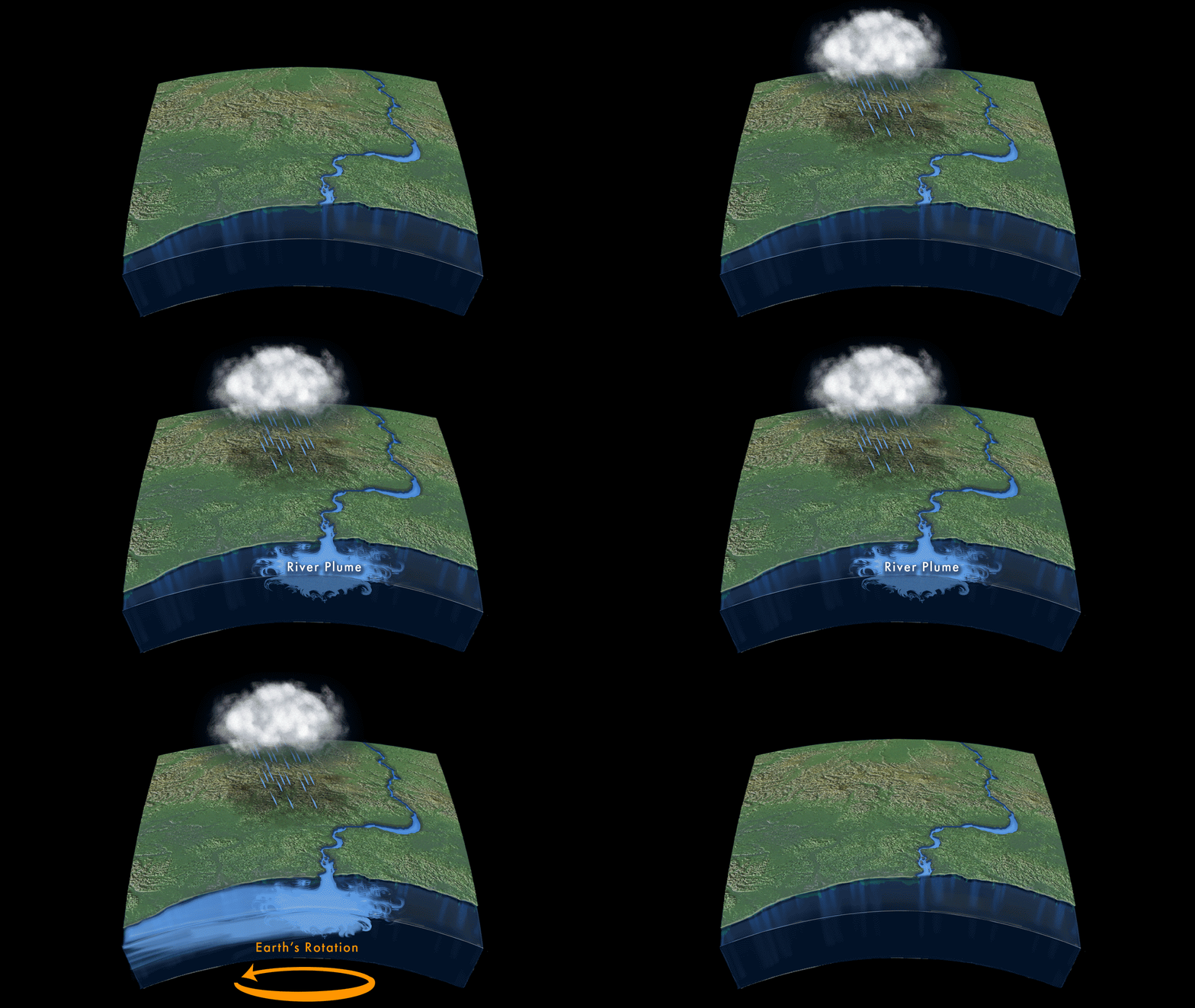
Sea levels in coastal areas can be affected by a number of factors: tides, winds, waves, and even barometric pressure all play a role in the ebb and flow of the ocean. For the first time, however, a new study led by the Woods Hole Oceanographic Institution (WHOI) has shown that river outflow could play a role in sea level change as well.
Read MoreAntarctic Bottom Waters Freshening at Unexpected Rate
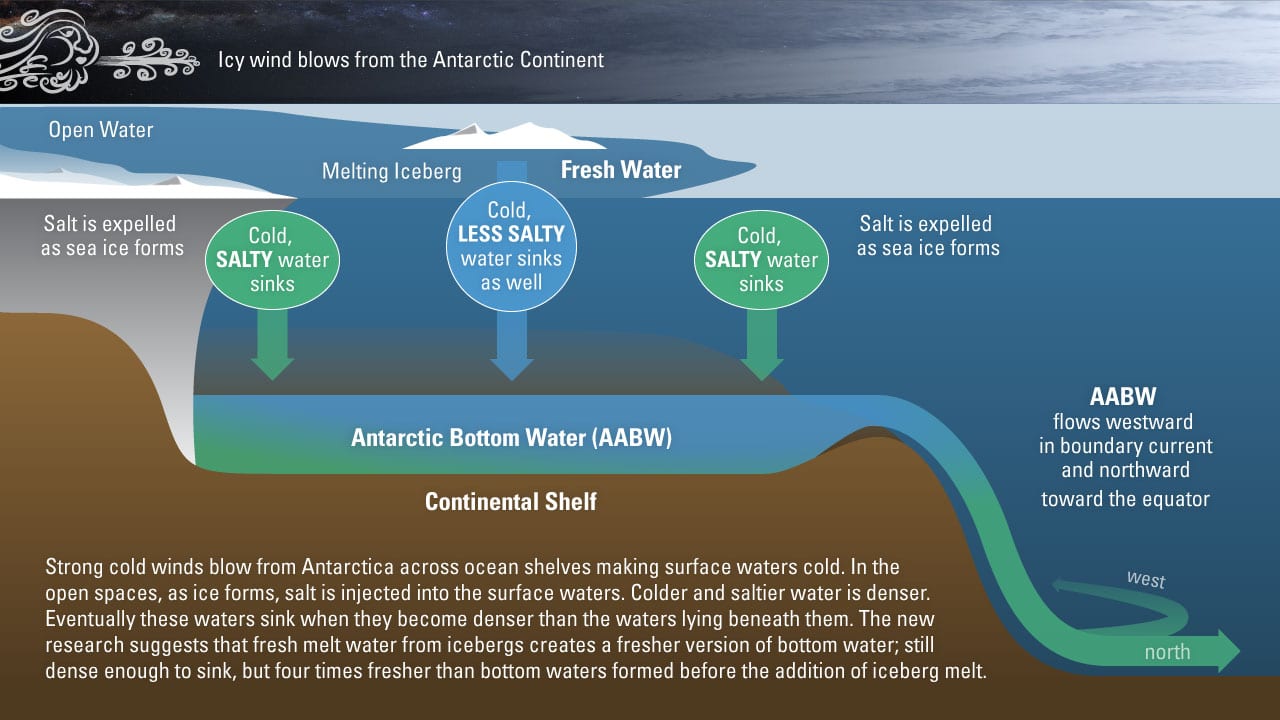
In the cold depths along the sea floor, Antarctic Bottom Waters are part of a critical part of the global circulatory system. Over the last decade, scientists have been monitoring changes in these waters, but a new WHOI study suggests these changes are themselves shifting in unexpected ways, with potentially significant consequences for the ocean and climate.
Read MoreNew Study Projects That Melting of Antarctic Ice Shelves Will Intensify
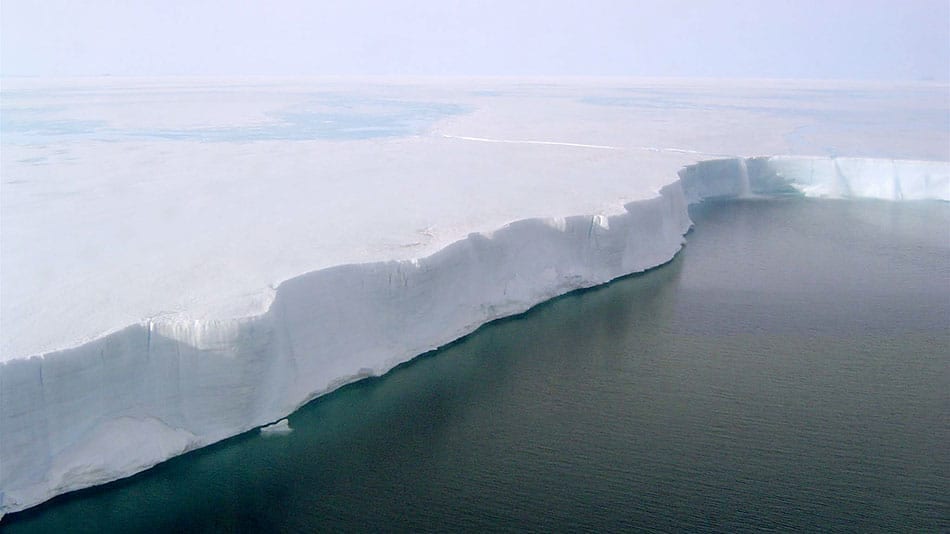
New research published today projects a doubling of surface melting of Antarctic ice shelves by 2050 and by 2100 may surpass intensities associated with ice shelf collapse, if greenhouse gas emissions from fossil fuel consumption continues at the present rate.
Ice shelves are the floating extensions of the continent’s massive land-based ice sheets. While the melting or breakup of floating ice shelves does not directly raise sea level, ice shelves do have a “door stop” effect: They slow the flow of ice from glaciers and ice sheets into the ocean, where it melts and raises sea levels.
Read MoreSudden Draining of Glacial Lakes Explained
In 2008 scientists from Woods Hole Oceanographic Institution (WHOI) and the University of Washington documented for the first time how the icy bottoms of lakes atop the Greenland Ice Sheet can crack open suddenly—draining the lakes completely within hours and sending torrents of water to the base of the ice sheet thousands of feet below. Now they have found a surprising mechanism that triggers the cracks.
Scientists had theorized that the sheer weight of the water in these supraglacial lakes applied pressure that eventually cracked the ice, but they could not explain why some lake bottoms cracked while others did not.
Read MoreUnderstanding the Ocean’s Role in Greenland Glacier Melt
The Greenland Ice Sheet is a 1.7 million-square-kilometer, 2-mile thick layer of ice that covers Greenland. Its fate is inextricably linked to our global climate system. In the last 40…
Read MoreNew Coral Dating Method Hints at Possible Future Sea-Level Changes
New evidence of sea-level oscillations during a warm period that started about 125,000 years ago raises the possibility of a similar scenario if the planet continues its more recent warming trend, says a research team led by the Woods Hole Oceanographic Institution (WHOI).
Read MoreWHOI Will Host Public Forum on Sea Level Rise
sea level rise, Morss Colloquium, polar ice cap, Woods Hole Oceanographic Institution
Read MoreRapid Sea Level Rise in the Arctic Ocean May Alter Views of Human Migration
Scientists have found new evidence that the Bering Strait near Alaska flooded into the Arctic Ocean about 11,000 years ago, about 1,000 years earlier than widely believed, closing off the…
Read MoreNew Coral Dating Technique Helps Resolve Changes in Sea Level Rise in the Past
Corals from Papua New Guinea and Barbados indicate that changes in sea level, one of the key indexes for global climate change, may have been more frequent in the past…
Read More