
News Releases
Small seabirds rely on crosswinds to navigate the open ocean
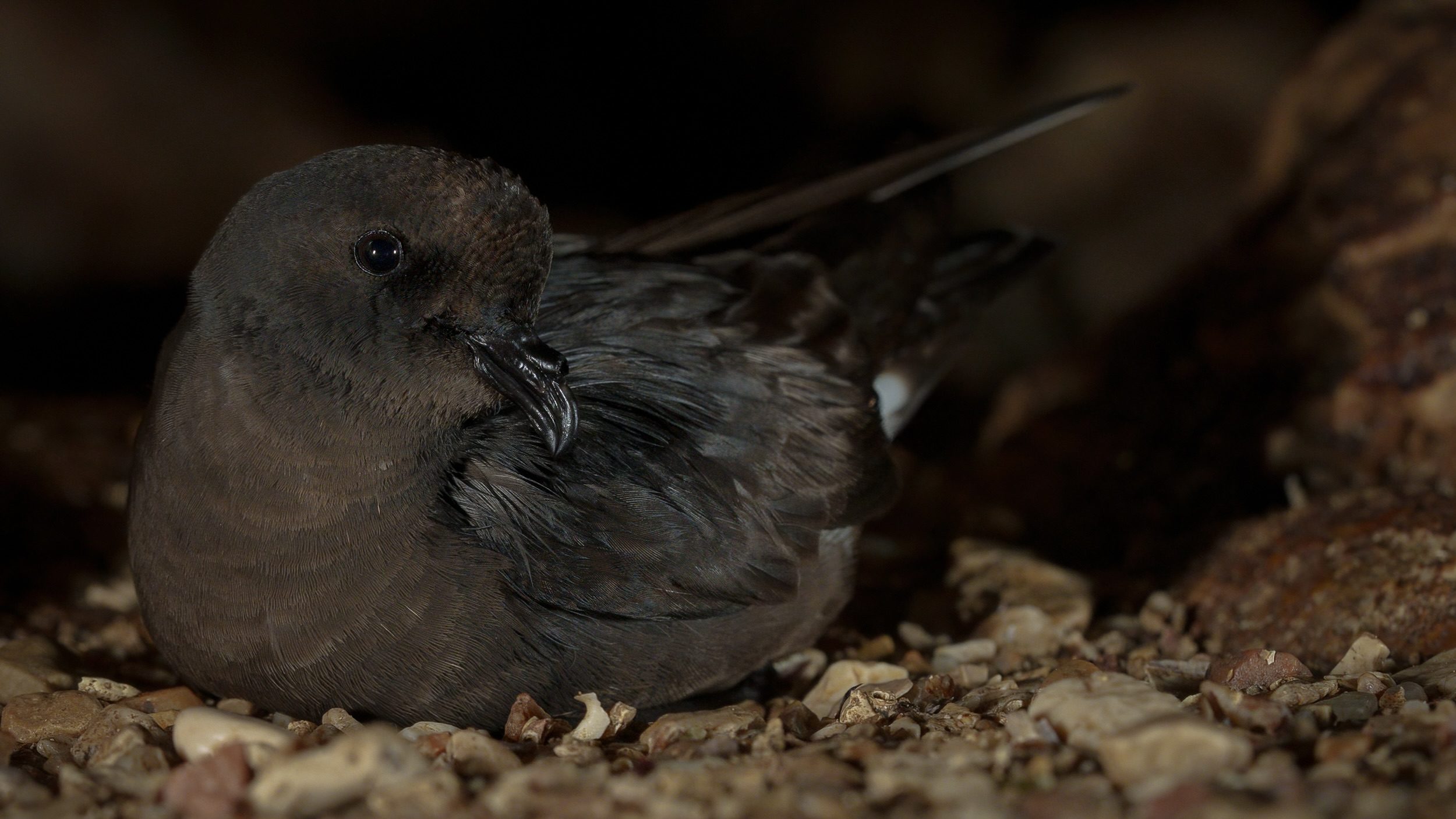
New tracking research reveals Mediterranean storm petrels trade speed for information as they fly hundreds of kilometers across the sea
Read MoreNew study calls for uplisting emperor penguins to threatened on IUCN Red List
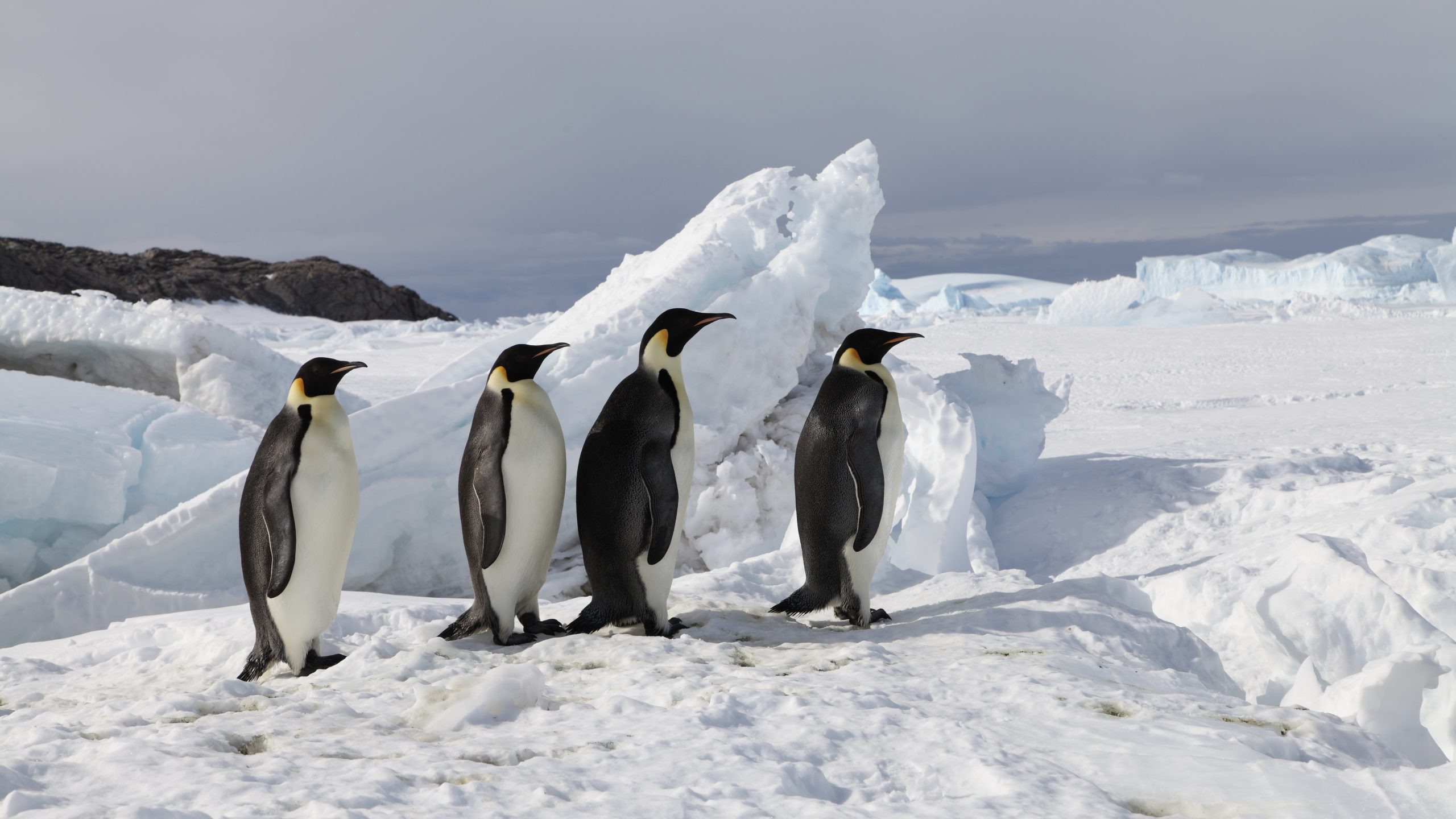
Woods Hole Oceanographic Institution among research groups that offer findings to support protection of species
Read MoreGroundbreaking Study Reveals Oceanic Seabirds Chase Tropical Cyclones
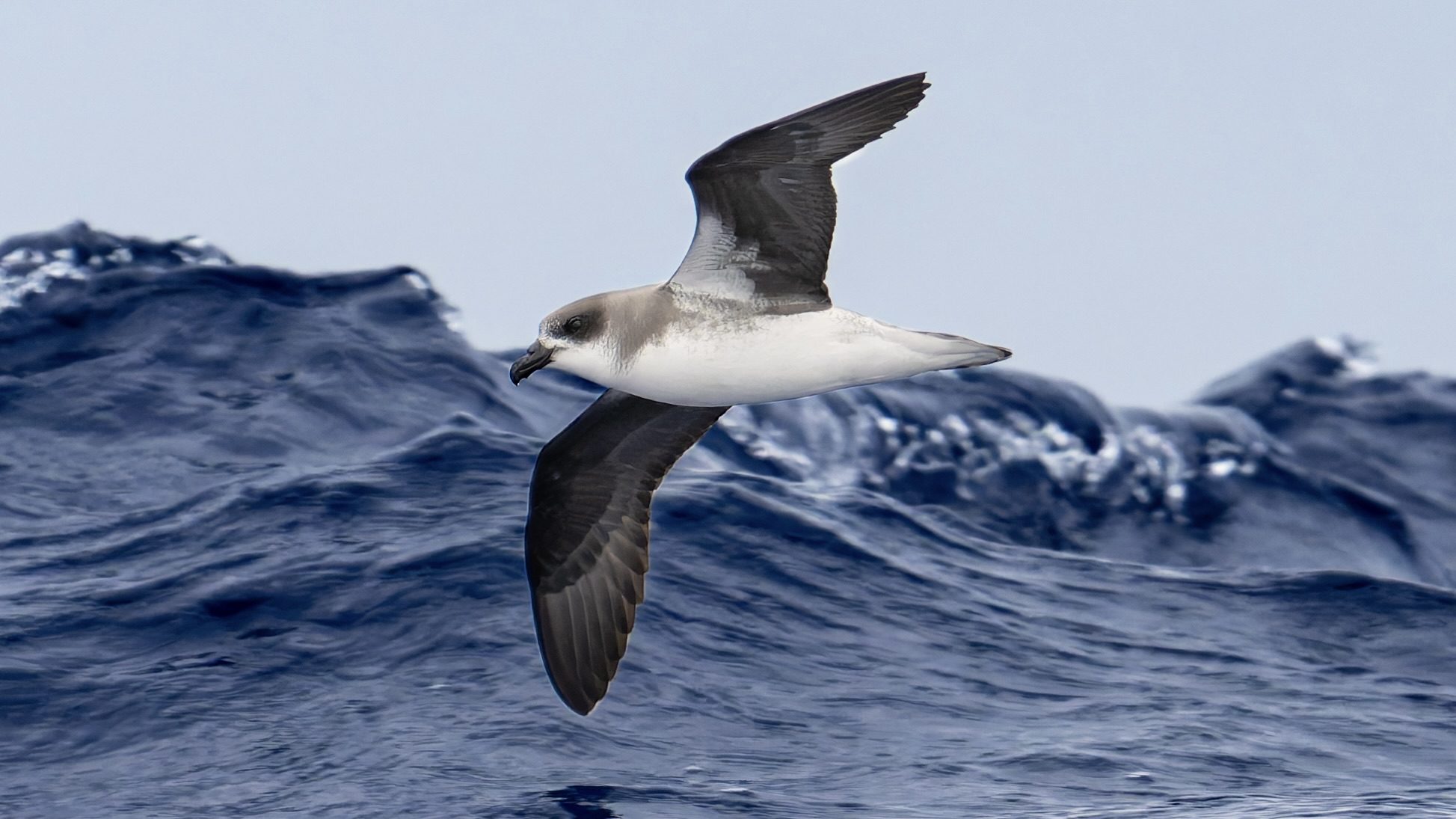
A new study reveals that the rare Desertas Petrels, a wide-ranging seabird in the North Atlantic, exhibit unique foraging behaviors during hurricane season.
Read MoreResearchers improve satellite surveillance of emperor penguins

New method will provide accurate counts and breeding success of the threatened species in the light of climate change
Read MoreHigh Resolution Imagery Advances the Ability to Monitor Decadal Changes in Emperor Penguin Populations
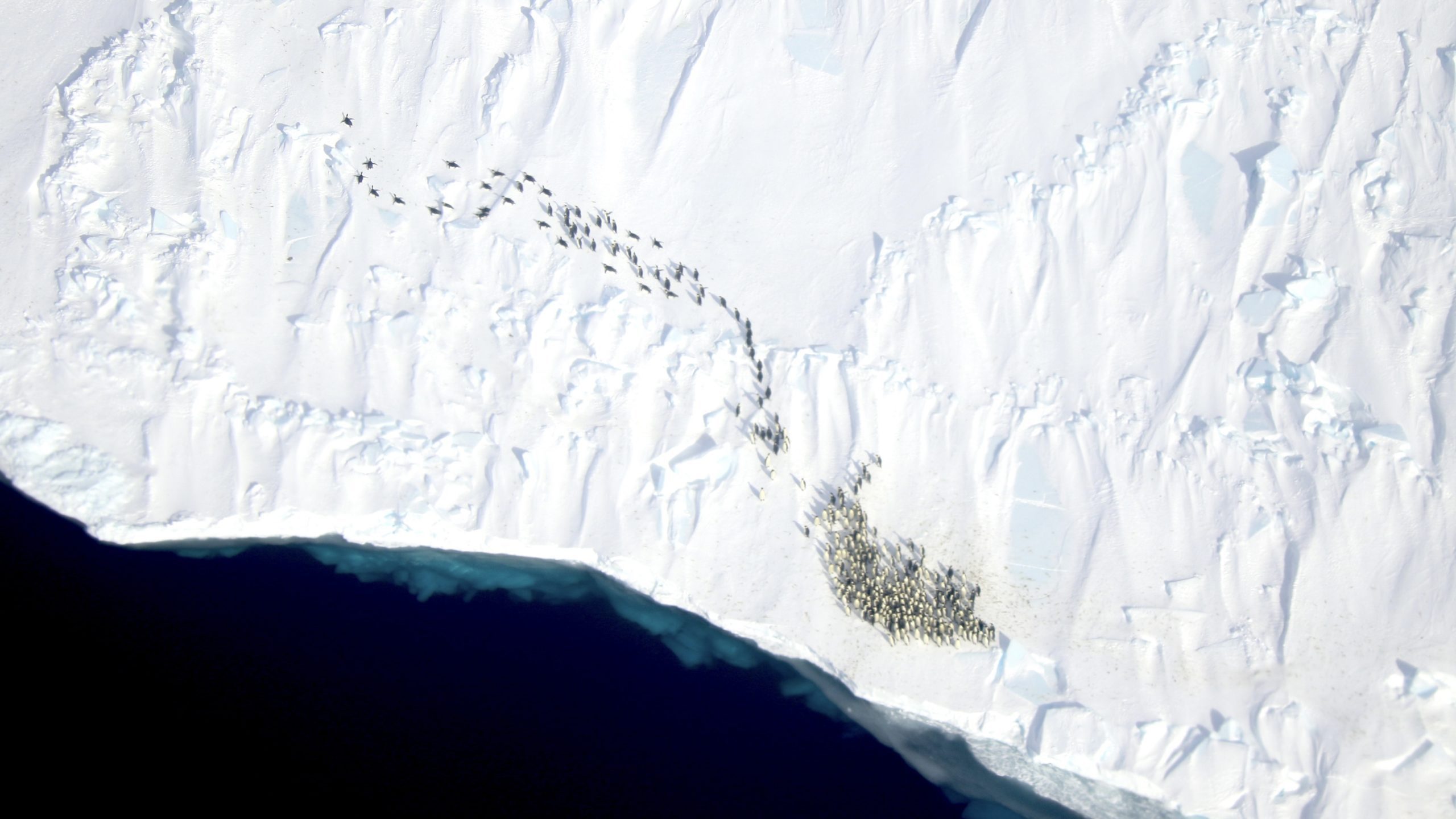
High resolution satellite imagery and field-based validation surveys have provided the first multi-year time series documenting emperor penguin populations.
Read MoreNew Research Unlocks Clues About the Iconic Flight of the Wandering Albatross
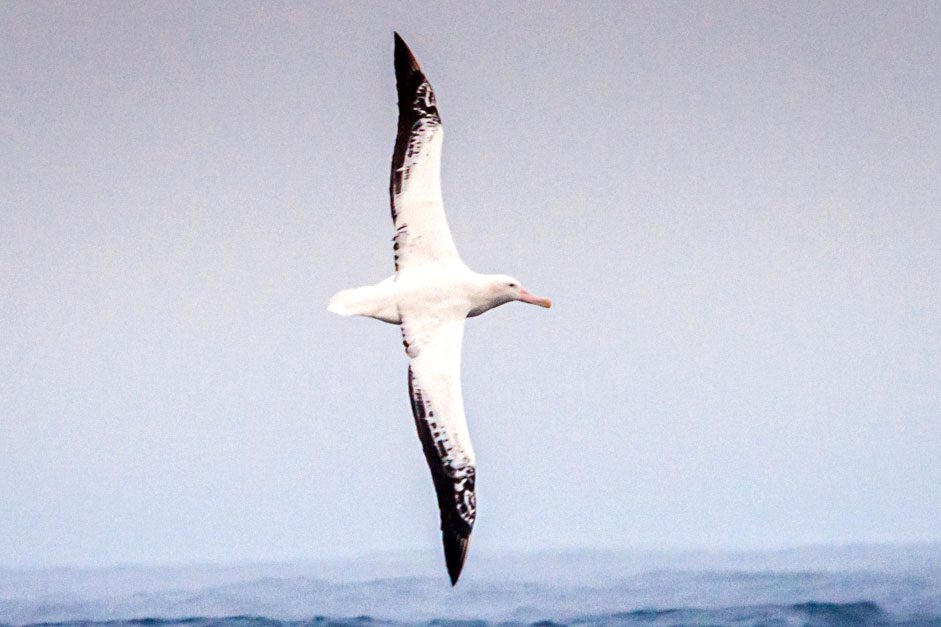
Wandering albatrosses’ wingspan of up to 11 feet and is the largest known of any living bird, and yet wandering albatrosses fly while hardly flapping their wings. Instead, they depend on dynamic soaring in addition to updrafts and turbulence.
Read MoreEmperor penguins granted protections under Endangered Species Act
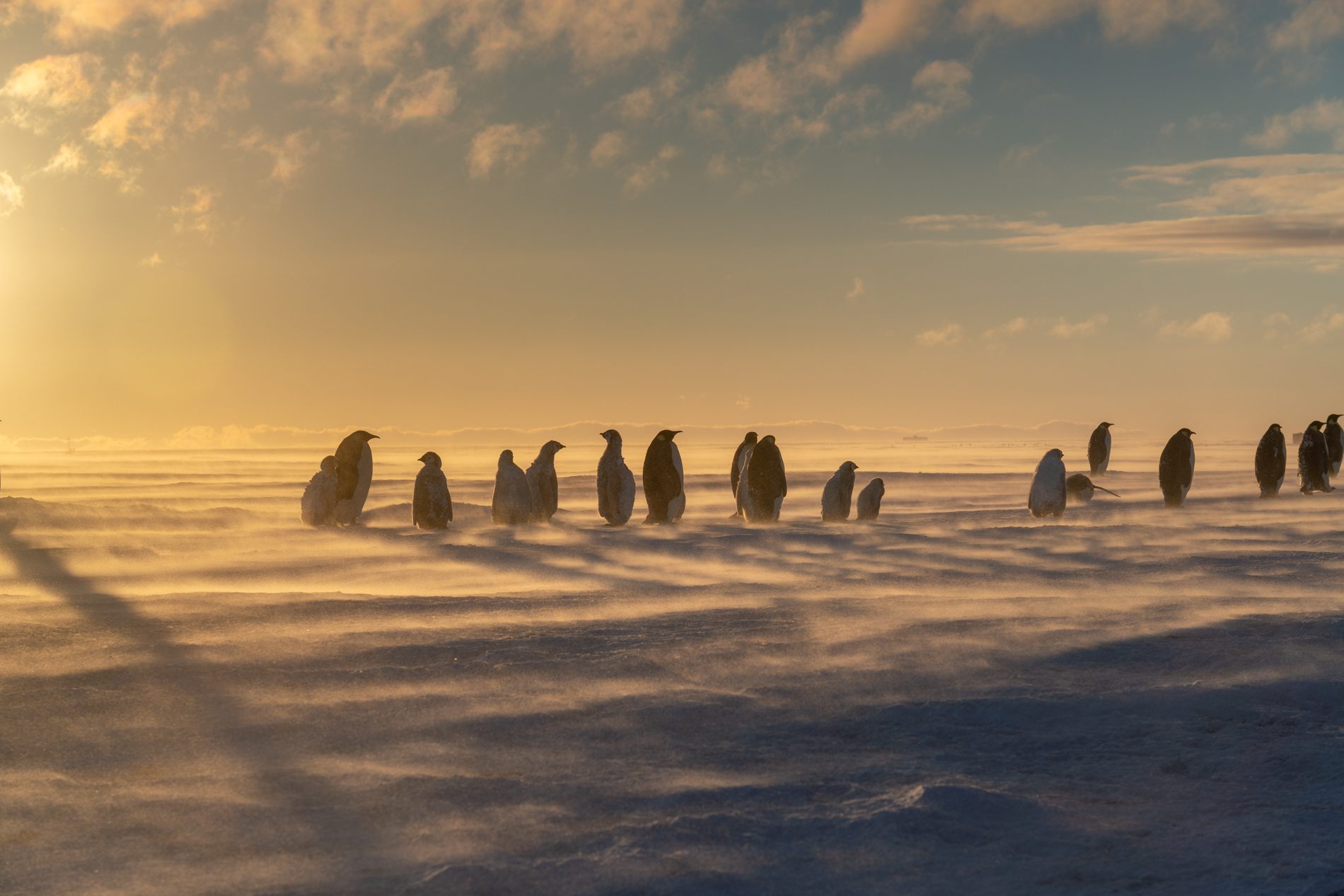
Woods Hole Oceanographic Institution among research groups that offer key findings to support federal protection of species, increasingly under siege by climate change
Read MoreThe bolder bird gets (and keeps) the girl
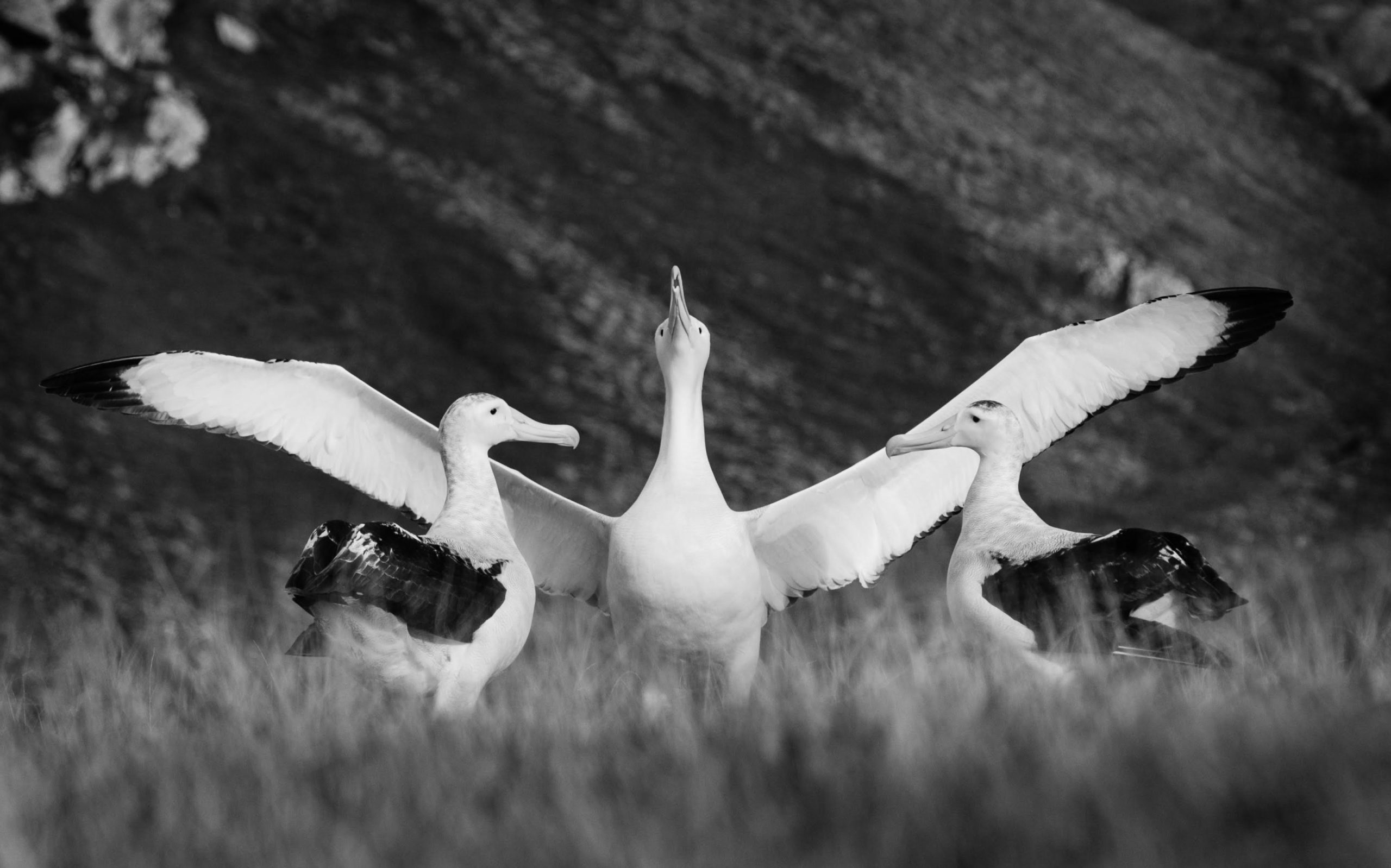
A new paper by WHOI researchers demonstrates a connection between personality and divorce in albatross
Read MoreMarine Protected Areas in Antarctica should include young emperor penguins, scientists say
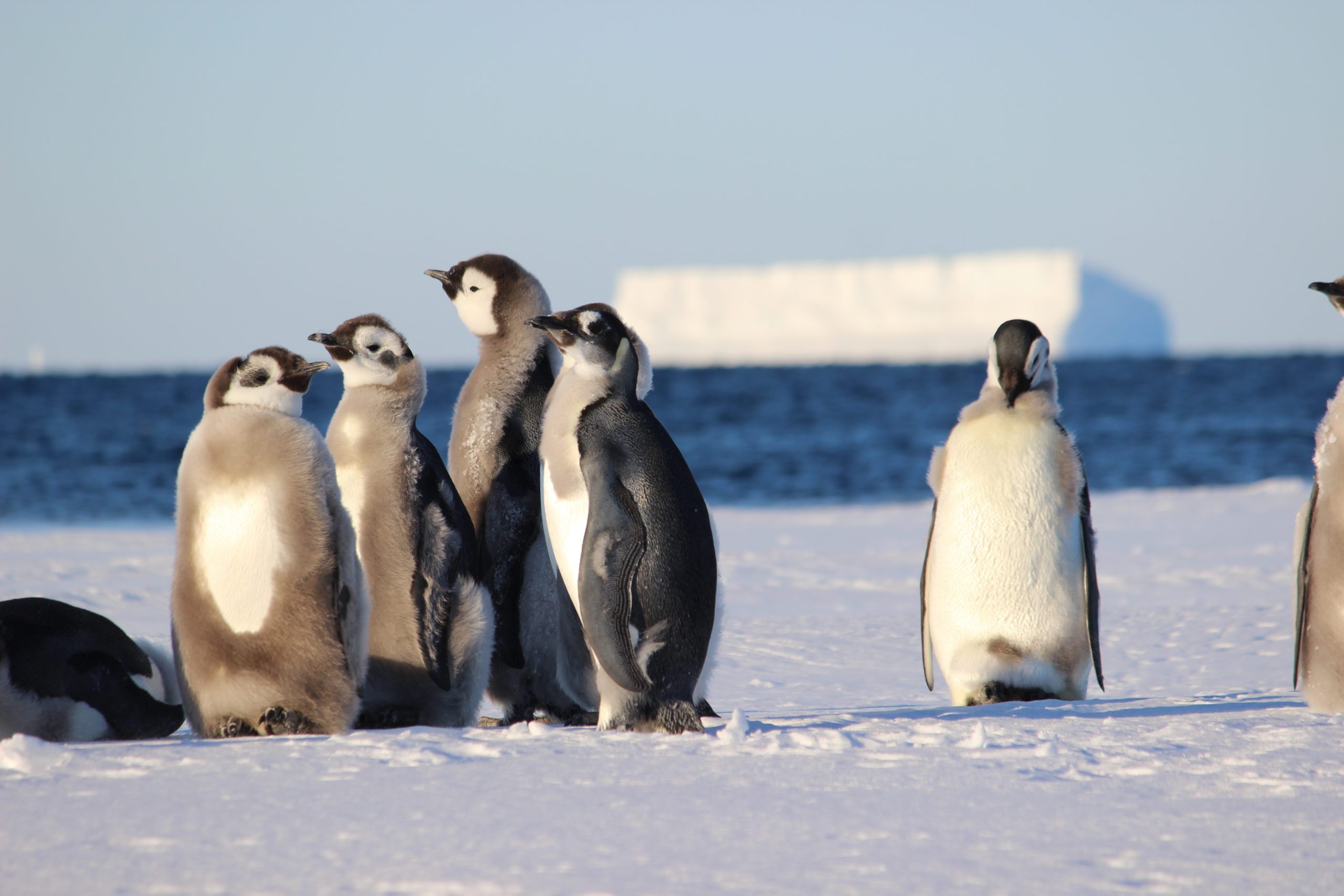
Scientists at the Woods Hole Oceanographic Institution (WHOI) and European research institutions are calling for better protections for juvenile emperor penguins, as the U.S. Fish and Wildlife Service considers listing the species under the Endangered Species Act and the Commission for the Conservation of Antarctic Marine Living Resources (CCAMLR) considers expanding the network of Marine Protected Areas (MPAs) in the Southern Ocean.
Read MoreEmperor penguins, recommended as threatened species under Endangered Species Act
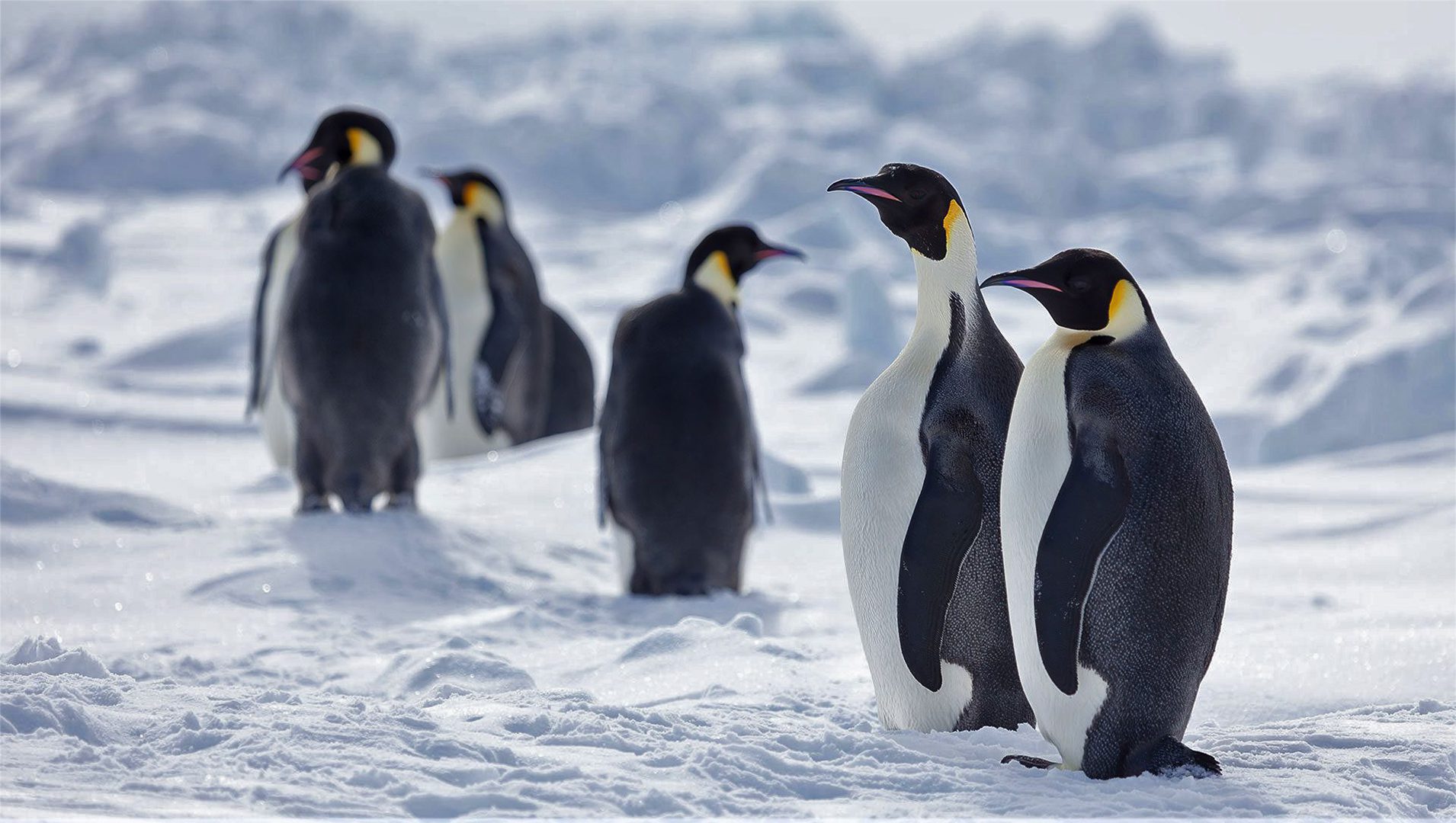
Today, the U.S. Fish and Wildlife Service (USFWS) announced a proposal to list the emperor penguin as a threatened species under the Endangered Species Act.
Read MoreNew Study Finds Emperor Penguins Increasingly Threatened by Climate Change
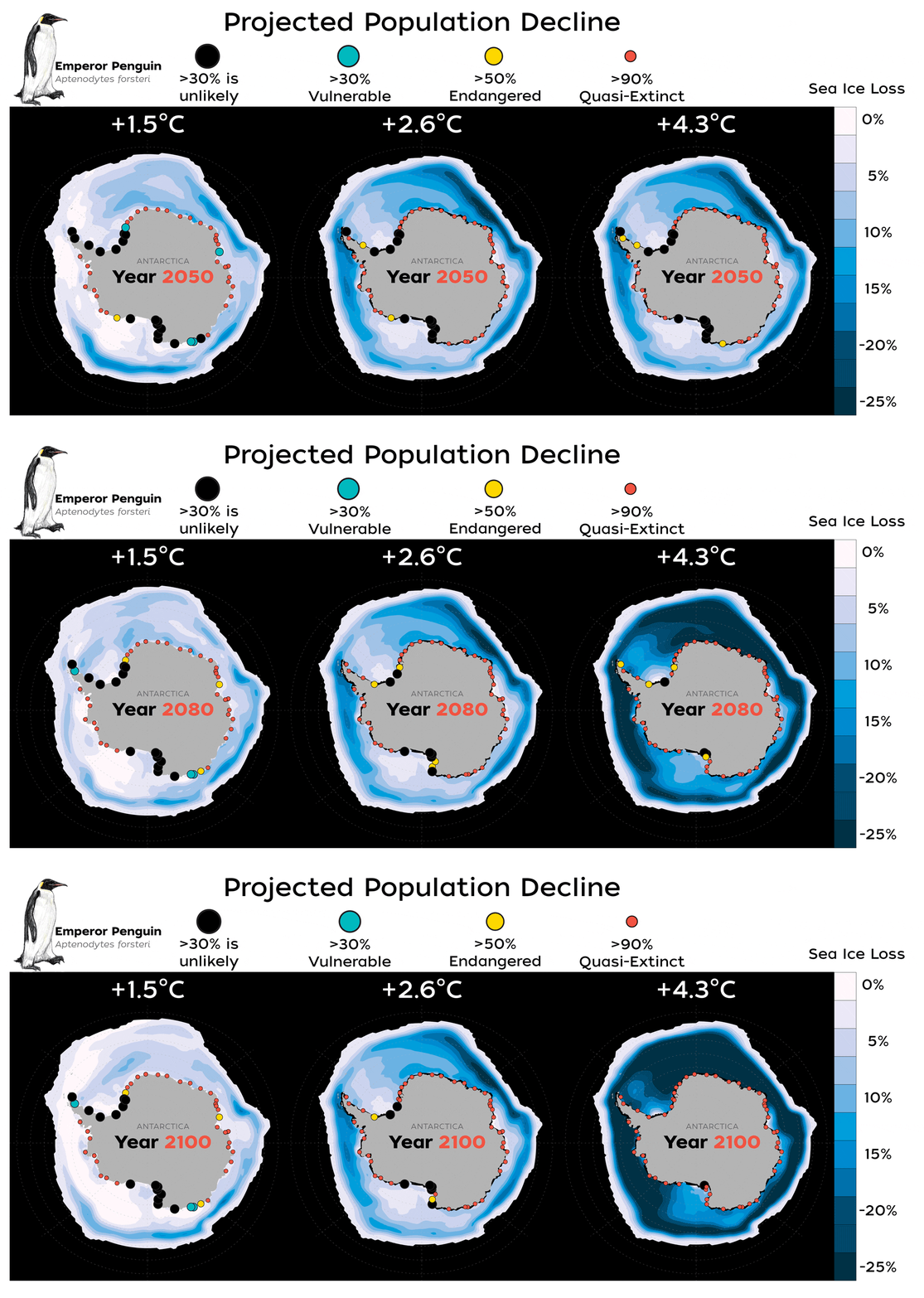
A new study published today in Global Change Biology provides valuable new data that highlights how species extinction risk is accelerating due to rapid climate change and an increase in extreme climate events, such as glacial calving and sea ice loss.
Read MoreUnless warming is slowed, emperor penguins will be marching towards extinction
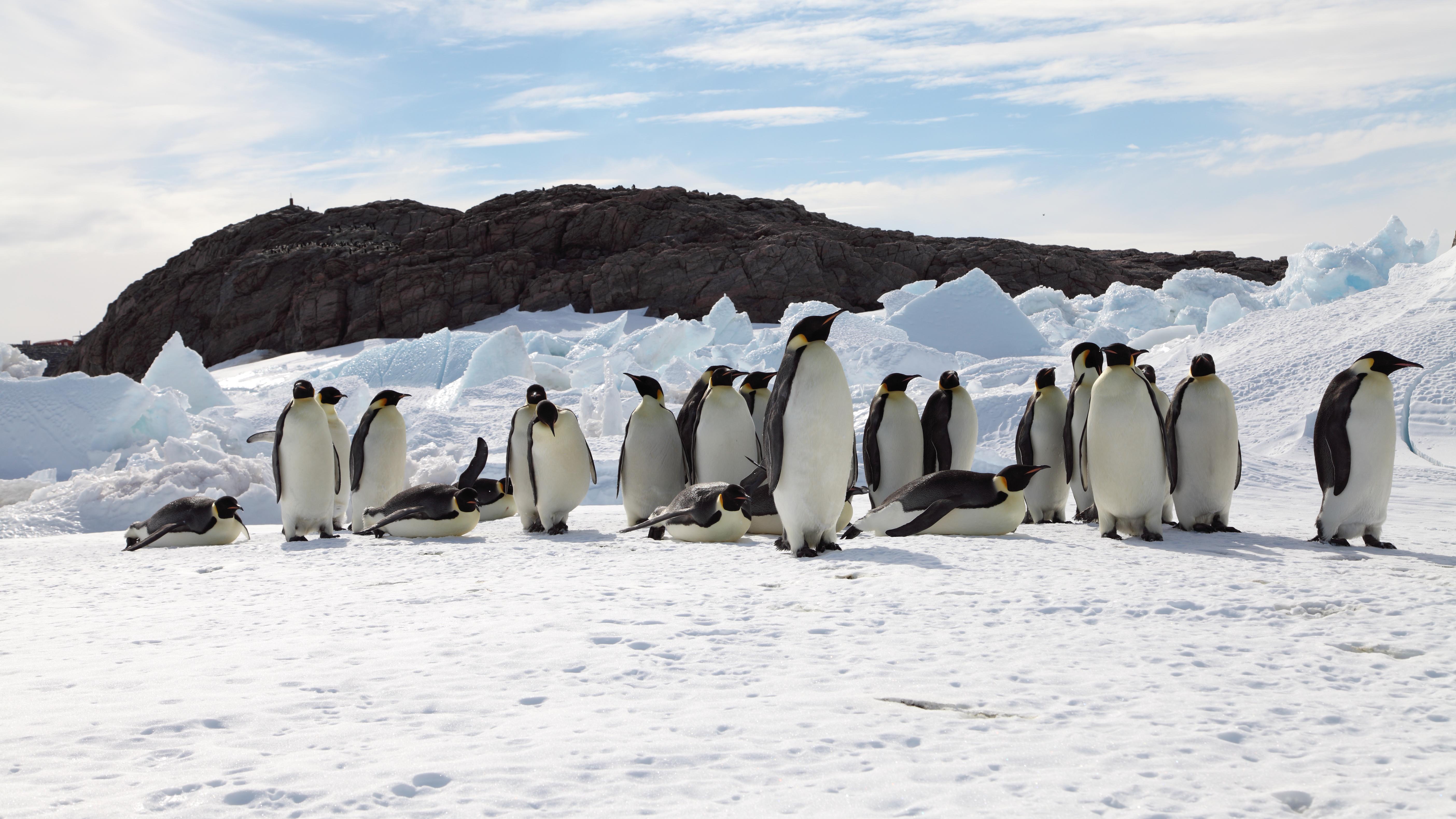
Emperor penguins are some of the most striking and charismatic animals on Earth, but a new study from the Woods Hole Oceanographic Institution has found that a warming climate may render them extinct by the end of this century. The study, which was part of an international collaboration between scientists, published Nov. 7, 2019, in the journal Global Change Biology.
Read MoreEmperor Penguins’ First Journey to Sea
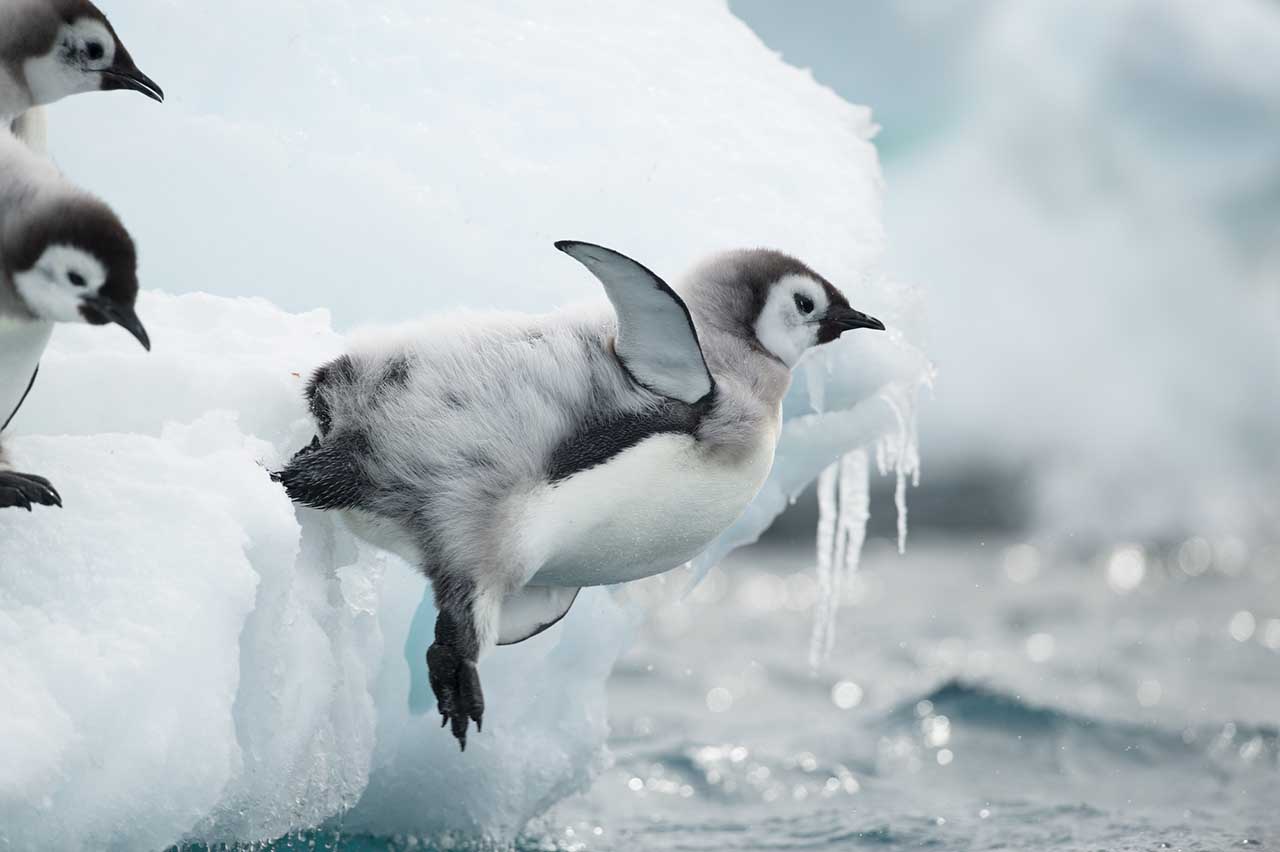
The paper, published Jan. 17, 2019, in the journal Marine Ecology Progress Series, also highlights the unique connection between juvenile diving behaviors and a layer of the ocean, known as the thermocline, where warmer surface waters meet cooler deep waters below and where their prey likely gather in groups.
Read MoreAre Emperor Penguins Eating Enough?
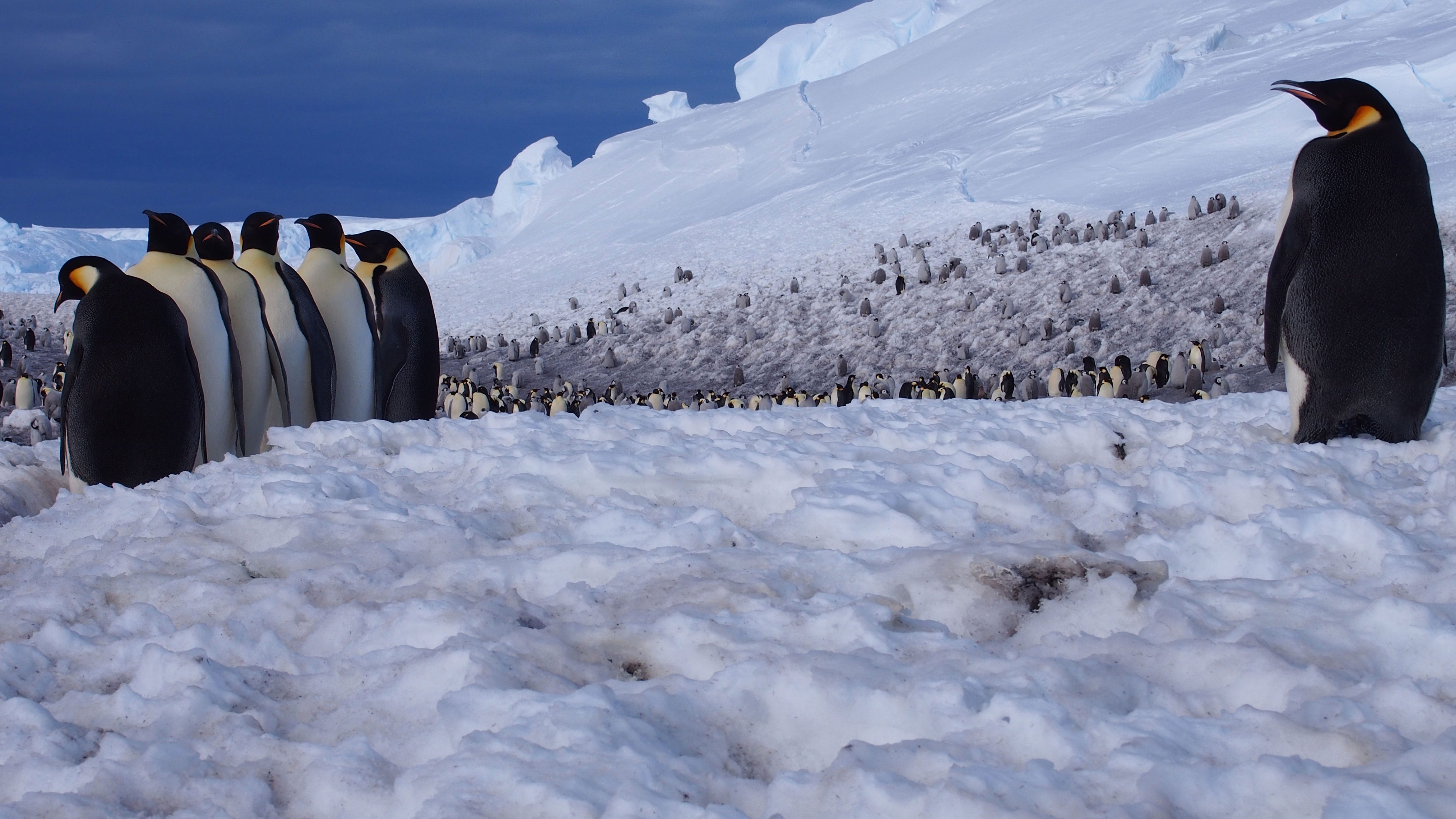
For Emperor penguins waddling around a warming Antarctic, diminishing sea ice means less fish to eat. How the diets of these tuxedoed birds will hold up in the face of…
Read MorePenguins Go Through the Flow
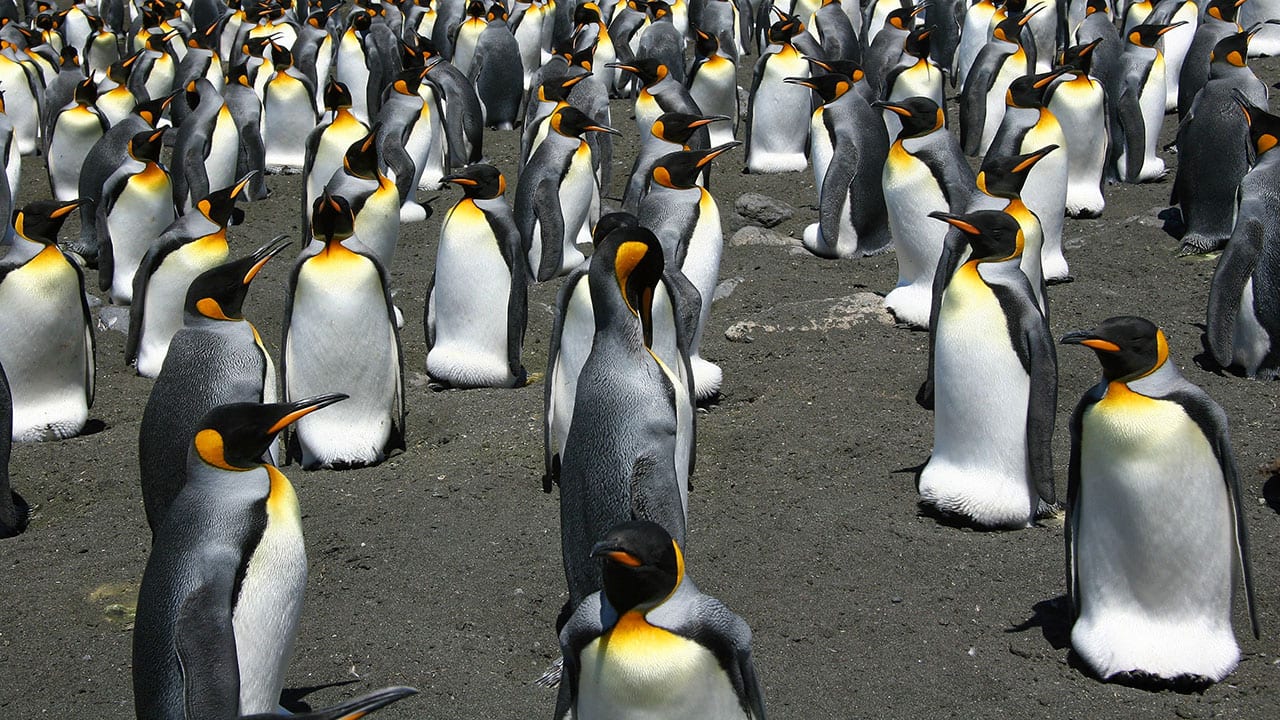
Colonies of breeding king penguins behave much like particles in liquids do, according to new study by the Woods Hole Oceanographic Institution (WHOI) and international colleagues. This “liquid ” organization and structure enables breeding colonies to protect themselves against predators while also keeping members together.
Read MoreFinding New Homes Won’t Help Emperor Penguins Cope with Climate Change
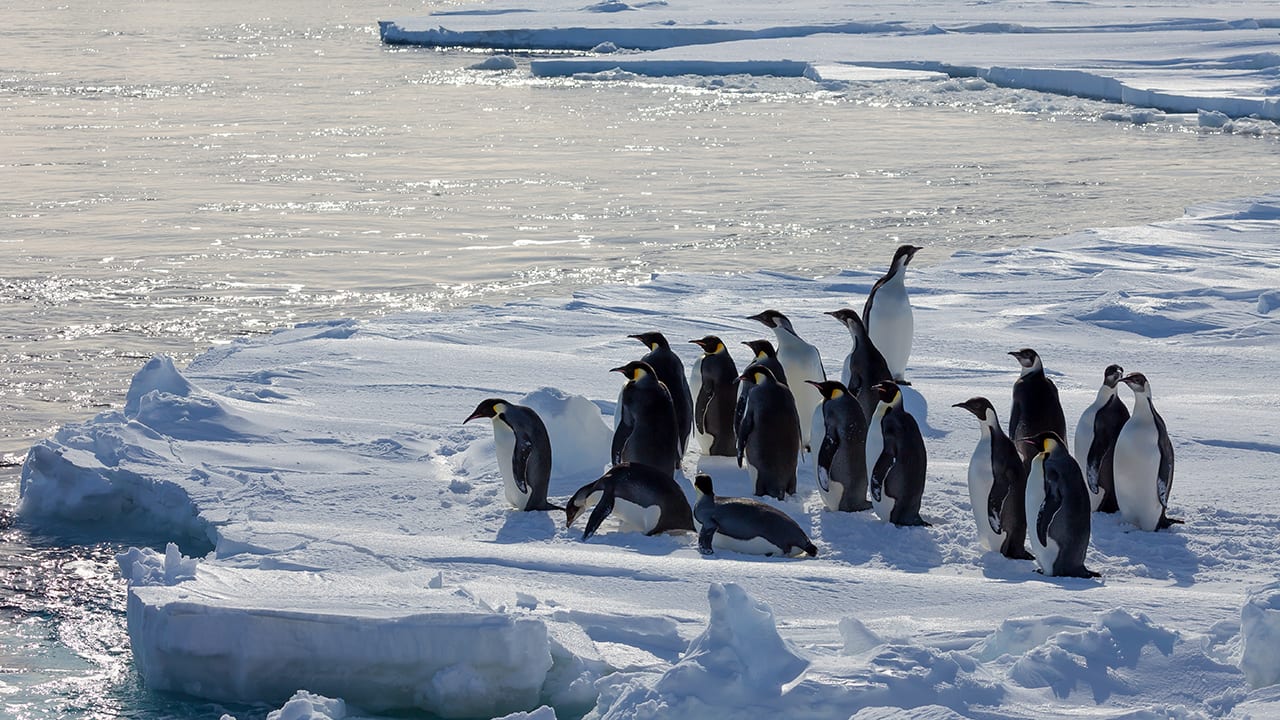
Unlike other species that migrate successfully to escape the wrath of climate change, a new study shows that dispersal may help sustain global Emperor penguin populations for a limited time, but, as sea ice conditions continue to deteriorate, the 54 colonies that exist today will face devastating declines by the end of this century.
Read MoreMore Frequent Extreme Ocean Warming Could Further Endanger Albatross
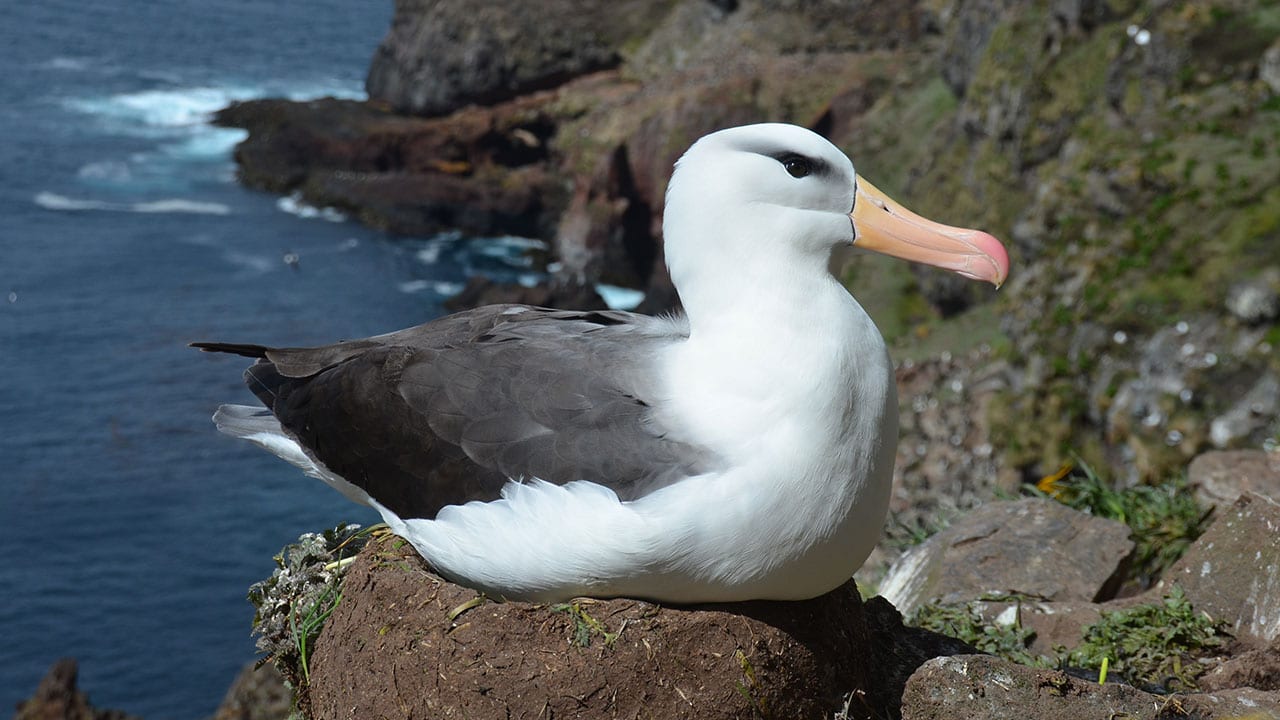
As scientists grapple with the behavioral, ecological and evolutionary impacts of extreme climatic events, the journal Philosophical Transactions of the Royal Society B created a special June issue to explore what is known on the topic and pioneer new approaches to this challenging and rapidly expanding field of study. The issue, which was published online May 8, 2017, was co-edited by Wood Hole Oceanographic institution (WHOI) biologist Stephanie Jenouvrier.
Read MoreShifting Winds, Ocean Currents Doubled Endangered Galapagos Penguin Population
New research suggests shifts in wind currents over the past three decades, possibly due to climate change and natural variability, have nudged the Equatorial Undercurrent north. The changing current expanded the nutrient-rich, cold water farther north along the coasts of the two islands, likely bolstering algae and fish numbers in the cold pool. This allowed the penguin population to double over the past 30 years, swelling to more than 1,000 birds by 2014, according to the new study.
Read MoreStudy Finds Emperor Penguin in Peril
An international team of scientists studying Emperor penguin populations across Antarctica finds the iconic animals in danger of dramatic declines by the end of the century due to climate change.…
Read MoreClimate Change Winners and Losers
The Antarctic Peninsula, the northern most region of Antarctica, is experiencing some of the most dramatic changes due to climate warming, including population declines of some penguin species. This is…
Read MoreMelting Sea Ice Threatens Emperor Penguins, Study Finds
At nearly four feet tall, the Emperor penguin is Antarctica’s largest sea bird—and thanks to films like “March of the Penguins” and “Happy Feet,” it’s also one of the continent’s…
Read MoreEmperor Penguins March toward Extinction?
Popularized by the 2005 movie “March of the Penguins,” emperor penguins could be headed toward extinction in at least part of their range before the end of the century, according…
Read More