
News Releases
Retreating glaciers increase iceberg sightings and reshape deep-sea habitats
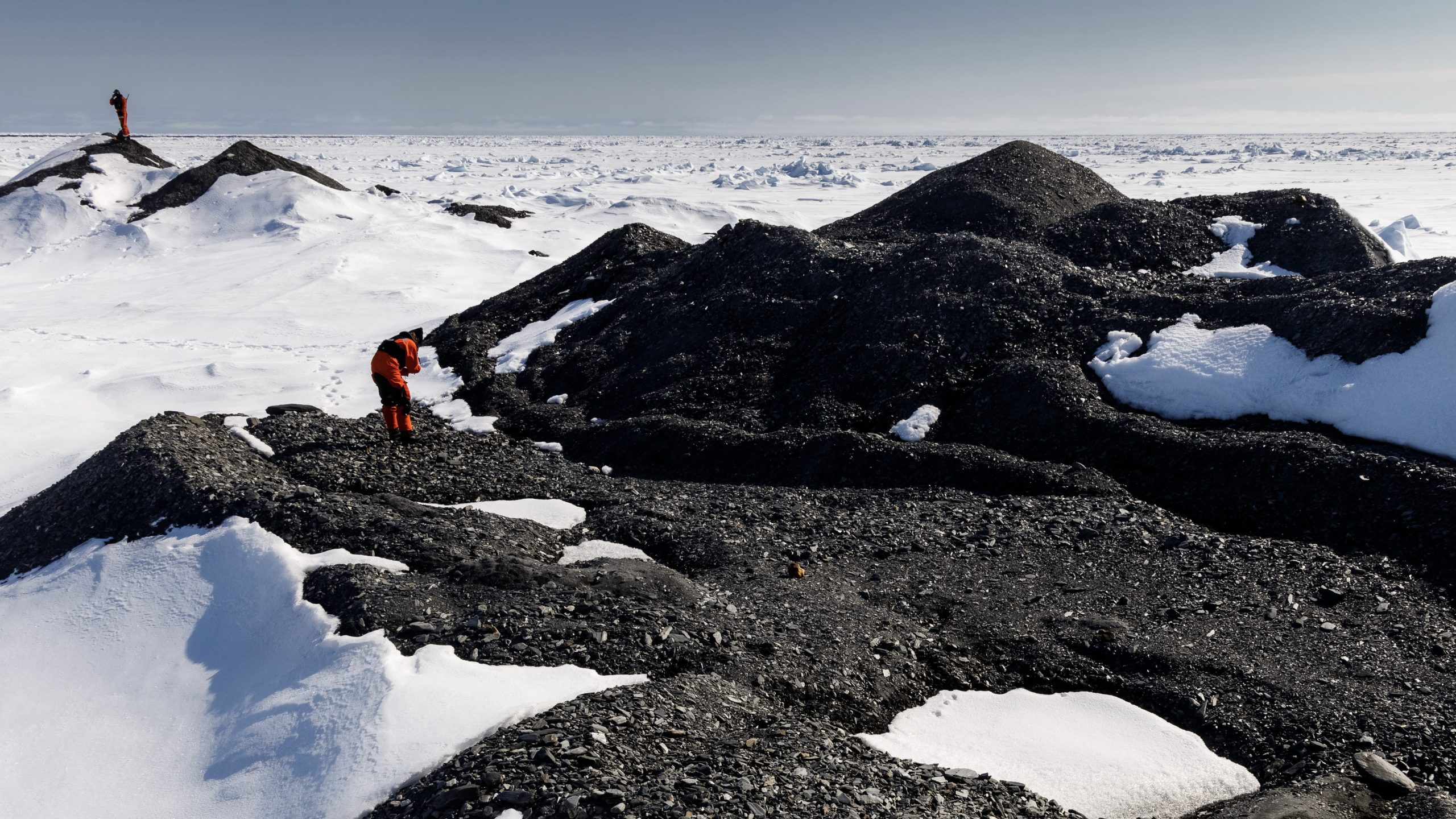
Stones rain down from the melting icebergs, forming new hard-substrate habitats for marine life on the soft seafloor.
Read MoreEpic Arctic Mission Ends
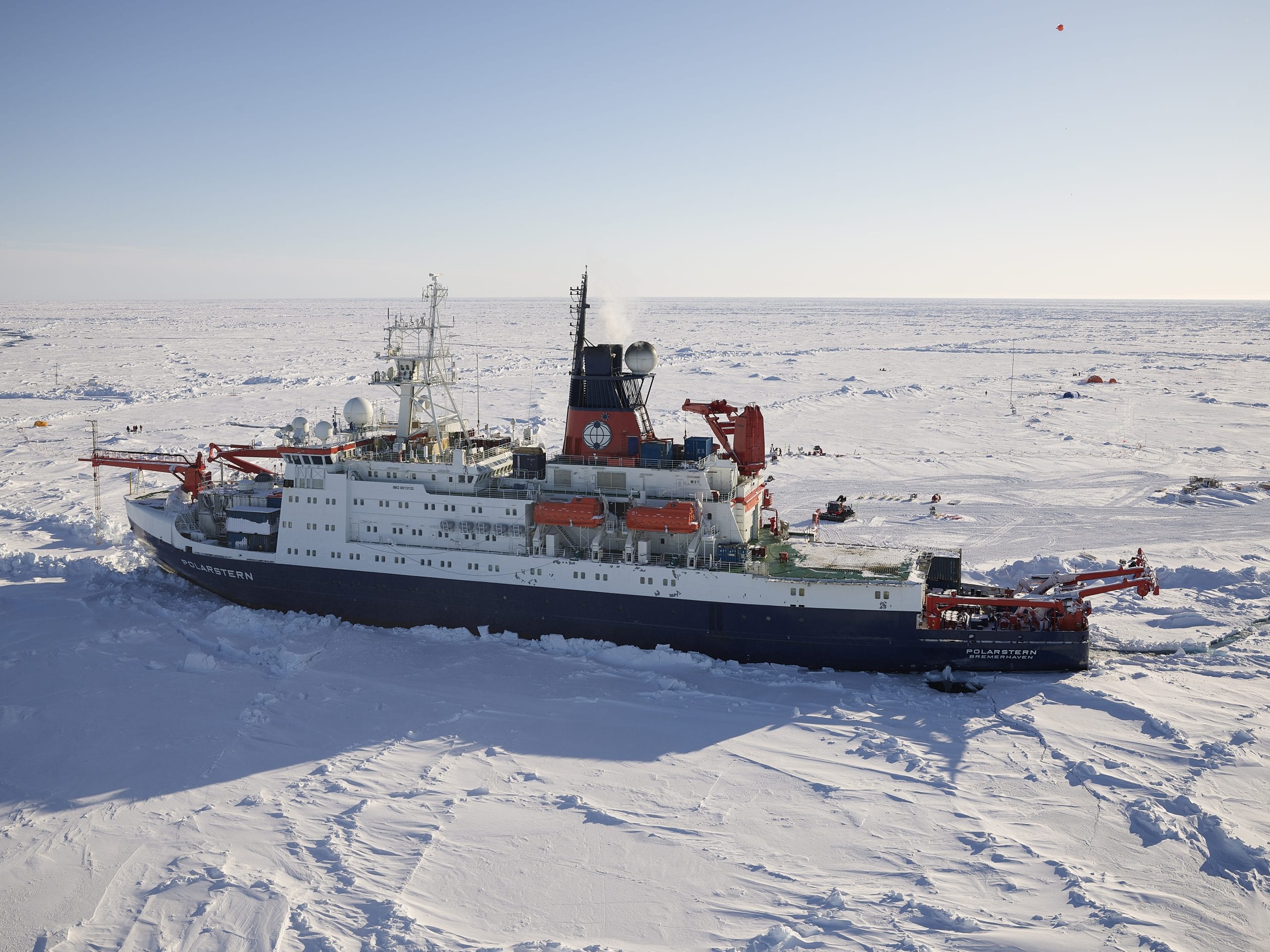
An epic mission ended as the German icebreaker Polarstern returned home Oct. 12, 2020, after being frozen near the top of the world for nearly a year to study all aspects of the Arctic system.
Read MoreEmperor Penguins’ First Journey to Sea
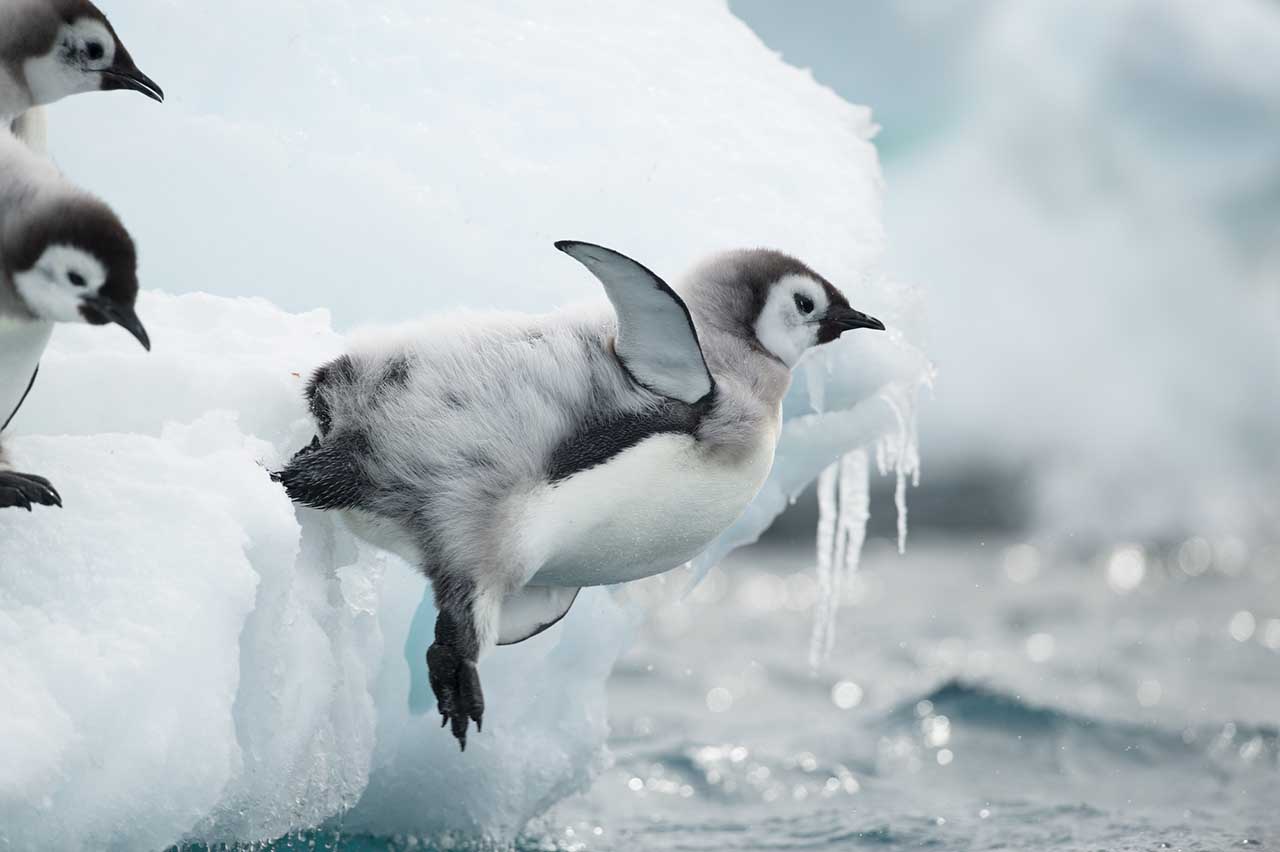
The paper, published Jan. 17, 2019, in the journal Marine Ecology Progress Series, also highlights the unique connection between juvenile diving behaviors and a layer of the ocean, known as the thermocline, where warmer surface waters meet cooler deep waters below and where their prey likely gather in groups.
Read MoreAre Emperor Penguins Eating Enough?
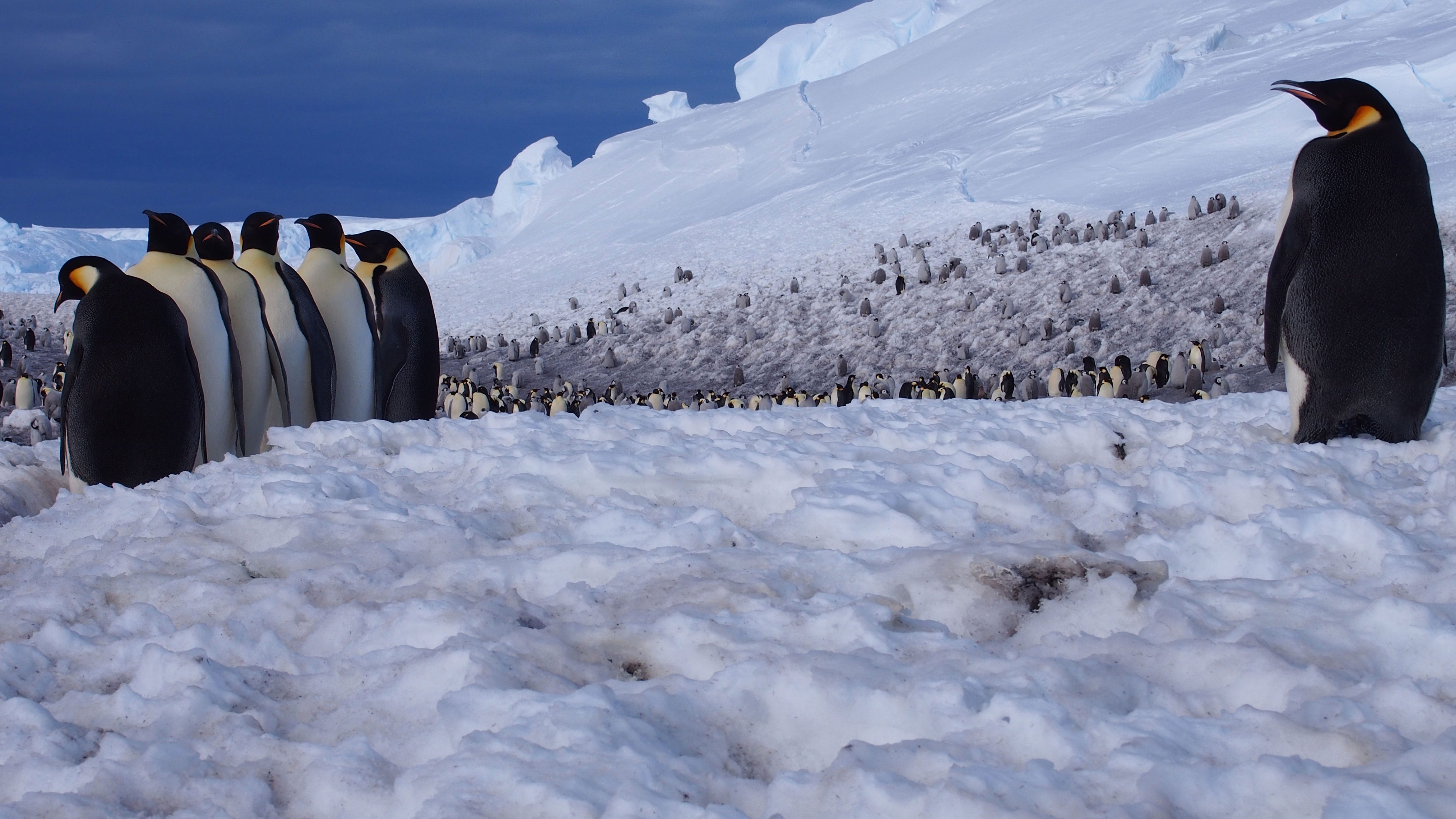
For Emperor penguins waddling around a warming Antarctic, diminishing sea ice means less fish to eat. How the diets of these tuxedoed birds will hold up in the face of…
Read MoreMonitoring Bacteria on Whale Skin
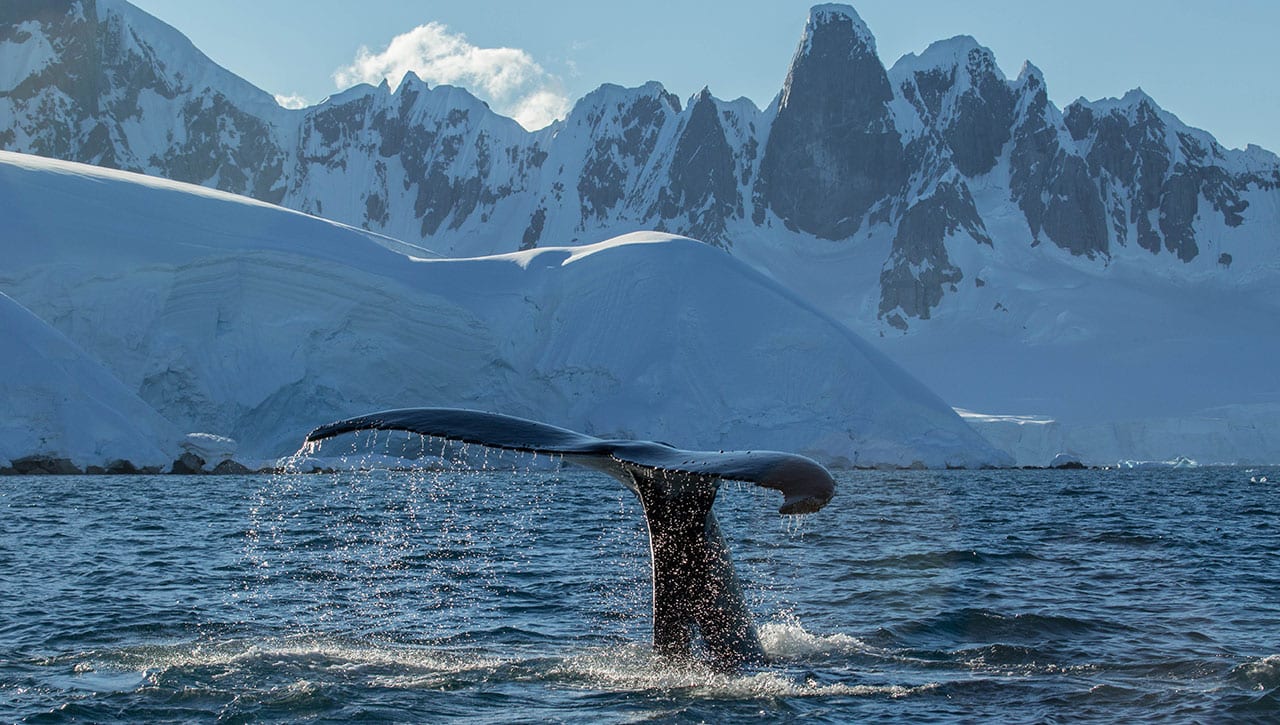
Just like with humans, the skin on marine mammals serves as an important line of defense against pathogens in their environment. A new study sheds light on the skin microbiome – a group of microorganisms that live on skin – in healthy humpback whales, which could aid in future efforts to monitor their health.
Read MoreNereid Under Ice Vehicle: A Powerful New Tool for Polar Science
Scientists studying the harsh and rapidly changing Arctic environment now have a valuable new tool to advance their work—an innovative robot, designed and built at the Woods Hole Oceanographic Institution (WHOI) that is changing the way scientists can interact with and observe the polar environment.
Read MoreMelting Sea Ice Threatens Emperor Penguins, Study Finds
At nearly four feet tall, the Emperor penguin is Antarctica’s largest sea bird—and thanks to films like “March of the Penguins” and “Happy Feet,” it’s also one of the continent’s…
Read MoreWarming Climate Impacts Base of Food Web in Western Antarctic Peninsula
A paper published this week in Science shows for the first time that the warming climate is changing the numbers and composition of phytoplankton—the base of the food web—along the…
Read MoreEmperor Penguins March toward Extinction?
Popularized by the 2005 movie “March of the Penguins,” emperor penguins could be headed toward extinction in at least part of their range before the end of the century, according…
Read MorePolar Bear Population Likely to Become Extinct
Within the month, the U.S. government must decide whether to list the polar bear as an endangered species. The question is: will such a declaration be too late because of…
Read MoreRapid Sea Level Rise in the Arctic Ocean May Alter Views of Human Migration
Scientists have found new evidence that the Bering Strait near Alaska flooded into the Arctic Ocean about 11,000 years ago, about 1,000 years earlier than widely believed, closing off the…
Read MoreWalrus Calves Stranded by Melting Sea Ice
Scientists have reported an unprecedented number of unaccompanied and possibly abandoned walrus calves in the Arctic Ocean, where melting sea ice may be forcing mothers to abandon their pups as…
Read More