
News Releases
WHOI’s Ken Buesseler named Geochemistry Fellow
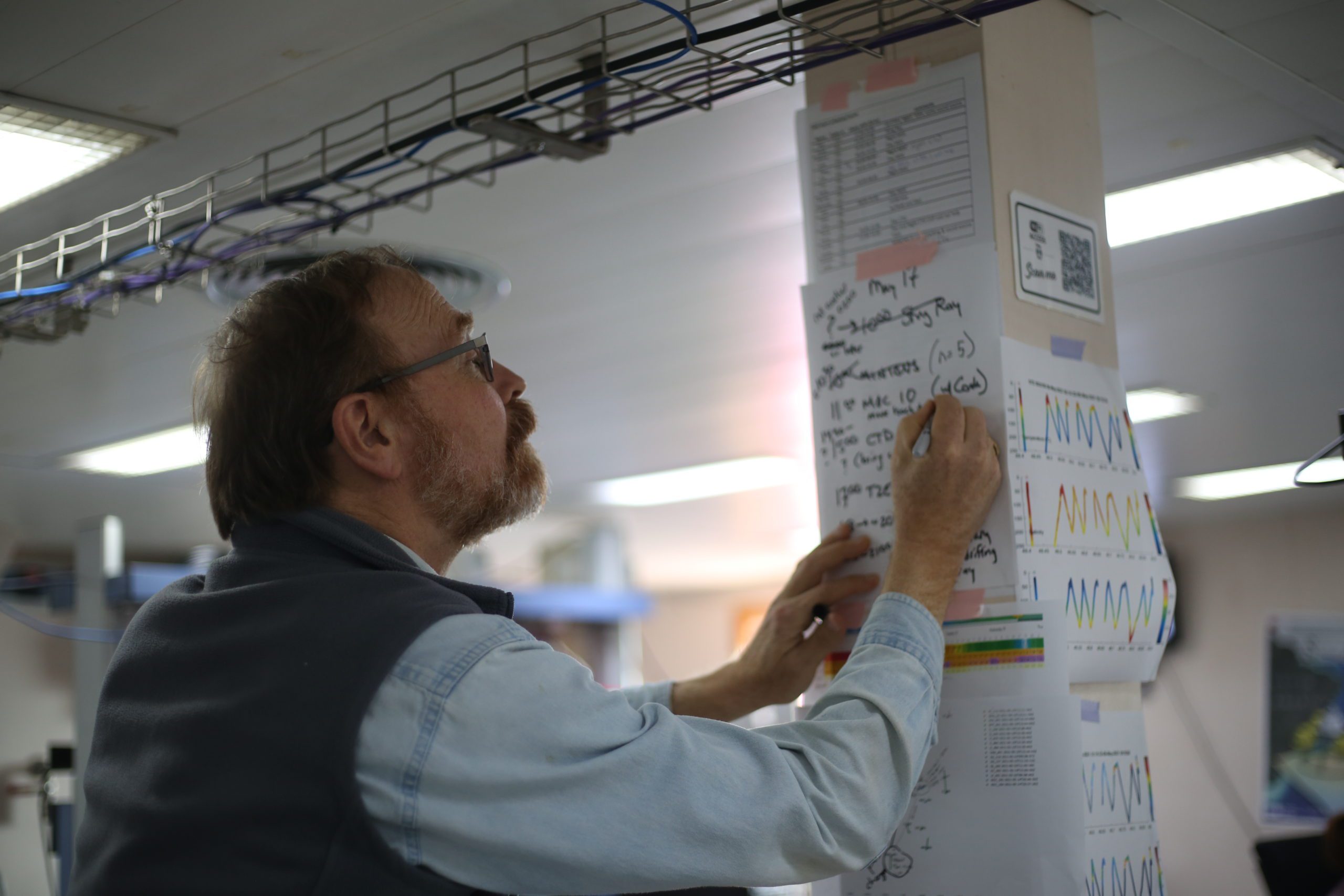
Dr. Ken Buesseler has been selected as a Geochemistry Fellow by the Geochemical Society and the European Association of Geochemistry.
Read MoreNew paper addresses the mix of contaminants in Fukushima wastewater
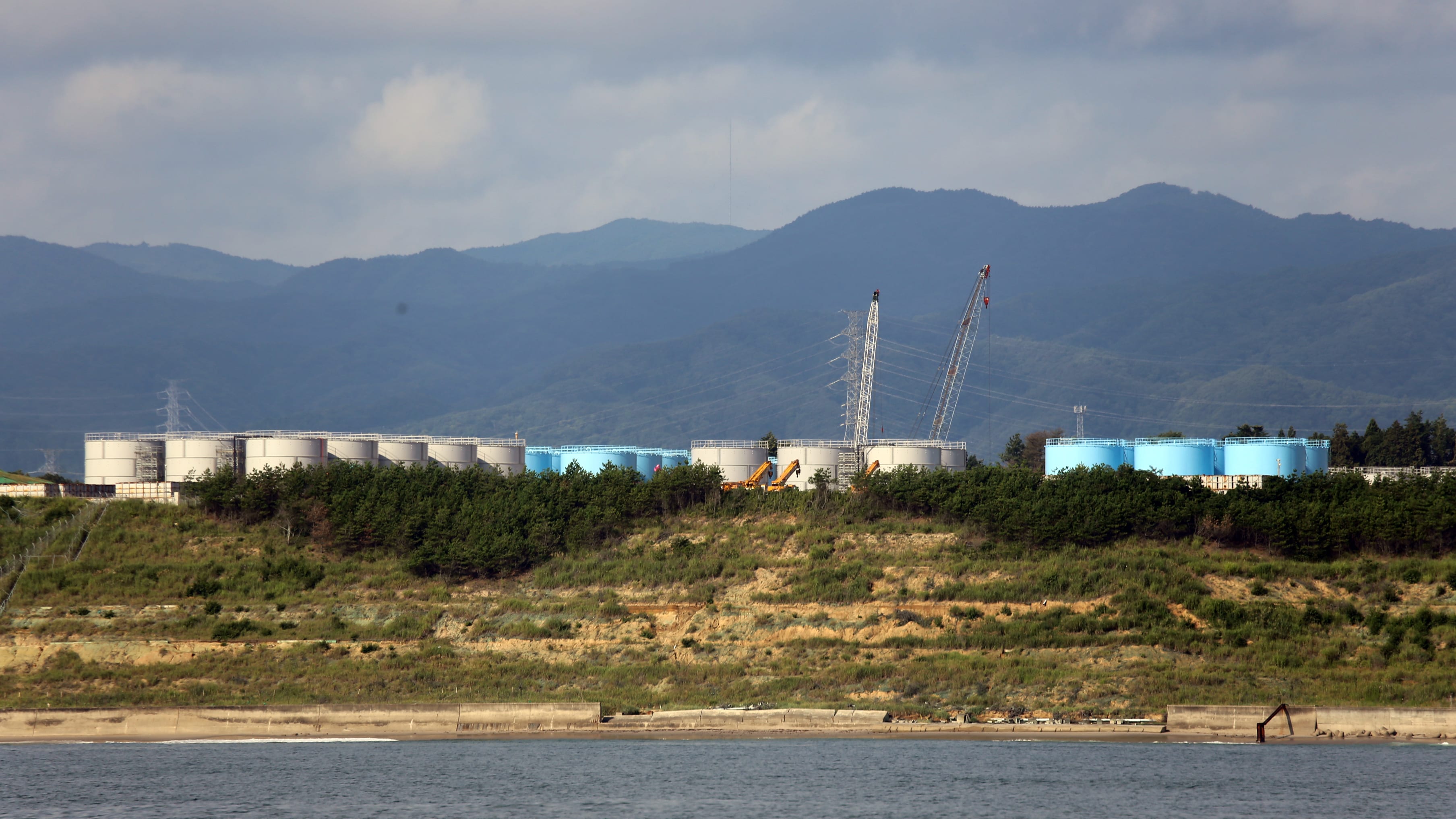
A new study in the journal Science addresses recent suggestions that treated wastewater from the Fukushima Dai-ichi Nuclear Power Plant should be dumped in the ocean.
Read MoreScientists Find New Source of Radioactivity from Fukushima Disaster
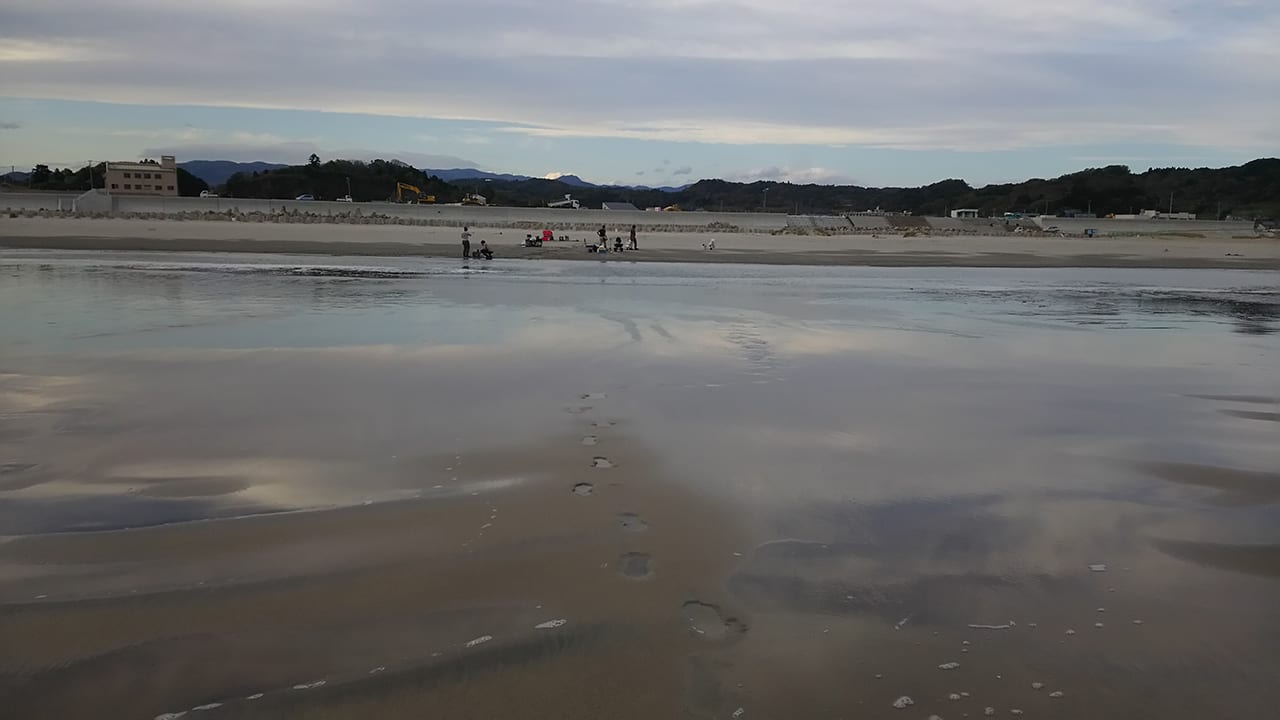
Scientists have found a previously unsuspected place where radioactive material from the Fukushima Dai-ichi nuclear power plant disaster has accumulated’in sands and brackish groundwater beneath beaches up to 60 miles away. The sands took up and retained radioactive cesium originating from the disaster in 2011 and have been slowly releasing it back to the ocean.
Read MoreFukushima Site Still Leaking After Five Years, Research Shows
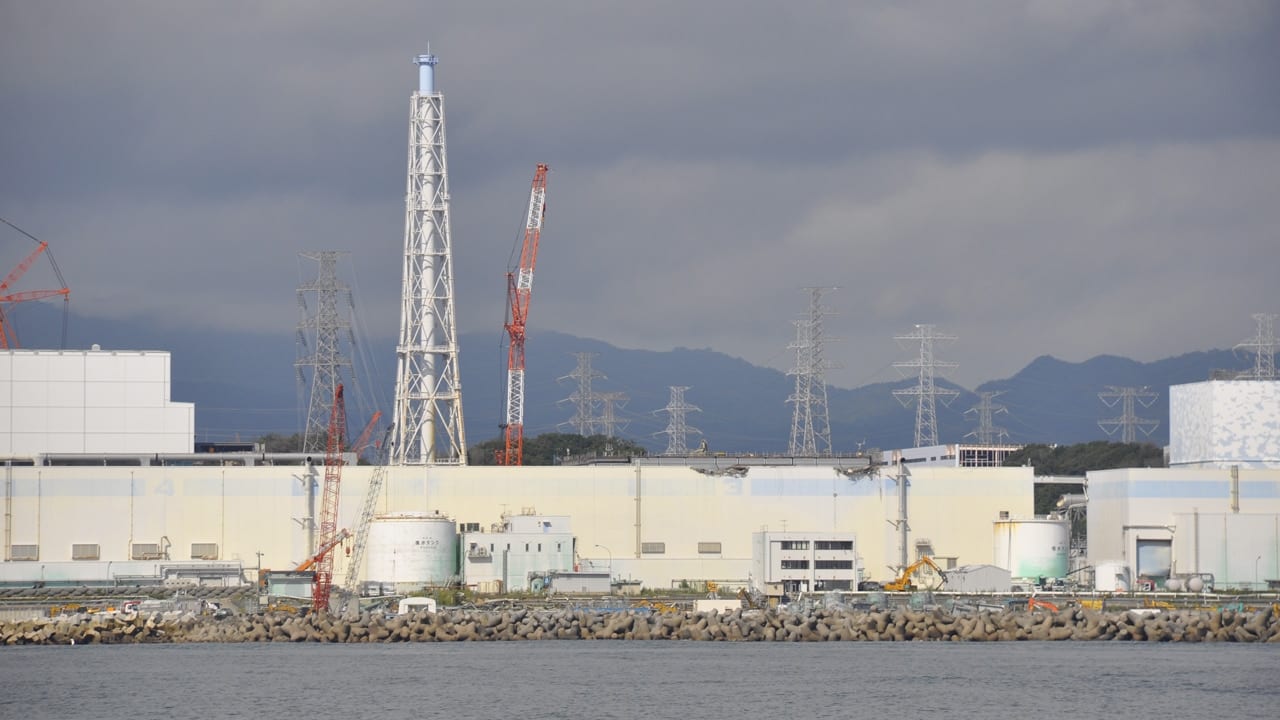
Five years after the Fukushima accident, scientific data about the levels of radioactivity in the ocean off our shores are available publicly thanks to ongoing efforts of independent researchers, including WHOI radiochemist Ken Buesseler, who has led the effort to create and maintain an ocean monitoring network along the U.S. West Coast.
Read MoreHigher Levels of Fukushima Cesium Detected Offshore
Scientists monitoring the spread of radiation in the ocean from the Fukushima nuclear accident report finding an increased number of contaminated sites off the US West Coast, along with the highest detection level to date, from a sample collected about 1,600 miles west of San Francisco. The level of cesium in the sample is 50 percent higher than other samples collected, but is still more than 500 times lower than US government safety limits for drinking water and well below limits of concern for direct exposure while swimming, boating, or other recreational activities.
Ken Buesseler, a marine radiochemist with the Woods Hole Oceanographic Institution (WHOI) and director of the WHOI Center for Marine and Environmental Radioactivity, was among the first to begin monitoring radiation in the Pacific, organizing a research expedition to the area just three months after the start of the ongoing accident. Through a citizen science sampling effort, Our Radioactive Ocean, as well as research funded by the National Science Foundation, Buesseler and his colleagues are using sophisticated sensors to measure minute levels of ocean-borne radioactivity from Fukushima. In 2015, they have added more than 50 new sample locations in the Pacific to the more than 200 previously collected and posted on the Our Radioactive Ocean web site.
Read MoreExamining the Fate of Fukushima Contaminants
An international research team reports results of a three-year study of sediment samples collected offshore from the Fukushima Daiichi Nuclear Power Plant in a new paper published August 18, 2015, in the American Chemical Society’s journal, Environmental Science and Technology. The research aids in understanding what happens to Fukushima contaminants after they are buried on the seafloor off coastal Japan.
Read MoreTrace Amounts of Fukushima Radioactivity Detected Along Shoreline of British Columbia
Scientists at the Woods Hole Oceanographic Institution (WHOI) have for the first time detected the presence of small amounts of radioactivity from the 2011 Fukushima Dai-ichi Nuclear Power Plant accident in a seawater sample from the shoreline of North America. The sample, which was collected on February 19 in Ucluelet, British Columbia, with the assistance of the Ucluelet Aquarium, contained trace amounts of cesium (Cs) -134 and -137, well below internationally established levels of concern to humans and marine life.
Read MoreNew Museum Program Focuses on Impacts of Fukushima on the Ocean
Four years after the Fukushima Dai-ichi nuclear power plant accident, Japan is still recovering and rebuilding from the disaster. In March 2011 one of the largest earthquakes ever recorded shook Japan, creating a devastating tsunami and damaging the Fukushima Dai-ichi nuclear power plant. The accident resulted in the largest unintentional release of radioactivity into the ocean in history.
On the fourth anniversary of the disaster, Woods Hole Oceanographic Institution (WHOI) and the Long Beach, CA-based Aquarium of the Pacific will debut a new program about ocean radioactivity motivated by the Fukushima nuclear accident. The program will be projected daily in the Aquarium’s Ocean Science Center on the National Oceanic and Atmospheric Administration’s (NOAA) Science on a Sphere® and will be made available to more than 100 institutions around the world through NOAA’s SOS Network with a capacity to reach over 50 million combined visitors.
Read MoreFukushima Radioactivity Detected Off West Coast
Monitoring efforts along the Pacific Coast of the U.S. and Canada have detected the presence of small amounts of radioactivity from the 2011 Fukushima Dai-ichi Nuclear Power Plant accident 100 miles (150 km) due west of Eureka, California. Scientists at the Woods Hole Oceanographic Institution (WHOI) found the trace amounts of telltale radioactive compounds as part of their ongoing monitoring of natural and human sources of radioactivity in the ocean.
Read MoreRadioactive Ocean Website a Success
With concern among the public over the plume of radioactive ocean water from Fukushima arriving on the West Coast of North America and no U.S. government or international plan to…
Read MoreHow Radioactive is Our Ocean?
Woods Hole Oceanographic Institution (WHOI) marine chemist Ken Buesseler began sampling and analyzing seawater surrounding the Fukushima Dai-ichi nuclear power plant three months after the 2011 disaster. Today, he launched…
Read MoreFishing for Answers off Fukushima
Japan’s “triple disaster,” as it has become known, began on March 11, 2011, and remains unprecedented in its scope and complexity. To understand the lingering effects and potential public health…
Read MoreSampling the Pacific for Signs of Fukushima
An international research team is reporting the results of a research cruise they organized to study the amount, spread, and impacts of radiation released into the ocean from the tsunami-crippled…
Read MoreResearchers Assess Radioactivity Released to the Ocean from the Fukushima Dai-Ichi Nuclear Power Facility
The impact on the ocean of releases of radioactivity from the Fukushima nuclear power plants remains unclear. But a new study by U.S. and Japanese researchers analyzes the levels of radioactivity discharged from the facility in the first four months after the accident and draws some basic conclusions about the history of contaminant releases to the ocean.
Read MoreJapan Earthquake Appears to Increase Quake Risk Elsewhere in the Country
JapanÃÂs recent magnitude 9.0 earthquake, which triggered a devastating tsunami, relieved stress along part of the quake fault but also has contributed to the build up of stress in other areas, putting some of the country at risk for up to years of sizeable aftershocks and perhaps new main shocks, scientists say.
Read MoreWHOI Experts Stress Lessons From Japan Earthquake
While JapanÃÂÃÂÃÂÃÂÃÂÃÂÃÂÃÂs 9.0-magnitude earthquake and accompanying tsunami represent a devastating natural disaster for the countryÃÂÃÂÃÂÃÂÃÂÃÂÃÂÃÂs residents, scientists should also seize upon the massive temblor as an important learning tool for future quakes around the world, including the Pacific Northwest coast of the United States, according to experts from the Woods Hole Oceanographic Institution (WHOI).
Read More