
News Releases
Bacteria hitching a ride on “marine snow” may slow the ocean’s carbon sink
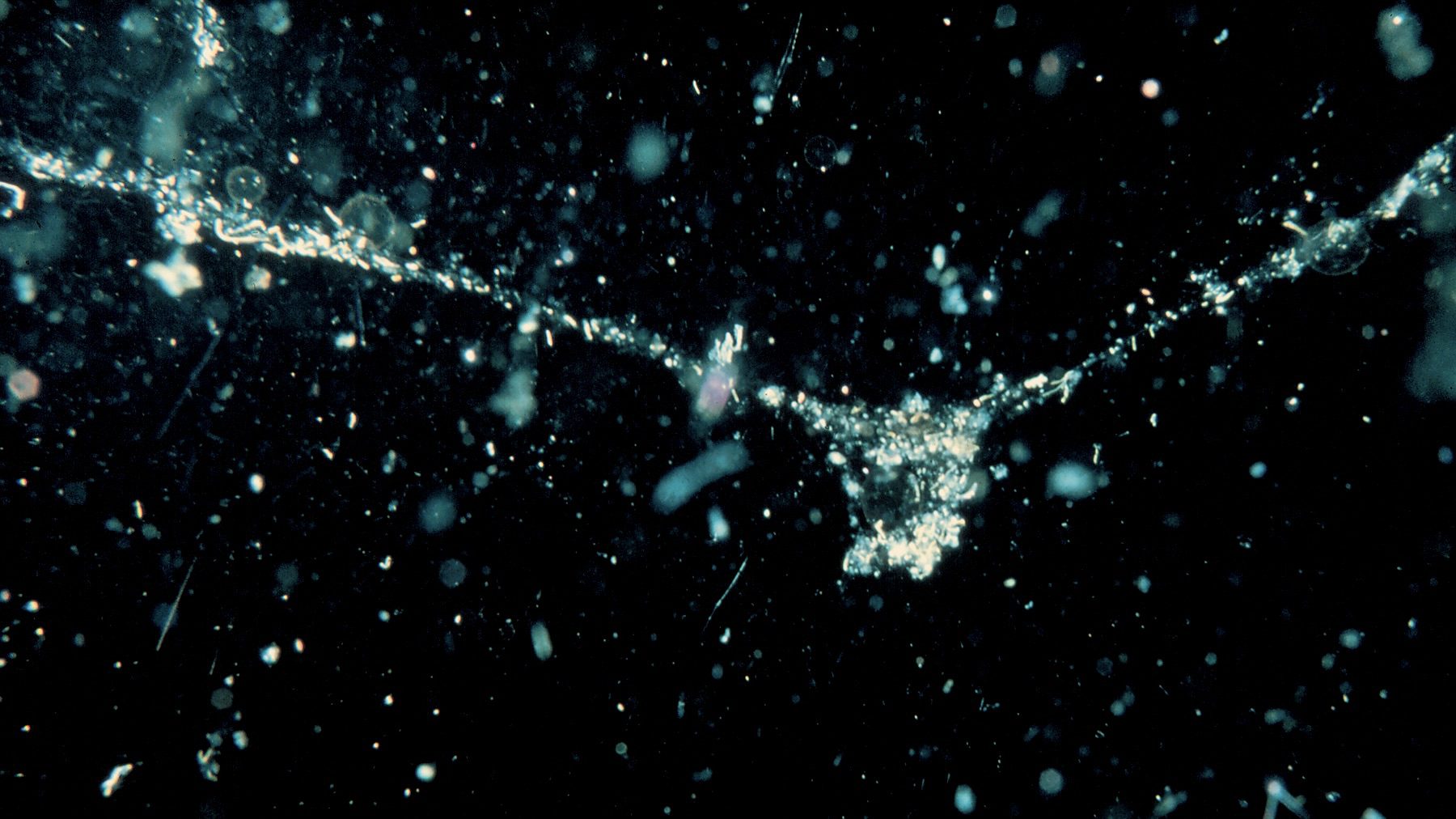
New study reveals how microbes dissolve calcium carbonate ballast, altering the ocean’s biological carbon pump
Read MoreWHOI selected by NASA to investigate ocean worlds and their organic carbon cycles
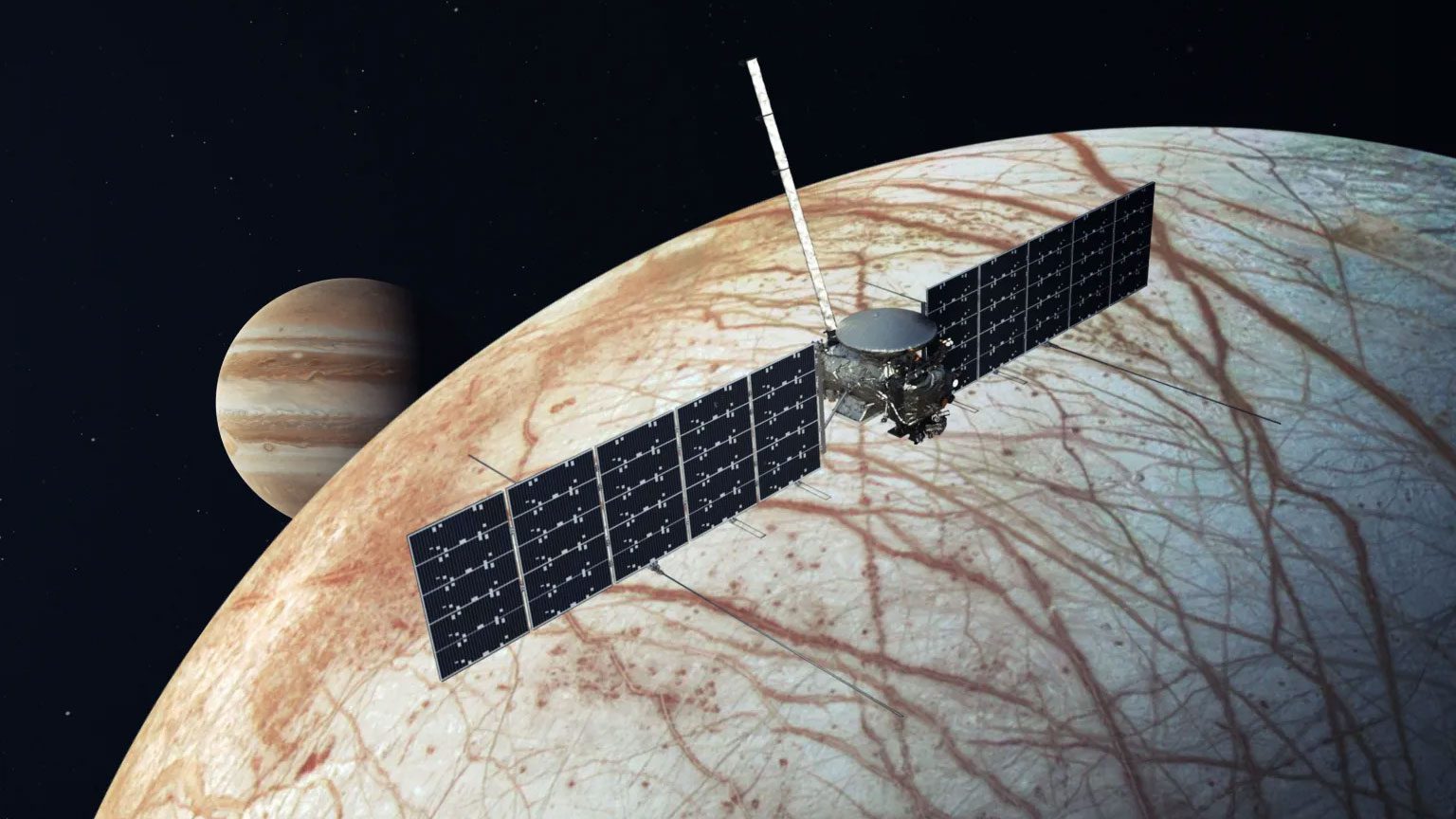
The Investigating Ocean Worlds project will seek to improve the analysis of data related to carbon-rich molecules that could be an indicator of biological activity.
Read MoreMicrobe Dietary Preferences Influence the Effectiveness of Carbon Sequestration in the Deep Ocean
A series of seemingly small processes helps carry carbon dioxide from the ocean’s surface to the deep sea, where it can be stored away for decades.
Read MoreVitamin B12 adaptability in Antarctic algae has implications for climate change
Woods Hole, Mass. — Vitamin B12 deficiency in people can cause a slew of health problems and even become fatal. Until now, the same deficiencies were thought to impact certain…
Read MoreWhere Did Earth’s Water Come From? Not Melted Meteorites, According to Scientists
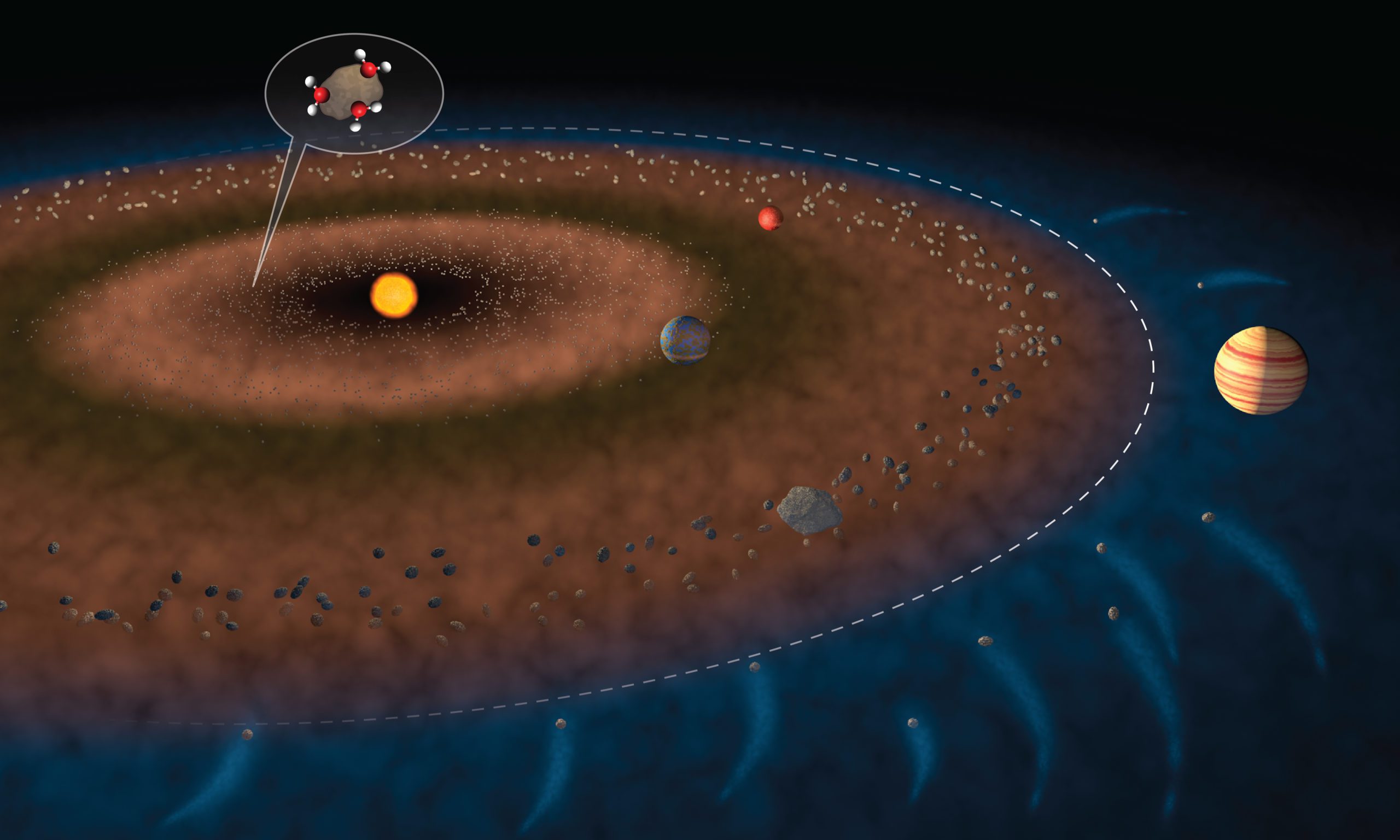
WHOI is part of a collaborative study, offering new insight into the extraterrestrial origins of our lakes, rivers and oceans
Read MoreReview Evaluates the Evidence for an Intensifying Indian Ocean Water Cycle
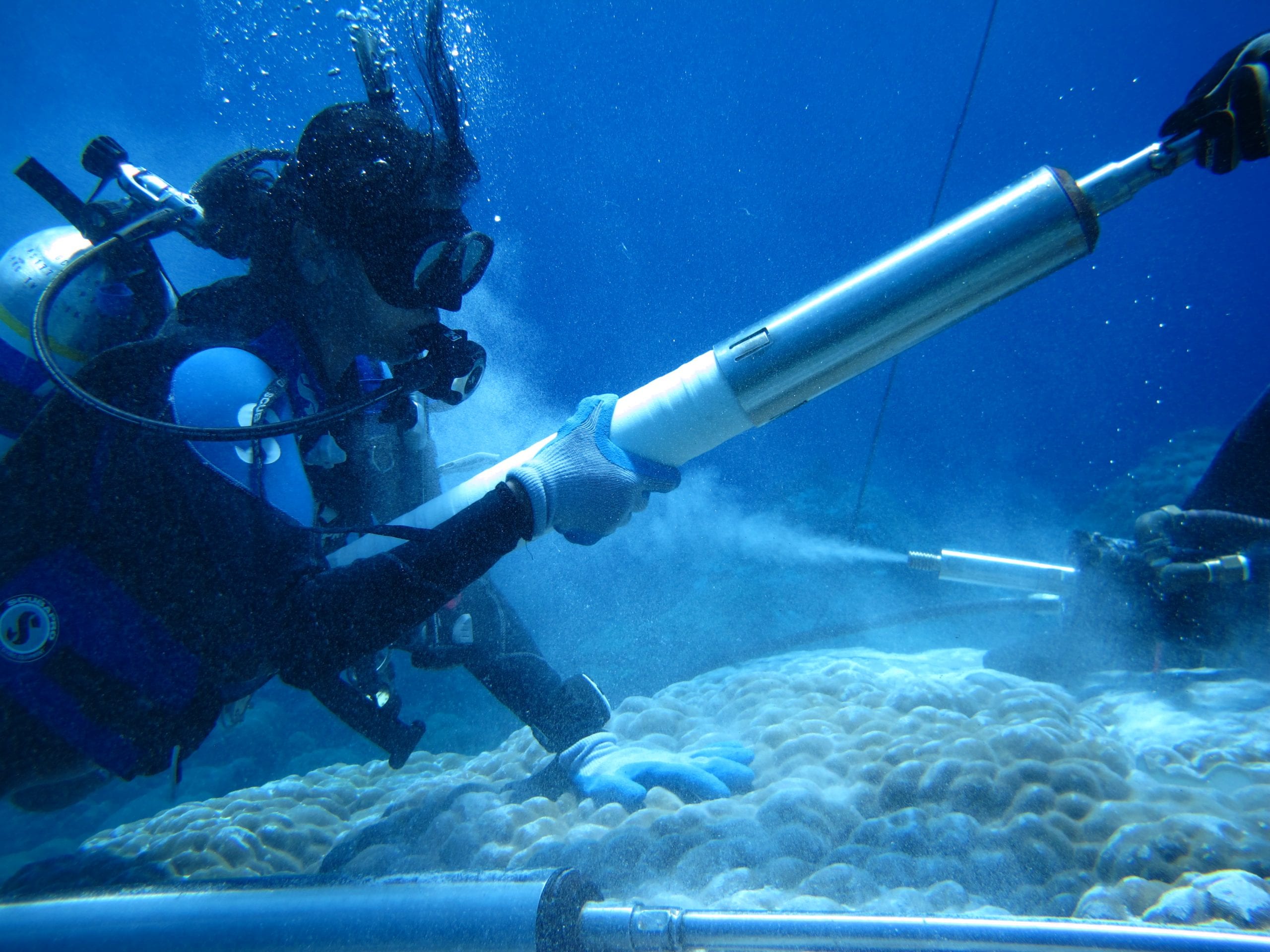
Report Calls for Better Integration of Observations, Models, and Paleo Proxies The Indian Ocean has been warming much more than other ocean basins over the last 50-60 years. While temperature…
Read MorePlate Tectonics Fuels a Vast Underground Ecosystem
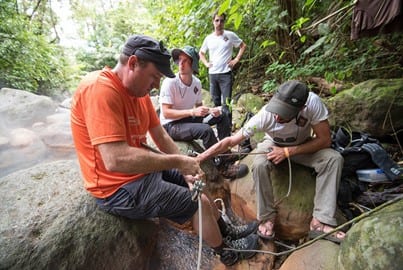
The subsurface is among Earth’s largest biomes, but the extent to which microbial communities vary across tectonic plate boundaries or interact with subduction-scale geological processes remains unknown. In a recently published study, scientists compare bacterial community composition with deep-subsurface geochemistry from 21 hot springs across the Costa Rican convergent margin.
Read MoreThe $500 billion question: what’s the value of studying the ocean’s biological carbon pump?
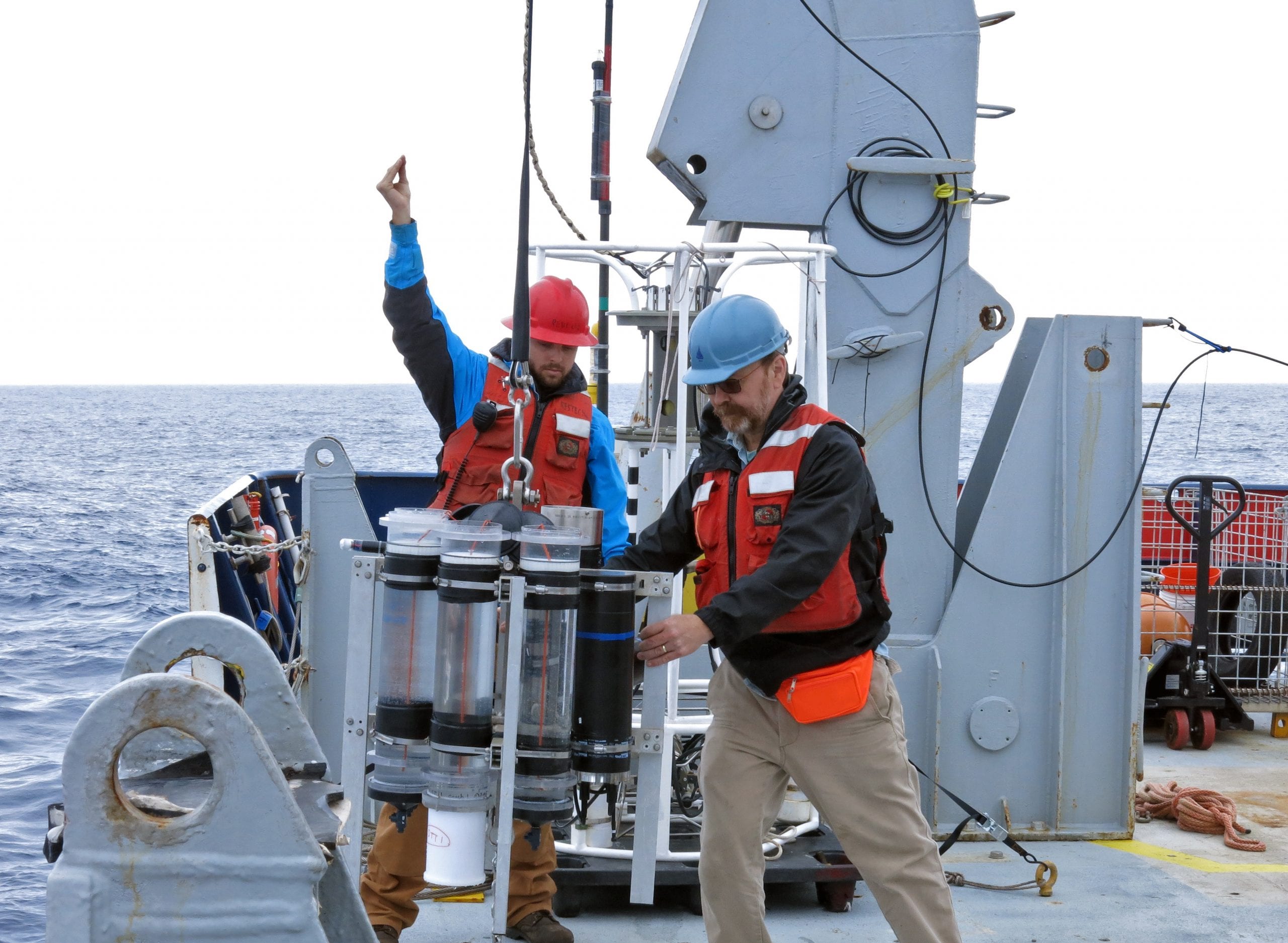
A new study puts an economic value on the benefit of research to improve knowledge of the biological carbon pump and reduce the uncertainty of ocean carbon sequestration estimates.
Read MoreA rapidly changing Arctic
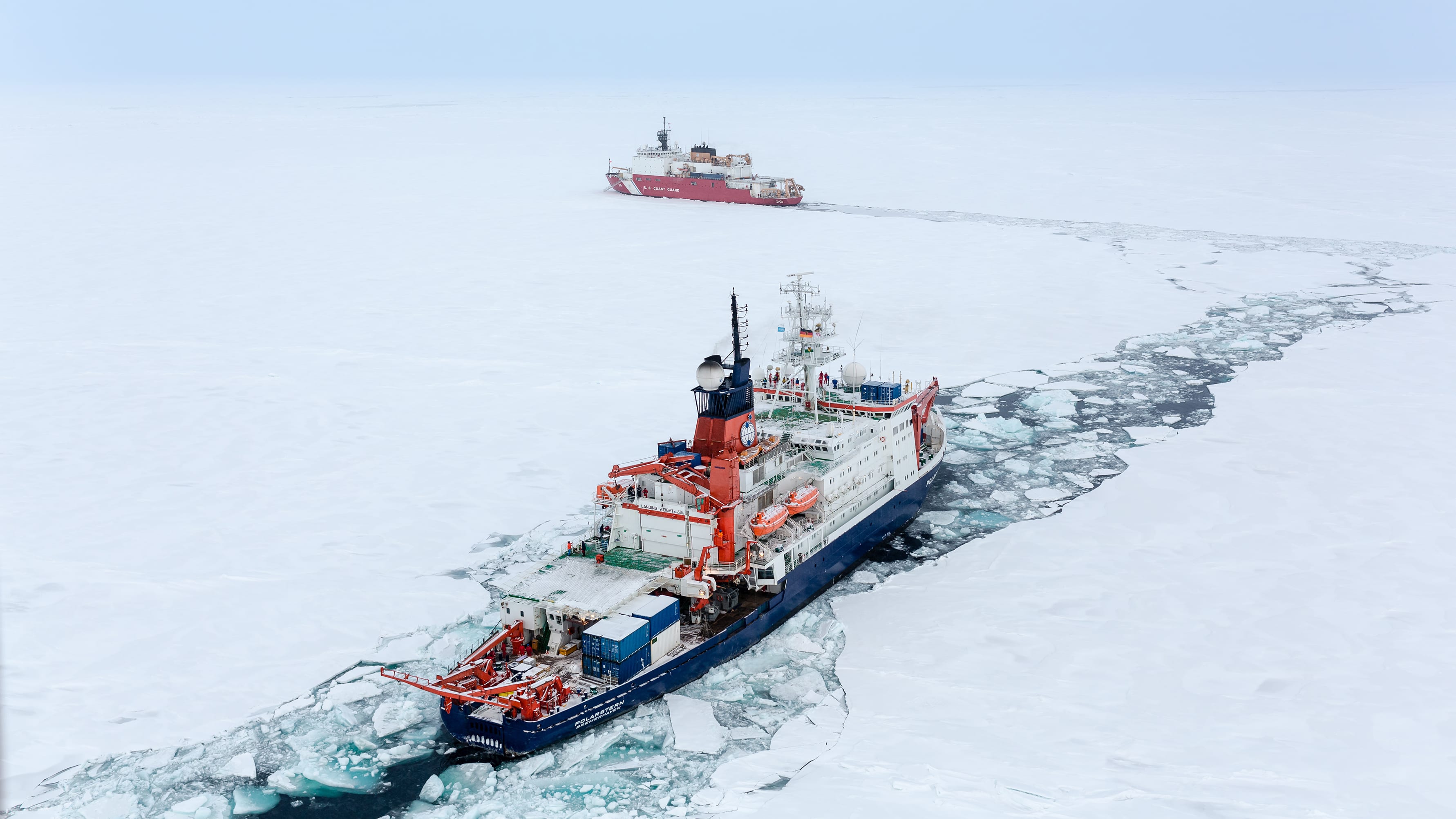
A new study by researchers at Woods Hole Oceanographic Institution (WHOI) and their international colleagues found that freshwater runoff from rivers and continental shelf sediments are bringing significant quantities of carbon and trace elements into parts of the Arctic Ocean via the Transpolar Drift—a major surface current that moves water from Siberia across the North Pole to the North Atlantic Ocean.
Read MoreThe ocean’s ‘biological pump’ captures more carbon than expected
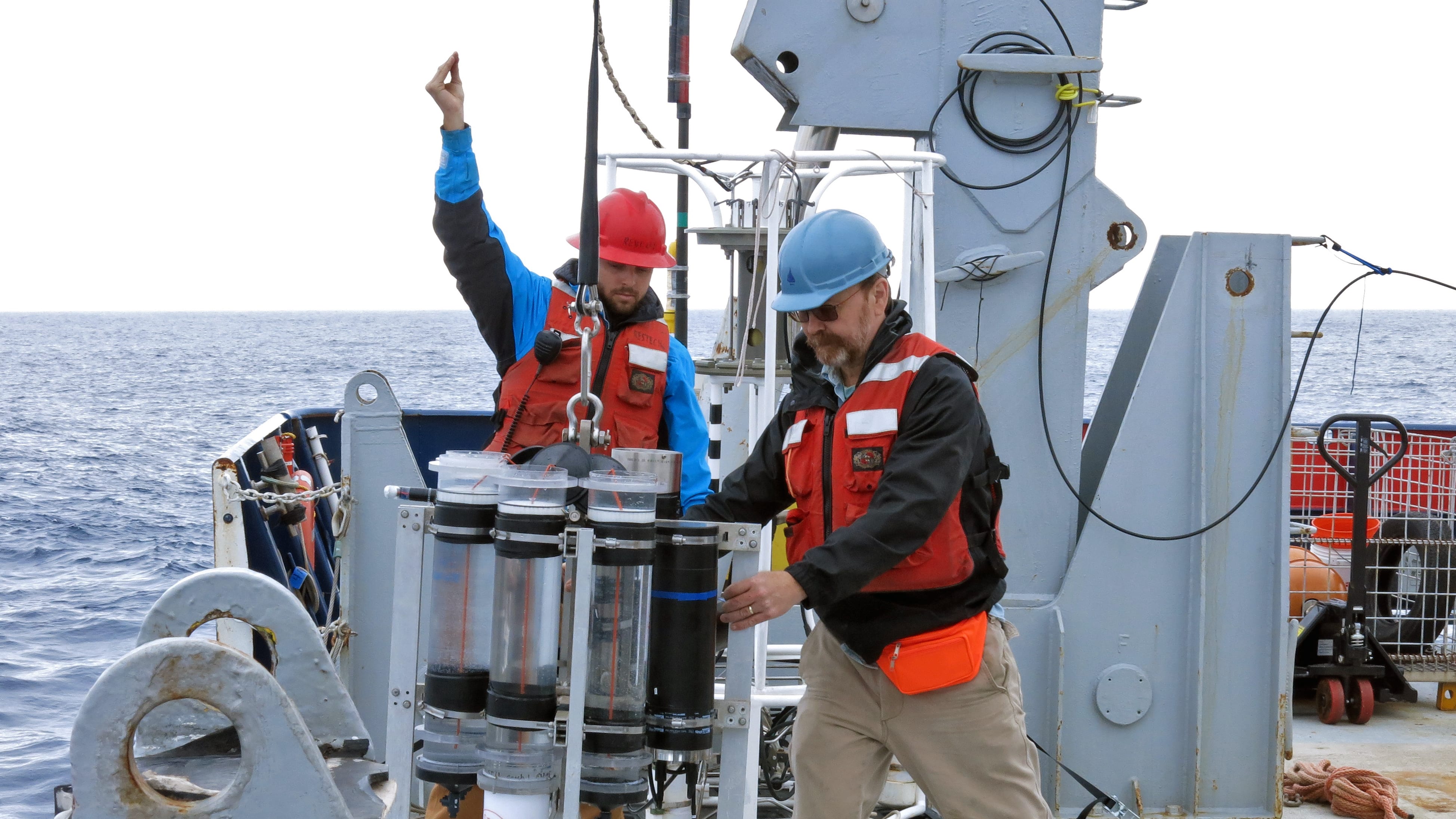
Scientists have long known that the ocean plays an essential role in capturing carbon from the atmosphere, but a new study from Woods Hole Oceanographic Institution (WHOI) shows that the efficiency of the ocean’s “biological carbon pump” has been drastically underestimated, with implications for future climate assessments.
Read MoreIndian Ocean phenomenon spells climate trouble for Australia
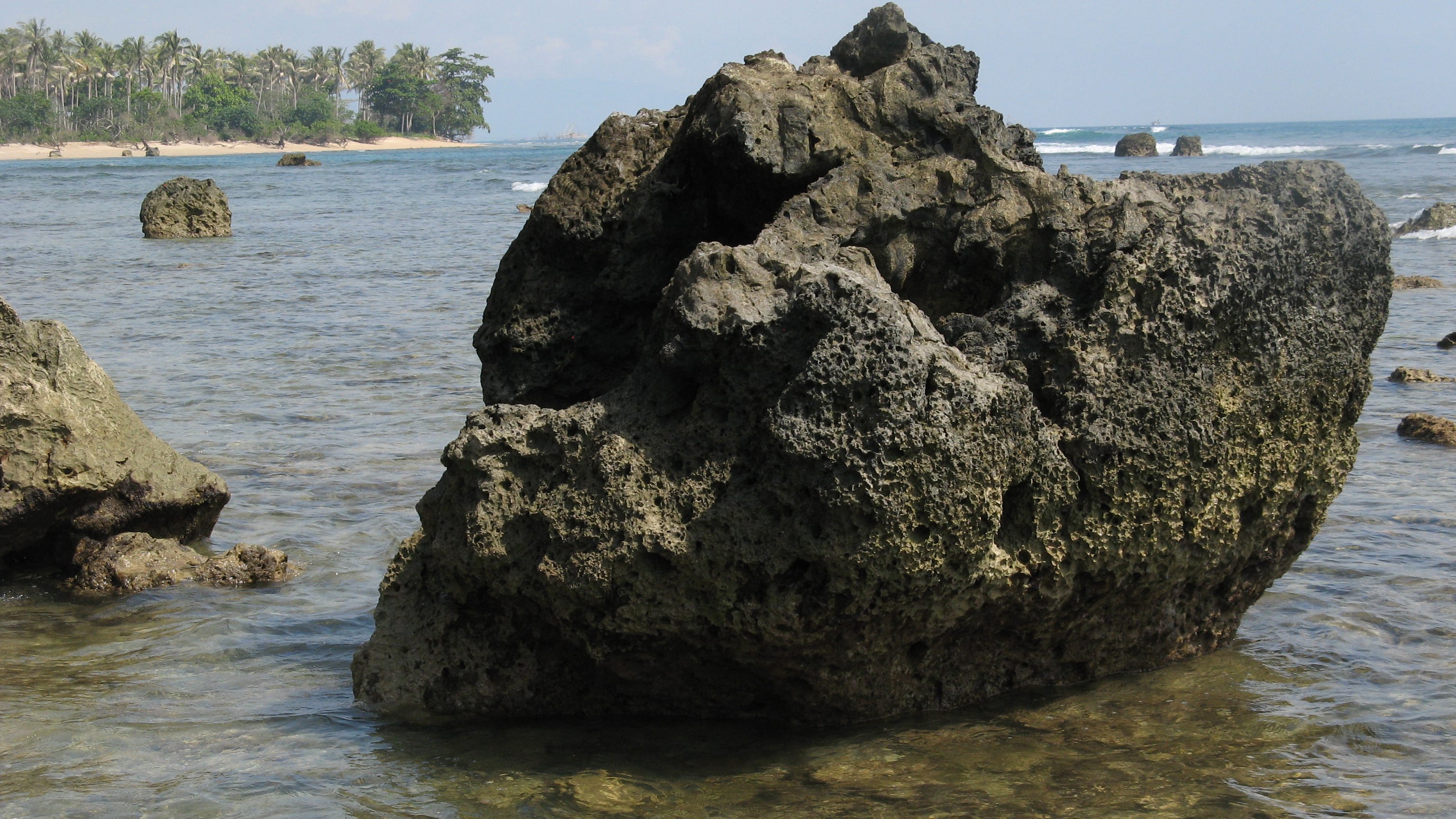
New international research by Woods Hole Oceanographic Institution (WHOI) and colleagues has found a marked change in the Indian Ocean’s surface temperatures that puts southeast Australia on course for increasingly hot and dry conditions.
Read MoreReport reveals ‘unseen’ human benefits from ocean twilight zone
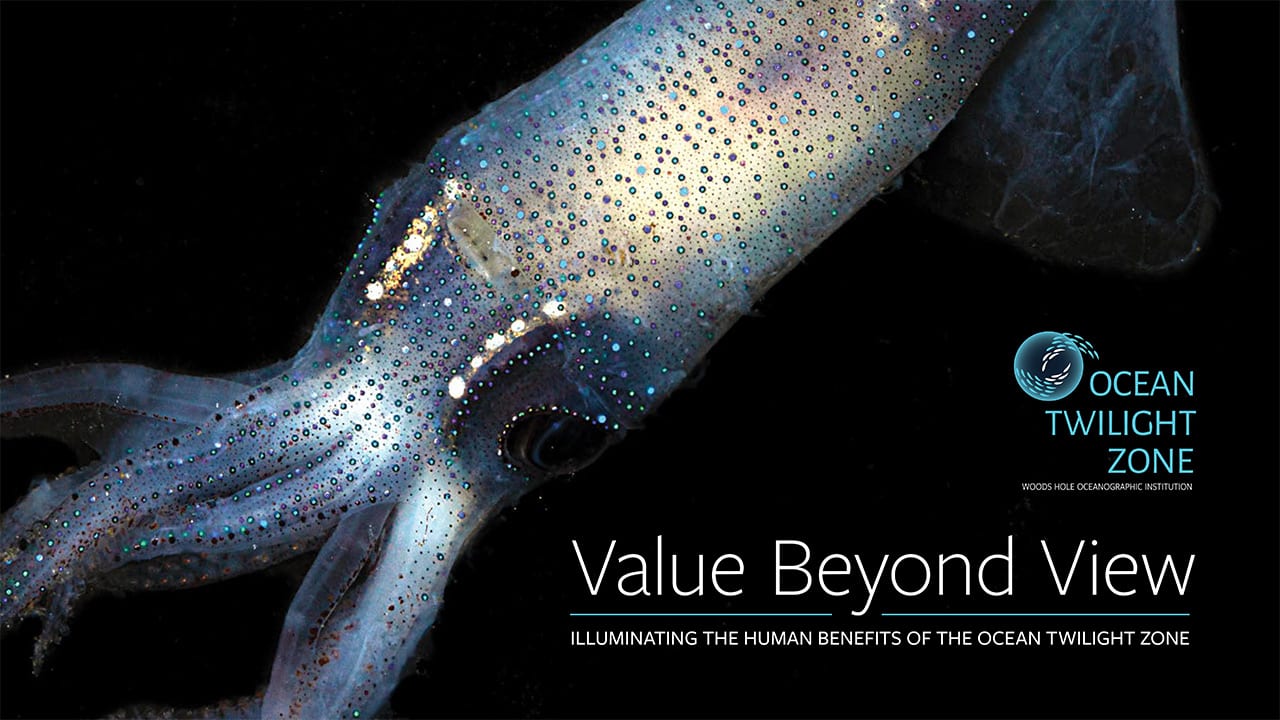
A new report from researchers at Woods Hole Oceanographic Institution (WHOI) reveals for the first time the unseen—and somewhat surprising—benefits that people receive from the ocean’s twilight zone. Also known as the “mesopelagic,” this is the ocean layer just beyond the sunlit surface.
Read MoreOrganic Carbon Hides in Sediments, Keeping Oxygen in Atmosphere
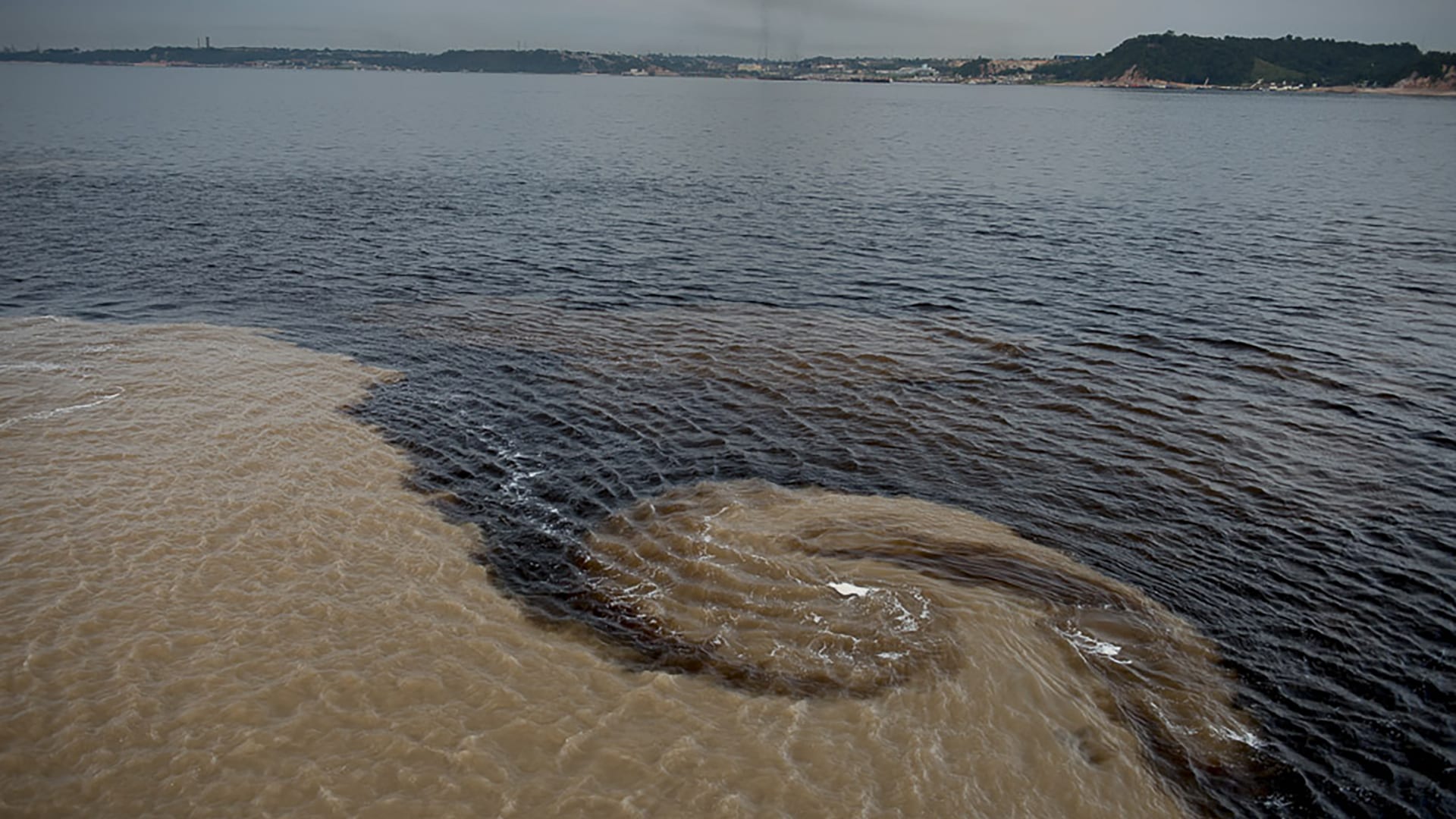
A new study from researchers at the Woods Hole Oceanographic Institution (WHOI) and Harvard University may help settle a long-standing question—how small amounts of organic carbon become locked away in…
Read MoreSalty Oceans Can Forecast Rain on Land
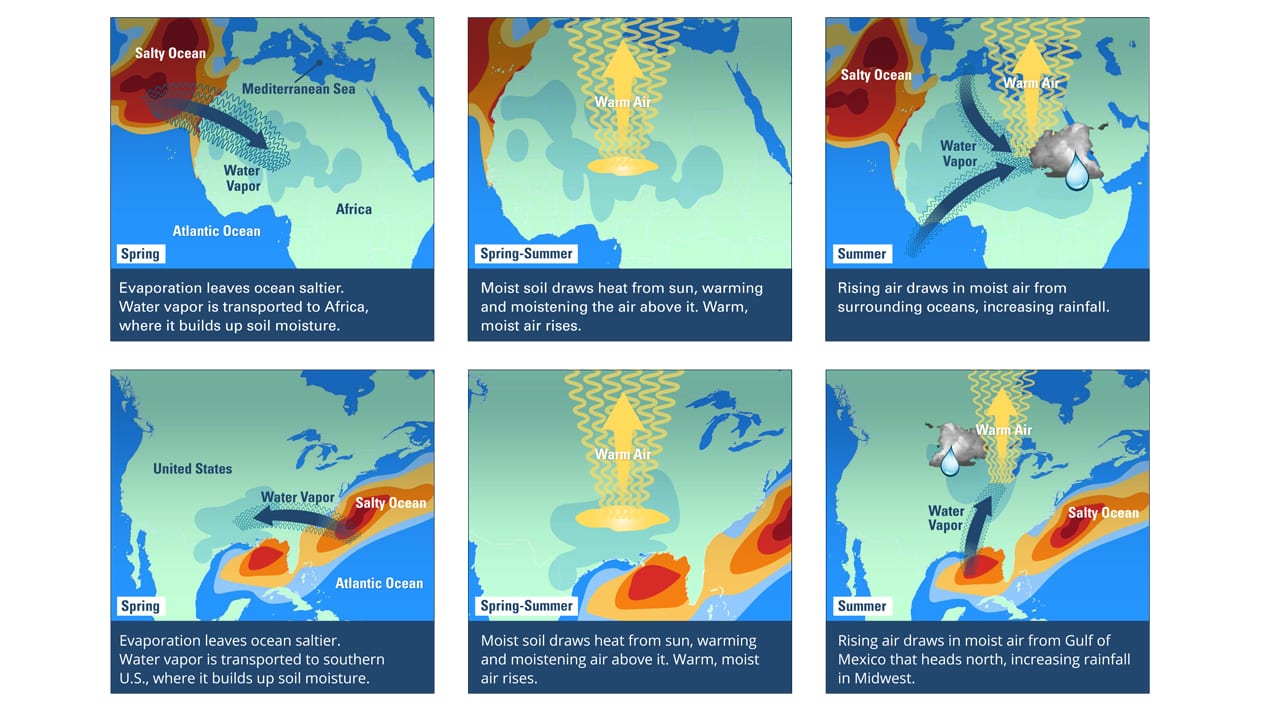
At this week’s American Geophysical Union meeting, a team of researchers from the Woods Hole Oceanographic Institution (WHOI) presented their latest research findings on the long-range predictions of rainfall on land. Their method is based on ocean salinity rather than sea surface temperatures, which has been the standard for decades.
Read MoreNew Study Explains Mysterious Source of Greenhouse Gas Methane in the Ocean
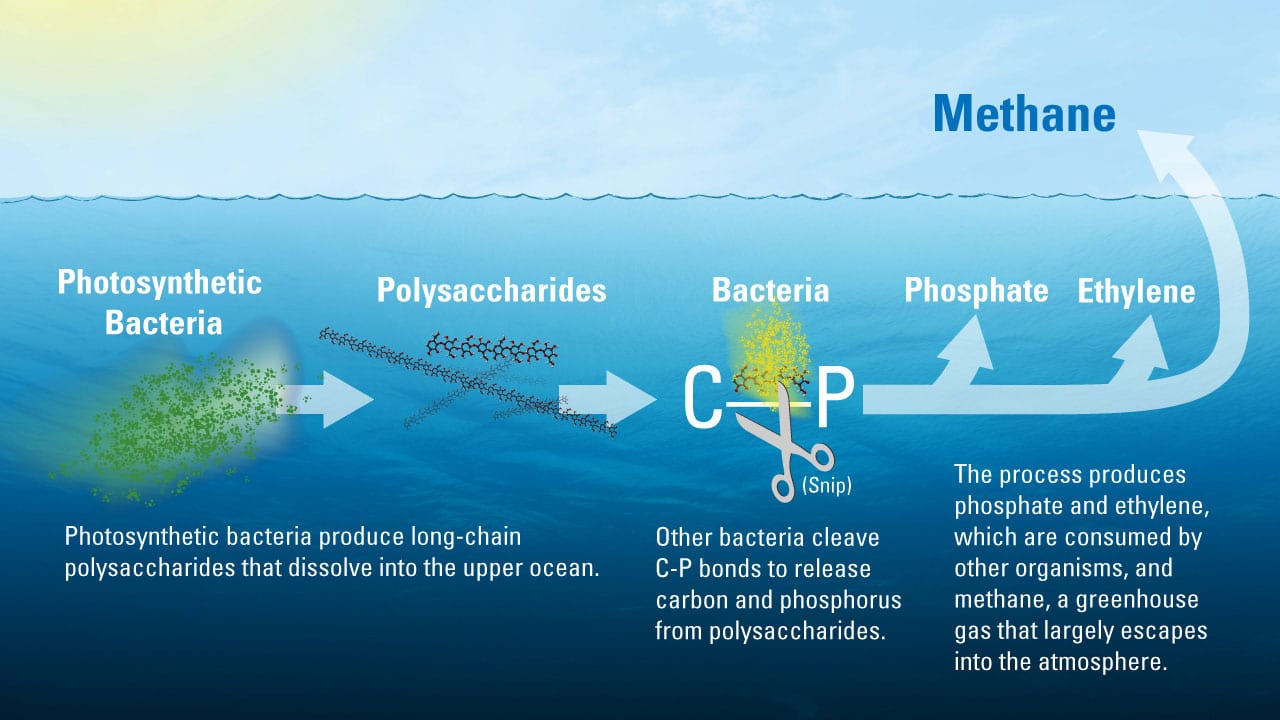
A new study may have cracked the longstanding ‘marine methane paradox,’ finding that the answer may lie in the complex ways that bacteria break down substances excreted into seawater by living organisms.
Read MoreStudy Offers Clues to Better Rainfall Predictions
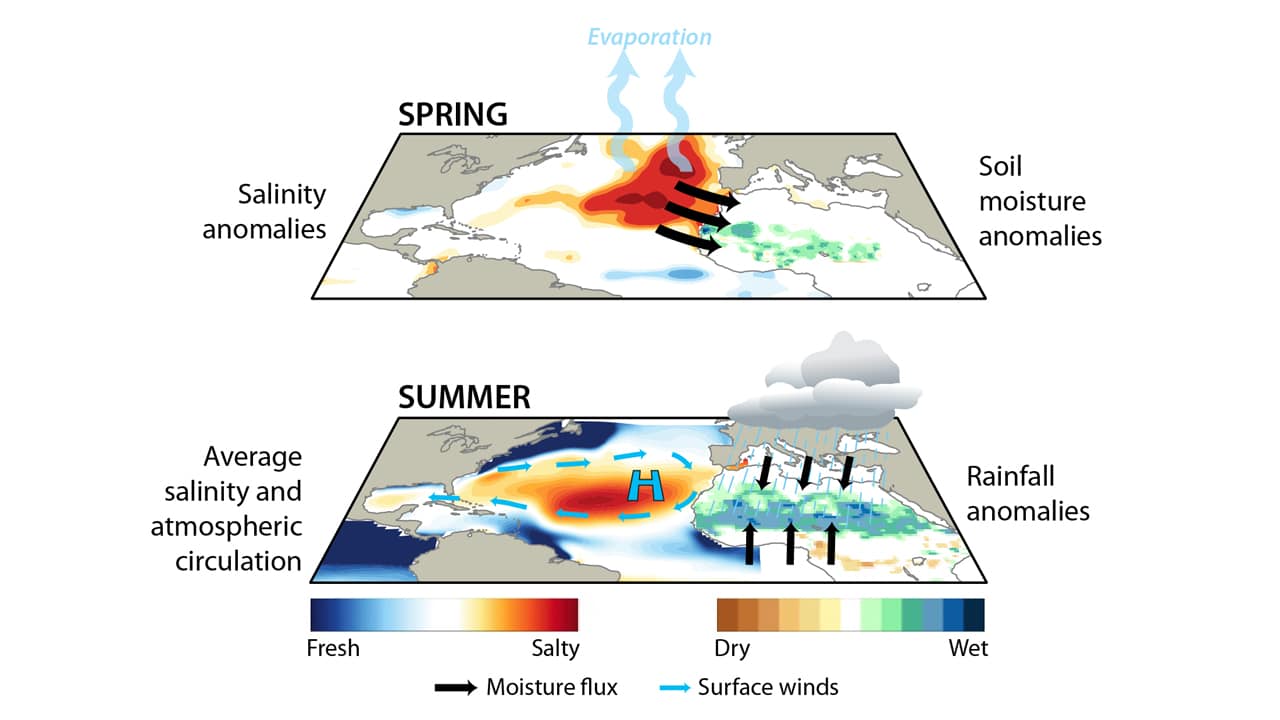
WHOI scientists have found a potential path to better seasonal rainfall predictions. Their study shows a clear link between higher sea surface salinity levels in the North Atlantic Ocean and increased rainfall on land in the West African Sahel, the area between the Sahara Desert and the savannah in Sudan.
Read MoreWarming Ocean Worsened Australia’s Fatal 2010/2011 Floods
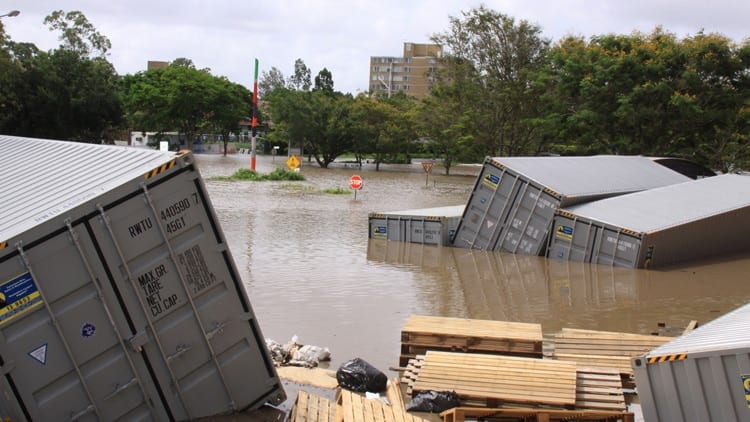
A study by a team of U.S. and Australian researchers shows that long-term warming of the Indian and Pacific oceans played an important role in increasing the severity of the devastating floods that struck Australia in 2010/2011. The study was published in Geophysical Research Letters.
Read MoreRiver Buries Permafrost Carbon at Sea
As temperatures rise, some of the carbon dioxide stored in Arctic permafrost meets an unexpected fate—burial at sea. As many as 2.2 million metric tons of carbon dioxide (CO2) per year are swept along by a single river system into Arctic Ocean sediment, according to a new study led by Woods Hole Oceanographic Institution (WHOI) researchers and published today in Nature. This process locks away the greenhouse gas and helps stabilize the earth’s CO2 levels over time, and it may help scientists better predict how natural carbon cycles will interplay with the surge of CO2 emissions due to human activities.
“The erosion of permafrost carbon is very significant,” says WHOI Associate Scientist Valier Galy, a co-author of the study. “Over thousands of years, this process is sequestering CO2 away from the atmosphere in a way that amounts to fairly large carbon stocks. If we can understand how this process works, we can predict how it will respond as the climate changes.”
Permafrost—the permanently frozen ground found in the Arctic and Antarctic and in some alpine regions—is known to hold billions of tons of organic material, including vast stores of CO2. Amid concerns about rising Arctic temperatures and their impact on permafrost, many researchers have directed their efforts to studying the permafrost carbon cycle—the processes through which the carbon circulates between the atmosphere, the soil and surface (the biosphere), and the sea. Yet how this cycle works and how it responds to the warming, changing climate remains poorly understood.
Galy and his colleagues from Durham University, the Institut de Physique du Globe de Paris, the NERC Radiocarbon Facility, Stockholm University, and the Universite Paris-Sud set out to characterize the carbon cycle in one particular piece of the Arctic landscape—northern Canada’s Mackenzie River, the largest river flowing into the Arctic Ocean from North America and that ocean’s greatest source of sediment. The researchers hypothesized that the Mackenzie’s muddy water might erode thawing permafrost along its path and wash that biosphere-derived material and the CO2 within it into the ocean, preventing the release of that CO2 into the atmosphere.
Read MoreStudy Reveals How Rivers Regulate Global Carbon Cycle
Humans concerned about climate change are working to find ways of capturing excess carbon dioxide (CO2) from the atmosphere and sequestering it in the Earth. But Nature has its own methods for the removal and long-term storage of carbon, including the world’s river systems, which transport decaying organic material and eroded rock from land to the ocean.
While river transport of carbon to the ocean is not on a scale that will bail humans out of our CO2 problem, we don’t actually know how much carbon the world’s rivers routinely flush into the ocean – an important piece of the global carbon cycle.
But in a study published May 14 in the journal Nature, scientists from Woods Hole Oceanographic Institution (WHOI) calculated the first direct estimate of how much and in what form organic carbon is exported to the ocean by rivers. The estimate will help modelers predict how the carbon export from global rivers may shift as Earth’s climate changes.
Read MoreOcean Bacteria Get ‘Pumped Up’
In a new study published April 27 in the Proceedings of the National Academy of Sciences, scientists at Woods Hole Oceanographic Institution (WHOI) and their colleague from Rutgers University discovered a surprising new short-circuit to the biological pump. They found that sinking particles of stressed and dying phytoplankton release chemicals that have a jolting, steroid-like effect on marine bacteria feeding on the particles. The chemicals juice up the bacteria’s metabolism causing them to more rapidly convert organic carbon in the particles back into CO2 before they can sink to the deep ocean.
Read More
Swirling Currents Deliver Phytoplankton Carbon to Ocean Depths
A new paper published March 26 in the journal Science that highlights the significant role that swirling currents, or eddies, play in pushing non-sinking carbon to ocean depths.
Read MoreEvidence Suggests California’s Drought is the Worst in 1,200 Years
As California finally experiences the arrival of a rain-bearing Pineapple Express this week, two climate scientists from the University of Minnesota and Woods Hole Oceanographic Institution have shown that the drought of 2012-2014 has been the worst in 1,200 years.
Read MoreNASA/WHOI Voyage Set to Explore Link Between Sea Saltiness and Climate
A NASA-sponsored expedition is set to sail to the North Atlantic’s saltiest spot to get a detailed, 3-D picture of how salt content fluctuates in the ocean’s upper layers and how these variations are related to shifts in rainfall patterns around the planet.
Read MoreNew Study by WHOI Scientists Provides Baseline Measurements of Carbon in Arctic Ocean
Scientists from the Woods Hole Oceanographic Institution (WHOI) have conducted a new study to measure levels of carbon at various depths in the Arctic Ocean. The study, recently published in…
Read More