
News Releases
WHOI discovers the oldest known whale recordings, dating to 1949
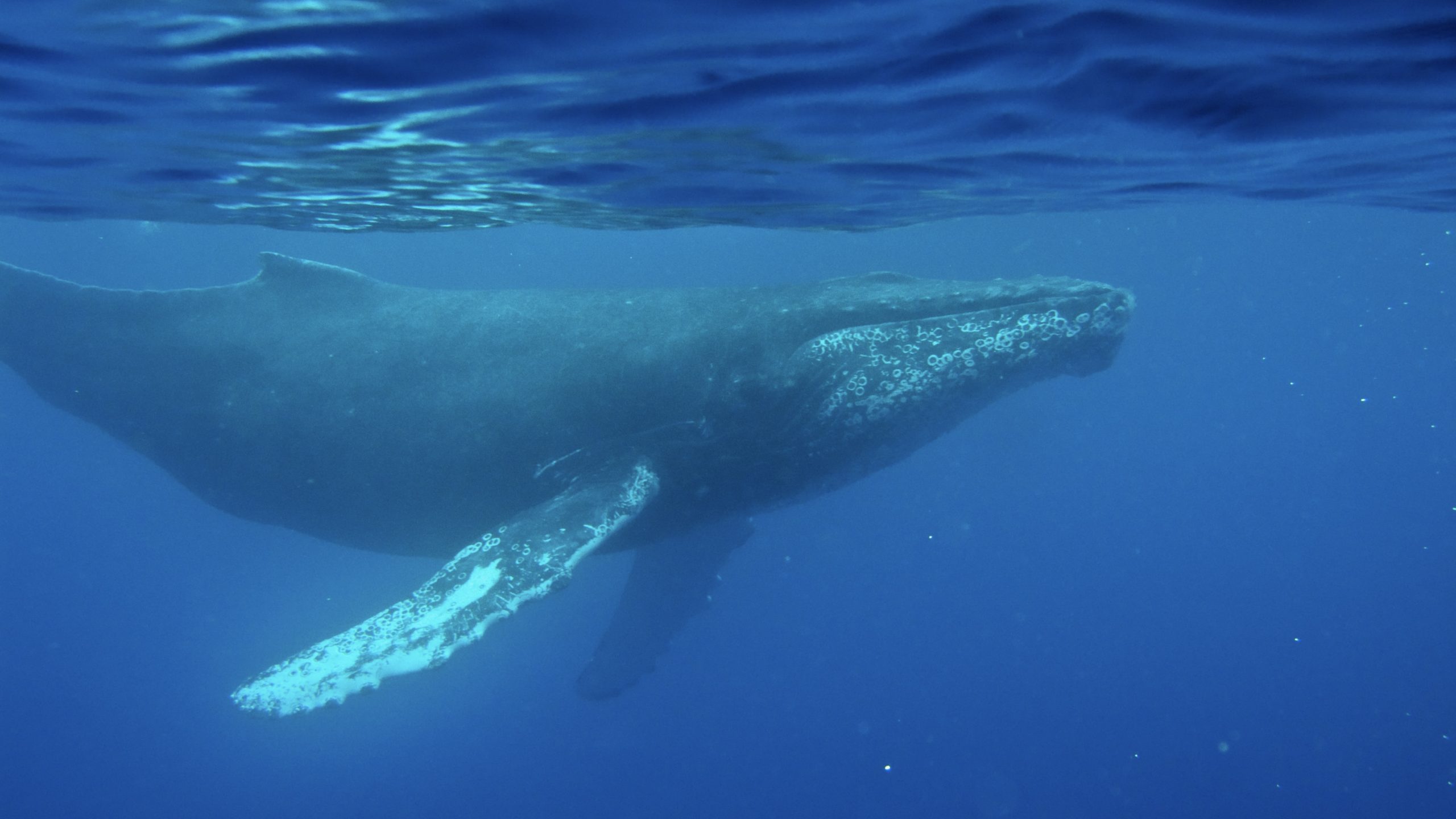
The recording was discovered on a fragile but remarkably well-preserved audograph disc in WHOI’s archival collections.
Read MoreWHOI’s Jennifer Johnson receives Fulbright Specialist Award
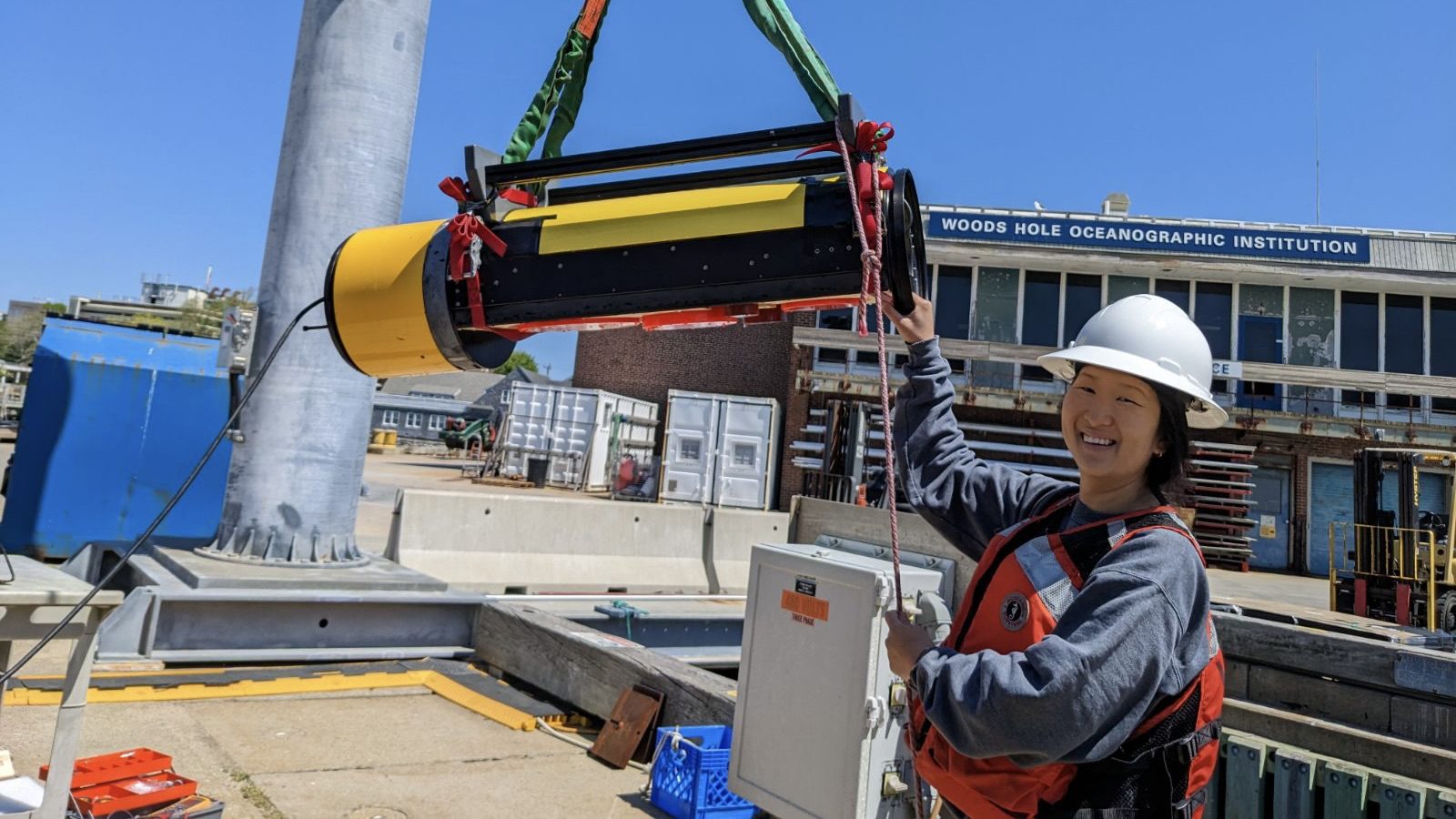
Research Associate will complete a project at the National Fisheries and Marine Research Institute in Angola.
Read MoreSonic Youth: Healthy Reef Sounds Increase Coral Settlement
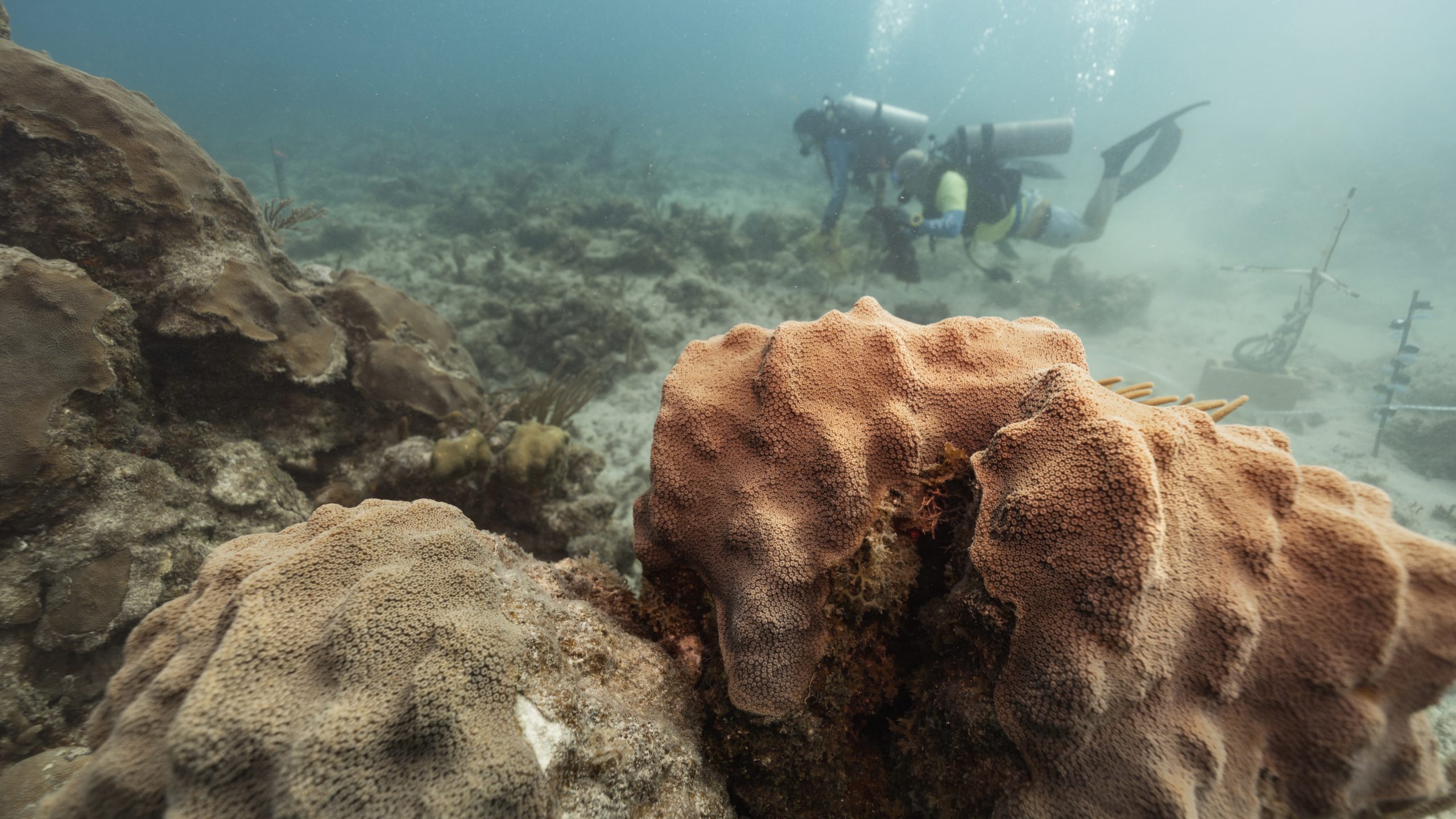
Researchers at WHOI demonstrated that replaying healthy reef sounds could potentially be used to encourage coral larvae to recolonize damaged or degraded reefs.
Read MoreWHOI and CMA CGM Group deploy acoustic monitoring buoy near Norfolk, Virginia
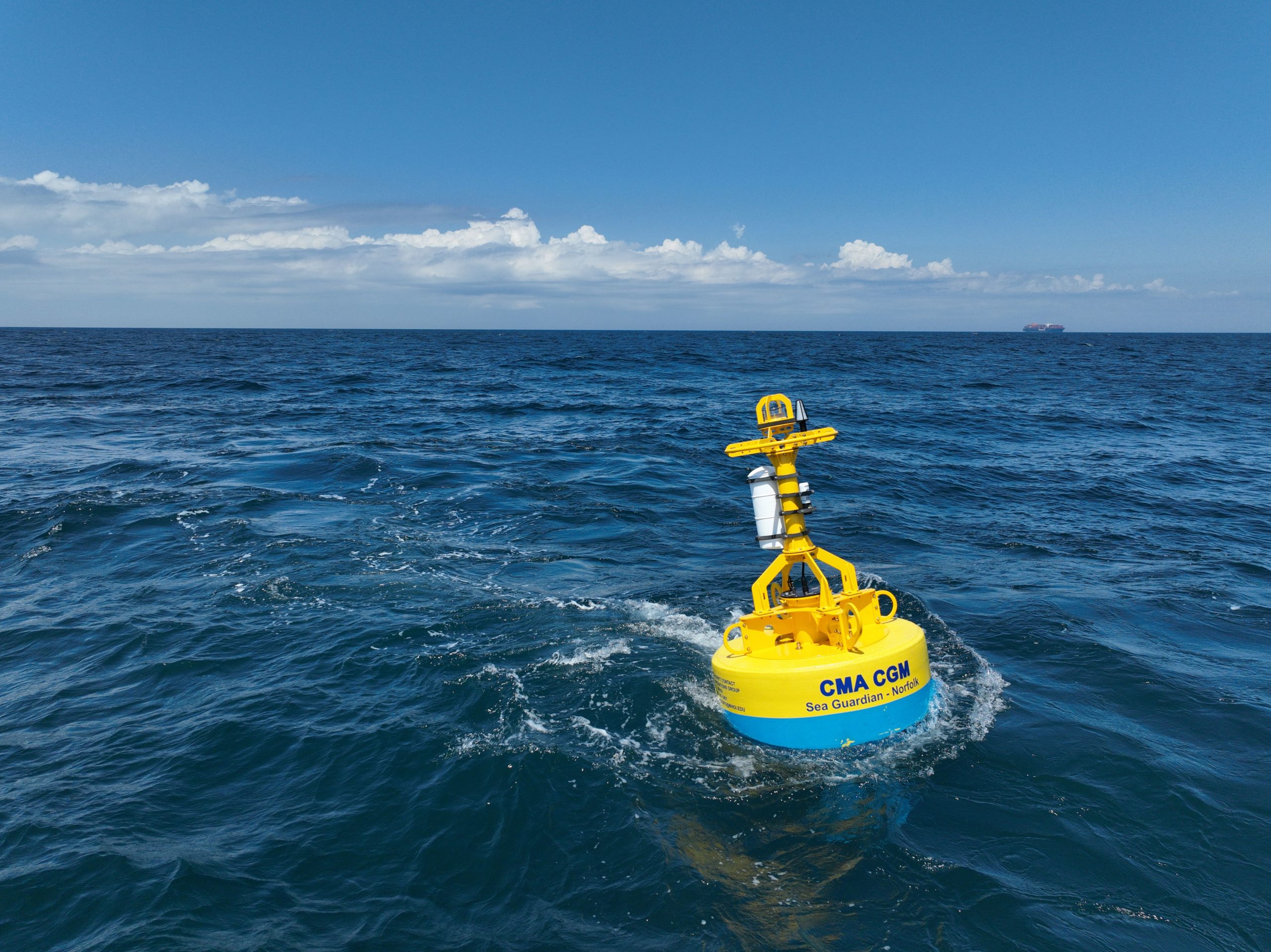
Woods Hole Oceanographic Institution (WHOI) and The CMA CGM Group, a global player in sea, land, air, and logistics solutions, have deployed an acoustic monitoring buoy 33 miles off the coast of Norfolk, Virginia. A second buoy is slated for deployment off the coast of Savannah, Georgia in the coming weeks.
Read MoreWHOI researcher dives to Challenger Deep

Ying-Tsong Lin is the 12th person in history and the first person of Asian descent to visit ocean’s deepest seafloor A Woods Hole Oceanographic Institution researcher became one of just…
Read MoreGroups of Pilot Whales Have Their Own Dialects
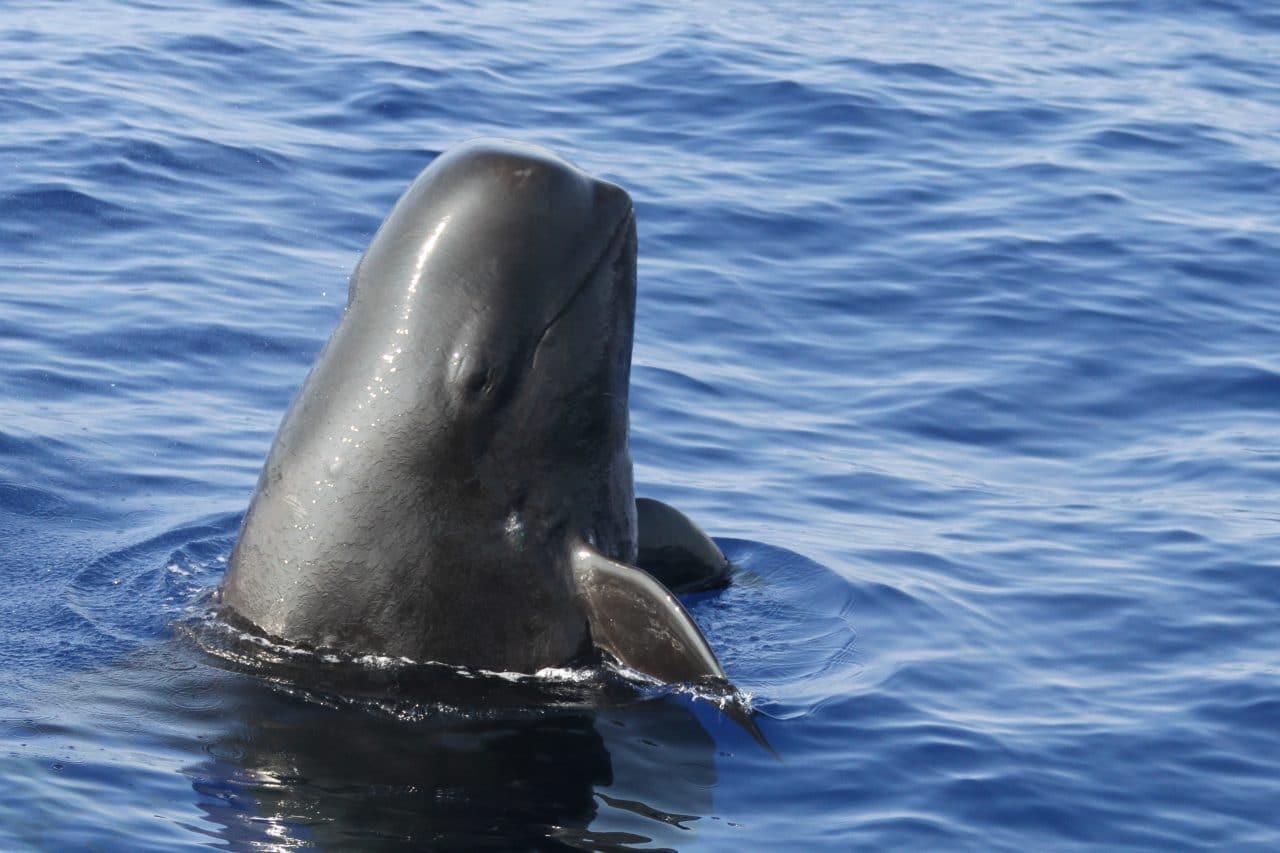
In humans, different social groups, cities, or regions often have distinct accents and dialects. Those vocal traits are not unique to us, however. A new study from the Woods Hole Oceanographic Institution (WHOI) has found that short-finned pilot whales living off the coast of Hawai’i have their own sorts of vocal dialects, a discovery that may help researchers understand the whales’ complex social structure.
Read MoreCoral Larvae Use Sound to Find a Home on the Reef
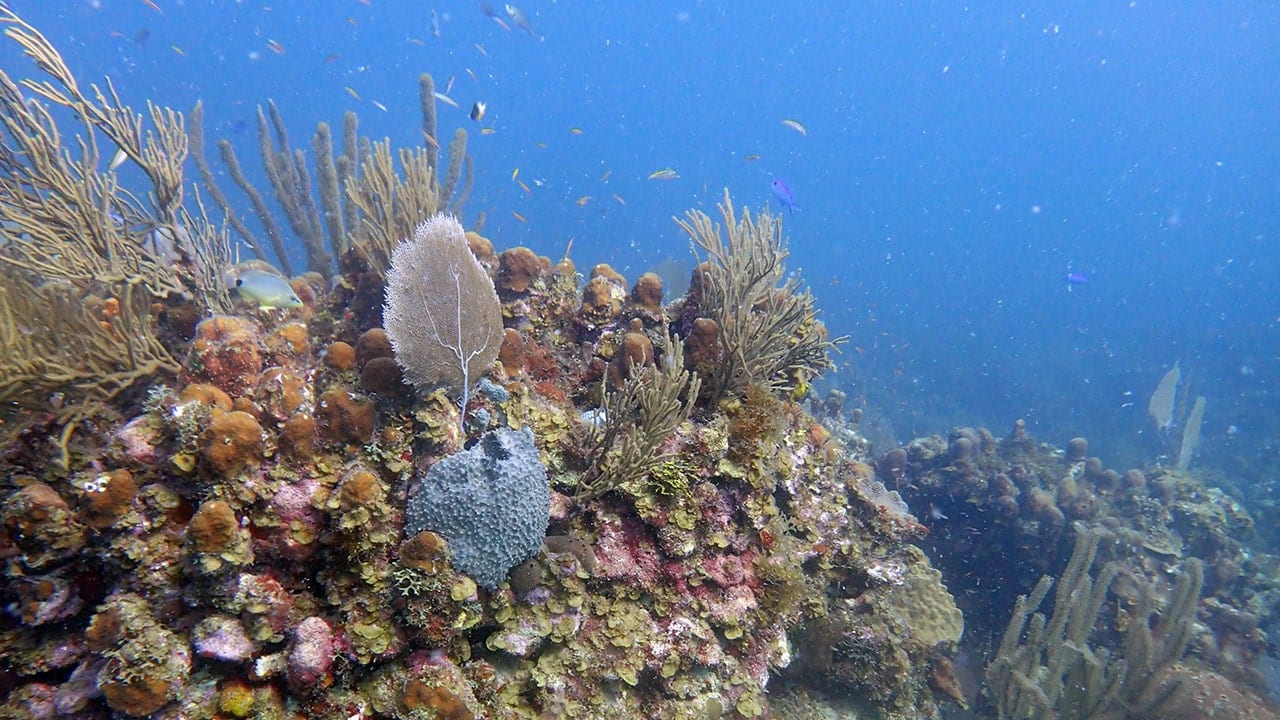
Choosing a place to call home is one of the most consequential choices a coral can make. In the animal’s larval stage, it floats freely in the ocean, but once it settles down, it anchors itself permanently to the rocky substrate of a reef, and remains stuck there for the rest of its life. Exactly how these larvae choose a specific place to live, however, is largely unclear.
Read MoreScientists Now Listening for Whales in New York Waters With Real-time Acoustic Buoy
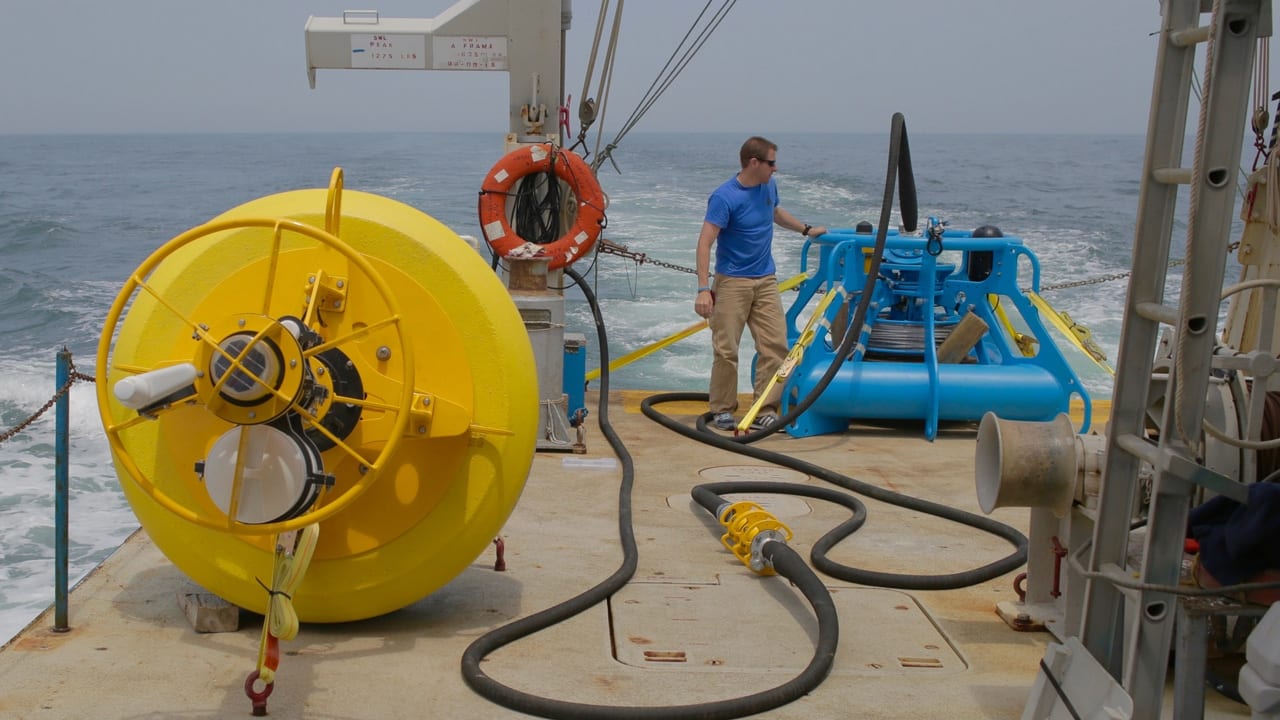
Scientists working for WCS’s (Wildlife Conservation Society) New York Aquarium and the Woods Hole Oceanographic Institution (WHOI) now have an “ear” for the New York region’s biggest “voices and singers”‘ the whales of New York Bight.
Read MoreNow in Broadband: Acoustic Imaging of the Ocean
Researchers at Woods Hole Oceanographic Institution (WHOI) have developed two advanced broadband acoustic systems that they believe could represent the acoustic equivalent of the leap from black-and-white television to high-definition…
Read MoreGeological Tool Helps Scientists Map the Interior of the Ocean
A new application of a decades-old technique to study Earth’s interior is allowing scientists “see” the layers in the ocean, providing new insight on the structure of ocean currents, eddies and mixing processes. The findings, reported in this week’s Science by a team from the University of Wyoming and Woods Hole Oceanographic Institution (WHOI), could be a major step forward in the ability to remotely survey the interior of the ocean.
Read More