
Ocean life
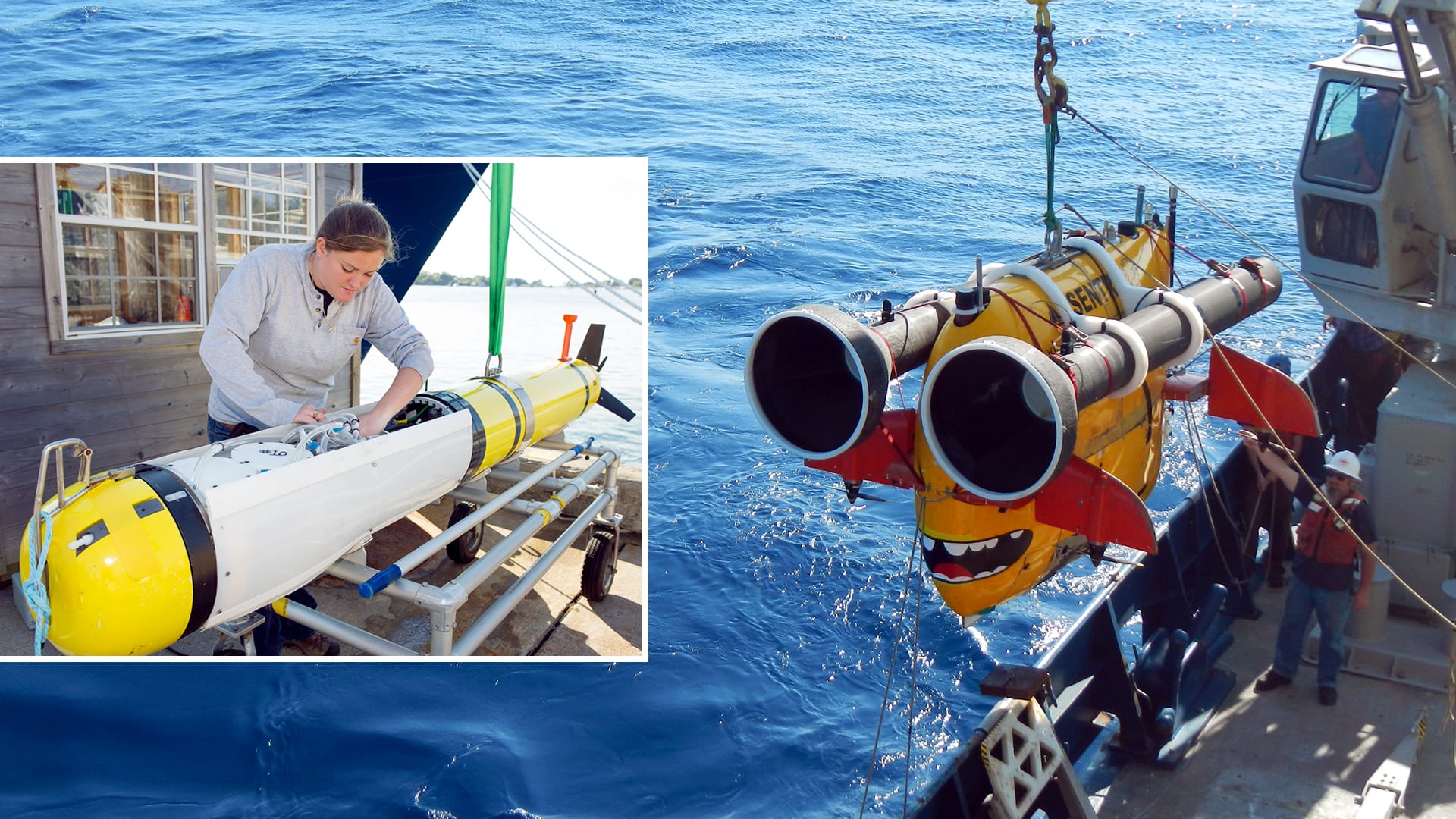
PlankZooka & SUPR-REMUS
Much of marine life begins as microscopic larvae—so tiny, delicate, and scattered in hard-to-reach parts of ocean that scientists have had a tough time illuminating this fundamental stage of life…
When the Hunter Became the Hunted
In waters off Mexico’s Guadalupe Island, Woods Hole Oceanographic Institution (WHOI) engineers deployed the REMUS…
The Amazing Acquired Phototroph!
There are autotrophs, such as plants, that can make their own food. There are heterotrophs,…
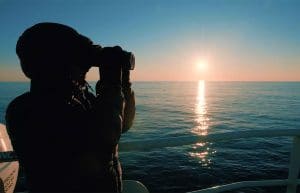
The Hotspot for Marine Life
The continental shelfbreak in the waters off New England is an area where a spectacular…
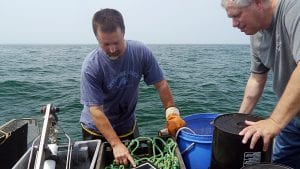
Scientist-Fisherman Partnership
WHOI physical oceanographer Glen Gawarkiewicz is enlisting the help of local fishermen to find out…
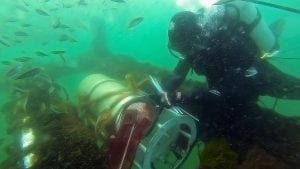
Spring Arrives Earlier in the Ocean Too
Warmer oceans are triggering phytoplankton to start their annual blooms up to four weeks earlier…
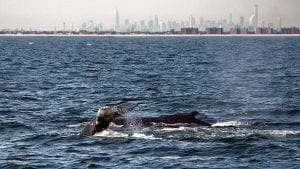
Eavesdropping on Whales
WHOI scientist Mark Baumgartner has installed a mooring in New York waters that listens for…
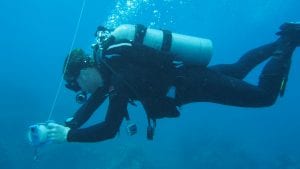
How Do Larvae Find a Place to Settle Down?
It’s still a mystery: How do the tiny larvae of marine animals that hatch in…
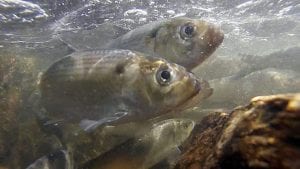
A Big Decline of River Herring
River herring used to run up coastal streams in great numbers in springtime, returning from…
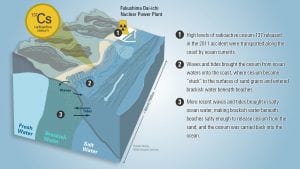
Radioactivity Under the Beach?
Scientists have found a previously unsuspected place where radioactive material from the Fukushima Dai-ichi nuclear…
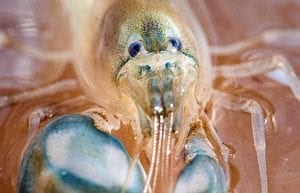
Eavesdropping on Shrimp’s Snap Chat
At Woods Hole Oceanographic Institution, marine ecologist Ashlee Lillis is studying a tiny animal that…
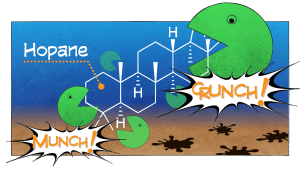
What Happened to Deepwater Horizon Oil?
Officials pumped a huge amount of chemicals into the deep ocean during the 2010 Deepwater…
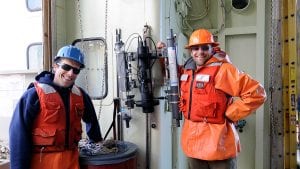
New Device Reveals What Ocean Microbes Do
Whether you’re a plant, animal, or even a microbe, you generally can’t conduct the business…
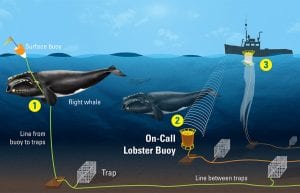
How Would ‘On-Call’ Buoys Work?
WHOI engineers are developing a new kind of lobster trap buoy that could help keep whales from…
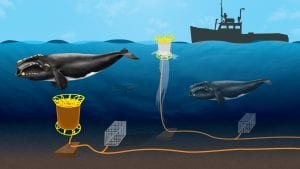
Whale-safe Fishing Gear
WHOI engineers are developing a new kind of lobster trap buoy that could help keep…
Life Dwells Deep Within Earth’s Crust
Aboard a drillship in the Indian Ocean, geologists pursued their mission to bore a hole…
No Stone Unturned
WHOI iologist Joel Llopiz is taking advantage of information stored in the tiny "ear stones"…
Shark Tales
Sharks are some of the largest fish in the ocean, but their movements and behavior…
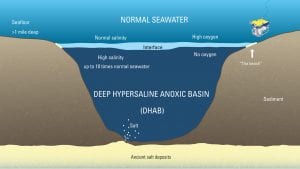
Can Animals Live Without Oxygen?
In 2010, a research team garnered headlines when it published evidence of finding the first…
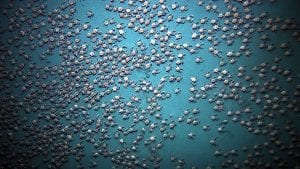
Crabs Swarm on the Seafloor
Expeditions to the tropics and Antarctica have turned up crab populations—for better or worse—in unexpected…
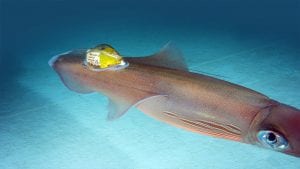
Tagging a Squishy Squid
For more than a decade, researchers have been tagging large marine mammals such as dolphins…
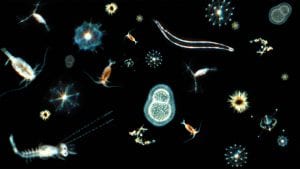
Illuminating an Unexplored Undersea Universe
Twenty-five years ago, the Hubble Telescope was launched to look out to the vast darkness…
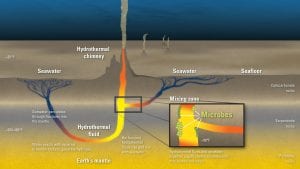
Mummified Microbes
Scientists have found evidence that microbes can thrive deep below the seafloor—sustained by chemicals produced…
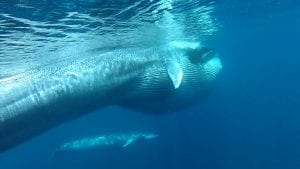
A New Whale Species Is Discovered in the Wild
Scientists have discovered a thriving population of Omura’s whales—a species that hadn’t even been identified…