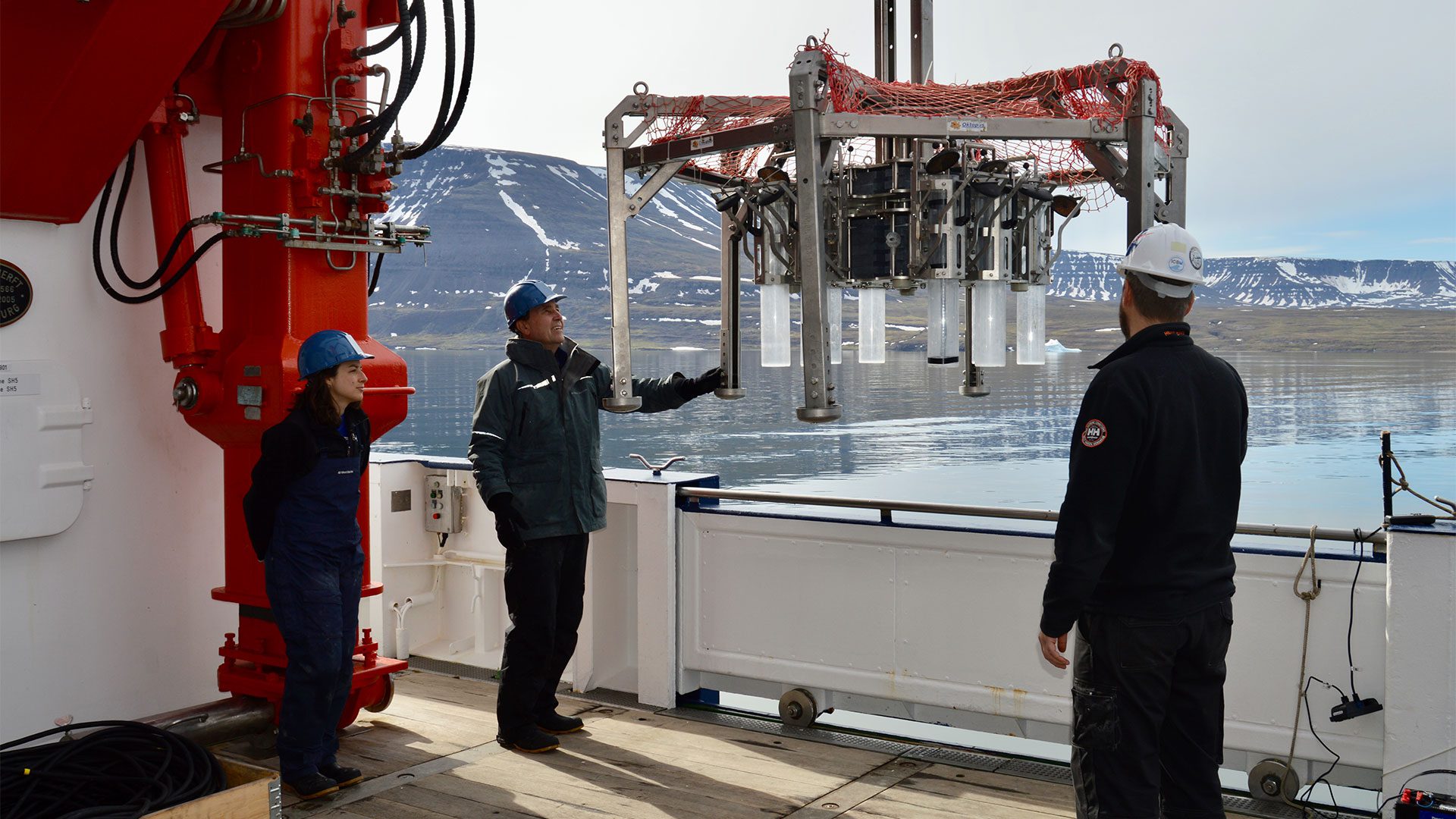
The unseen toll of war on science
As the changing climate accelerates the spread of toxic algal blooms in the Arctic, the Russia–Ukraine war is cutting off critical international collaboration needed to understand and protect vulnerable ecosystems and communities.

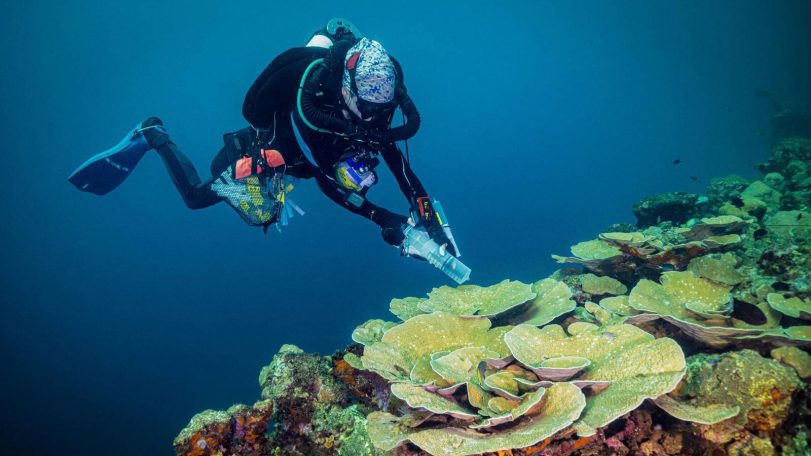
From ruin to reef
What Pacific wrecks are teaching us about coral resilience—and pollution
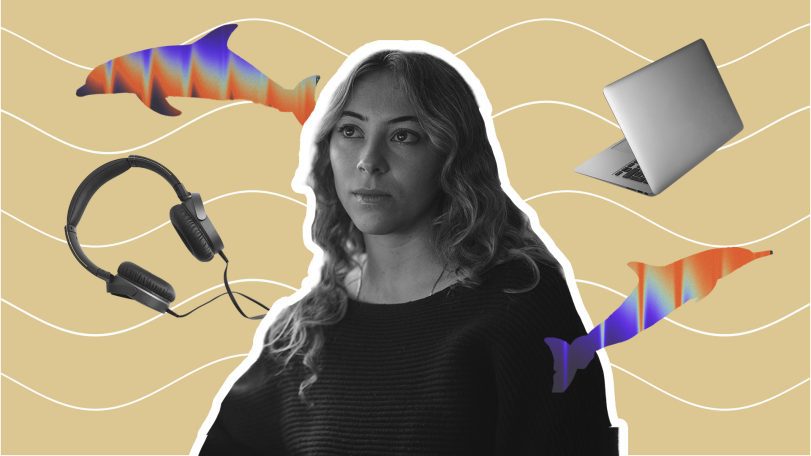
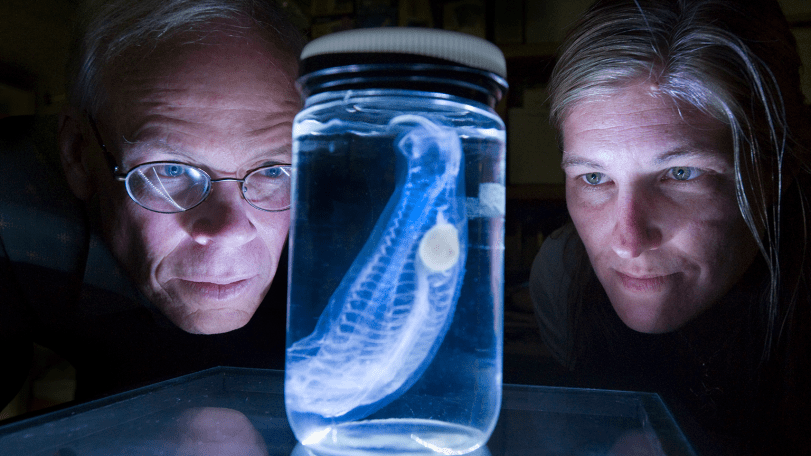
One researcher, 15,000 whistles: Inside the effort to decode dolphin communication
Scientists at WHOI analyze thousands of dolphin whistles to explore whether some sounds may function like words
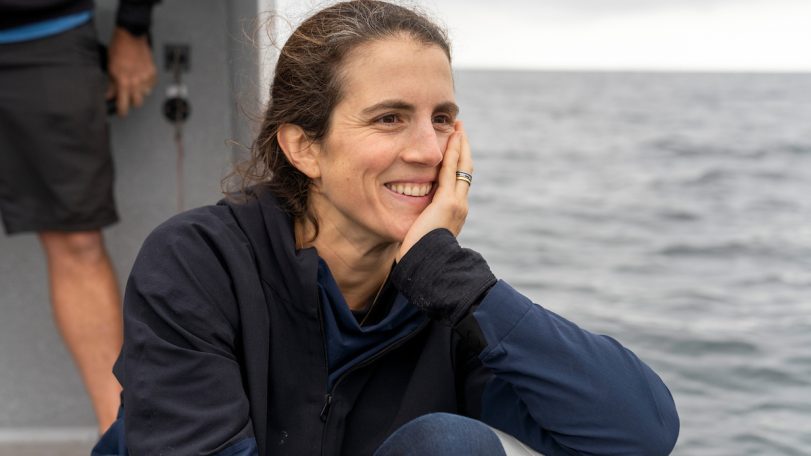
Remembering Tatiana Schlossberg, a voice for the ocean
Environmental journalist and author Tatiana Schlossberg passed away after battling leukemia on December 30, 2025….
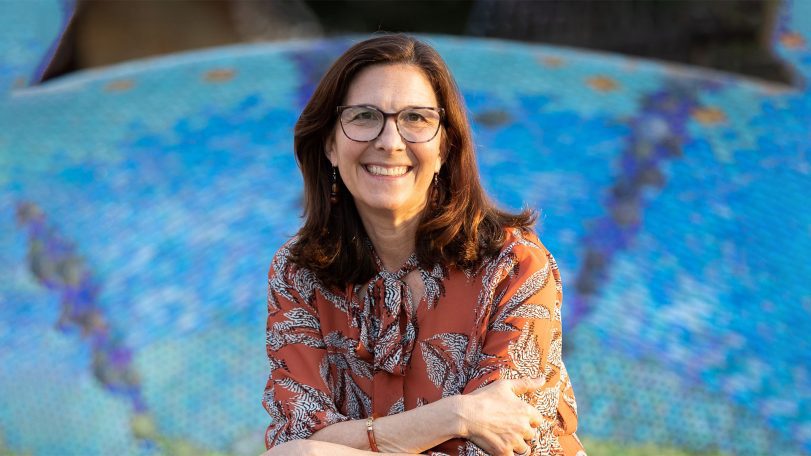
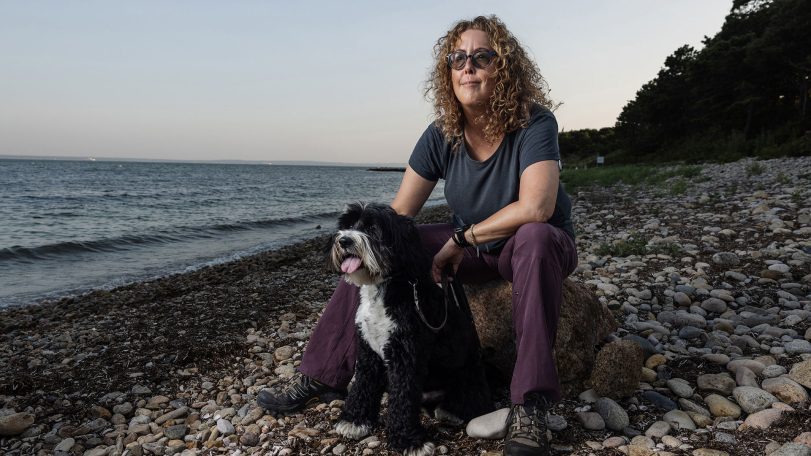
As the ocean warms, a science writer looks for coral solutions
Scientist-turned-author Juli Berwald highlights conservation projects to restore coral reefs
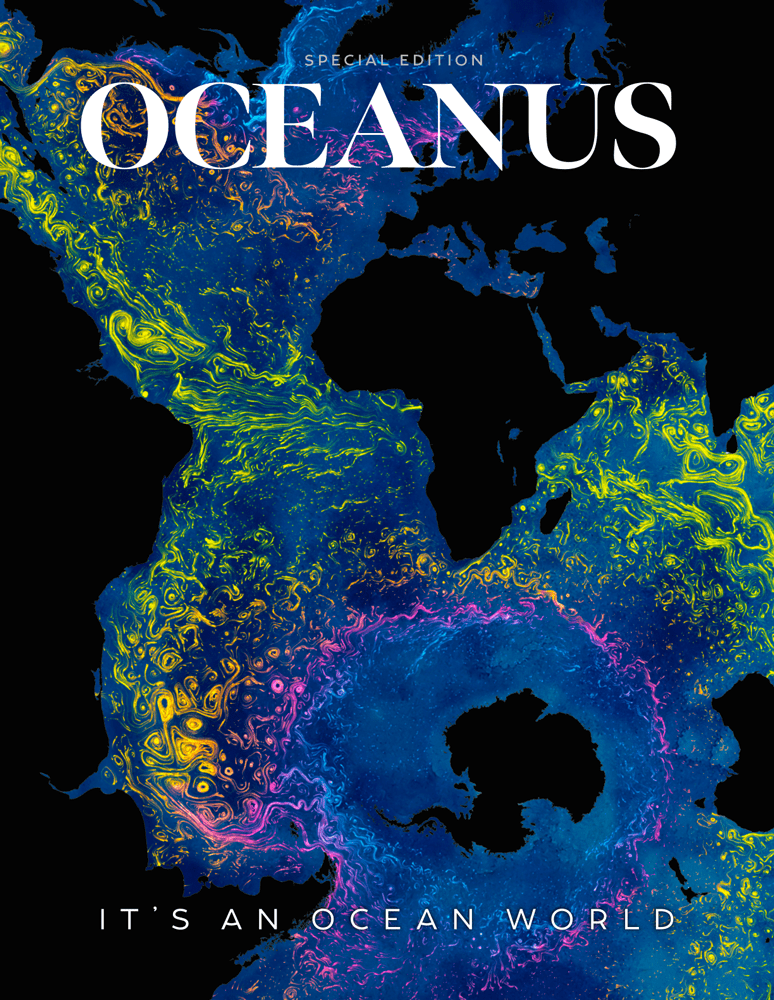
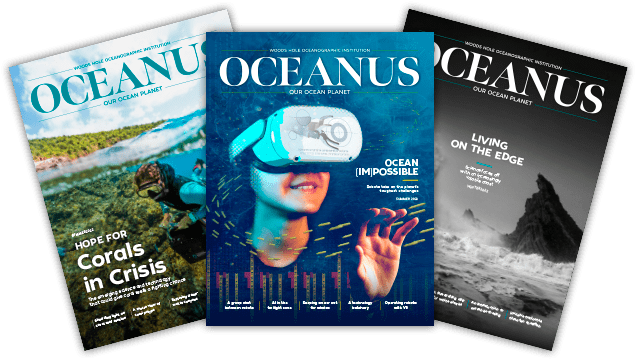
and get Oceanus delivered to your door twice a year as well as supporting WHOI's mission to further ocean science.
Our Ocean. Our Planet. Our Future.
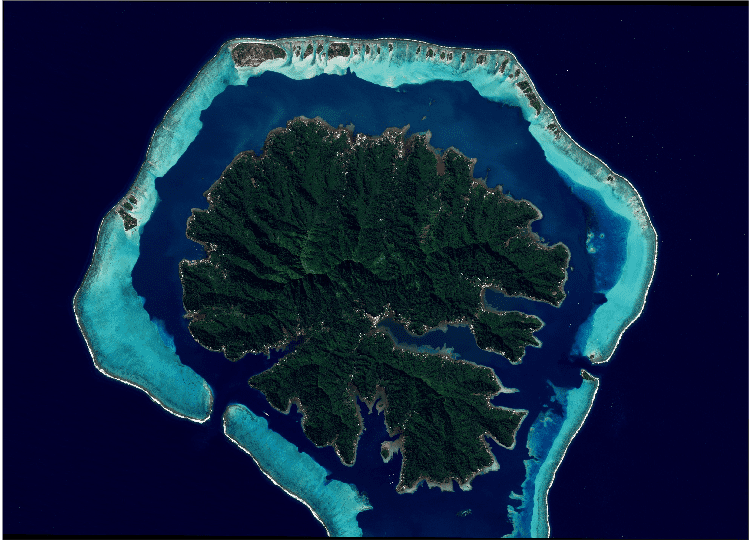
How an MIT-WHOI student used Google Earth to uncover a river–coral reef connection
Google Earth helps researcher decode how rivers sculpt massive breaks in coral reefs
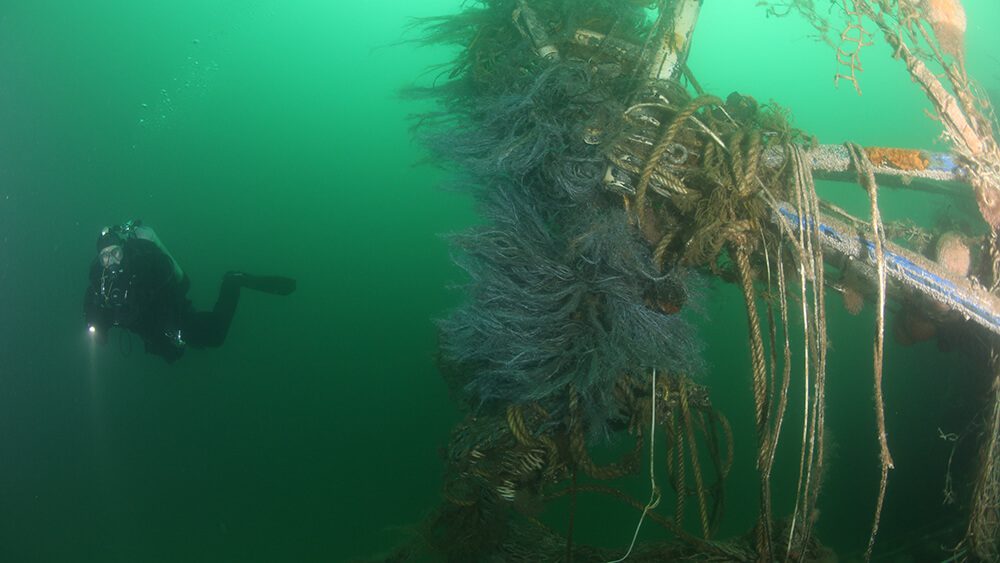
A new underwater robot could help preserve New England’s historic shipwrecks
WHOI’s ResQ ROV to clean up debris in prominent marine heritage sites

The little big picture
WHOI senior biologist Heidi Sosik on the critical need for long-term ocean datasets
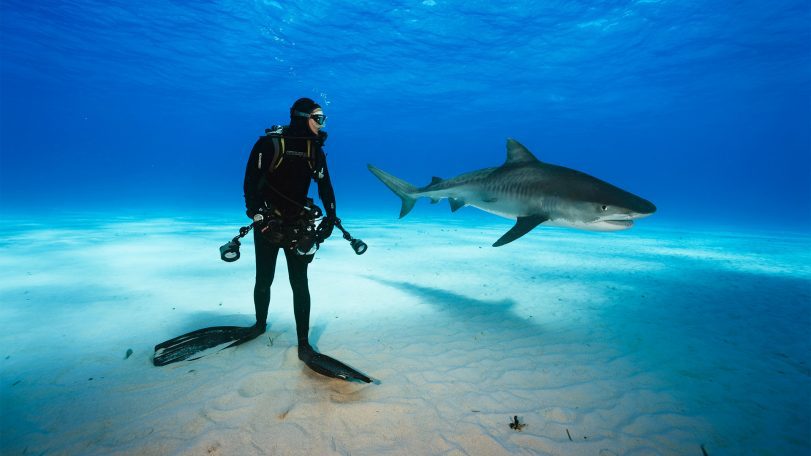
Lessons from a lifetime of exploration
Award-winning ocean photographer Brian Skerry shares insights from a career spent around ocean life and science
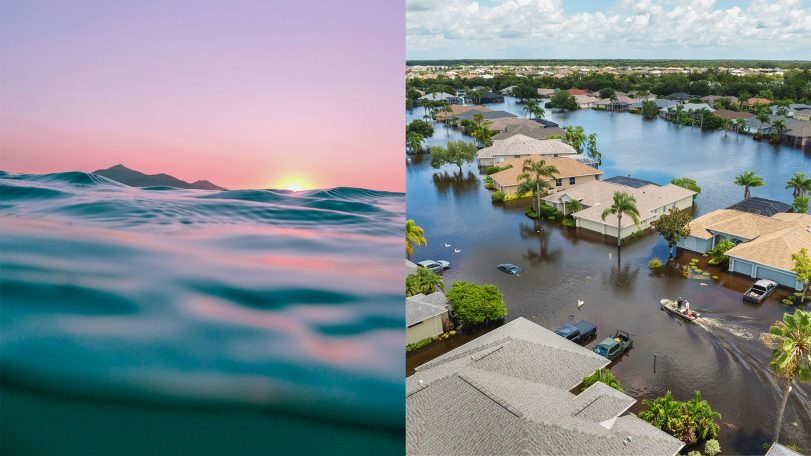
The ocean weather nexus, explained
The vital role of ocean observations in extreme weather forecasting

Breaking down plastics together
Through a surprising and successful partnership, WHOI and Eastman scientists are reinventing what we throw away
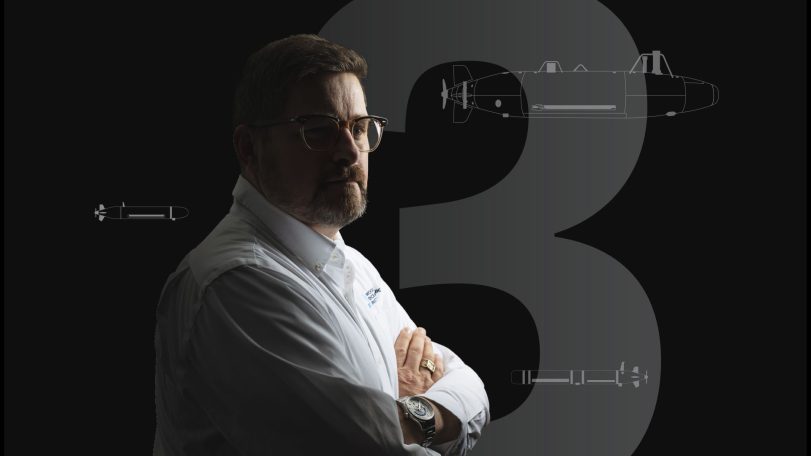
Three questions with Carl Hartsfield
Captain Hartsfield, USN retired, discusses the role ocean science plays in our national defense
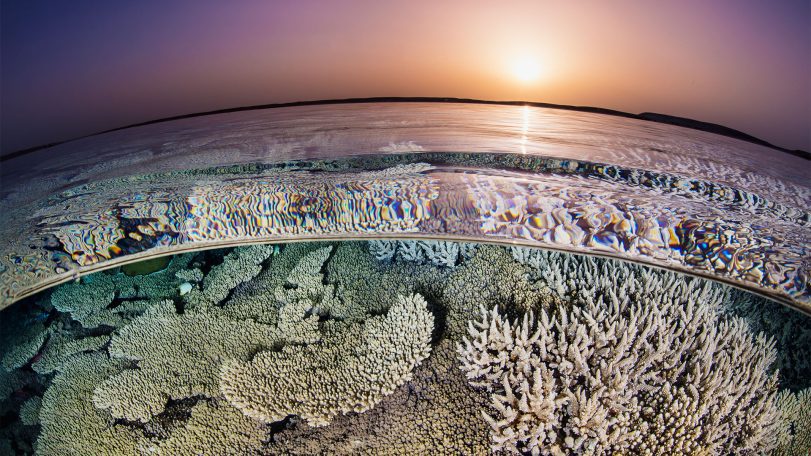
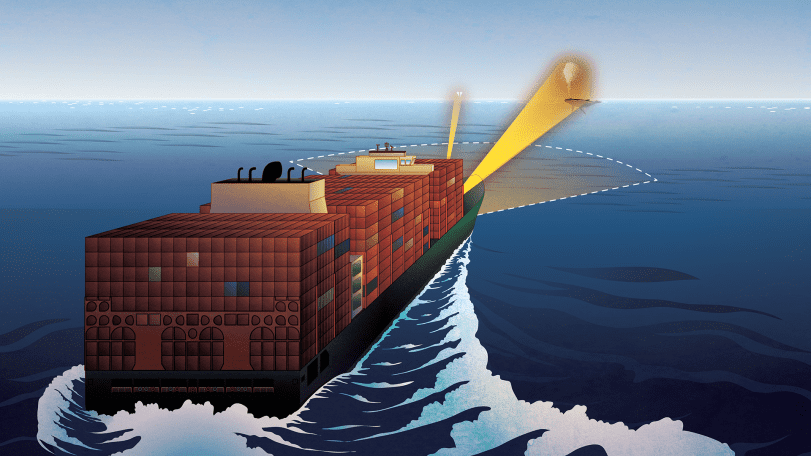
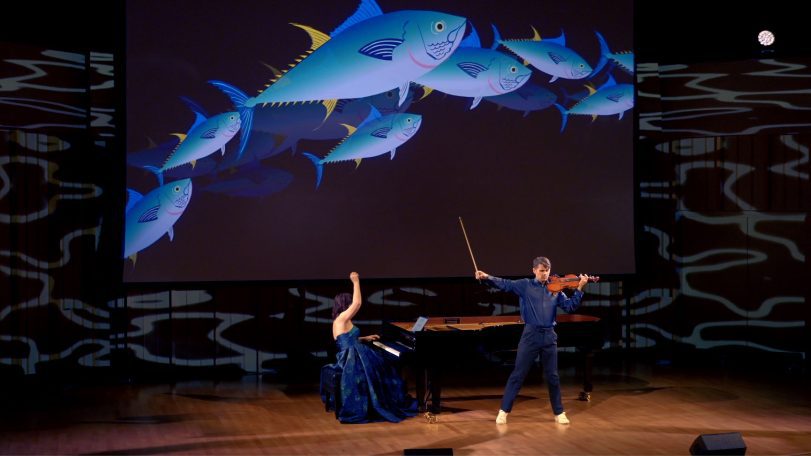
The Ocean (Re)Imagined
How expanding our view of the ocean can unlock new possibilities for life
Looking for something specific?
We can help you with that. Check out our extensive conglomeration of ocean information.
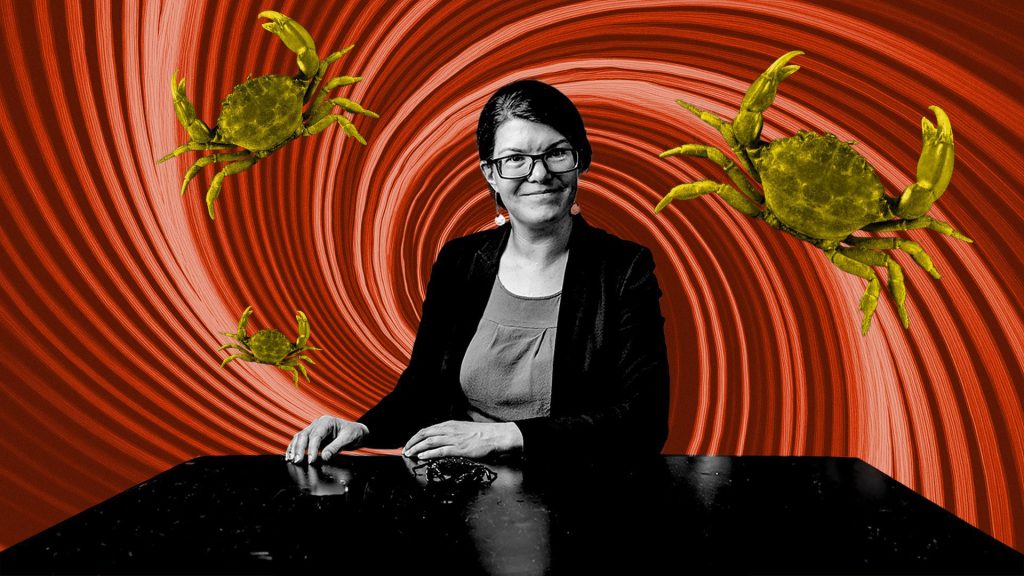
Body snatchers are on the hunt for mud crabs
WHOI biologist Carolyn Tepolt discusses the biological arms race between a parasite and its host
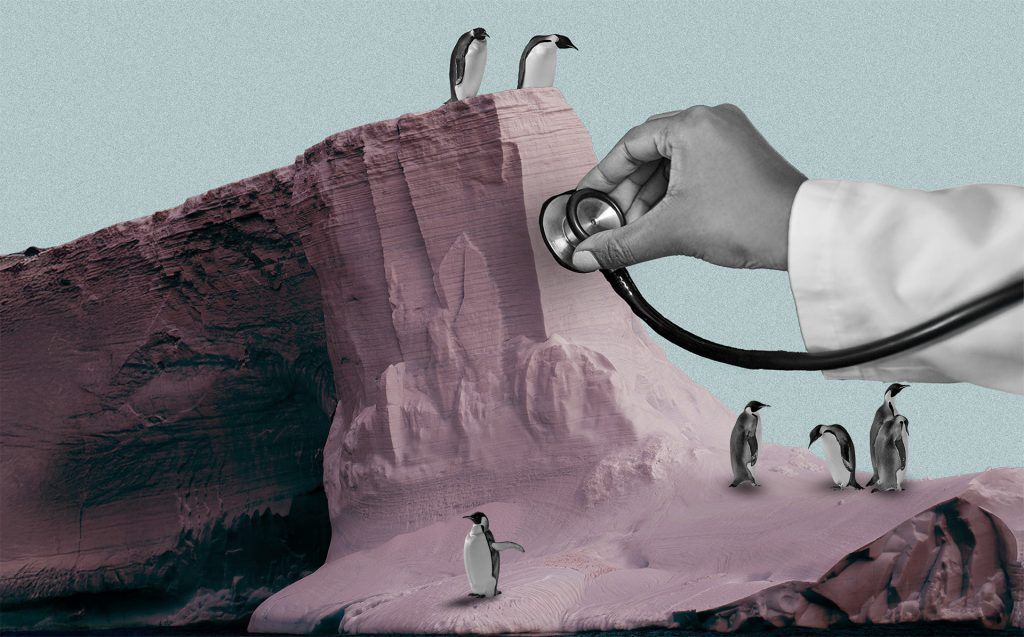
A polar stethoscope
Could the sounds of Antarctica’s ice be a new bellwether for ecosystem health in the South Pole?
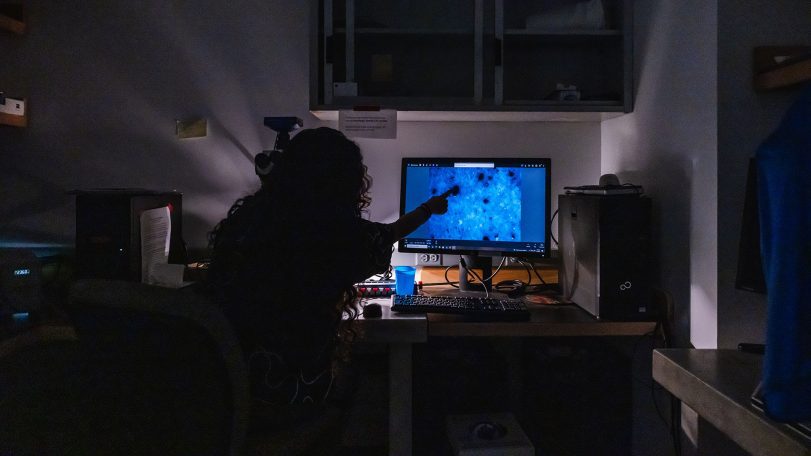
Secrets from the blue mud
Microbes survive—and thrive—in caustic fluids venting from the seafloor
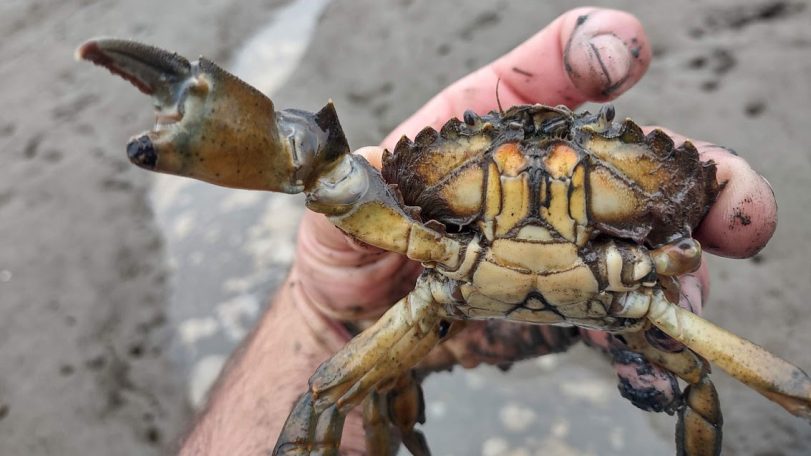
Top 5 ocean hitchhikers
As humans traveled and traded across the globe, they became unwitting taxis to marine colonizers
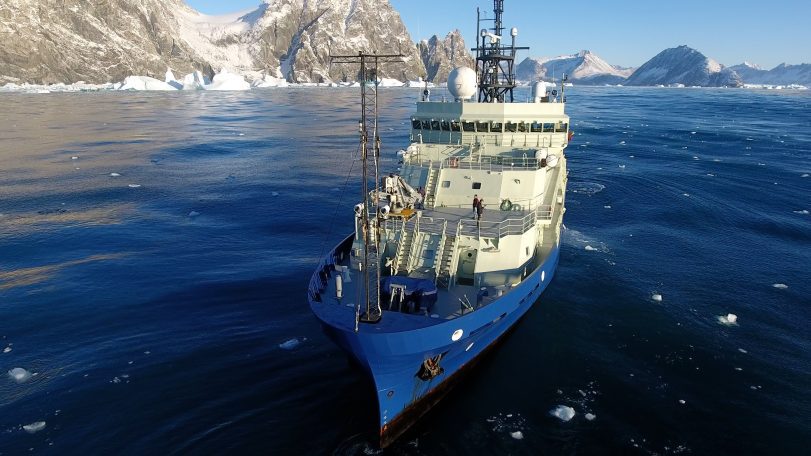
Following the Polar Code
Crew of R/V Neil Armstrong renew their commitment to Arctic science with advanced polar training
Harnessing the ocean to power transportation
WHOI scientists are part of a team working to turn seaweed into biofuel
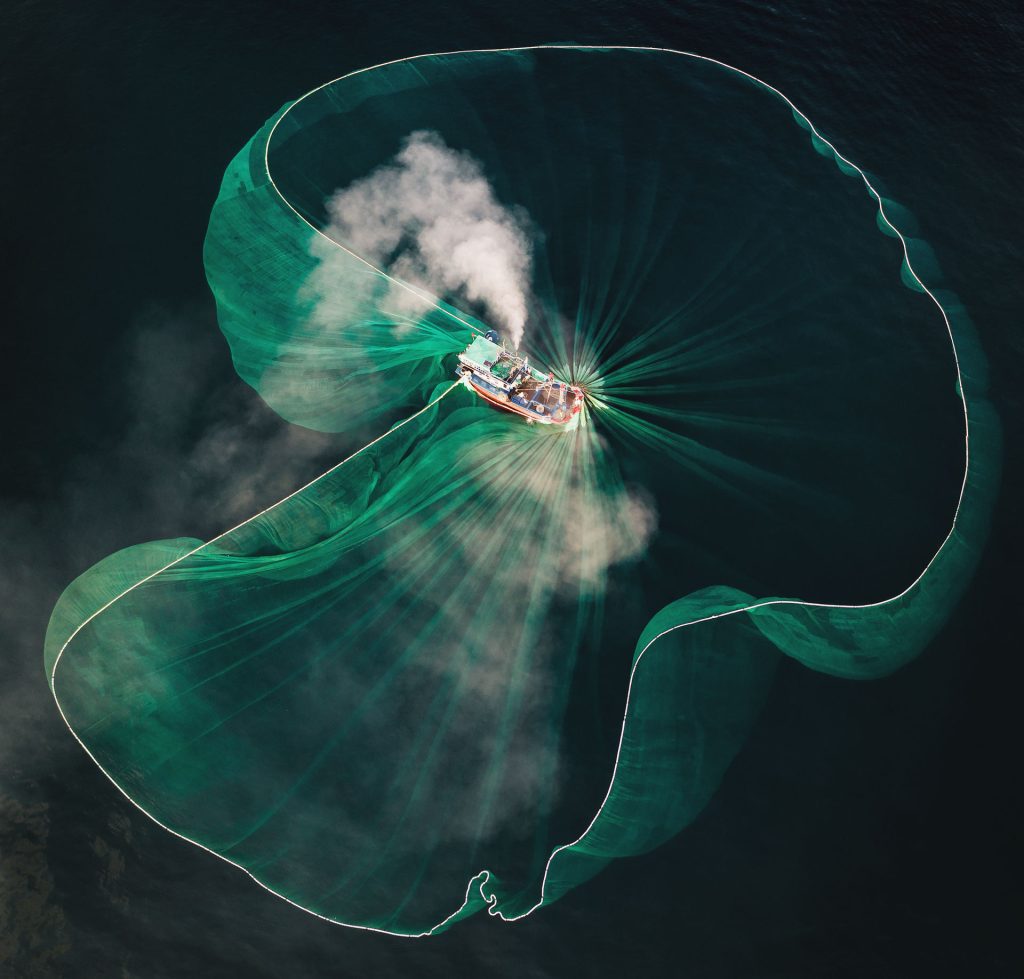
Casting a wider net
The future of a time-honored fishing tradition in Vietnam, through the eyes of award-winning photographer Thien Nguyen Noc
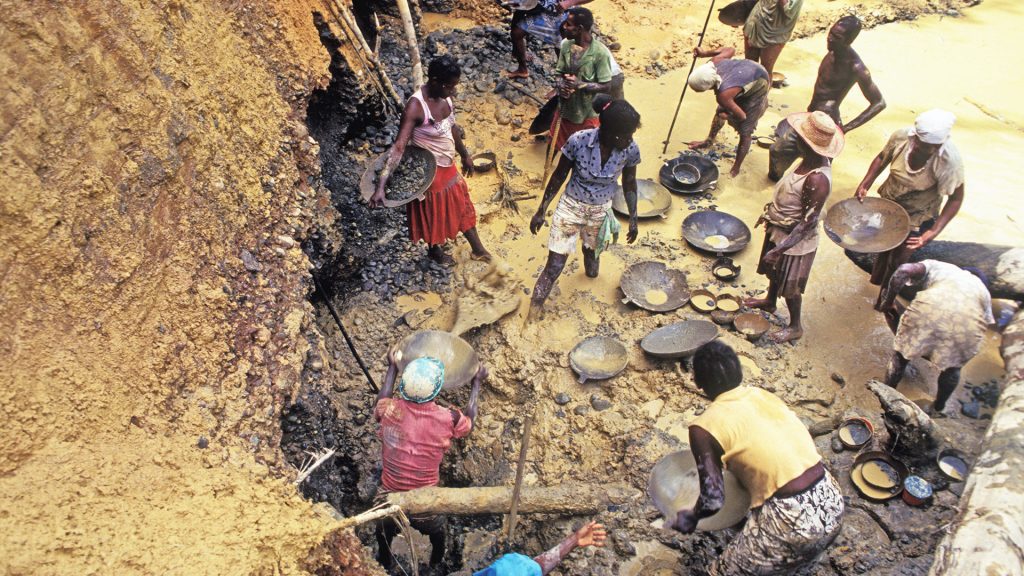
Gold mining’s toxic legacy
Mercury pollution in Colombia’s Amazon threatens the Indigenous way of life
Computer Modelers Stimulate Real and Potential Climate, Work Toward Prediction
Although weather forecasting is accepted by the public as part of daily life, oceanic forecasting is not yet so advanced. There are, however, successful examples of oceanic forecasting—one is the newly developed skill to predict El Nino/Southern Oscillation (ENSO) events, largely due to improvements in ocean modeling.
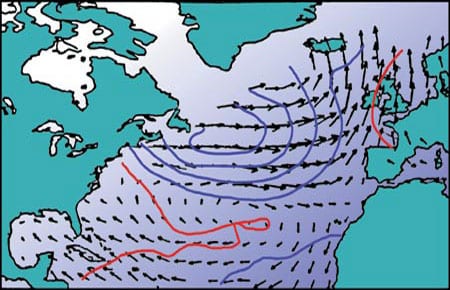
A Century of North Atlantic Data Indicates Interdecadal Change
For hundreds of years mariners have recorded the weather over the world ocean. Some 100 million marine weather reports have accumulated worldwide since 1854, when an international system for the collection of meteorogical data over the oceans was established. These reports include measurements of sea surface temperature, air temperature, wind, cloudiness, and barometric pressure. In the 1980s, the National Oceanic and Atmospheric Administration (NOAA) compiled these weather observations into a single, easily accessible digital archive called the Comprehensive Ocean-Atmosphere Data Set. This important data set forms the basis for our empirical knowledge of the surface climate and its variability over the world’s oceans: One example of a variable system is the phenomenon known as El Nino in the tropical Pacific. A major challenge in climate research is to use these data to document and understand the role of the oceans in long-term—decadal and centennial—climate change.
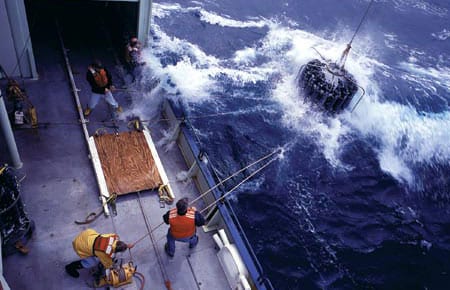
Oceans & Climate
The past decade has brought rapid scientific progress in understanding the role of the ocean in climate and climate change. The ocean is involved in the climate system primarily because it stores heat, water, and carbon dioxide, moves them around on the earth, and exchanges these and other elements with the atmosphere.
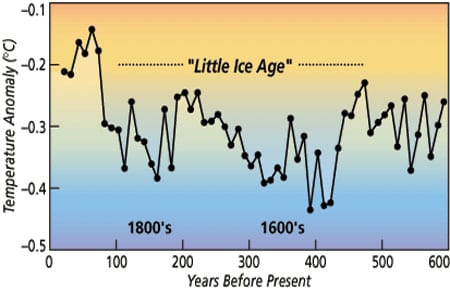
Sedimentary Record Yields Several Centuries of Data
Natural climate changes like the Little Ice Age and the Medieval Warm Period are of interest for a few reasons. First, they occur on decade to century time scales, a gray zone in the spectrum of climate change. Accurate instrumental data do not extend back far enough to document the beginning of these events, and historical data are often of questionable accuracy and are not widespread geographically.
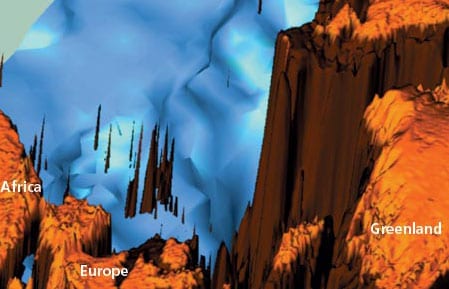
Transient Tracers Track Ocean Cimate Signals
Transient tracers provide us with a unique opportunity to visualize the effects of the changing climate on the ocean. They trace the pathways climate anomalies follow as they enter and move through the ocean and give us valuable information about rates of movement and amounts of dilution. This knowledge is important for developing ocean-climate models to predict long term climate changes.
The El Niño/Southern Oscillation Phenomenon
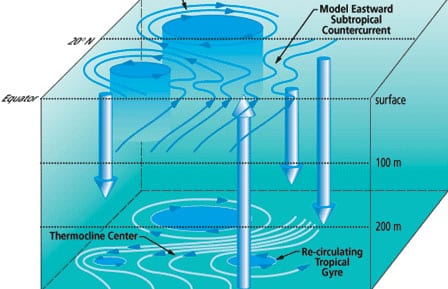
The El Niño/Southern Oscillation (ENSO) phenomenon, an eastward shift of warm water in the tropical Pacific and associated effects on the atmosphere, is at the heart of global interannual climate variability.
The Bermuda Station SA Long-Running Oceanographic Show
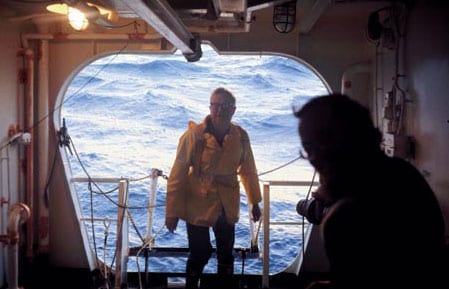
A time series of hydrographic measurements was initiated at Bermuda in 1954 and continues to the present. It began under the banner of the International Geophysical Year (1957-1958) with the scientific support of Henry Stommel of the Woods Hole Oceanographic Institution and William Sutcliffe, director of the Bermuda Biological Station (BBS). The scientists and personnel of the originating institutions have been the most active participants over the years, but the data have been widely used by the international oceanographic community. While other long time series of measurements in the North Atlantic began in association with weather ships, only the Bermuda measurements have a strong oceanographic focus.