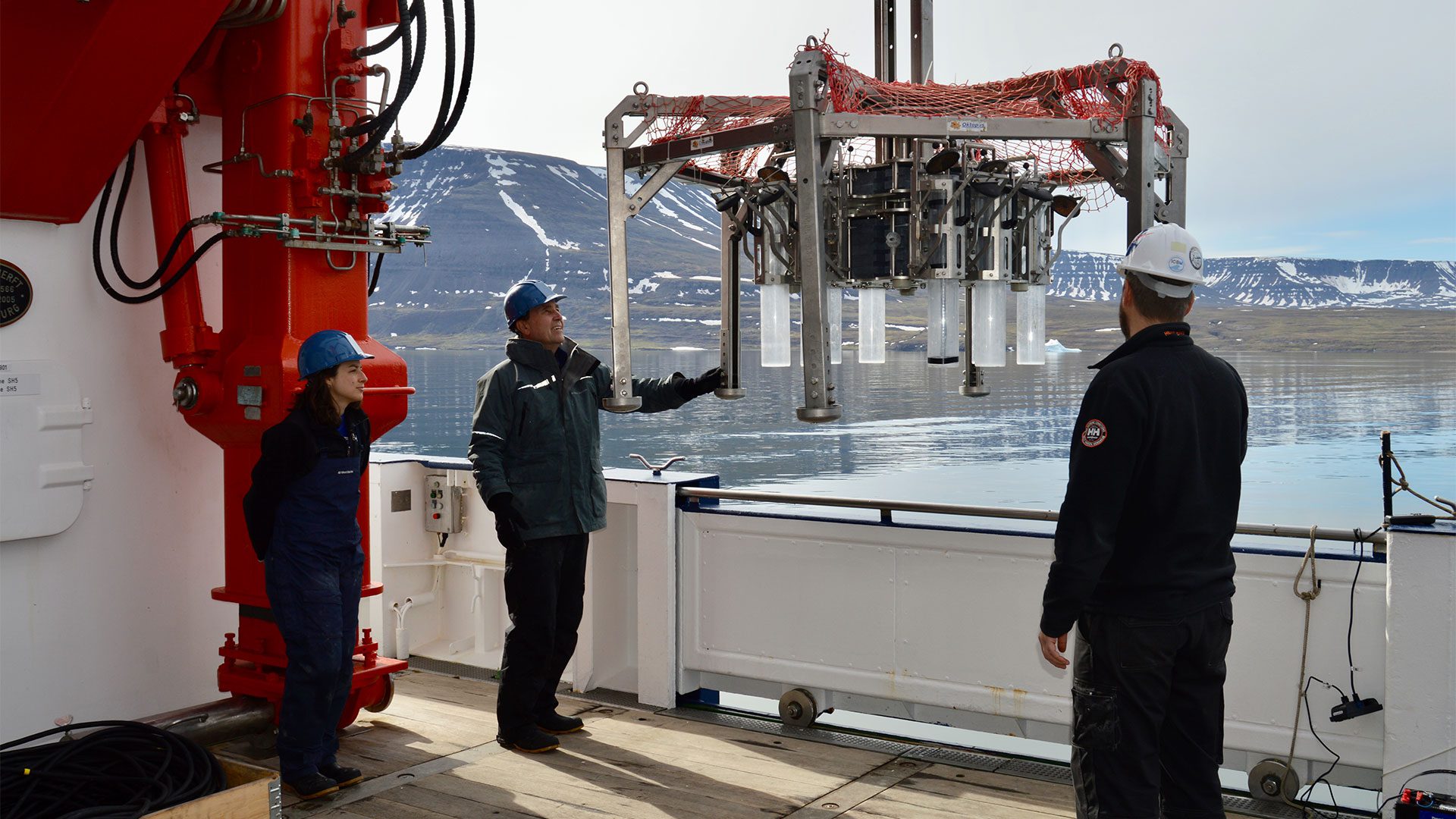
The unseen toll of war on science
As the changing climate accelerates the spread of toxic algal blooms in the Arctic, the Russia–Ukraine war is cutting off critical international collaboration needed to understand and protect vulnerable ecosystems and communities.

The human cost of Brazil’s floods
New research maps social vulnerability after the 2024 deluge

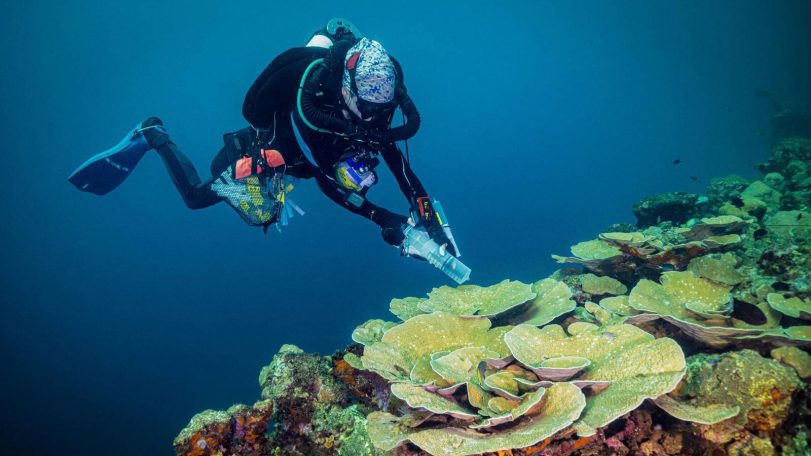
From ruin to reef
What Pacific wrecks are teaching us about coral resilience—and pollution
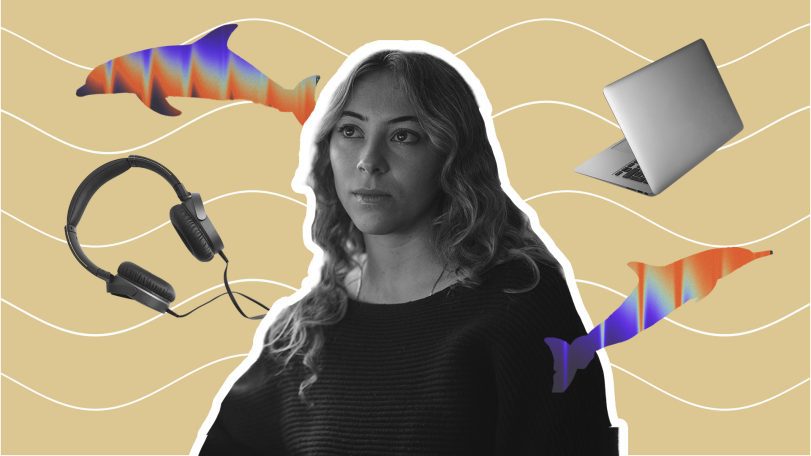
One researcher, 15,000 whistles: Inside the effort to decode dolphin communication
Scientists at WHOI analyze thousands of dolphin whistles to explore whether some sounds may function like words
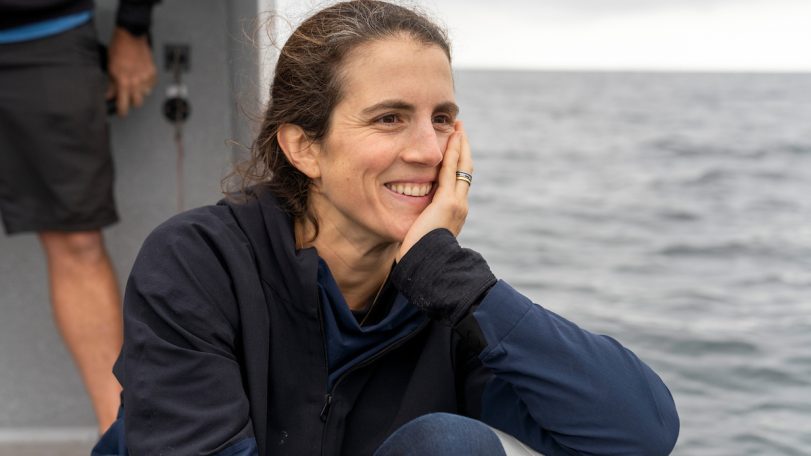
Remembering Tatiana Schlossberg, a voice for the ocean
Environmental journalist and author Tatiana Schlossberg passed away after battling leukemia on December 30, 2025….
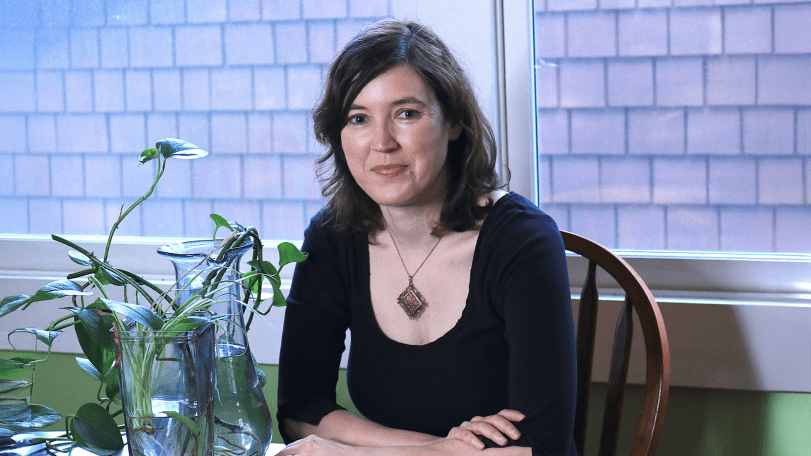
As the ocean warms, a science writer looks for coral solutions
Scientist-turned-author Juli Berwald highlights conservation projects to restore coral reefs
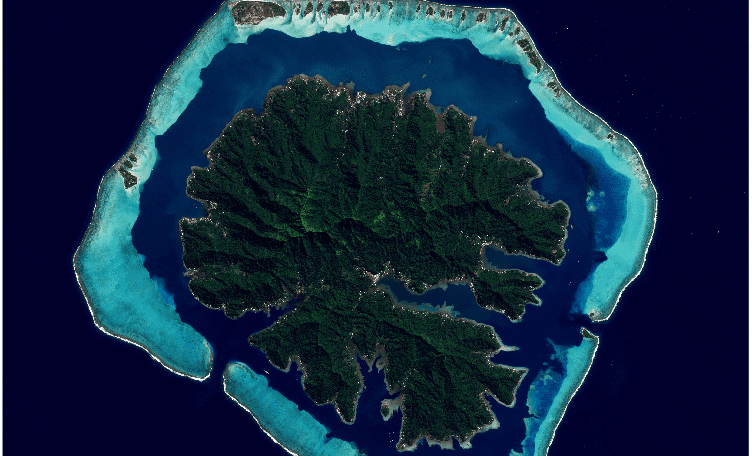
How an MIT-WHOI student used Google Earth to uncover a river–coral reef connection
Google Earth helps researcher decode how rivers sculpt massive breaks in coral reefs
and get Oceanus delivered to your door twice a year as well as supporting WHOI's mission to further ocean science.
Our Ocean. Our Planet. Our Future.
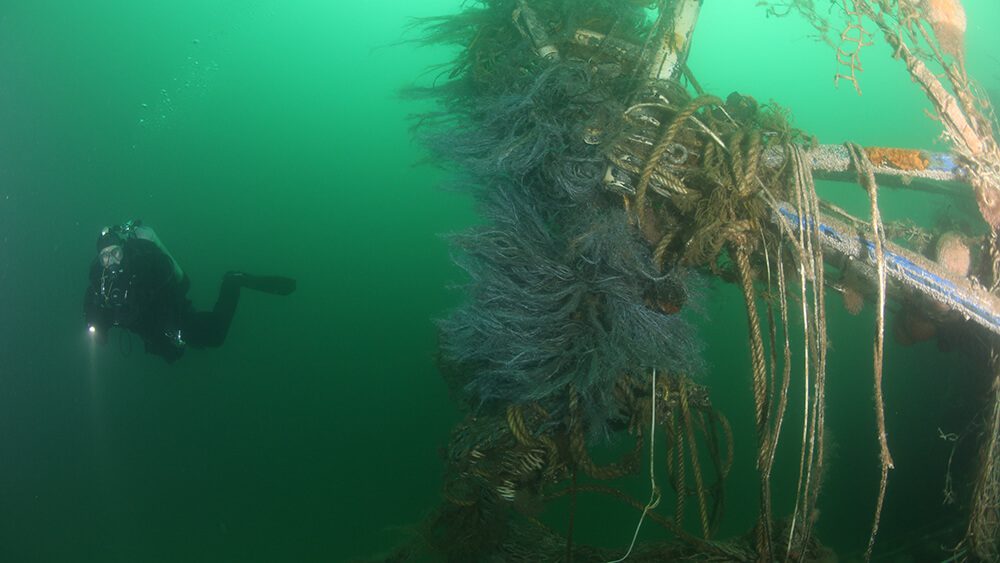
A new underwater robot could help preserve New England’s historic shipwrecks
WHOI’s ResQ ROV to clean up debris in prominent marine heritage sites
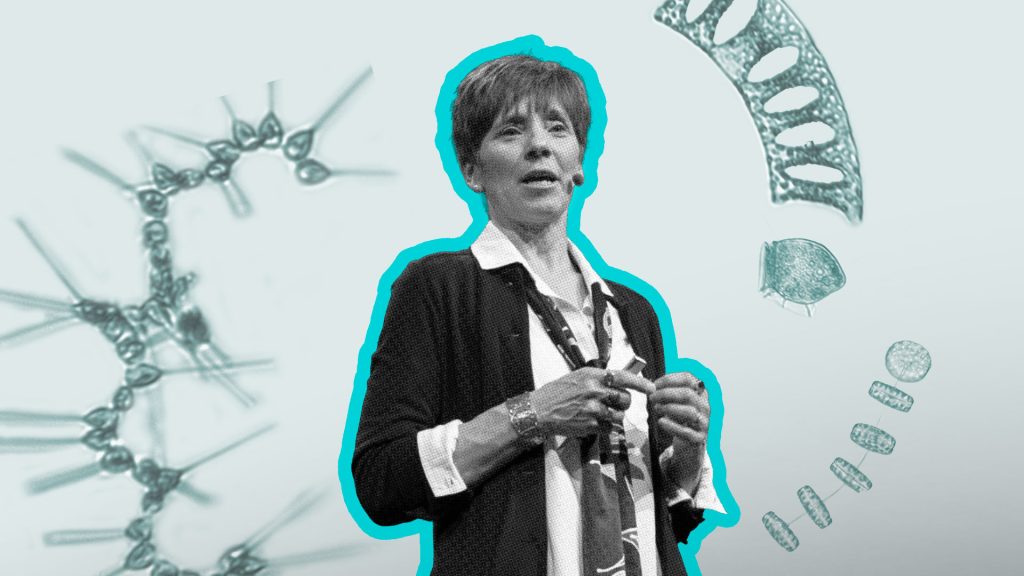
The little big picture
WHOI senior biologist Heidi Sosik on the critical need for long-term ocean datasets
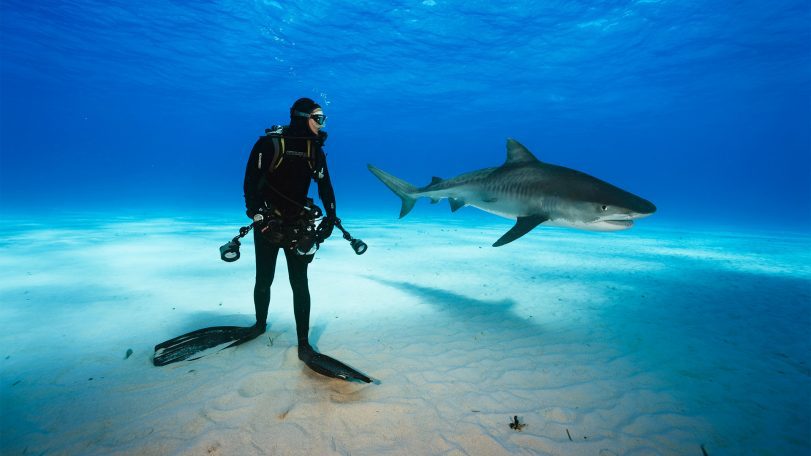
Lessons from a lifetime of exploration
Award-winning ocean photographer Brian Skerry shares insights from a career spent around ocean life and science
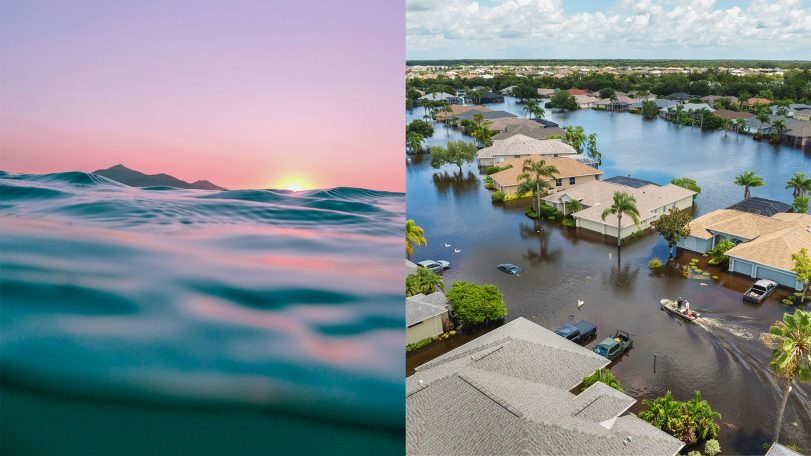
The ocean weather nexus, explained
The vital role of ocean observations in extreme weather forecasting

Breaking down plastics together
Through a surprising and successful partnership, WHOI and Eastman scientists are reinventing what we throw away
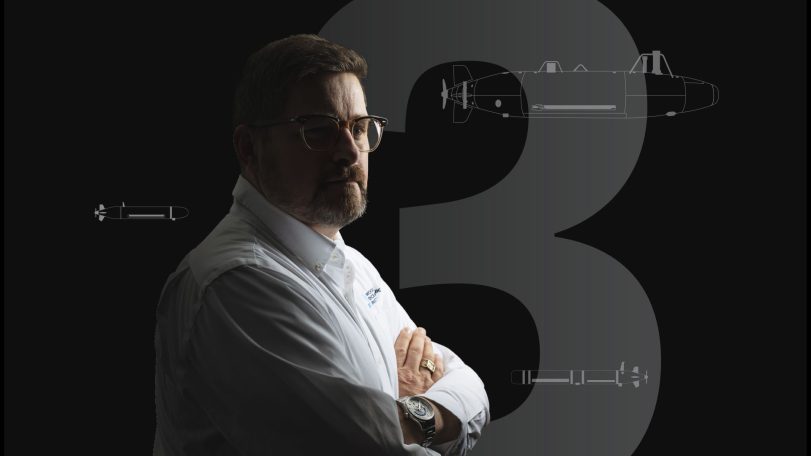
Three questions with Carl Hartsfield
Captain Hartsfield, USN retired, discusses the role ocean science plays in our national defense
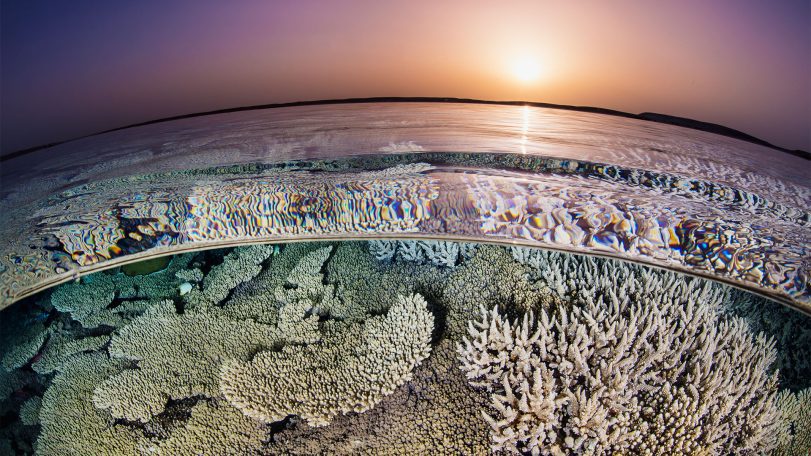

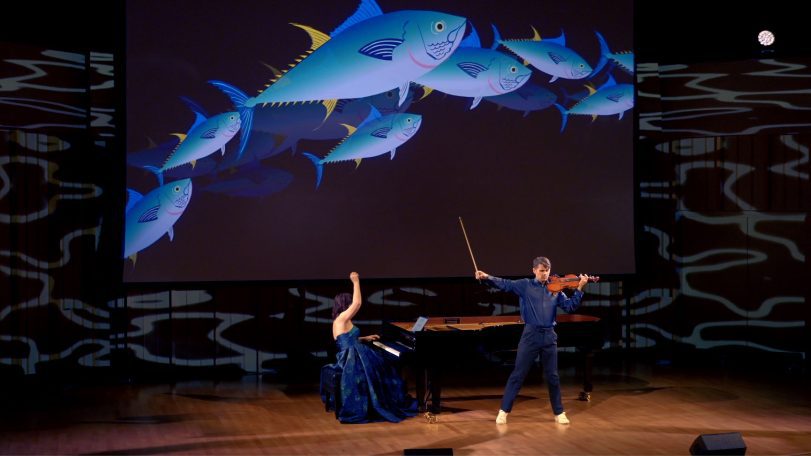
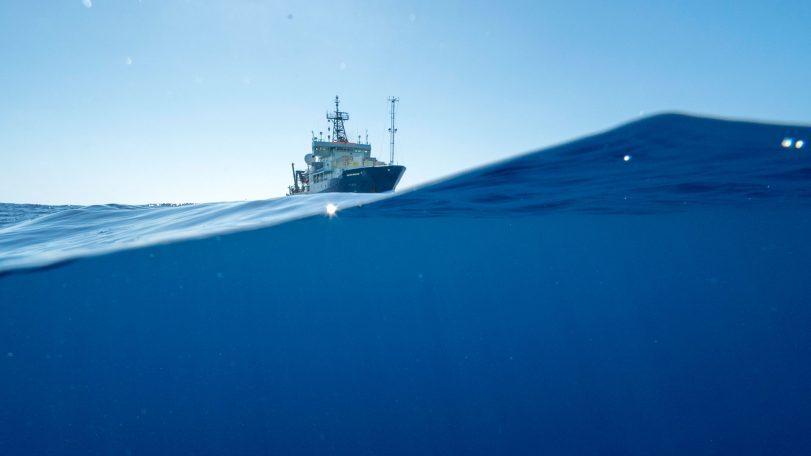
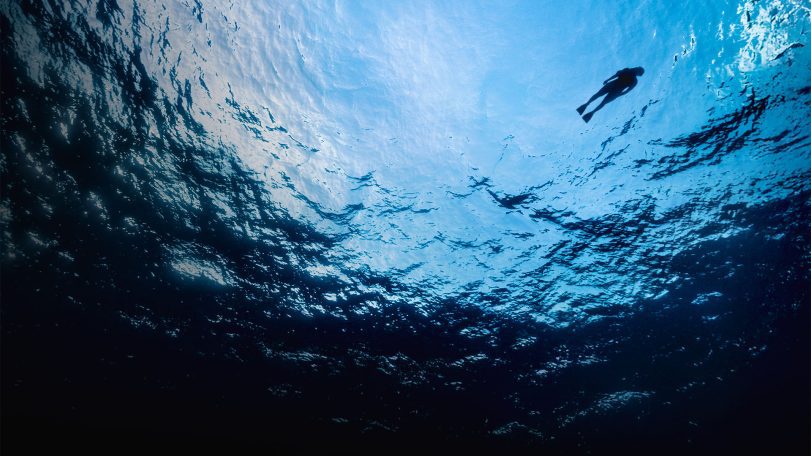
The Ocean (Re)Imagined
How expanding our view of the ocean can unlock new possibilities for life
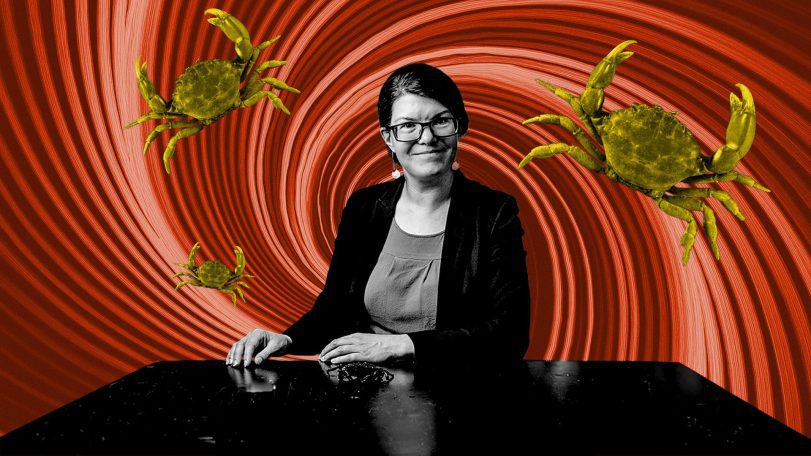
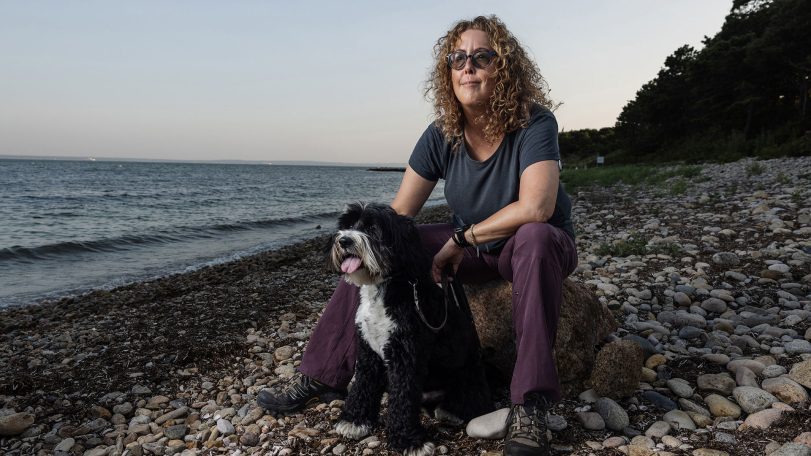
Body snatchers are on the hunt for mud crabs
WHOI biologist Carolyn Tepolt discusses the biological arms race between a parasite and its host
Looking for something specific?
We can help you with that. Check out our extensive conglomeration of ocean information.
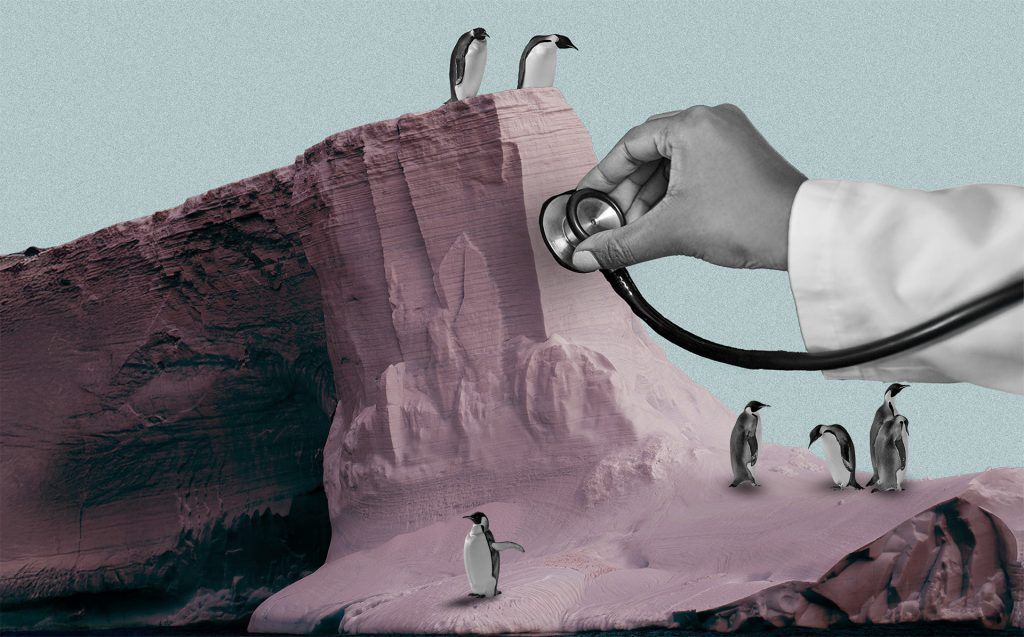
A polar stethoscope
Could the sounds of Antarctica’s ice be a new bellwether for ecosystem health in the South Pole?
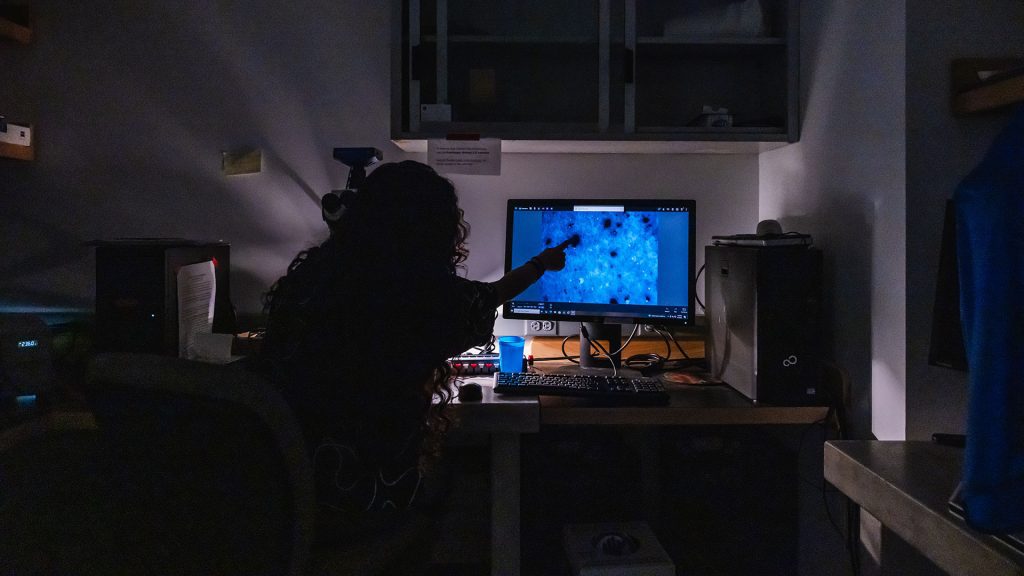
Secrets from the blue mud
Microbes survive—and thrive—in caustic fluids venting from the seafloor
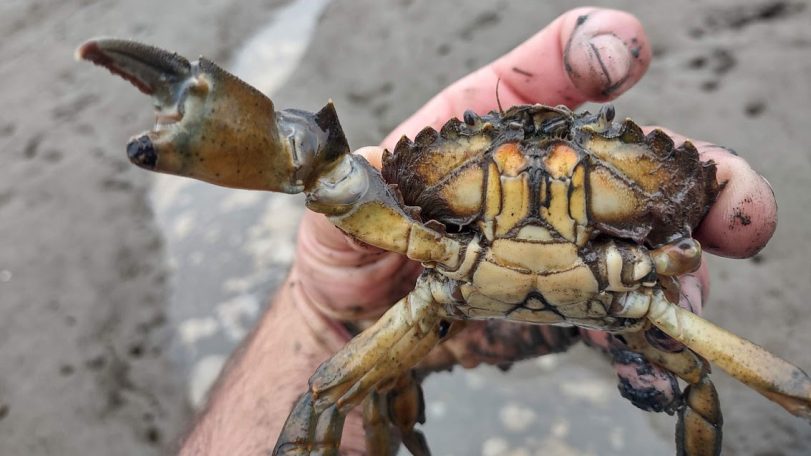
Top 5 ocean hitchhikers
As humans traveled and traded across the globe, they became unwitting taxis to marine colonizers
Following the Polar Code
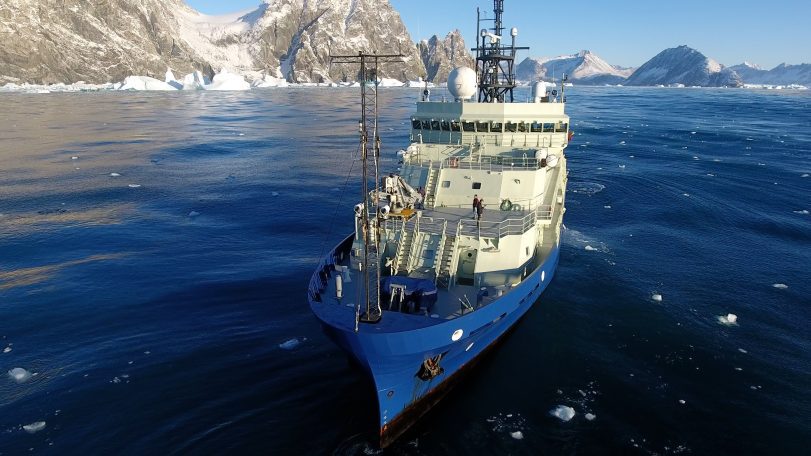
Crew of R/V Neil Armstrong renew their commitment to Arctic science with advanced polar training

Harnessing the ocean to power transportation
WHOI scientists are part of a team working to turn seaweed into biofuel
Casting a wider net
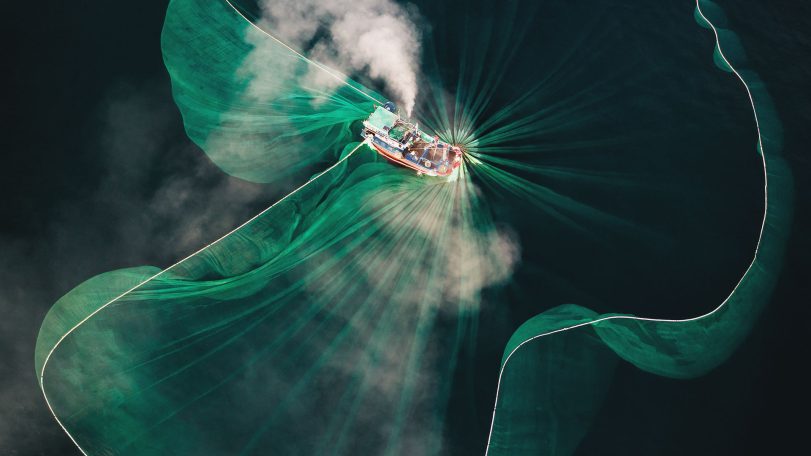
The future of a time-honored fishing tradition in Vietnam, through the eyes of award-winning photographer Thien Nguyen Noc

Gold mining’s toxic legacy
Mercury pollution in Colombia’s Amazon threatens the Indigenous way of life
How do you solve a problem like Sargassum?
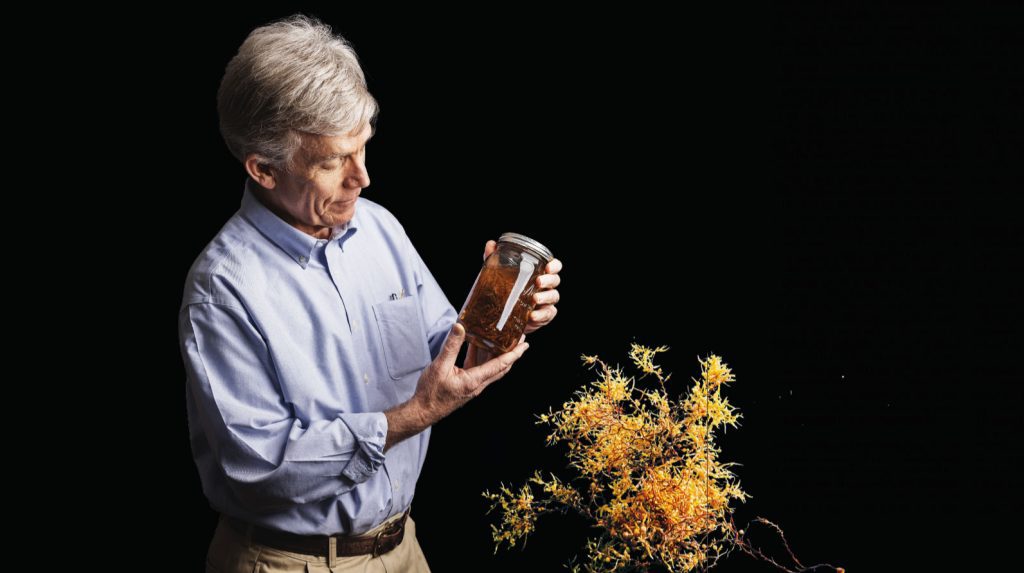
An important yet prolific seaweed with massive blooms worries scientists
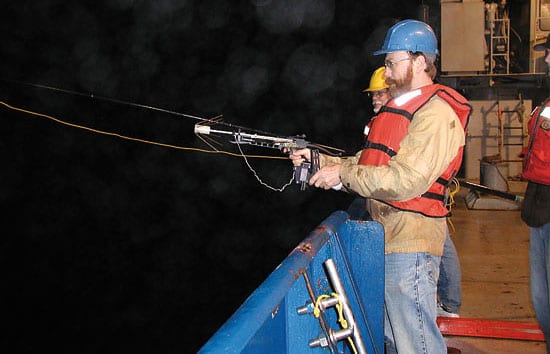
Swimming in the Rain
Twilight zones, witch hunts, and crossbows usually don’t find their way into tales about new…
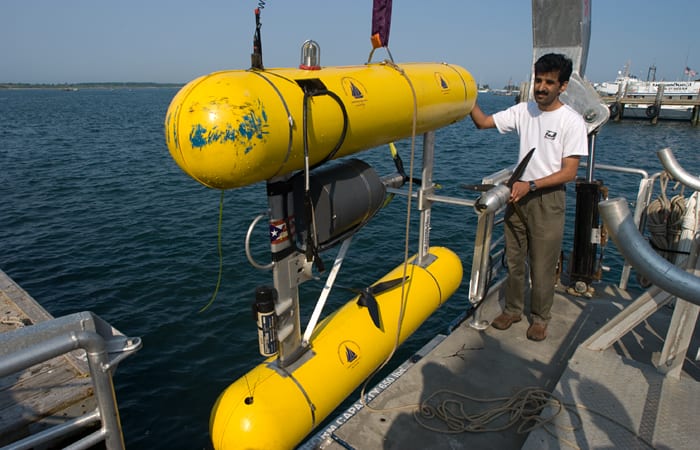
Gone Fish Assessing
Scientists at WHOI are applying new technologies to help the National Marine Fisheries Services assess fish stocks and maintain critical habitats
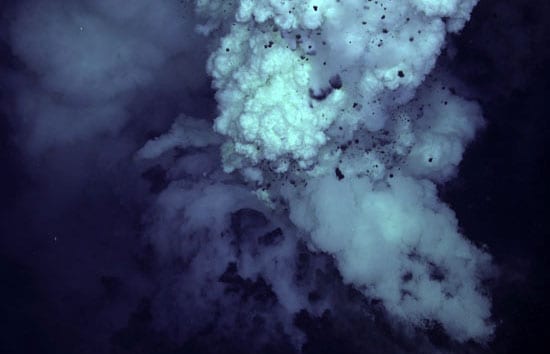
Jason Versus the Volcano
Through the camera eyes of the undersea vehicle Jason, scientists were investigating a quietly bubbling…
Chilly Scenes of Winter off Cape Cod
When winter winds began rattling the storm windows last autumn, Andrey Shcherbina and Glen Gawarkiewicz…
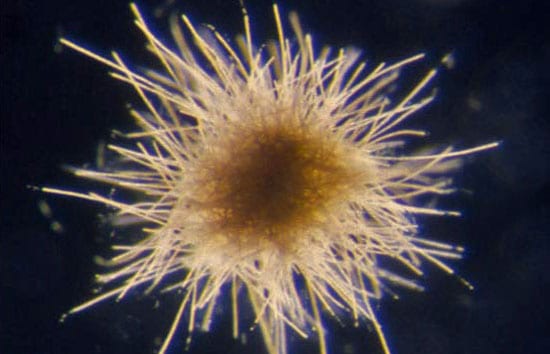
Ocean Microscope Reveals Surprising Abundance of Life
Towing an underwater video microscope across the Atlantic Ocean, two scientists found unexpected abundances of…
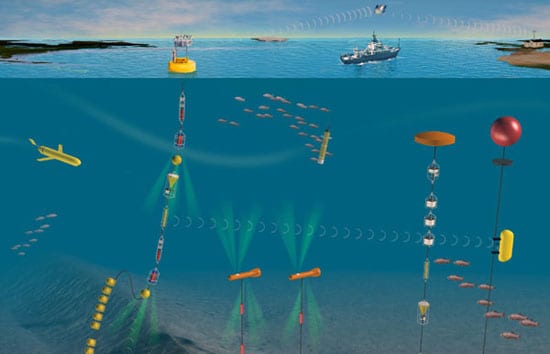
Scientists Gear Up to Launch Ocean Observing Networks
Oceanography is on the verge of a revolution. Scientists and engineers have been dreaming up networks of permanent observing outposts that could probe from the sea surface to the seafloor from many different locations in the Atlantic, Pacific, and Arctic Oceans. And that dream may take a big step toward reality if Congress agrees to the National Science Foundation’s six-year Ocean Observatories Initiative.
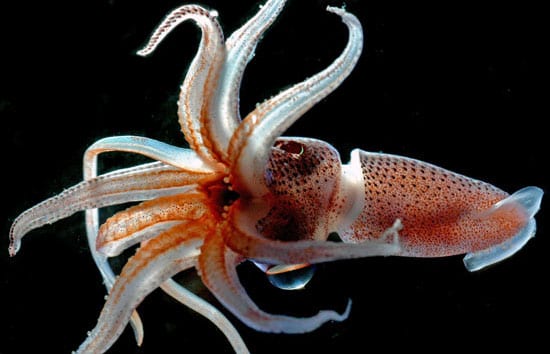
Voyage Takes a Census of Life in the Sea
Scientists collected more than 1,000 shrimplike creatures, swimming snails and worms, and gelatinous animals, including…
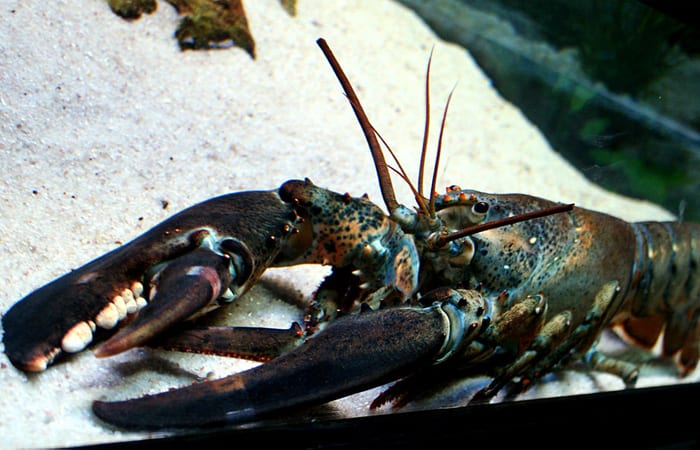
A Modest Proposal to Sustain Lobsters and Lobstermen
A new study by a WHOI scientist and a former lobsterman suggests a provocative lobster management strategy that offers economic benefits to the lobster fishermen, while invigorating lobster stocks.
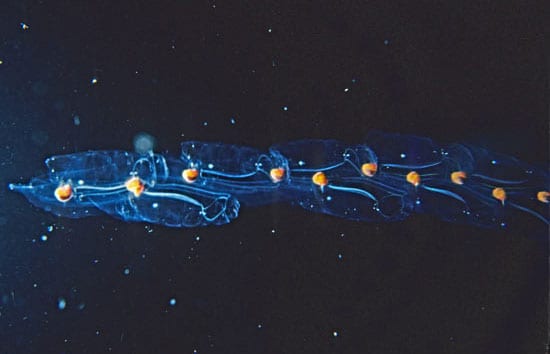
Transparent Animal May Play Overlooked Role in the Ocean
Salps don’t get much respect. They’ve been around for millions of years, but hardly anyone…
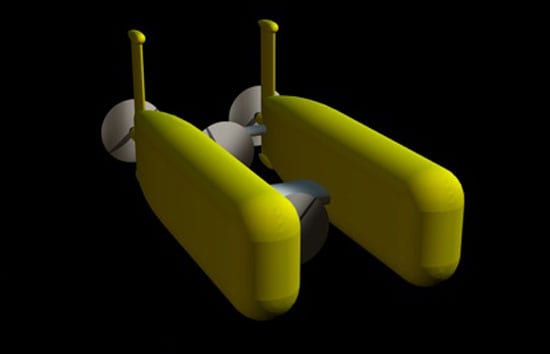
New Hybrid Deep-sea Vehicle Is Christened Nereus
Nereus—a mythical god with a fish tail and a man’s torso—was chosen Sunday (June 25)…
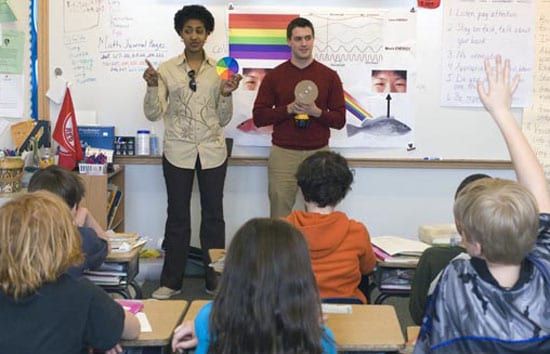
New WHOI Class Helps Students Communicate with Public
There’s a lot of giggling outside room 304 at Mullen-Hall Elementary School in Falmouth. Mass.,…