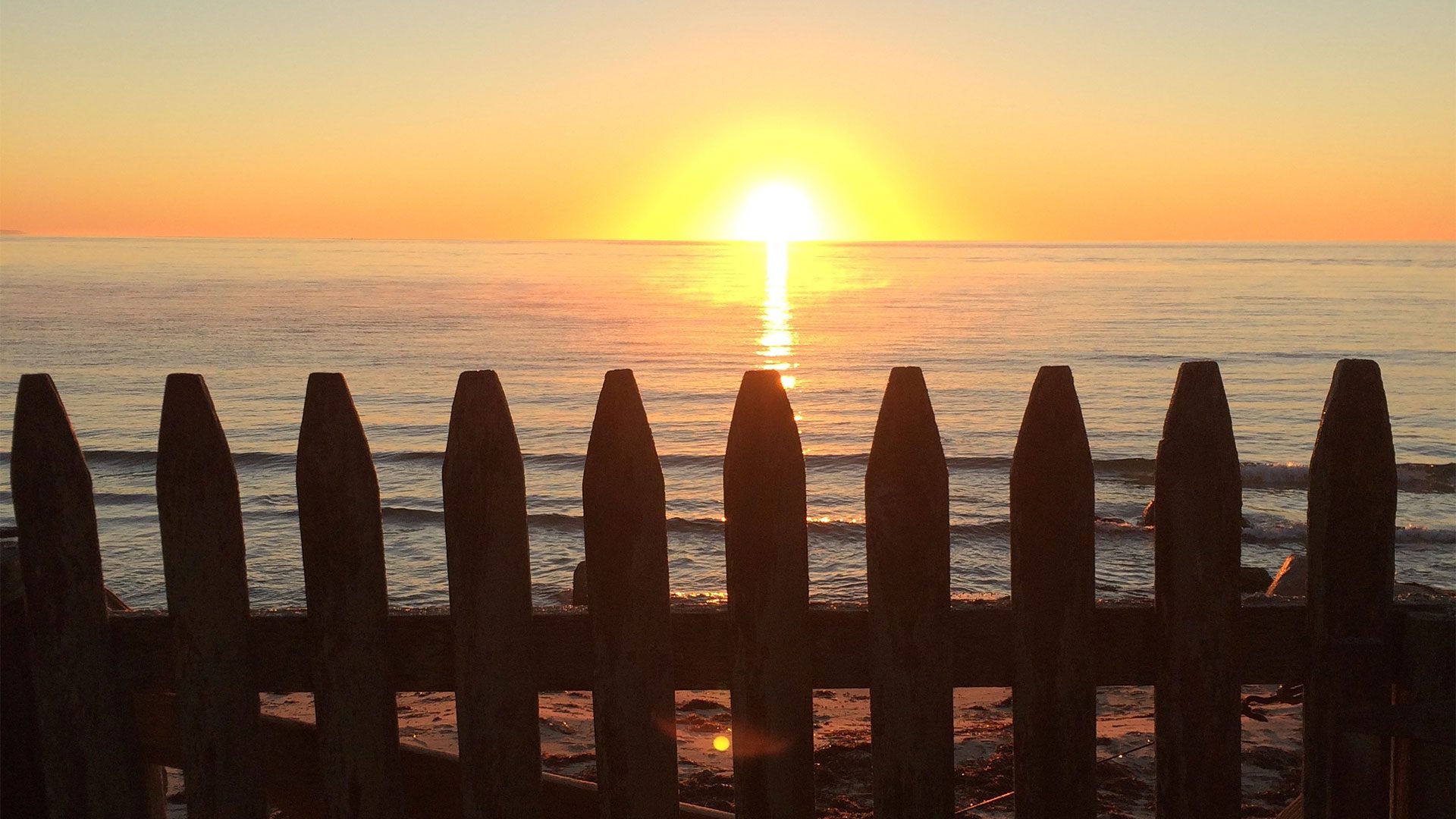
Tracking the hidden currents of Cape Cod Bay
Scientists are using drifters and ocean models to better understand how water, nutrients, and pollutants move through the bay
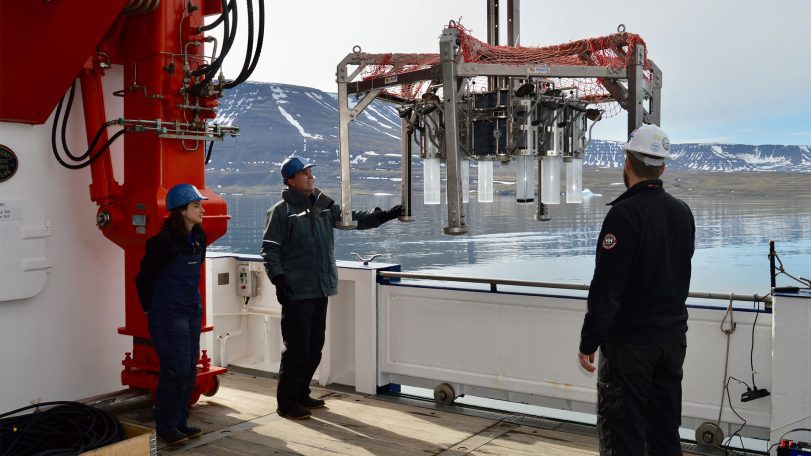
The unseen toll of war on science
As the changing climate accelerates the spread of toxic algal blooms in the Arctic, the Russia–Ukraine war is cutting off critical international collaboration needed to understand and protect vulnerable ecosystems and communities.

The human cost of Brazil’s floods
New research maps social vulnerability after the 2024 deluge
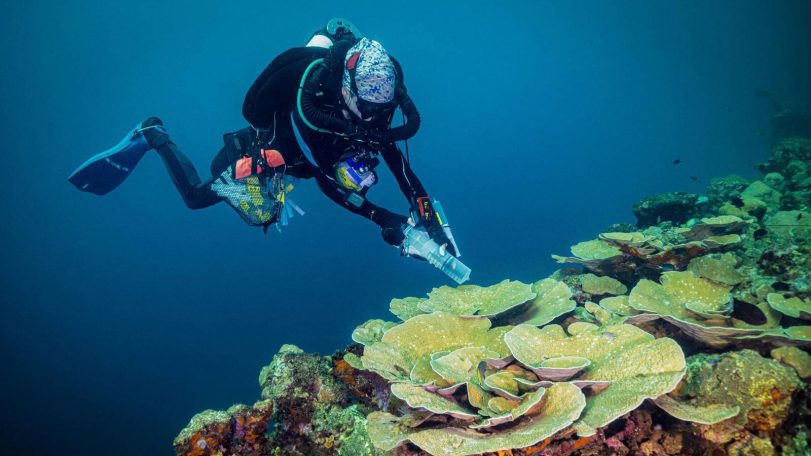
From ruin to reef
What Pacific wrecks are teaching us about coral resilience—and pollution
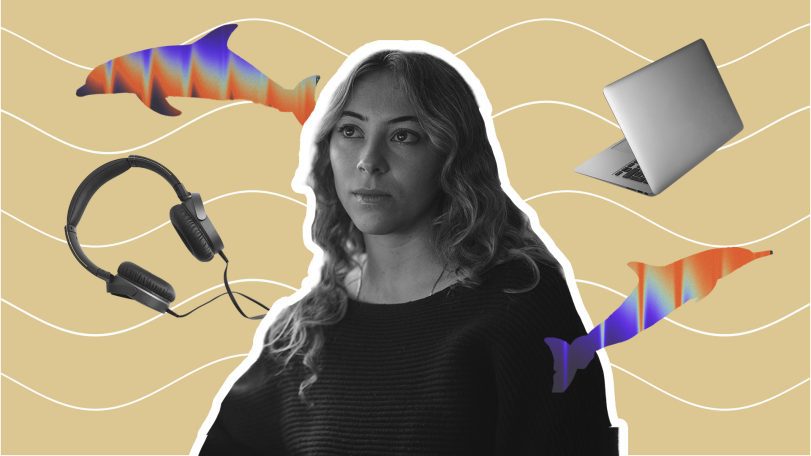
One researcher, 15,000 whistles: Inside the effort to decode dolphin communication
Scientists at WHOI analyze thousands of dolphin whistles to explore whether some sounds may function like words
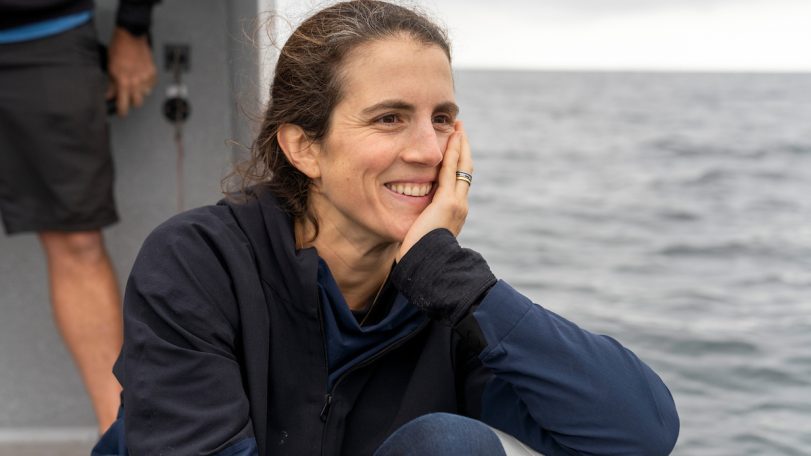
Remembering Tatiana Schlossberg, a voice for the ocean
Environmental journalist and author Tatiana Schlossberg passed away after battling leukemia on December 30, 2025….
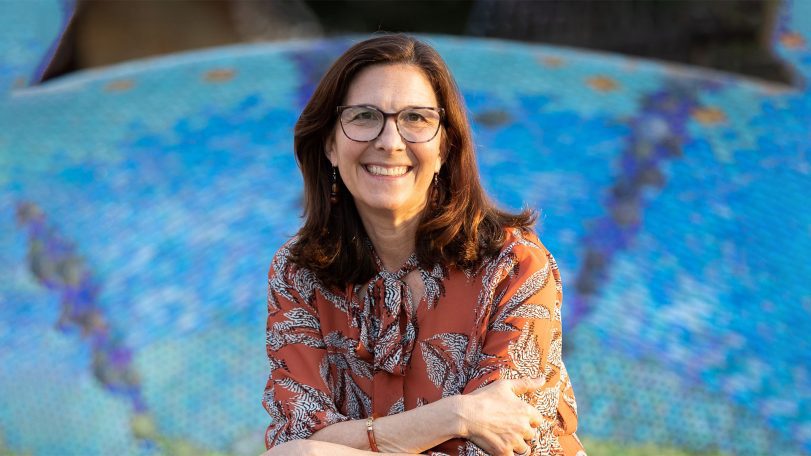
As the ocean warms, a science writer looks for coral solutions
Scientist-turned-author Juli Berwald highlights conservation projects to restore coral reefs
and get Oceanus delivered to your door twice a year as well as supporting WHOI's mission to further ocean science.
Our Ocean. Our Planet. Our Future.
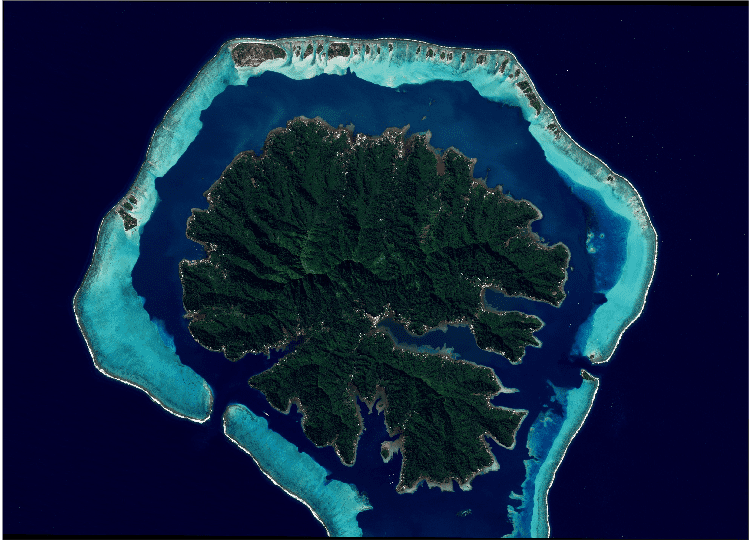
How an MIT-WHOI student used Google Earth to uncover a river–coral reef connection
Google Earth helps researcher decode how rivers sculpt massive breaks in coral reefs
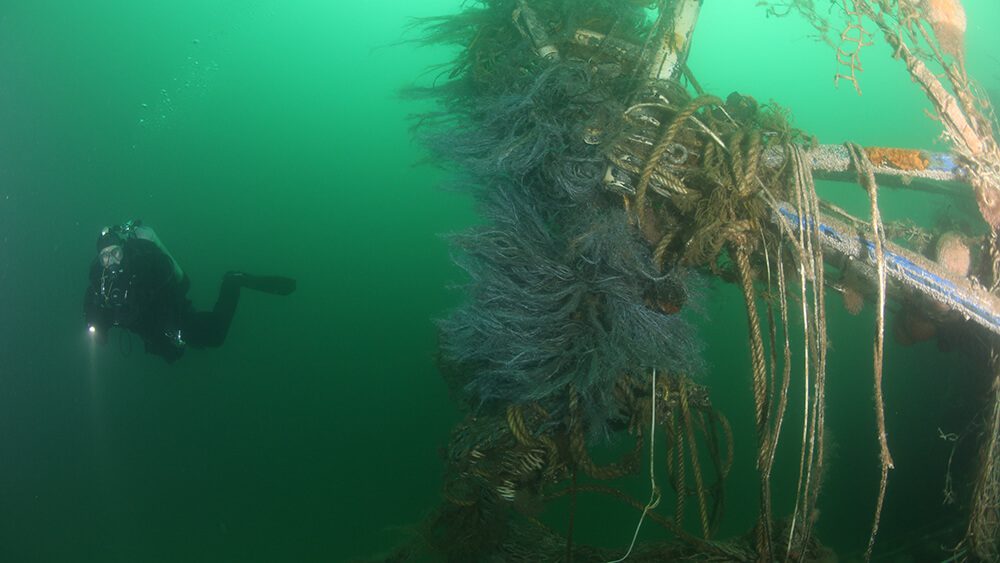
A new underwater robot could help preserve New England’s historic shipwrecks
WHOI’s ResQ ROV to clean up debris in prominent marine heritage sites
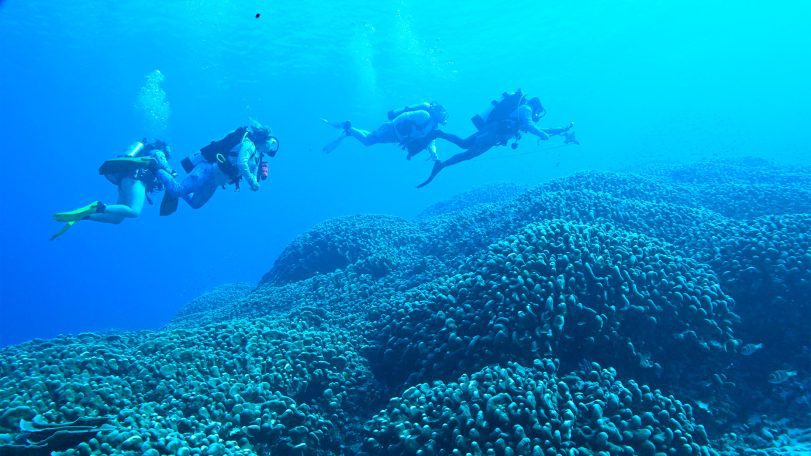
Inside the Solomon Islands’ hidden mega coral — a 300-year-old ocean giant
WHOI’s Reef Solutions team journeys to the world’s largest coral colony

The little big picture
WHOI senior biologist Heidi Sosik on the critical need for long-term ocean datasets
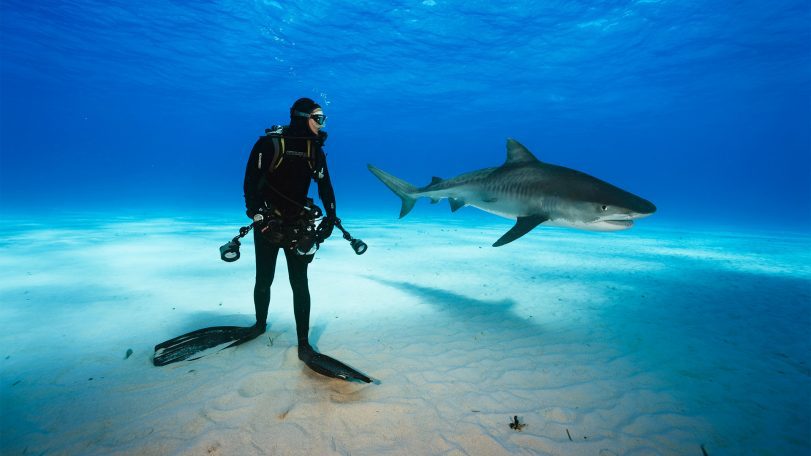
Lessons from a lifetime of exploration
Award-winning ocean photographer Brian Skerry shares insights from a career spent around ocean life and science
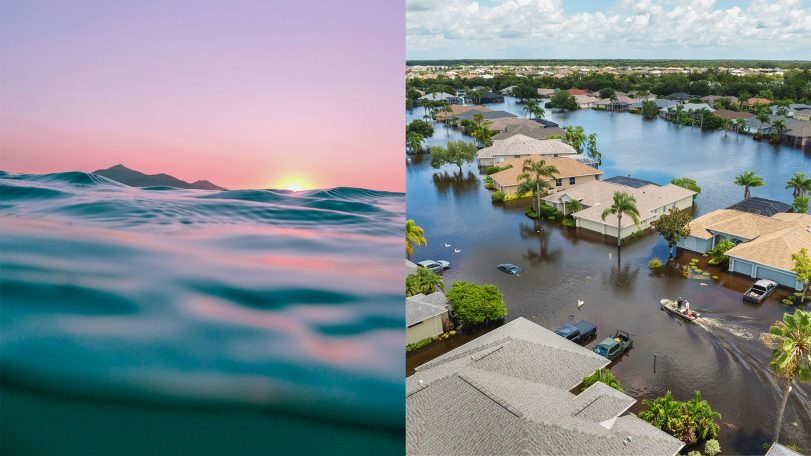
The ocean weather nexus, explained
The vital role of ocean observations in extreme weather forecasting

Breaking down plastics together
Through a surprising and successful partnership, WHOI and Eastman scientists are reinventing what we throw away
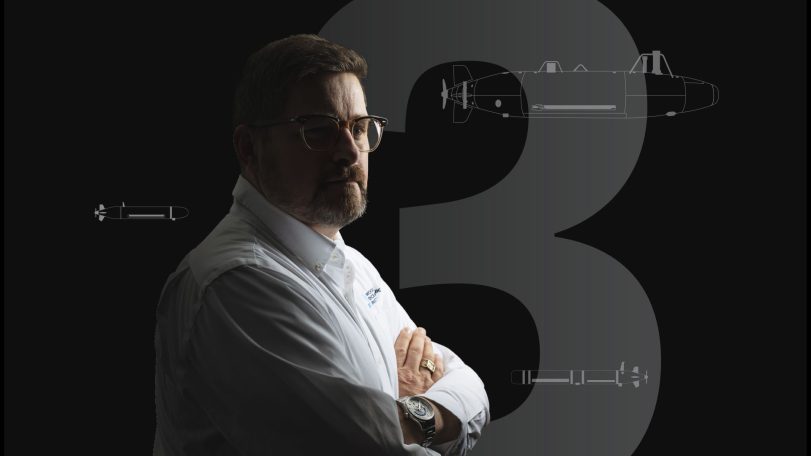
Three questions with Carl Hartsfield
Captain Hartsfield, USN retired, discusses the role ocean science plays in our national defense
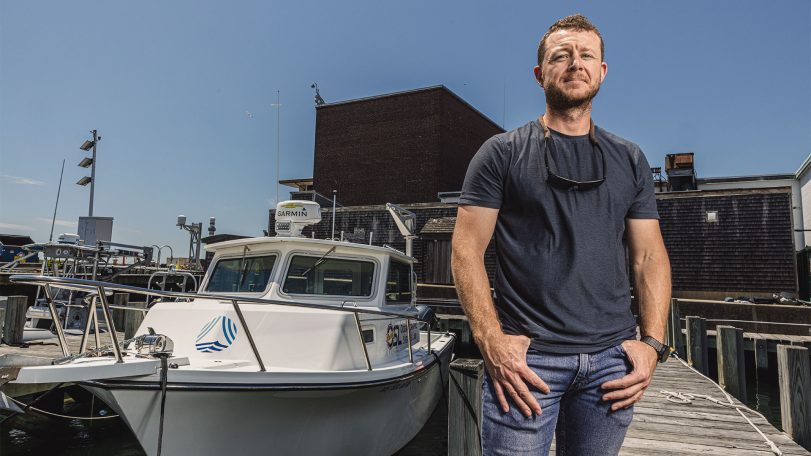

The Ocean (Re)Imagined
How expanding our view of the ocean can unlock new possibilities for life
Looking for something specific?
We can help you with that. Check out our extensive conglomeration of ocean information.
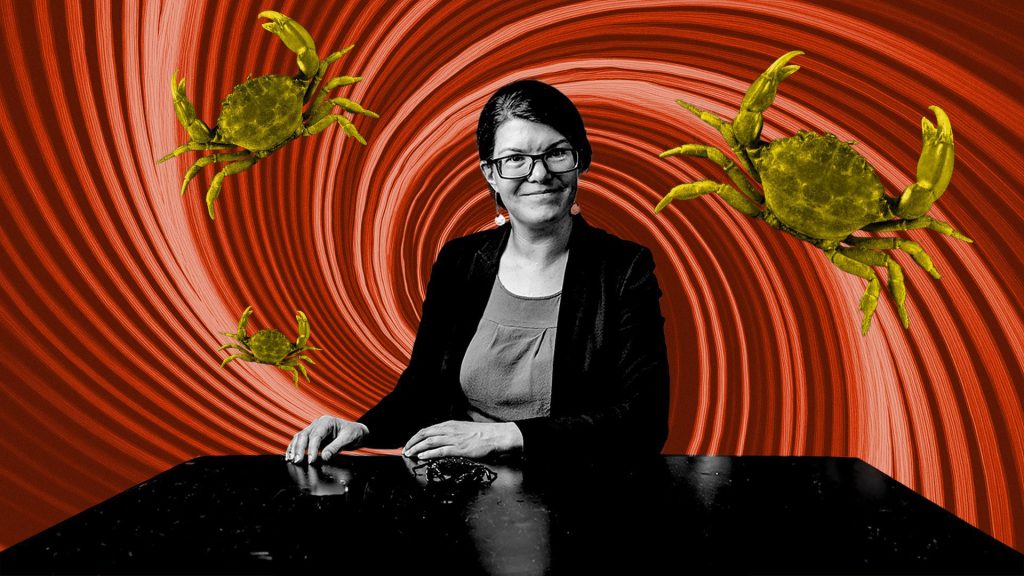
Body snatchers are on the hunt for mud crabs
WHOI biologist Carolyn Tepolt discusses the biological arms race between a parasite and its host
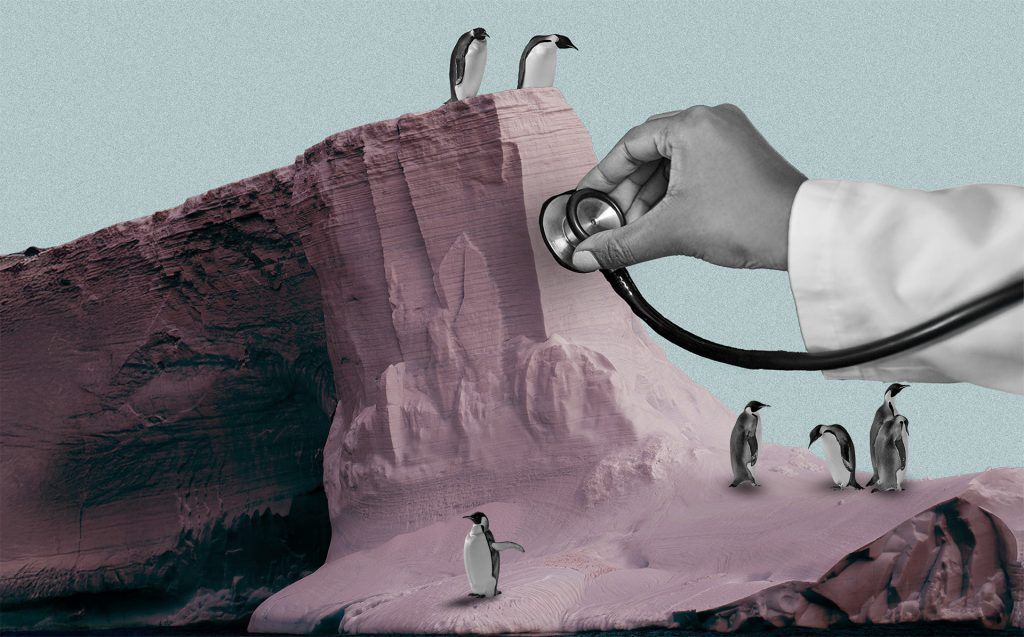
A polar stethoscope
Could the sounds of Antarctica’s ice be a new bellwether for ecosystem health in the South Pole?
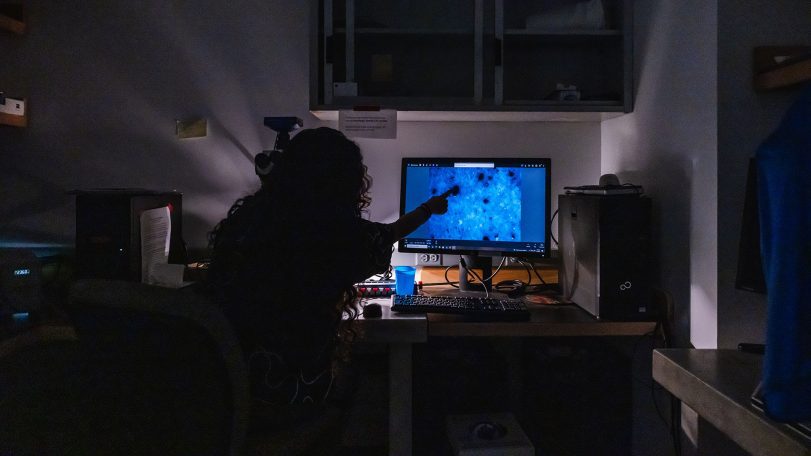
Secrets from the blue mud
Microbes survive—and thrive—in caustic fluids venting from the seafloor
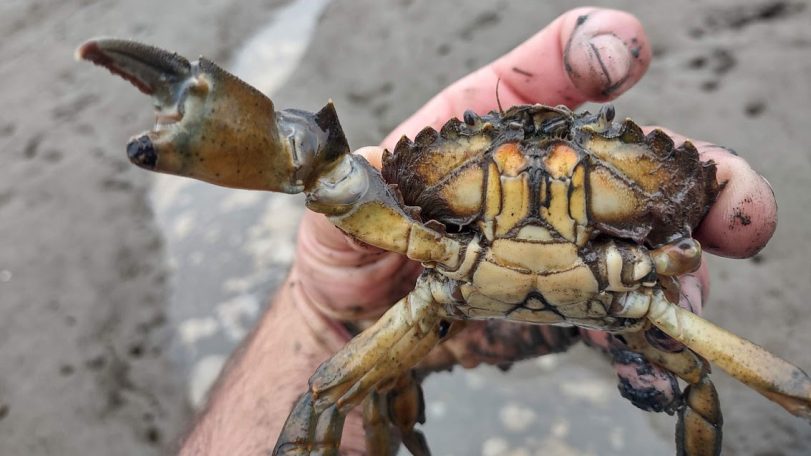
Top 5 ocean hitchhikers
As humans traveled and traded across the globe, they became unwitting taxis to marine colonizers
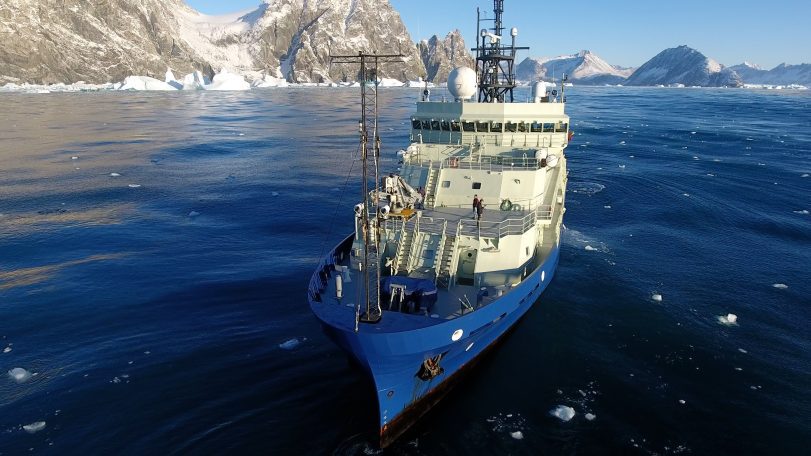
Following the Polar Code
Crew of R/V Neil Armstrong renew their commitment to Arctic science with advanced polar training

Harnessing the ocean to power transportation
WHOI scientists are part of a team working to turn seaweed into biofuel
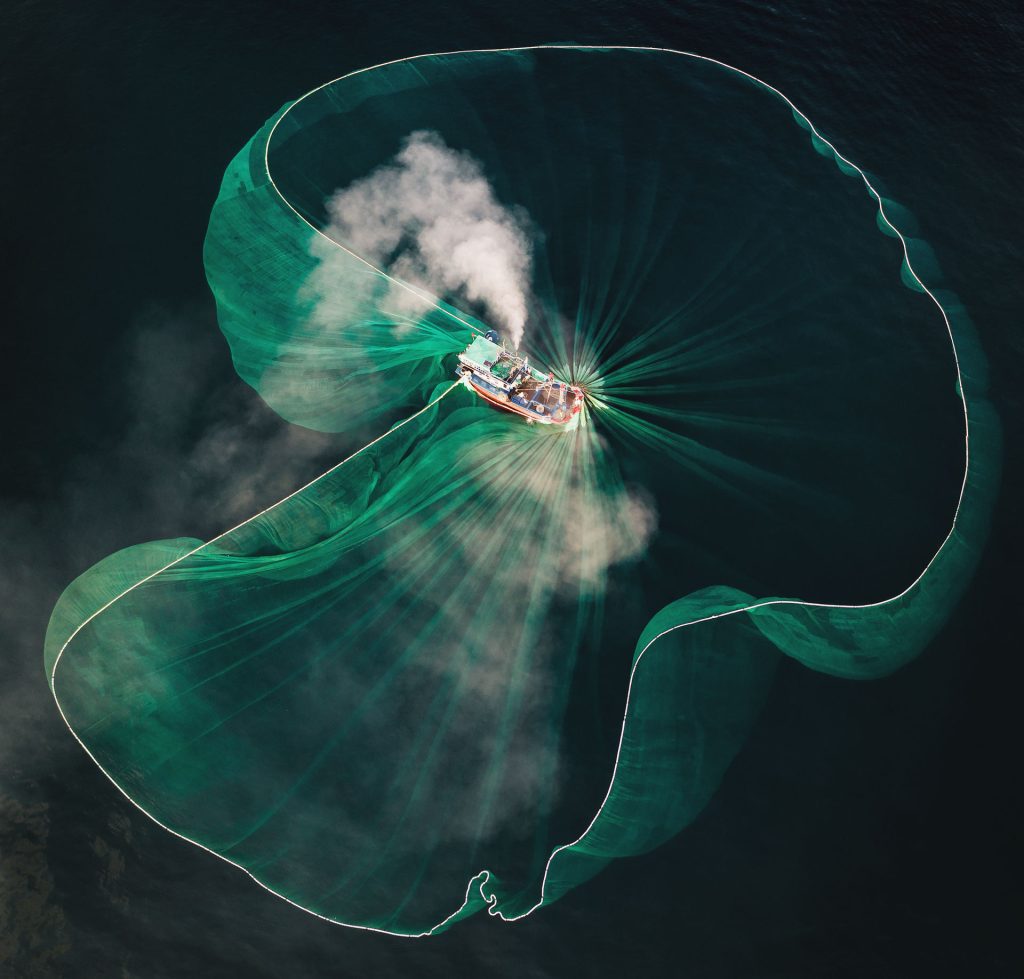
Casting a wider net
The future of a time-honored fishing tradition in Vietnam, through the eyes of award-winning photographer Thien Nguyen Noc
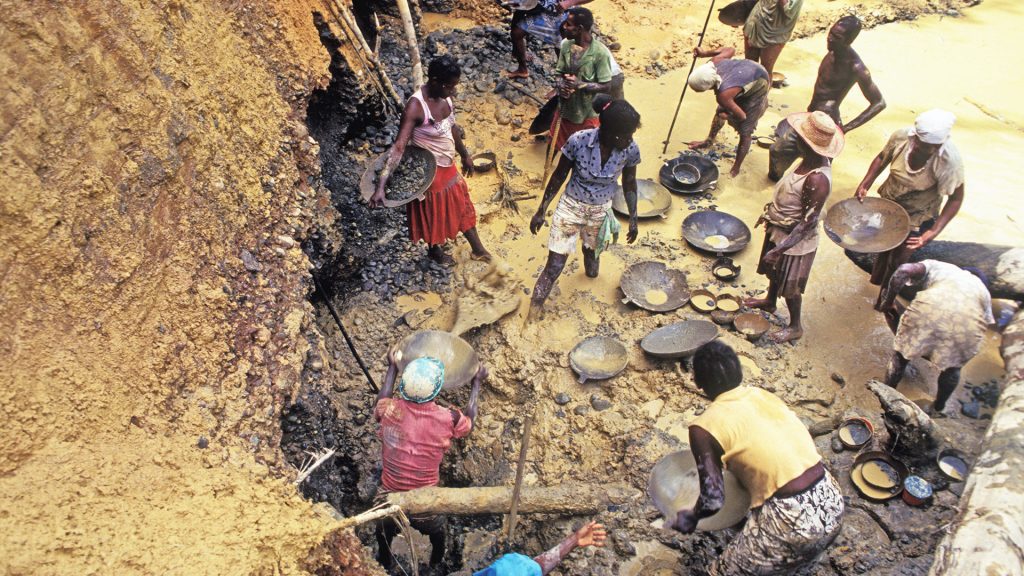
Gold mining’s toxic legacy
Mercury pollution in Colombia’s Amazon threatens the Indigenous way of life
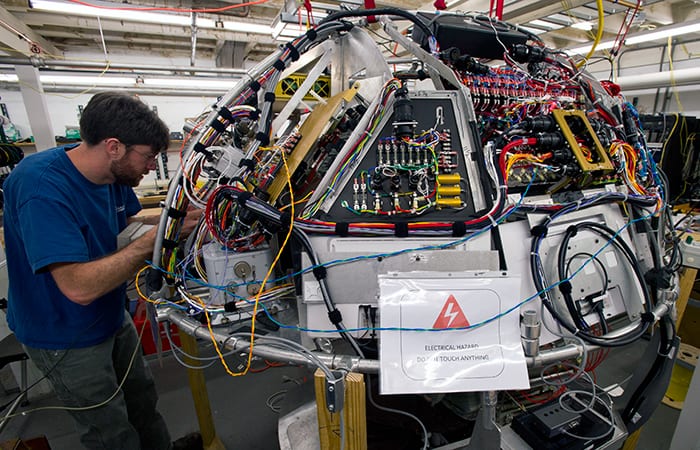
Rebuilding Alvin: Chris Lathan
From the beginning of 2011 to May 2013, Alvin, the U.S. science community’s only human-occupied…
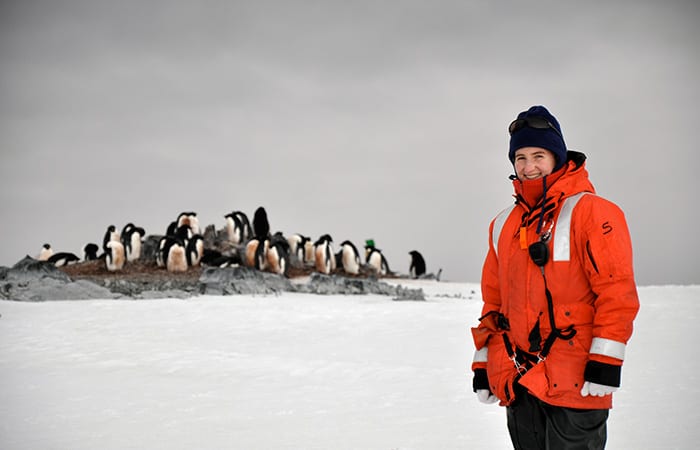
The Scientist and the Poet
Alice Alpert, a graduate student in the MIT/WHOI Joint Program, studies what the chemistry of…
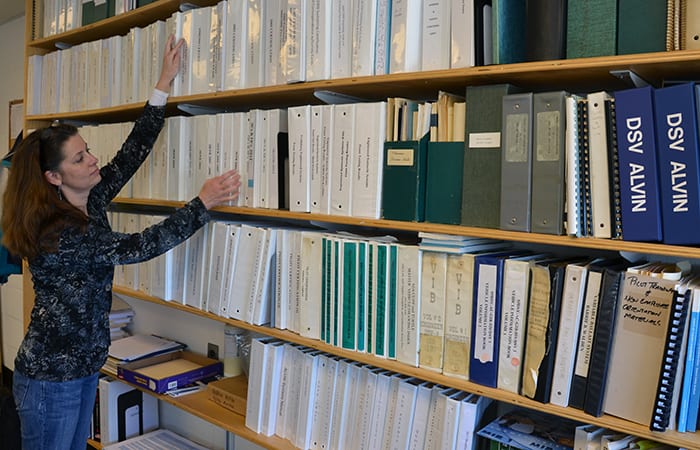
Rebuilding Alvin: Lisa Smith
From the beginning of 2011 to May 2013, Alvin, the U.S. science community’s only human-occupied…
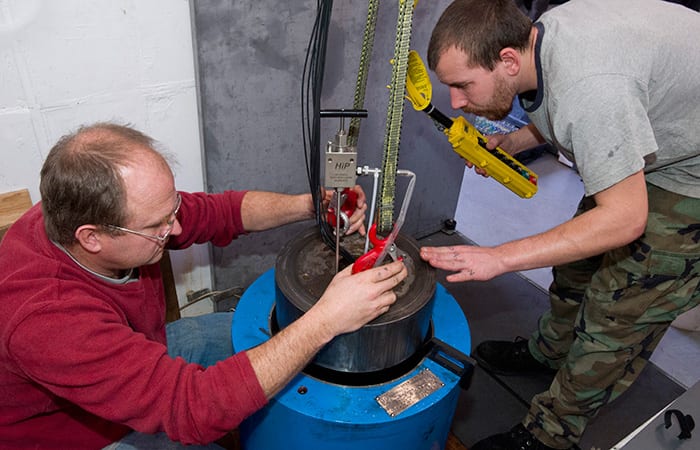
Rebuilding Alvin: Hugh Popenoe and Rob Lewis
From the beginning of 2011 to May 2013, Alvin, the U.S. science community’s only human-occupied…
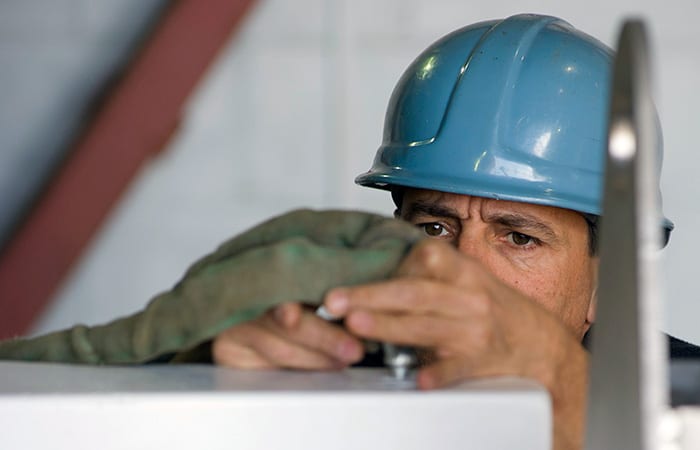
Rebuilding Alvin: Phil Santos
From the beginning of 2011 to May 2013, Alvin, the U.S. science community’s only human-occupied…
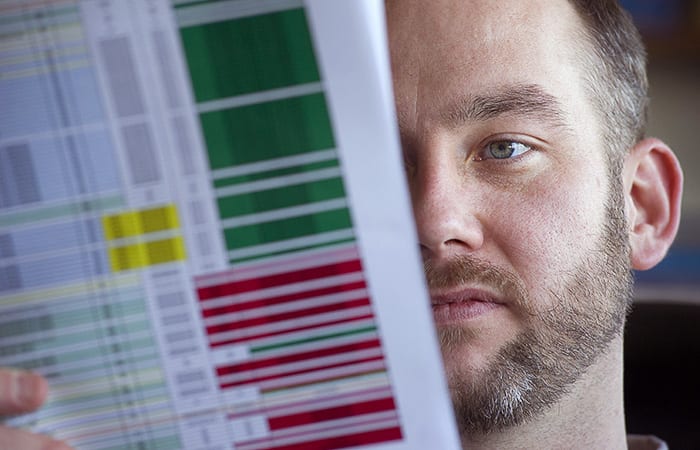
Rebuilding Alvin: Jeff McDonald
Since the beginning of 2011, Alvin, the U.S. science community’s only human-occupied submersible dedicated to…
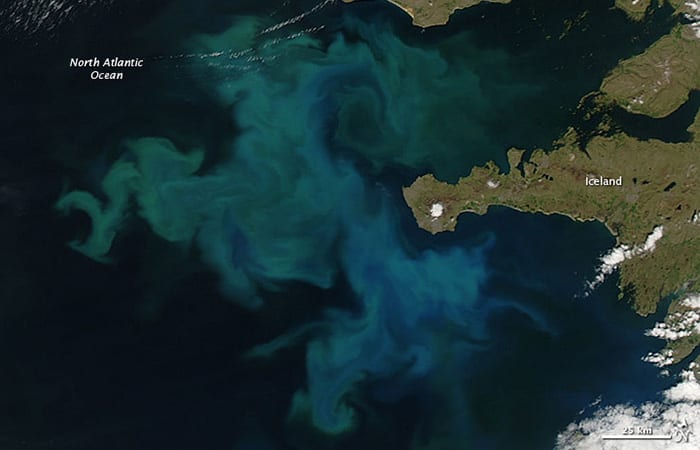
Art Meets Science in a Book called Bloom
When conditions of light and nutrients align in the surface waters of the ocean, tiny…
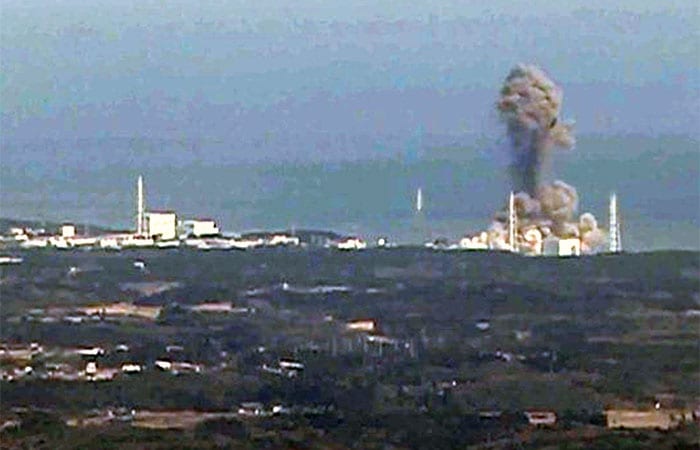
災害時の コミュニケーション
福島中央テレビ » English version 福島第一原子力発電所の異常が日本中そして世界中に知れ渡ったのは、2011年3月の津波翌日のニュース速報で衝撃的なビデオ映像が流れた瞬間であった。福島中央テレビが捉え、4分後に放送したその映像は、福島原発から吹き上がる濃い白色の雲だった。これは、後に原子炉1号機の爆発によるものと判明する。だがそのときは、ニュースキャスターの緊迫した声で、それは煙のように見えるが、もしかすると水蒸気の可能性もあると伝えたのみであった。この白煙は、海上を北へ運ばれていくように見えた。 その放送責任者であった福島中央テレビの寺島祐二取締役副社長は、2012年11月に東京で開かれた「海洋放射能汚染に関する国際シンポジウム」で当時のひっ迫した状況を述懐した。寺島は、このシンポジウムにおいて災害時・災害後の情報伝達の取り組みについて議論を交わした日米ジャーナリストパネリストの一人である。 寺島は言う。「地元メディアとしての私たちの役割は、主に身近な出来事、特に災害について、ただちに報道することです。ですが、そのときは私たちも何を撮影したのか把握していませんでした。ただ撮影したままを放映するしかありませんでした」。 もう一人のパネリストであるニューヨークタイムズ紙のマーティン・ファクラー東京支局長も、当時は暗中模索であった。「最初の10日間はそんな状態でした」とファクラーは言う。「政府も東京電力株式会社も何も言ってきません。日本の科学コミュニティからも、ほとんど情報は得られませんでした。私たちが何とか状況を把握しようとしている間に、最初の爆発が起こり、続けて第2、第3の爆発が起こりました」。 ファクラーは、日本国外の科学者たちと話して初めてそれが水素爆発であった可能性が高いことを知り、それがおそらく原子炉の部分的なメルトダウンを意味することを知ったという。「ですが、これを記事にしたところ、「メルトダウン」という言葉を使ったとして日本側から非常に強い批判を受けました。それは驚くほどの強い否定でした」。 福島中央テレビのカメラだけが停電を免れ、爆発の様子を捉えた。そして、その映像は福島中央テレビの放送ネットワークだけに流された。日本政府がすでに原子力緊急事態宣言を発令していたこともあり、混迷と恐怖が広がった。 寺島は言う。「私たちが爆発の様子を放送したことを勇気ある決断だったと言ってくださる方々がいます。私個人の信条ですが、パニックを起こすからといって、このような重大情報の開示をためらい、またそれを正当化することは無責任だと思います」。 このとき多くの日本人がYouTubeにアクセスした。YouTubeには、海外で放送されたニュース番組から取った爆発の動画が多数アップロードされ、さらに効果音が加えられたものまであった。 「この放送の結果、社会は災害の本当の重大さに気づき、大勢の方が避難を決意したのです」と寺島は述べる。そして、当局への疑惑と不信が広がり始めた。 混乱の日々 ネイチャー誌でこの危機を報道したジェフ・ブラムフィール記者は、これとはやや異なる視点を同シンポジウムの参加者に提示した。「私はロンドンにいましたが、あれだけの情報があれだけ迅速に得られたことに驚いていました。東京電力株式会社は、計測されてすぐの放射線量値を事故から24時間以内に提供していましたし、原子炉の状況もリアルタイムで更新していました」。…
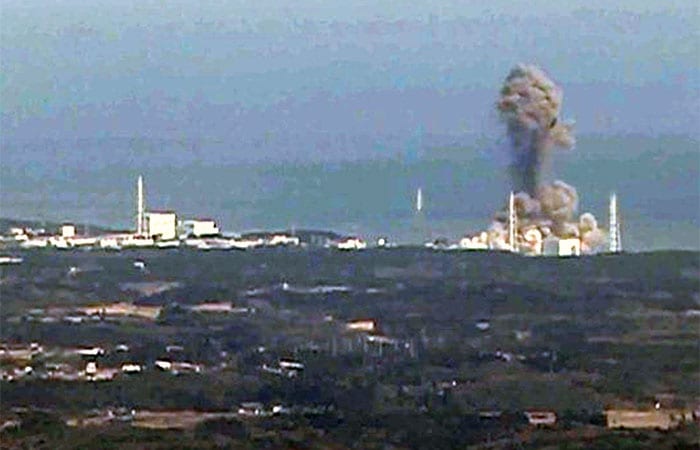
Communication in the Fukushima Crisis
For most of Japan and the rest of the world, the first clear sign of…
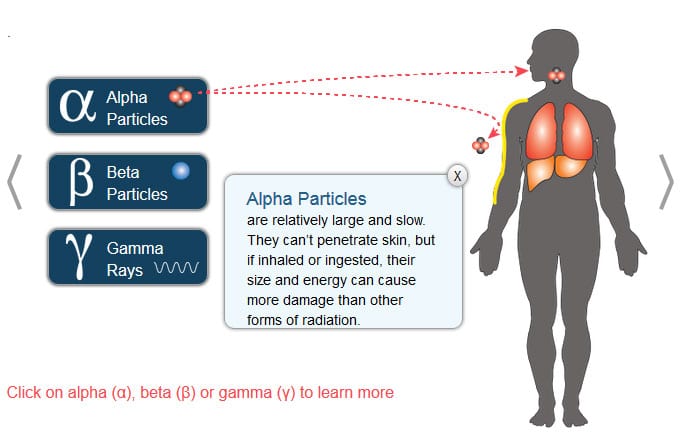
Radiation Health Risks
The ability to gauge radiation at vanishingly low concentrations gives scientists a powerful tool for…
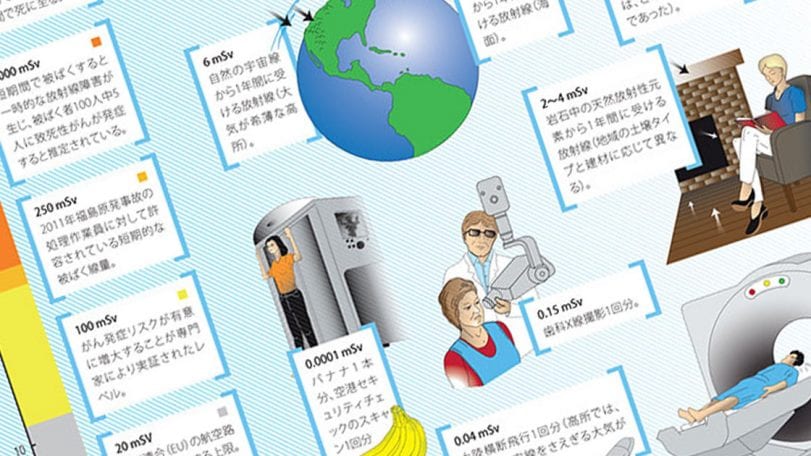
健康上のリスク
» English version 微量の放射線量を計測できる機器は、科学者が海洋過程を理解する際、強力なツールとなる。「現時点では1ベクレル未満まで測定できます」と、ウッズホール海洋研究所のシニアサイエンティストである海洋化学者ケン・ベッセラー博士は言う。 1ベクレルとは、放射性崩壊イベントが1秒あたり1回起こることを意味する。「ただし、測定できる放射能がすべて人の健康に有害だとは限りません」。 では、どの被ばくレベルから人に有害になるのか。また、福島原発事故で生じた放射能は、人の健康にどのような影響を及ぼす可能性があるのだろうか。 ベッセラーら科学者たちは、2011年6月に日本沖で航海中、津波で多数生じた瓦礫が海に漂っているのを見つけるたびに放射能レベルを測定し、その後も悪影響を及ぼすおそれがないか監視してきた。そのときの海水試料を後日研究室で調べたところ、沖合での放射性同位体セシウム137レベルは米国の飲用水許容レベルより低かったが、福島原発事故以前と比べると千倍以上高かったことがわかった。福島由来の放射能は、やがて太平洋全域に現れるであろうが、現れてもこの「微量」レベルどまりとなり、人の健康に直接影響を及ぼすことはないであろう。 しかし、日本人の食事に多く含まれる魚と海藻に最終的に蓄積される福島由来の放射性物質については懸念の声が高い。「これは放射性物質が蓄積したものを食べることによる体内被ばくの問題で、体外からの被ばくとはまた別の問題です」。2012年11月に東京で開かれた「海洋放射能汚染に関する国際シンポジウム」でベッセラーは言った。汚染海域で獲れた魚からは、災害前より高レベルのセシウムが今も検出され続けており、その理由はわかっていない。また、福島原発付近では、セシウム値が異常に高い魚も時折見つかっている。この2つの事実は、今後さらに調査が必要であり、福島沿海の魚がまだ安全に食べられると言えないことを示している。これらの海域は、現在も漁場が閉鎖されたままである。 それにもまして懸念されるのが陸上の放射能である。ベッセラーによると、「海と違って、陸上では一度降下した放射性物質がそのまま居座り、土壌と植物に取り込まれます。その場合、放射性物質は長期的な放射線源となり、人はより高レベルの放射能を直接受けることになります。海中では放射性物質が薄まるため、そのようなことにはなりません」。 偶然の風 さいわい事故発生時に吹いていた風のおかげで、福島第一原子力発電所から放出された放射性同位体の80%は海に落ちた。その幸運と被災区域からの避難が功を奏し、住民の急性被ばくは限られたレベルにとどまった。ただし、メルトダウンから数日後には風雨の向きが変わり、陸上にも放射性降下物のホットスポットがところどころ生じてしまった。 被ばく量が最も高かったのは、当然ではあるが原発内で作業にあたった人員であった。原子放射線の影響に関する国連科学委員会(UNSCEAR)によると、災害の拡大を防ぐため救急隊が駆けつけた混乱ピークの数日間で、それら167人の作業員は100ミリシーベルトを超える放射線を浴びた。100ミリシーベルトとは、がん発症リスクが有意に増大すると専門家が実証したレベルである。それより低線量の被ばくリスクも議論されているが、そのリスクはより小さく、検出も難しい。 東京電力株式会社の他の作業員2万人と、放射性物質が降下した地域の住民およそ15万人の被ばく量は、それより低かった。世界保健機関(WHO)によれば、それら住民の大半は2~10ミリシーベルトの線量を受けた。避難が遅れた福島県双葉郡浪江町と同相馬郡飯舘村の住民は、10~50ミリシーベルトを被ばくした。懸念される例外として、浪江町からの避難経路のひとつで1歳児の放射性ヨウ素131被ばく線量が最高100~200ミリシーベルトと推計されたことが複数のメディアで報告されている(環境省委託チーム調べ。24時間屋外にいたと仮定した場合)。 ヨウ素131は半減期が約8日と短命で、福島由来の放射能として最も深刻な健康被害をもたらすおそれがある。米国ローレンスリバモア国立研究所のジェームズ・スワード医学ディレク…