
COP30 Ocean Pavilion wrap-up
Published: November 26, 2025
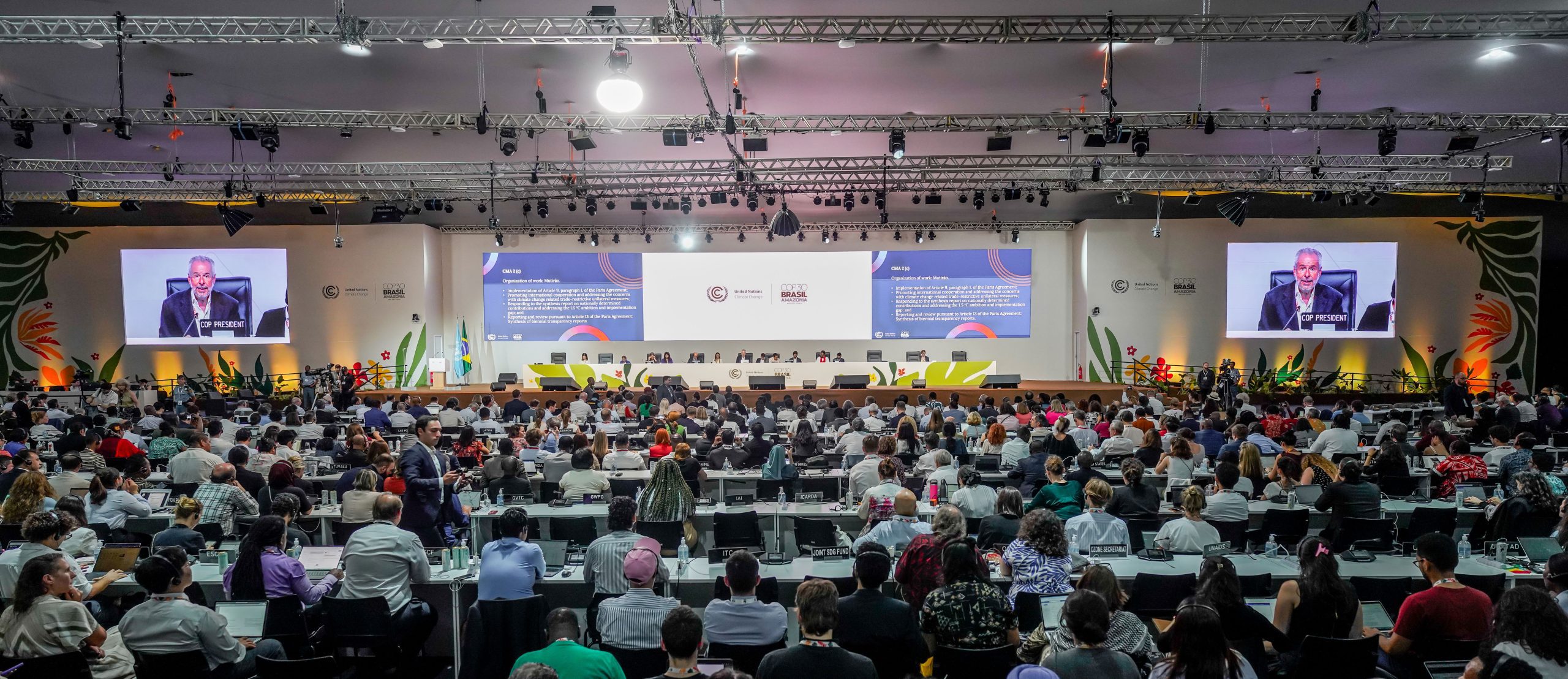
No matter what anyone says about the shortcomings of this year’s UN climate conference of the parties (COP30), it was a memorable two weeks for the Ocean Pavilion and for the ocean in general. Through the turmoil stirred up by fire, flood, and logistical chaos, the Ocean Pavilion stood out as a place of focus and resolve that put the ocean into sharp focus at the center of climate action. Throughout COP30, three top-line messages emerged from the Ocean Pavilion community. First, the ocean has finally moved from the margins to the mandates of climate action. Ocean considerations are now woven into national climate strategies, ministerial interventions, and global action on mitigation and adaptation at every level of society, and this momentum will almost certainly carry well beyond Belém. Second, ocean-based climate solutions are increasingly viewed as essential components of national climate plans, also known as nationally determined contributions (NDCs). Countries are recognizing that their long-term climate plans are incomplete without robust and sincere consideration of the ocean’s role in the success of these plans. This is especially important for small island developing states (SIDs), least-developed countries (LDCs), and vulnerable coastal communities whose futures are deeply intertwined with such things as mangrove restoration, coral reef protection, sustainable fisheries, and technology transfer. Third, the next frontier of ambition for the richest countries lies in committing to equity, capacity development, and access to information about the state of the ocean. The challenge before us all is not a lack of ocean science but in ensuring that all nations, especially the most climate-vulnerable people, have the resources and agency to apply the information the developed world has already generated, and that they themselves will increasingly generate.
UN Secretary-General António Guterres reinforced these points and emphasized the interconnectedness of all parts of our planet, particularly the forests that formed a backdrop of proceedings and the arm of the ocean that stood at its doorstep, when he called for stronger coastal protection, restored marine ecosystems, reduced pollution, and expanded protected areas worldwide. He framed these actions not as options to pursue at will, but as sound economic choices that help promote global stability and, more importantly, as moral and legal responsibilities for all.

Looking ahead, there is reason for continued hope. COP31 has been set for Antalya, Turkey, under a unique shared arrangement with Australia and with a Pacific-led pre-COP. This arrangement offers an opening to rethink how the COP process itself can evolve. Whether the current model continues or climate COPs become more distributed, this new structure could help elevate ocean priorities and embed them more deeply in year-round climate governance that pays stronger heed to the input of scientists and to people at the forefront of our changing planet. If harnessed inclusively, COP31 could lead the charge while also becoming the first truly “Blue COP” that further reinforces the integration of the ocean action across all facets of international climate negotiations in ways no COP has yet achieved.
And through the entire arc of this remarkable rise of the ocean on the international stage, the Ocean Pavilion has been a fixture. The community that has gathered there refuses to let the ocean be an afterthought—and that determination will be our greatest strength for years to come.