
Raising Awareness
News
NEWS RELEASES
New Temperature Reconstruction from Indo-Pacific Warm Pool
A new 2,000-year-long reconstruction of sea surface temperatures (SST) from the Indo-Pacific warm pool (IPWP) suggests that temperatures in the region may have been as warm during the Medieval Warm Period as they are today. The IPWP is the largest body of warm water in the world, and, as a result, it is the largest source of heat and moisture to the global atmosphere, and an important component of the planet’s climate. Climate models suggest…
Warming Climate Impacts Base of Food Web in Western Antarctic Peninsula
A paper published this week in Science shows for the first time that the warming climate is changing the numbers and composition of phytoplankton—the base of the food web—along the western shelf of the Antarctic Peninsula. Summertime levels of phytoplankton have decreased by 12 percent over the past 30 years off the Western Antarctic Peninsula, reports the team, which was led by Martin Montes-Hugo of the Institute of Marine and Coastal Sciences at Rutgers University….
Emperor Penguins March toward Extinction?
Popularized by the 2005 movie “March of the Penguins,” emperor penguins could be headed toward extinction in at least part of their range before the end of the century, according to a paper by Woods Hole Oceanographic Institution (WHOI) researchers published January 26, 2009, in Proceedings of the National Academy of Sciences of the United States of America. The paper, co-authored by five researchers including WHOI biologists Stephanie Jenouvrier and Hal Caswell, uses mathematical models…
Bacterial Pathogens and Rising Temperatures Threaten Coral Health
Coral reefs around the world are in serious trouble from pollution, over-fishing, climate change and more. The last thing they need is an infection. But that’s exactly what yellow band disease (YBD) is—a bacterial infection that sickens coral colonies. Researchers at the Woods Hole Oceanographic Institution (WHOI) and colleagues have found that YBD seems to be getting worse with global warming and announced that they’ve identified the bacteria responsible for the disease. Just as a…
Study links swings in North Atlantic Oscillation variability to climate warming
Using a 218-year-long temperature record from a Bermuda brain coral, researchers at the Woods Hole Oceanographic Institution (WHOI) have created the first marine-based reconstruction showing the long-term behavior of one of the most important drivers of climate fluctuations in the North Atlantic. The North Atlantic Oscillation (NAO) is a wide-ranging pressure seesaw that drives winter climate over much of North America, Europe and North Africa. Past reconstructions of the NAO have relied mainly on terrestrial,…
WHOI | OCEANUS
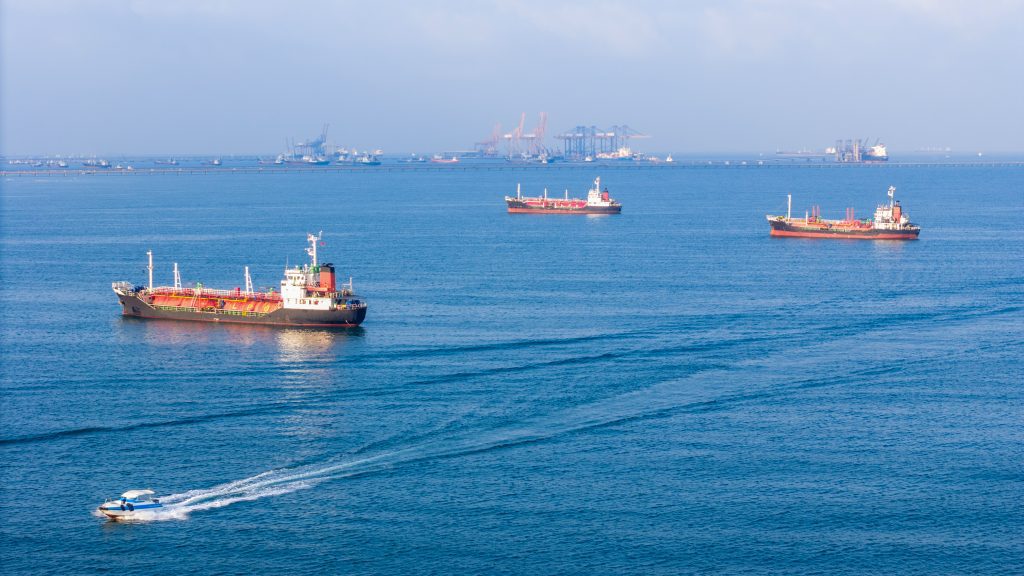
Ships in the Strait of Hormuz are becoming invasive species breeding grounds
Beneath the waterline of every ship stalled in the Persian Gulf, a thriving underwater city takes shape—barnacles, algae, mussels, sea squirts. Some of those hitchhikers could reach coastlines they’d never find on their own.
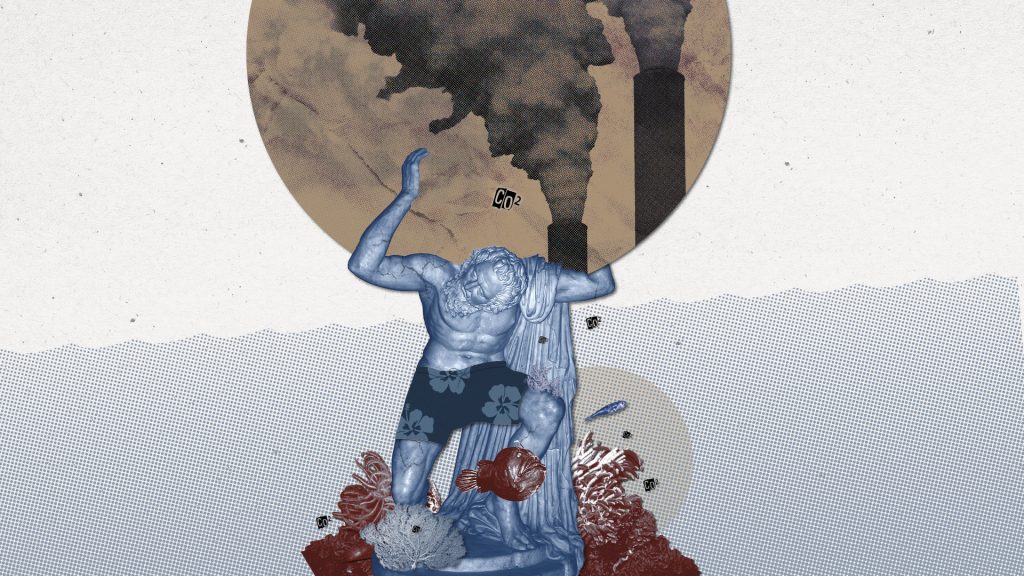
Is the ocean carbon sink at risk of faltering?
WHOI scientists explain how the ocean mitigates climate change—and could be compromised by it

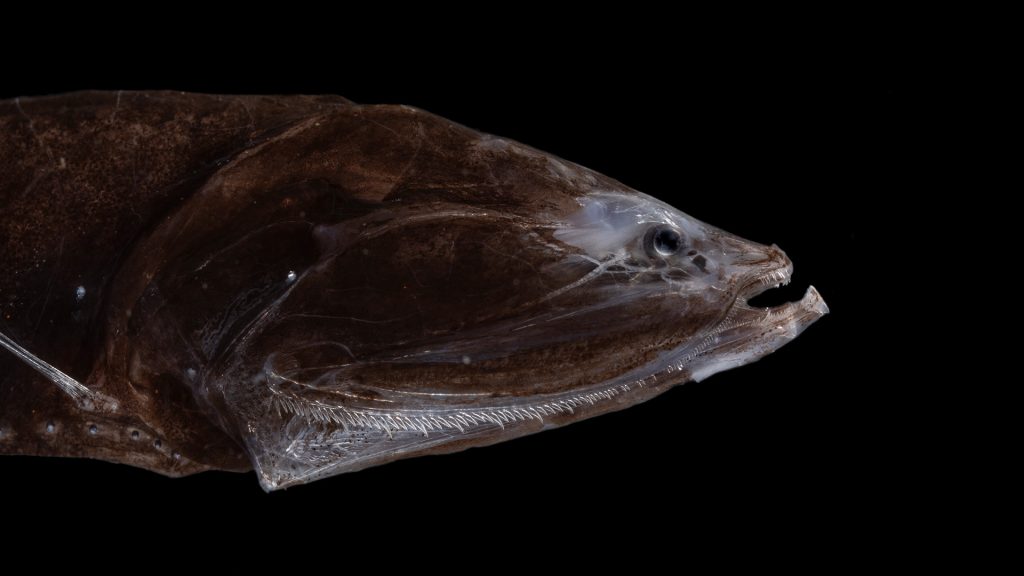
The world’s most abundant fish once thrived in an extreme climate
Fossilized teeth show bristlemouth fish evolved during one of the ocean’s hottest periods
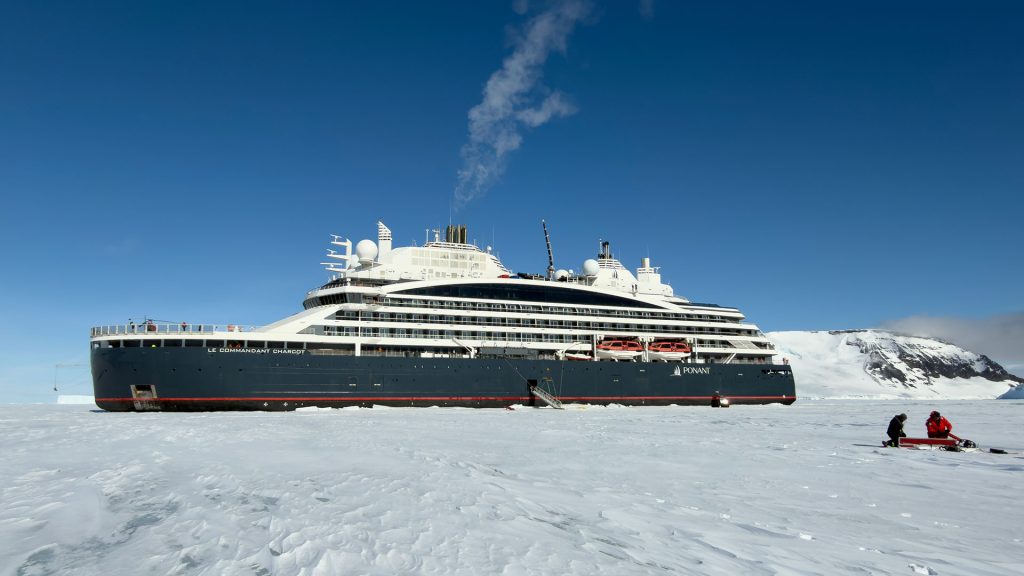
Luxury cruises with a side of climate science
A new partnership gives scientists rare access to remote Antarctic glaciers—and a new way to engage the public
Publications
IN THE NEWS - RESEARCH HIGLIGHTS
Study offers first definitive proof that Gulf Stream has weakened
“New research from the Woods Hole Oceanographic Institution offers the first conclusive evidence that the Gulf Stream has weakened. The powerful ocean current off the East Coast influences regional weather, climate and fisheries, and the finding could have significant implications both for New England and the global climate.”
What Happens to Marine Life When There Isn’t Enough Oxygen?
In September of 2017, Woods Hole Oceanographic Institution postdoctoral scholar Maggie Johnson was conducting an experiment with a colleague in Bocas del Toro off the…
Maine’s having a lobster boom. A bust may be coming.
The waters off Maine’s coast are warming, and no one knows what that’s going to mean for the state’s half-billion-dollar-a-year lobster industry—the largest single-species fishery in North America. Some fear that continued warming could cause the lobster population to collapse. To understand what’s happening to the ecosystem of the Gulf of Maine, says Glen Gawarkiewicz, an oceanographer at Woods Hole Oceanographic Institution, in Massachusetts, you have to look beyond it—see how it’s affected by the atmosphere, ocean currents, and rivers that flow into it.