
Raising Awareness
News
NEWS RELEASES
Bacterial Communication Could Affect Earth’s Climate
Woods Hole Oceanographic Institution (WHOI) scientists have discovered that bacterial communication could have a significant impact on the planetÃÂs climate.
New Coral Dating Method Hints at Possible Future Sea-Level Changes
New evidence of sea-level oscillations during a warm period that started about 125,000 years ago raises the possibility of a similar scenario if the planet continues its more recent warming trend, says a research team led by the Woods Hole Oceanographic Institution (WHOI).
Novel Ocean-Crust Mechanism Could Affect World’s Carbon Budget
The Earth is constantly manufacturing new crust, spewing molten magma up along undersea ridges at the boundaries of tectonic plates. The process is critical to the planet?s metabolism, including the cycle of underwater life and the delicate balance of carbon in the ocean and atmosphere. Now, scientists at the Woods Hole Oceanographic Institution (WHOI) have observed ocean crust forming in an entirely unexpected way?one that may influence those cycles of life and carbon and, in turn, affect the much-discussed future of the world?s climate.
WHOI Scientist Takes Comprehensive Look at Human Impacts on Ocean Chemistry
Numerous studies are documenting the growing effects of climate change, carbon dioxide, pollution and other human-related phenomena on the world?s oceans. But most of those have studied single, isolated sources of pollution and other influences. Now, a marine geochemist at the Woods Hole Oceanographic Institution (WHOI) has published a report in the latest issue of the journal Science that evaluates the total impact of such factors on the ocean and considers what the future might hold.
Woods Hole Consortium Delegates Participating in U.N. Climate Change Conference in Copenhagen this Week
CONTACTS: Andrea Early, Marine Biological Laboratory 508-289-7652; aearly@mbl.edu Media Relations Office, Woods Hole Oceanographic Institution 508-289-3340; media@whoi.edu Elizabeth Braun, Woods Hole Research Center 508-540-9900, x109; ebraun@whrc.org WOODS HOLE, MA—Directors and scientists from the Woods Hole Consortium are in Copenhagen, Denmark, this week to speak on climate change impacts on ocean, air, land, and polar-ice ecosystems—whose fates are inextricably linked—at the United Nations Climate Change Conference (COP15). The Woods Hole Consortium, whose members include the Marine…
WHOI | OCEANUS
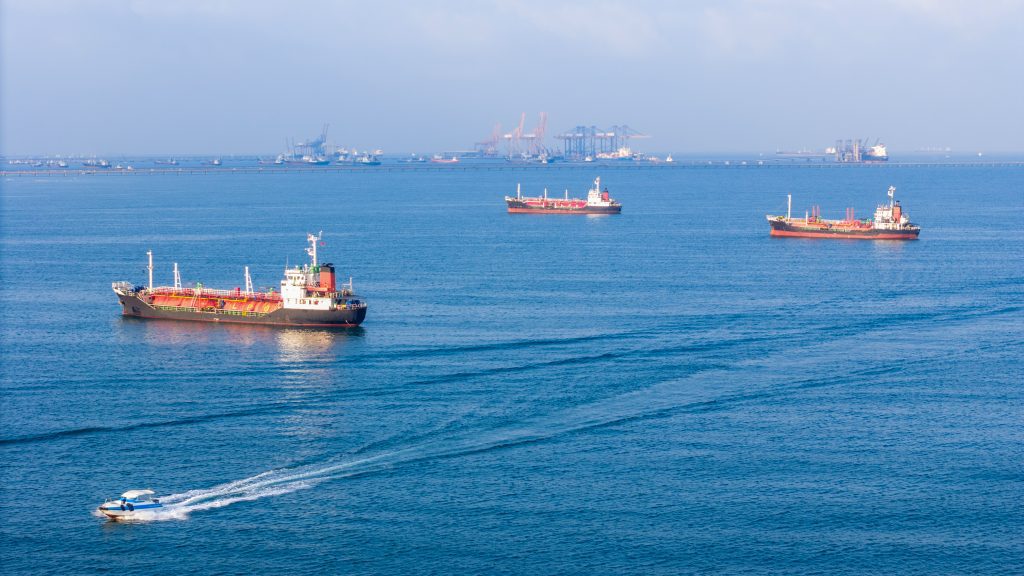
Ships in the Strait of Hormuz are becoming invasive species breeding grounds
Beneath the waterline of every ship stalled in the Persian Gulf, a thriving underwater city takes shape—barnacles, algae, mussels, sea squirts. Some of those hitchhikers could reach coastlines they’d never find on their own.
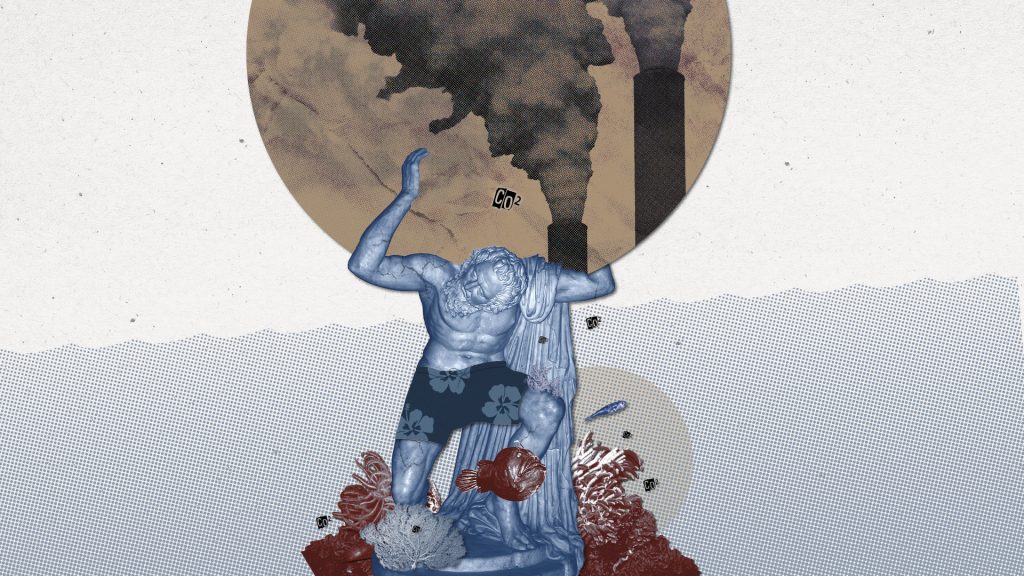
Is the ocean carbon sink at risk of faltering?
WHOI scientists explain how the ocean mitigates climate change—and could be compromised by it
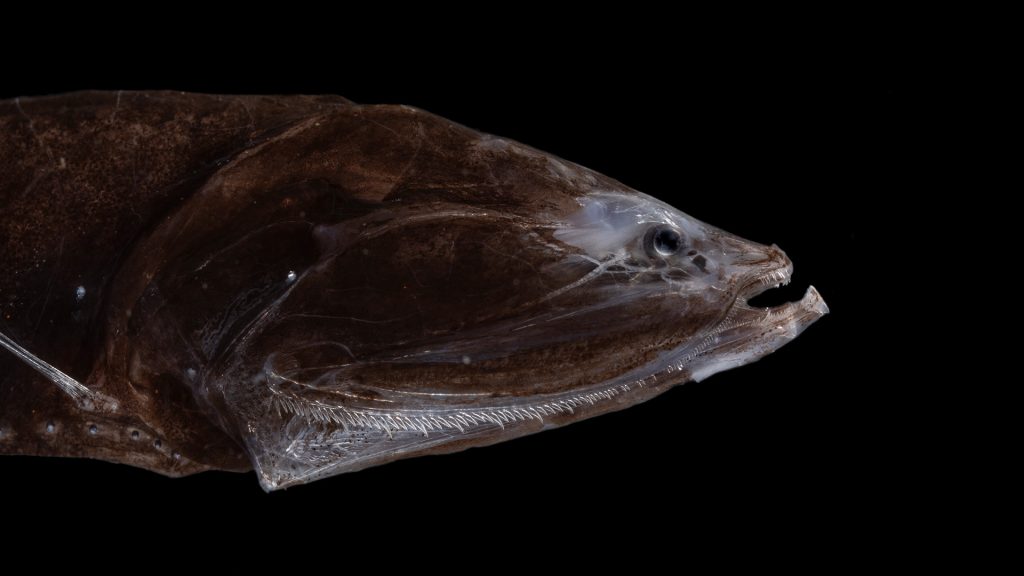
The world’s most abundant fish once thrived in an extreme climate
Fossilized teeth show bristlemouth fish evolved during one of the ocean’s hottest periods
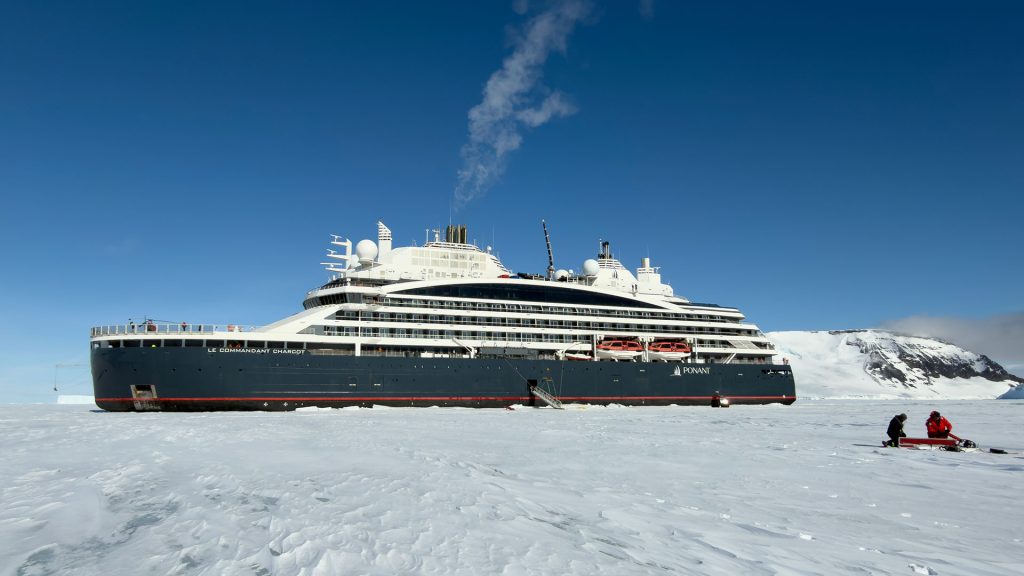
Luxury cruises with a side of climate science
A new partnership gives scientists rare access to remote Antarctic glaciers—and a new way to engage the public
Publications
IN THE NEWS - RESEARCH HIGLIGHTS
Study offers first definitive proof that Gulf Stream has weakened
“New research from the Woods Hole Oceanographic Institution offers the first conclusive evidence that the Gulf Stream has weakened. The powerful ocean current off the East Coast influences regional weather, climate and fisheries, and the finding could have significant implications both for New England and the global climate.”
What Happens to Marine Life When There Isn’t Enough Oxygen?
In September of 2017, Woods Hole Oceanographic Institution postdoctoral scholar Maggie Johnson was conducting an experiment with a colleague in Bocas del Toro off the…
Maine’s having a lobster boom. A bust may be coming.
The waters off Maine’s coast are warming, and no one knows what that’s going to mean for the state’s half-billion-dollar-a-year lobster industry—the largest single-species fishery in North America. Some fear that continued warming could cause the lobster population to collapse. To understand what’s happening to the ecosystem of the Gulf of Maine, says Glen Gawarkiewicz, an oceanographer at Woods Hole Oceanographic Institution, in Massachusetts, you have to look beyond it—see how it’s affected by the atmosphere, ocean currents, and rivers that flow into it.