
Raising Awareness
News
NEWS RELEASES
Climate Change Led to Collapse of Ancient Indus Civilization, Study Finds
A new study combining the latest archaeological evidence with state-of-the-art geoscience technologies provides evidence that climate change was a key ingredient in the collapse of the great Indus or Harappan Civilization almost 4000 years ago. The study also resolves a long-standing debate over the source and fate of the Sarasvati, the sacred river of Hindu mythology.
New Study by WHOI Scientists Provides Baseline Measurements of Carbon in Arctic Ocean
Scientists from the Woods Hole Oceanographic Institution (WHOI) have conducted a new study to measure levels of carbon at various depths in the Arctic Ocean. The study, recently published in the journal Biogeosciences, provides data that will help researchers better understand the Arctic Ocean’s carbon cycle—the pathway through which carbon enters and is used by the marine ecosystem. It will also offer an important point of reference for determining how those levels of carbon change…
Pacific Islands May Become Refuge for Corals in a Warming Climate, Study Finds
Scientists have predicted that ocean temperatures will rise in the equatorial Pacific by the end of the century, wreaking havoc on coral reef ecosystems. But a new study shows that climate change could cause ocean currents to operate in a surprising way and mitigate the warming near a handful of islands right on the equator. As a result these Pacific islands may become isolated refuges for corals and fish.
Study Links Major Shifts in Indian Civilizations to Past Changes in Monsoon
A fundamental shift in the Indian monsoon has occurred over the last few millennia, from a steady humid monsoon that favored lush vegetation to extended periods of drought, reports a new study led by researchers at the Woods Hole Oceanographic Institution (WHOI). The study has implications for our understanding of the monsoon’s response to climate change.
Long-Term Carbon Storage in Ganges Basin May Portend Global Warming Worsening
Global warming could destabilize the pool of carbon in the Ganges-Brahmaputra basin and similar places on Earth, potentially increasing the rate of CO2 release into the atmosphere.
WHOI | OCEANUS
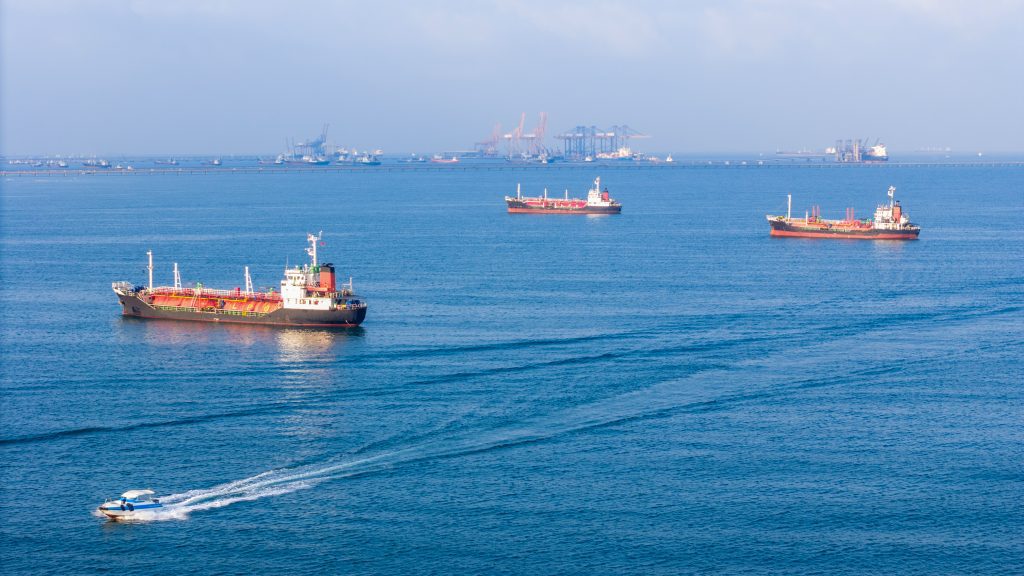
Ships in the Strait of Hormuz are becoming invasive species breeding grounds
Beneath the waterline of every ship stalled in the Persian Gulf, a thriving underwater city takes shape—barnacles, algae, mussels, sea squirts. Some of those hitchhikers could reach coastlines they’d never find on their own.
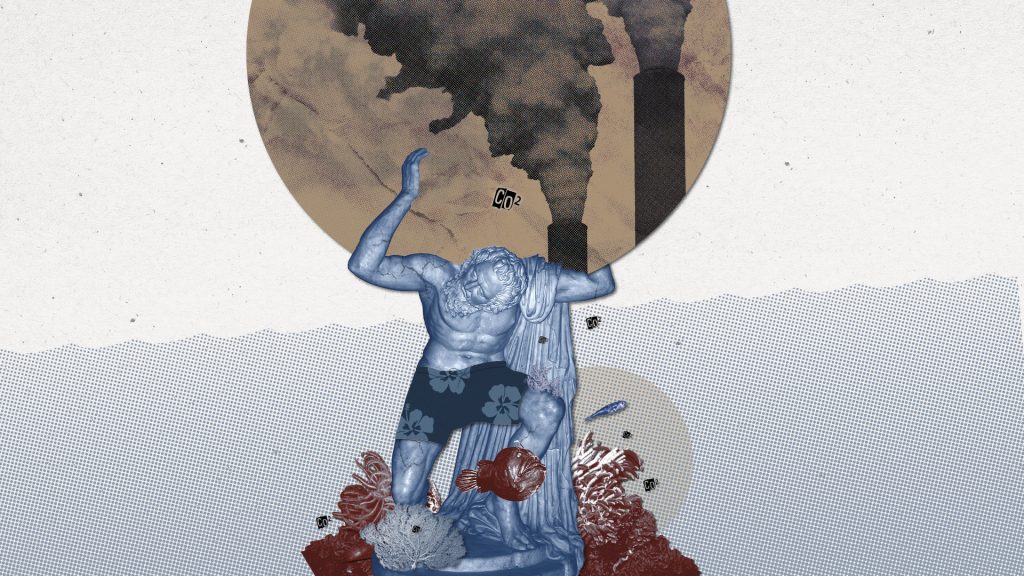
Is the ocean carbon sink at risk of faltering?
WHOI scientists explain how the ocean mitigates climate change—and could be compromised by it
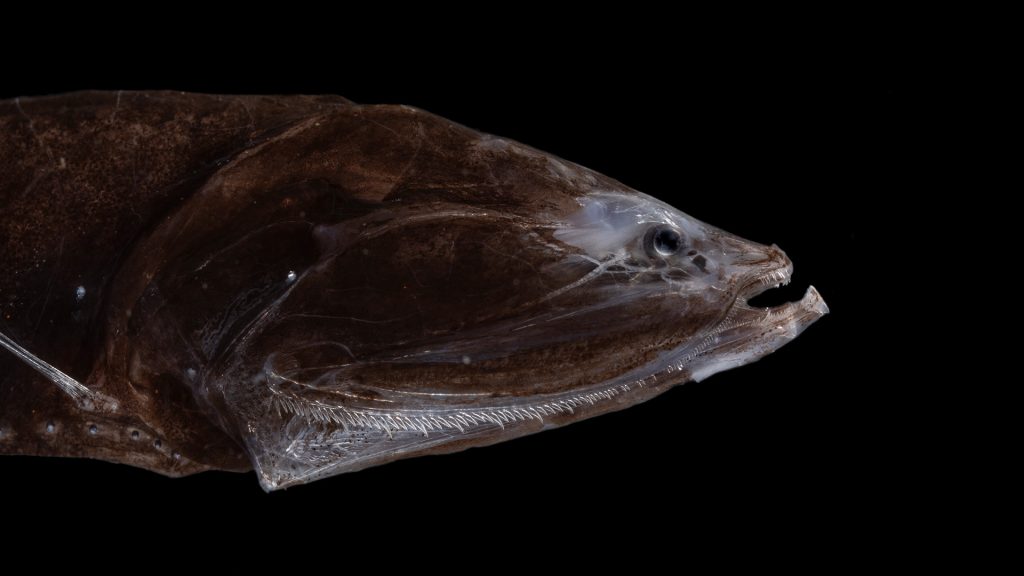
The world’s most abundant fish once thrived in an extreme climate
Fossilized teeth show bristlemouth fish evolved during one of the ocean’s hottest periods
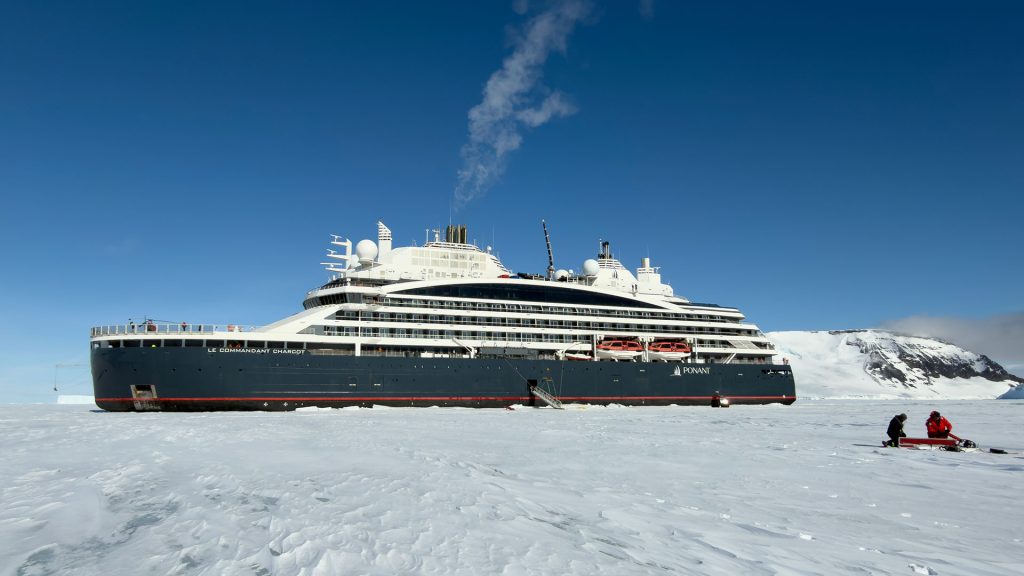
Luxury cruises with a side of climate science
A new partnership gives scientists rare access to remote Antarctic glaciers—and a new way to engage the public
Publications
IN THE NEWS - RESEARCH HIGLIGHTS
Study offers first definitive proof that Gulf Stream has weakened
“New research from the Woods Hole Oceanographic Institution offers the first conclusive evidence that the Gulf Stream has weakened. The powerful ocean current off the East Coast influences regional weather, climate and fisheries, and the finding could have significant implications both for New England and the global climate.”
What Happens to Marine Life When There Isn’t Enough Oxygen?
In September of 2017, Woods Hole Oceanographic Institution postdoctoral scholar Maggie Johnson was conducting an experiment with a colleague in Bocas del Toro off the…
Maine’s having a lobster boom. A bust may be coming.
The waters off Maine’s coast are warming, and no one knows what that’s going to mean for the state’s half-billion-dollar-a-year lobster industry—the largest single-species fishery in North America. Some fear that continued warming could cause the lobster population to collapse. To understand what’s happening to the ecosystem of the Gulf of Maine, says Glen Gawarkiewicz, an oceanographer at Woods Hole Oceanographic Institution, in Massachusetts, you have to look beyond it—see how it’s affected by the atmosphere, ocean currents, and rivers that flow into it.