
Raising Awareness
News
NEWS RELEASES
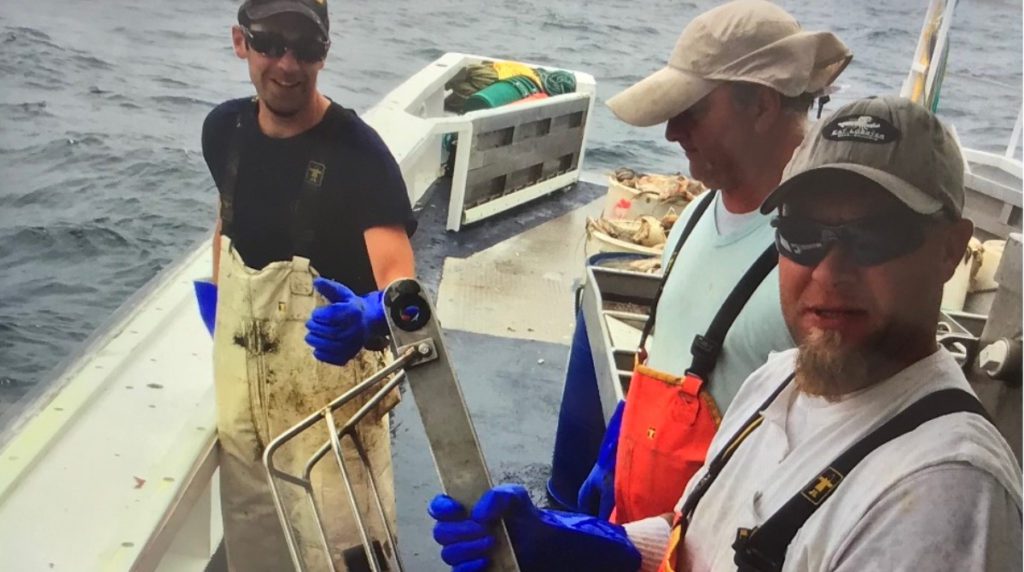
Mid-depth waters off the United States East Coast are getting saltier
A new study led by Woods Hole Oceanographic Institution (WHOI) shows a significant increase in frequency of warm saltwater intrusions from the deep ocean to the continental shelf along the Middle Atlantic Bight, which extends from the Gulf of Maine to Cape Hatteras, North Carolina.
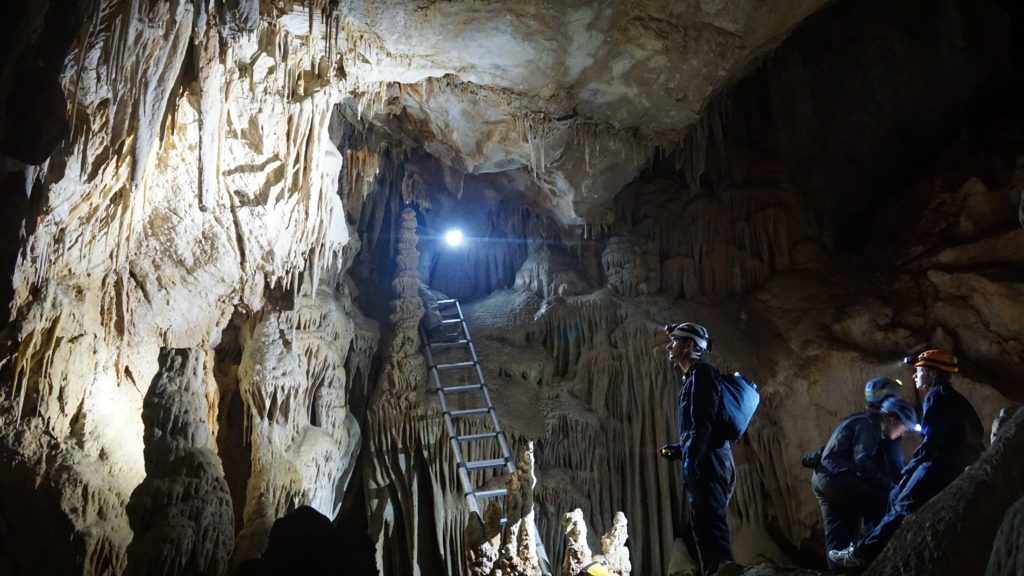
Scientists link the changing Azores High and the drying Iberian region to anthropogenic climate change
Projected changes in wintertime precipitation make agriculture in the Iberian region some of the most vulnerable in Europe, according to a new WHOI co-led study that links the changes to increased anthropogenic greenhouse gases.
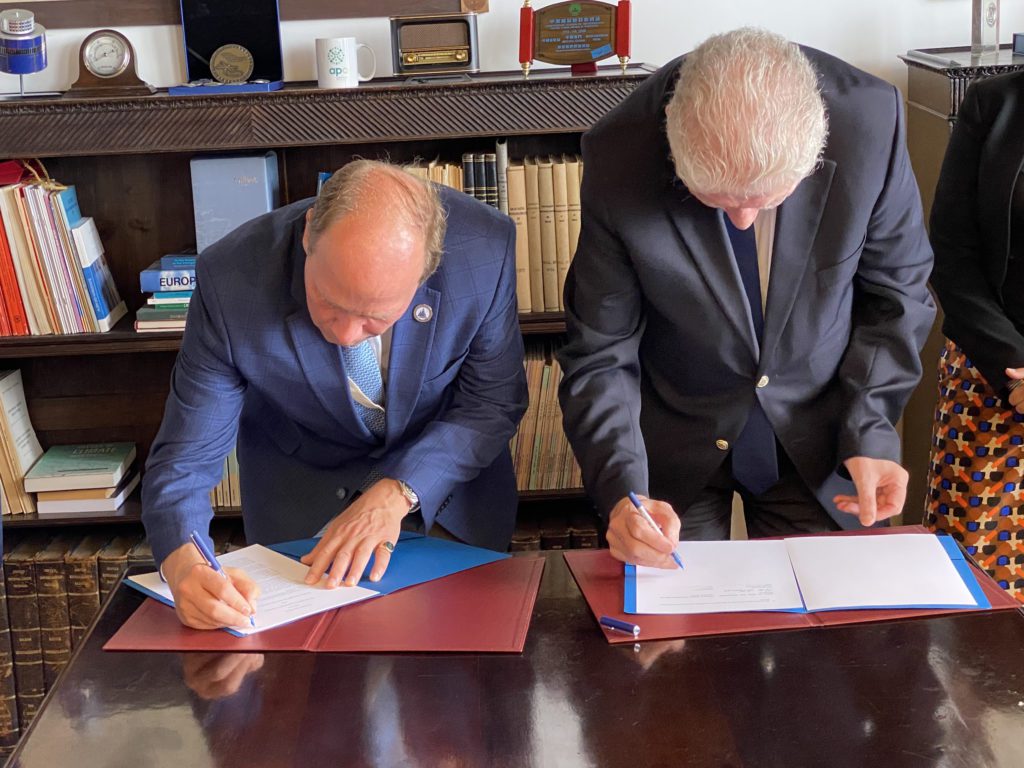
WHOI signs a memorandum of understanding with Portuguese Ocean Institute
Today, the Woods Hole Oceanographic Institution (WHOI) signed a memorandum of understanding with Instituto Português do Mar e da Atmosfera (IPMA), the Portuguese national authority responsible for monitoring the country’s ocean, atmosphere, and land.
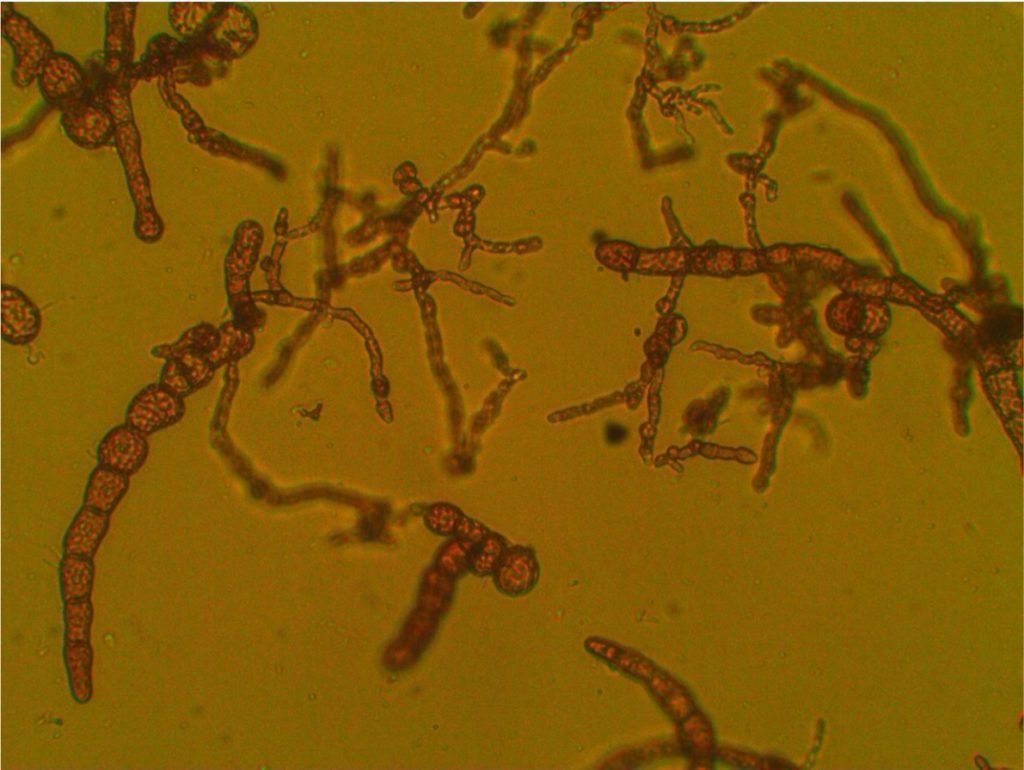
Innovative, new “road map” for kelp crop improvement
Woods Hole Oceanographic Institution (WHOI), the University of Connecticut, and Bigelow Laboratory for Ocean Sciences have executed a license agreement for a kelp germplasm, or collection of microscopic cells called gametophytes, containing more than 1,200 samples all developed and isolated by WHOI and UConn-led teams. Bigelow Laboratory’s National Center for Marine Algae and Microbiota plans to maintain, market, and distribute the germplasm collection for broad use.
Climate change could lead to a dramatic temperature-linked decrease in essential omega-3 fatty acids
The effects of global climate change already are resulting in the loss of sea ice, accelerated sea level rise, and longer and more intense heat waves, among other threats. Now, the first-ever survey of planktonic lipids in the global ocean predicts a temperature-linked decrease in the production of essential omega-3 fatty acids, an important subset of lipid molecules.
WHOI | OCEANUS
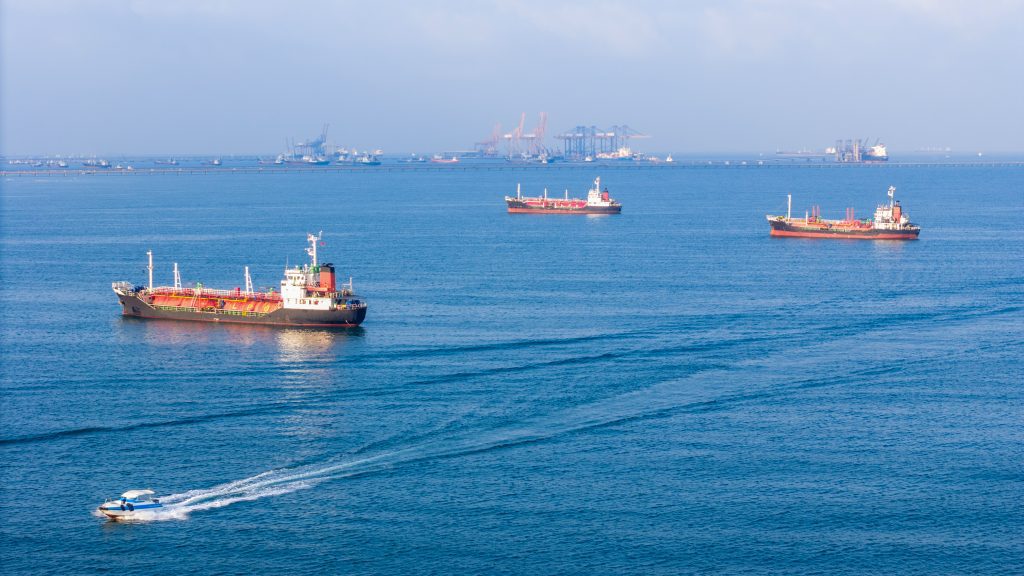
Ships in the Strait of Hormuz are becoming invasive species breeding grounds
Beneath the waterline of every ship stalled in the Persian Gulf, a thriving underwater city takes shape—barnacles, algae, mussels, sea squirts. Some of those hitchhikers could reach coastlines they’d never find on their own.
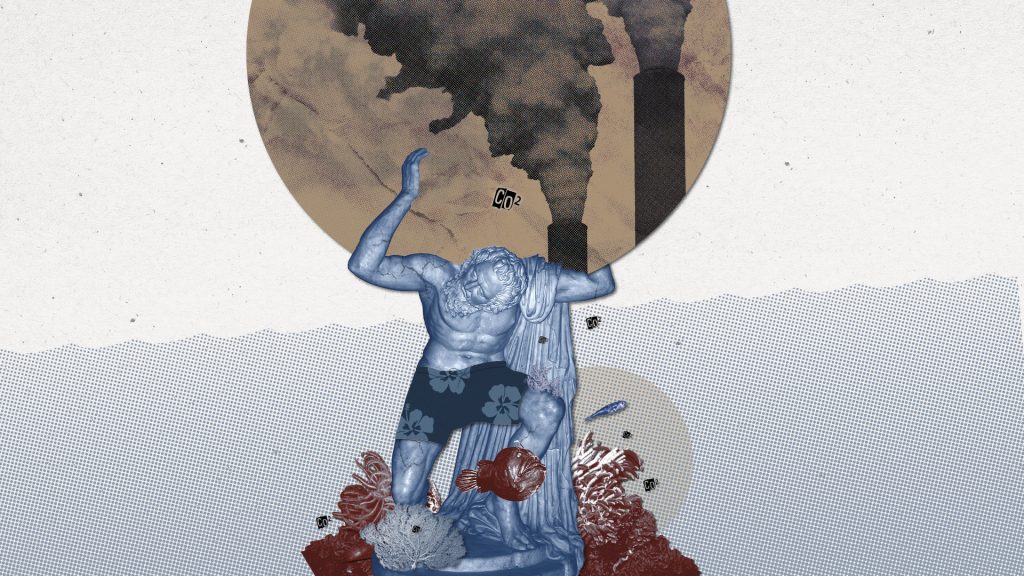
Is the ocean carbon sink at risk of faltering?
WHOI scientists explain how the ocean mitigates climate change—and could be compromised by it
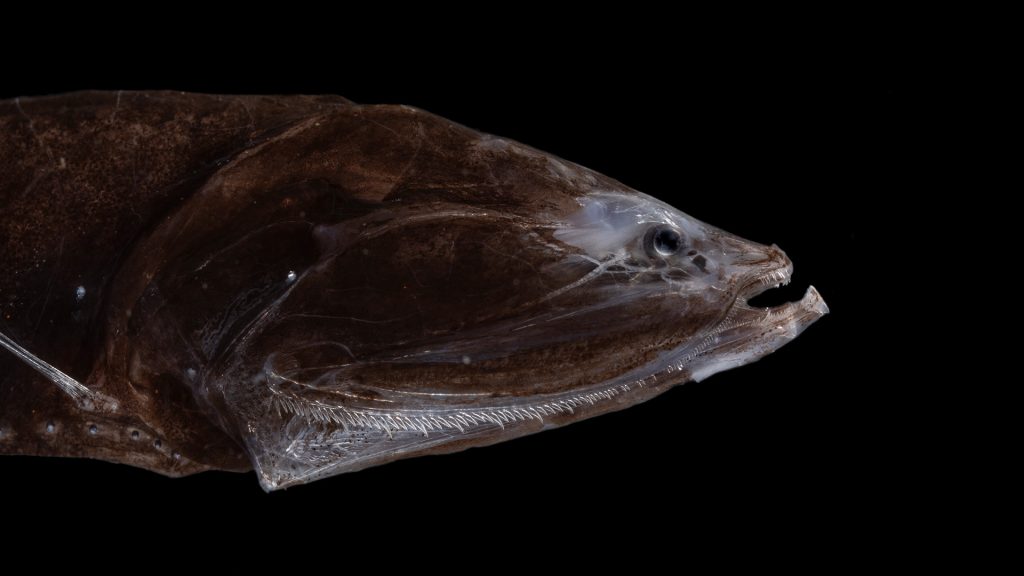
The world’s most abundant fish once thrived in an extreme climate
Fossilized teeth show bristlemouth fish evolved during one of the ocean’s hottest periods
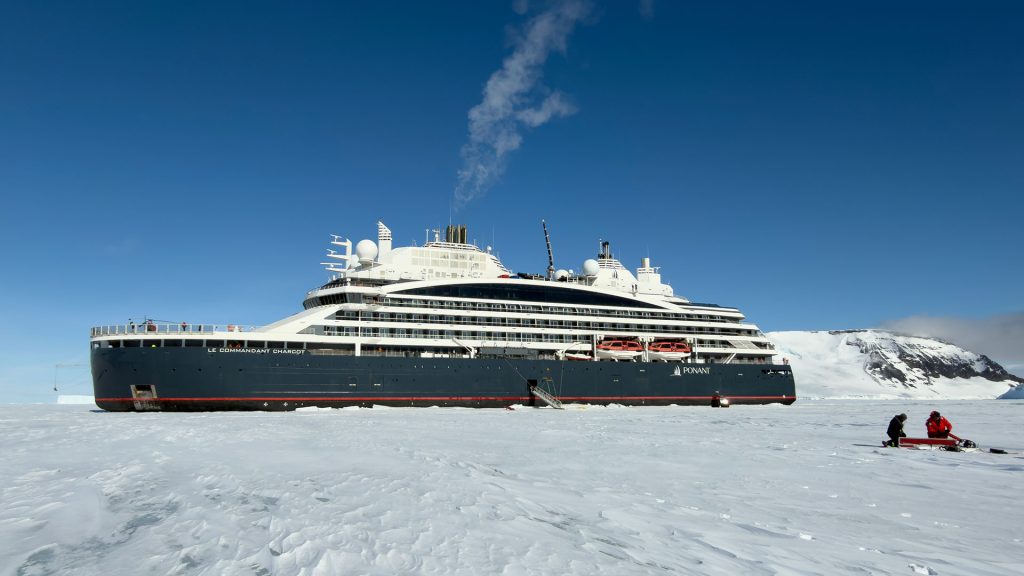
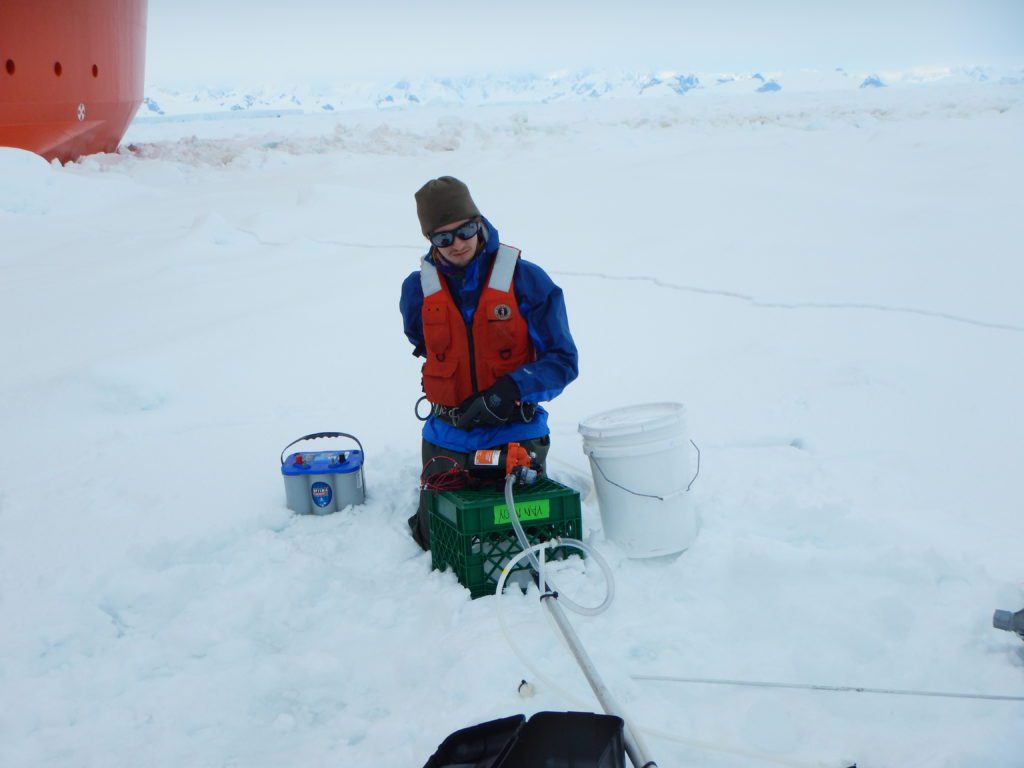
Luxury cruises with a side of climate science
A new partnership gives scientists rare access to remote Antarctic glaciers—and a new way to engage the public
Publications
IN THE NEWS - RESEARCH HIGLIGHTS
Study offers first definitive proof that Gulf Stream has weakened
“New research from the Woods Hole Oceanographic Institution offers the first conclusive evidence that the Gulf Stream has weakened. The powerful ocean current off the East Coast influences regional weather, climate and fisheries, and the finding could have significant implications both for New England and the global climate.”
What Happens to Marine Life When There Isn’t Enough Oxygen?
In September of 2017, Woods Hole Oceanographic Institution postdoctoral scholar Maggie Johnson was conducting an experiment with a colleague in Bocas del Toro off the…
Maine’s having a lobster boom. A bust may be coming.
The waters off Maine’s coast are warming, and no one knows what that’s going to mean for the state’s half-billion-dollar-a-year lobster industry—the largest single-species fishery in North America. Some fear that continued warming could cause the lobster population to collapse. To understand what’s happening to the ecosystem of the Gulf of Maine, says Glen Gawarkiewicz, an oceanographer at Woods Hole Oceanographic Institution, in Massachusetts, you have to look beyond it—see how it’s affected by the atmosphere, ocean currents, and rivers that flow into it.