
Raising Awareness
News
NEWS RELEASES
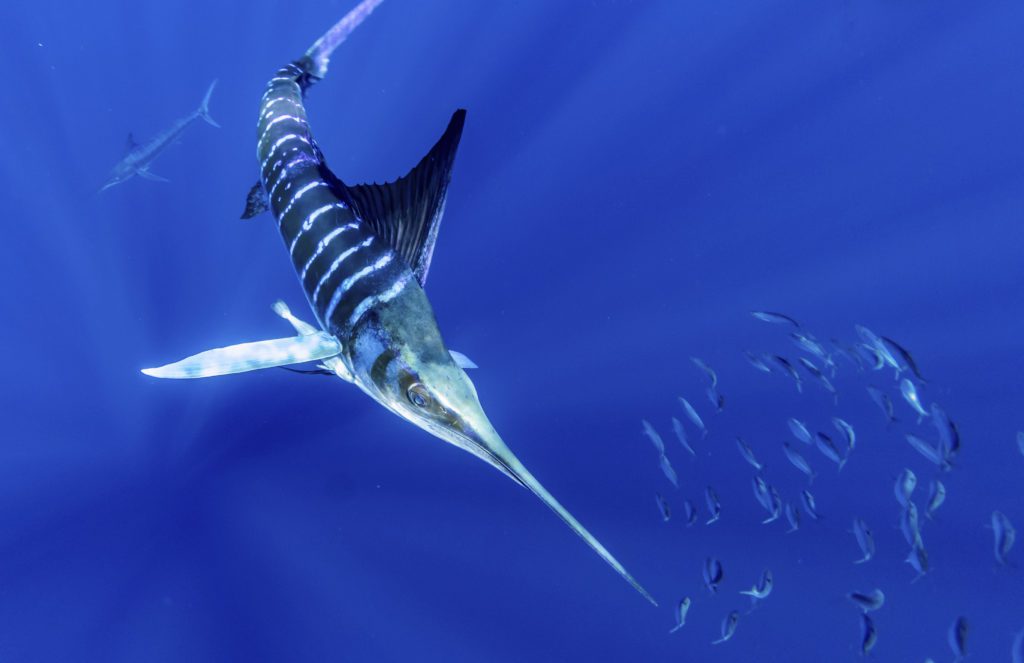
How marine predators find food hot spots in open ocean “deserts”
A new study led by scientists at Woods Hole Oceanographic Institution (WHOI) and University of Washington Applied Physics Laboratory (UW APL) finds that marine predators, such as tunas, billfishes and sharks, aggregate in anticyclonic, clockwise-rotating ocean eddies (mobile, coherent bodies of water). As these anticyclonic eddies move throughout the open ocean, the study suggests that the predators are also moving with them, foraging on the high deep-ocean biomass contained within.
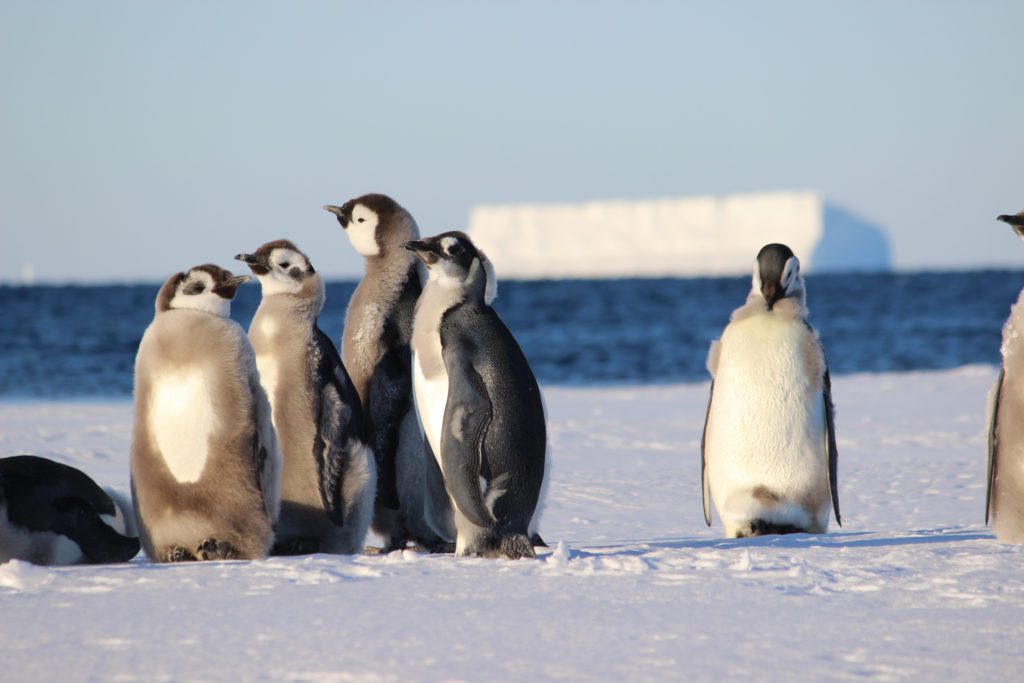
Marine Protected Areas in Antarctica should include young emperor penguins, scientists say
Scientists at the Woods Hole Oceanographic Institution (WHOI) and European research institutions are calling for better protections for juvenile emperor penguins, as the U.S. Fish and Wildlife Service considers listing the species under the Endangered Species Act and the Commission for the Conservation of Antarctic Marine Living Resources (CCAMLR) considers expanding the network of Marine Protected Areas (MPAs) in the Southern Ocean.
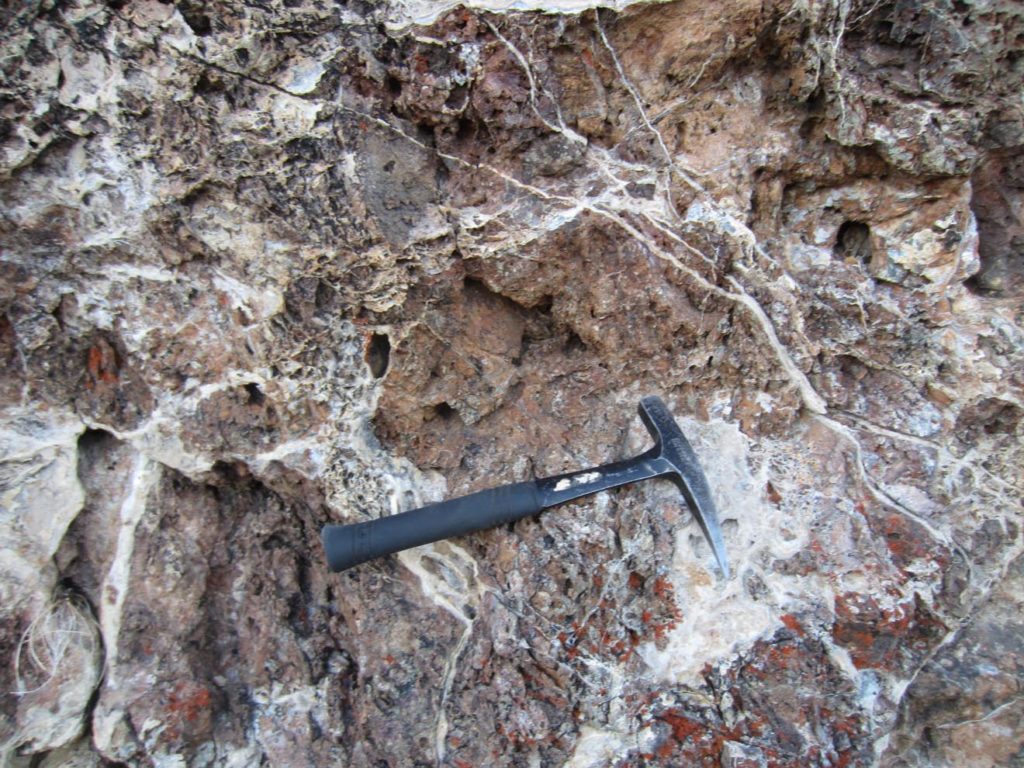
Carbon sequestration sites may prevent earthquakes
New evidence suggests that CO2-rich springs may be buffering quakes along areas of the San Andreas Fault
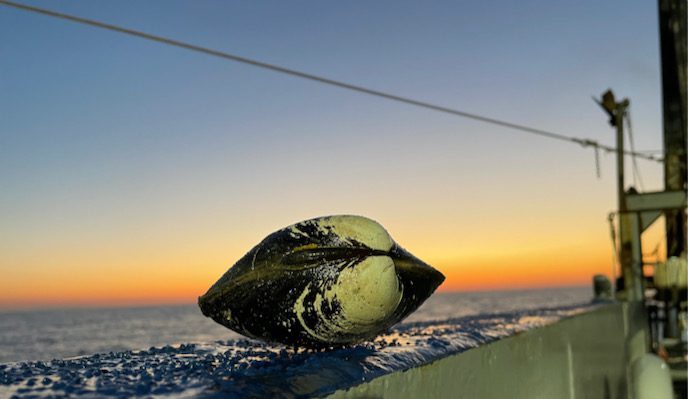
Rapid warming in the Gulf of Maine reverses 900 years of cooling
Rapid 20th century warming in the Gulf of Maine has reversed long-term cooling that occurred there during the previous 900 years, according to new research that combines an examination of shells from long-lived ocean quahogs and climate model simulations.
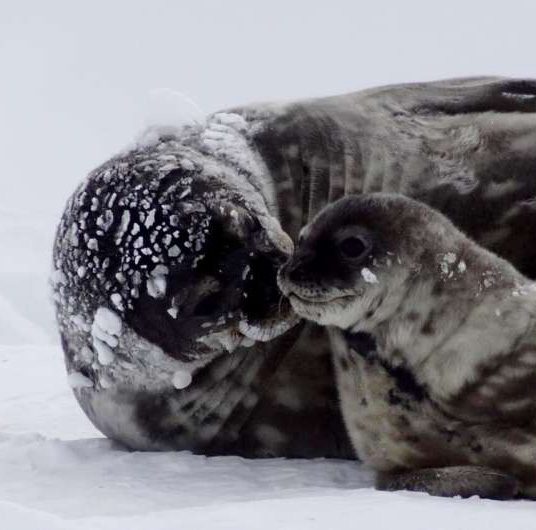
Weddell seal moms sacrifice to provide for their pups
Seal mothers dramatically limit diving and foraging while lactating to provide more iron to their young
WHOI | OCEANUS
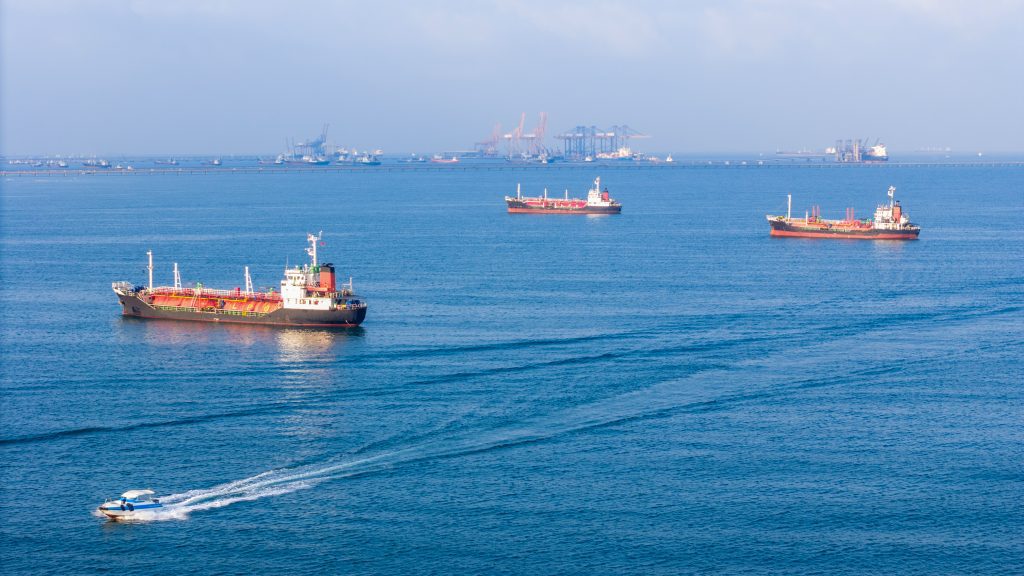
Ships in the Strait of Hormuz are becoming invasive species breeding grounds
Beneath the waterline of every ship stalled in the Persian Gulf, a thriving underwater city takes shape—barnacles, algae, mussels, sea squirts. Some of those hitchhikers could reach coastlines they’d never find on their own.

Is the ocean carbon sink at risk of faltering?
WHOI scientists explain how the ocean mitigates climate change—and could be compromised by it
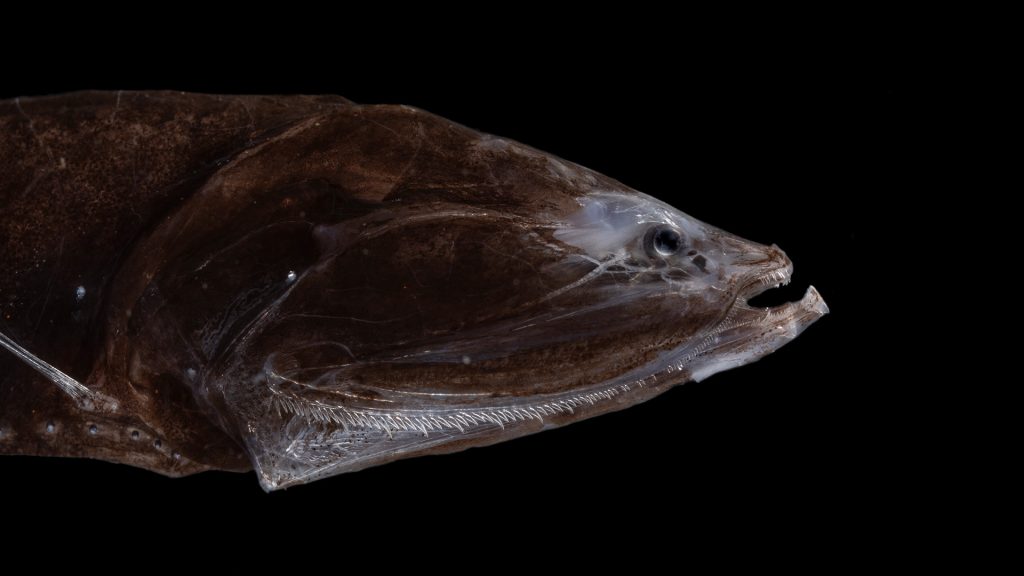
The world’s most abundant fish once thrived in an extreme climate
Fossilized teeth show bristlemouth fish evolved during one of the ocean’s hottest periods
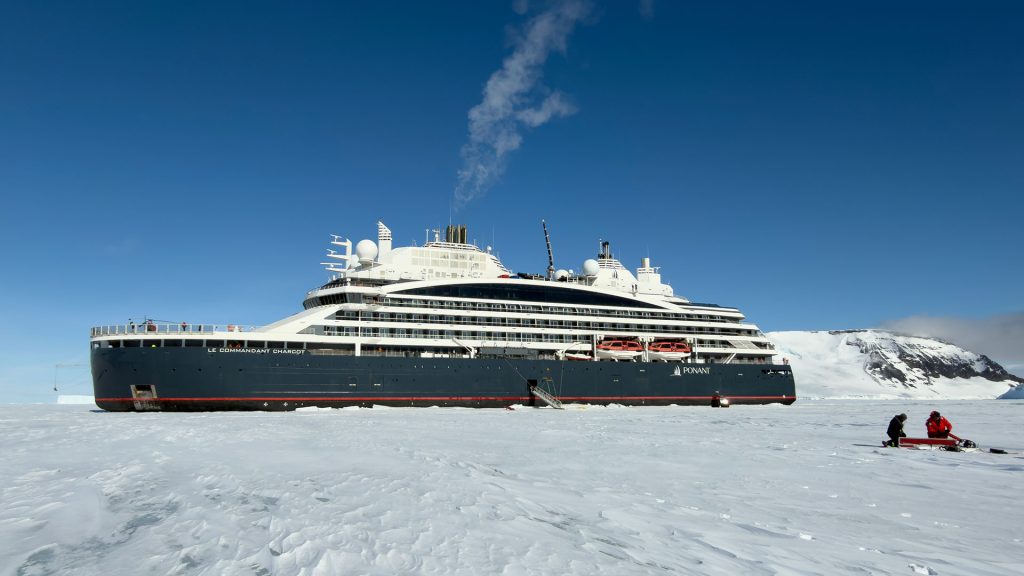
Luxury cruises with a side of climate science
A new partnership gives scientists rare access to remote Antarctic glaciers—and a new way to engage the public
Publications
IN THE NEWS - RESEARCH HIGLIGHTS
Study offers first definitive proof that Gulf Stream has weakened
“New research from the Woods Hole Oceanographic Institution offers the first conclusive evidence that the Gulf Stream has weakened. The powerful ocean current off the East Coast influences regional weather, climate and fisheries, and the finding could have significant implications both for New England and the global climate.”
What Happens to Marine Life When There Isn’t Enough Oxygen?
In September of 2017, Woods Hole Oceanographic Institution postdoctoral scholar Maggie Johnson was conducting an experiment with a colleague in Bocas del Toro off the…
Maine’s having a lobster boom. A bust may be coming.
The waters off Maine’s coast are warming, and no one knows what that’s going to mean for the state’s half-billion-dollar-a-year lobster industry—the largest single-species fishery in North America. Some fear that continued warming could cause the lobster population to collapse. To understand what’s happening to the ecosystem of the Gulf of Maine, says Glen Gawarkiewicz, an oceanographer at Woods Hole Oceanographic Institution, in Massachusetts, you have to look beyond it—see how it’s affected by the atmosphere, ocean currents, and rivers that flow into it.