
Marine Policy
Harriet Harden-Davies is on the frontlines of ocean policy
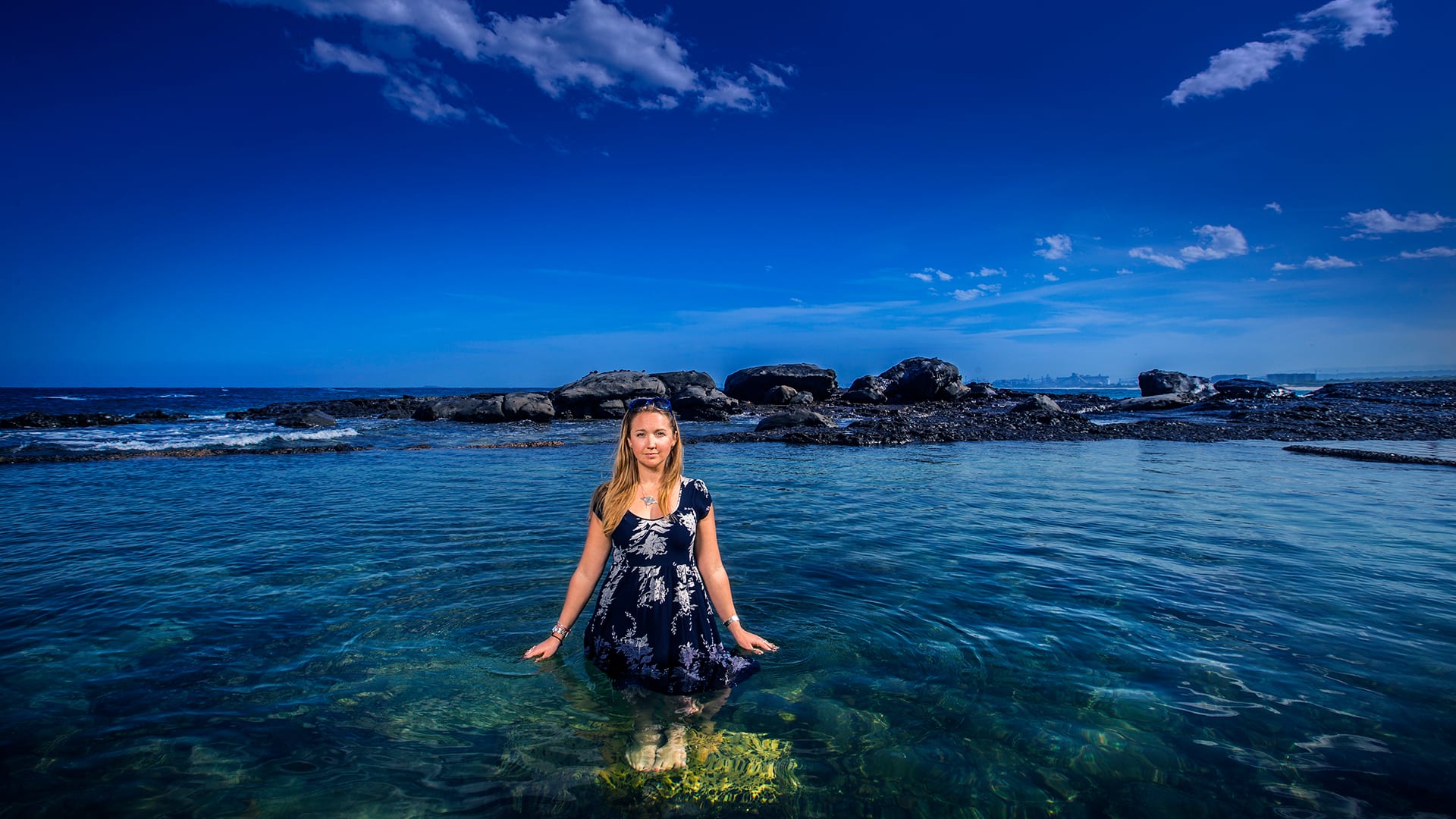
Harriet Harden-Davies has spent more than 10 years working in the marine policy arena and is now aiding in major U.N. negotiations on laws governing the high seas
Read MoreRight Camera Could Protect Endangered Whales
Scientist hopes his smart system can reduce ship collisions with North Atlantic right whales. A new technology on the horizon may help to reduce one of those threats, however.
Read MoreScience is the way forward
When it comes to the climate crisis, the implications of ignoring the science are dire and will have lasting impacts on human health, economy and security.
Read MoreHunger in the Arctic prompts focus on causes, not symptoms
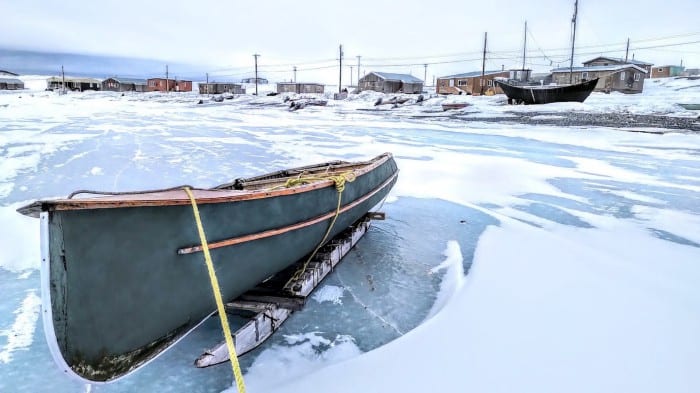
As Arctic Inuit communities try to cope with extreme food insecurity, researchers look for answers
Read MoreUnited States Contributions to Global Ocean Plastic Waste
MPC Research Specialist, Hauke Kite-Powell, has recently been appointed to a National Academies of Sciences, Engineering, and Medicine committee to study U.S. contributions to global ocean plastic waste.
Read MoreThe Lungs of the Earth: Shifting a Metaphor from Superstition to Science
In a new article in the Georgetown Journal of International Affairs, Aria Ritz Finkelstein and Oceanographer Emeritus Porter Hoagland address the discourse surrounding ocean deoxygenation. They argue that, while describing…
Read MoreWHOI receives NOAA awards to study, predict harmful algal blooms
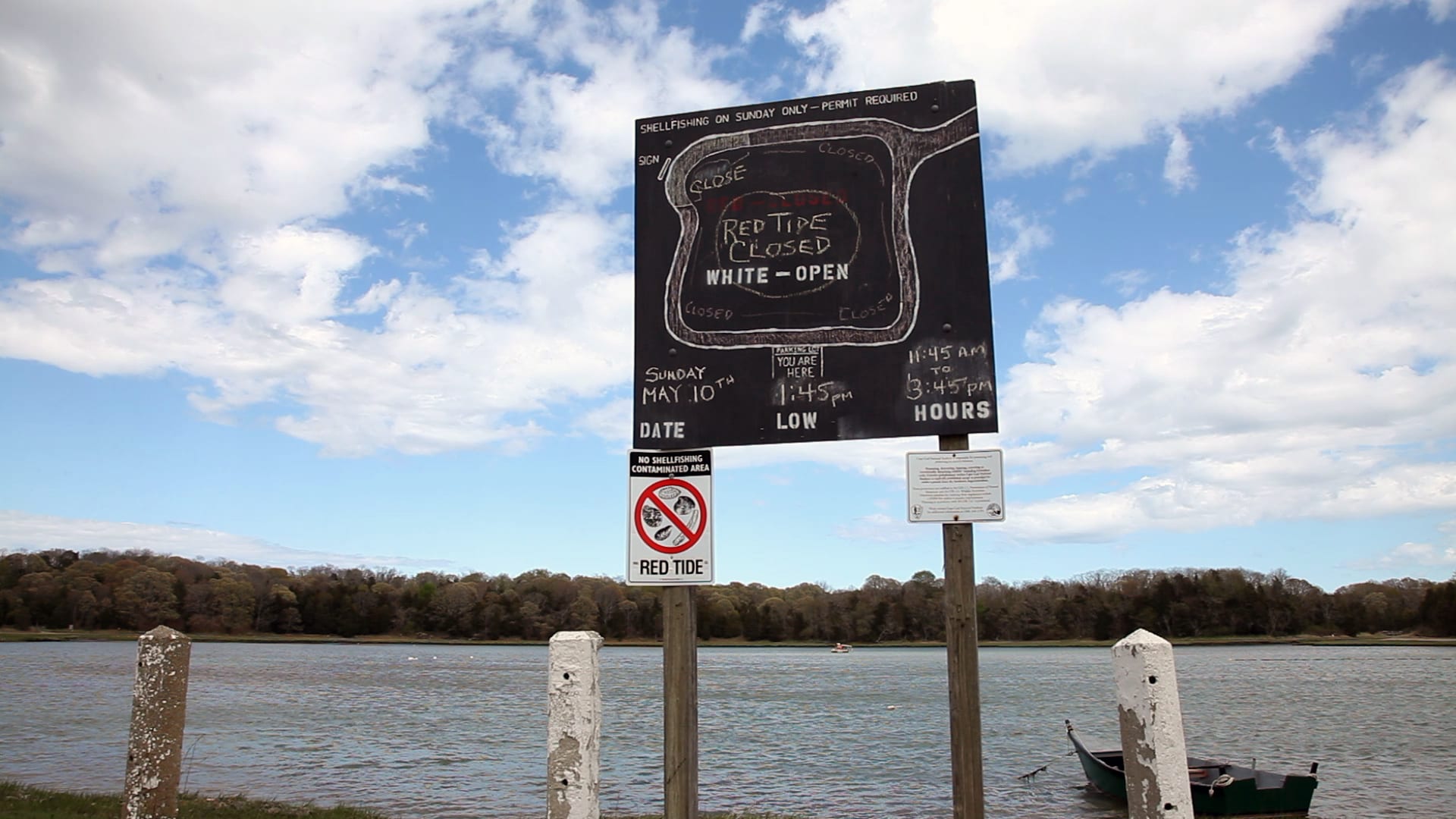
Projects will help enhance monitoring and determine socioeconomic impacts of blooms nationwide Researchers at Woods Hole Oceanographic Institution (WHOI) were recently named in a list of 17 new research projects…
Read MoreThe $500 Billion Question: What’s the Value of Studying the Ocean’s Biological Carbon Pump?
A new paper published in the journal Science of the Total Environment from the Woods Hole Oceanographic Institution (WHOI) puts an economic value on the benefit of research to improve knowledge of the biological…
Read MoreThe $500 billion question: what’s the value of studying the ocean’s biological carbon pump?
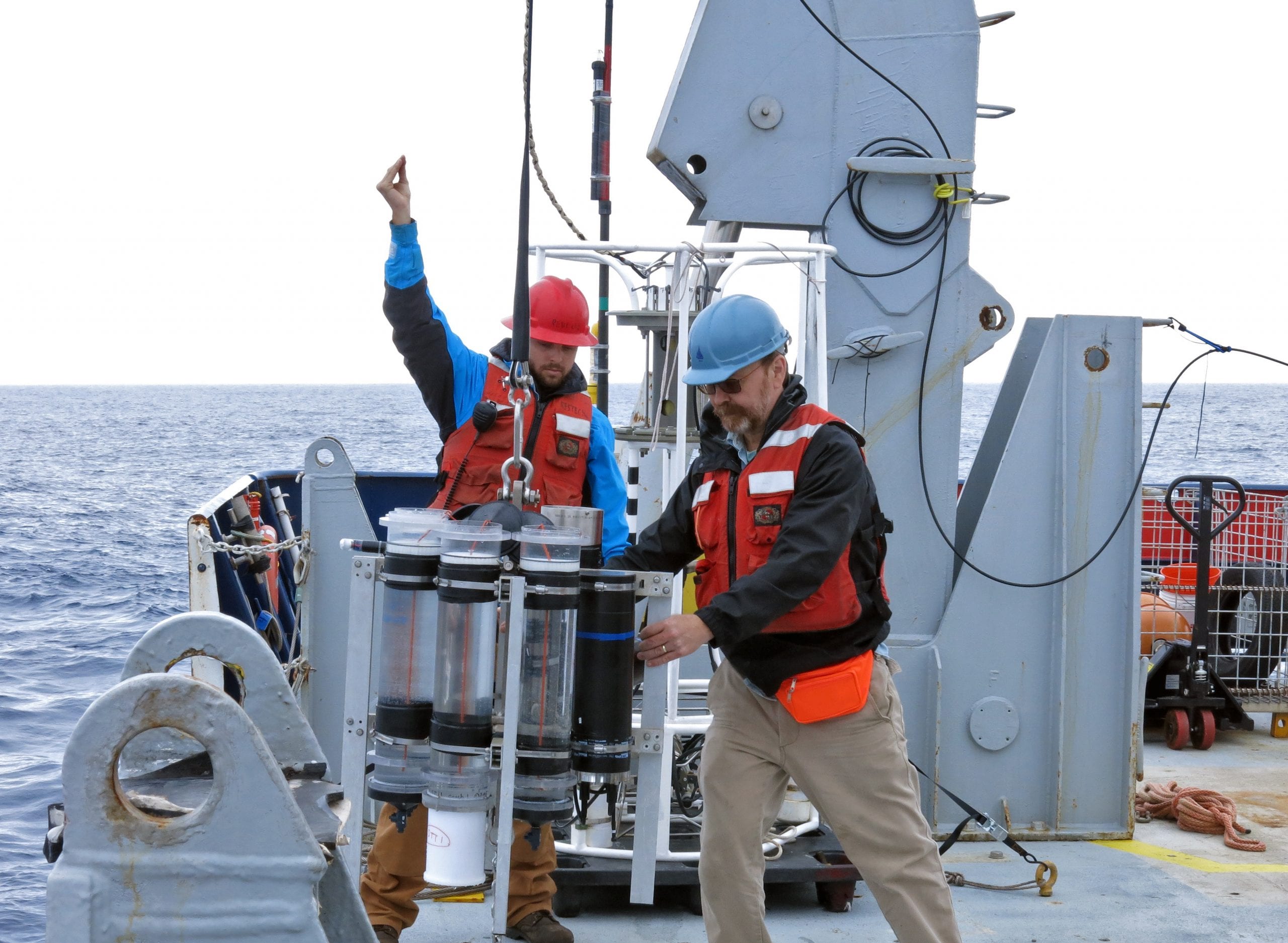
A new study puts an economic value on the benefit of research to improve knowledge of the biological carbon pump and reduce the uncertainty of ocean carbon sequestration estimates.
Read MoreWHOI Scientists Make Woods Hole Film Festival Appearance
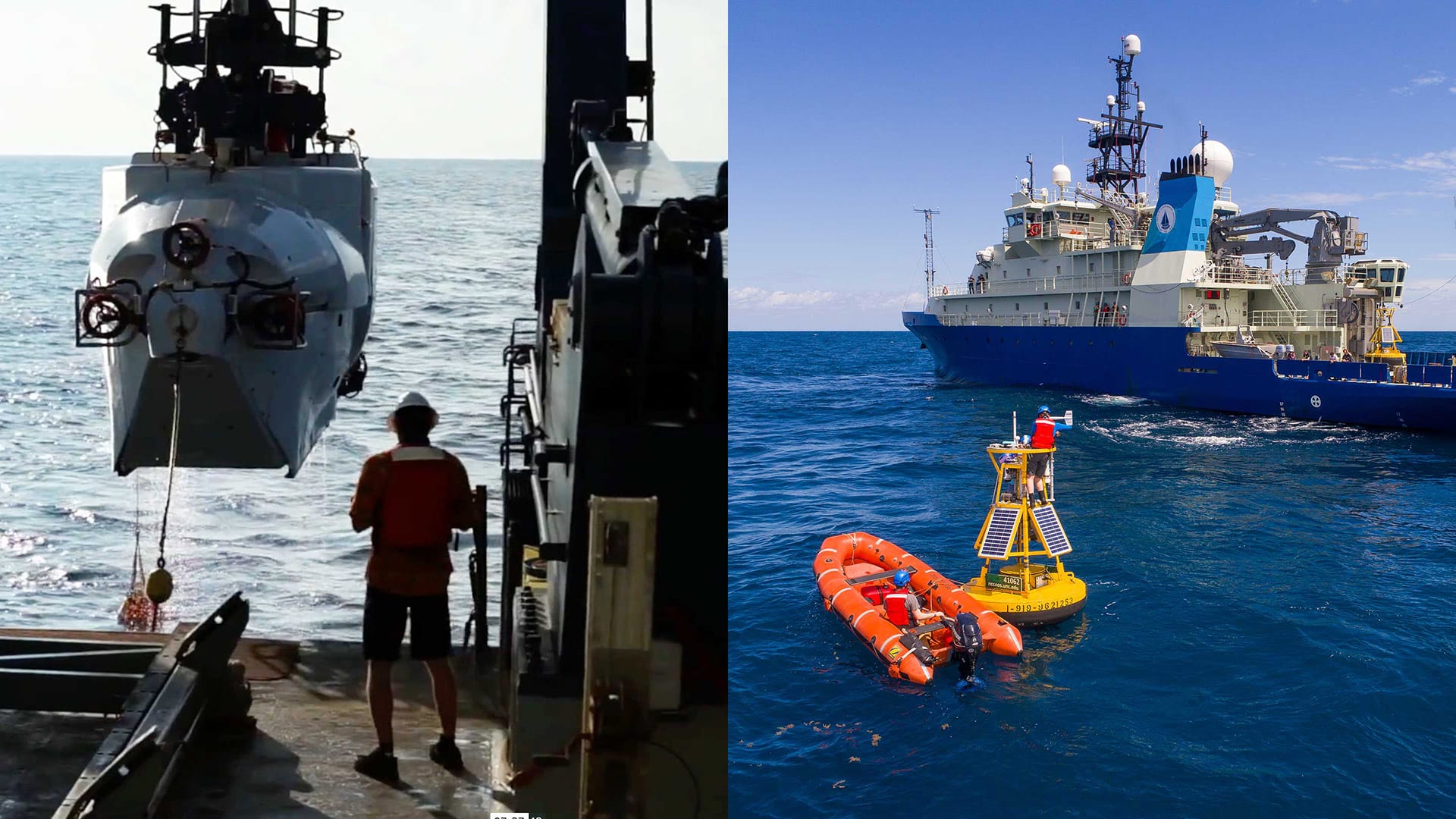
Woods Hole Oceanographic Institution (WHOI) scientists appear in two shorts and a feature film at this year’s Woods Hole Film Festival (WHFF). In addition, scientists will also participate in Q&A…
Read MoreUncharted waters

Our global ocean will change dramatically over the next few decades. What might it look like, and how will humans adapt?
Read MoreUncharted Waters
Our global ocean will change dramatically over the next few decades. What might it look like, and how will humans adapt?
Read MoreWHOI joins effort to accelerate marine life protection technology
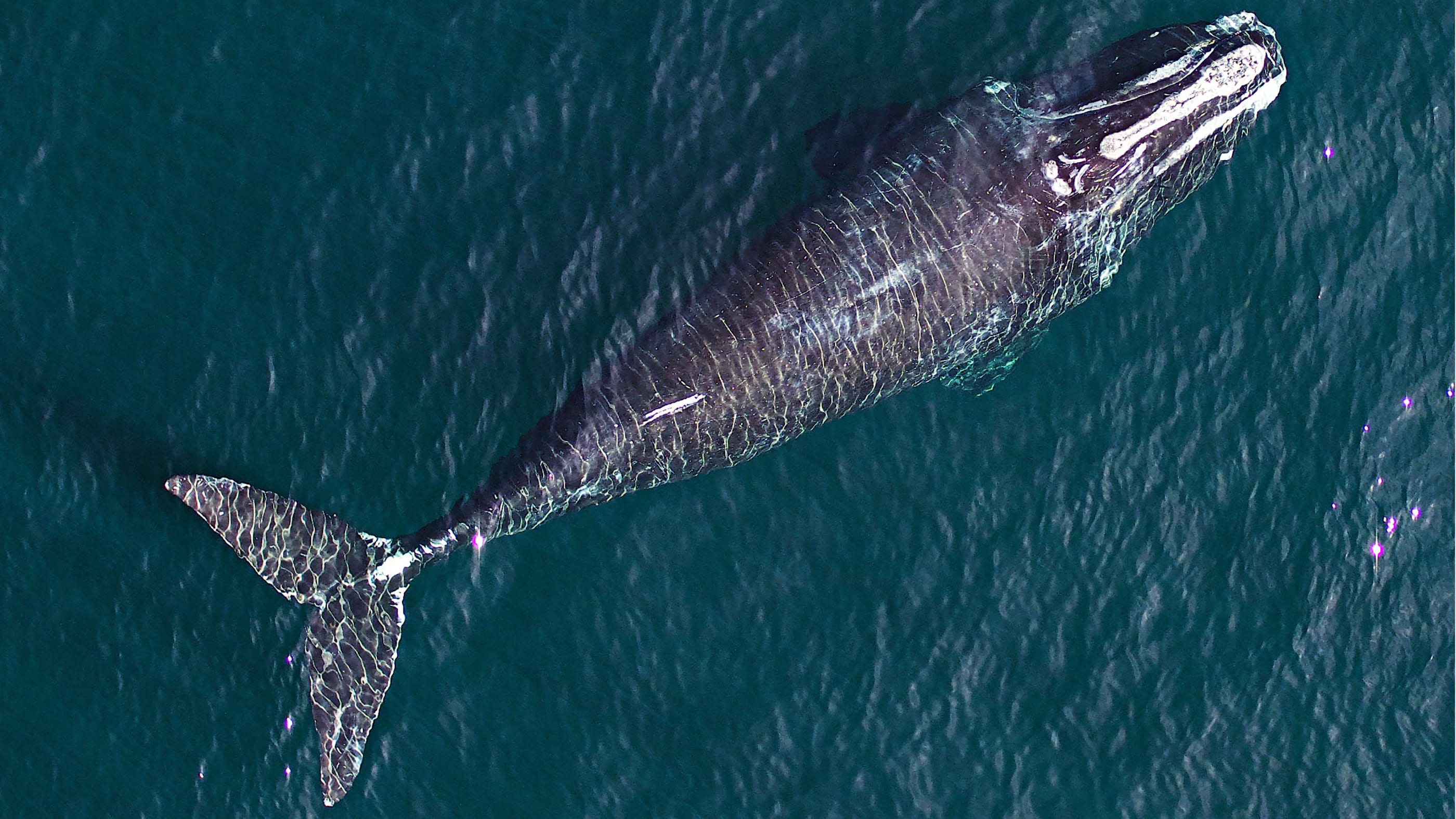
WHOI has teamed up with Greentown Labs and Vineyard Wind to launch the Offshore Wind Challenge. The program, which is also partnering with New England Aquarium, calls on entrepreneurs to submit proposals to collect, transmit, and analyze marine mammal monitoring data using remote technologies, such as underwater vehicles, drones, and offshore buoys.
Read MoreReport reveals ‘unseen’ human benefits from ocean twilight zone
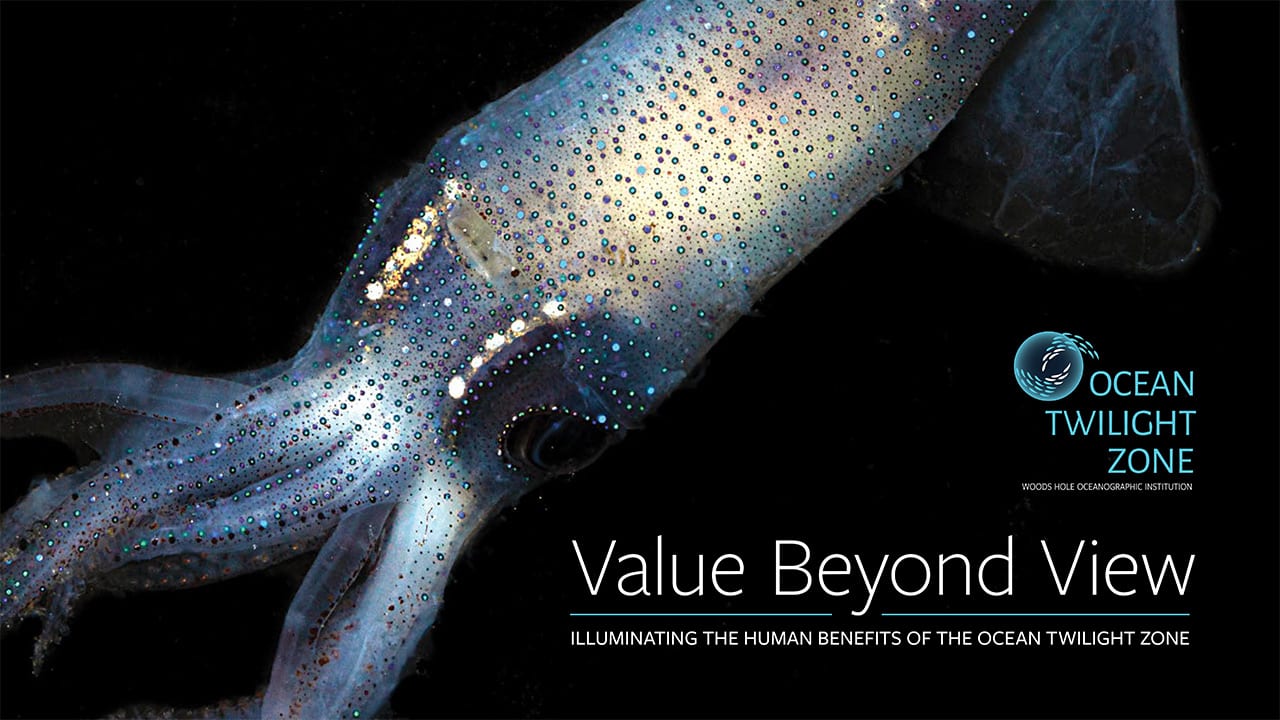
A new report from researchers at Woods Hole Oceanographic Institution (WHOI) reveals for the first time the unseen—and somewhat surprising—benefits that people receive from the ocean’s twilight zone. Also known as the “mesopelagic,” this is the ocean layer just beyond the sunlit surface.
Read MoreMarine Labs on the Water’s Edge Are Threatened by Climate Change
Marine Labs on the Water’s Edge Are Threatened by Climate Change
Read MoreOcean acidification gets a watchful eye in New England aquaculture ‘hot spot’
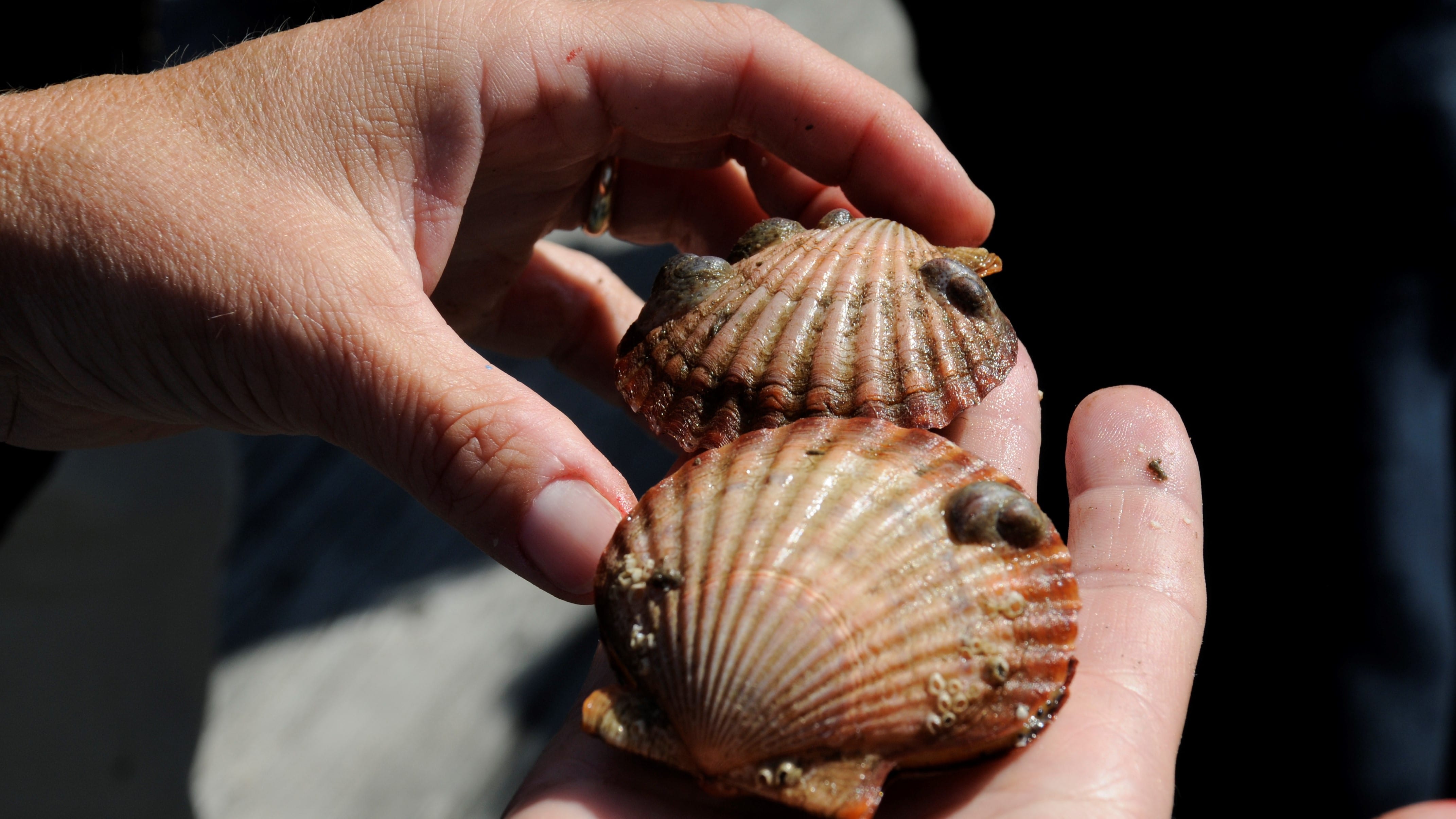
Shellfish aquaculture is thriving in New England, but future growth in the industry could be stunted as coastal waters in the region become more acidic. Researchers at WHOI have developed a way to link nutrient load reductions to improvements in the health of Buzzards Bay, Massachusetts, which may an important step toward cleaner and less acidic harbors in the Baystate.
Read MoreThe Ocean’s Eerie Twilight Zone is in Murky Legal Water
“The most striking thing is just how far down it is and how the light dissolves away,” says Joel Llopiz, a biologist with Woods Hole Oceanographic.
Read MoreThe Lawless High Seas May Soon Gain Protections Under a Groundbreaking Ocean Treaty
The high seas are legally defined as waters that don’t fall under any single nation’s exclusive economic zone. That means they technically belong to everyone. It also means they’re hard…
Read MoreBay State Aquaculture Projects Get Green Light from National Sea Grant Program
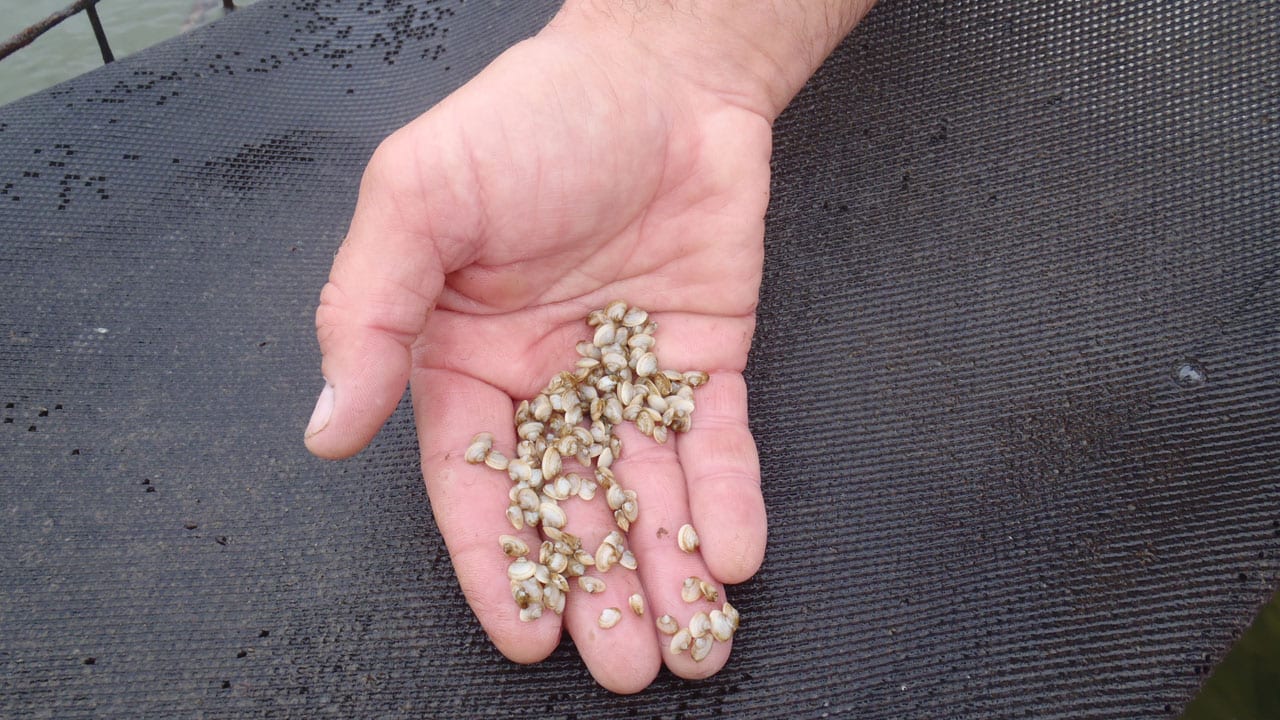
Two new grants to the Woods Hole Sea Grant program totaling more than $650,000 are part of a national strategic investment in aquaculture and will support research aimed at expanding aquaculture production in Massachusetts.
Read MoreForecasting the Future of Fish
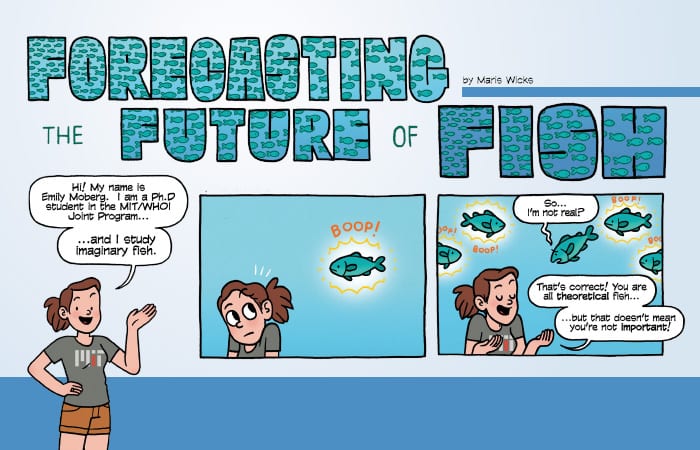
How can we weigh all the interrelated factors involved in managing a critical ocean resource? Oceanus magazine experiments with a graphic article to help explain a complex issue.
Read MoreA Summer of Science by the Sea, 2014 (Part II)
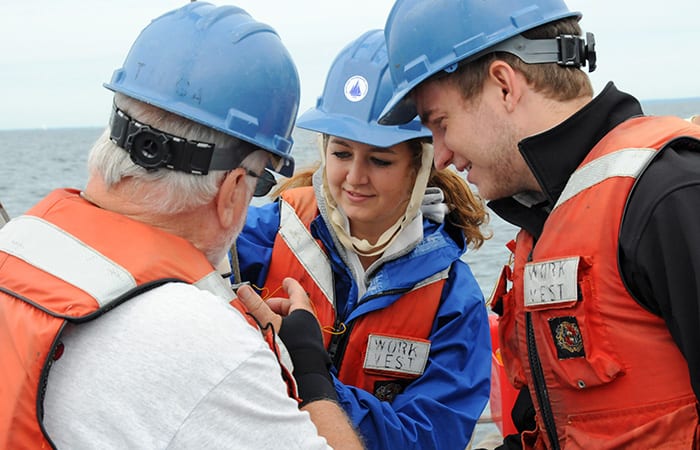
Every summer since 1959, undergraduates from around the world have come to Woods Hole Oceanographic Institution for a program to learn about ocean science and conduct research under the guidance of WHOI scientists. Read the second and final installment of our series of profiles of this year’s young scholars.
Read MoreRecovering After a Hurricane

Summer Student Fellow Maya Becker studied how vulnerable four coastal communities were to major hurricanes—and how fast they recovered.
Read MoreA Summer of Science by the Sea, 2014 (Part I)
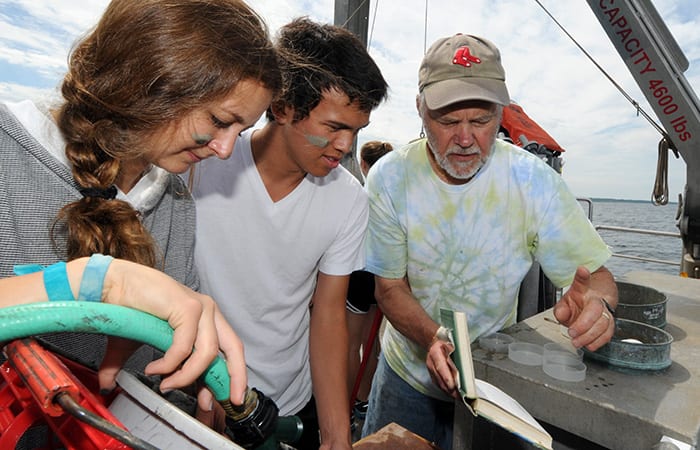
Every summer since 1959, undergraduates from around the world have come to Woods Hole Oceanographic Institution for a program to learn about ocean science and conduct research under the guidance of WHOI scientists.
Read MoreThe Socioeconomic Costs of Ocean Acidification
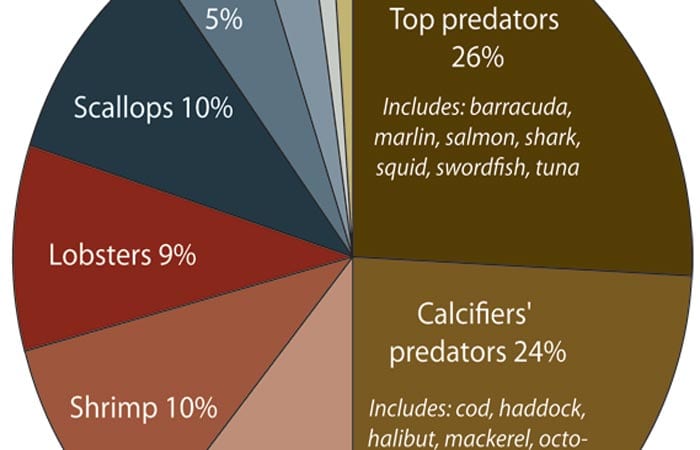
The increasing acidification of the oceans is measured in pH units, but its impacts on people will be measured in dollar signs, says Sarah Cooley. Commercial and recreational fishing, tourism,…
Read More