Red Tides and Dead Zones
The coastal ocean is suffering from overload of nutrients
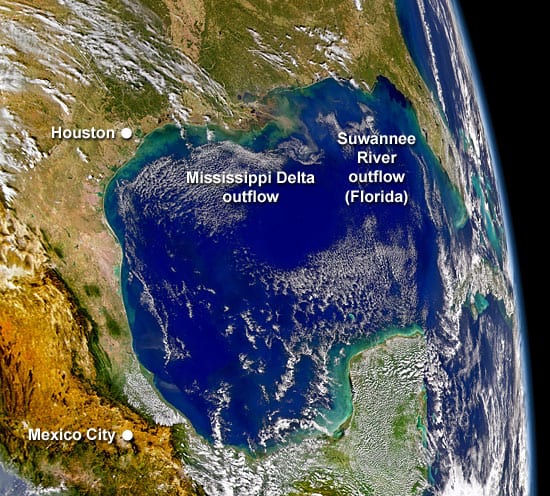
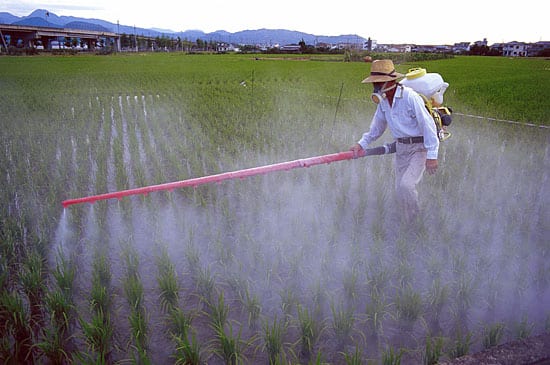
The most widespread, chronic environmental problem in the coastal ocean is caused by an excess of chemical nutrients. Over the past century, a wide range of human activities—the intensification of agriculture, waste disposal, coastal development, and fossil fuel use—has substantially increased the discharge of nitrogen, phosphorus, and other nutrients into the environment. These nutrients are moved around by streams, rivers, groundwater, sewage outfalls, and the atmosphere and eventually end up in the ocean.
Once they reach the ocean, nutrients stimulate the growth of tiny marine plants called phytoplankton or algae. When the concentration of nutrients is too high, this growth becomes excessive, leading to a condition called eutrophication.
There is a clear connection between eutrophication and two significant environmental problems: harmful algal blooms (HABs) and the depletion of oxygen dissolved in bottom waters (hypoxia). The effects of both HABs and oxygen depletion are felt throughout the coastal ecosystem, with direct and indirect effects on human health, food supplies, and recreation.
For scientists seeking to understand it, eutrophication is a challenge because the physical and biological processes linking nutrients and their impacts are complex. For policymakers seeking to manage these impacts, the challenge is weighing the economic benefits of the activities that generate nutrients with the environmental costs of eutrophication.
Too much of a good thing
In the ocean, as on the land, photosynthesis combines energy from the Sun, carbon dioxide, and nutrients such as nitrogen and phosphorus to produce carbon-rich plant material. This natural process is called primary production and forms the base of the marine food chain. It also provides most of the oxygen in the atmosphere. Without primary production, the world would be a much different (and a good deal less pleasant) place.
But every silver lining has a cloud. Of the thousands of species of algae, perhaps only a hundred are toxic. When these species occur in high concentrations, they can color the water and produce what are popularly referred to as “red tides” or “brown tides.” Scientists prefer to call these outbreaks harmful algal blooms or HABs. (See The Growing Problem of Harmful Algae.)
Toxic algae enter the marine food chain when they are consumed by small marine animals called zooplankton and by fish or shellfish. The toxins that accumulate in these consumers are then passed up the food chain to marine mammals, seabirds, and even humans, where they can cause illness or even death.
Blooms of some non-toxic species of algae can also cause problems. For example, the North Atlantic right whale is in grave risk of extinction. This species feeds seasonally off Cape Cod on concentrated patches of zooplankton called copepods. In some years, an algal species called Phaeocystisblooms in Cape Cod Bay. Although Phaeocystis is not toxic, large blooms essentially clog surface waters and right whales cannot find the copepod patches they need to eat.
Non-toxic HABs include large blooms of seaweed or macroalgae that can coat beaches, interfering with recreational activities. Other HABs clog seagrass beds and coral reefs, which provide nurseries for commercially important fish and support high levels of biological diversity necessary for a healthy environment.
Harmful algal blooms occur in every part of the world. In the U.S. and other developed countries, monitoring efforts and fishery closures have reduced the incidence of human illness caused by toxic algae. However, both monitoring and closures have economic costs that can be substantial. Perhaps the most striking example of this is the complete loss of the wild shellfish resource in Alaska—which once produced 5 million pounds annually—to persistent paralytic shellfish poisoning.
It is difficult to assess the precise way in which human activities influence the occurrence and severity of HABs. The physical and biological processes involved are not well understood, and long-term observations are sorely lacking. To complicate matters, HABs can and do occur in relatively pristine conditions. But there is a clear connection between nutrient levels and primary production, and there is general agreement among scientists that, other factors being equal, the conditions that favor high levels of primary production also favor HABs.
Is it getting stuffy in here?
Phytoplankton can cause problems even when they are dead. After they die, phytoplankton sink to the bottom where they decay through bacterial action. The bacteria that cause decay use oxygen dissolved in bottom waters. As long as the bottom waters are well mixed with oxygen-rich surface waters, the oxygen is renewed. However, under certain conditions, ocean waters become stratified so that there is little vertical mixing, and depleted oxygen is not replaced.
Stratification tends to occur in the summer because the configuration of warm surface waters over colder bottom waters is stable. Stratification also tends to be stronger near the mouths of rivers where the lighter fresh water overlays denser salt water in a stable configuration. Finally, stratification is strong in enclosed and semi-enclosed parts of the ocean—such as bays and lagoons—that are cut off from the large-scale circulation patterns that promote mixing.
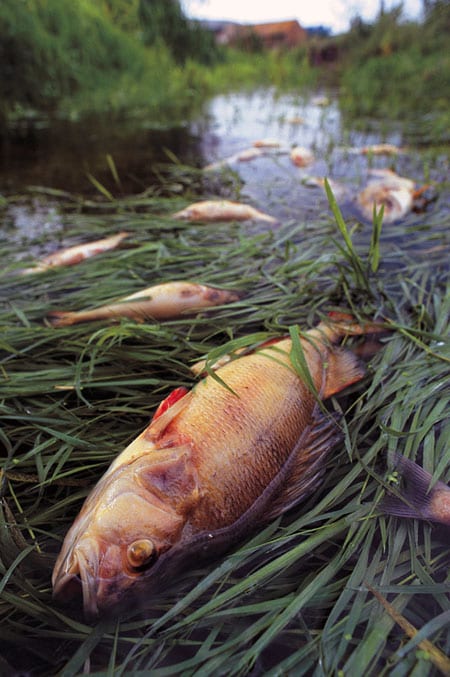
When vertical mixing is weak or absent, oxygen-depleted bottom waters are not refreshed, resulting in a condition called hypoxia. Hypoxic areas—popularly known as “dead zones”—can have a dramatic effect on marine life. In some cases, oxygen depletion occurs so quickly that it cuts off escape routes and results in fish kills.
Even when animals simply avoid low-oxygen areas, as they usually do, the indirect effects of hypoxia can be substantial. Suitable habitat is lost, putting pressure on populations. Hypoxic zones also can interfere with the migratory behavior of shrimp, lobsters, and other species. More generally, by altering the environment in which marine species thrive, hypoxia can lead to a decline in biological diversity.
A widespread problem
Hypoxia occurs throughout the world. Two of the best-known hypoxic areas are in the Black Sea and the Baltic Sea. In the U.S., dead zones occur regularly in Long Island Sound, the Chesapeake Bay, and the northern Gulf of Mexico. In the Baltic Sea, hypoxia has contributed to the collapse of the Norwegian lobster fishery. There is evidence that the hypoxia off the coast of Louisiana has harmed the valuable shrimp fishery and possibly contributed to the replacement of bottom-dwelling species such as snapper with less valuable mid-water species such as menhaden.
Hypoxia can occur naturally. For example, the bottom waters of the Black Sea have been depleted of oxygen for thousands of years. Hypoxia has also occurred naturally in the Chesapeake and the Gulf of Mexico. But there is little doubt that, by increasing the level of nutrients in the ocean, human activities have increased the frequency, extent, and severity in these areas and throughout the coastal ocean.
Decisions we can live with
Determining the appropriate public policy response to eutrophication is difficult. Because so many economic activities contribute nutrients to the marine environment, nutrient regulations potentially touch a large part of the economy. Also, the effects of eutrophication are complicated and difficult to measure, especially in economic terms. Comparing the costs and benefits of alternative policies is difficult. While eutrophication is ubiquitous, different regions differ in both cause and effect. For this reason, policy must be customized to local situations: One size does not fit all.
The good news is that, because so many human activities produce nutrients, there are many opportunities to make small, low-cost changes with a large cumulative impact.
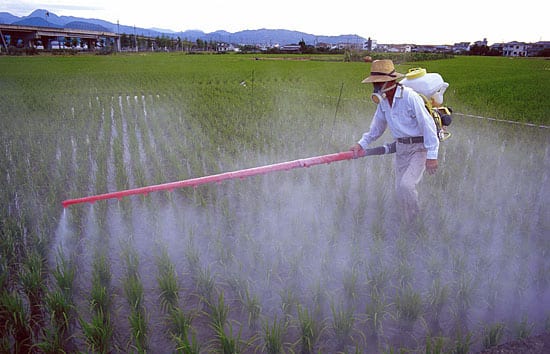
One promising approach to nutrient reduction involves the adoption of so-called “best management practices” in agriculture. A major contributor to nutrient pollution is the loss of fertilizer from agricultural fields. Not only does this ultimately lead to eutrophication, but it is also costly to farmers. By using improved agricultural methods such as no-till planting, farmers can put more fertilizer in the soil and less in the ocean.
Another area for possible action is improving the treatment and disposal of human and animal waste. Although this is likely to be costly, it has benefits beyond the reduction of eutrophication.
Finally, policies could also be aimed at curtailing the conversion—and even promoting the restoration—of wetlands and other natural buffers that intercept and sequester nutrients before they reach the ocean.
Aquaculture for remediation?
There are some novel ideas as well. A project is currently underway at Woods Hole Oceanographic Institution to examine the feasibility of using shellfish aquaculture to reduce nutrients in the coastal ocean. The experimental shore-based aquaculture system at the National Center for Mariculture in Eilat, Israel, uses shellfish to absorb excess nutrients excreted by fish. Researchers at WHOI are trying to determine whether the same idea is feasible in the ocean. As the shellfish produced by such an enterprise have economic value, this is an example of a win-win situation. (See Down on the Farm Raising Fish.)
As environmental problems go, coastal eutrophication is not particularly glamorous. It is difficult to justify costly measures to eliminate this problem, particularly in the short term. But low-cost options do exist and would be a step in the right direction. Not only would this make economic sense today, but it would set us on a course to lighten the tread of society on natural systems.
— This article is adapted from “Red Tides and Dead Zones: Eutrophication in the Marine Environment,” which first appeared in U.S. Policy and the Global Environment.
Slideshow