
News Releases
First ever ocean-focused pavilion in the Blue Zone
Leading ocean science and philanthropic organizations to highlight the global ocean at UN climate conference
Read MoreWoods Hole Oceanographic Institution receives Seagriculture Innovation Awards
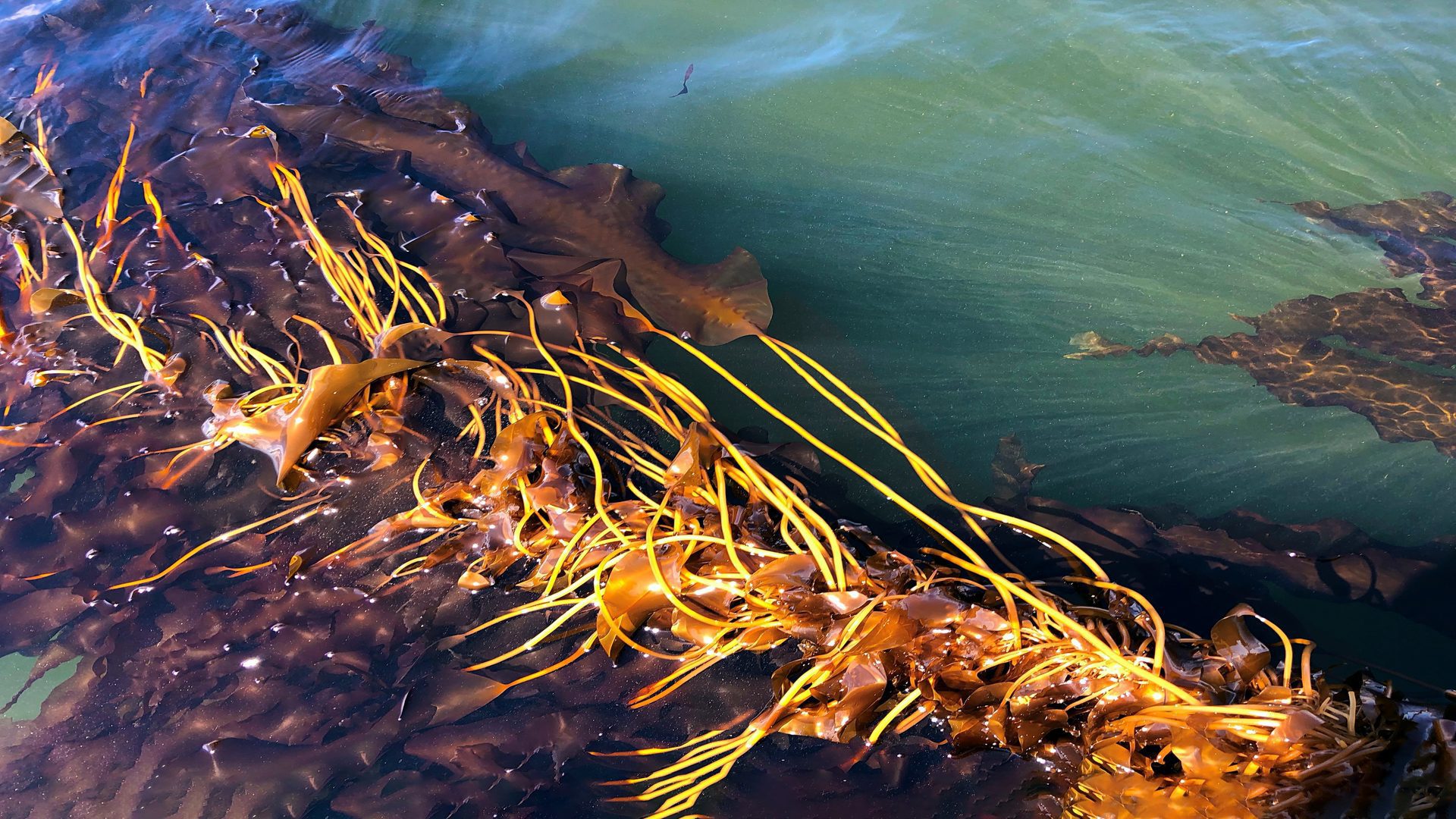
Woods Hole Oceanographic Institution (WHOI)-led teams earned Gold and Silver Innovation Awards for seaweed solutions projects, presented at the first annual Seagriculture Conference USA 2022 in Portland, Maine.
Read MoreWoods Hole Oceanographic Institution leads multi-ship study of northwest Atlantic
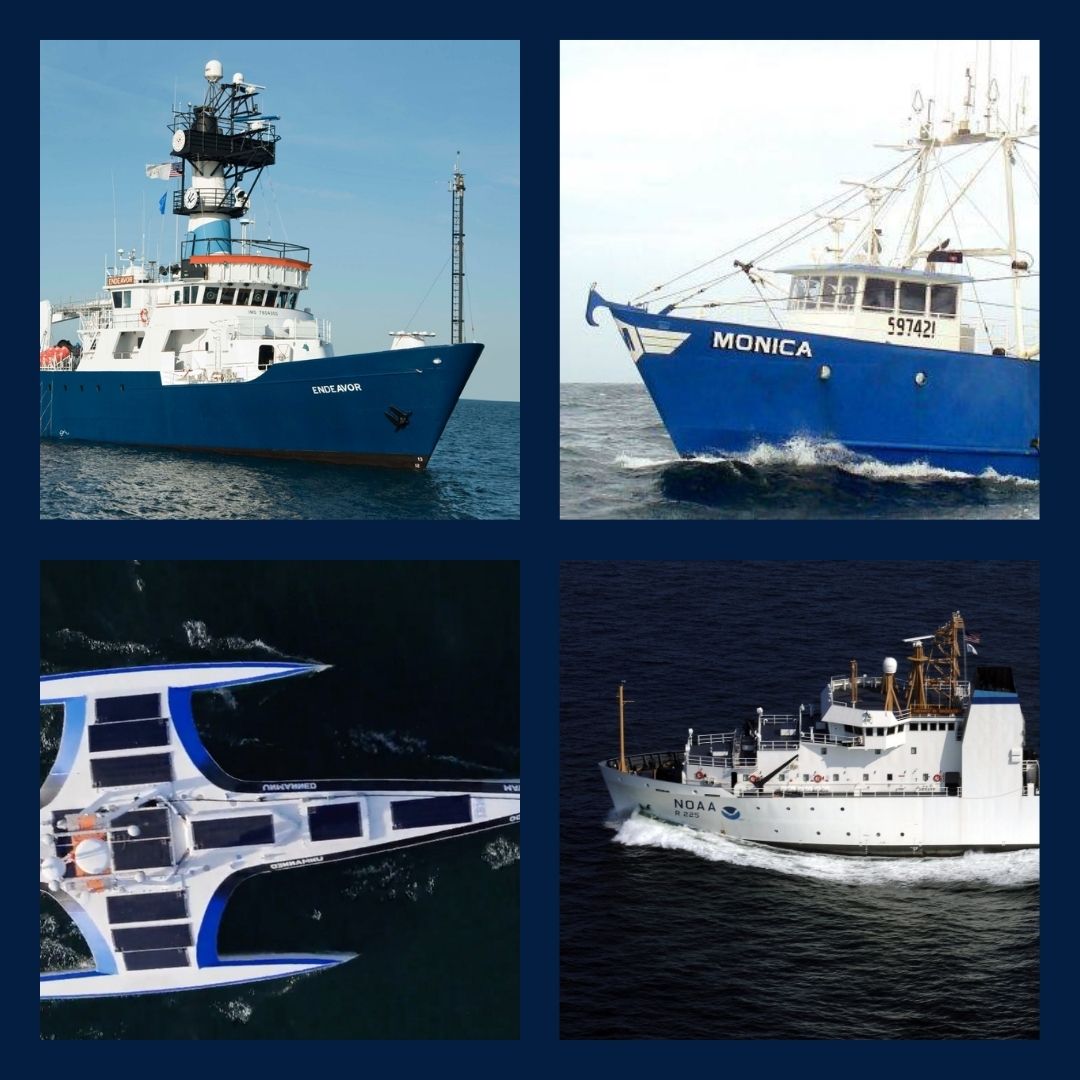
Partners from National Oceanic and Atmospheric Administration, University of Rhode Island, to study Ocean Twilight Zone Woods Hole, Mass. (August 6, 2022) – Scientists from Woods Hole Oceanographic Institution (WHOI),…
Read MoreWHOI signs a memorandum of understanding with Portuguese Ocean Institute
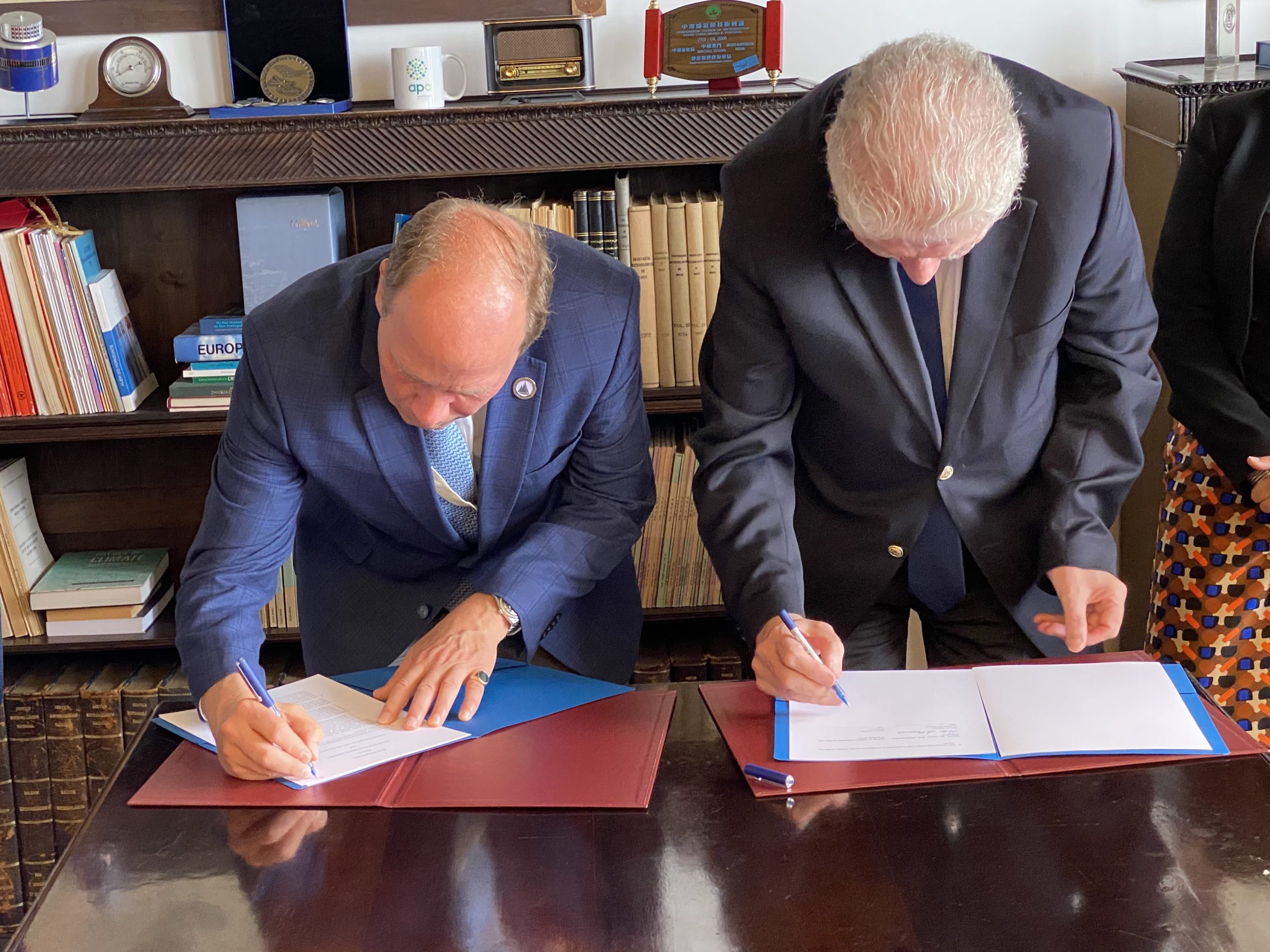
Today, the Woods Hole Oceanographic Institution (WHOI) signed a memorandum of understanding with Instituto Português do Mar e da Atmosfera (IPMA), the Portuguese national authority responsible for monitoring the country’s ocean, atmosphere, and land.
Read MoreWHOI joins world leaders at UN Ocean Conference: June 27 – July 1, Lisbon, Portugal
Thousands of participants from around the world will converge in Lisbon beginning June 27 as part of the 2022 United Nations Ocean Conference. Among them will be representatives from Woods Hole Oceanographic Institution (WHOI), the world’s largest independent organization dedicated exclusively to ocean research, engineering, and education.
Read MoreWHOI-led projects receive UN endorsement as part of Decade of Ocean Science
Four projects led or co-led by Woods Hole Oceanographic Institution (WHOI) scientists were named on World Ocean Day by the United Nations Educational, Scientific and Cultural Organization (UNESCO) to receive Endorsed Action status as part of the UN Decade of Ocean Science for Sustainable Development 2021-2030.
Read MoreGeoscience technology company founded by MIT/WHOI Joint Program student awarded $3.8M from U.S. Department of Energy
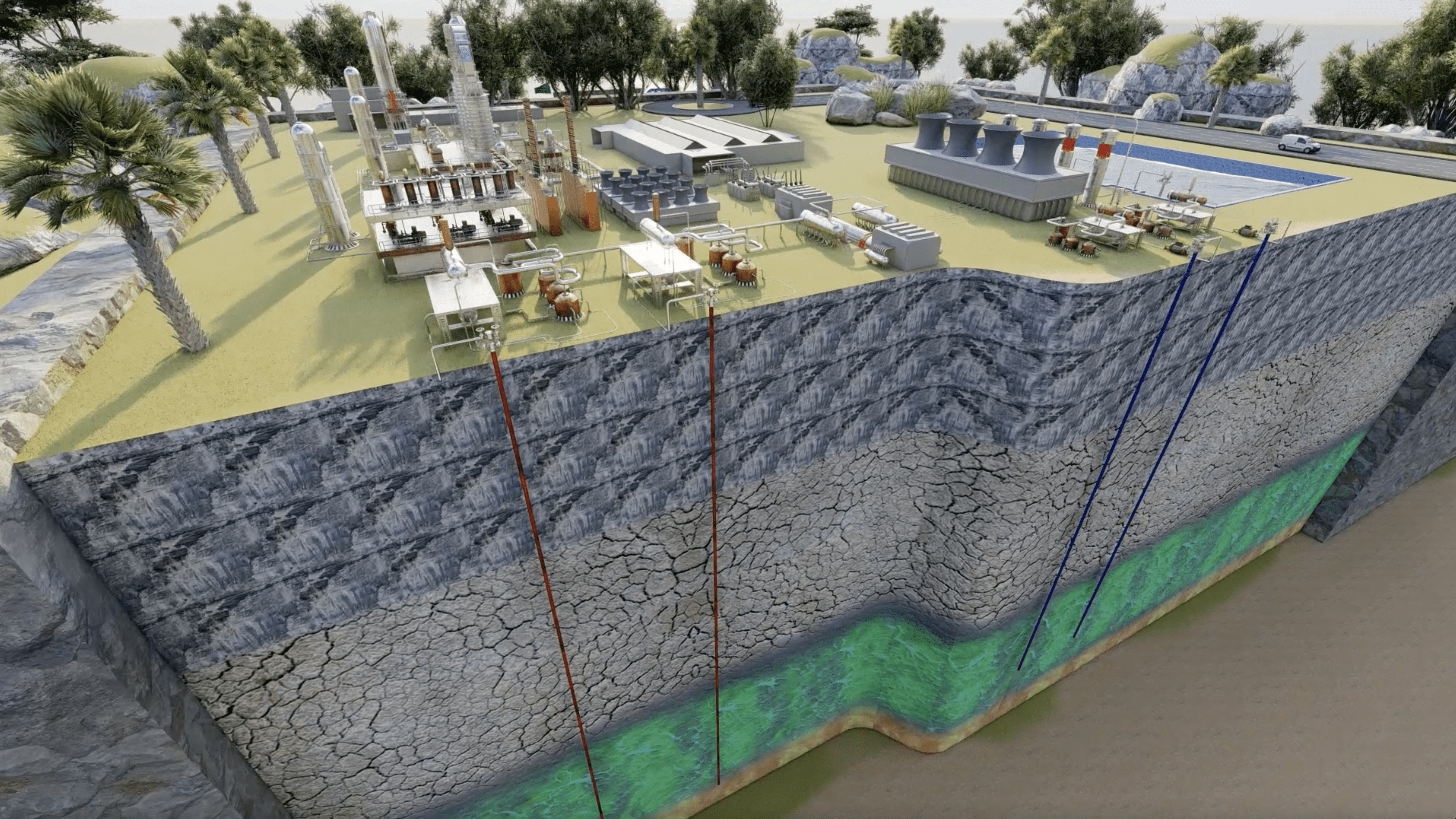
Eden, a geoscience technology development company co-founded by Massachusetts Institute of Technology/Woods Hole Oceanographic Institution Joint Program student Paris Smalls, will receive $3.8 million in federal funding from the U.S. Department of Energy Advanced Research Projects Agency-Energy (ARPA-E).
Read MoreYawkey Foundation and WHOI present Summer Speaker Series, “Dispatches from an Ocean Planet”
Woods Hole Oceanographic Institution, in partnership with the Yawkey Foundation, proudly presents “Dispatches from an Ocean Planet”, a summer series of film and literature. The series marks the return of WHOI in-person events after a two-year hiatus due to the pandemic. All events require pre-registration.
Read MoreInnovation Takes Off at Woods Hole Oceanographic Institution
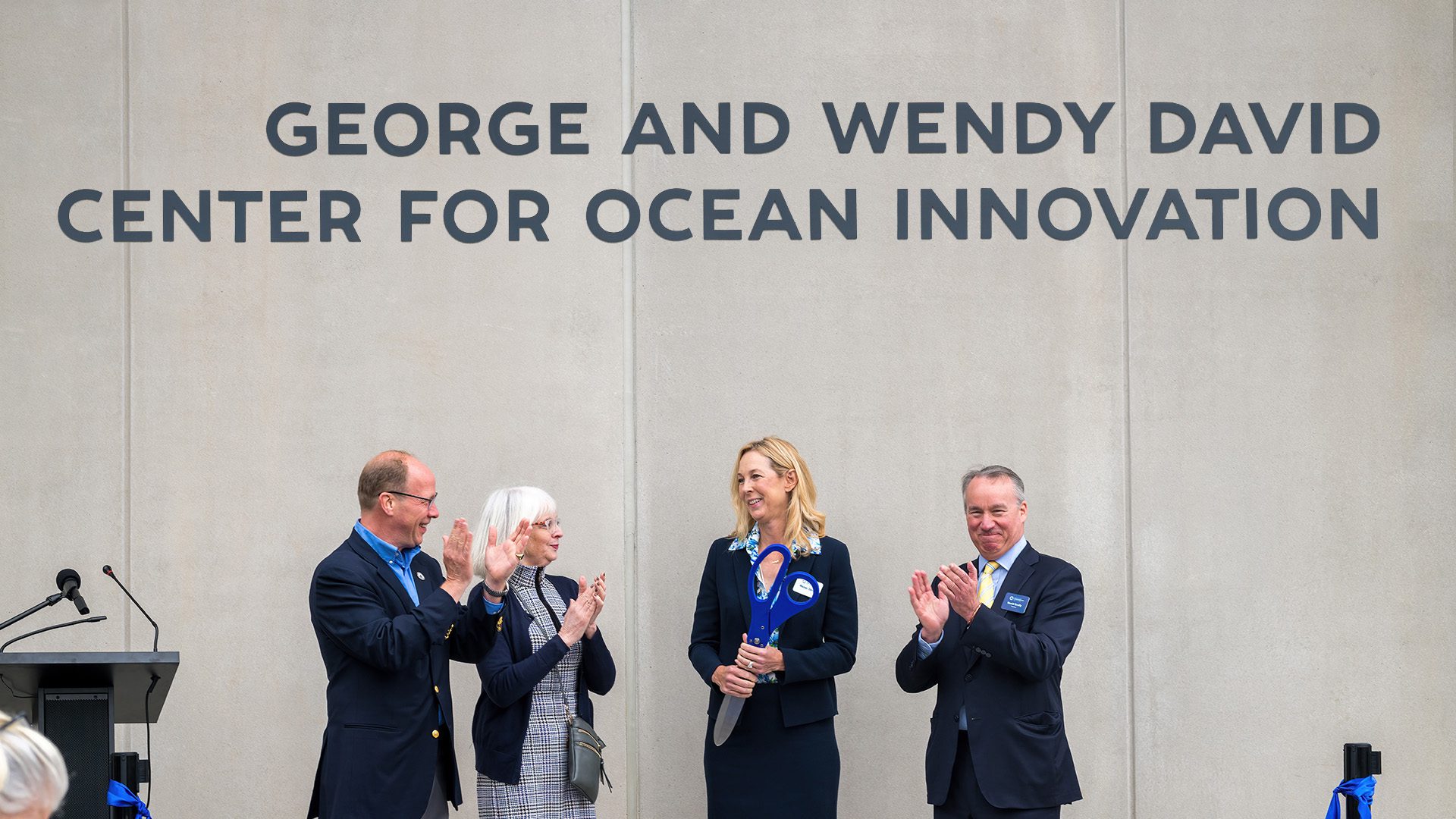
Woods Hole Oceanographic Institution (WHOI), the world’s largest independent institution specifically focused on ocean science, engineering, and education, today announced the establishment of the George and Wendy David Center for Ocean Innovation, the latest in a series of new initiatives aimed at cementing WHOI’s position as a national leader in ocean innovation and laying the foundation for a future of scientific discoveries, breakthrough technologies, and unparalleled advances on land and at sea.
Read MoreDeepest sediment core collected in the Atlantic Ocean
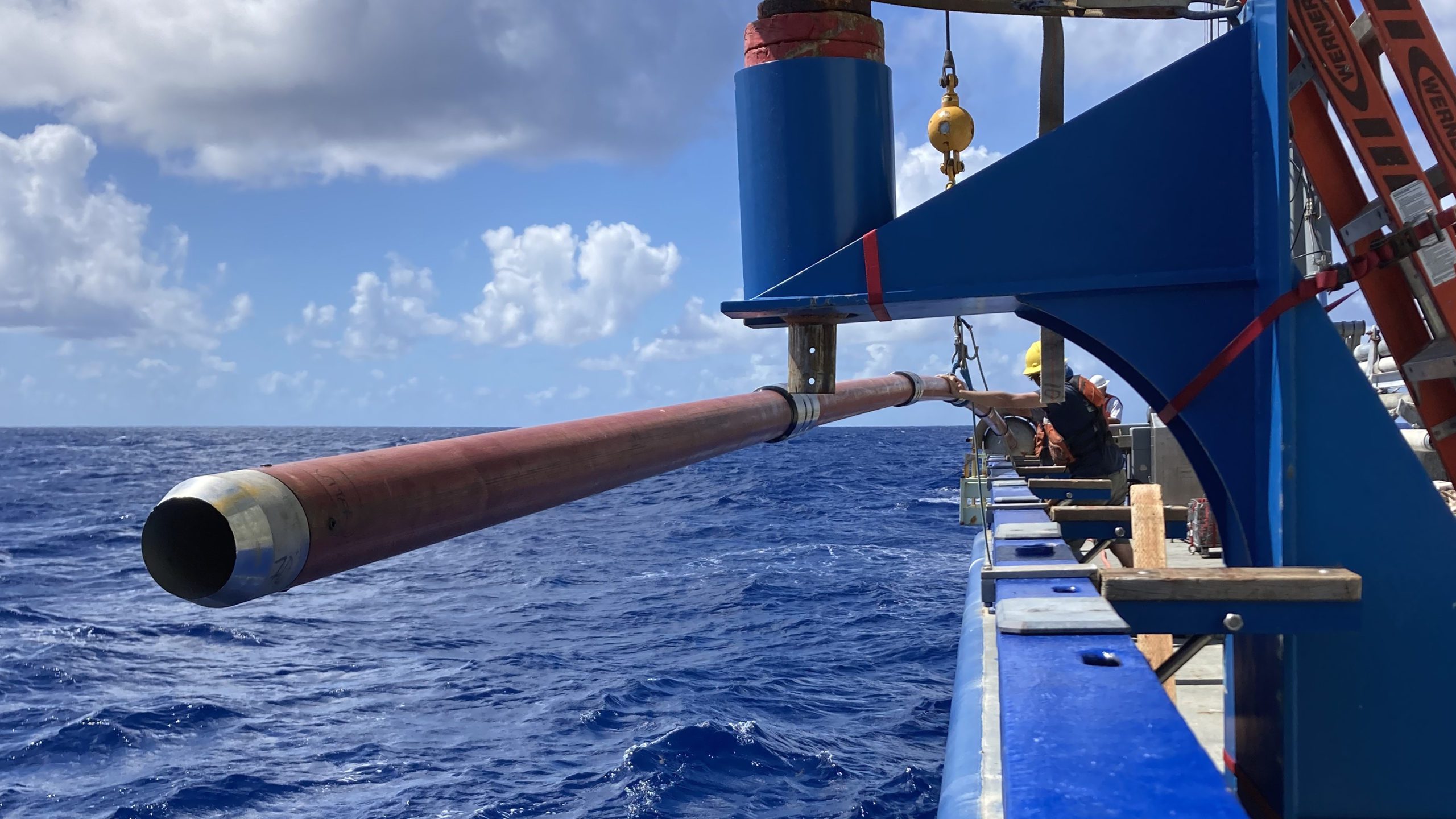
A team of scientists, engineers, and ship’s crew on the research vessel Neil Armstrong operated by the Woods Hole Oceanographic Institution (WHOI) recently collected a 38-foot-long cylindrical sediment sample from the deepest part of the Puerto Rico Trench, nearly 5 miles below the surface.
Read MoreWoods Hole Oceanographic Institution’s “Ocean Encounters” nominated for Webby Award
Woods Hole Oceanographic Institution’s virtual education series, Ocean Encounters, has been nominated for a People’s Voice Webby Award in the Virtual and Remote – Series, Health and Science category, and was also named an honoree in the Virtual and Remote: Best Series category.
Read MoreWHOI & Pangaea Logistics Solutions to advance ocean science data acquisition through Science RoCS program
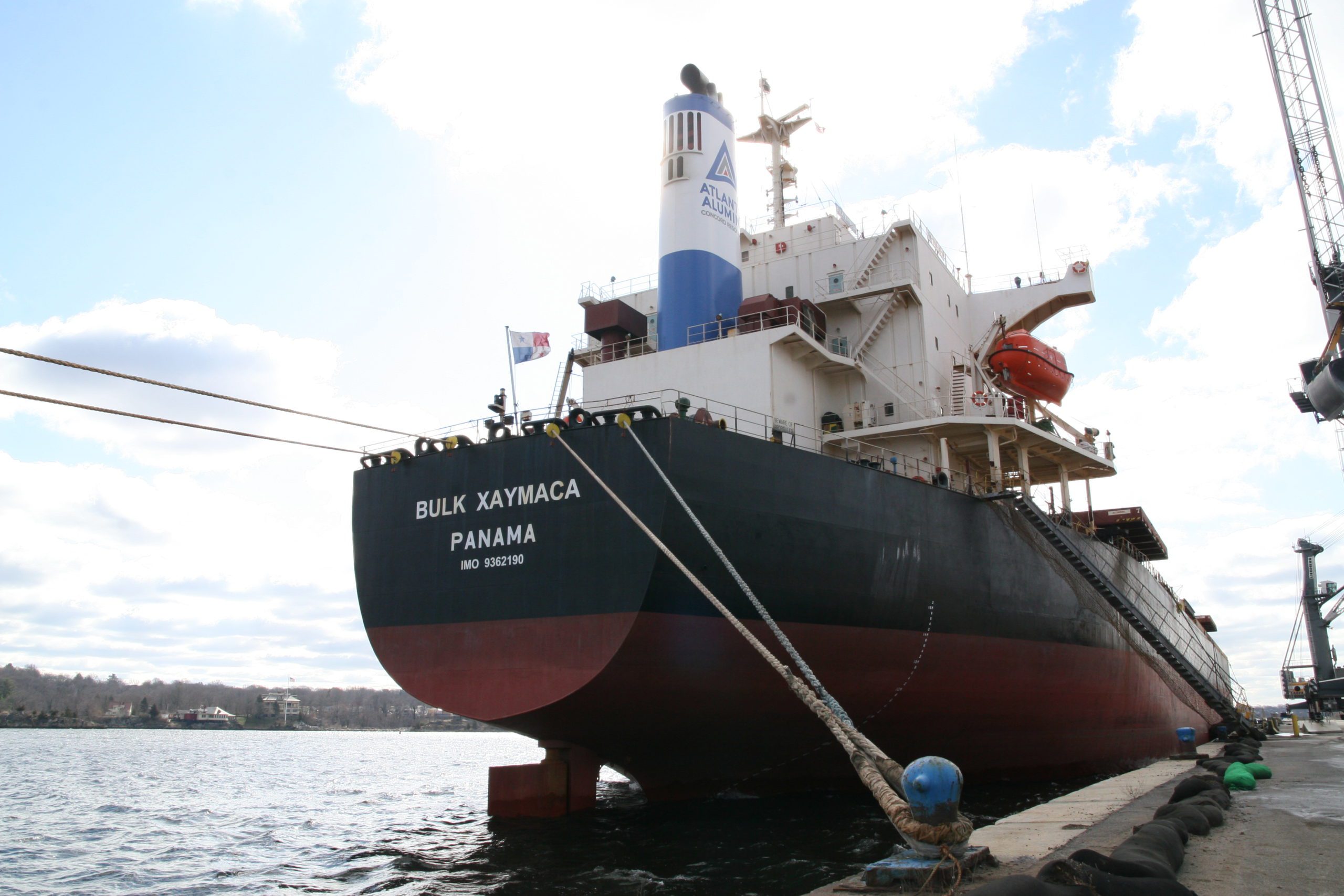
WHOI and Pangaea Logistics Solutions (Pangaea), a U.S. based, international maritime and logistics transportation company, today announced the launch of a new science program aboard Pangaea’s fleet of ships. Science RoCS (Science Research on Commercial Ships) is an innovative program pairing scientists with commercial vessels to regularly monitor the vast and open ocean, particularly along repeat routes in hard-to-reach areas where critical gaps in monitoring exist.
Read MoreWoods Hole Oceanographic Institution and collaborators launch world’s largest kelp map
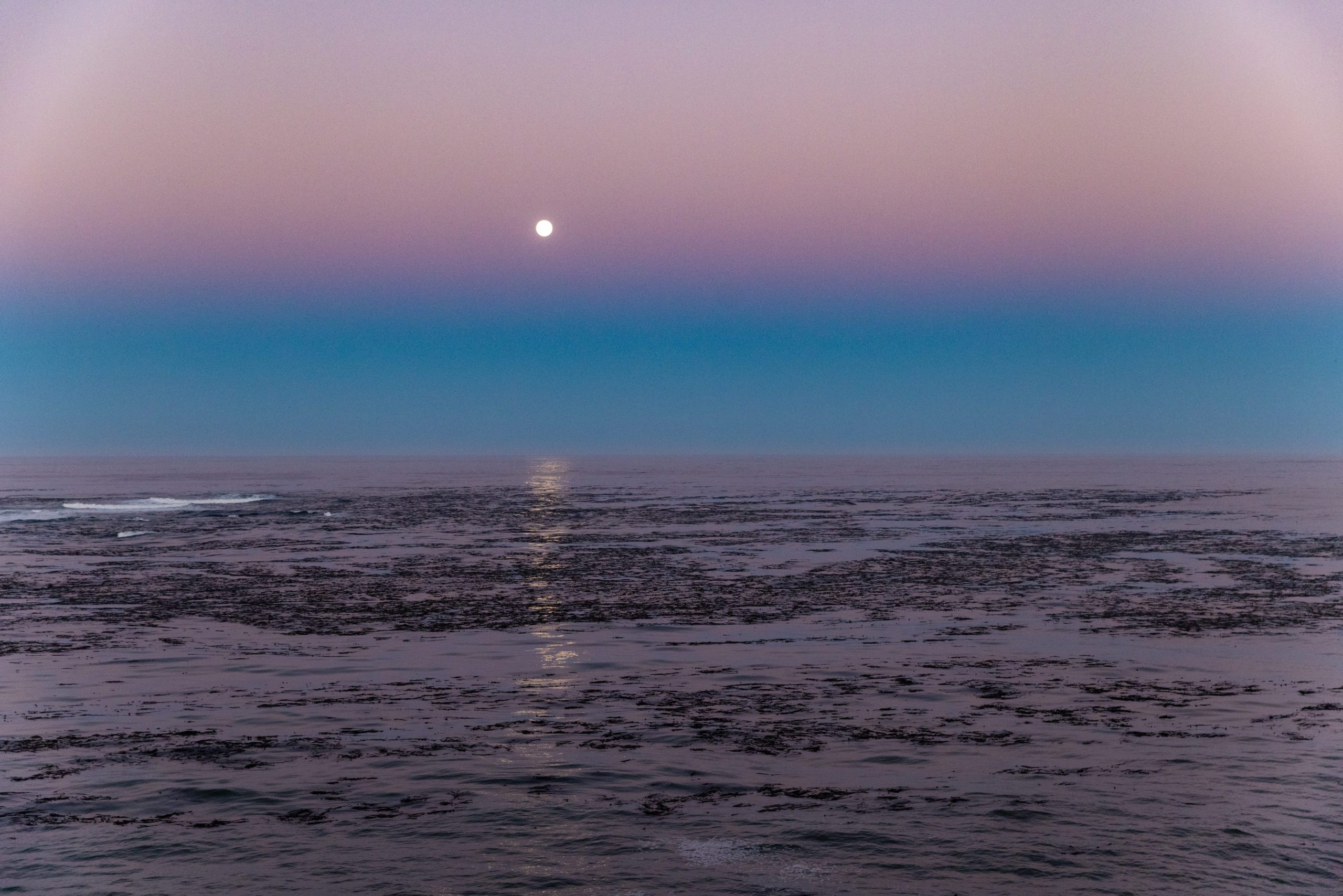
To further investigate and track kelp growth and survival over time, Woods Hole Oceanographic Institution, The Nature Conservancy, University of California Los Angeles, and the University of California Santa Barbara have launched the world’s largest map of kelp forest canopies extending from Baja California, Mexico to the Oregon-Washington border.
Read MoreWoods Hole Oceanographic Institution-led study explores effects of noise on marine life
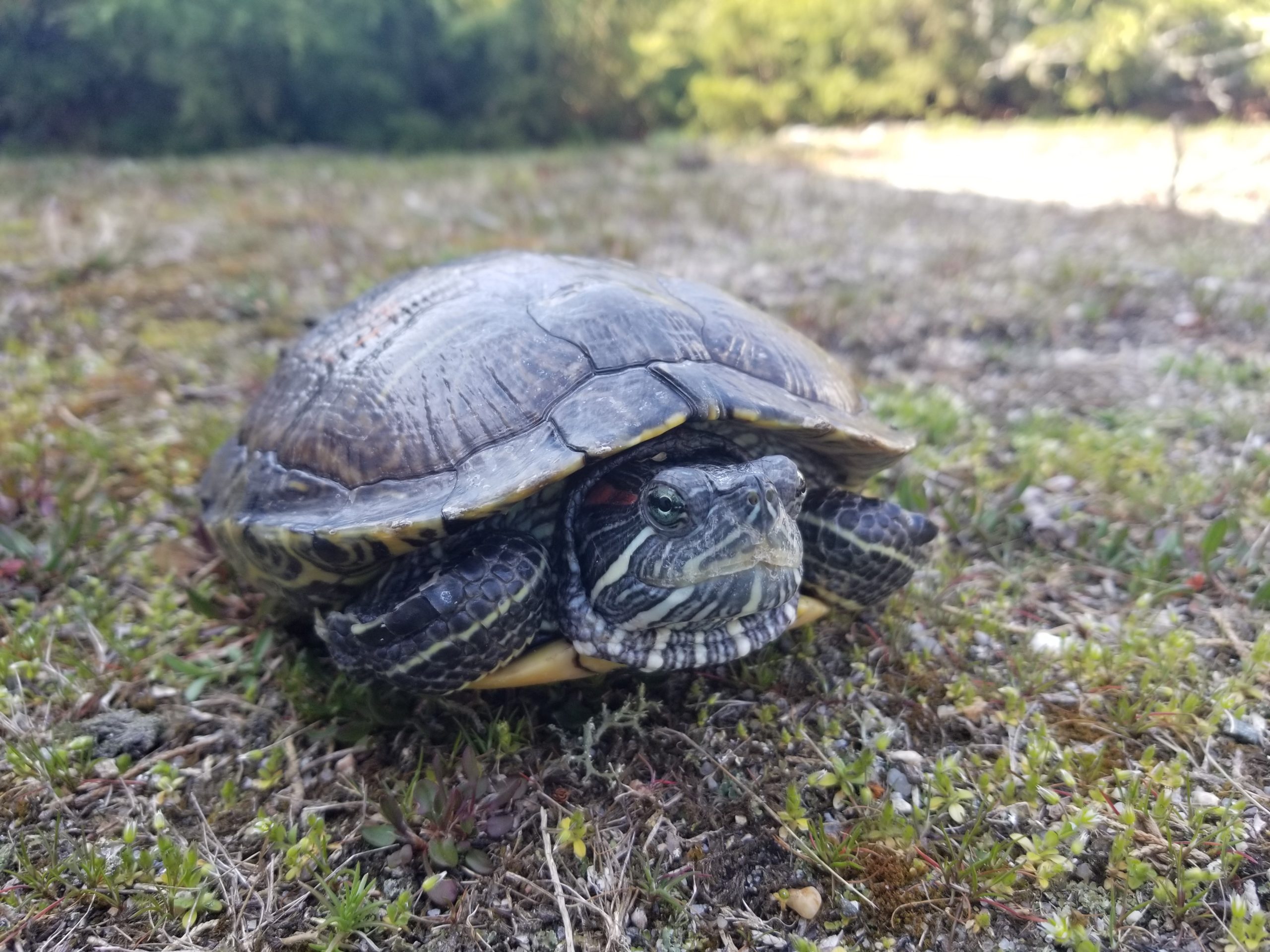
New research shows turtles can experience temporary hearing loss from an excess of underwater noise. This high volume of sound, referred to as underwater noise pollution, can be caused by passing ships and offshore construction. These preliminary findings were part of a Woods Hole Oceanographic Institution-led study that is being presented at the 2022 Ocean Sciences Meeting..
Read MoreThe ocean twilight zone’s role in climate change
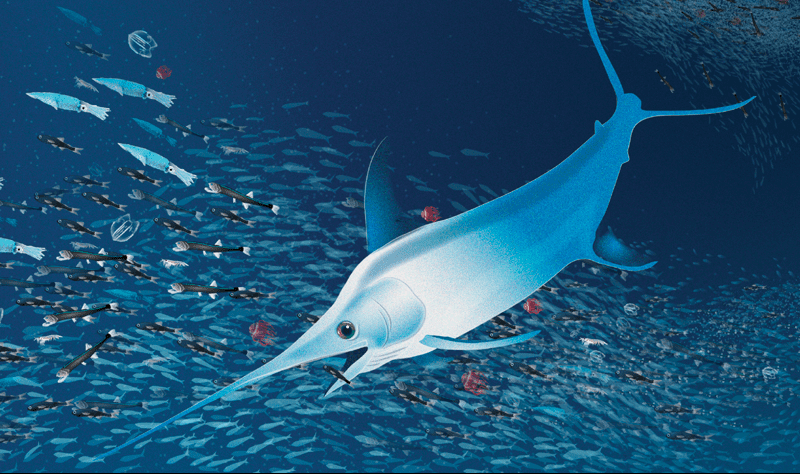
A new report from the Woods Hole Oceanographic Institution Ocean Twilight Zone (OTZ) project team offers a detailed look at the climate-altering processes that take place within the zone, in particular those that are driven by animals that migrate between the twilight zone and the surface each night to feed. This phenomenon is likely the biggest migration on Earth—yet it remains incredibly vulnerable to human exploitation.
Read MoreBen Van Mooy awarded by Association for the Sciences of Limnology and Oceanography
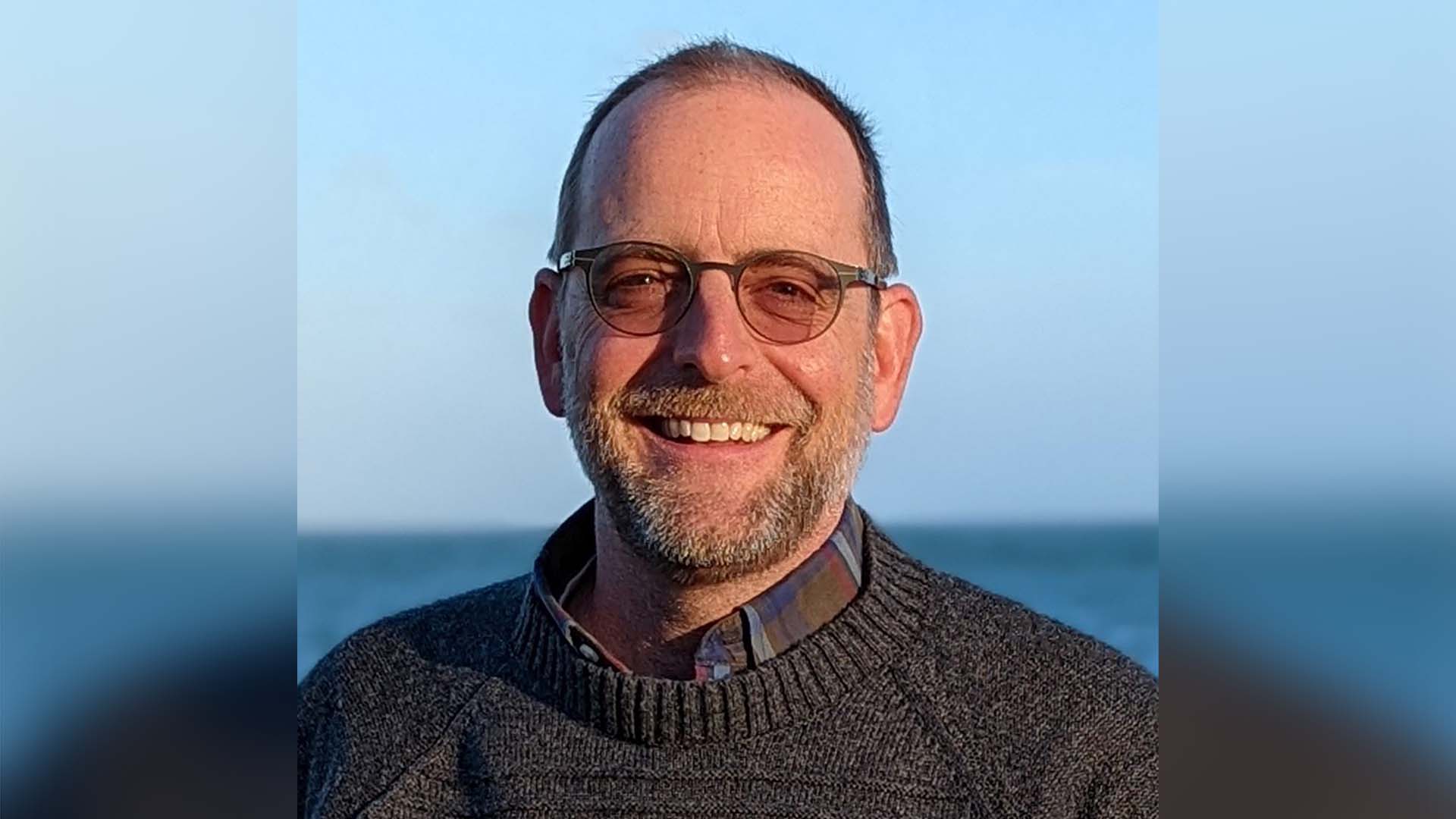
WHOI senior scientist and Dept. Chair honored for phosphorus and lipid cycling research
Read More