
News Releases
Two New Studies Substantially Advance Understanding of Currents that Help Regulate Climate
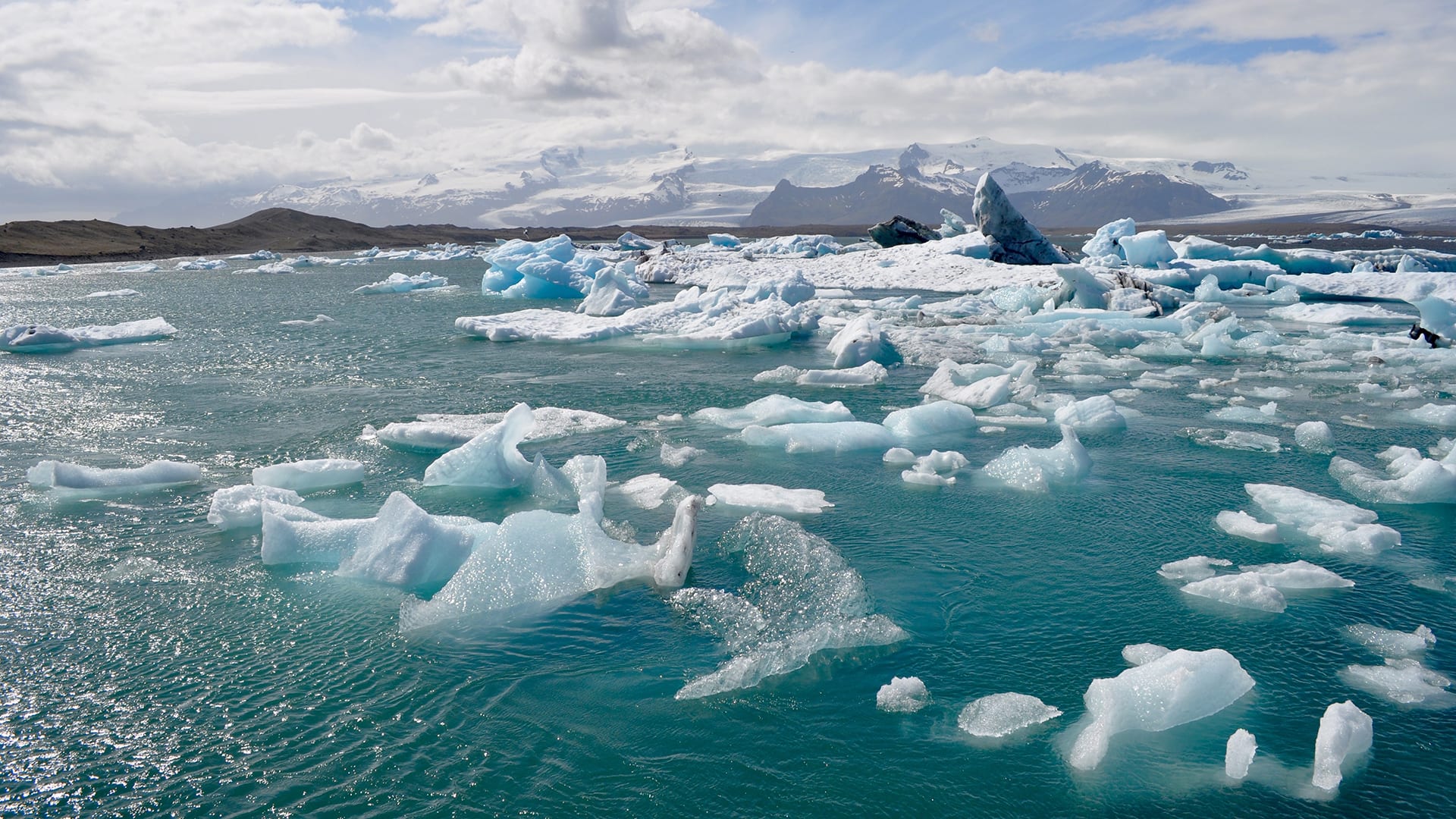
Two studies shed new light on a critical driver of the Atlantic Meridional Overturning Circulation (AMOC) and potential impacts of rising temperatures
Read MoreStudy Finds No Direct Link Between North Atlantic Ocean Currents, Sea Level Along New England Coast
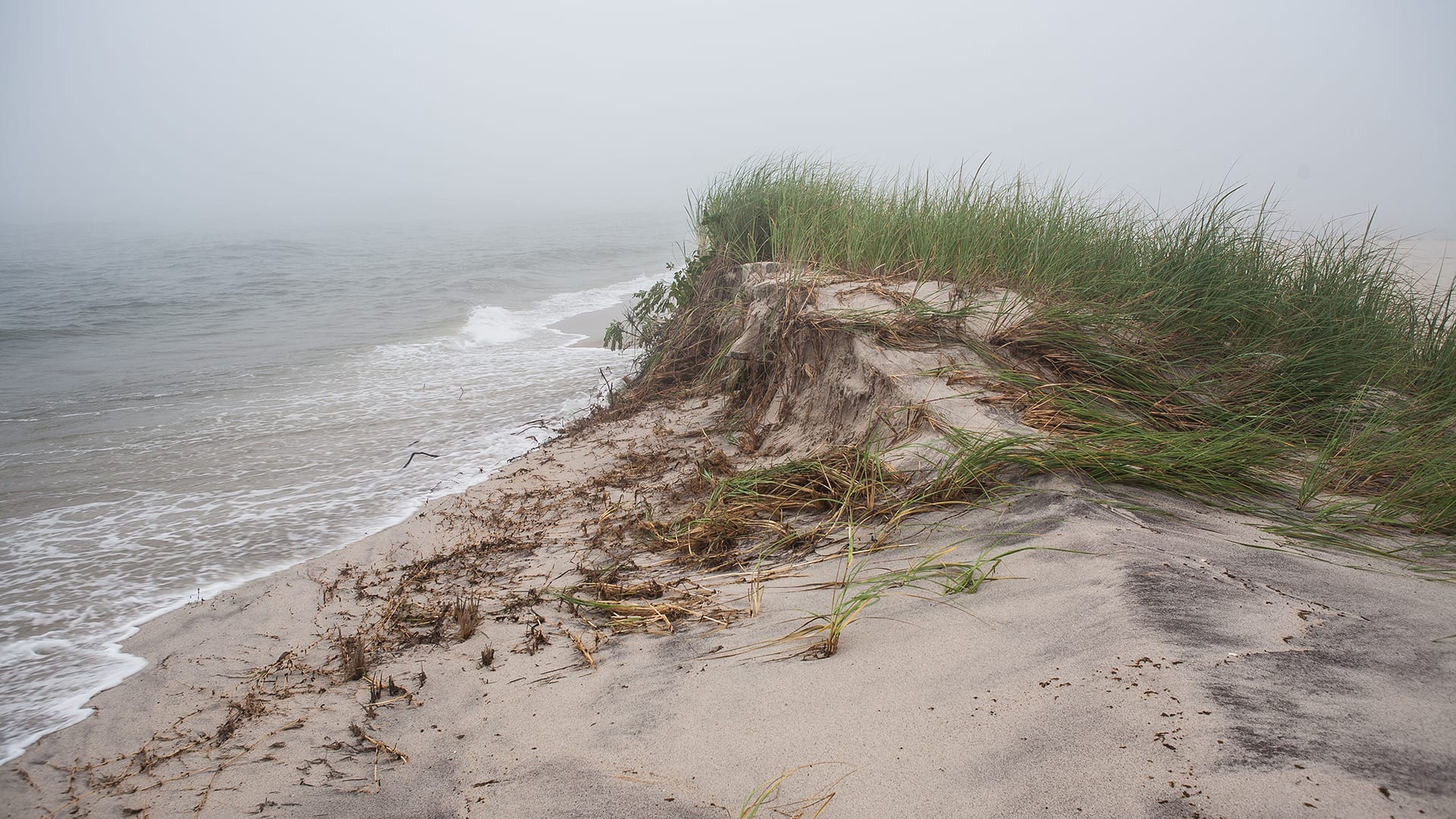
A new study by the Woods Hole Oceanographic Institution (WHOI) clarifies what influence major currents in the North Atlantic have on sea level along the northeastern United States. The study, published June 13 in the journal Geophysical Research Letters, examined both the strength of the Atlantic Meridional Overturning Circulation (AMOC)—a conveyor belt of currents that move warmer waters north and cooler waters south in the Atlantic—and historical records of sea level in coastal New England.
Read MoreWaters West of Europe Drive Ocean Overturning, Key for Regulating Climate
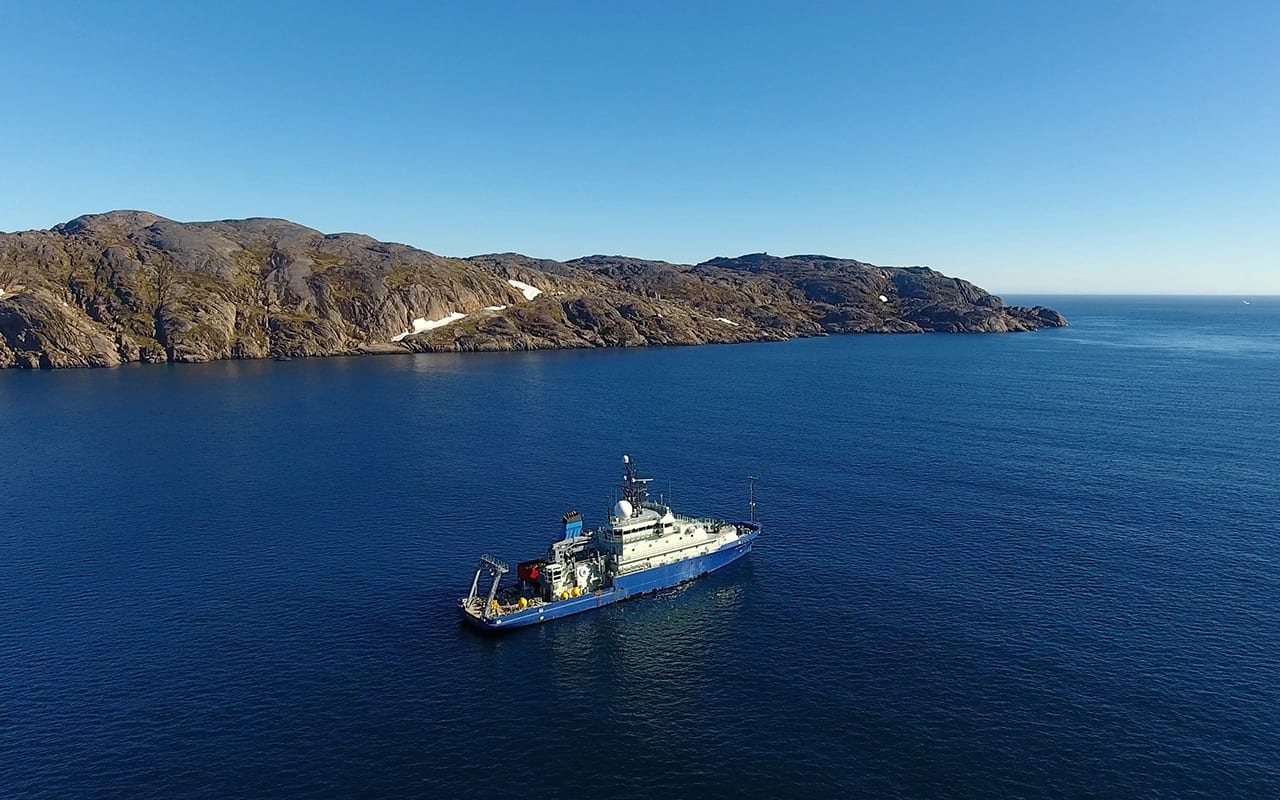
In the Atlantic MOC, warm, salty, shallow waters are carried northward from the tropics by currents and wind, and then converted into colder, fresher, deep waters that return southward through the Iceland and Irminger basins. In a departure from the prevailing scientific view, the study shows that most of the conversion from warm to cold water – or ‘overturning’ and its month-to-month variability – is occurring in regions between Greenland and Scotland, rather than in the Labrador Sea off Canada, as many past modeling studies have suggested.
Read MoreThe long memory of the Pacific Ocean
Researchers from the Woods Hole Oceanographic Institution (WHOI) and Harvard University have found that the deep Pacific Ocean lags a few centuries behind in terms of temperature and is still adjusting to the entry into the Little Ice Age. Whereas most of the ocean is responding to modern warming, the deep Pacific may be cooling.
Read MoreAtlantic Ocean Circulation at Weakest Point in 1,600 years
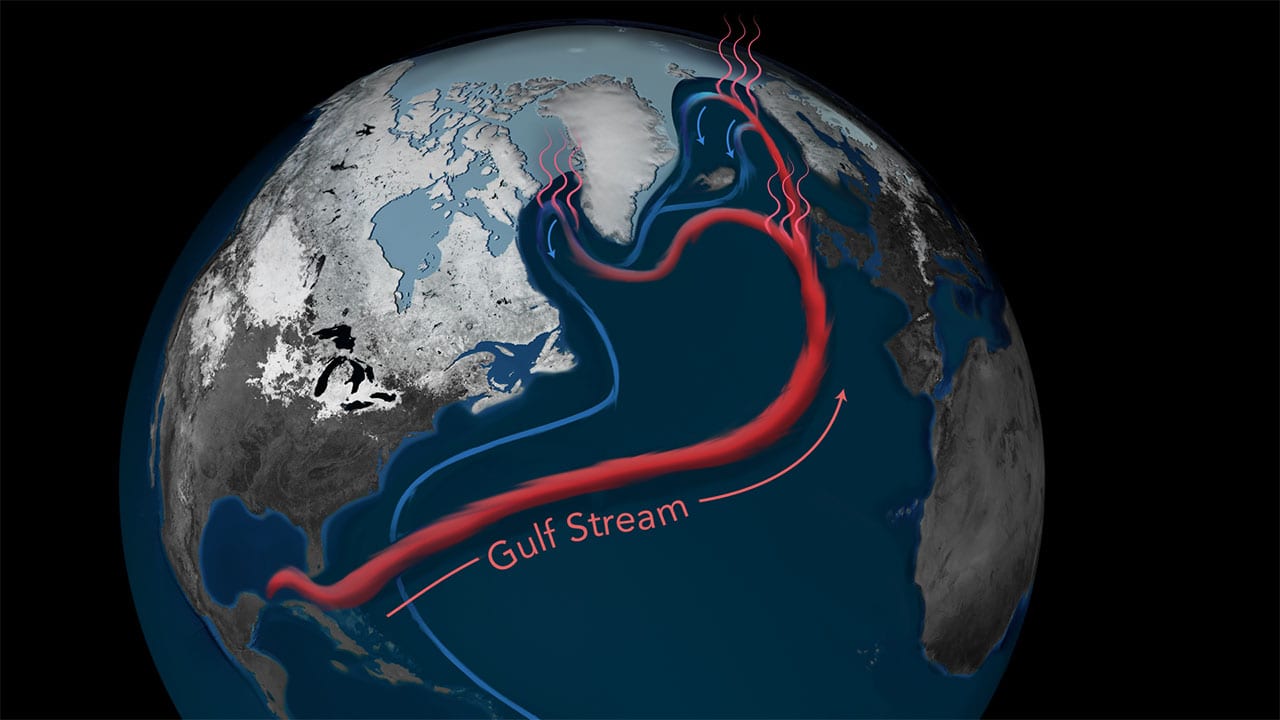
Atlantic Ocean Circulation at Weakest Point in More Than 1500 years New research led by University College London (UCL) and Woods Hole Oceanographic Institution (WHOI) provides evidence that a key cog in the global ocean circulation system hasn’t been running at peak strength since the mid-1800s and is currently at its weakest point in the past 1,600 years. If the system continues to weaken, it could disrupt weather patterns from the United States and Europe to the African Sahel, and cause more rapid increase in sea level on the U.S. East Coast.
Read MoreWHOI Scientists Receive $11.6 Million to Measure Changes in Ocean Circulation
Ocean currents, in concert with the atmosphere, play a critical role in regulating Earth’s climate. Yet the complexities of how water is moved around the globe and how the strength…
Read MoreNASA/WHOI Voyage Set to Explore Link Between Sea Saltiness and Climate
A NASA-sponsored expedition is set to sail to the North Atlantic’s saltiest spot to get a detailed, 3-D picture of how salt content fluctuates in the ocean’s upper layers and how these variations are related to shifts in rainfall patterns around the planet.
Read MoreStudy Finds Surprising New Pathway for North Atlantic Circulation
Oceanographers have long known that the 20-year-old paradigm for describing the global ocean circulation– called the Great Ocean Conveyor – was an oversimplification. It’s a useful depiction, but it’s like…
Read MoreFine-tuning the Steps in the Intricate Climate Change Dance
New scientific findings are strengthening the case that the oceans and climate are linked in an intricate dance, and that rapid climate change may be related to how vigorously ocean…
Read MoreRate of Ocean Circulation Directly Linked to Abrupt Climate Change in North Atlantic Region
A new study strengthens evidence that the oceans and climate are linked in an intricate dance, and that rapid climate change may be related to how vigorously ocean currents transport heat from low to high latitudes.
Read MoreNew Study Reports Large-scale Salinity Changes in the Oceans
Tropical ocean waters have become dramatically saltier over the past 40 years, while oceans closer to Earth’s poles have become fresher, scientists reported today in the journal Nature. Earth’s warming surface may be intensifying evaporation over oceans in the low latitudes–raising salinity concentrations there–and transporting more fresh water vapor via the atmosphere toward Earth’s poles.
Read More