
News Releases
The NSF Seafood Engine in New England wins $15M U.S. National Science Foundation award to strengthen fisheries and aquaculture
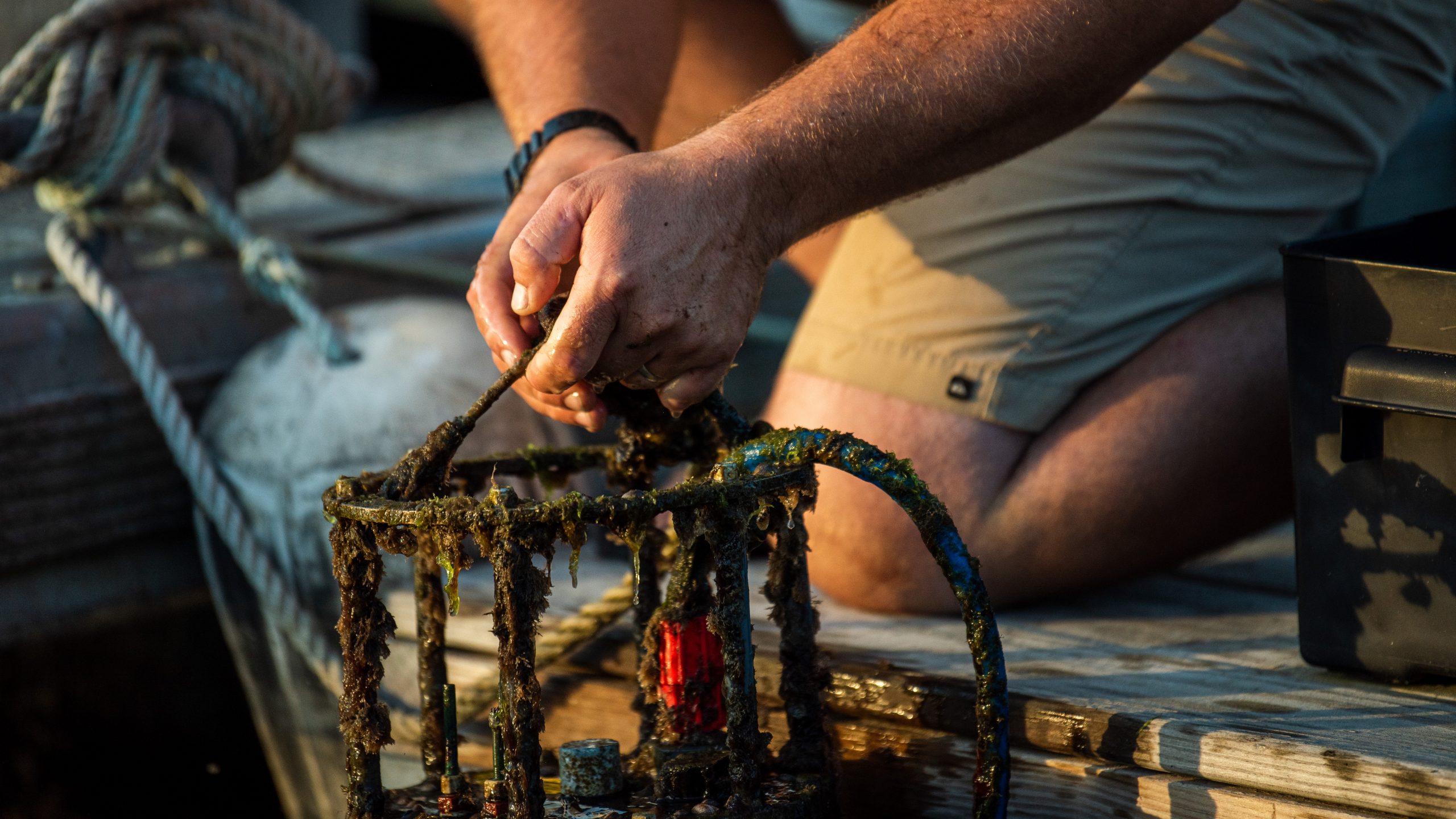
The Seafood Engine will initially receive an award of $15 million over two years, with the potential to grow up to $160 million over ten years as it works to build an internationally competitive technology and innovation cluster.
Read MoreWHOI Sea Grant supports $1.6 million in critical aquaculture and fisheries research
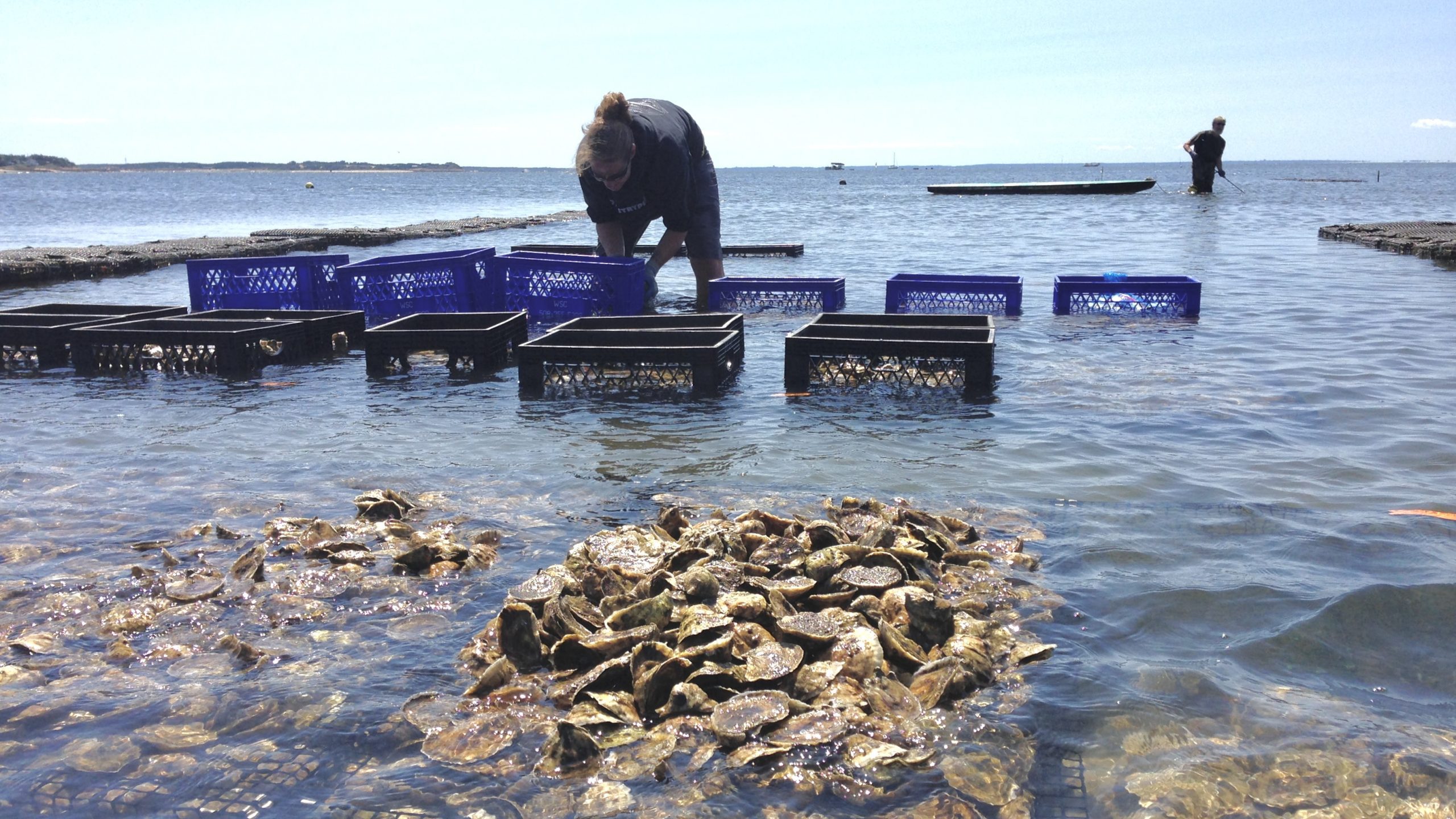
Over the next two years, these projects will generate new tools and data to support species economically and environmentally important to coastal Massachusetts.
Read MoreNew WHOI study cautions that deep-sea fishing could undermine valuable tuna fisheries
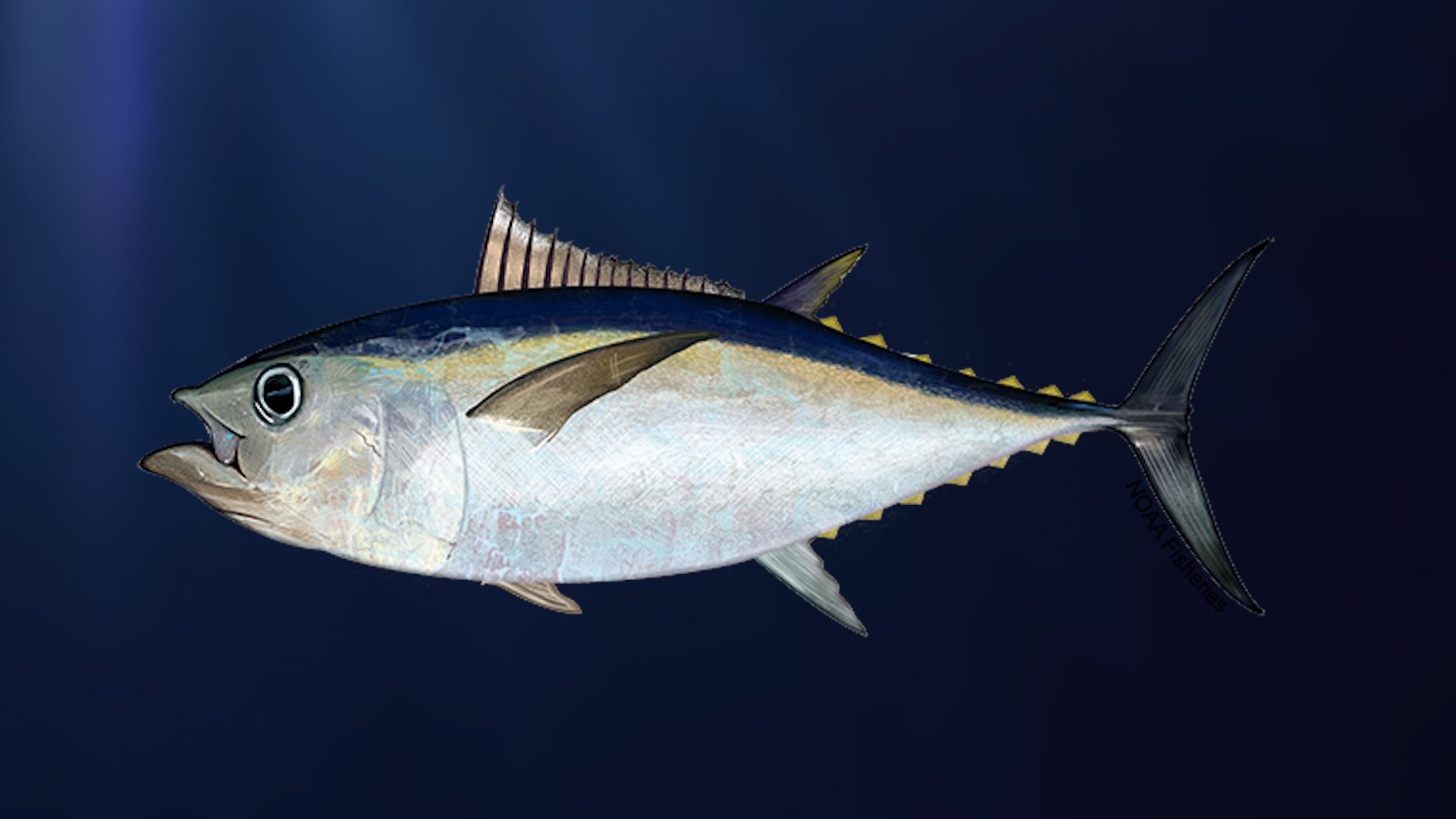
The study shows that large-scale harvesting of mesopelagic fish that live hundreds of meters below the surface could reduce the food available to bigeye tuna
Read MoreFor developing countries, seafood imports are a nutritional bargain

Developing countries pay less for the nutrition in seafood imports than developed countries
Read MoreNew federal funding to accelerate ocean-climate resilience
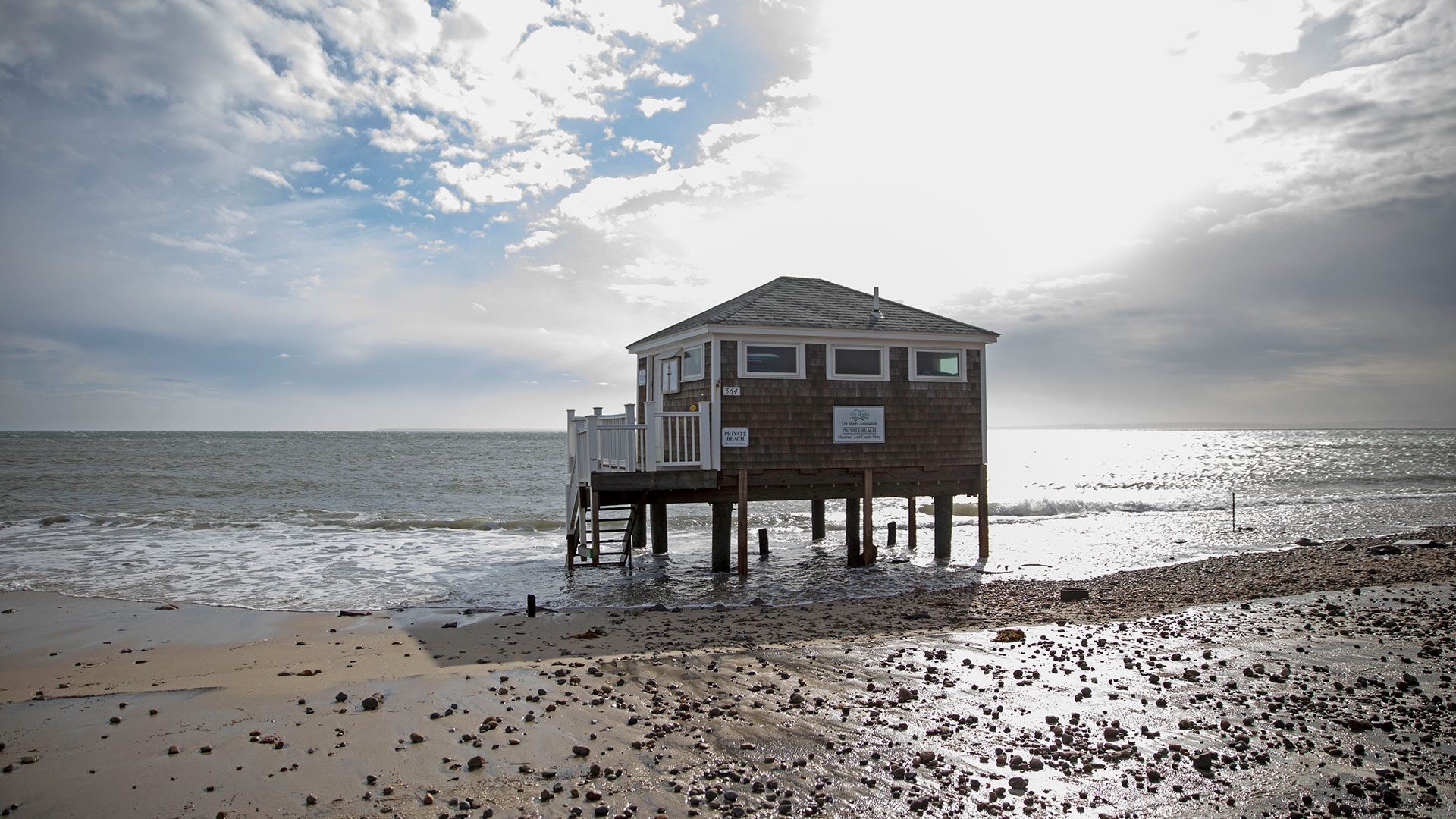
WHOI-led team receives funding to help small businesses prepare communities across the nation for climate change
Read MoreCollaboration to monitor sea, weather, and wildlife
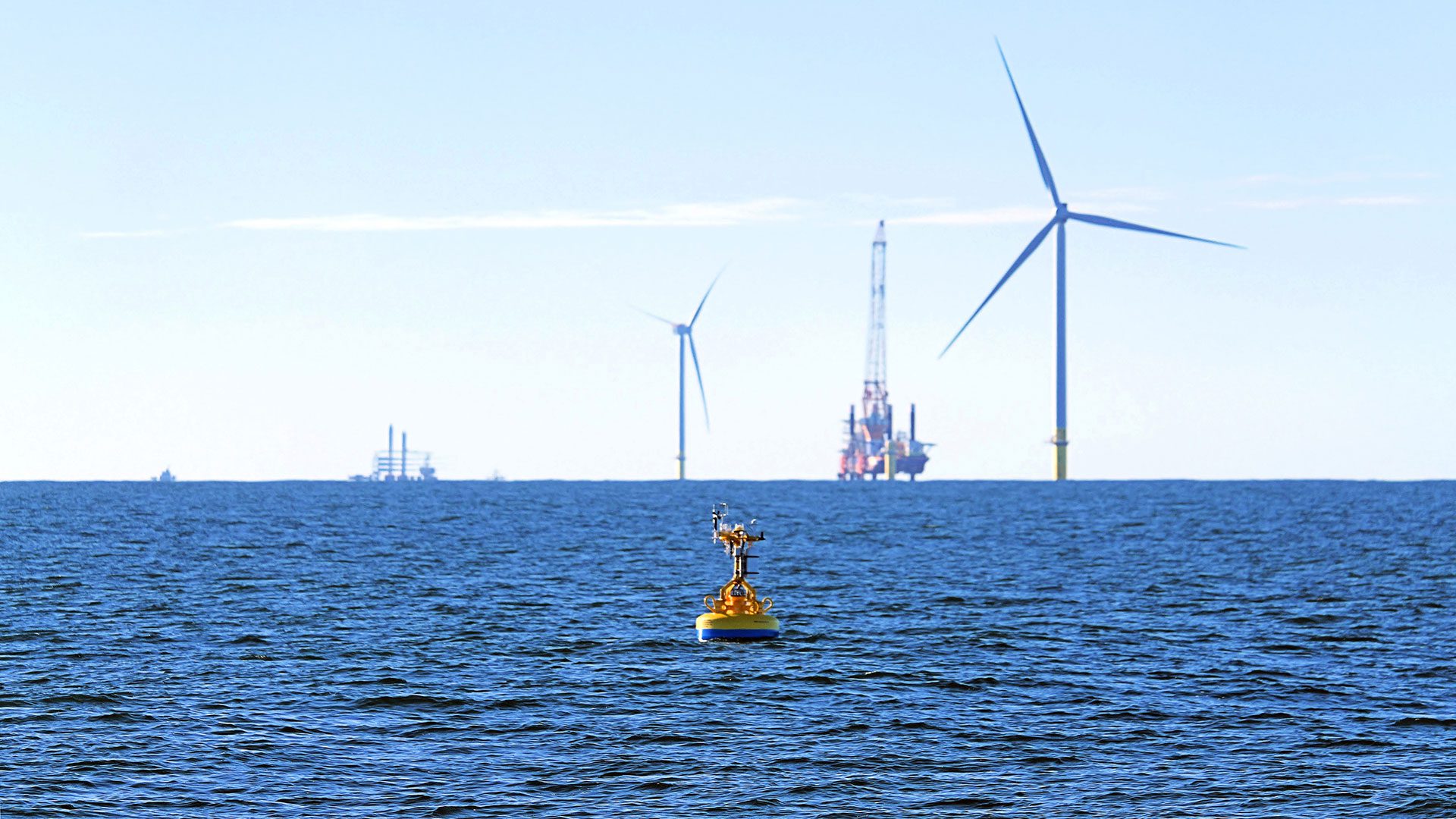
The U.S. DOE, WHOI, and partners to collect data near an East Coast offshore wind site
Read MoreSome Plastic Straws Degrade Quicker Than Others, New Study Shows
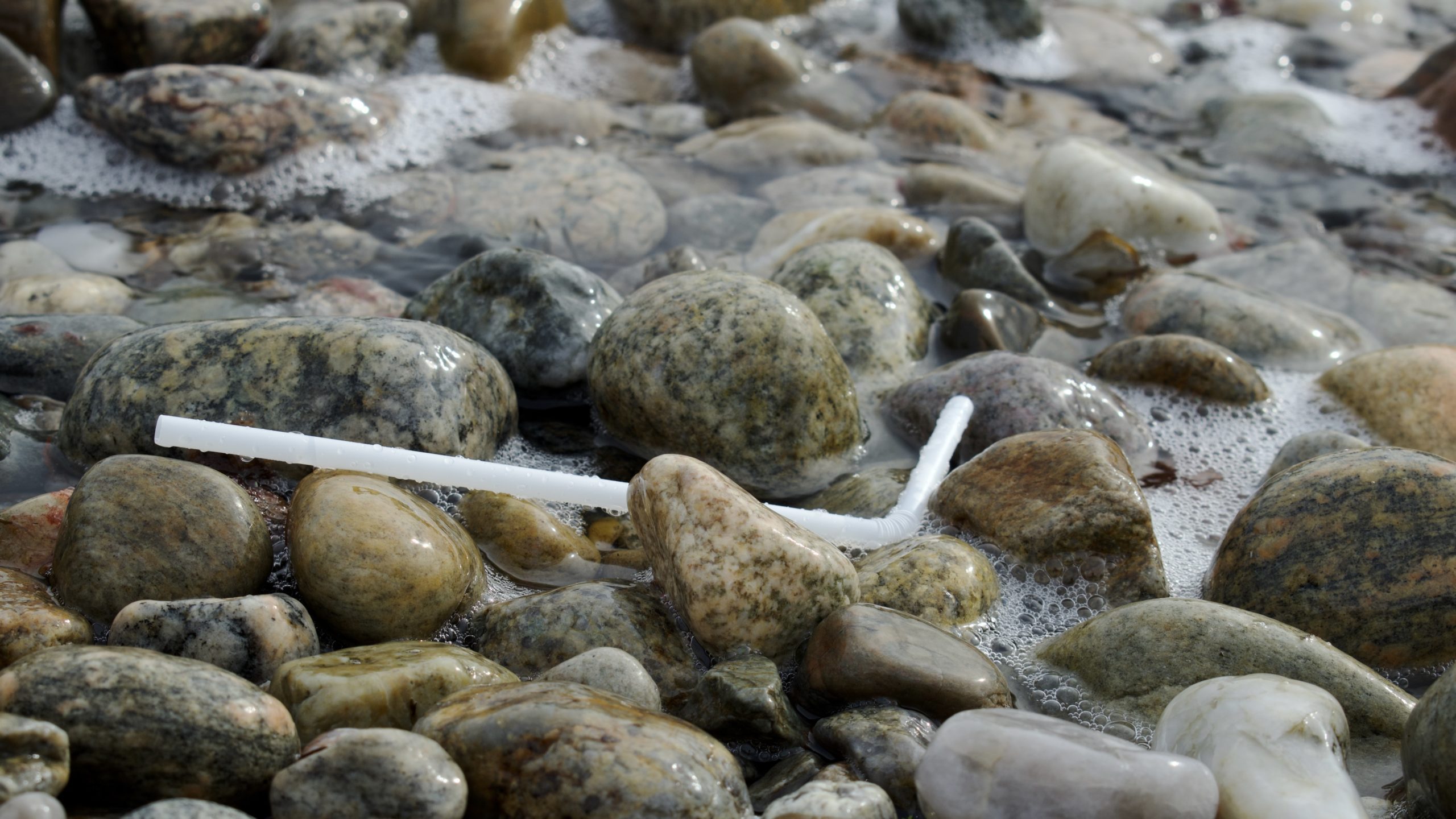
WHOI researchers determine lifetimes of drinking straws in the coastal ocean and develop a prototype bioplastic straw that degrades even faster than paper
Read MoreCINAR Names Four New Fellows in Quantitative Fisheries and Ecosystems Science
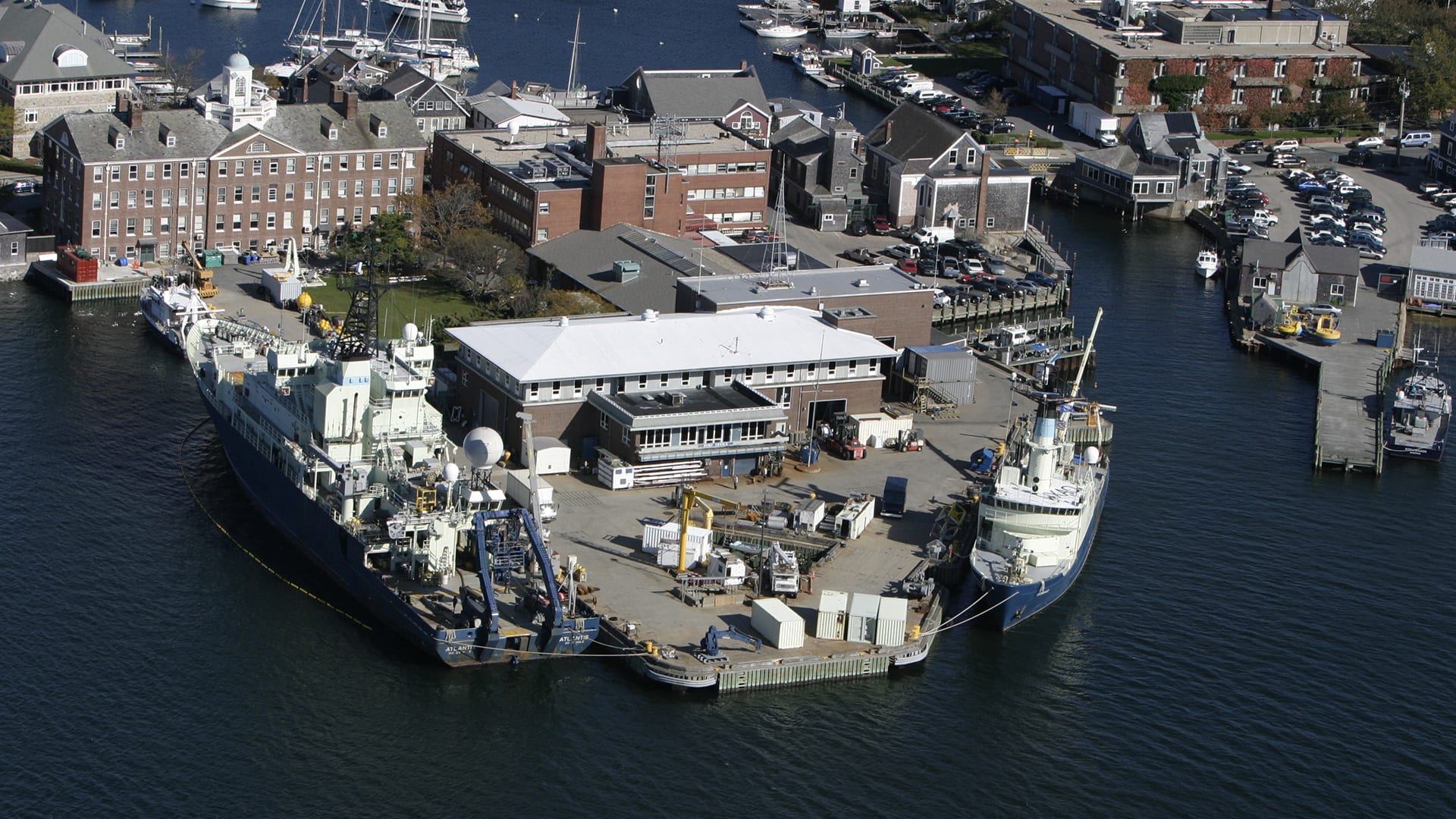
The goal of the fellowship program is to engage early-career scientists in research that supports the training and education in the he assessment and management of living marine resources in the Northeast U.S.
Read MoreWoods Hole Oceanographic Institution and collaborators launch world’s largest kelp map
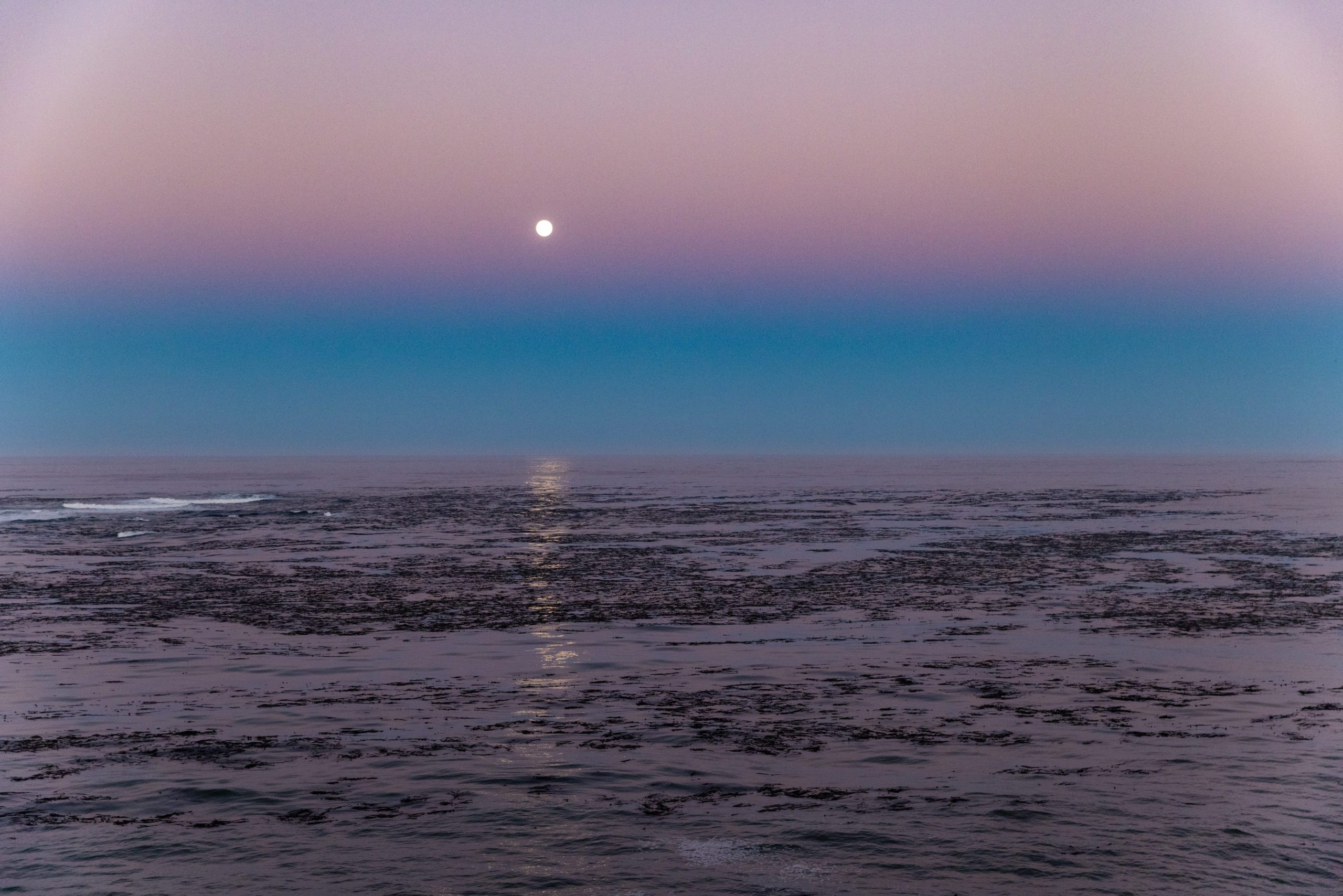
To further investigate and track kelp growth and survival over time, Woods Hole Oceanographic Institution, The Nature Conservancy, University of California Los Angeles, and the University of California Santa Barbara have launched the world’s largest map of kelp forest canopies extending from Baja California, Mexico to the Oregon-Washington border.
Read MoreTropical fish…up north? How ocean physics play a role in altering water temperature and salinity
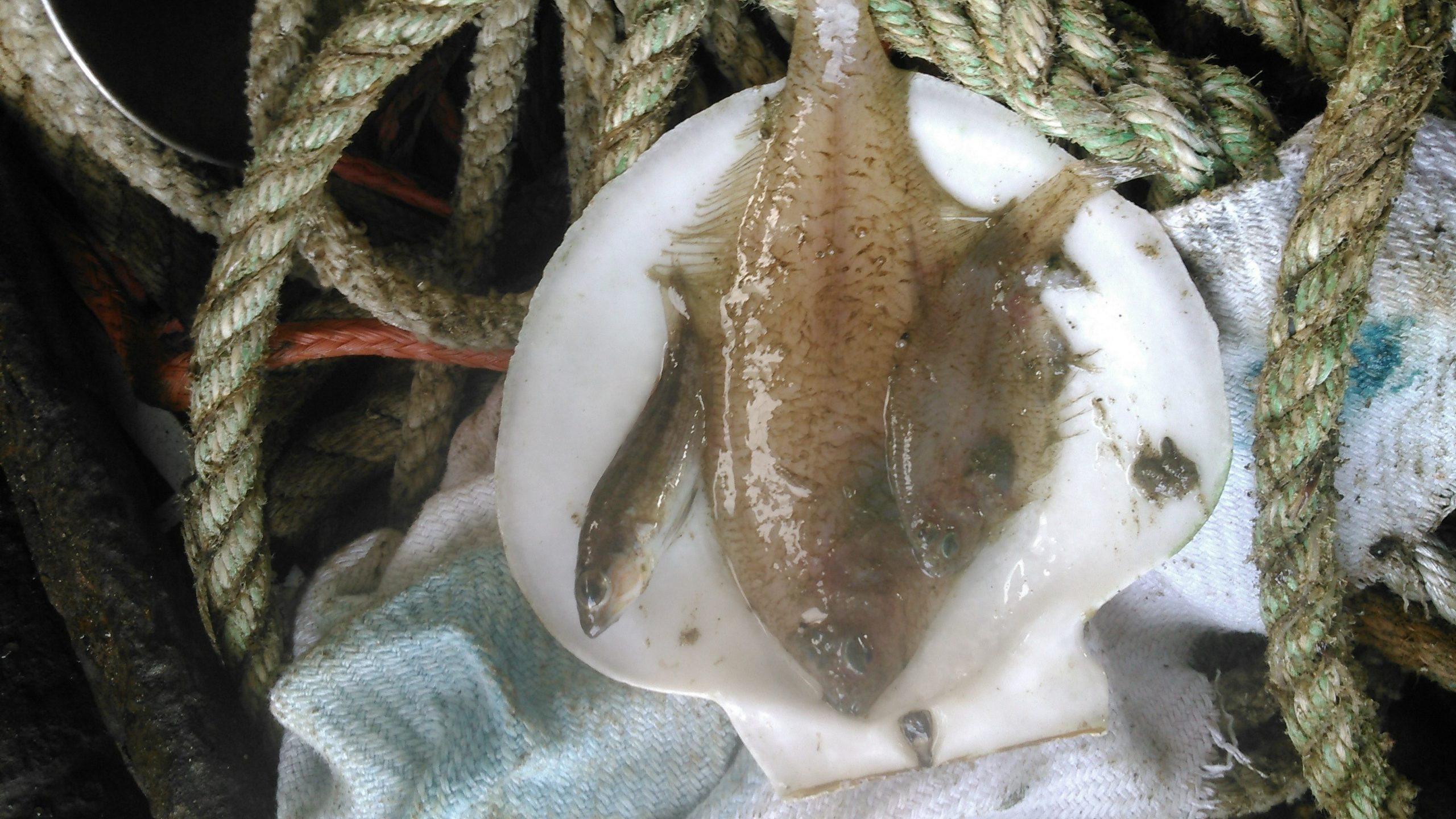
A study led by Woods Hole Oceanographic Institution scientists is explaining why warm and salty water along with warm water fish species, such as the deep-sea dwelling Gulf Stream flounder and Black Sea bass, were found far inshore in New England in the middle of winter 2017. How did this happen? Researchers say it is due to an intrusion of offshore water from the open ocean onto the Northeast U.S. Shelf, caused by eddies (a circular current of water) and wind.
Read MoreDOE Funding will Support WHOI Research to Support Sustainable Development of Offshore Wind
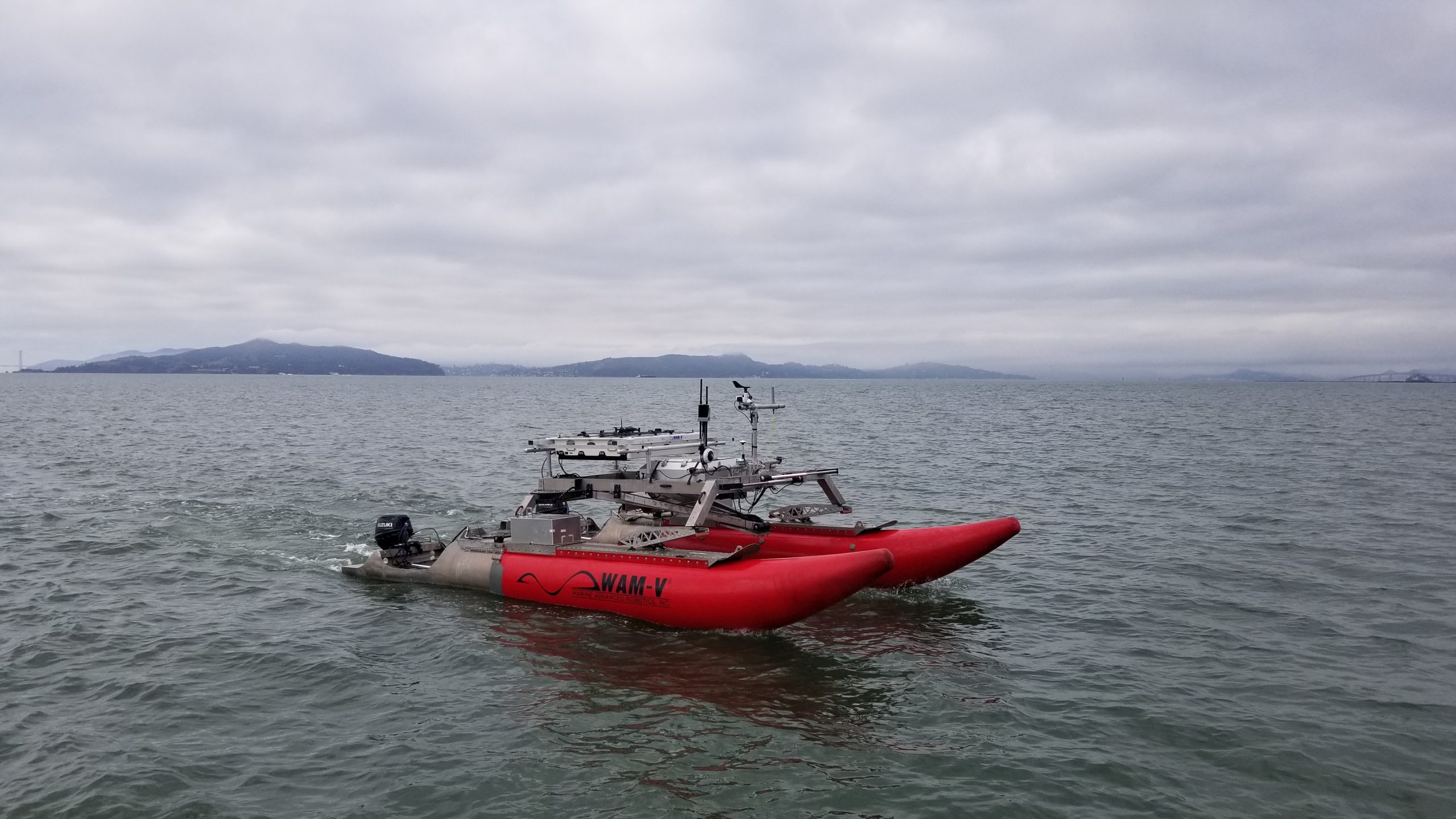
Woods Hole, MA — The Woods Hole Oceanographic Institution (WHOI) has received $750,000 in funding from the U.S. Department of Energy (DOE) to develop next‐generation autonomous robotic technology for environmental…
Read MoreWHOI advancing a seaweed solution to develop new kelp strains
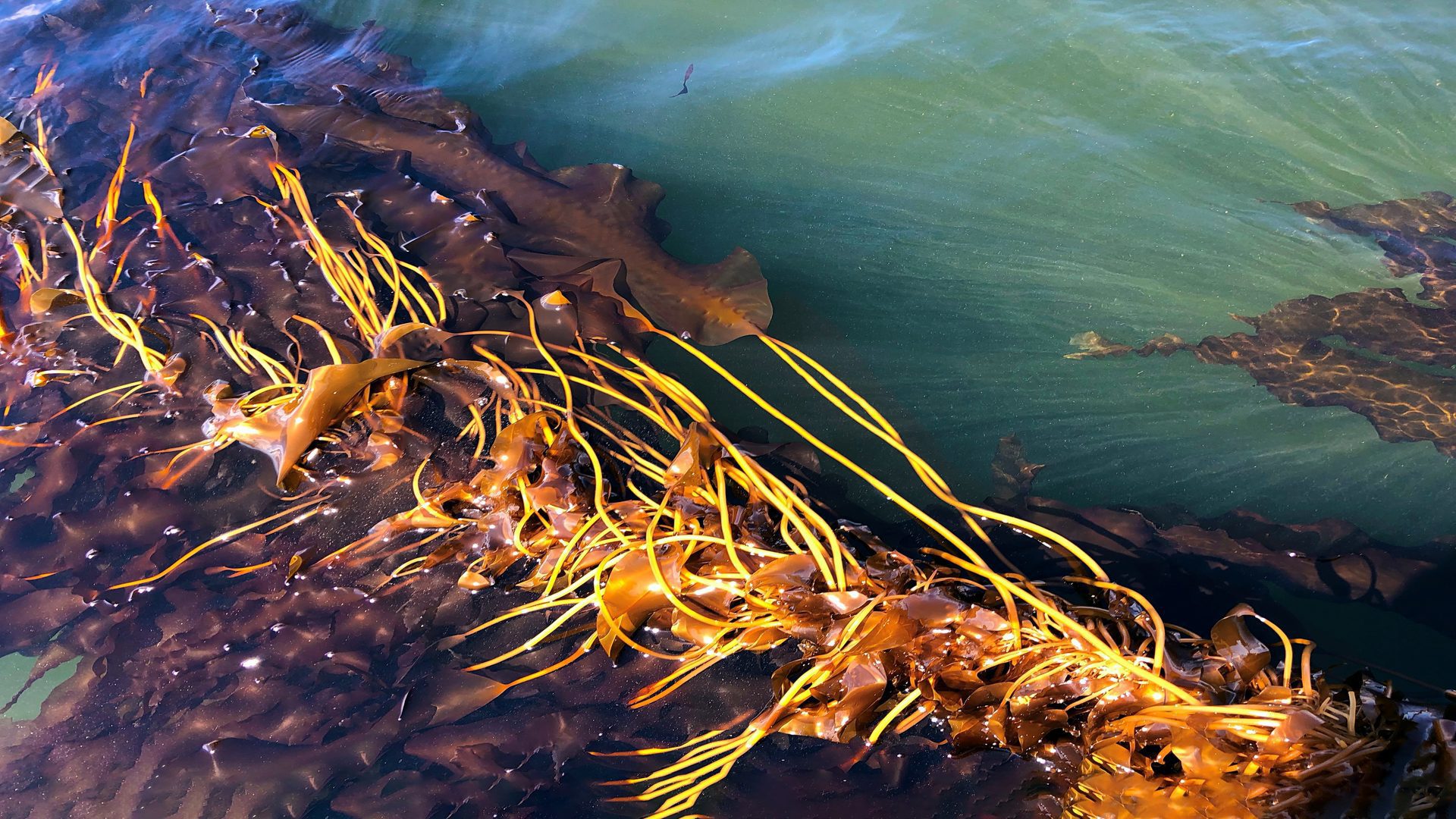
A leader in ocean science, Woods Hole Oceanographic Institution (WHOI) is embarking on a study of how new seaweed strains could further enhance the burgeoning seaweed industry and offer solutions to some of the world’s pressing challenges. This research is funded in part by World Wildlife Fund (WWF) with support from the Bezos Earth Fund.
Read MoreWHOI Scientists Make Woods Hole Film Festival Appearance
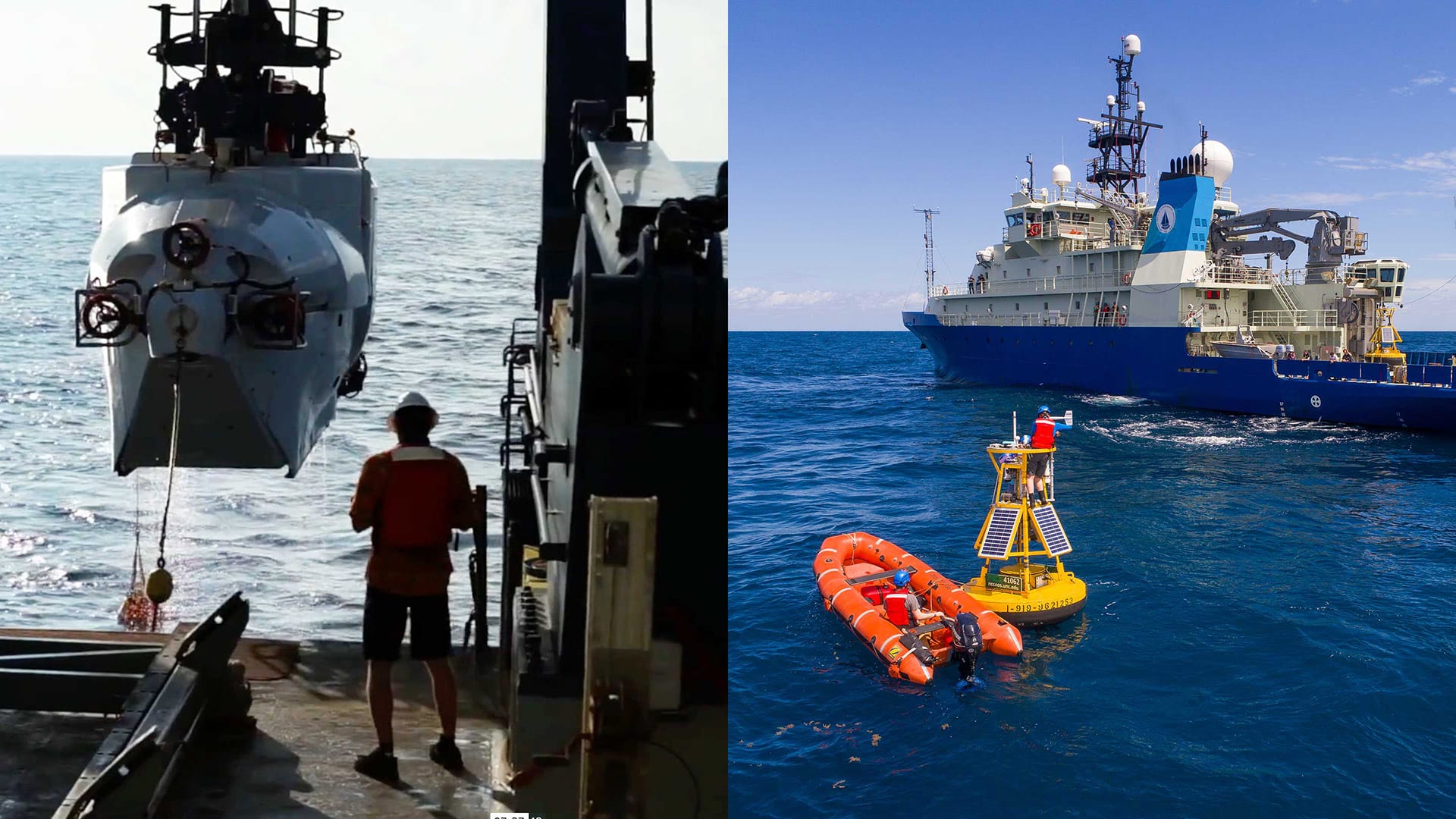
Woods Hole Oceanographic Institution (WHOI) scientists appear in two shorts and a feature film at this year’s Woods Hole Film Festival (WHFF). In addition, scientists will also participate in Q&A…
Read MoreReport reveals ‘unseen’ human benefits from ocean twilight zone
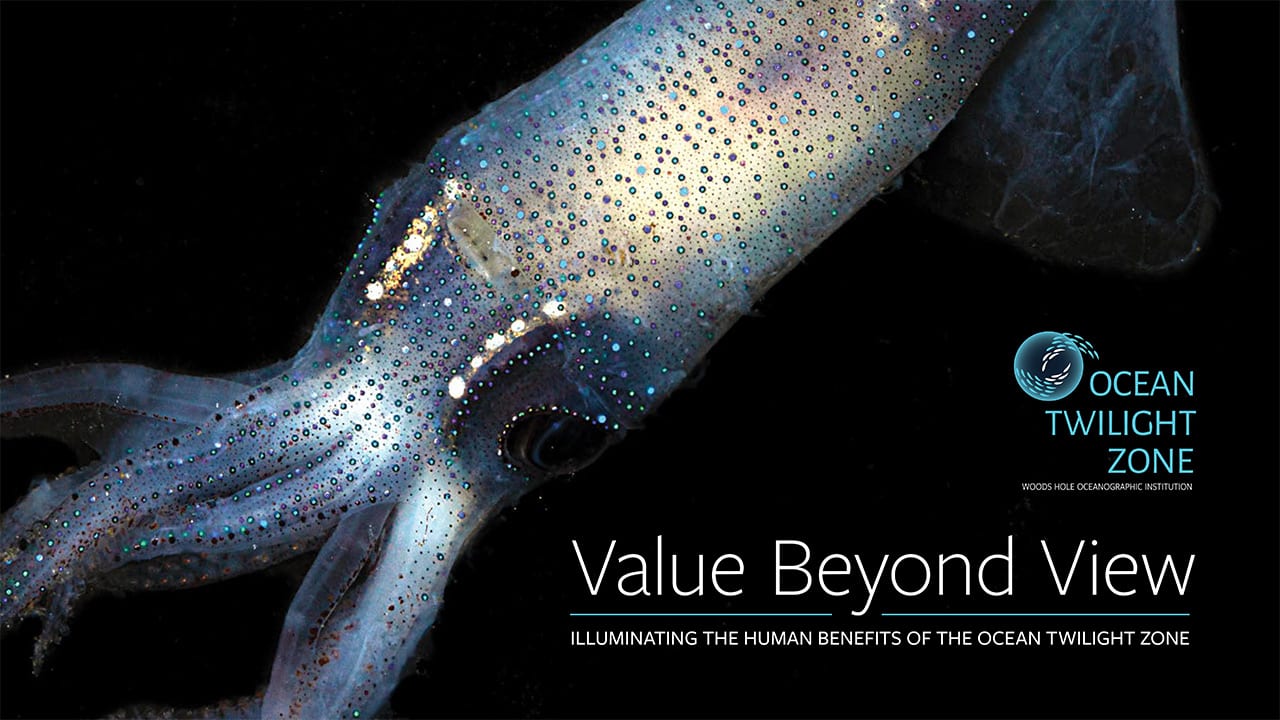
A new report from researchers at Woods Hole Oceanographic Institution (WHOI) reveals for the first time the unseen—and somewhat surprising—benefits that people receive from the ocean’s twilight zone. Also known as the “mesopelagic,” this is the ocean layer just beyond the sunlit surface.
Read MoreNOAA Names Woods Hole Oceanographic Institution to Host Cooperative Institute
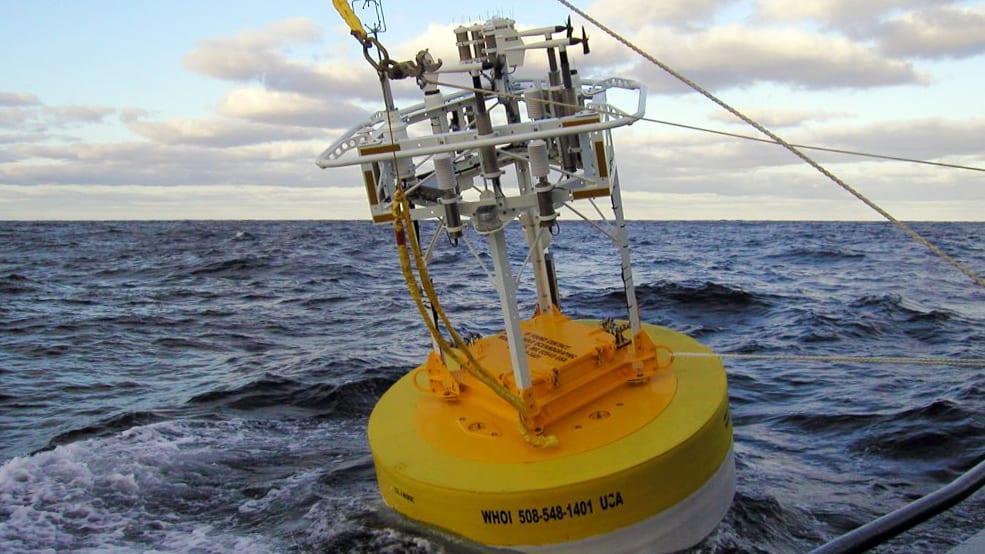
The National Oceanic and Atmospheric Administration (NOAA) selected Woods Hole Oceanographic Institution (WHOI) to host NOAA’s Cooperative Institute for the North Atlantic Region (CINAR). Cooperative Institutes are NOAA-supported, non-federal organizations…
Read MoreWHOI to Join $94 Million Cooperative Institute
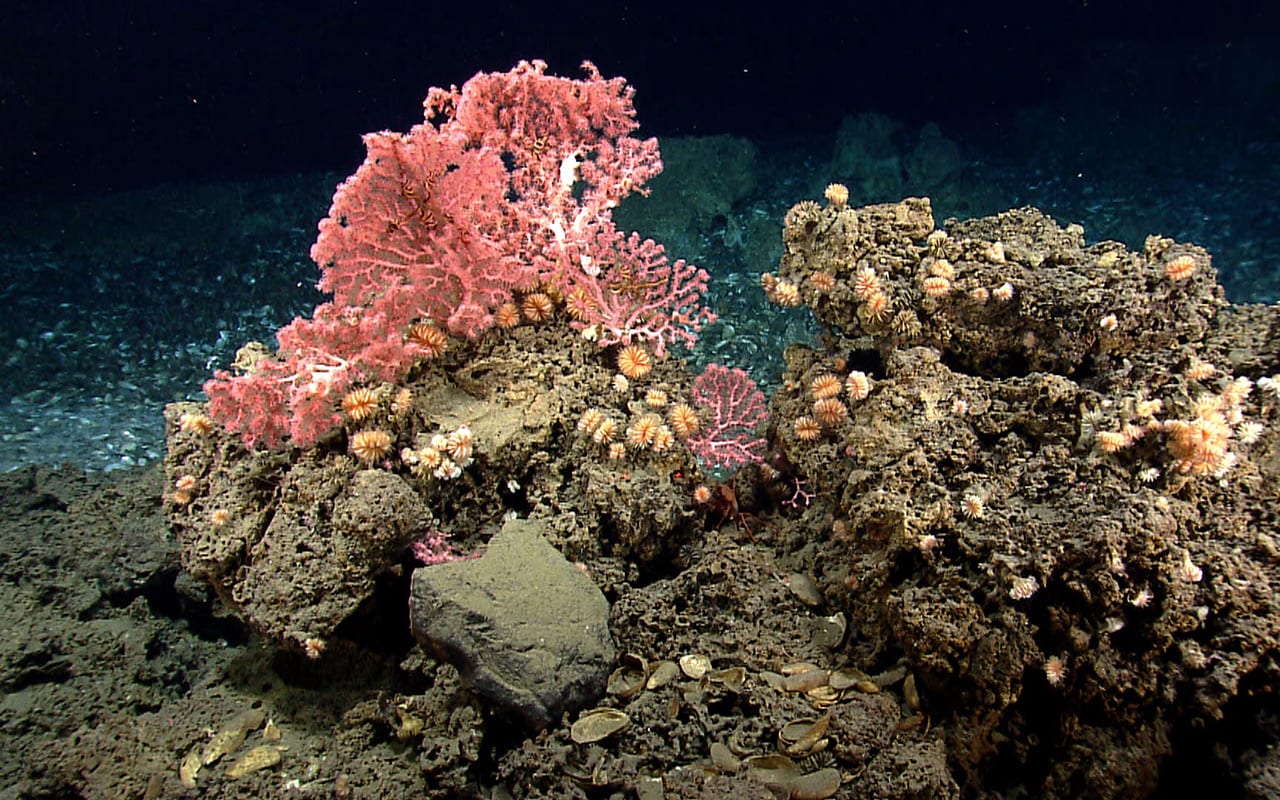
WHOI will join a new consortium led by the University of Rhode Island Graduate School of Oceanography to support ocean exploration.
Read MoreNews tip: Study of Fishermen, Scientists Partnerships Published
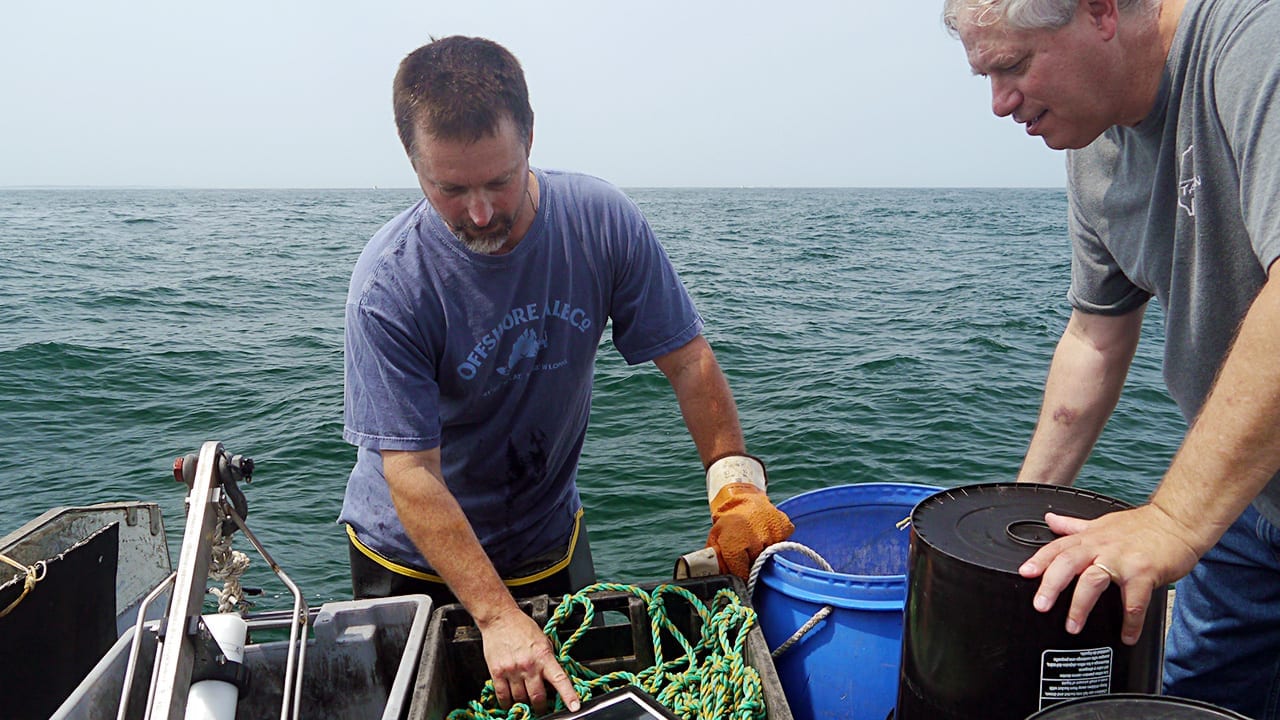
A review paper recently published in the journal Annual Review of Marine Science highlights the value of collaboration between researchers and fishing fleets in monitoring ocean conditions in New England…
Read MoreWHOI Among First Funding Recipients of The Audacious Project
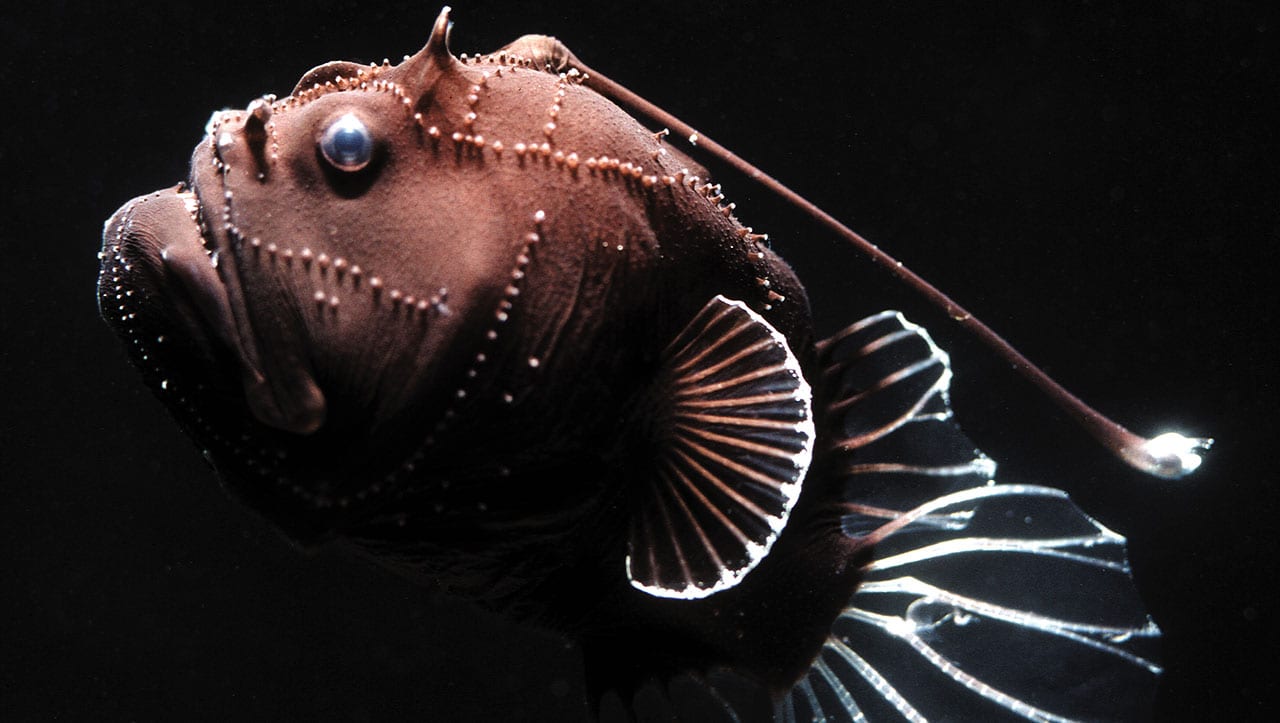
What if we explored the ocean’s vast twilight zone, teeming with undiscovered life? Today, the Woods Hole Oceanographic Institution (WHOI) was awarded $35 million – the largest philanthropic gift in the Institution’s history – to do just that. The award comes from The Audacious Project, a bold new philanthropic collaboration housed at TED to fund critical ideas that have potential to create massive, global change.
Read MoreBay State Aquaculture Projects Get Green Light from National Sea Grant Program
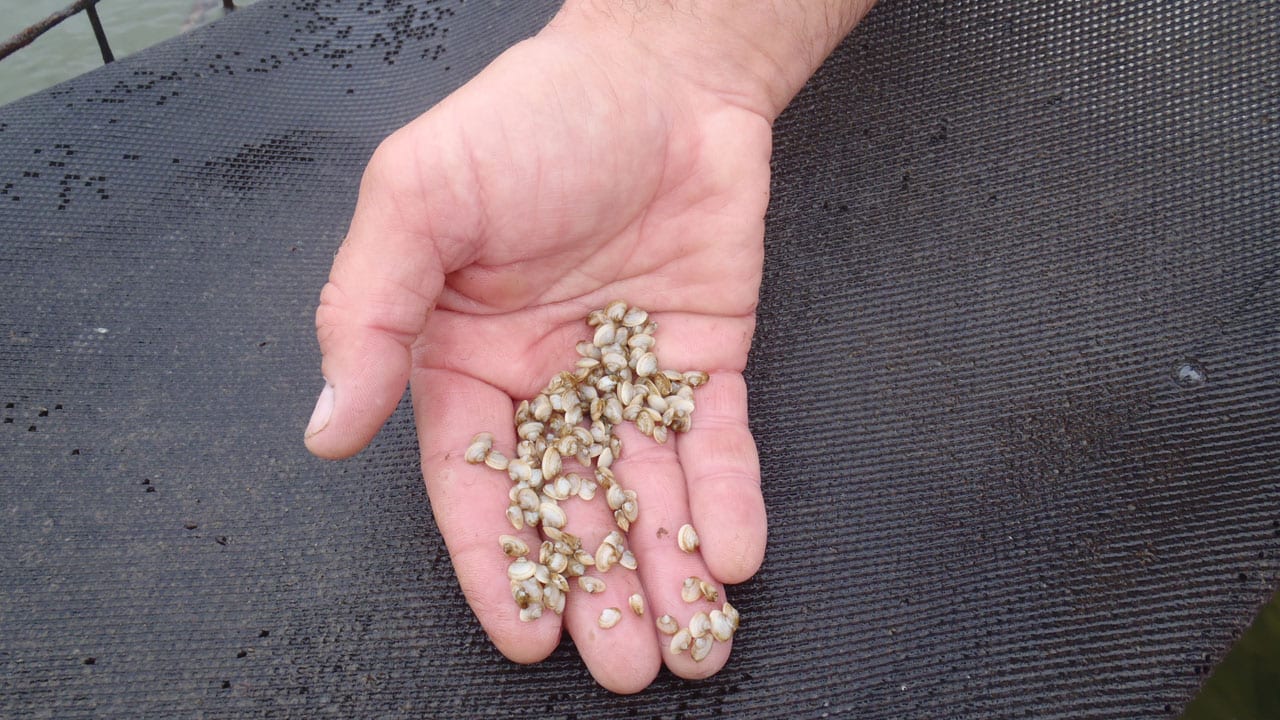
Two new grants to the Woods Hole Sea Grant program totaling more than $650,000 are part of a national strategic investment in aquaculture and will support research aimed at expanding aquaculture production in Massachusetts.
Read MoreFueling the Future
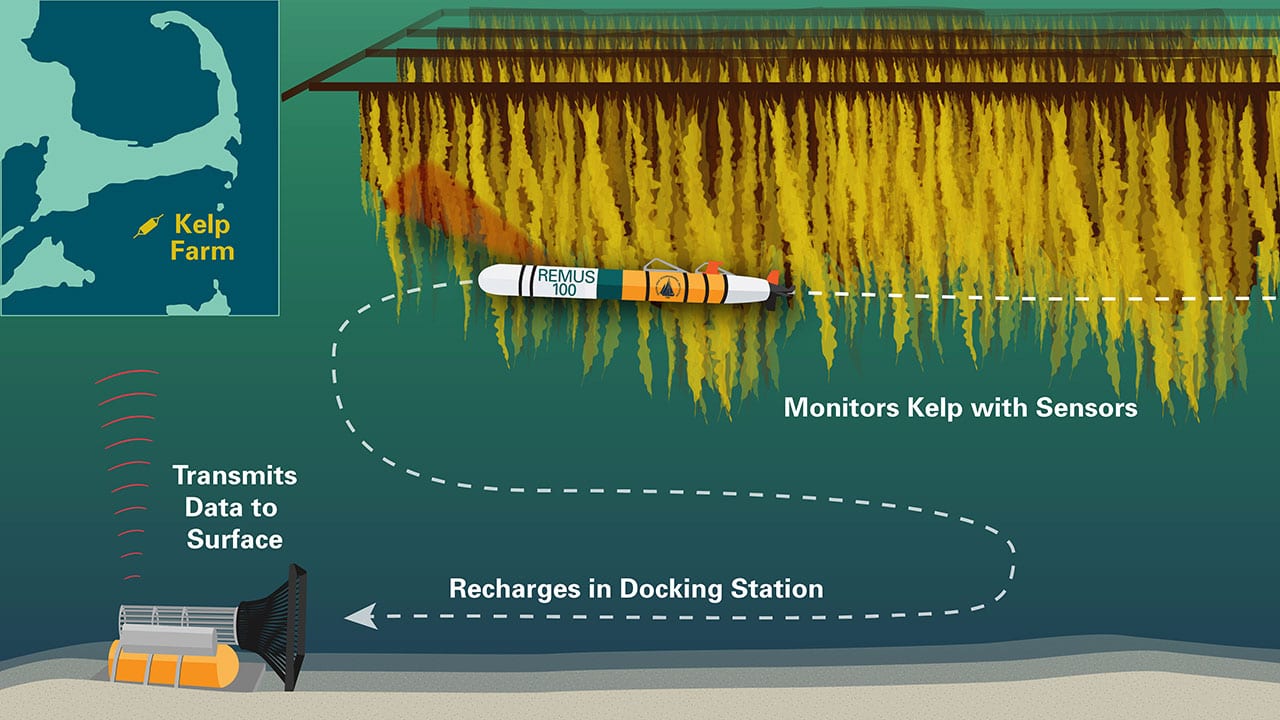
WHOI was awarded $5.7 million from ARPA-E’s Macroalgae Research Inspiring Novel Energy Resources (MARINER) Program for two projects that develop tools and technology to advance the mass production of seaweed for biofuels and bio-based chemicals.
Read MorePanel to Discuss Deep-Sea Mining at AAAS Meeting
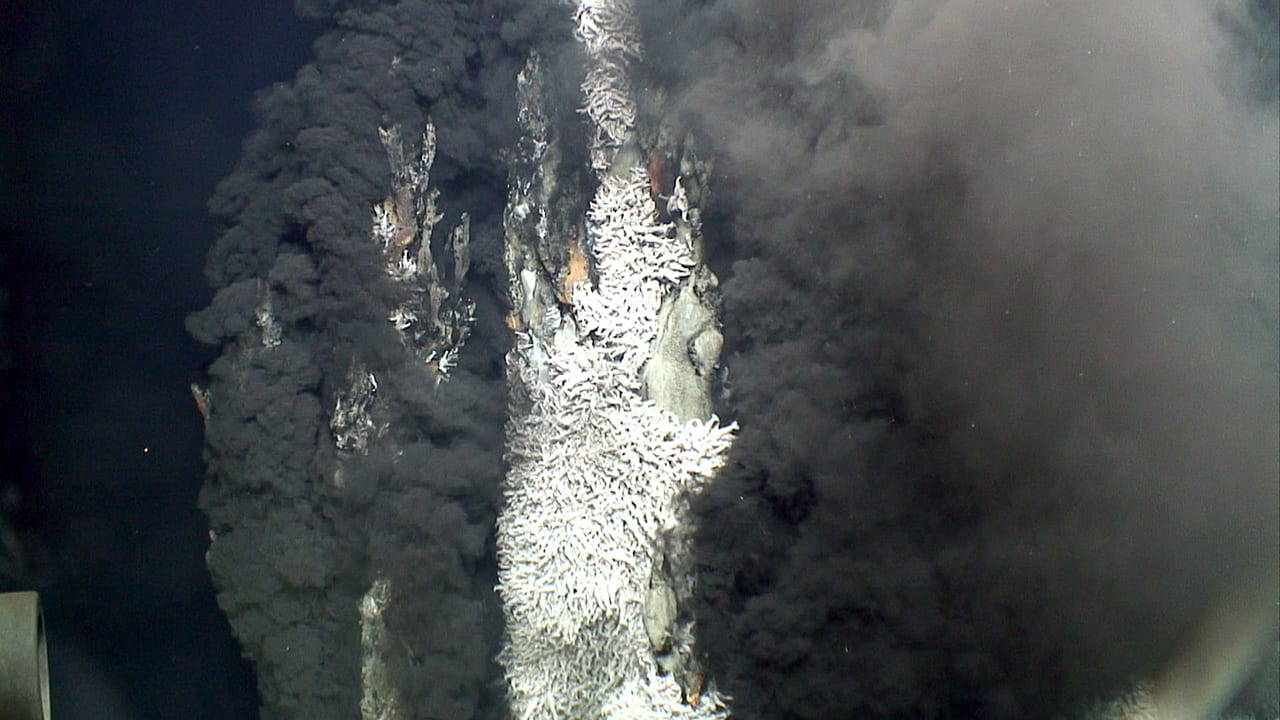
Home to an immense diversity of marine life, the deep ocean also contains valuable minerals with metals such as nickel, copper, cobalt, manganese, zinc, and gold, and rare-earth elements used in electronic technology like smart phones and medical imaging machines. As demand for these resources increases and supplies on land decrease, commercial mining operators are looking to the deep ocean as the next frontier for mining.
Read MoreRising acidity levels could trigger shellfish revenue declines, job losses
Changes in ocean chemistry — a consequence of increased carbon dioxide (CO2) emissions from human industrial activity — could cause U.S. shellfish revenues to drop significantly in the next 50…
Read MoreDeep Sea Floor Mining Is Subject of International Colloquium at WHOI
Scientists, policymakers, environmentalists, and industry representatives will gather next week at Woods Hole Oceanographic Institution (WHOI) to discuss the issue of mining precious metals from the seafloor. A public colloquium,…
Read MoreYou Don’t Call, You Don’t Write: Connectivity in Marine Fish Populations
Children of baby boomers aren’t the only ones who have taken to setting up home far from where their parents live. A new study published this week in the Proceedings…
Read More