
News Releases
Tiny oyster larvae rely on gravity to feed
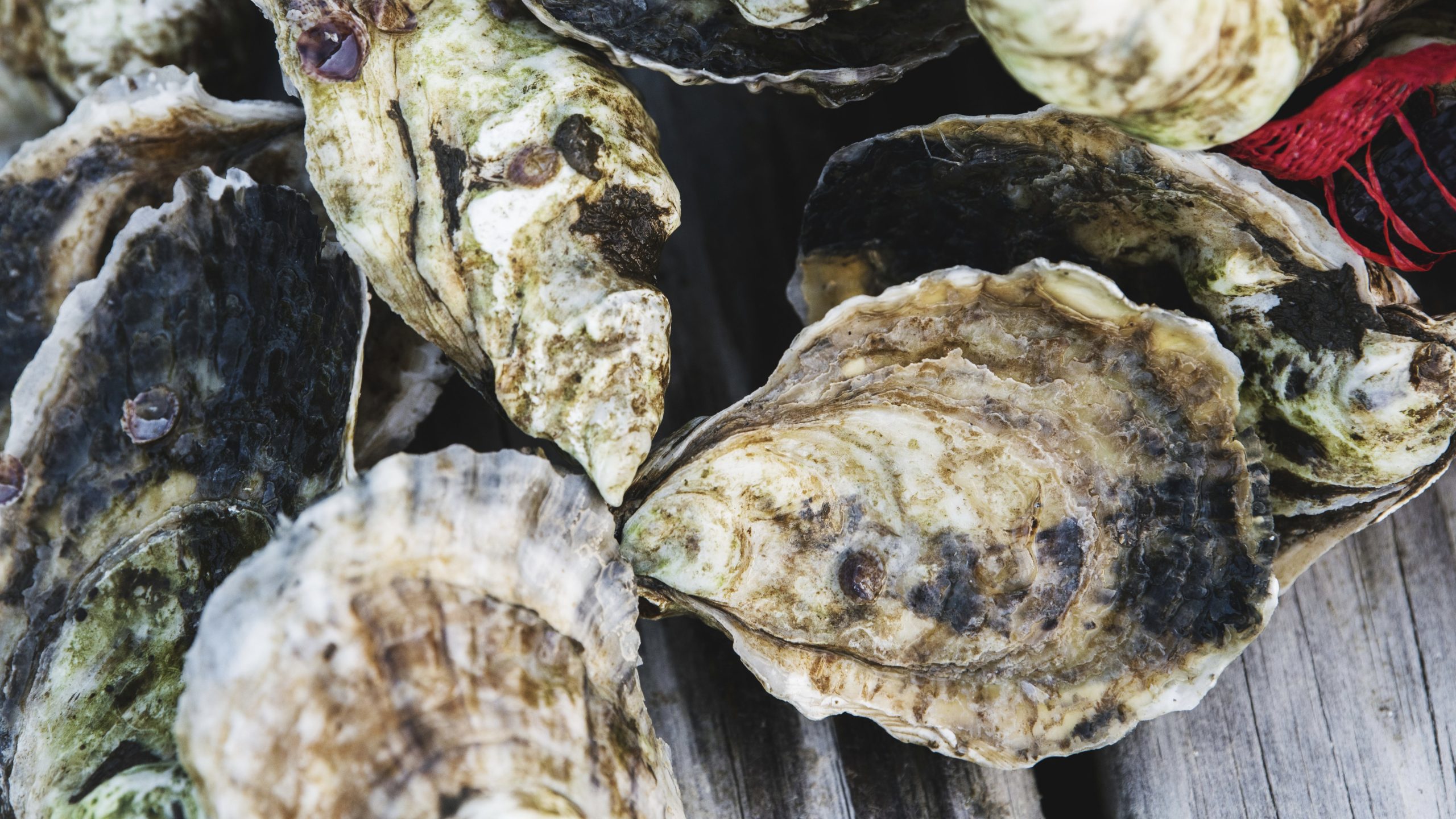
High-speed imaging reveals how oyster larvae’s dense shell helps them feed—and may offer clues to why ocean acidification threatens their survival
Read MoreResearchers to map the genome of the invasive European green crab
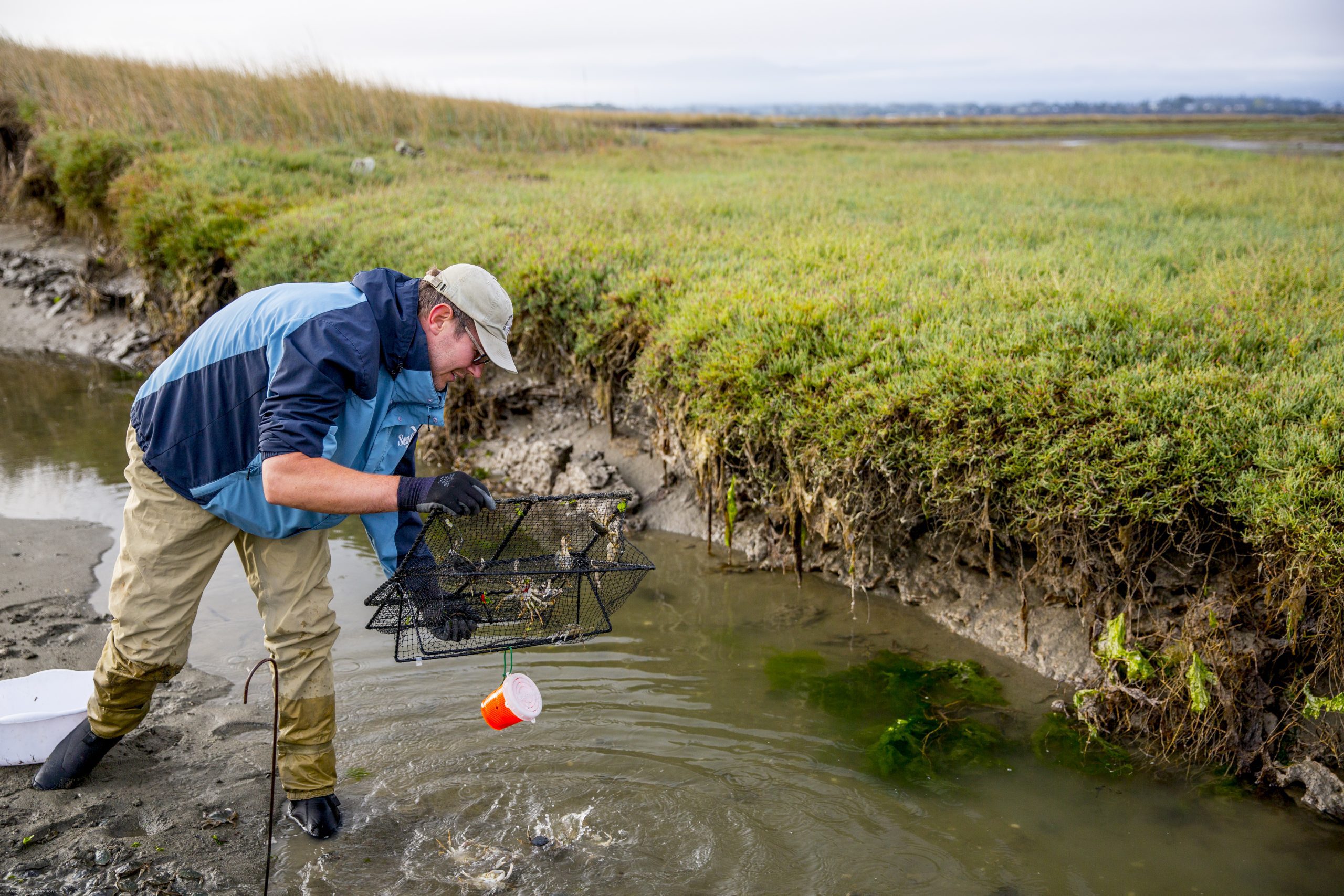
Washington Sea Grant will work with Washington Department of Fish and Wildlife and the Woods Hole Oceanographic Institution to shed light on a highly invasive species
Read MoreFlipping the “genetic paradox of invasions”
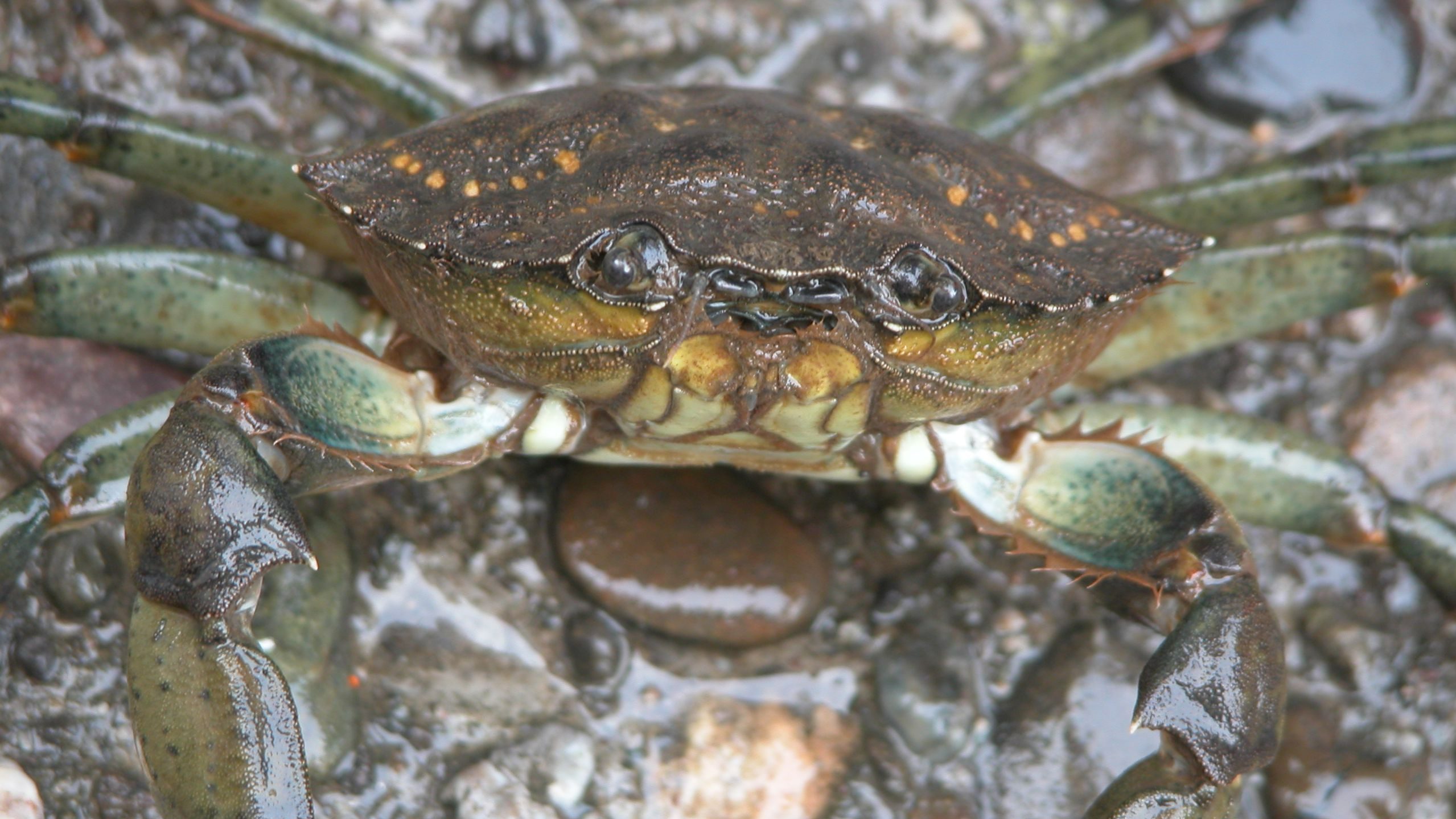
A new study led by Carolyn Tepolt, an associate scientist of biology at Woods Hole Oceanographic Institution, is investigating the adaptive mechanisms of the green crab along the west coast of North America, where it has shown extensive dispersal in the last decade despite minimal genetic diversity.
Read MoreStudy Shows that Lobsters Can Detect Sound
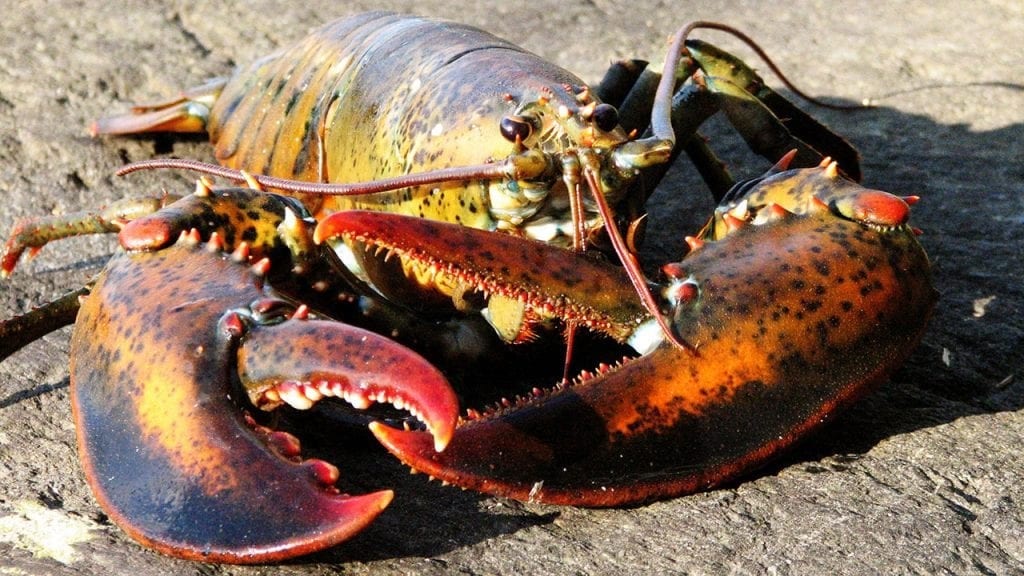
A new study demonstrates that lobsters can detect low-frequency sound and suggests that anthropogenic noise could affect lobsters. The study comes out at a time when the construction of more offshore wind farms, with their associated underwater pile driving noise, is being considered in New England.
Read MoreWarming oceans are getting louder
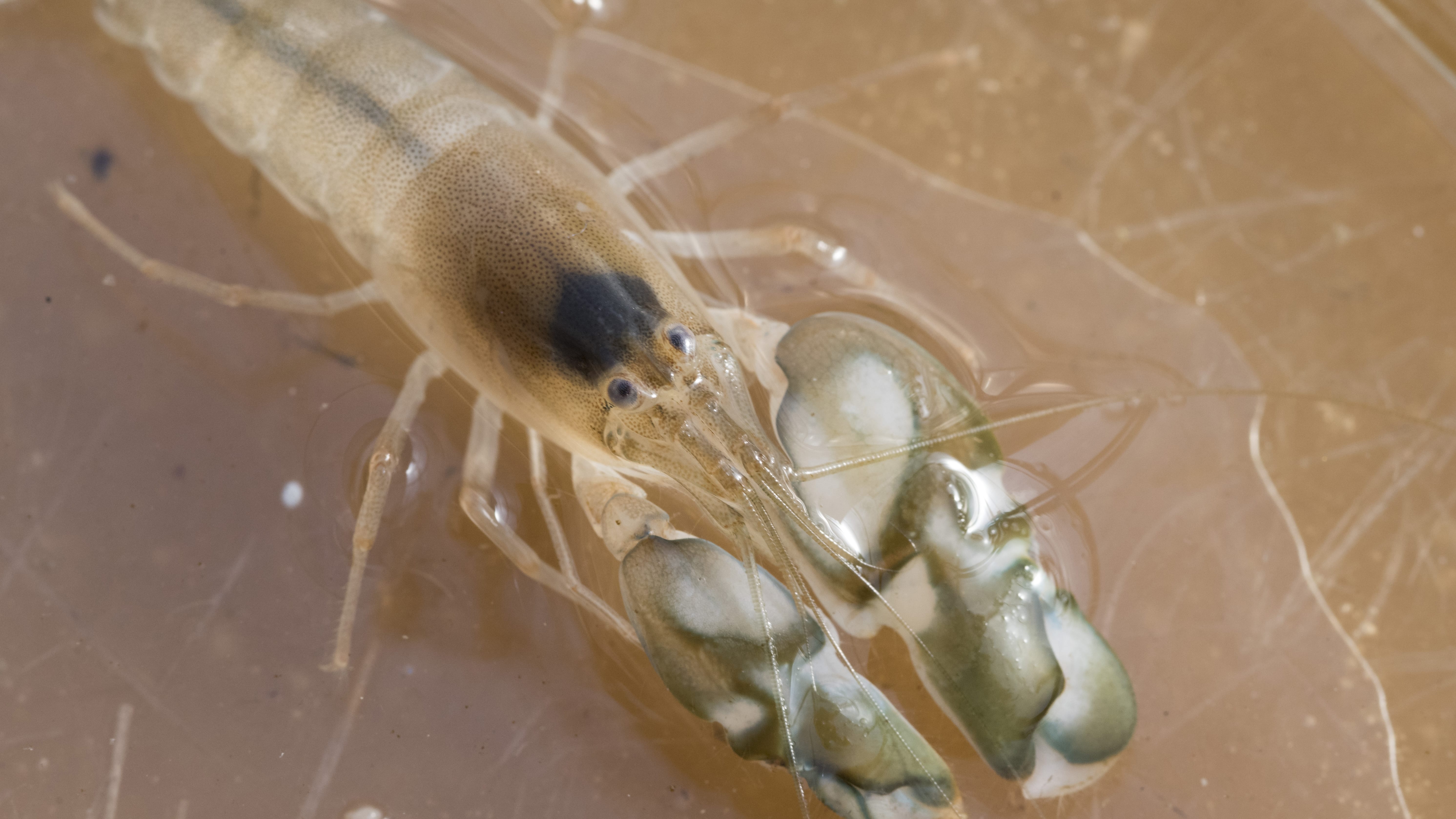
One of the ocean’s loudest creatures will get even louder and more troublesome to humans and sea life as the ocean warms.
Read MoreFeeling the Heat in the NW Atlantic
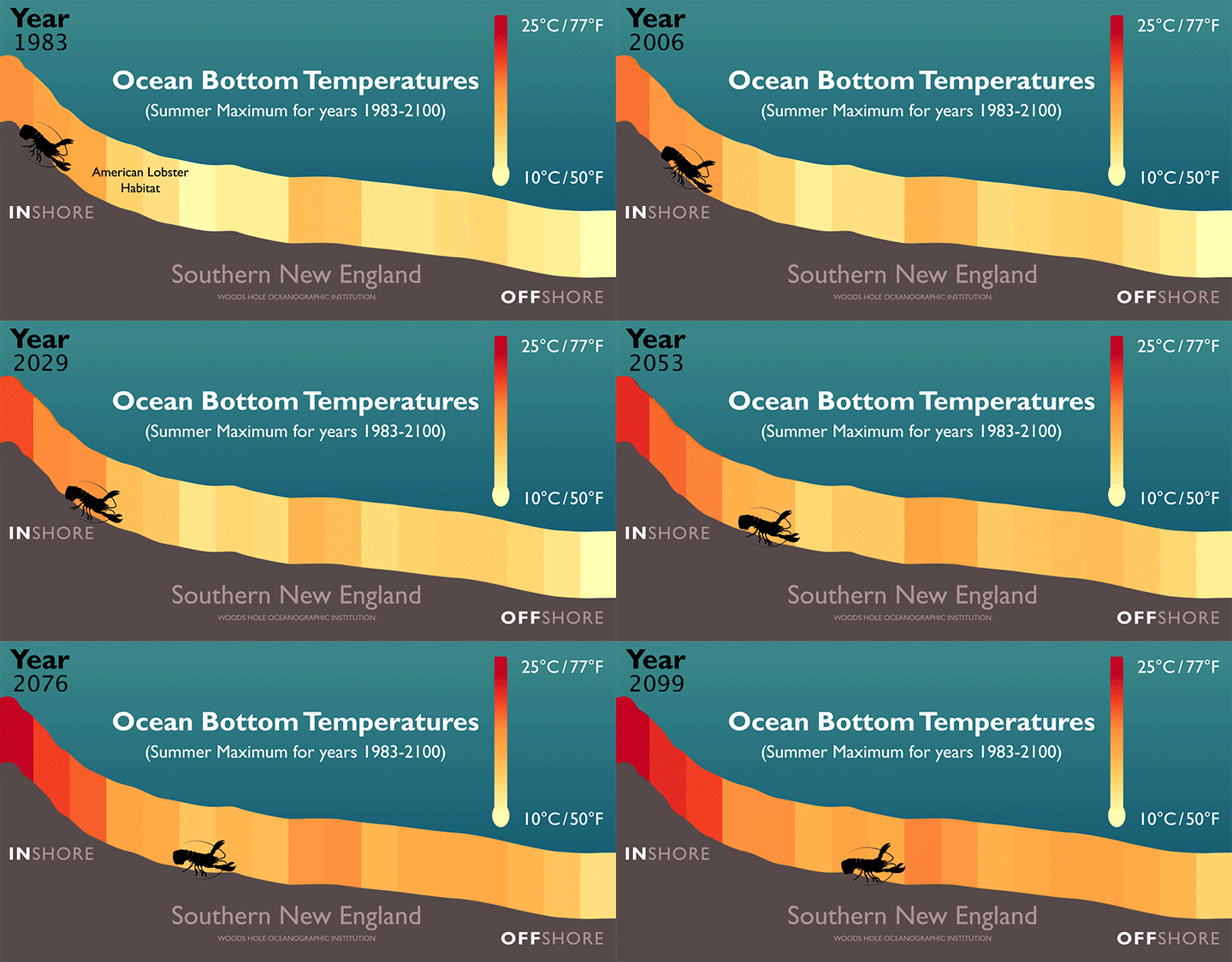
Rising temperatures along the bottom of the Atlantic Ocean will force American lobsters (H. americanus) farther offshore and into more northern waters, according to a new study led by researchers at the Woods Hole Oceanographic Institution (WHOI).
Read MoreSwarming Red Crabs Documented on Video
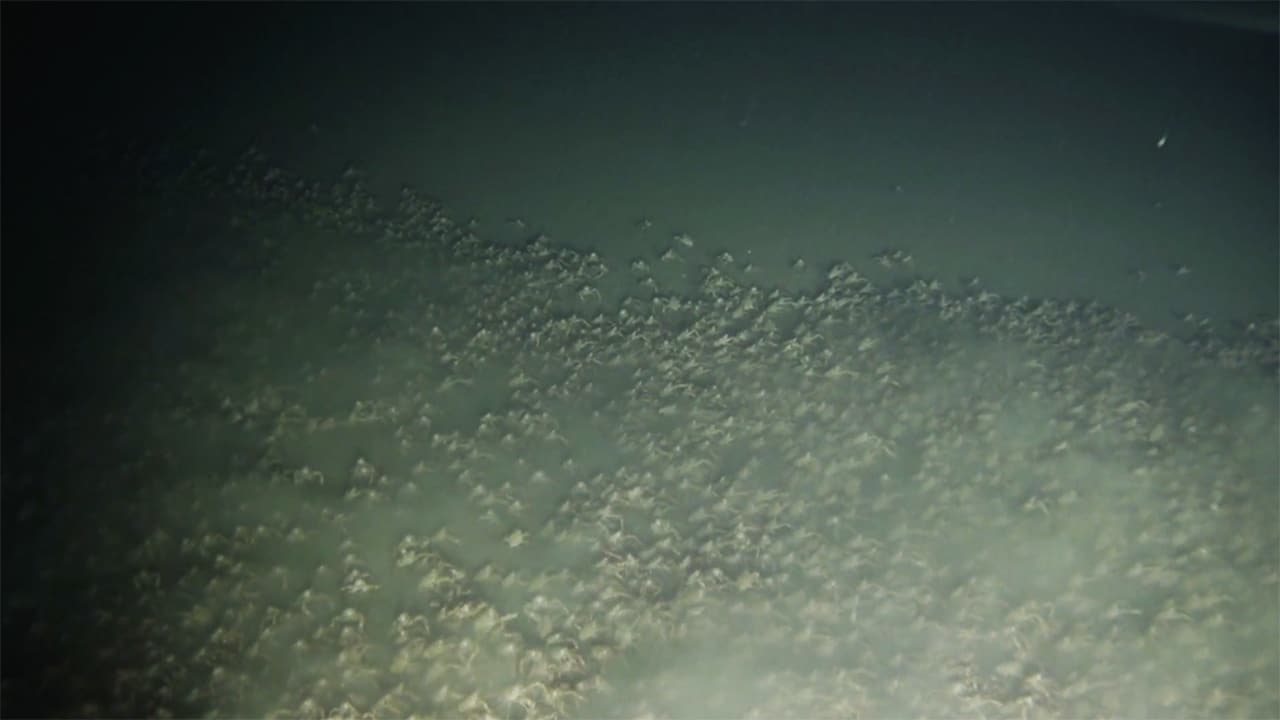
A research team studying biodiversity at the Hannibal Bank Seamount off the coast of Panama has captured unique video of thousands of red crabs swarming in low-oxygen waters just above the seafloor.
Read MoreCamera’s Eye Sees Large Numbers of Young Scallops Off Delaware Bay
NOAA researchers and colleagues from the Woods Hole Oceanographic Institution (WHOI) have reported what appears to be a banner year for young sea scallops off the Delmarva Peninsula in mid-Atlantic waters of the U.S. NOAA’s HabCamV4, a towed imaging and sensor platform, has photographed miles of sea bottom packed with as many as 350 sea scallops in less than 1 square meter (less than three square feet). Other colorful images captured by the HabCam showed swimming scallops, sea stars and crabs—both scallop predators—and many species of fish, squid and sponges.
Read MoreSecuring the Supply of Sea Scallops for Today and Tomorrow
Good management has brought the $559 million United States sea scallop fishery back from the brink of collapse over the past 20 years. However, its current fishery management plan does not account for longer-term environmental change like ocean warming and acidification that may affect the fishery in the future. A group of researchers from Woods Hole Oceanographic Institution (WHOI), NOAA’s National Marine Fisheries Service, and Ocean Conservancy hope to change that.
Read MoreStudy Assesses Nations’ Vulnerabilities to Reduced Mollusk Harvests from Ocean Acidification
Changes in ocean chemistry due to increased carbon dioxide (CO2) emissions are expected to damage shellfish populations around the world, but some nations will feel the impacts much sooner and more intensely than others, according to a study by scientists at Woods Hole Oceanographic Institution (WHOI).
Read MoreRising acidity levels could trigger shellfish revenue declines, job losses
Changes in ocean chemistry — a consequence of increased carbon dioxide (CO2) emissions from human industrial activity — could cause U.S. shellfish revenues to drop significantly in the next 50…
Read MoreUnderwater Microscope Helps Prevent Shellfish Poisoning Along Gulf Coast of Texas
Through the use of an automated, underwater cell analyzer developed at WHOI, researchers and coastal managers were recently able to detect a bloom of harmful marine algae in the Gulf of Mexico and prevent human consumption of tainted shellfish.
Read MoreBuried, Residual Oil is Still Affecting Wildlife Decades After a Spill
Nearly four decades after a fuel oil spill polluted the beaches of Cape Cod, researchers have found the first compelling evidence for lingering, chronic biological effects on a marsh that…
Read More