
News Releases
Excess Nutrients Lead to Dramatic Ecosystem Changes in Cape Cod’s Waquoit Bay
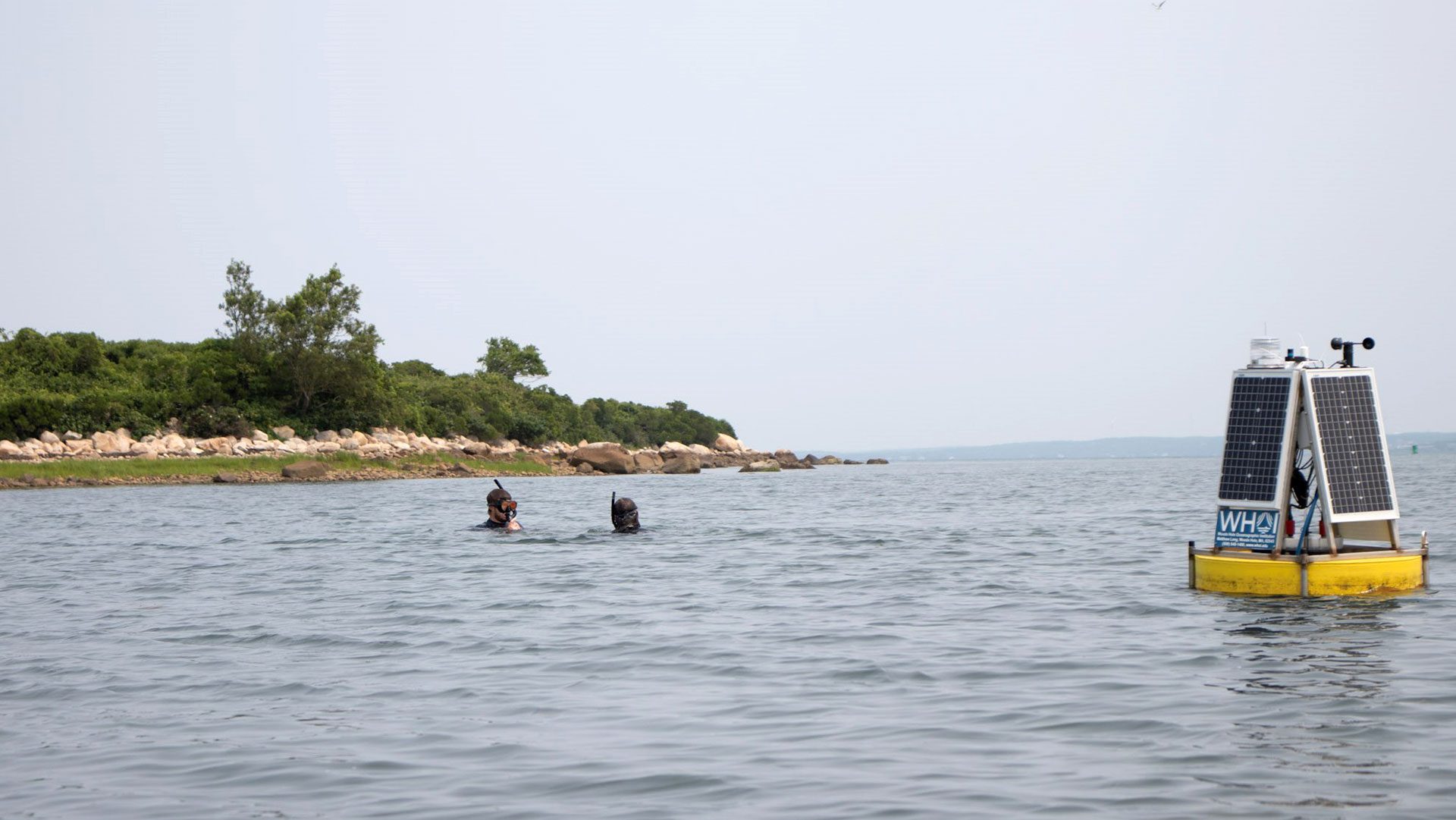
The Bay Is a harbinger for estuaries worldwide, say researchers
Read MoreClimate Change Can Destabilize the Global Soil Carbon Reservoir, New Study Finds
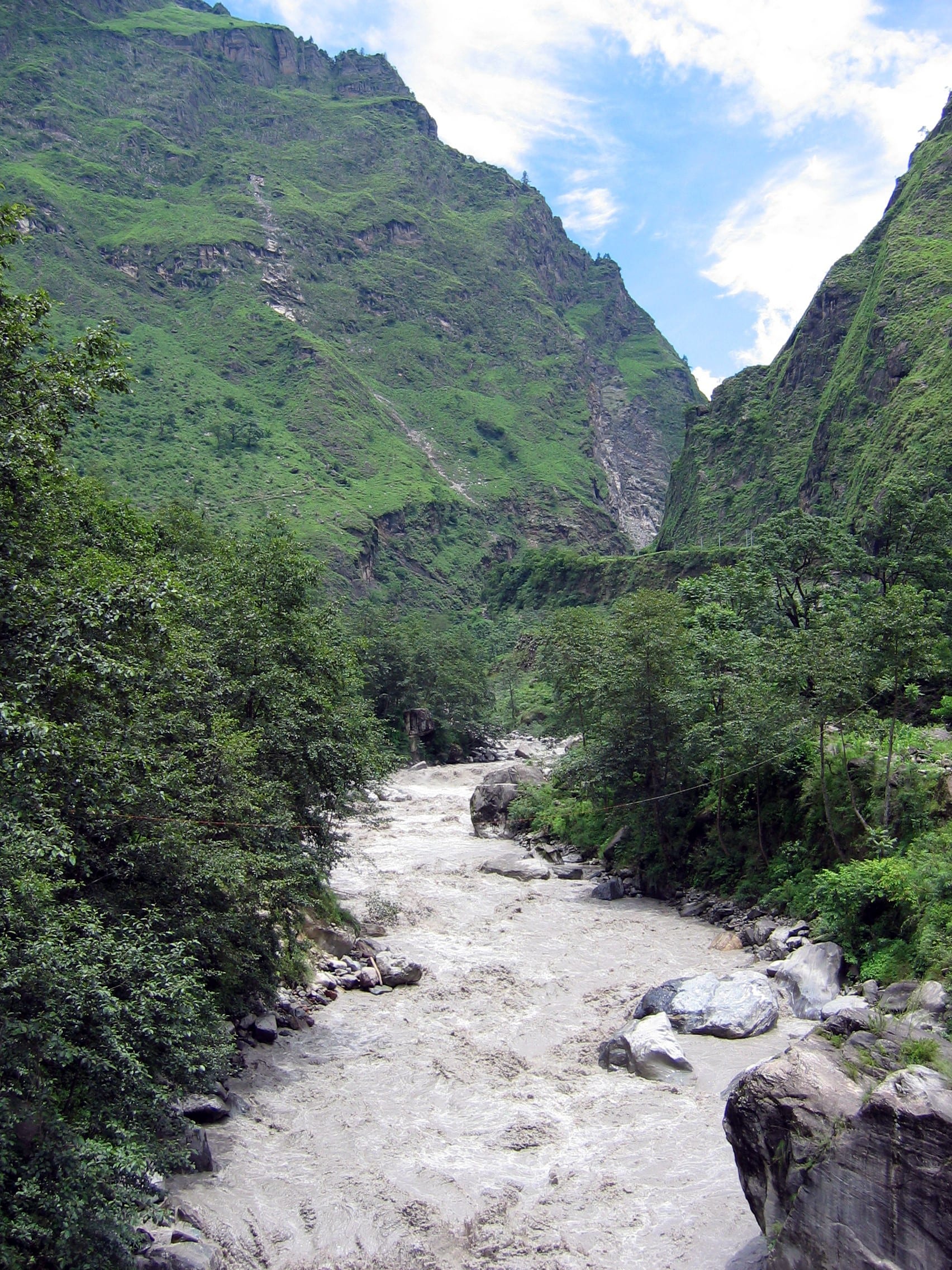
The vast reservoir of carbon that is stored in soils probably is more sensitive to destabilization from climate change than has previously been assumed, according to a new study by…
Read MoreA rapidly changing Arctic
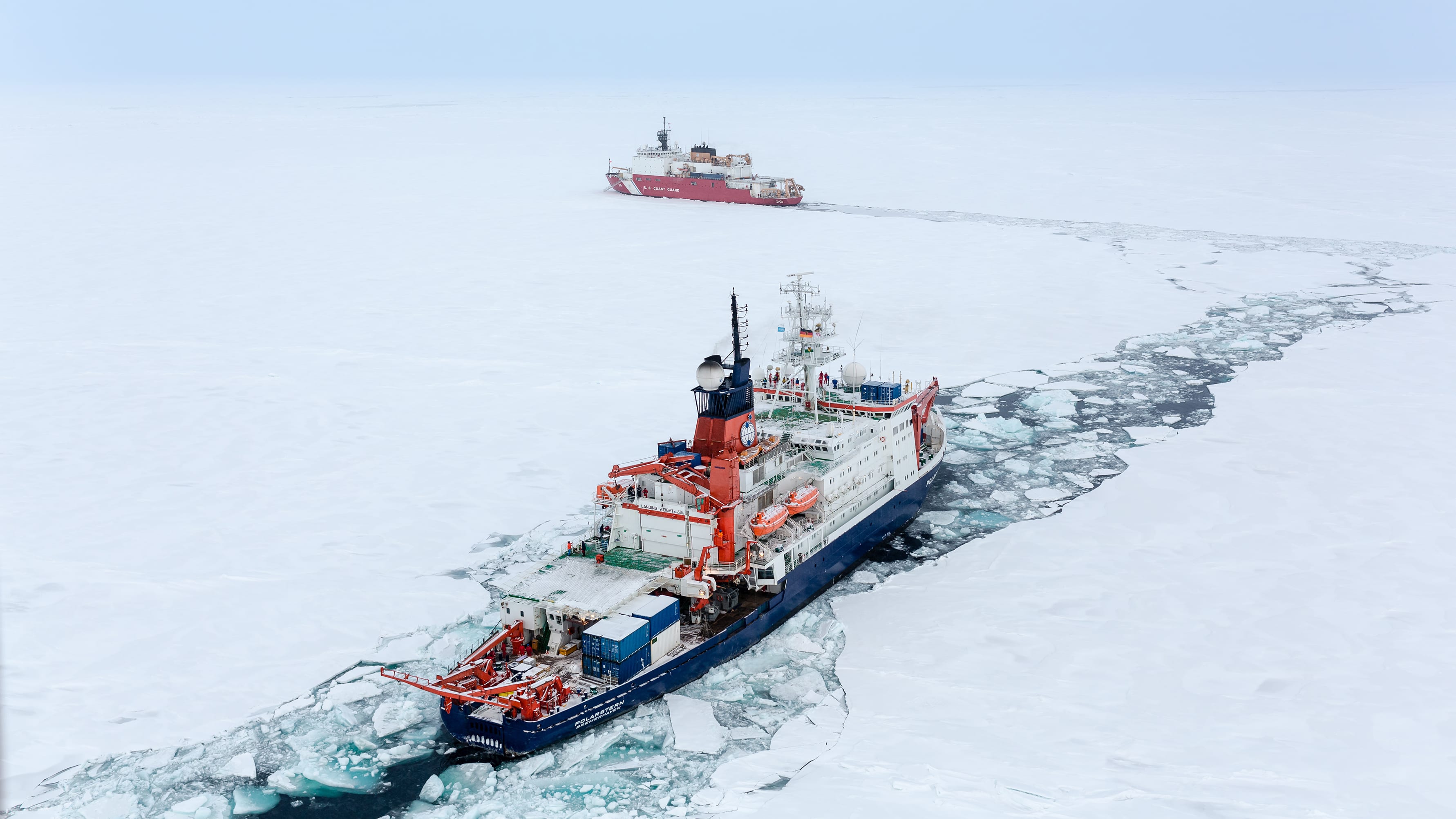
A new study by researchers at Woods Hole Oceanographic Institution (WHOI) and their international colleagues found that freshwater runoff from rivers and continental shelf sediments are bringing significant quantities of carbon and trace elements into parts of the Arctic Ocean via the Transpolar Drift—a major surface current that moves water from Siberia across the North Pole to the North Atlantic Ocean.
Read MoreStudy reveals Missoula Floods impact on past abrupt climate changes
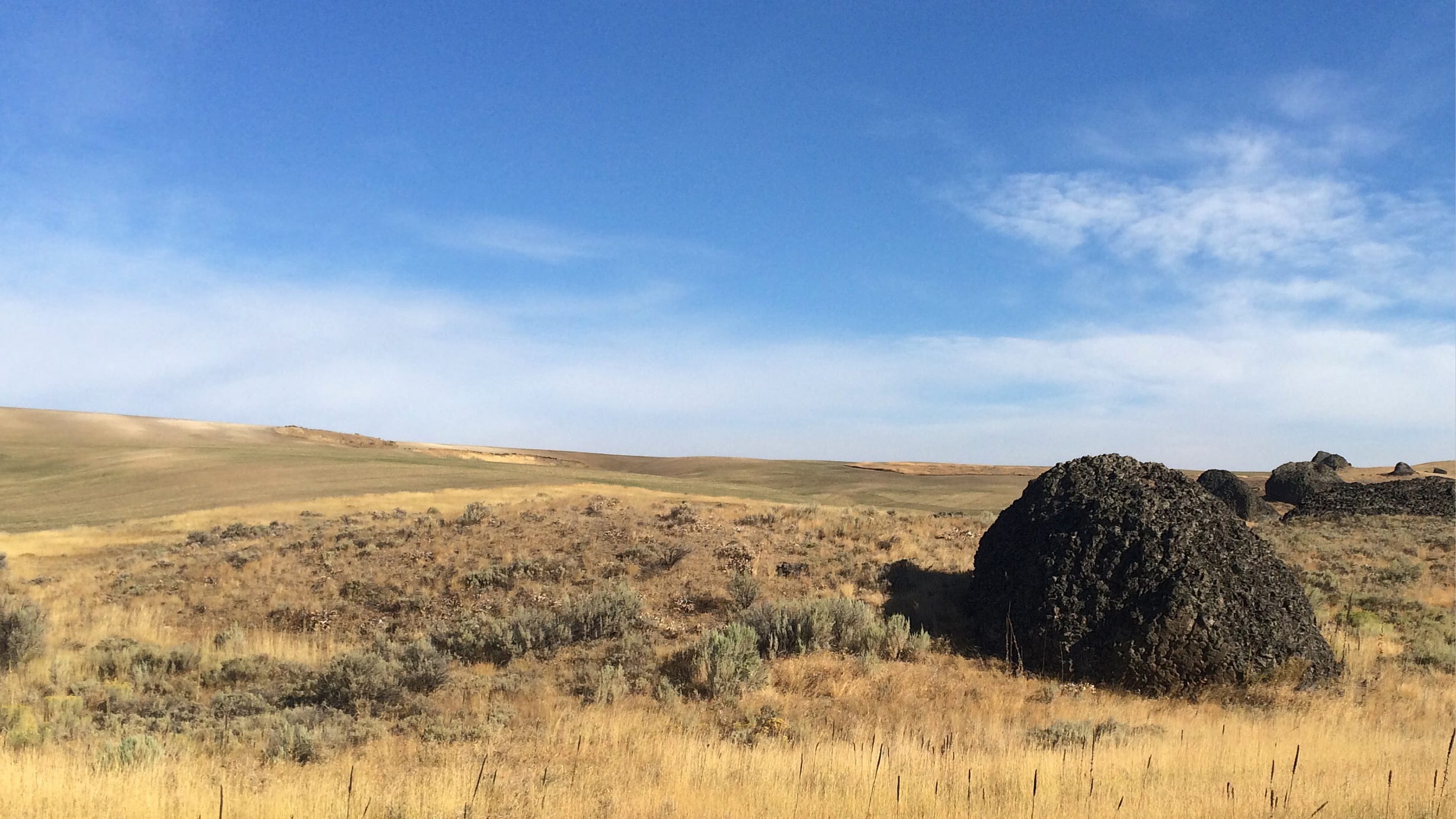
A new study shows for the first time how massive flood events in the eastern North Pacific Ocean—known as the Missoula Floods—may have in part triggered abrupt climate changes in the Northern Hemisphere during the last deglaciation (approximately 19,000–11,700 years ago).
Read MoreFor now, river deltas gain land worldwide
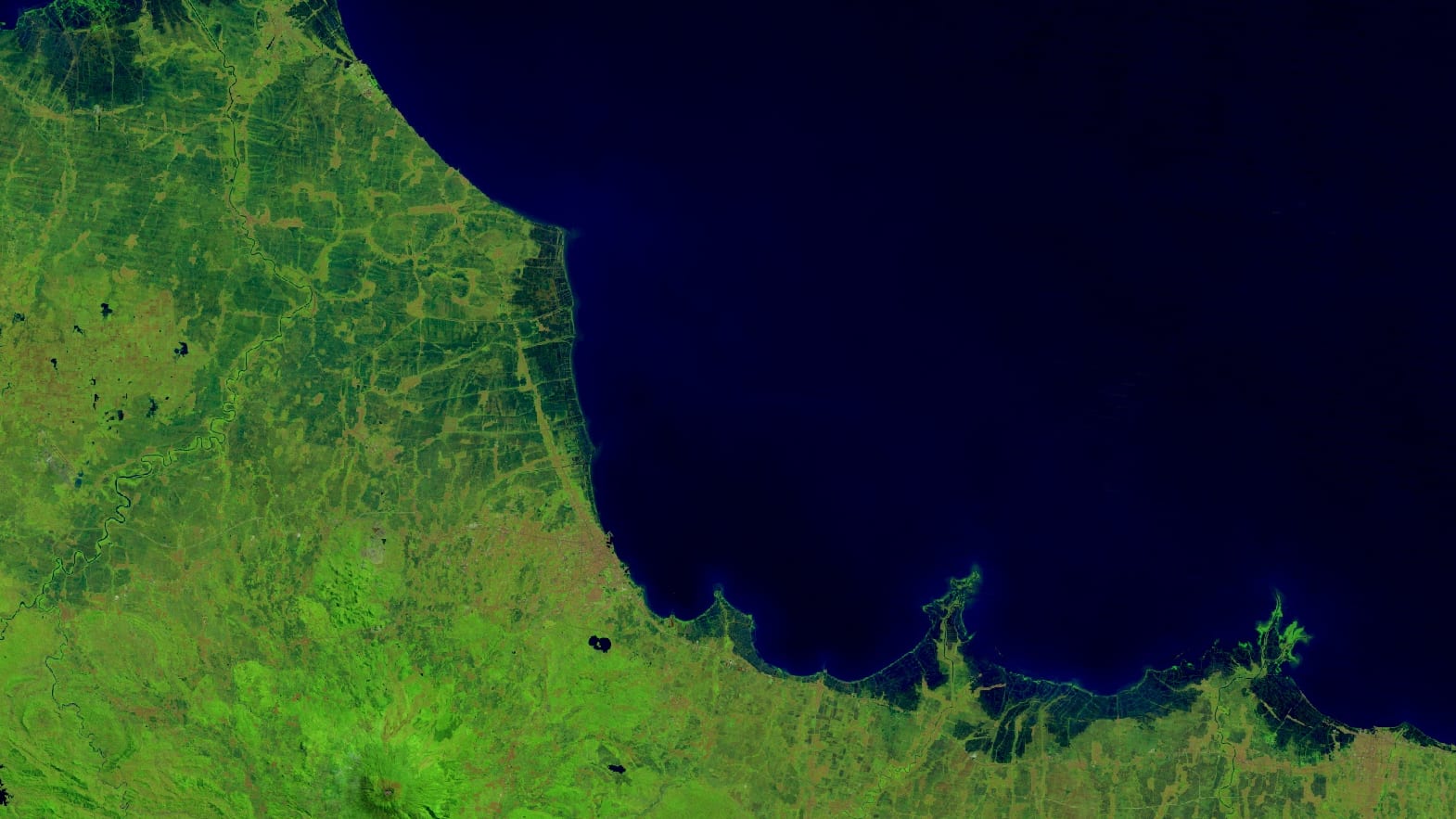
Delta areas worldwide have gained land in the past 30 years, despite river damming. However, recent land gains are unlikely to last throughout the 21st century due to expected, accelerated sea-level rise.
Read MoreOrganic Carbon Hides in Sediments, Keeping Oxygen in Atmosphere
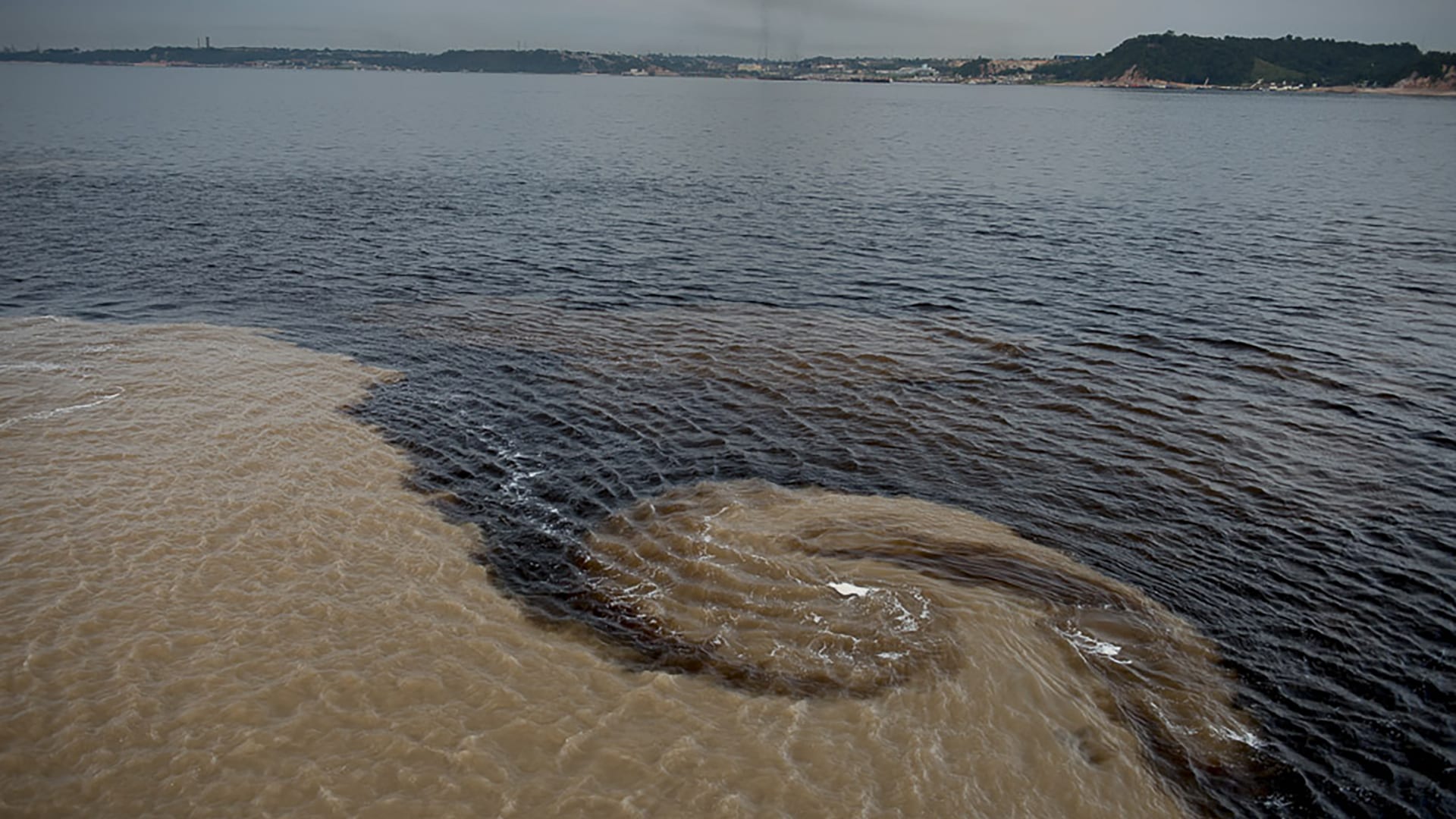
A new study from researchers at the Woods Hole Oceanographic Institution (WHOI) and Harvard University may help settle a long-standing question—how small amounts of organic carbon become locked away in…
Read MoreClimate Change Likely Caused Migration, Demise of Ancient Indus Valley Civilization
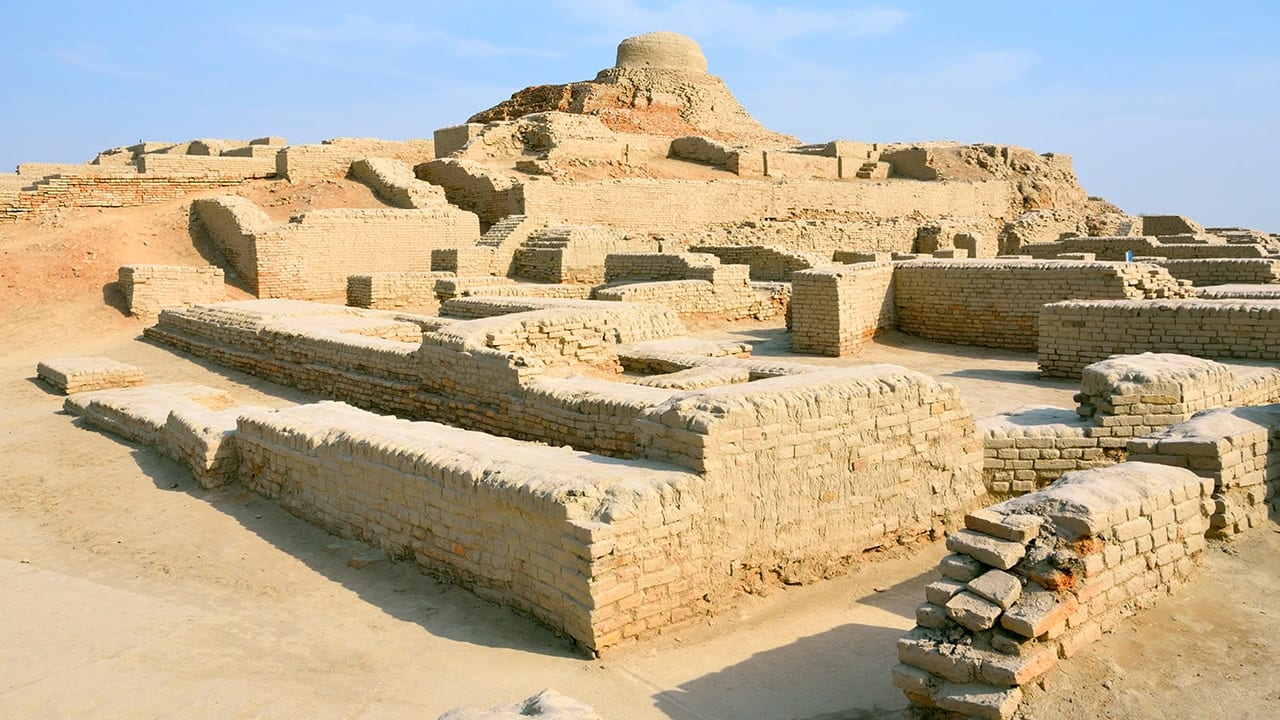
More than 4,000 years ago, the Harappa culture thrived in the Indus River Valley of what is now modern Pakistan and northwestern India, where they built sophisticated cities, invented sewage systems that predated ancient Rome’s, and engaged in long-distance trade with settlements in Mesopotamia. Yet by 1800 BCE, this advanced culture had abandoned their cities, moving instead to smaller villages in the Himalayan foothills. A new study from the Woods Hole Oceanographic Institution (WHOI) found evidence that climate change likely drove the Harappans to resettle far away from the floodplains of the Indus.
Read MoreStudy Finds Link Between River Outflow and Coastal Sea Level
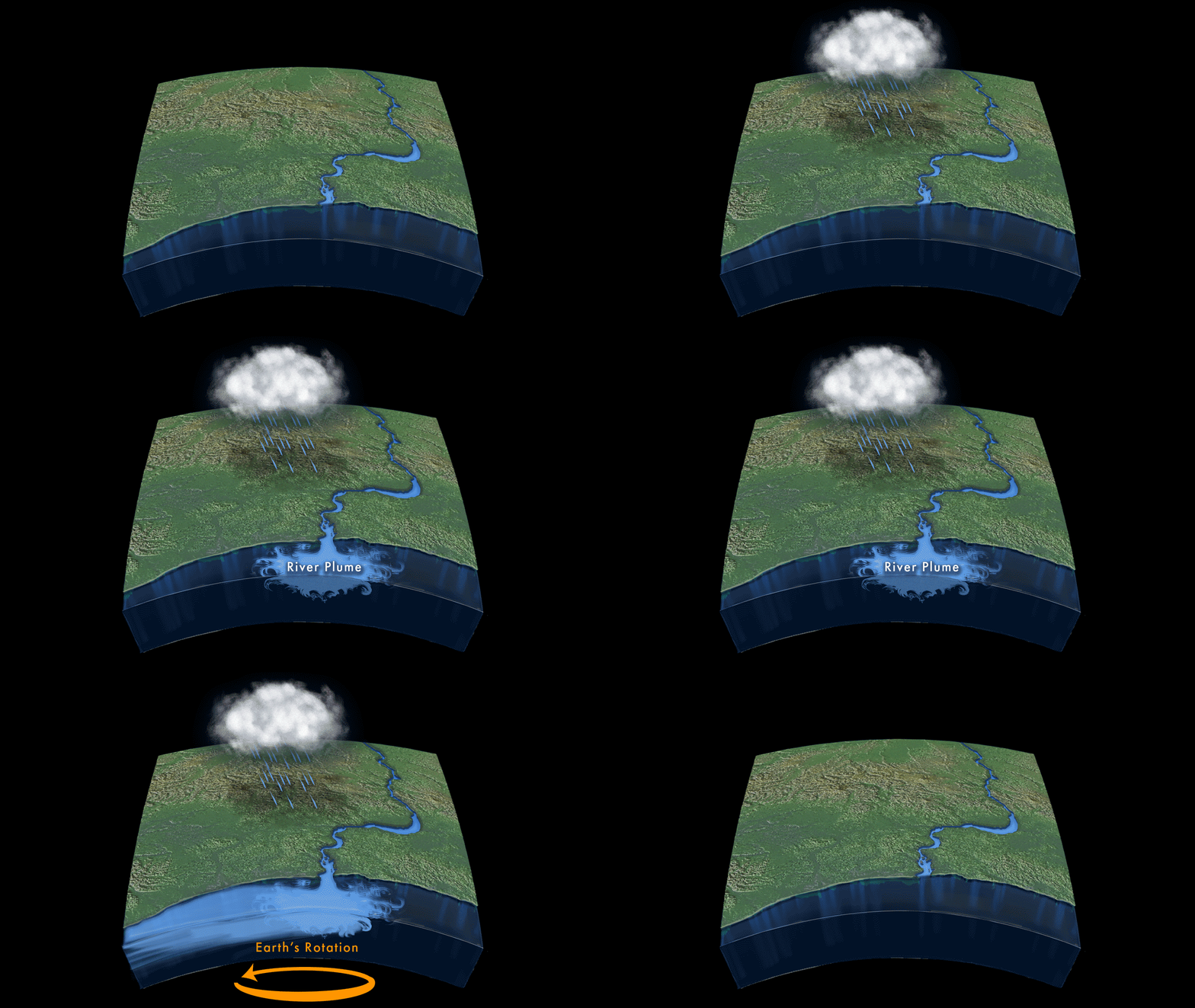
Sea levels in coastal areas can be affected by a number of factors: tides, winds, waves, and even barometric pressure all play a role in the ebb and flow of the ocean. For the first time, however, a new study led by the Woods Hole Oceanographic Institution (WHOI) has shown that river outflow could play a role in sea level change as well.
Read MoreGeologic History of Ayeyawady River Delta Mapped for the First Time
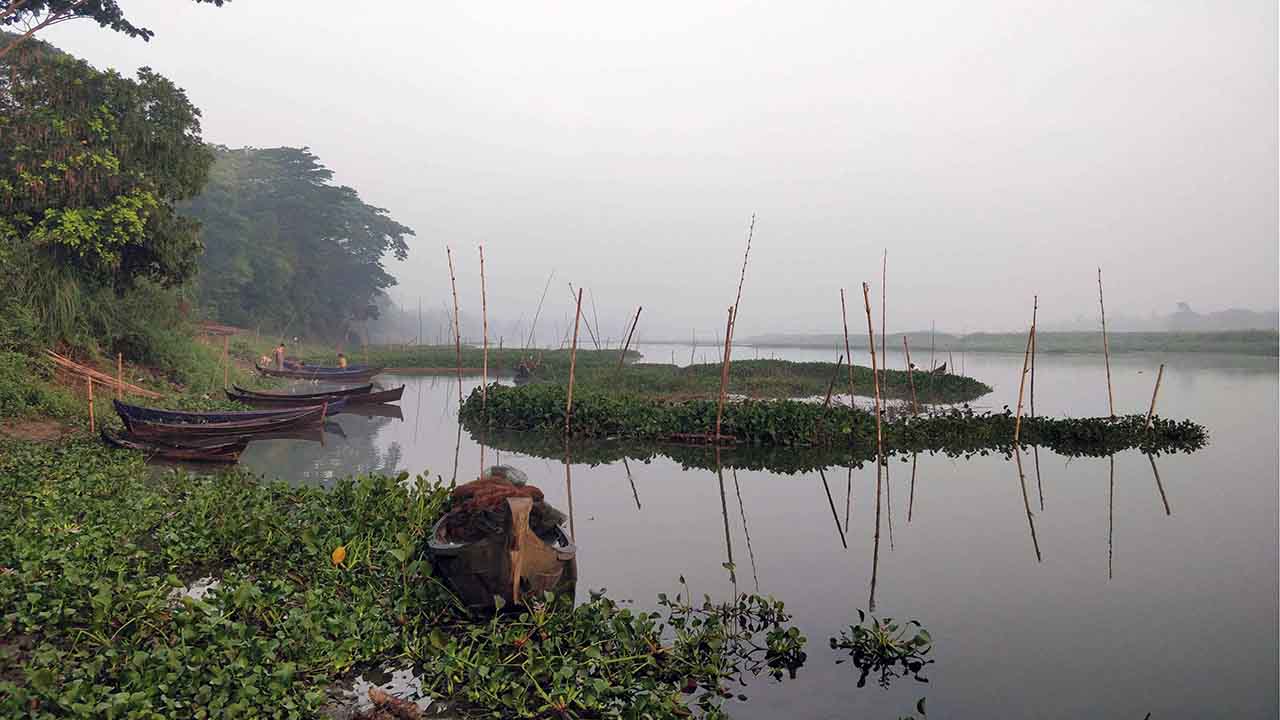
The Ayeyawady River delta in Myanmar is home to millions of people, and is a hub of agricultural activity. Unlike other large rivers across the world, however, the Ayeyawady has been relatively untouched by large infrastructure and dam projects for the past 50 years, and its geologic evolution has never previously been studied.
Read MoreMountain Erosion May Add Carbon Dioxide to Atmosphere
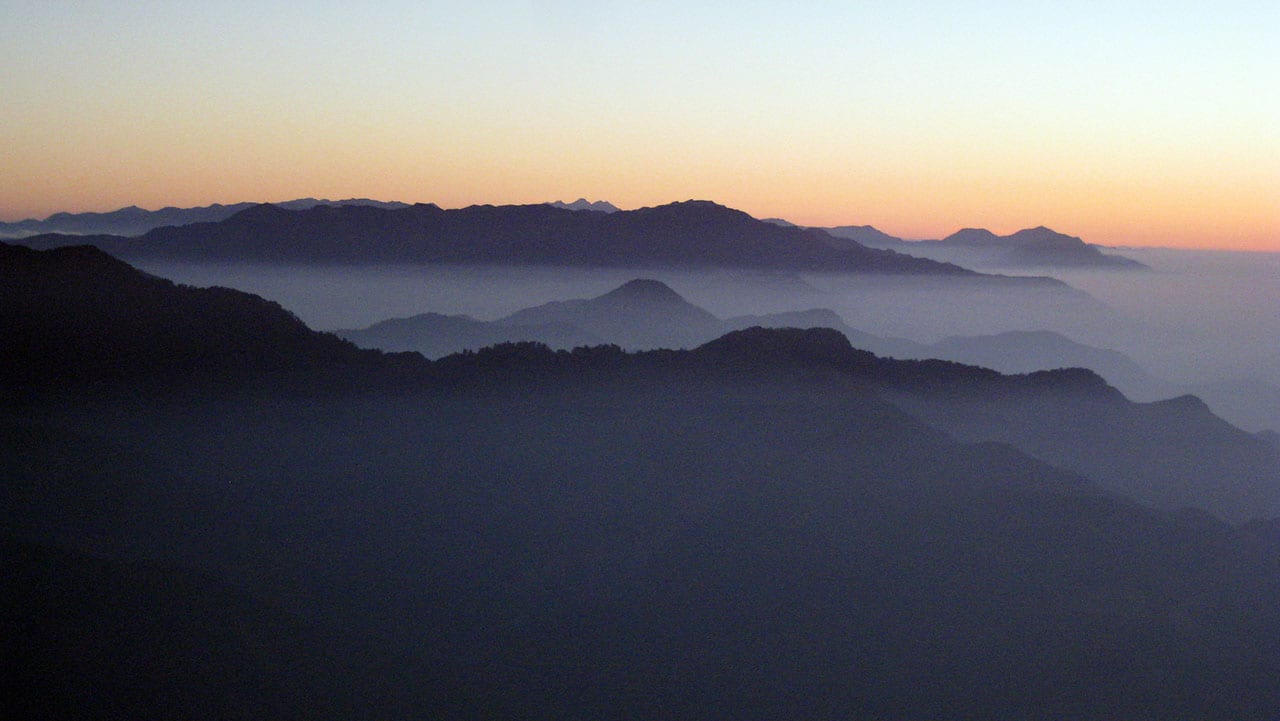
Scientists have long known that steep mountain ranges can draw carbon dioxide (CO2) out of the atmosphere as erosion exposes new rock, it also starts a chemical reaction between minerals on hill slopes and CO2 in the air, weathering the rock and using CO2 to produce carbonate minerals like calcite.
Read MoreHuman-Engineered Changes on Mississippi River Increased Extreme Floods
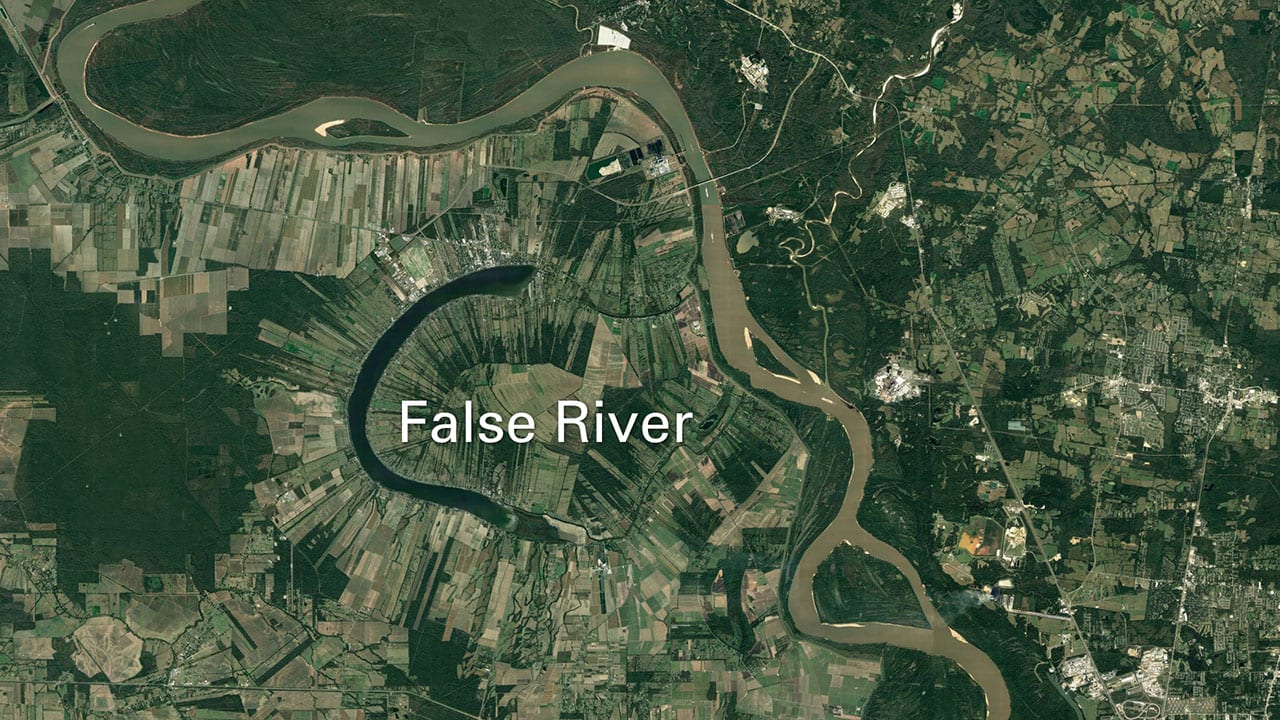
Over the last century, many of the world’s major rivers have been modified for the purposes of flood control, power generation, and commercial navigation. A new study out of Woods Hole Oceanographic Institution suggests that engineering modifications to the Mississippi River interact with the have increased the risk of extreme floods to unprecedented levels.
Read MoreWhere Fresh is Cool in Bay of Bengal
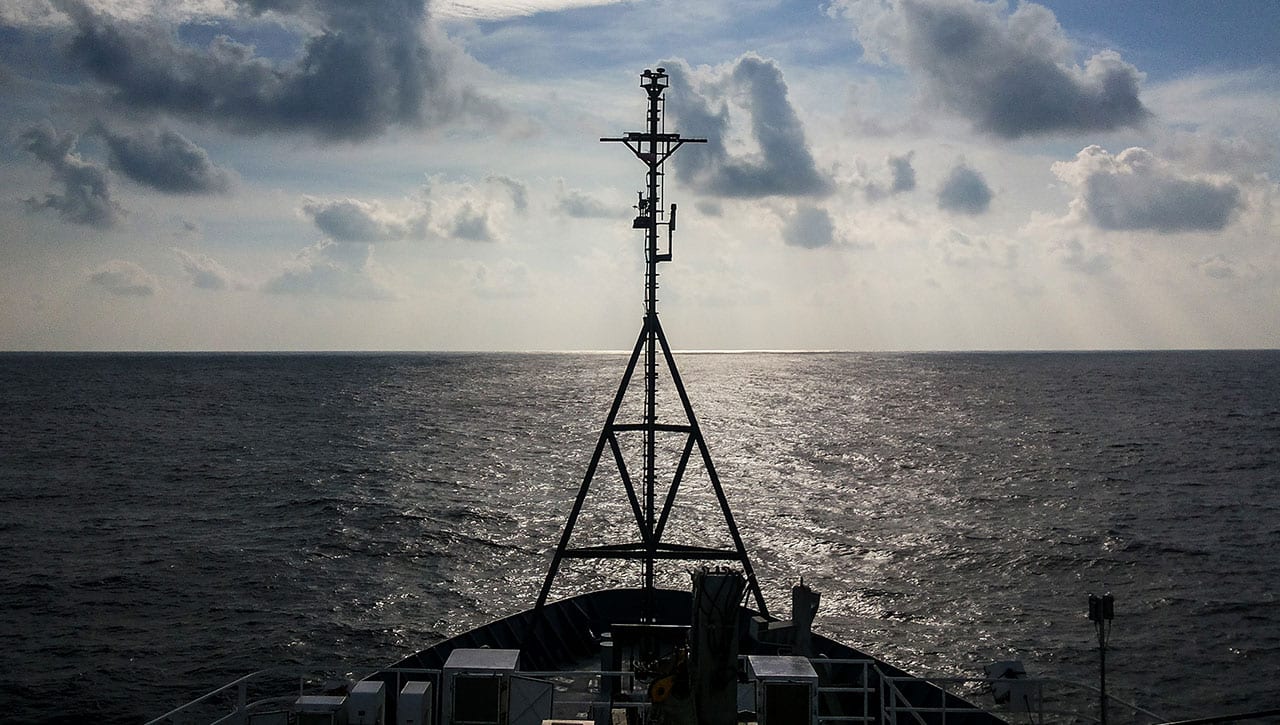
Each summer, the South Asian monsoon transforms parts of India from semi-arid into lush green lands able to support farming. The annual infusion of rainfall and resulting runoff into the Ganges, Brahmaputra, and other rivers in the region also has a very different, but no less dramatic, impact on the Bay of Bengal in the northeast Indian Ocean.
Read MoreStudy Reveals How Rivers Regulate Global Carbon Cycle
Humans concerned about climate change are working to find ways of capturing excess carbon dioxide (CO2) from the atmosphere and sequestering it in the Earth. But Nature has its own methods for the removal and long-term storage of carbon, including the world’s river systems, which transport decaying organic material and eroded rock from land to the ocean.
While river transport of carbon to the ocean is not on a scale that will bail humans out of our CO2 problem, we don’t actually know how much carbon the world’s rivers routinely flush into the ocean – an important piece of the global carbon cycle.
But in a study published May 14 in the journal Nature, scientists from Woods Hole Oceanographic Institution (WHOI) calculated the first direct estimate of how much and in what form organic carbon is exported to the ocean by rivers. The estimate will help modelers predict how the carbon export from global rivers may shift as Earth’s climate changes.
Read MoreStudy Offers Economical Solutions for Maintaining Critical Delta Environments
Millions of people across the world live or depend on deltas for their livelihoods. Formed at the lowest part of a river where its water flow slows and spreads into…
Read MoreClimate Change Led to Collapse of Ancient Indus Civilization, Study Finds
A new study combining the latest archaeological evidence with state-of-the-art geoscience technologies provides evidence that climate change was a key ingredient in the collapse of the great Indus or Harappan Civilization almost 4000 years ago. The study also resolves a long-standing debate over the source and fate of the Sarasvati, the sacred river of Hindu mythology.
Read MoreLong-Term Carbon Storage in Ganges Basin May Portend Global Warming Worsening
Global warming could destabilize the pool of carbon in the Ganges-Brahmaputra basin and similar places on Earth, potentially increasing the rate of CO2 release into the atmosphere.
Read MoreNauset Marsh Estuary Red Tide Study to Begin
A three-year study into the cause of local area red tides is set to begin March 21. A team of researchers from the National Park Service, U.S. Geological Survey, and…
Read MoreDanube Delta Holds Answers to Noah’s Flood Debate
Did a catastrophic flood of biblical proportions drown the shores of the Black Sea 9,500 years ago, wiping out early Neolithic settlements around its perimeter? A geologist with the Woods…
Read MoreIce-Covered Arctic Lakes May Harbor Signs of Climate Change
Arctic coastal environments are some of the most vulnerable to climate change. A team of WHOI researchers visited Canada’s Mackenzie River Delta in April 2007 to find out just how…
Read MoreRerouting of Major Rivers in Asia Provides Clues to Mountains of the Past
Scientists have long recognized that the collision of the earth’s great crustal plates generates mountain ranges and other features of the Earth’s surface. Yet the link between mountain uplift and…
Read More