
News Releases
Oil residues can travel over 5,000 miles on ocean debris, study finds
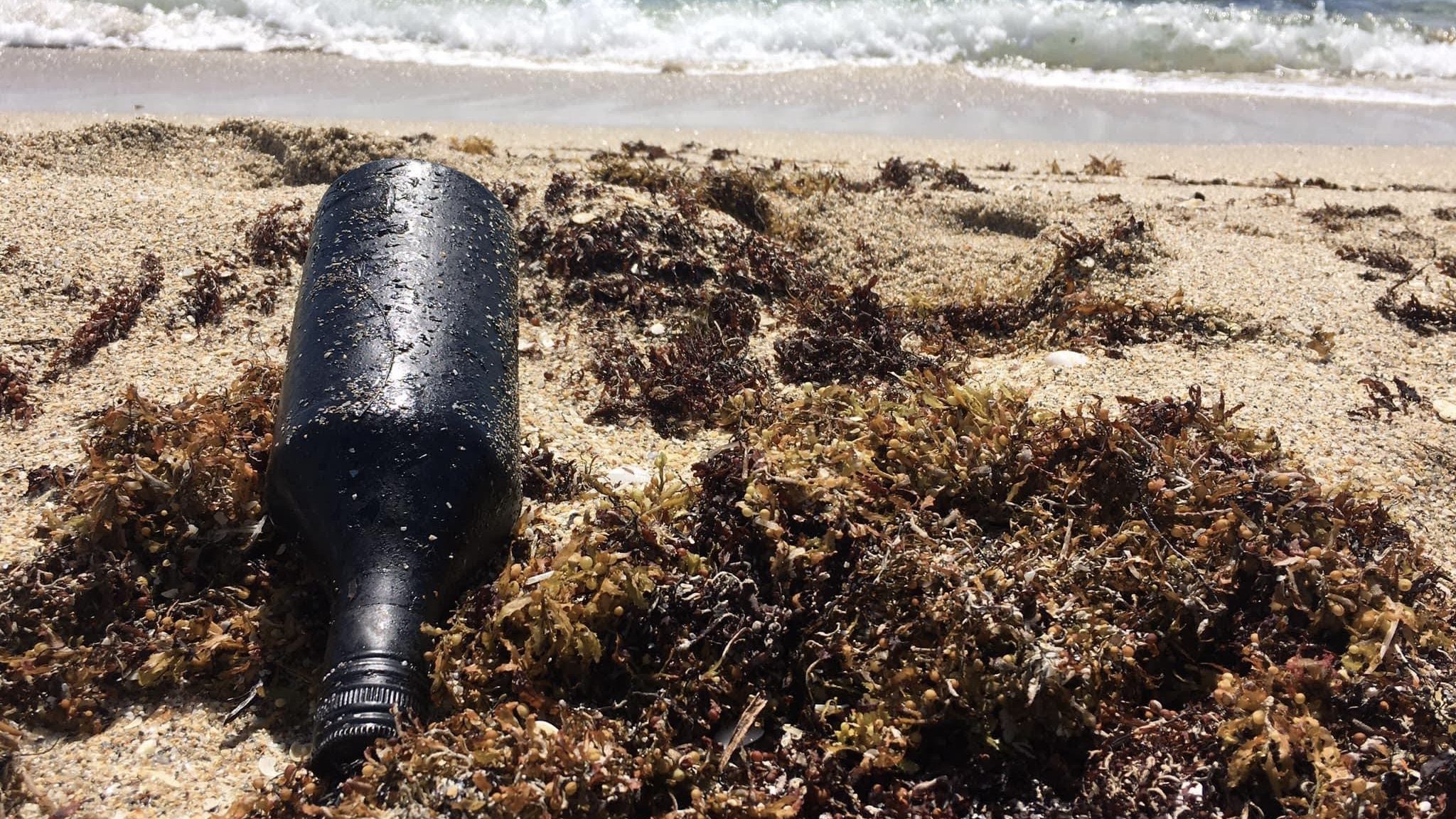
Oil spill forensics reveal how plastic debris can carry petroleum pollution across entire ocean basins
Read MoreUSS Arizona provides blueprint for addressing oil leakage at thousands of WWII shipwrecks
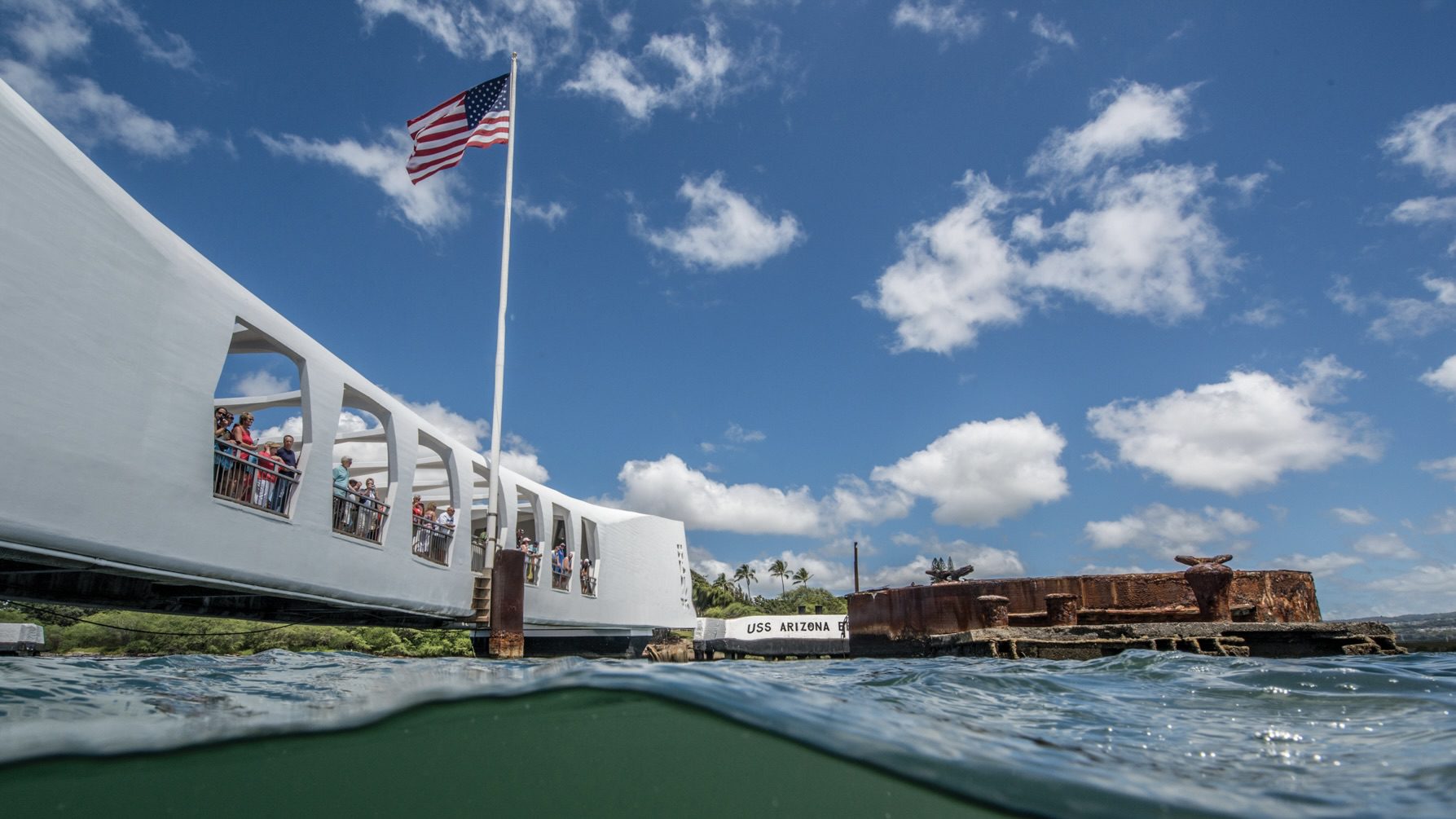
The findings underscore the USS Arizona’s dual role as a solemn memorial and a “living laboratory.”
Read MoreA new look at an old pollutant
A WHOI-led study tracks mercury across the western Pacific
Read MoreNew report highlights plastic pollution as a grave and growing danger to health and announces an independent, health-focused global monitoring system
While the impacts of plastic pollution on human health and the environment are growing, the report finds, increasing harm due to plastics is not inevitable.
Read MoreResearch almost two decades in the making: What can cicadas tell us about the Earth’s metals?
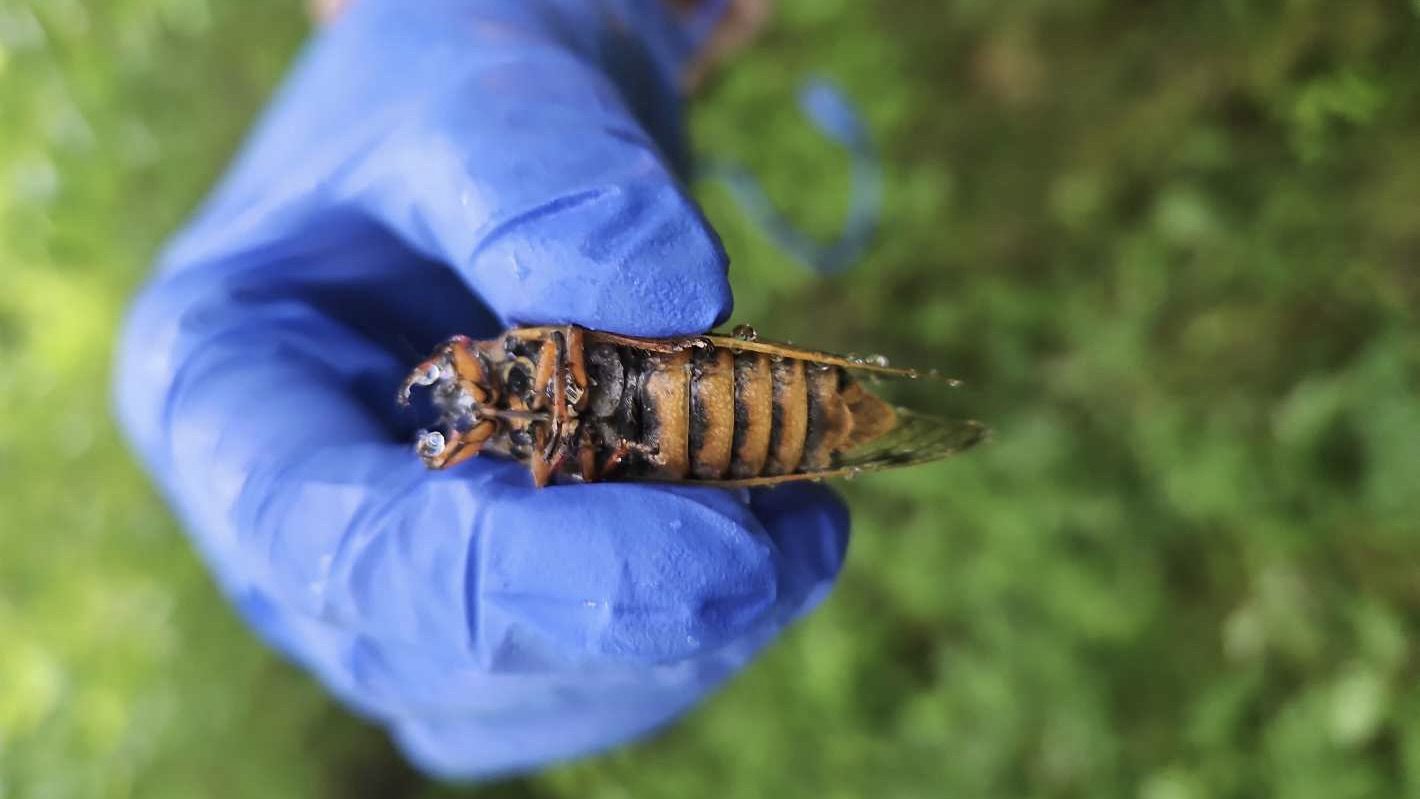
Billions of cicadas will be emerging on Cape Cod, and other parts of the country in late May or early June.
Read MoreProposed Wastewater Release into Cape Cod Bay Likely to Remain in Bay for at Least One Month, Study Finds
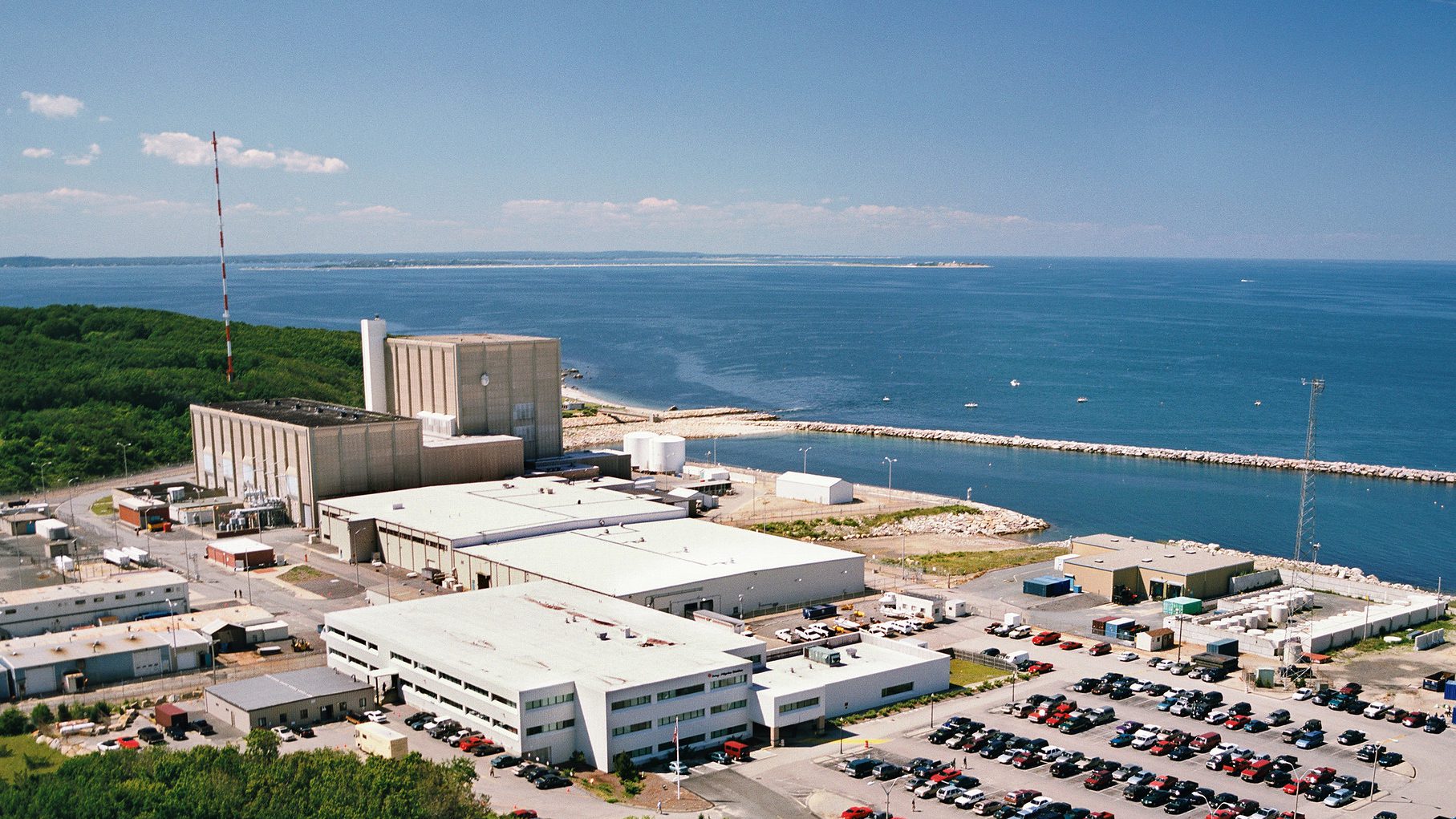
Their findings are based on a model of the circulation patterns around Cape Cod Bay and provide insight into the seasonal differences in conditions in and around the Bay.
Read MoreWHOI Scientists Discover Fastest Degrading Bioplastic in Seawater
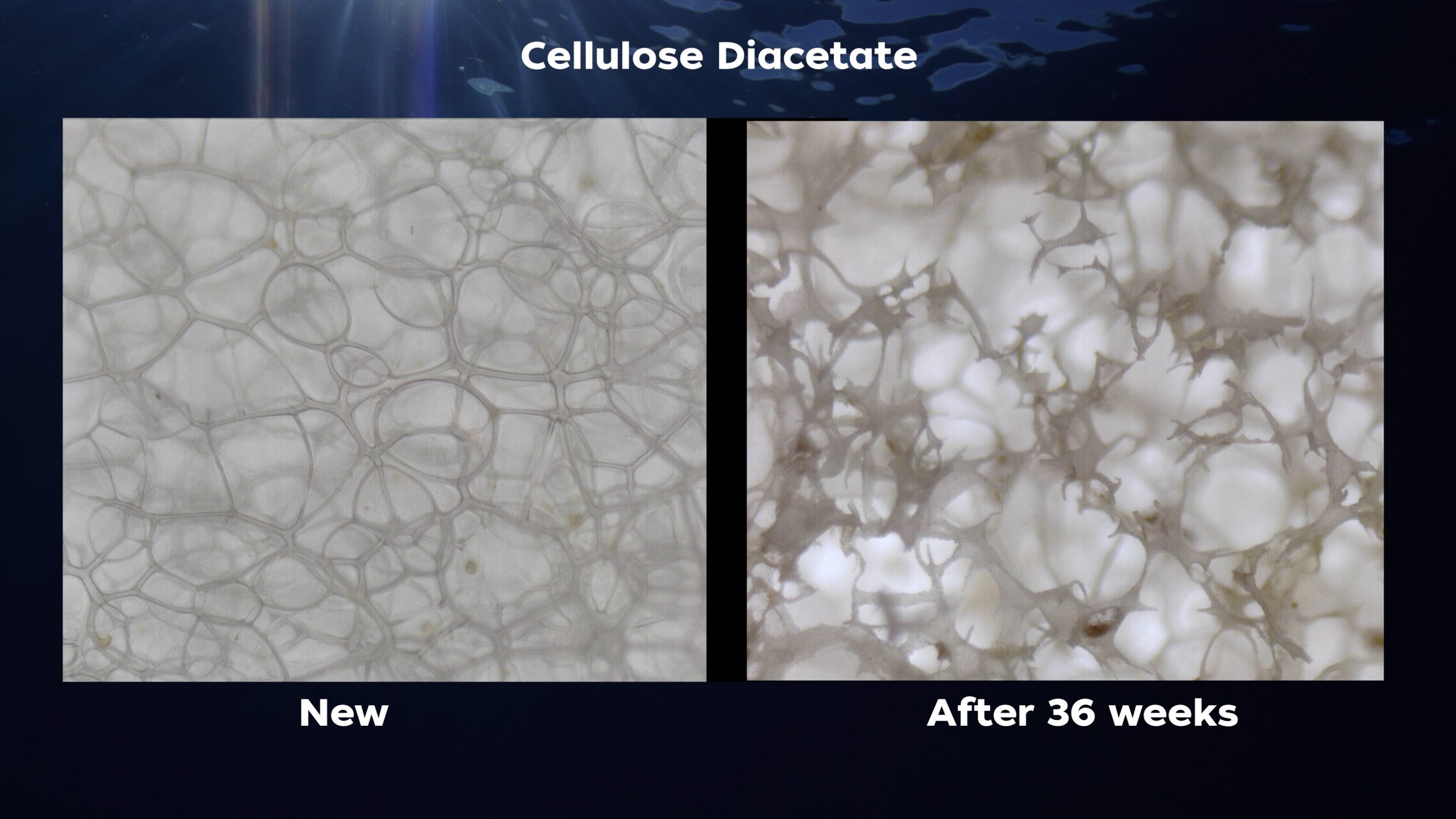
A new version of CDA was found to be the fastest degrading bioplastic material tested in seawater and is a promising replacement for other long-lasting foam plastic materials.
Read MoreSome Plastic Straws Degrade Quicker Than Others, New Study Shows
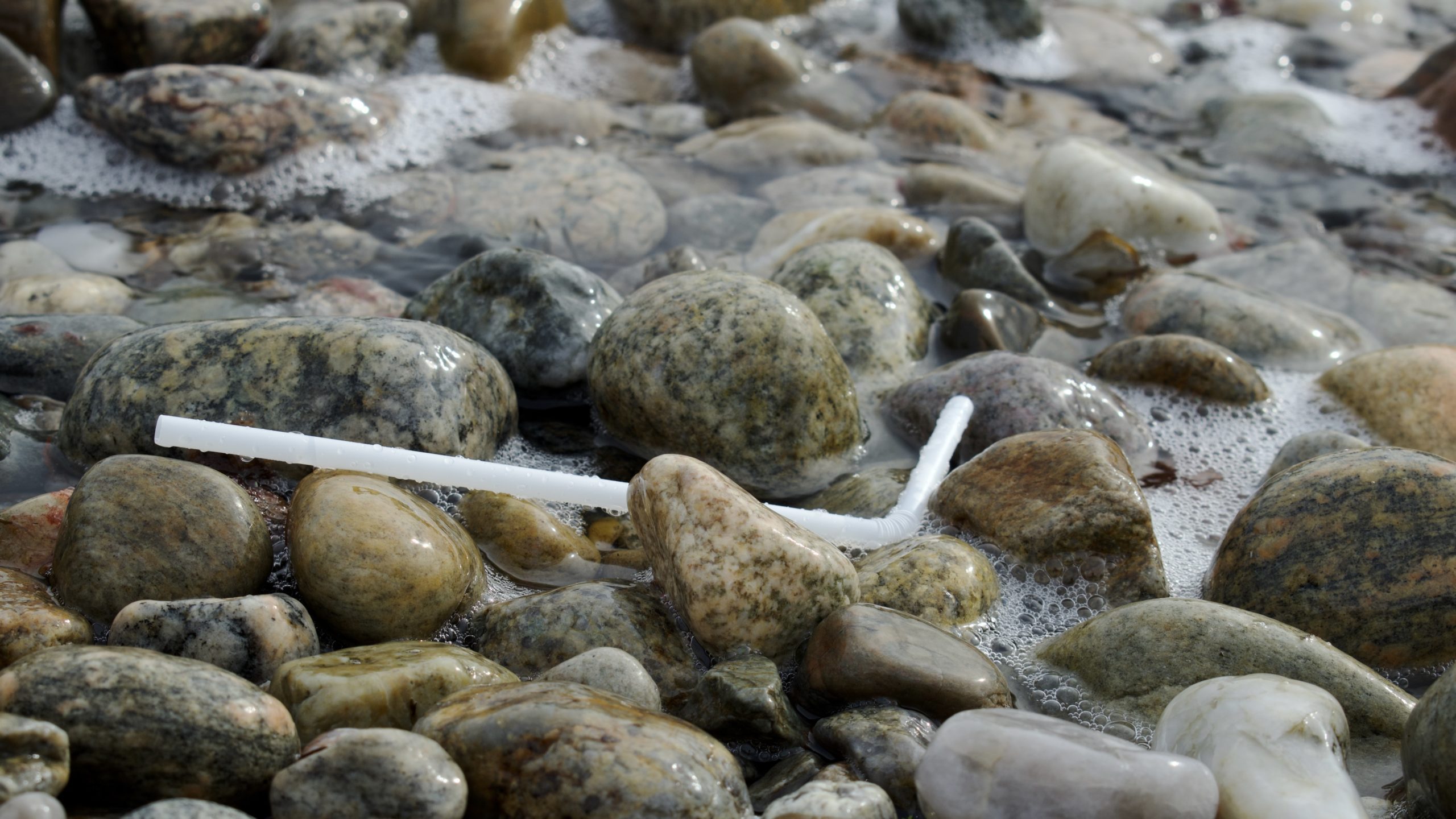
WHOI researchers determine lifetimes of drinking straws in the coastal ocean and develop a prototype bioplastic straw that degrades even faster than paper
Read MoreA new way of looking at plastics

WHOI researchers develop a new sustainability metric for plastic products
Read MoreMapping the potential path of nuclear wastewater
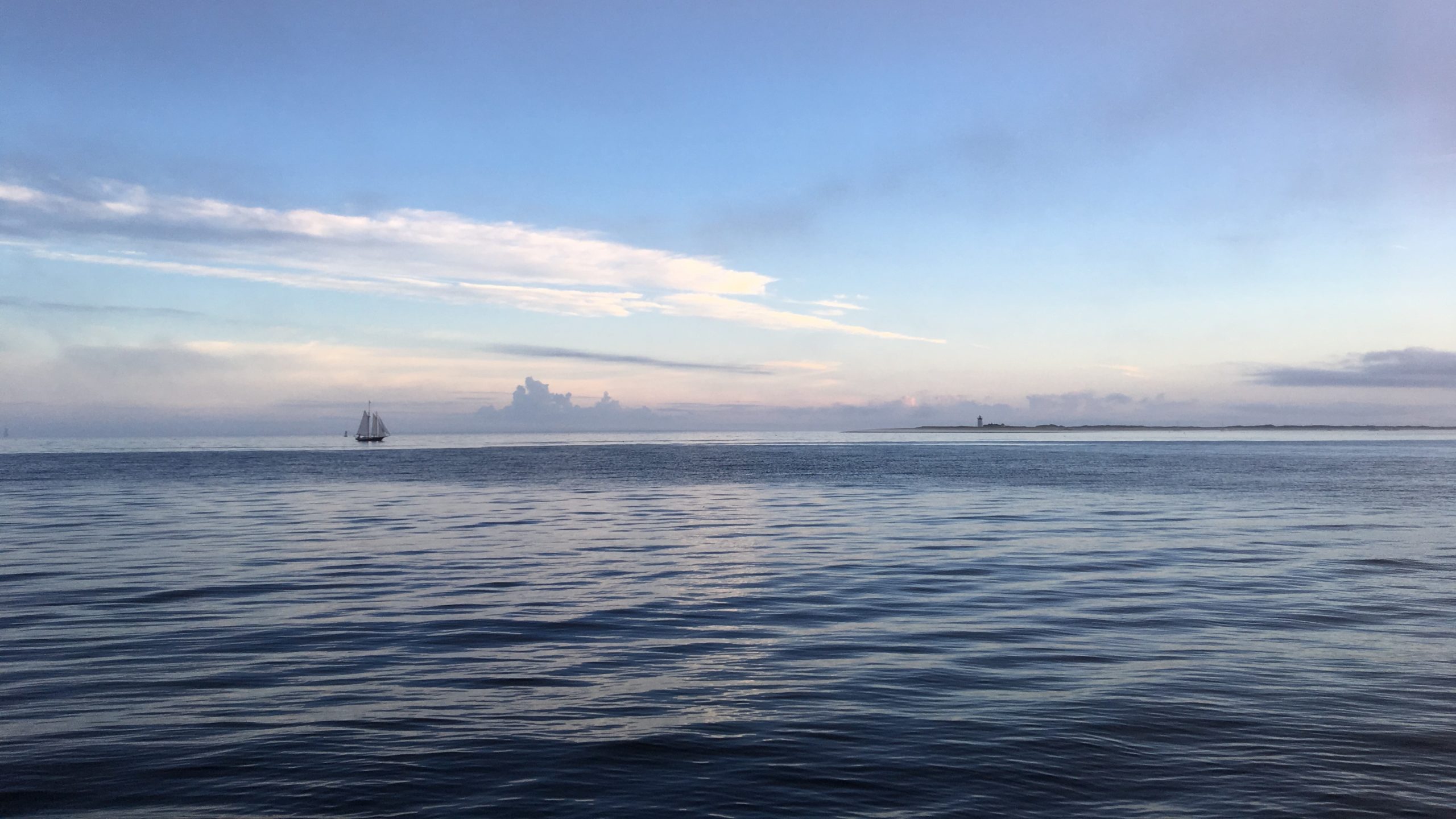
WHOI Sea Grant will study spreading pathways from Pilgrim Nuclear Power Station
Read MoreThe Great Atlantic Sargassum Belt
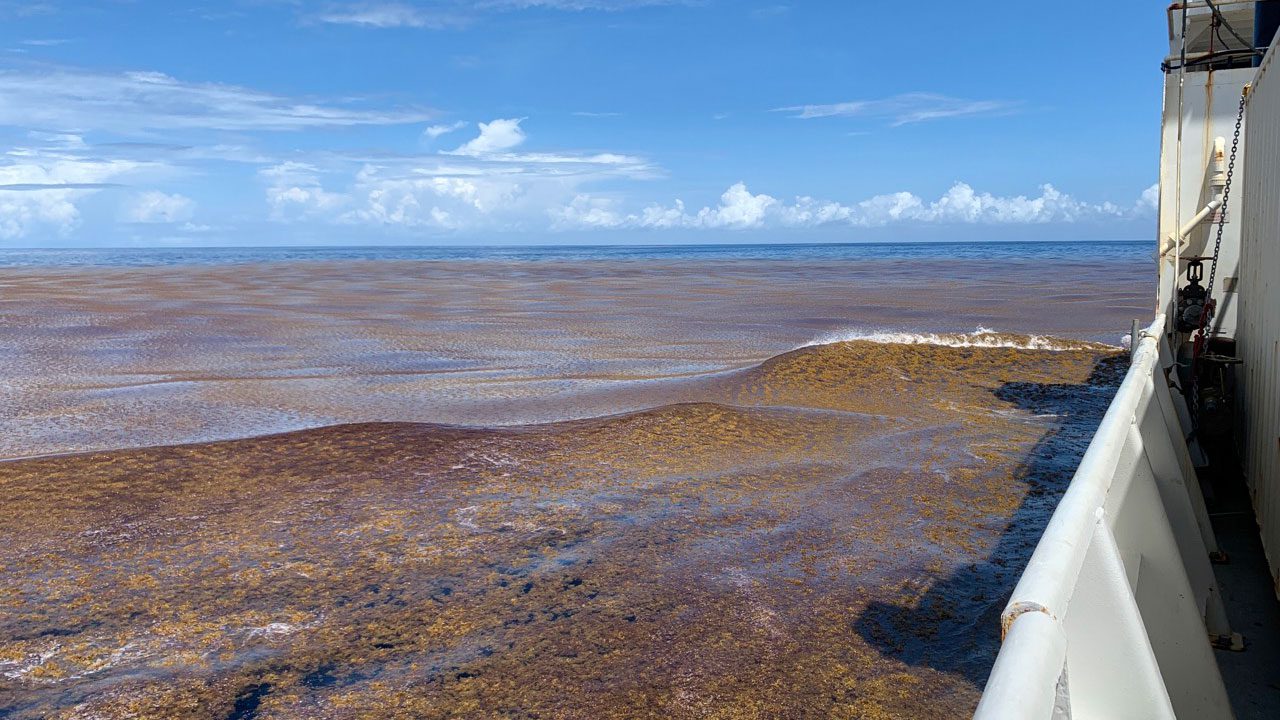
Opportunistic sampling shows geographic scope of distribution, offer some of the first sampling opportunities
Read MoreWHOI helps lead groundbreaking study on the human and ocean health impacts of ocean plastics
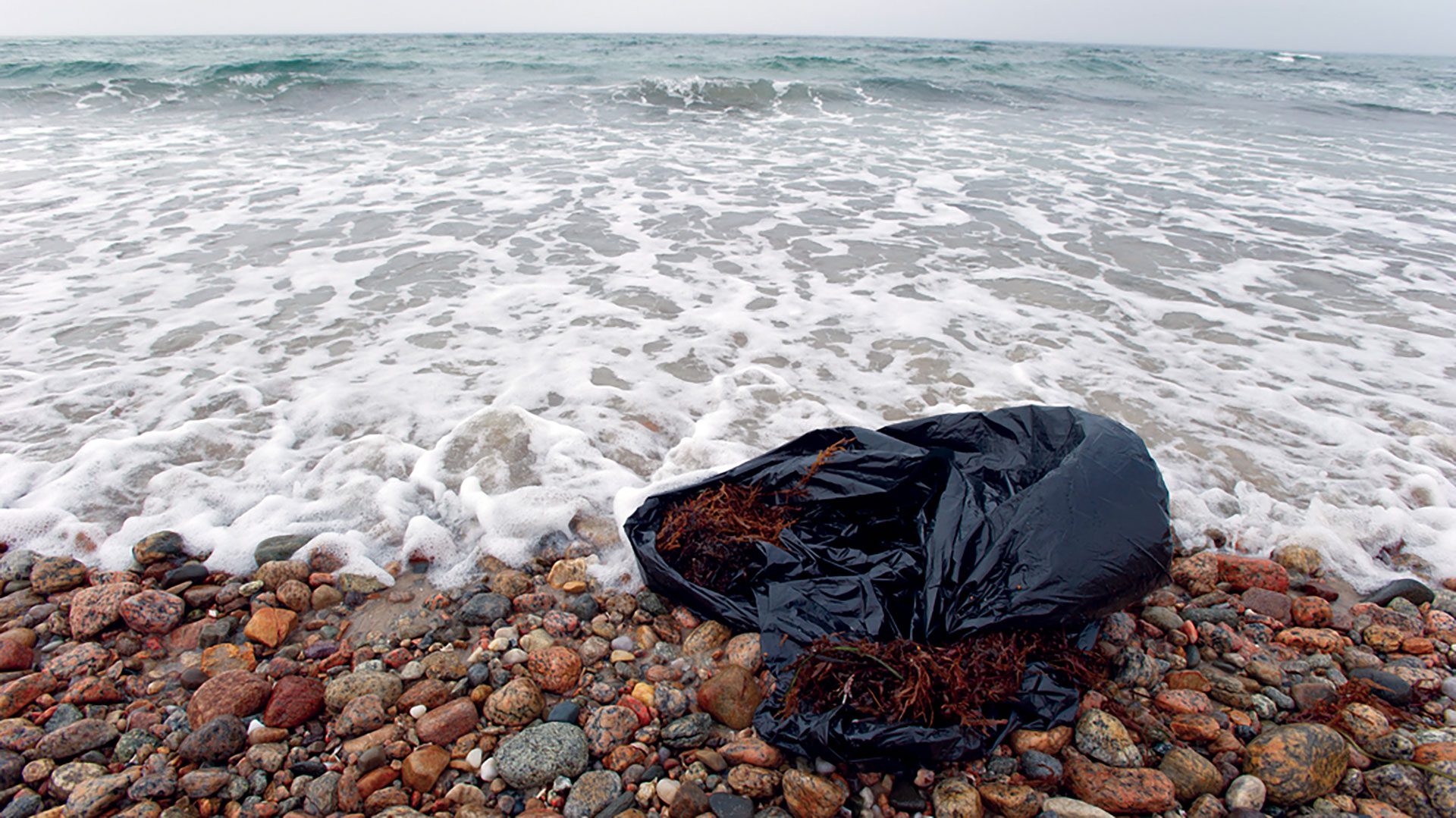
For the first time, leading researchers from the fields of healthcare, ocean science, and social science have collaborated to quantify plastic’s considerable risks to all life on Earth. The Minderoo-Monaco Commission on Plastics and Human Health report, released today, presents a comprehensive analysis showing plastics as a hazard at every stage of their life cycle.
Read MoreDissolving oil in a sunlit sea
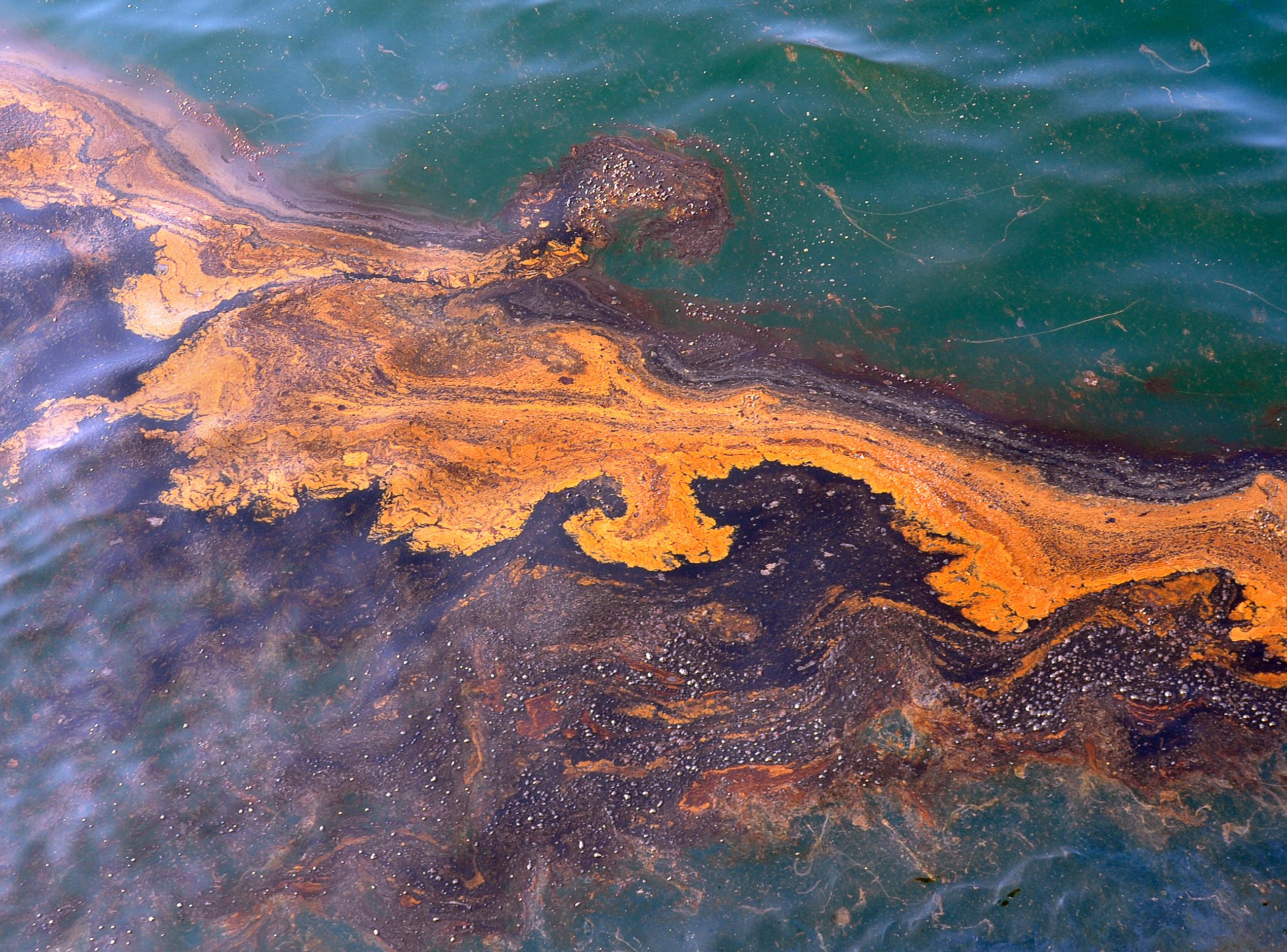
A team of Woods Hole Oceanographic Institution (WHOI) researchers discovered that nearly 10 percent of the oil floating on the Gulf after the Deepwater Horizon disaster was dissolved into seawater by sunlight – a process called “photo-dissolution”. The findings were published today in the paper “Sunlight-driven dissolution is a major fate of oil at sea” in Science Advances.
Read MoreWHOI’s Ken Buesseler named Geochemistry Fellow
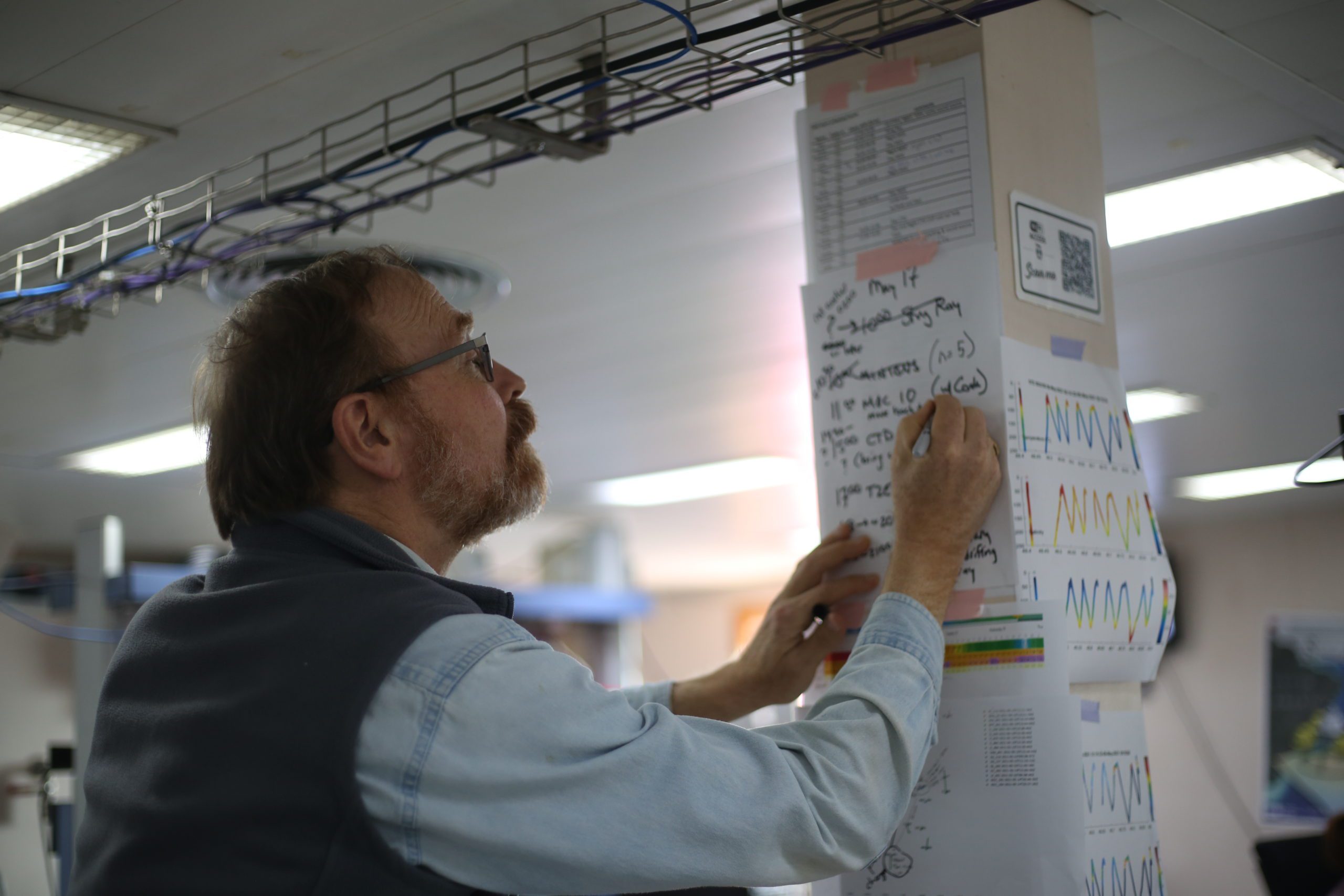
Dr. Ken Buesseler has been selected as a Geochemistry Fellow by the Geochemical Society and the European Association of Geochemistry.
Read MoreWHOI shares details on microplastic detection project
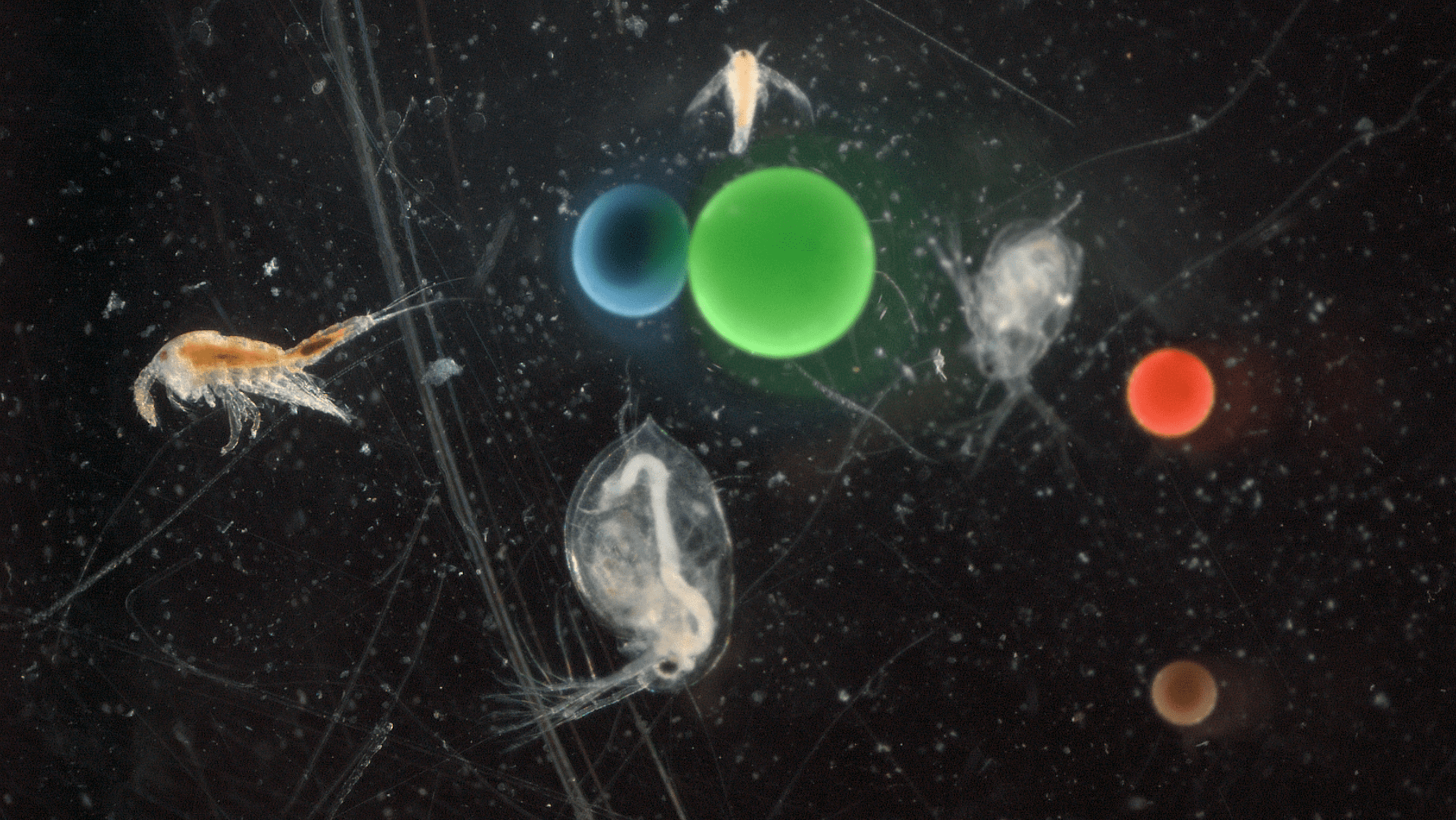
A project led by Woods Hole Oceanographic Institution’s Chemical Sensors Lab is moving researchers closer to an in-field microplastics sensor that measures the amount of plastic particles in water.
Read MoreStudy outlines challenges to ongoing clean-up of burnt and unburnt nurdles along Sri Lanka’s coastline
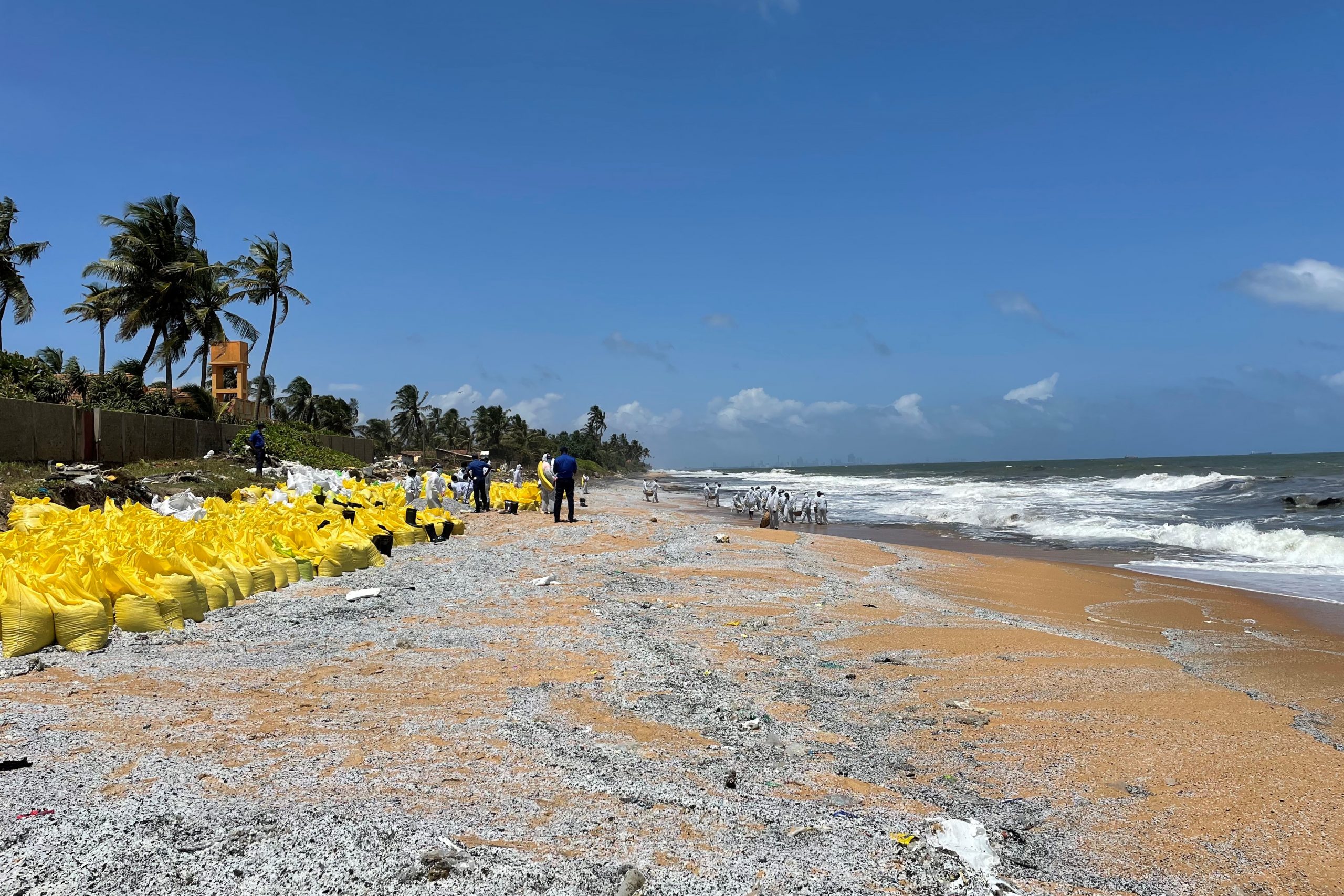
When a fire broke out on the deck of the M/V XPress Pearl cargo ship on May 20, 2021, an estimated 70-75 billion pellets of preproduction plastic material, known as nurdles, spilled into the ocean and along the Sri Lankan coastline. That spill of about 1,500 tons of nurdles, many of which were burnt by the fire, has threatened marine life and poses a complex clean-up challenge. A new peer-reviewed study characterizes how the fire modified the physical and chemical properties of the nurdles and proposes that these properties affected their distribution along the coast.
Read MoreSunlight can break down marine plastic into tens of thousands of chemical compounds, study finds
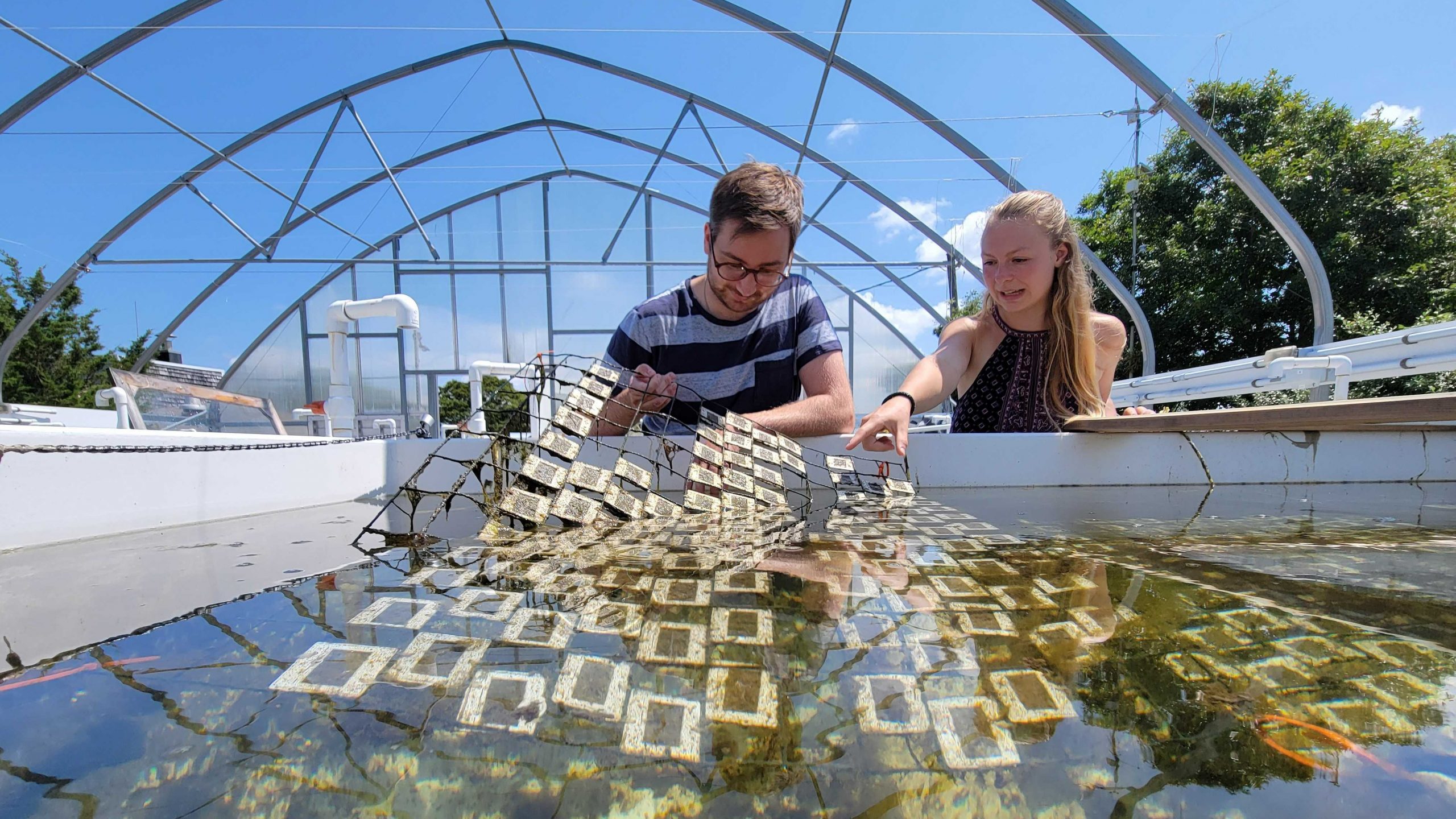
Sunlight was once thought to only fragment plastics in the marine environment into smaller particles that chemically resemble the original material and persist forever. However, scientists more recently have learned that sunlight also chemically transforms plastic into a suite of polymer-, dissolved-, and gas-phased products. Now, a new study finds that this chemical reaction can produce tens of thousands of water-soluble compounds, or formulas.
Read MoreFirst Detailed Oil Sample Analysis Completed from Mauritius Oil Spill
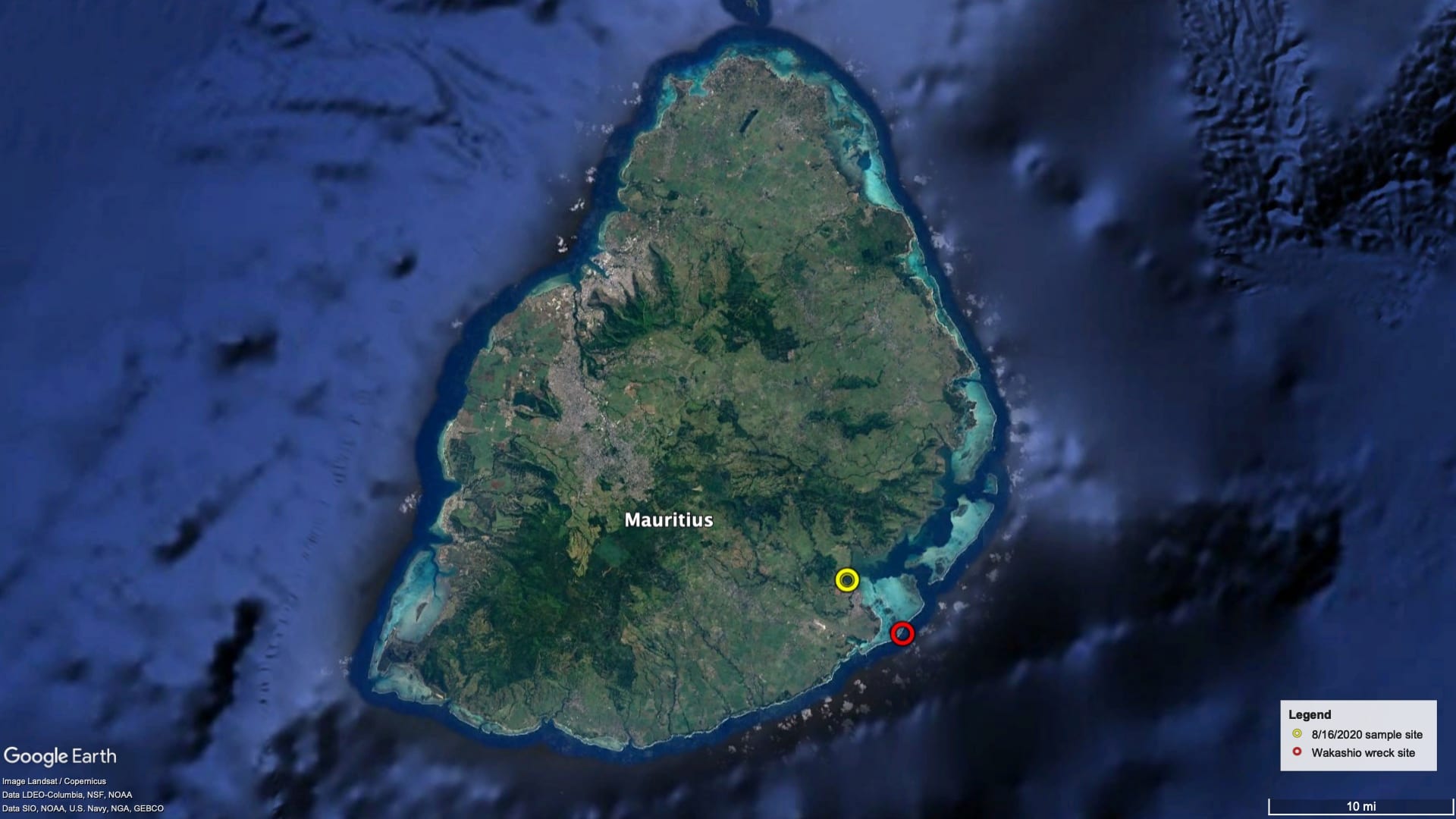
When the Japanese bulk carrier MV Wakashio struck a coral reef off the coast of Mauritius on July 25, 2020, and began leaking fuel oil two weeks later, local residents and the international community sprang into action to protect the pristine habitats that fringe the Indian Ocean nation.
Read MoreNew paper addresses the mix of contaminants in Fukushima wastewater
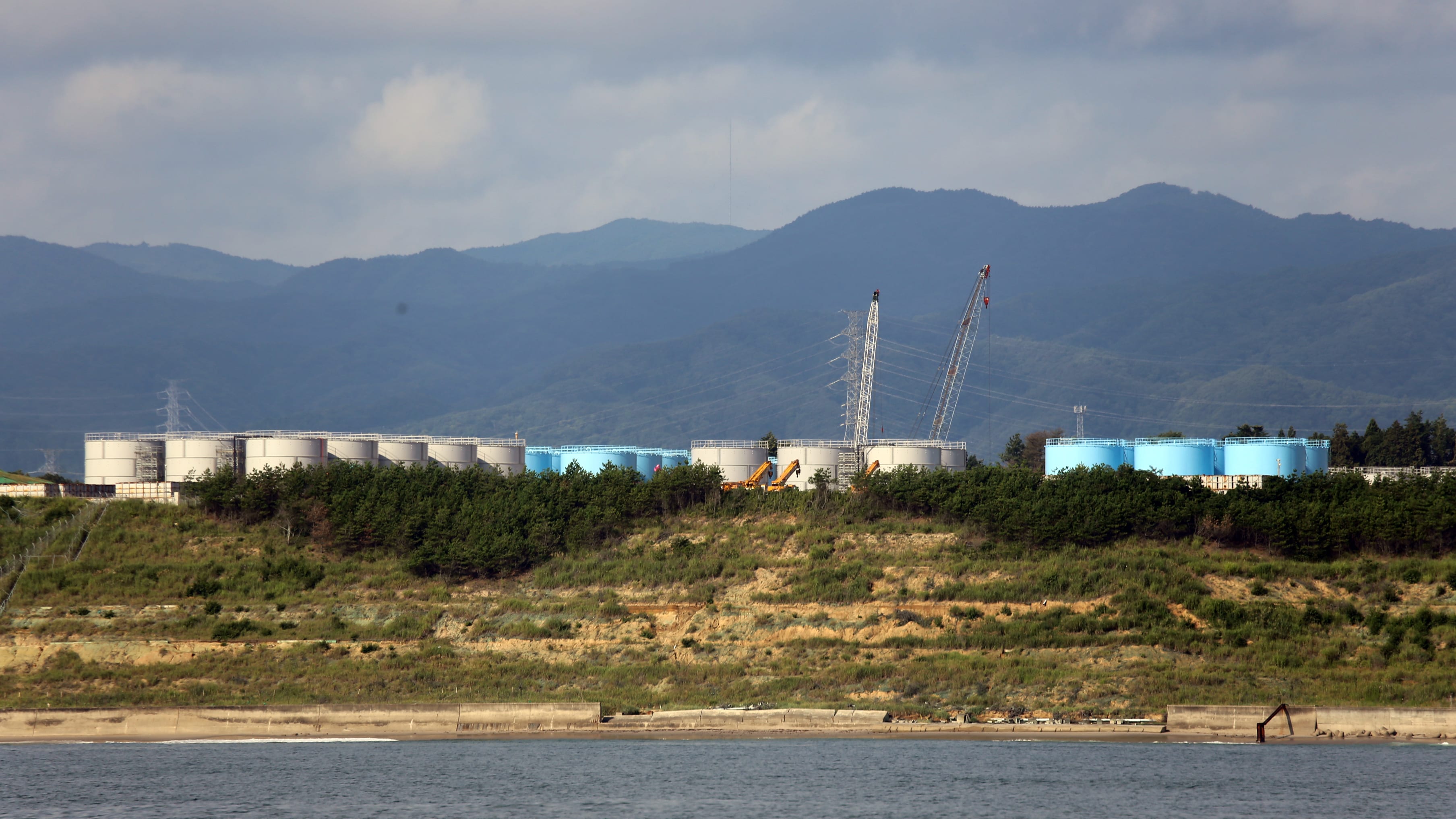
A new study in the journal Science addresses recent suggestions that treated wastewater from the Fukushima Dai-ichi Nuclear Power Plant should be dumped in the ocean.
Read MoreWHOI Scientists Make Woods Hole Film Festival Appearance
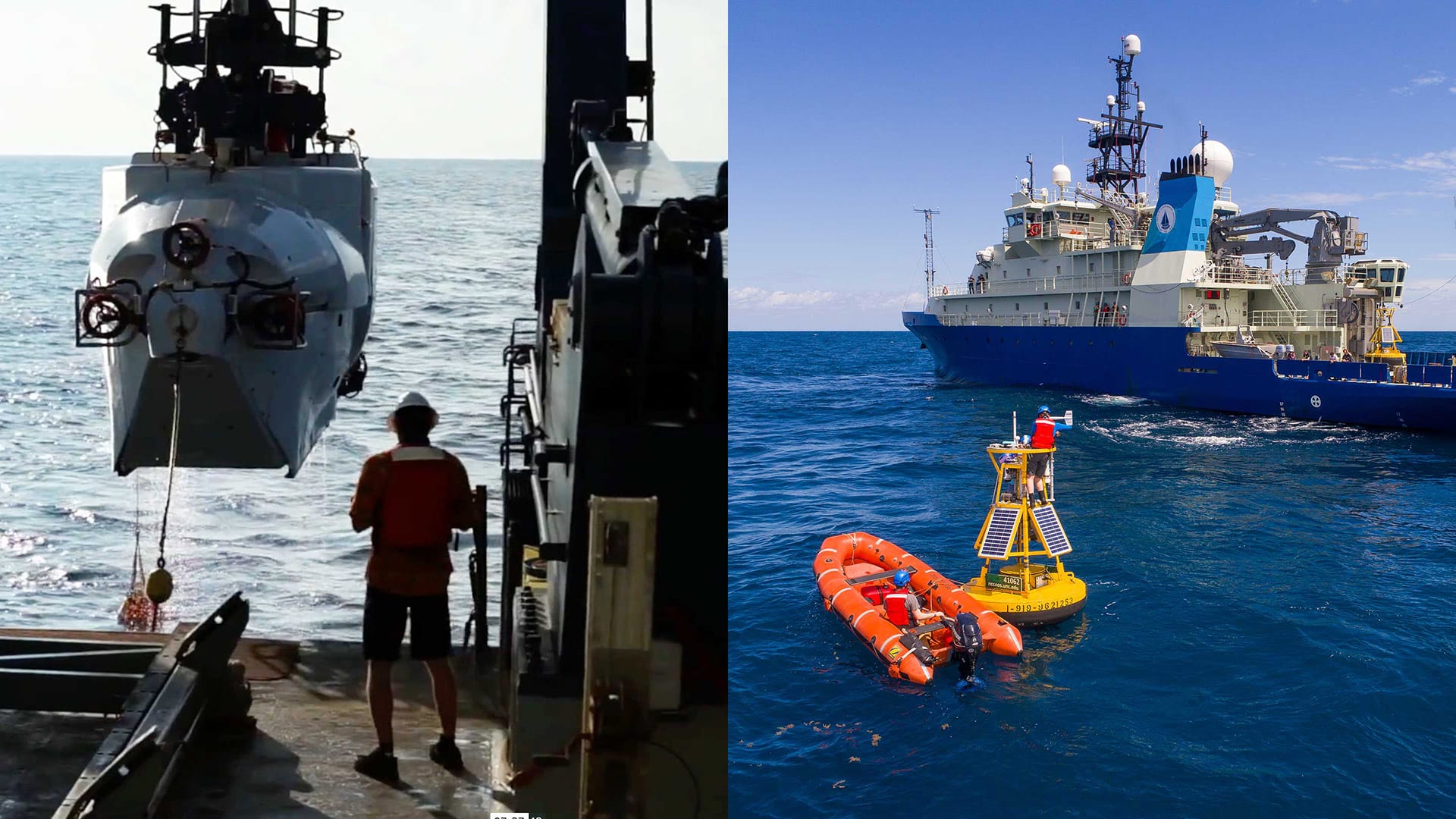
Woods Hole Oceanographic Institution (WHOI) scientists appear in two shorts and a feature film at this year’s Woods Hole Film Festival (WHFF). In addition, scientists will also participate in Q&A…
Read MoreWhat did scientists learn from Deepwater Horizon?
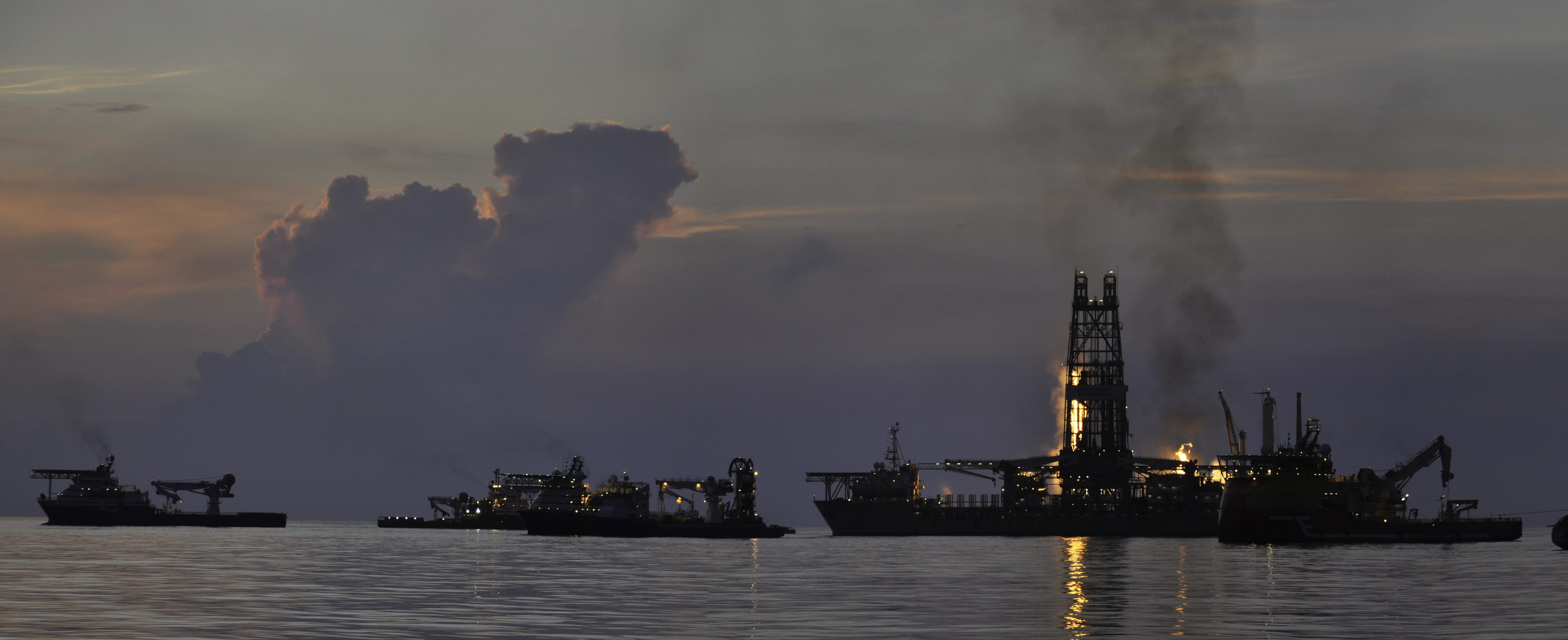
Ten years after the Deepwater Horizon explosion caused the largest accidental marine oil spill in history, WHOI marine geochemists Elizabeth Kujawinski and Christopher Reddy review what they— and their science colleagues from around the world—have learned.
Read MoreSunlight degrades polystyrene faster than expected
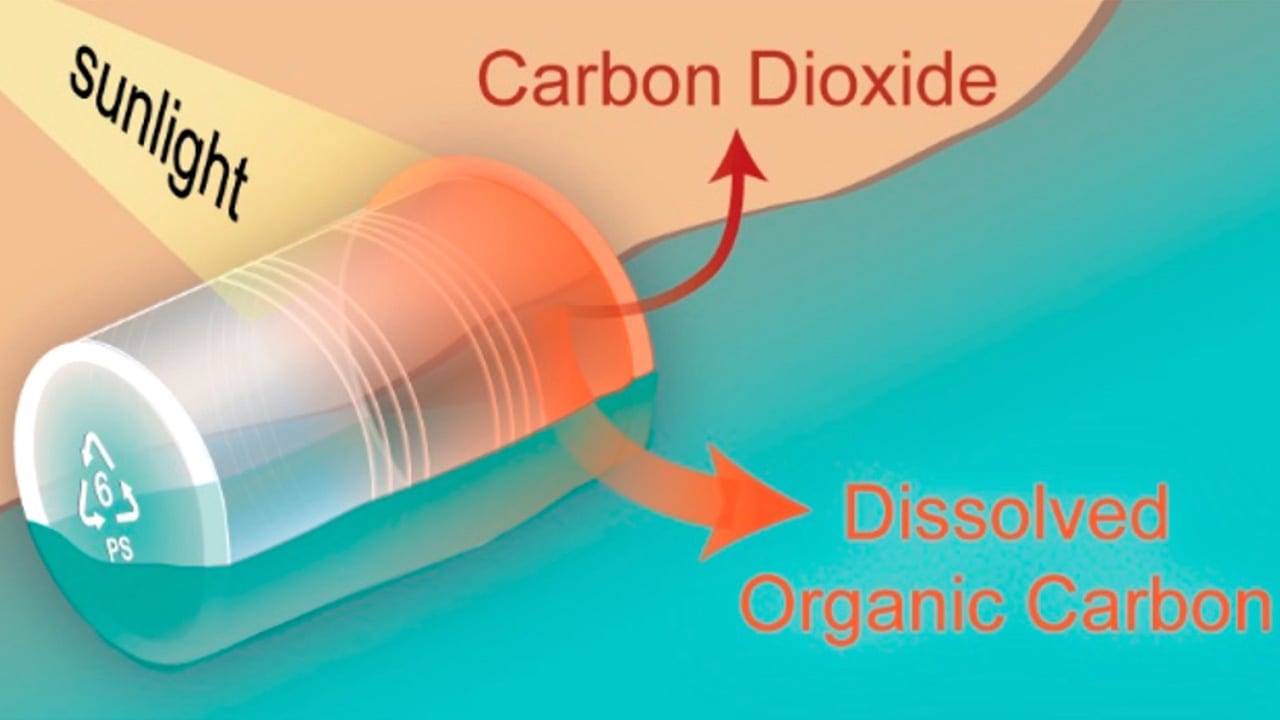
The general consensus of governmental agencies is that it takes polystyrene thousands of years to fully break down. But a new study shows that it may instead degrade in decades or centuries when exposed to sunlight.
Read MoreFlounder Now Tumor-free in Boston Harbor
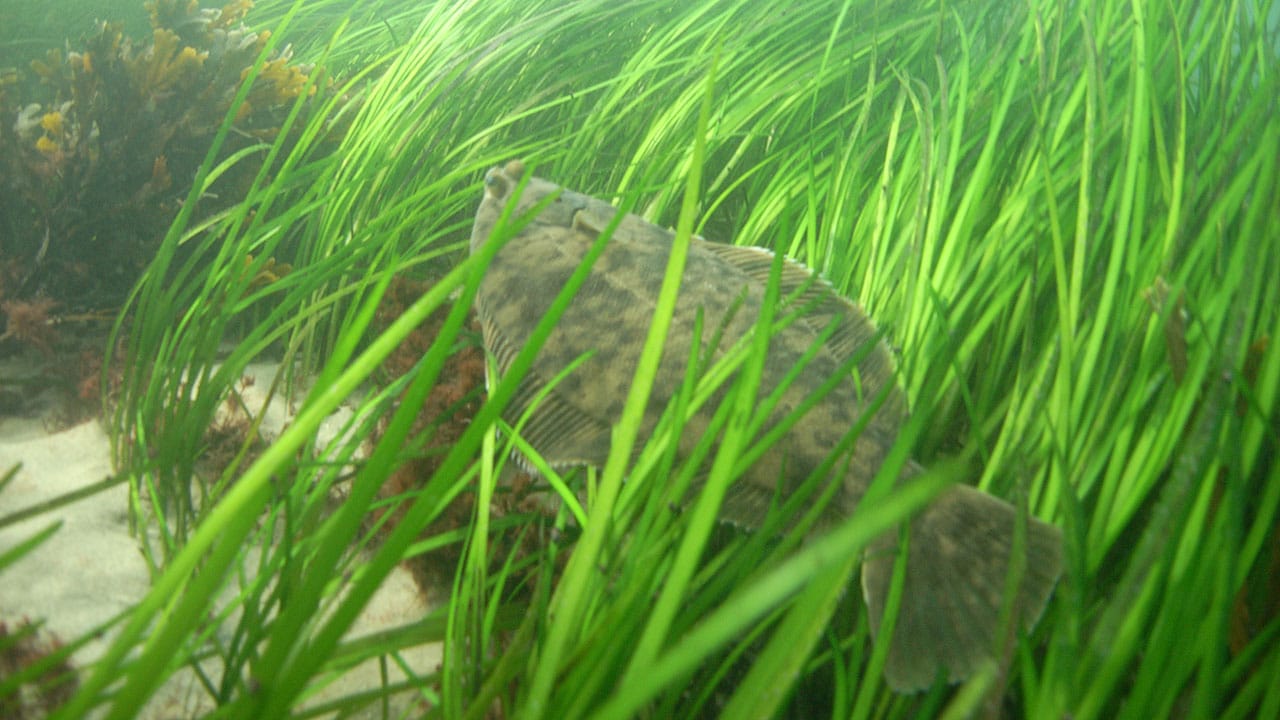
In the late 1980s, more than three-quarters of the winter flounder caught in Boston Harbor – one of the most polluted harbors in America – showed signs of liver disease, many of them with cancerous tumors. But now, a scientist at Woods Hole Oceanographic Institution (WHOI) has documented a dramatic rebound in flounder health spurred by decades of remediation efforts, including a $3.8 billion project to construct a sewage treatment plant and a 9.5-mile discharge tunnel with a 6,600-foot-long outfall diffuser. The findings appear in the Nov. 20, 2018 issue of the journal Diseases of Aquatic Organisms.
Read MoreSunlight Reduces Effectiveness of Dispersants Used in Oil Spills
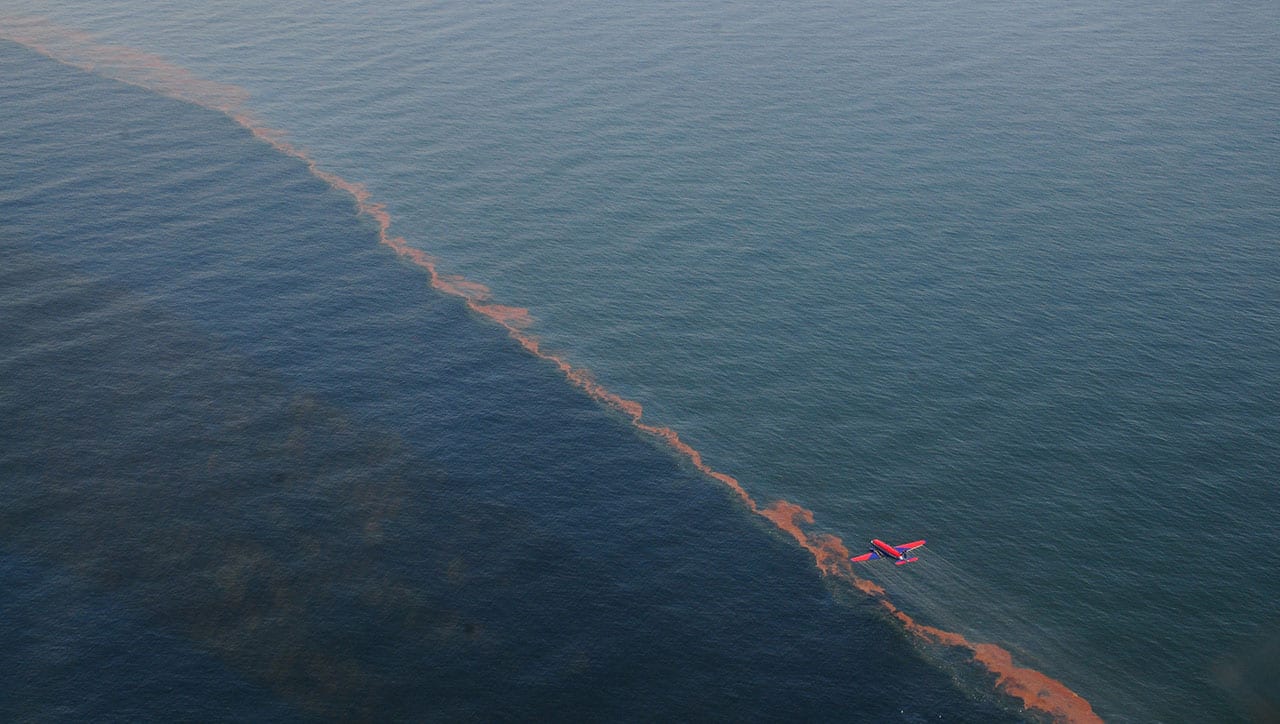
A research team led by Woods Hole Oceanographic Institution (WHOI) found that sunlight chemically alters crude oil floating on the sea surface within hours or days. In a follow-up study the team reported that sunlight changes oil into different compounds that dispersants cannot easily break up. The results of these two studies could affect how responders decide when, where, and how to use dispersants.
Read More