
News Releases
Deepest sediment core collected in the Atlantic Ocean
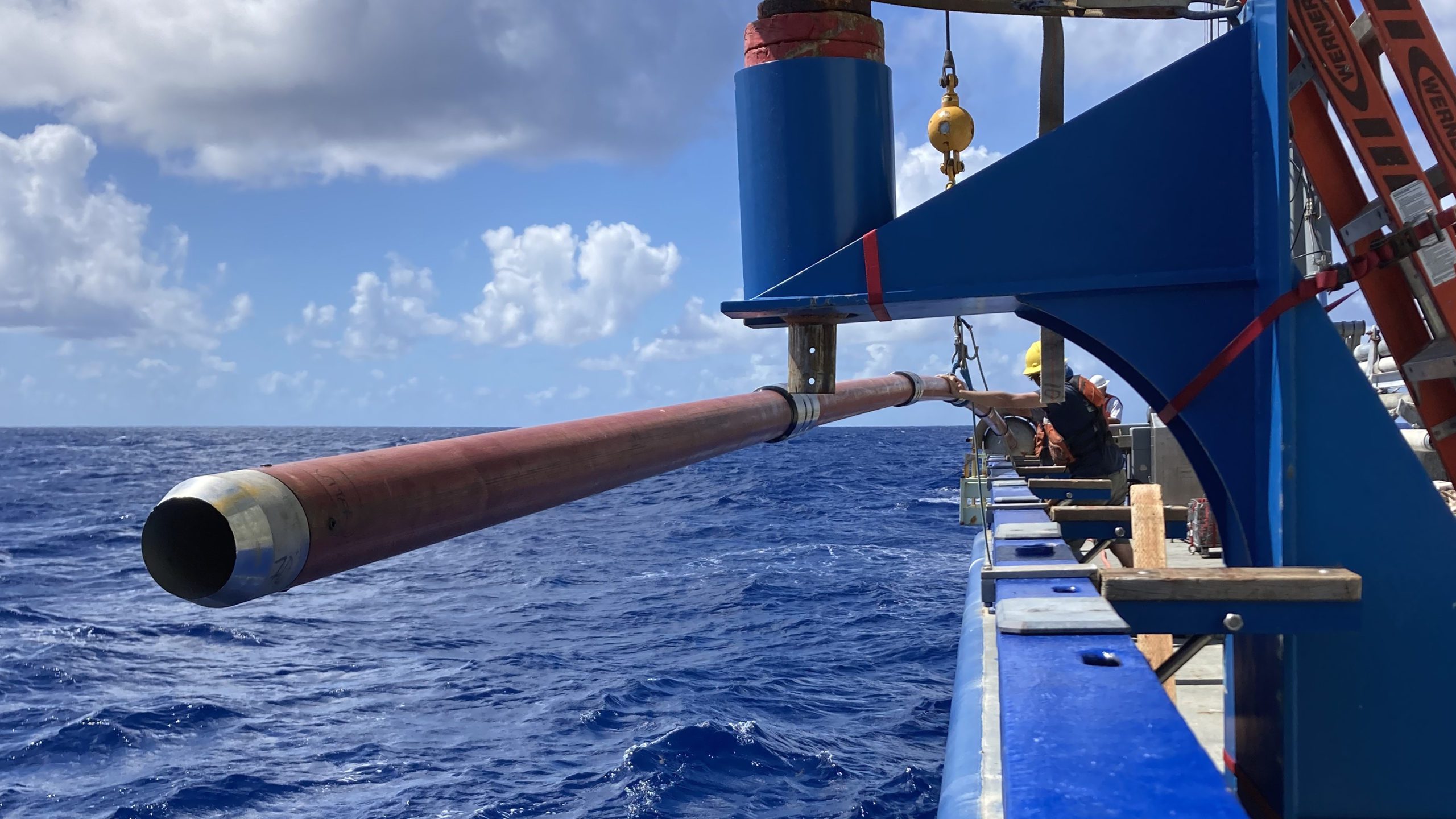
A team of scientists, engineers, and ship’s crew on the research vessel Neil Armstrong operated by the Woods Hole Oceanographic Institution (WHOI) recently collected a 38-foot-long cylindrical sediment sample from the deepest part of the Puerto Rico Trench, nearly 5 miles below the surface.
Read MoreVolcanic Arcs Form by Deep Melting of Rock Mixtures
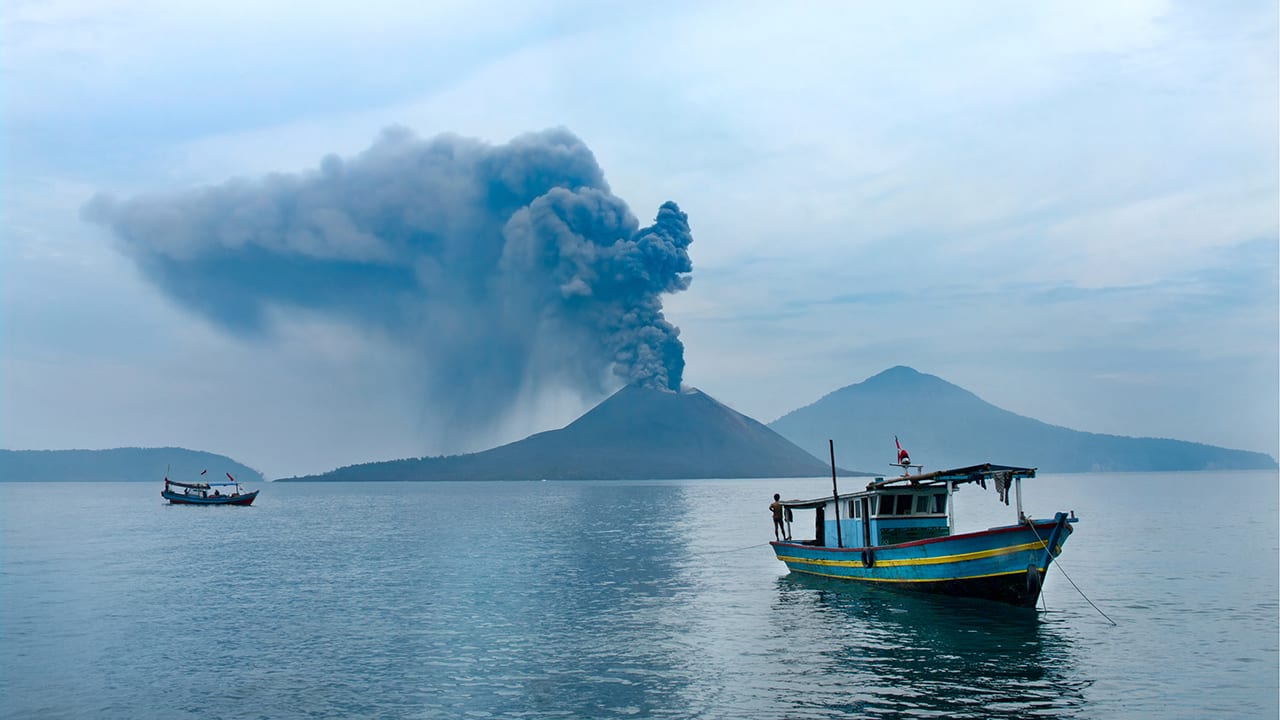
A new study published in the journal Science Advances changes our understanding of how volcanic arc lavas are formed, and may have implications for the study of earthquakes and the risks of volcanic eruption.
Read MoreExplorer and Filmmaker James Cameron Gives DEEPSEA CHALLENGER Sub to Woods Hole Oceanographic Institution
Explorer and filmmaker James Cameron and Woods Hole Oceanographic Institution (WHOI) have formed a partnership to stimulate advances in ocean science and technology and build on the historic breakthroughs of the 2012…
Read MoreWHOI Researchers, Collaborators Receive $1.4 Million to Study Life in Ocean’s Greatest Depths
Scientists from the Woods Hole Oceanographic Institution (WHOI), University of Hawaii, Whitman College and international colleagues will conduct the first systematic study of life in the deepest marine habitat on…
Read MoreHybrid Remotely Operated Vehicle Nereus Reaches Deepest Part of the Ocean
A new type of deep-sea robotic vehicle called Nereus has successfully reached the deepest part of the world’s ocean, reports a team of U.S. engineers and scientists aboard the research…
Read MoreNew Hybrid Vehicle Will Enable U.S. Scientists to Reach Deepest Parts of the World Ocean Floor
For the first time since 1960, US scientists will be able to explore the deepest parts of the world’s oceans, up to seven miles below the surface, with a novel underwater vehicle capable of performing multiple tasks in extreme conditions. Researchers at the Woods Hole Oceanographic Institution (WHOI) are developing a battery-powered underwater robot to enable scientists to explore the ocean’s most remote regions up to 11,000 meters (36,000-feet) deep.
Read More