
News Releases
Ocean acidification causing coral ‘osteoporosis’ on iconic reefs
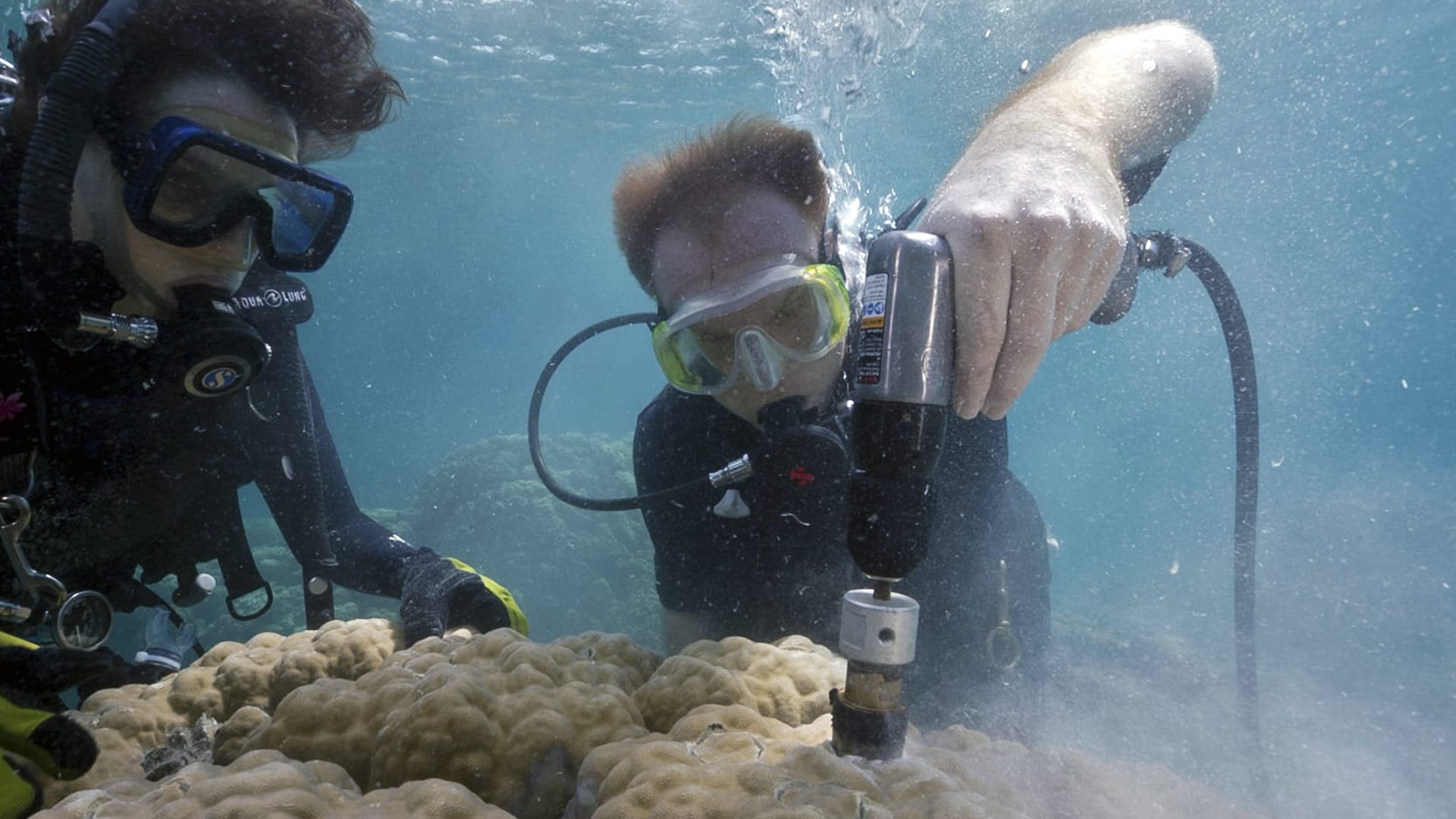
Scientists have long suspected that ocean acidification is affecting corals’ ability to build their skeletons, but it has been challenging to isolate its effect from that of simultaneous warming ocean…
Read MoreScientists Pinpoint How Ocean Acidification Weakens Coral Skeletons
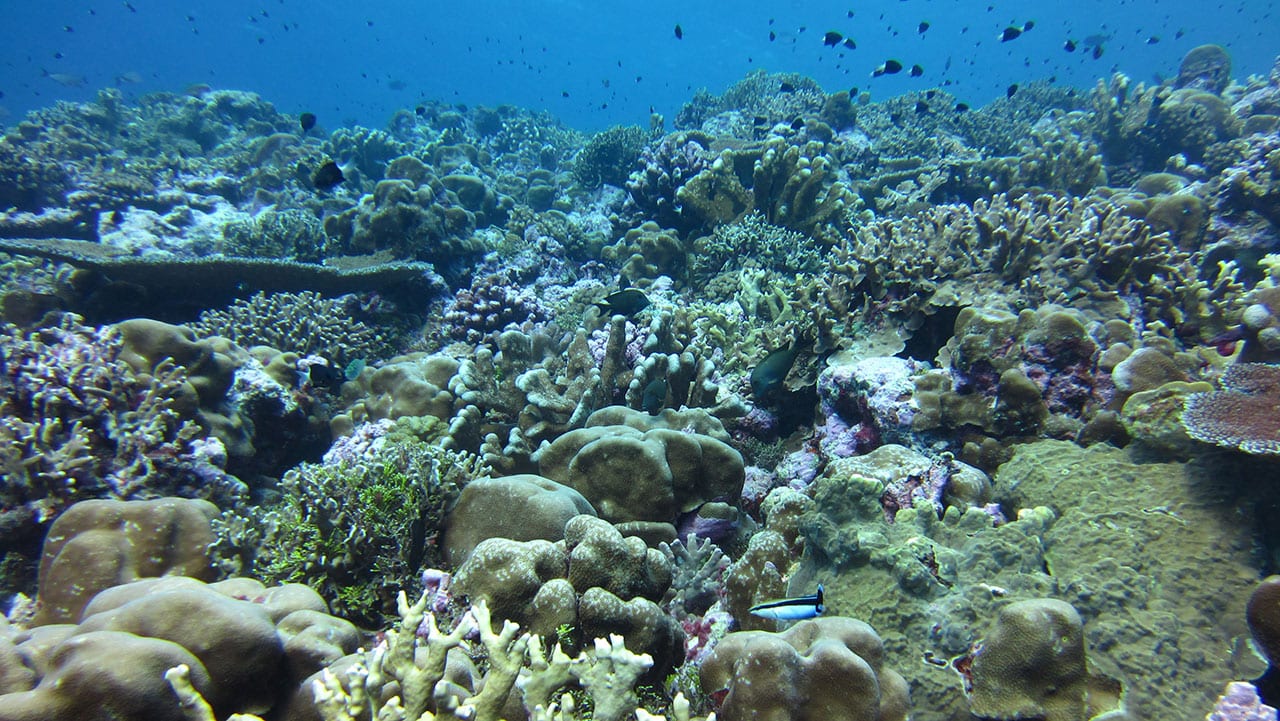
The rising acidity of the oceans threatens coral reefs by making it harder for corals to build their skeletons. A new study identifies the details of how ocean acidification affects coral skeletons, allowing scientists to predict more precisely where corals will be more vulnerable.
Read MoreClimate Change Will Irreversibly Force Key Ocean Bacteria into Overdrive
A new study from University of Southern California and Woods Hole Oceanographic Institution (WHOI) shows that changing conditions due to climate change could send Tricho into overdrive with no way to stop – reproducing faster and generating lots more nitrogen. Without the ability to slow down, however, Tricho has the potential to gobble up all its available resources, which could trigger die-offs of the microorganism and the higher organisms that depend on it.
Read MoreDiverse Corals Persist, But Bioerosion Escalates in Palau’s Low-pH Waters
As the ocean absorbs atmospheric carbon dioxide (CO2) released by the burning of fossil fuels, its chemistry is changing. The CO2 reacts with water molecules, lowering ocean pH in a process known as ocean acidification. This process also removes carbonate ions, an essential ingredient needed by corals and other organisms to build their skeletons and shells.
Read MoreSecuring the Supply of Sea Scallops for Today and Tomorrow
Good management has brought the $559 million United States sea scallop fishery back from the brink of collapse over the past 20 years. However, its current fishery management plan does not account for longer-term environmental change like ocean warming and acidification that may affect the fishery in the future. A group of researchers from Woods Hole Oceanographic Institution (WHOI), NOAA’s National Marine Fisheries Service, and Ocean Conservancy hope to change that.
Read MoreCoral Reefs Threatened by a Deadly Combination of Changing Ocean Conditions
As the ocean ‘s pH decreases and acidifies, coral reefs are more likely to begin dissolving and “drown”. A new study shows exposing corals to added nutrients increases their erosion and dissolution rate tenfold.
Read MoreCoral Reefs in Palau Surprisingly Resistant to Naturally Acidified Waters
Ocean researchers working on the coral reefs of Palau in 2011 and 2012 made two unexpected discoveries that could provide insight into corals’ resistance and resilience to ocean acidification and to aid in the creation of a plan to protect them.
Read MoreAcidifying oceans could spell trouble for squid
Acidifying oceans could dramatically impact the world’s squid species, according to a new study led by Woods Hole Oceanographic Institution (WHOI) researchers and just published online in the journal PLOS…
Read MoreWHOI to Host Public Event on Ocean Acidification
The Woods Hole Oceanographic Institution (WHOI) will host a public forum on ocean acidification and its effects on ocean life. Ocean acidification is a global problem that results from the…
Read MoreStudy Assesses Nations’ Vulnerabilities to Reduced Mollusk Harvests from Ocean Acidification
Changes in ocean chemistry due to increased carbon dioxide (CO2) emissions are expected to damage shellfish populations around the world, but some nations will feel the impacts much sooner and more intensely than others, according to a study by scientists at Woods Hole Oceanographic Institution (WHOI).
Read MoreInternational Group of Scientists Collaborate to Communicate about Ocean Acidification
Climate change is a well-known problem resulting from the burning of fossil fuels and the subsequent release of carbon dioxide (CO2) into the atmosphere. But a separate, lesser-known problem resulting…
Read MoreIn CO2-rich Environment, Some Ocean Dwellers Increase Shell Production
In a striking finding that raises new questions about carbon dioxide?s (CO2) impact on marine life, Woods Hole Oceanographic Institution (WHOI) scientists report that some shell-building creatures?such as crabs, shrimp and lobsters?unexpectedly build more shell when exposed to ocean acidification caused by elevated levels of atmospheric carbon dioxide (CO2).
Read MoreRising acidity levels could trigger shellfish revenue declines, job losses
Changes in ocean chemistry — a consequence of increased carbon dioxide (CO2) emissions from human industrial activity — could cause U.S. shellfish revenues to drop significantly in the next 50…
Read MoreAcid Rain Has a Disproportionate Impact on Coastal Waters
The release of sulfur and nitrogen into the atmosphere by power plants and agricultural activities plays a minor role in making the ocean slightly more acidic on a global scale, but the impact is greatly amplified in the shallower waters of the coastal ocean, according to new research by atmospheric and marine chemists.
Read More