
News Releases
Scientists uncover a new way to forecast eruptions at mid-ocean ridges through hydrothermal vent temperatures
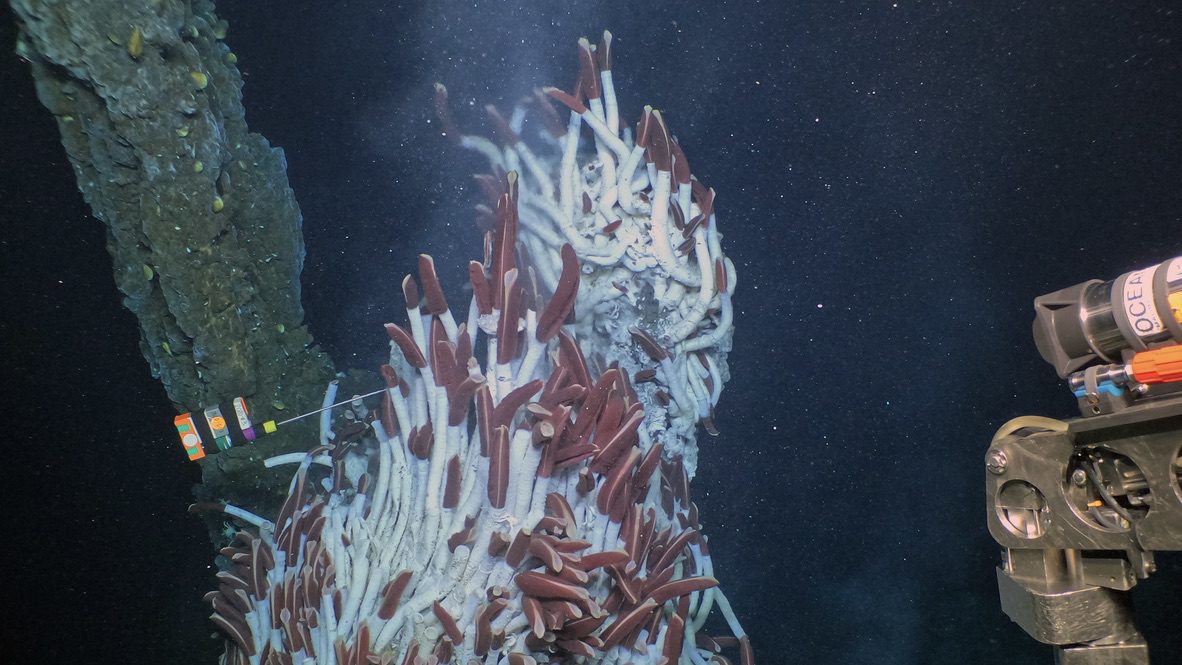
A new study reveals fluctuations in temperature of fluids from hydrothermal vents indicate the effects of magmatic and tectonic processes that occur miles beneath the seafloor.
Read MoreResearchers Studying Ocean Transform Faults, Describe a Previously Unknown Part of the Geological Carbon Cycle

Woods Hole, Mass. – Studying a rock is like reading a book. The rock has a story to tell, says Frieder Klein, an associate scientist in the Marine Chemistry &…
Read MoreBuilding Blocks of Life on the Atlantis Massif
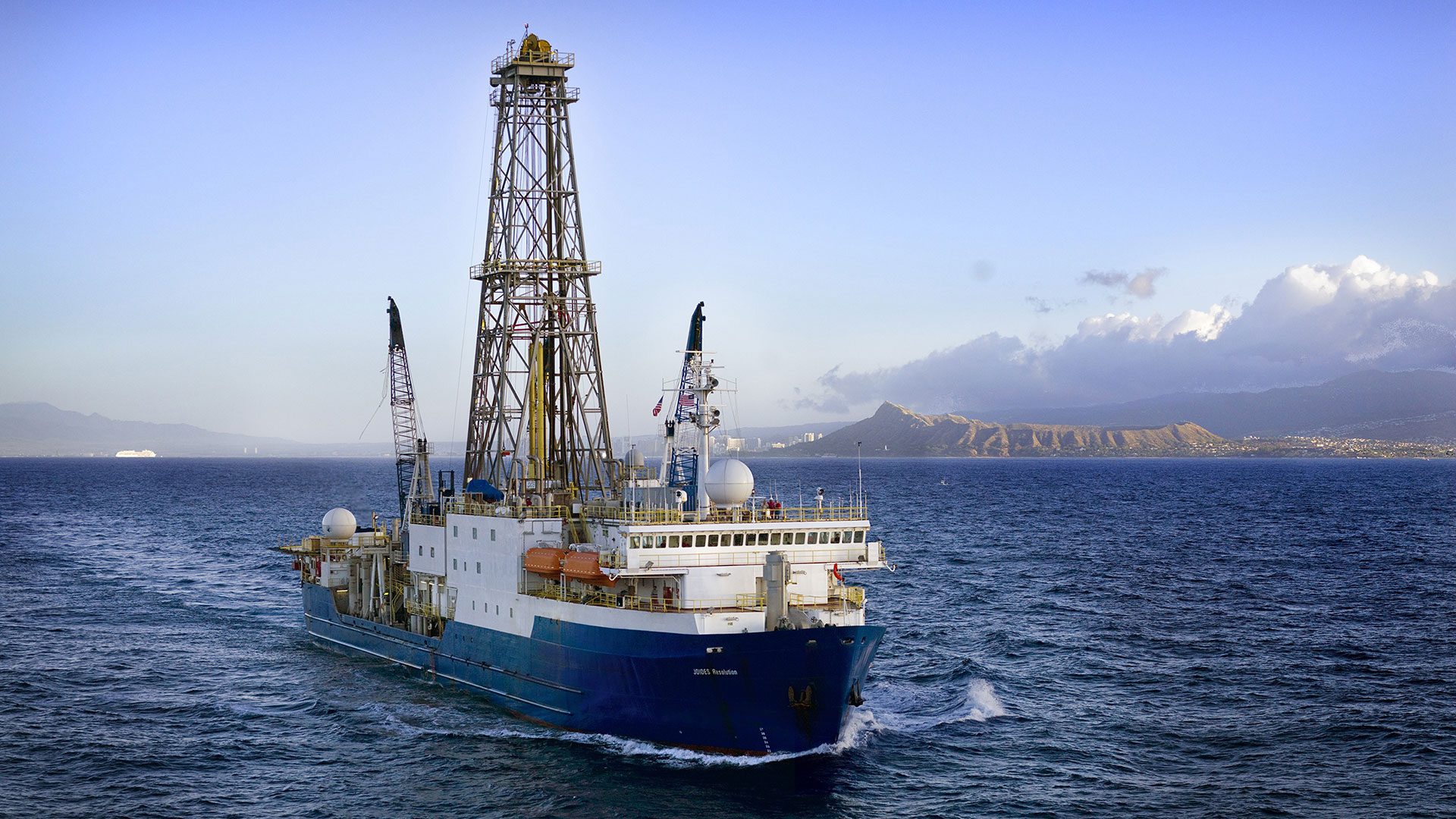
An upcoming expedition aboard the US ocean drilling ship JOIDES Resolution co-led by Susan Q. Lang, a geochemist at WHOI and director NOSAMS Facility, will attempt to shed new light on the processes that likely helped jumpstart the formation of life early in Earth’s history.
Read MoreArctic Hydrothermal Vent Site Could Help in Search for Extraterrestrial Life
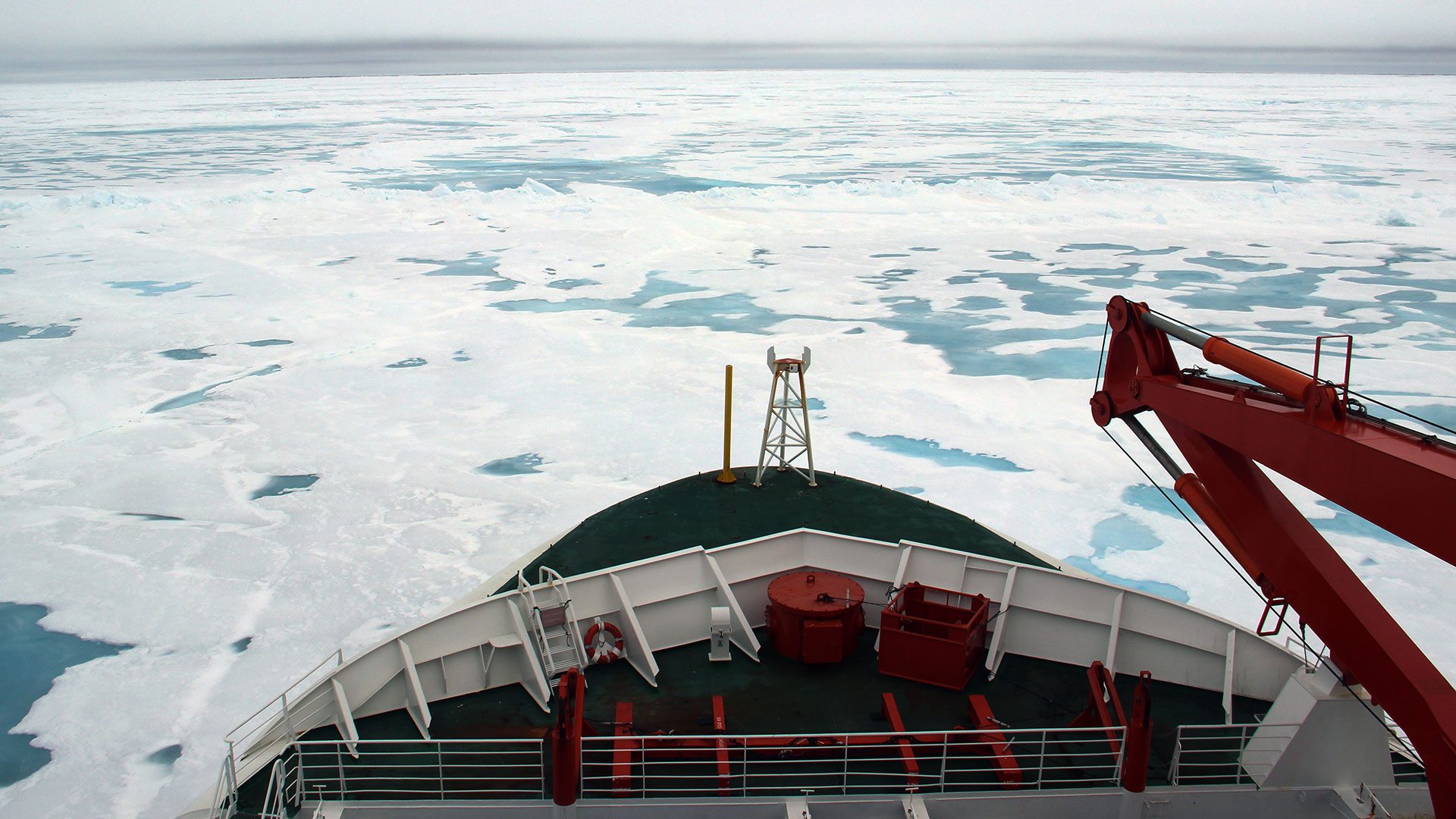
When scientists discovered a hydrothermal vent site in the Arctic Ocean’s Aurora hydrothermal system in 2014, they did not immediately realize just how exciting their discovery was.
Read MoreVolcanic Arcs Form by Deep Melting of Rock Mixtures
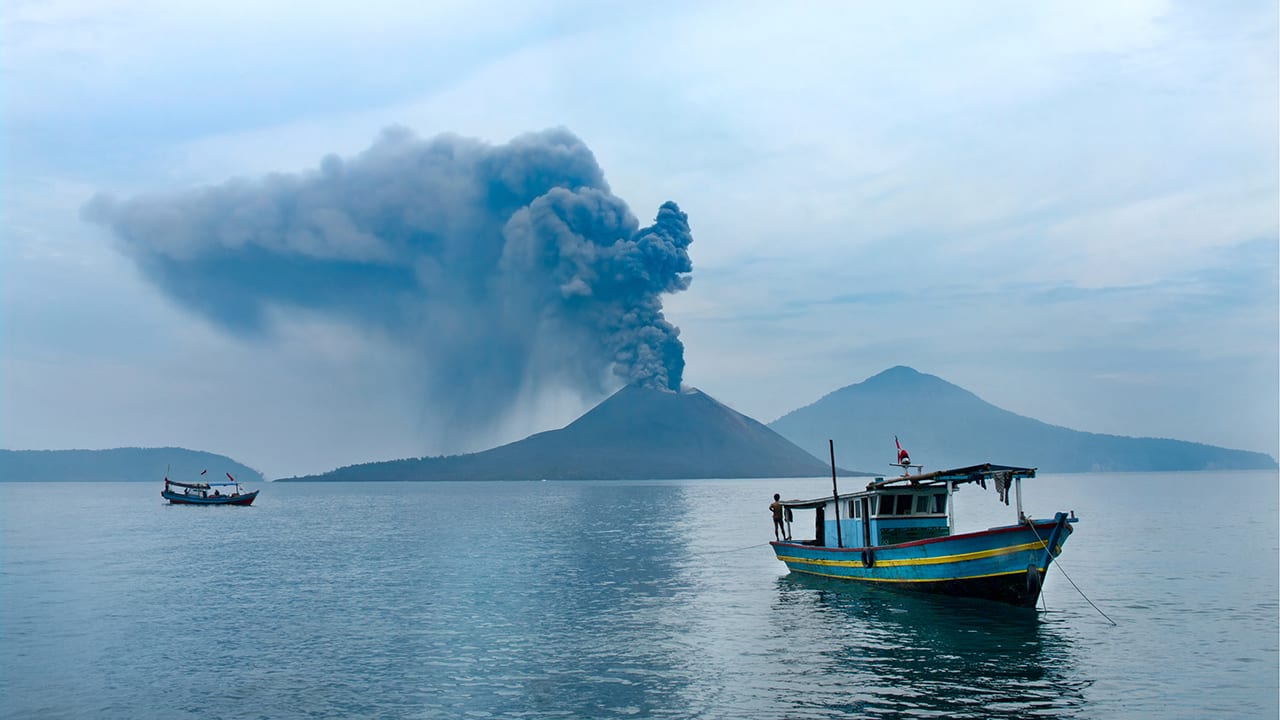
A new study published in the journal Science Advances changes our understanding of how volcanic arc lavas are formed, and may have implications for the study of earthquakes and the risks of volcanic eruption.
Read MoreResearchers Compile Most Detailed Map of an Underwater Eruption
Examining more than 50,000 seafloor images, geologists have created the most detailed map ever assembled for a volcanic eruption along a fast-spreading mid-ocean ridge. Researchers from the Woods Hole Oceanographic…
Read MoreScientists “See” New Ocean Floor Just Before and After It Is Created
A multidisciplinary research team from six institutions has for the first time successfully anticipated and then chronicled a seafloor eruption along the global mid-ocean ridge, the most active volcanic system on Earth. The event along the East Pacific Rise has provided researchers from Woods Hole Oceanographic Institution (WHOI) with a rare opportunity to observe what happens in the immediate aftermath of an eruption.
Read MoreScientists Report New Type of Mid-Ocean Ridge in Remote Parts of the Earth
Scientists from the Woods Hole Oceanographic Institution (WHOI) have identified a new type of ocean ridge that is spreading so slowly that Earth’s mantle is exposed over large regions of the sea floor. Their findings of a new ultraslow class of ridge, reported in the November 27 issue of the journal Nature, offer a major change in thinking about the formation of the great crustal plates that make up the surface of the earth.
Read MoreCruise to Top of the World Reveals New Insights into Formation of Earth’s Crust
Volcanoes on the floor of the Arctic ocean and fissures that reach directly to Earth’s mantle are findings published in today’s issue of Nature that present new ideas on the formation of Earth’s crust.
Read MoreInternational Expedition to the Top of the World May Hold Clues To Formation of Earth’s Crust
When the new U.S. Coast Guard icebreaker HEALY departs Tromso, Norway, July 31 for a two-month cruise across the Arctic Ocean, scientists won’t be studying the ice cap but the seafloor far below. Their focus will be the Gakkel Ridge, three miles beneath the ocean surface, the slowest spreading ridge on earth. It is a window into the earth’s interior scientists hope will help fill a gap in their knowledge of how the earth’s crust forms.
Read More