
News Releases
Paleoclimate data show land will warm more than sea
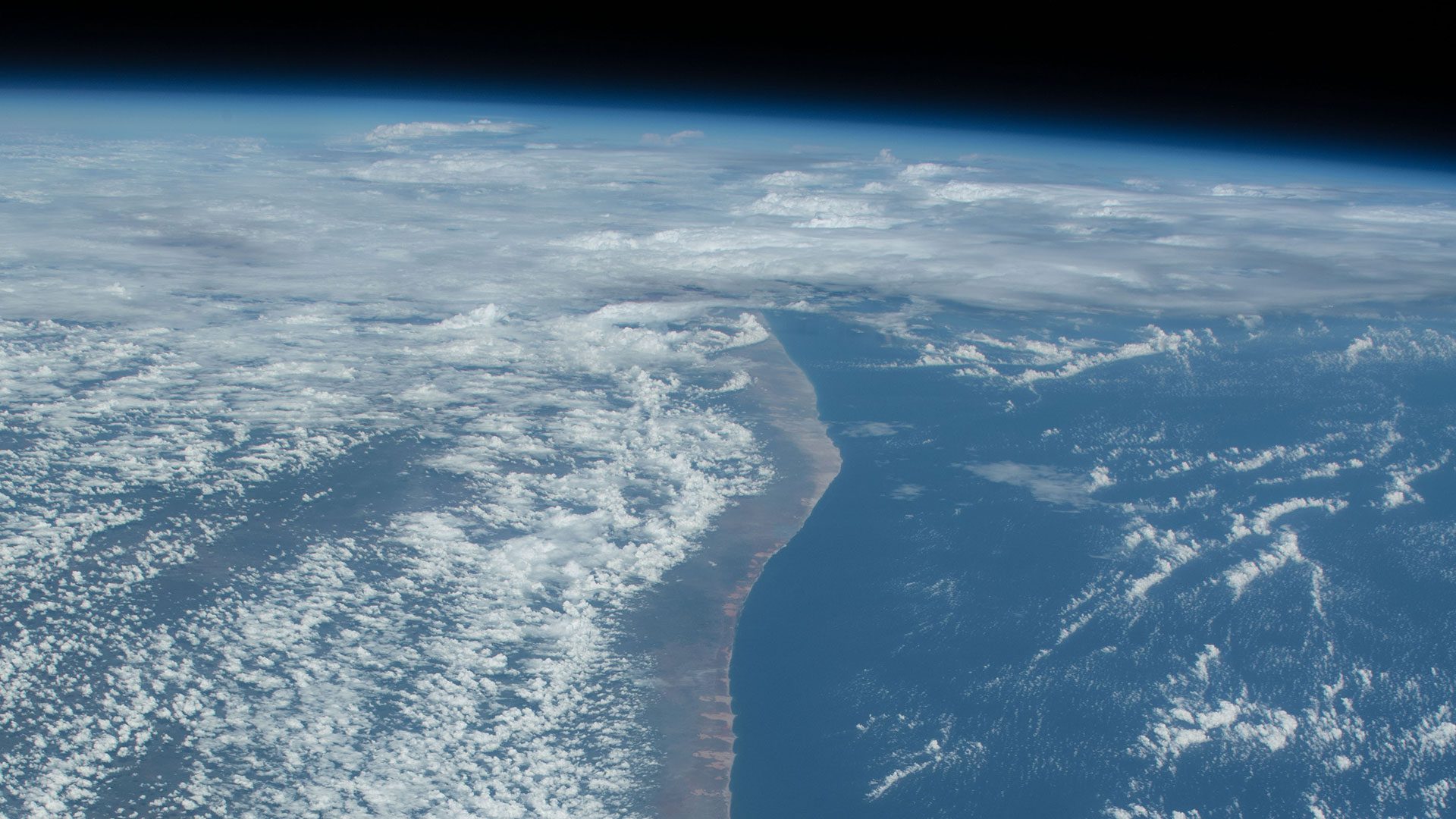
Understanding differences in land vs. sea temperatures may improve climate models, says WHOI study
Read MoreIcebergs drifting from Canada to Southern Florida
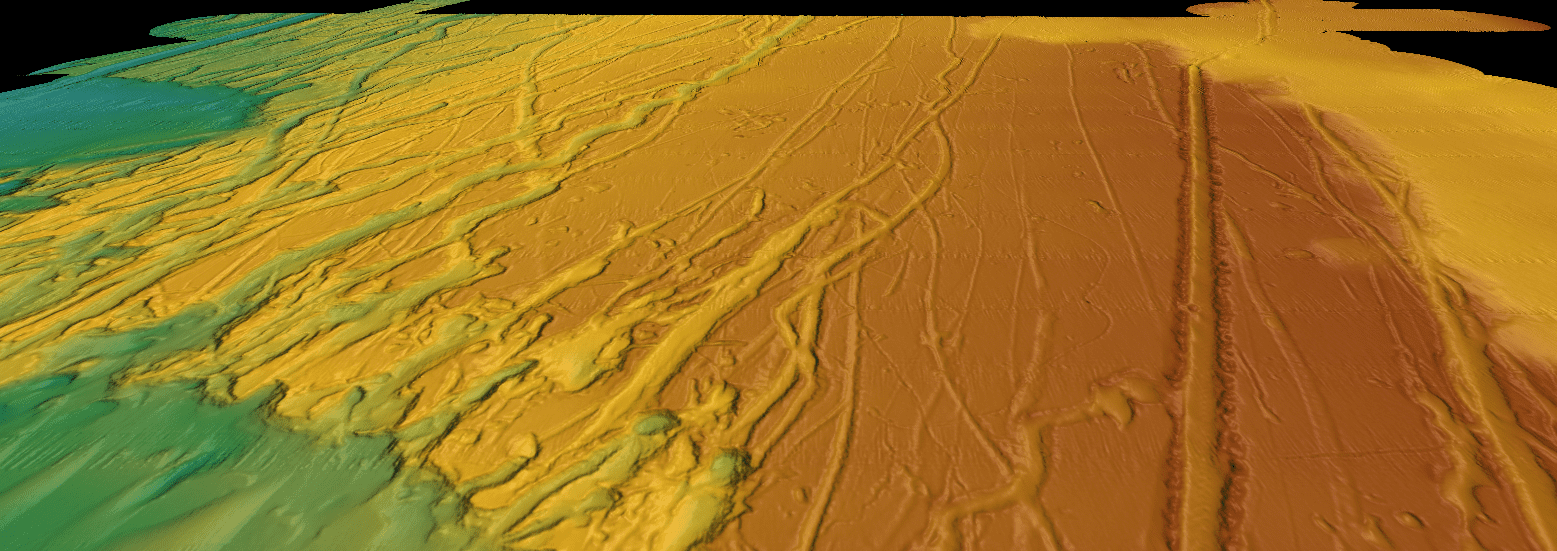
A newly developed iceberg computer model helped the researchers understand the timing and circulation of meltwater and icebergs through the global oceans during glacial periods, which is crucial for deciphering how past changes in high-latitude freshwater forcing influenced shifts in climate.
Read MoreStudy Finds 6⁰C Cooling on Land during the Last Ice Age, With Implications about Future Global Warming
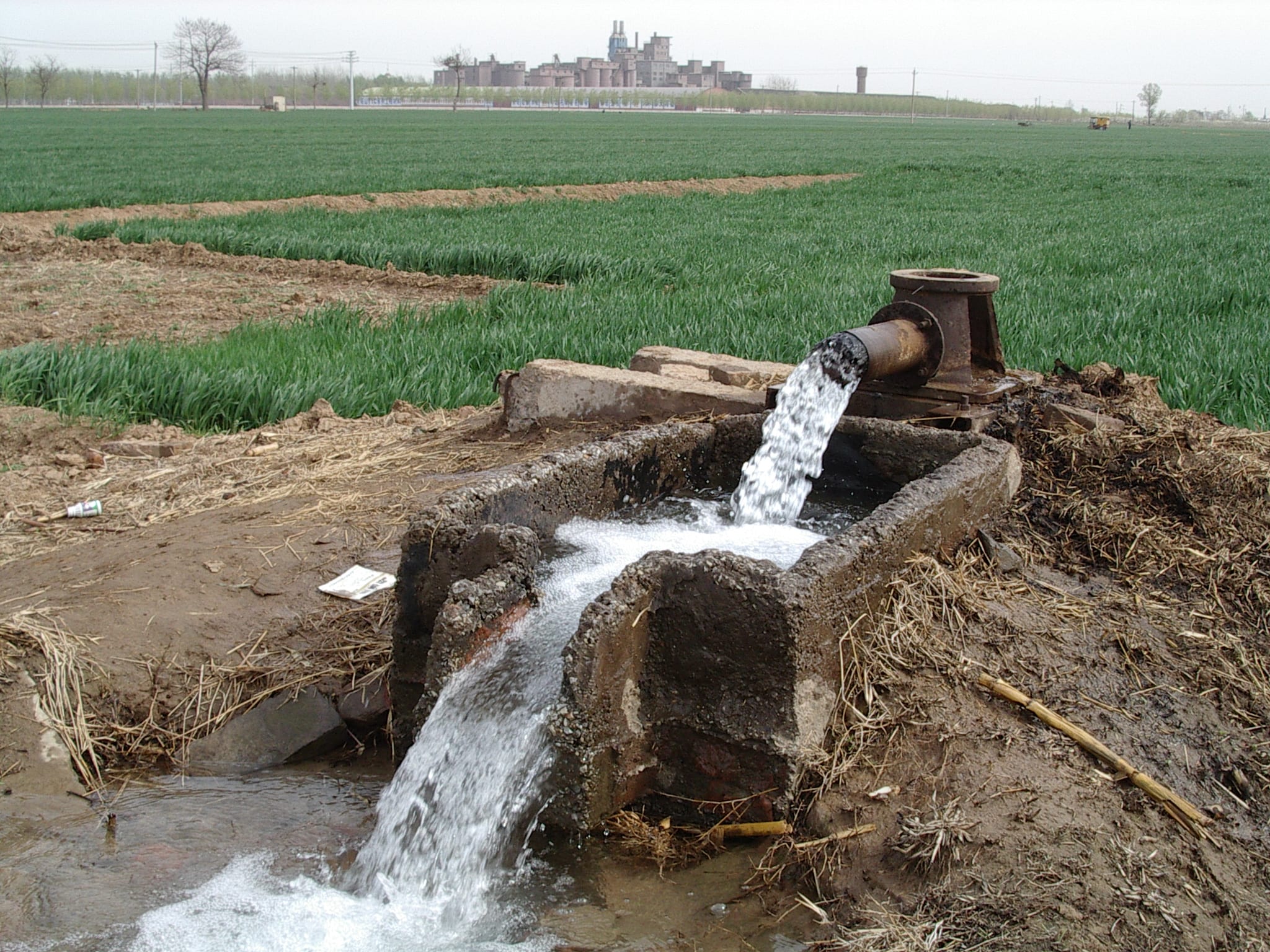
A recent report shows that prior studies have underestimated the cooling in the last glacial period, which has low-balled estimates of the Earth’s climate sensitivity to greenhouse gases. The rather high climate sensitivity is not good news regarding future global warming, which may be stronger than expected using previous best estimates.
Read MoreStudy reveals Missoula Floods impact on past abrupt climate changes
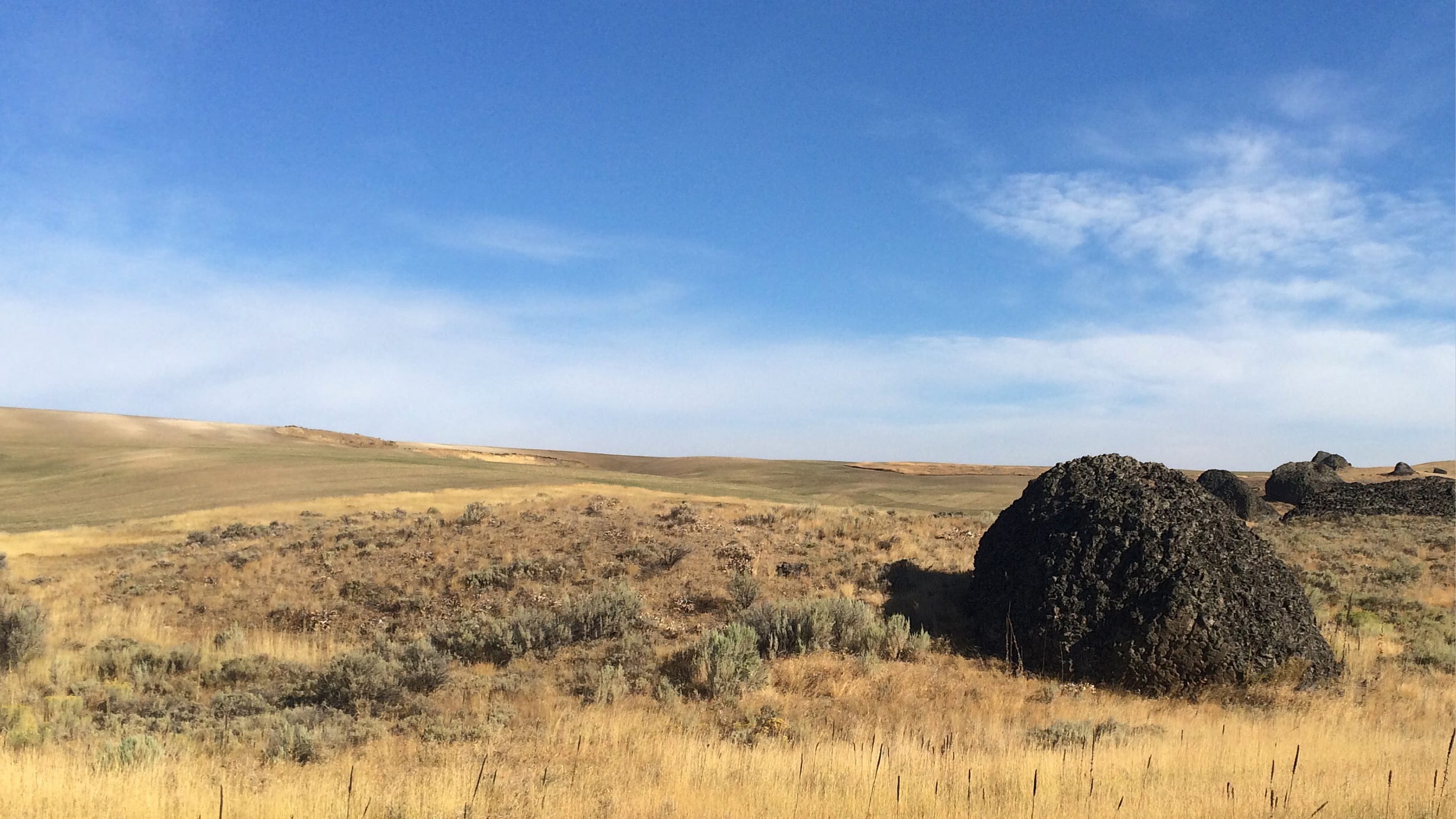
A new study shows for the first time how massive flood events in the eastern North Pacific Ocean—known as the Missoula Floods—may have in part triggered abrupt climate changes in the Northern Hemisphere during the last deglaciation (approximately 19,000–11,700 years ago).
Read MoreThe long memory of the Pacific Ocean
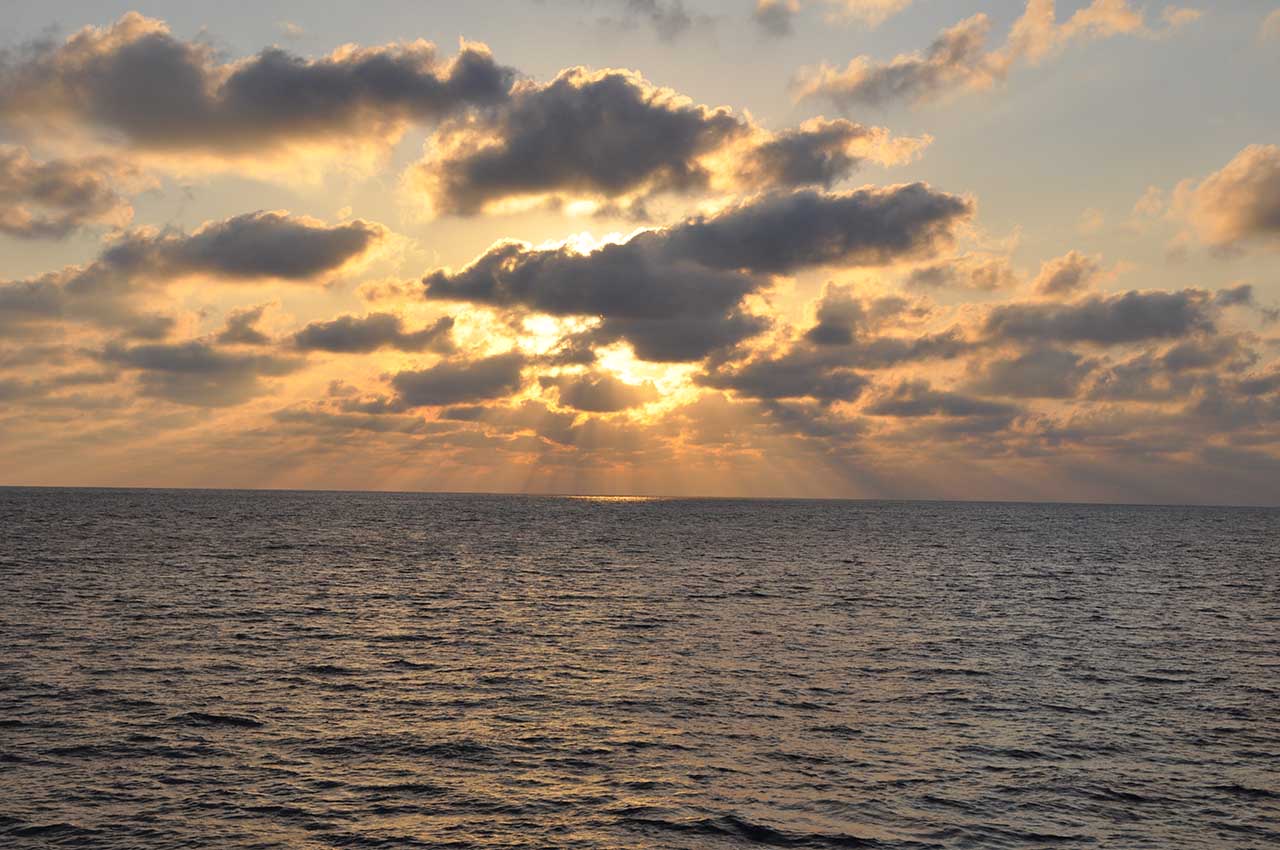
Researchers from the Woods Hole Oceanographic Institution (WHOI) and Harvard University have found that the deep Pacific Ocean lags a few centuries behind in terms of temperature and is still adjusting to the entry into the Little Ice Age. Whereas most of the ocean is responding to modern warming, the deep Pacific may be cooling.
Read MoreMonster hurricanes reached U.S. during prehistoric periods of ocean warming
Intense hurricanes, possibly more powerful than any storms New England has experienced in recorded history, frequently pounded the region during the first millennium, from the peak of the Roman Empire into the height of the Middle Ages, according to a new study. The findings could have implications for the intensity and frequency of hurricanes the U.S. could experience as ocean temperatures increase as a result of climate change, according to the study’s authors.
Read MoreStudy Supplies Insight into Behavior of African Monsoon
Think of the Sahara and you will conjure images of a vast desert landscape, with nothing but sand as far as the eye can see. But for a period of about 10,000 years, the Sahara was characterized by lush, green vegetation and a network of lakes, rivers and deltas.
This “green Sahara” occurred between 14,800 and 5,500 years ago during what is known as the “African Humid Period.” Why and how it ended is the subject of scientific study that holds important information for predicting the region’s response to future climate change.
In a study published this week in Nature Geoscience, a team of researchers provides new insight into the behavior of the African monsoon at the end of the African Humid Period and the factors that caused it to collapse.
Read MoreEvidence Suggests California’s Drought is the Worst in 1,200 Years
As California finally experiences the arrival of a rain-bearing Pineapple Express this week, two climate scientists from the University of Minnesota and Woods Hole Oceanographic Institution have shown that the drought of 2012-2014 has been the worst in 1,200 years.
Read MoreWHOI Announces 2013 Ocean Science Journalism Fellows
Ten science reporters, writers, and multimedia journalists from the U.S., Canada, and India have been selected to participate in the competitive Woods Hole Oceanographic Institution (WHOI) Ocean Science Journalism Fellowship…
Read MoreScientists Explore Roots of Future Tropical Rainfall
How will rainfall patterns across the tropical Indian and Pacific regions change in a future warming world? Climate models generally suggest that the tropics as a whole will get wetter,…
Read MoreThe Black Sea is a Goldmine of Ancient Genetic Data
Black Sea, sediment, genetic data, past climate, Strait of Bosphorus, Liviu Giosan, Marco Coolen, paleo, DNA, dinocysts, dinoflagellate
Read MoreHuman Impact Felt on Black Sea Long Before Industrial Era
When WHOI geologist Liviu Giosan first reconstructed the history of how the Danube River built its delta, he was presented with a puzzle. In the delta’s early stages of development,…
Read MoreClimate Change Led to Collapse of Ancient Indus Civilization, Study Finds
A new study combining the latest archaeological evidence with state-of-the-art geoscience technologies provides evidence that climate change was a key ingredient in the collapse of the great Indus or Harappan Civilization almost 4000 years ago. The study also resolves a long-standing debate over the source and fate of the Sarasvati, the sacred river of Hindu mythology.
Read MoreStudy Links Major Shifts in Indian Civilizations to Past Changes in Monsoon
A fundamental shift in the Indian monsoon has occurred over the last few millennia, from a steady humid monsoon that favored lush vegetation to extended periods of drought, reports a new study led by researchers at the Woods Hole Oceanographic Institution (WHOI). The study has implications for our understanding of the monsoon’s response to climate change.
Read MoreNew Coral Dating Method Hints at Possible Future Sea-Level Changes
New evidence of sea-level oscillations during a warm period that started about 125,000 years ago raises the possibility of a similar scenario if the planet continues its more recent warming trend, says a research team led by the Woods Hole Oceanographic Institution (WHOI).
Read MoreNew Temperature Reconstruction from Indo-Pacific Warm Pool
A new 2,000-year-long reconstruction of sea surface temperatures (SST) from the Indo-Pacific warm pool (IPWP) suggests that temperatures in the region may have been as warm during the Medieval Warm…
Read MoreExtinction of Neanderthals Was Not a Climate Disaster Scenario
For the past few decades, scientists have offered several competing theories for what led to the extinction of the Neanderthals, with much of the debate focusing on the relative roles of climate change versus conflict with modern humans. Now one theory can be ruled out. New research by a multidisciplinary, international team?including paleoclimatologist Konrad Hughen of the Woods Hole Oceanographic Institution?shows that Neanderthals did not die out at a time of extreme and sudden climatic change, as some researchers have suggested.
Read MoreWHOI Geologists Compile Longest Ever Record of Atlantic Hurricane Strikes
The frequency of intense hurricanes in the Atlantic Ocean appears to be closely connected to long-term trends in the El Ni?o/Southern Oscillation and the African monsoon, according to new research from the Woods Hole Oceanographic Institution (WHOI). Geologists Jeff Donnelly and Jonathan Woodruff made that discovery while assembling the longest-ever record of hurricane strikes in the Atlantic basin.
Read MoreIce-Covered Arctic Lakes May Harbor Signs of Climate Change
Arctic coastal environments are some of the most vulnerable to climate change. A team of WHOI researchers visited Canada’s Mackenzie River Delta in April 2007 to find out just how…
Read MoreClimate Change in the Bottom of a Lake
Climate is often discussed in global terms, but it is the regional and local effects that will matter most to everyday people. WHOI geologist Jeff Donnelly and colleagues are looking…
Read MoreLinking Climate Change Across Time Scales
What do month-to-month changes in temperature have to do with century-to-century changes in temperature? At first it might seem like not much. But in a report published in this week’s…
Read MoreWarmer than a Hot Tub: Atlantic Ocean Temperatures Much Higher in the Past
Scientists have found evidence that tropical Atlantic Ocean temperatures may have once reached 107°F (42°C)about 25°F (14°C) higher than ocean temperatures today and warmer than a hot tub. The surprisingly…
Read MoreFine-tuning the Steps in the Intricate Climate Change Dance
New scientific findings are strengthening the case that the oceans and climate are linked in an intricate dance, and that rapid climate change may be related to how vigorously ocean…
Read MoreNew Coral Dating Technique Helps Resolve Changes in Sea Level Rise in the Past
Corals from Papua New Guinea and Barbados indicate that changes in sea level, one of the key indexes for global climate change, may have been more frequent in the past…
Read More