
News Releases
International research team discovers a potential source of abiotic methane in the Arctic Ocean
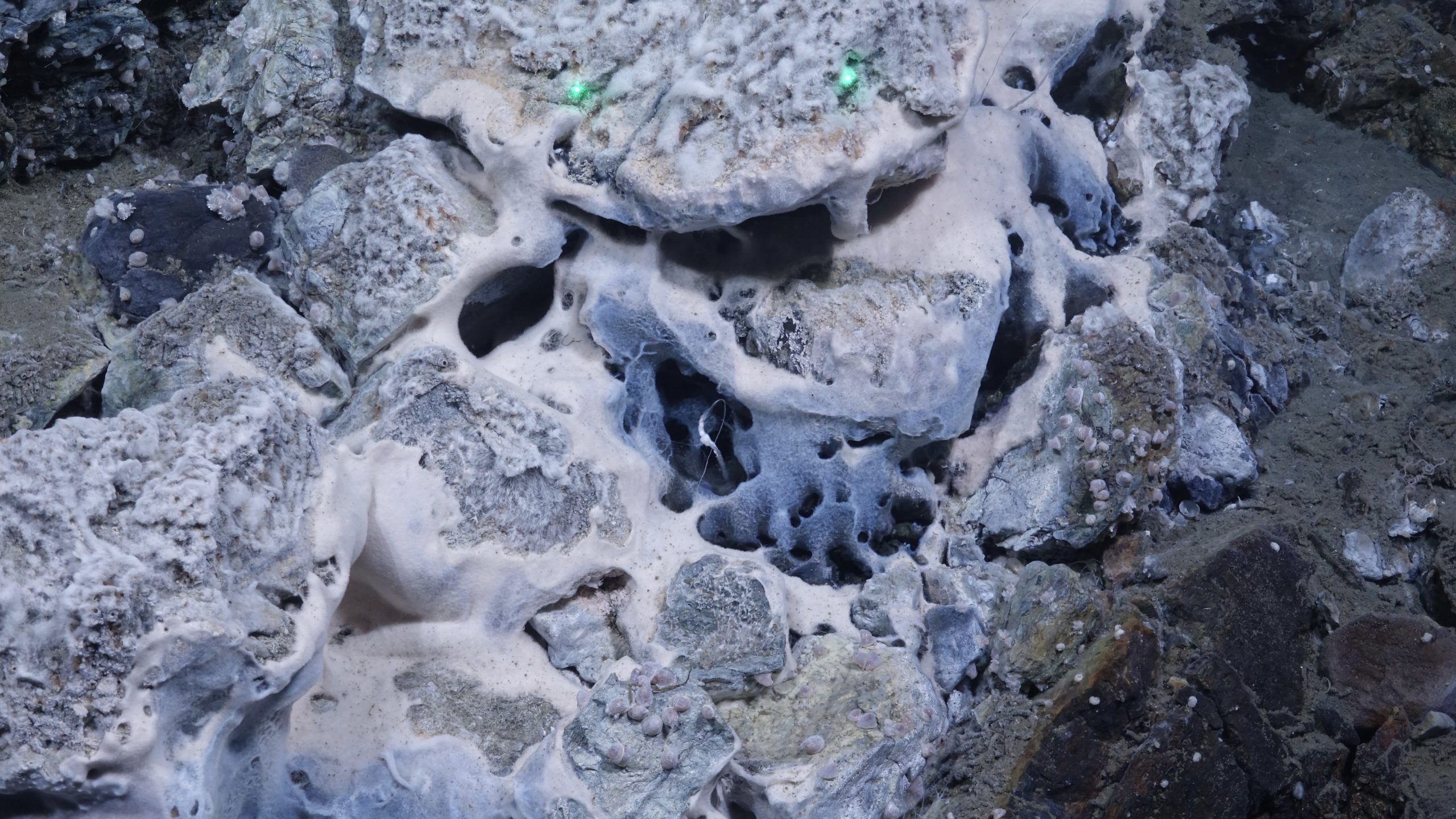
A distinctive oceanic core complex releasing hot fluids has been identified at a depth of 2,700 meters on the Arctic Ocean’s floor.
Read MoreScientists uncover a new way to forecast eruptions at mid-ocean ridges through hydrothermal vent temperatures
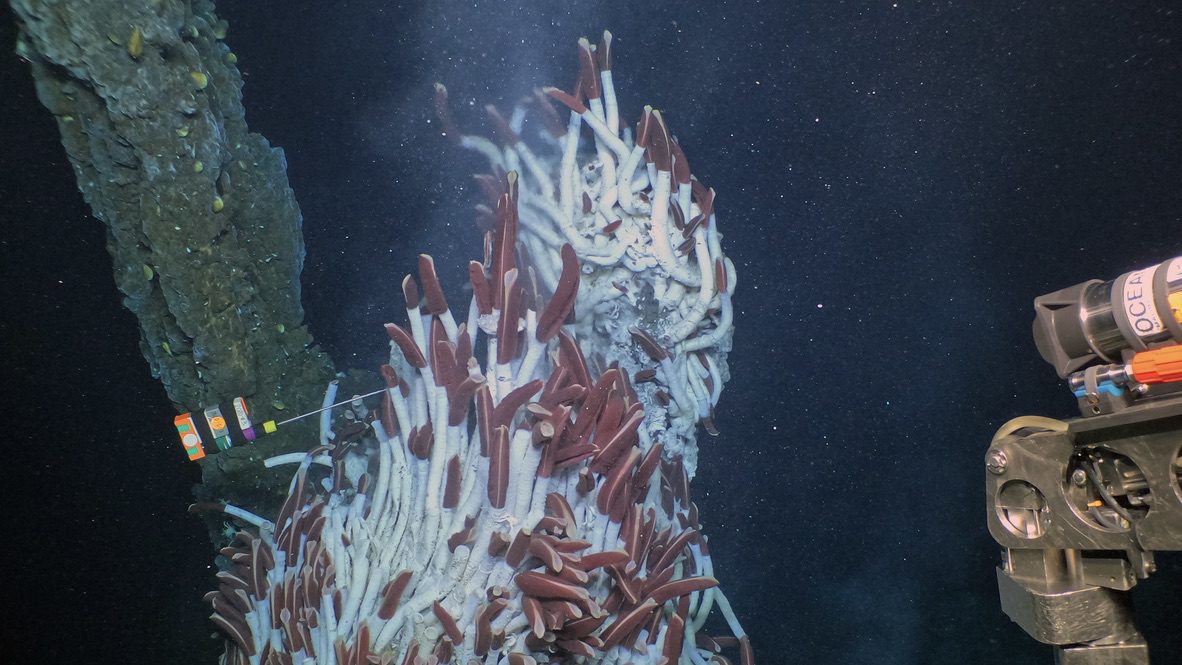
A new study reveals fluctuations in temperature of fluids from hydrothermal vents indicate the effects of magmatic and tectonic processes that occur miles beneath the seafloor.
Read MoreNewly published study reveals diversity of novel hydrothermal vent styles on the Arctic Ocean floor
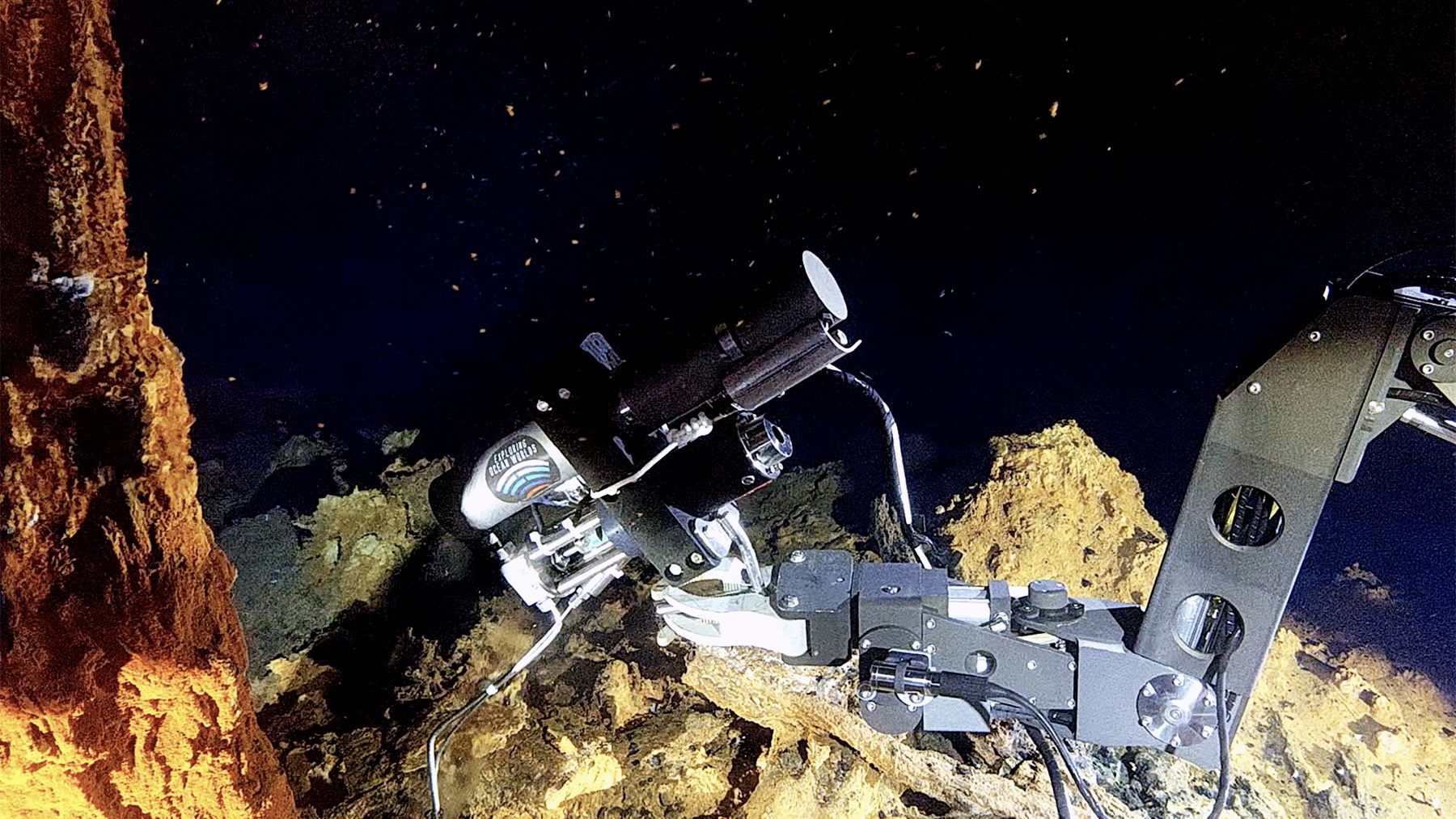
Research offers potential understanding of habitability on ocean worlds in the outer solar system
Read MoreFive new hydrothermal vents discovered in the eastern tropical Pacific Ocean
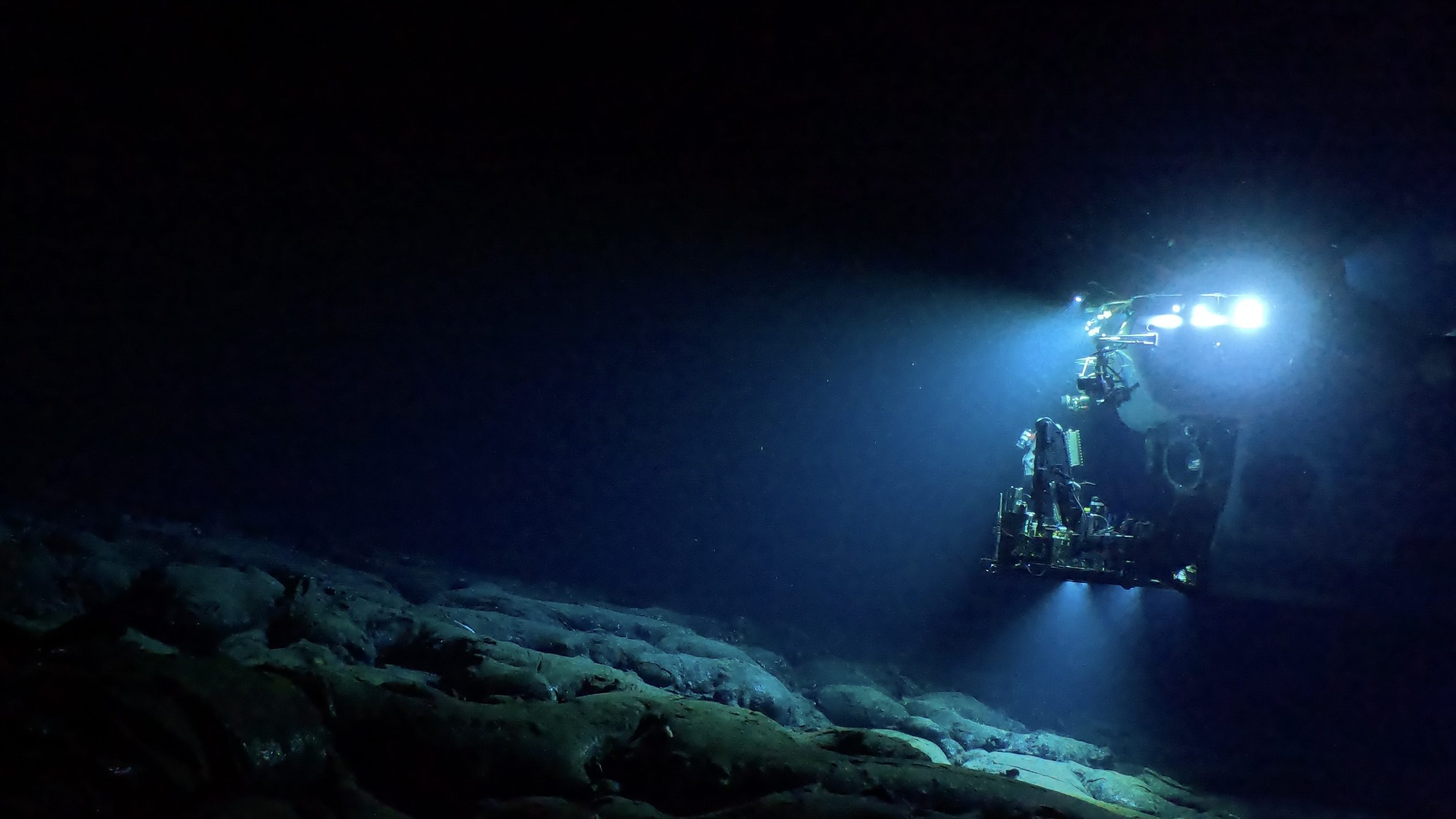
Ocean scientists discovered the new deep-sea hydrothermal vent sites on the seafloor at 2,550 meters (8366 feet, or 1.6 miles) depth.
Read MoreBuilding Blocks of Life on the Atlantis Massif
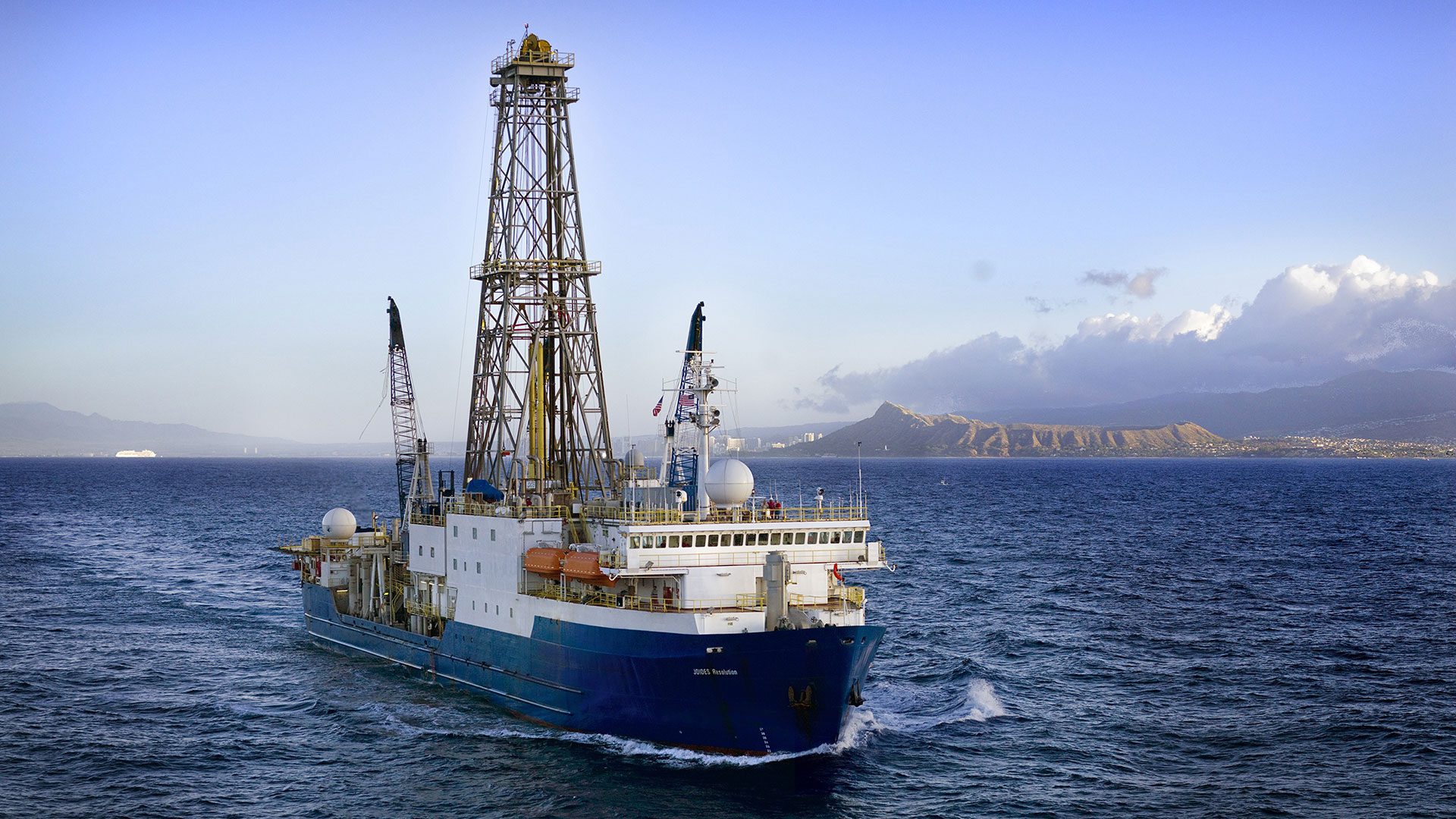
An upcoming expedition aboard the US ocean drilling ship JOIDES Resolution co-led by Susan Q. Lang, a geochemist at WHOI and director NOSAMS Facility, will attempt to shed new light on the processes that likely helped jumpstart the formation of life early in Earth’s history.
Read MoreArctic Hydrothermal Vent Site Could Help in Search for Extraterrestrial Life
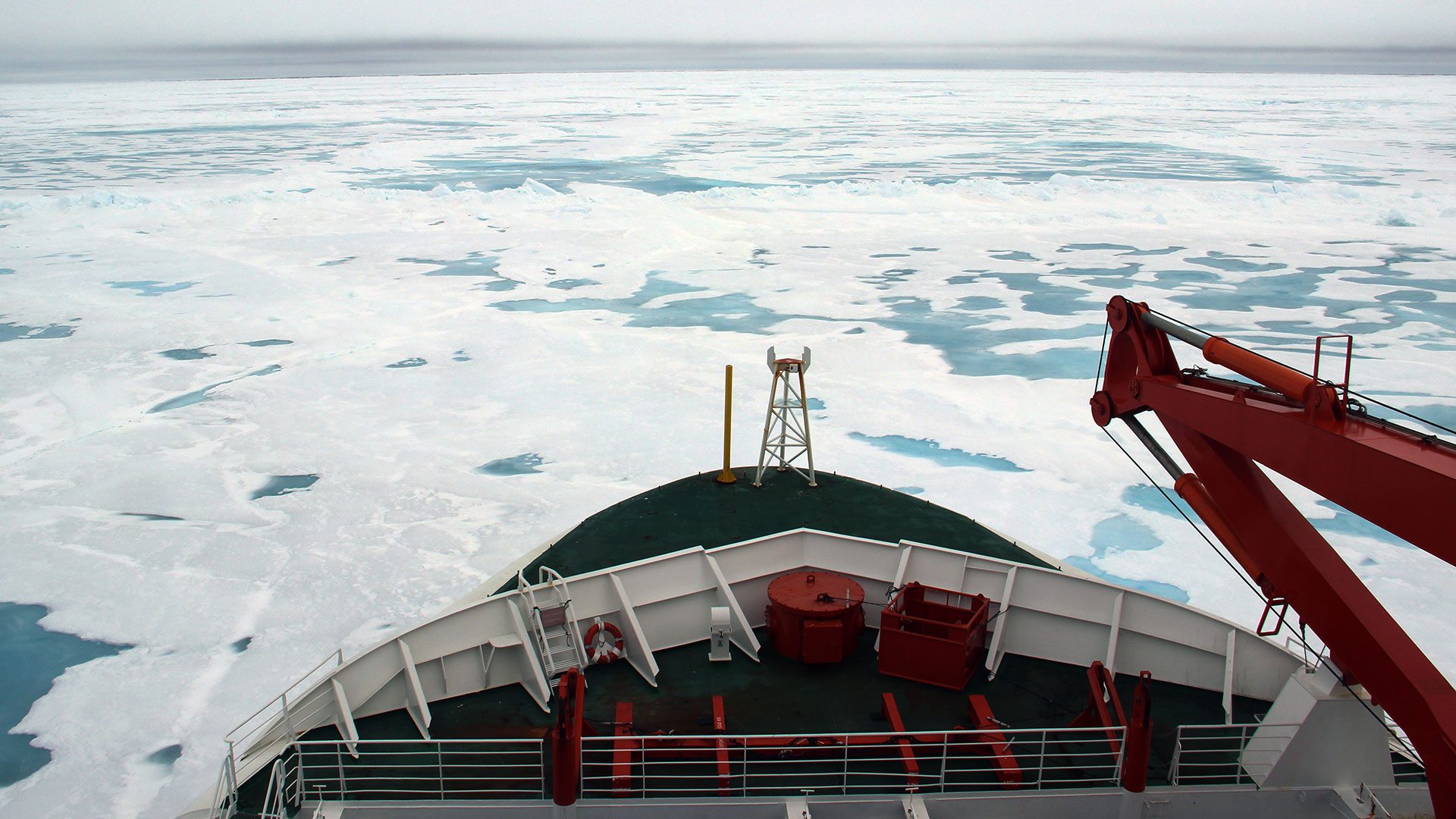
When scientists discovered a hydrothermal vent site in the Arctic Ocean’s Aurora hydrothermal system in 2014, they did not immediately realize just how exciting their discovery was.
Read MoreHydrothermal field discovered at the East Pacific Rise 9°54’N
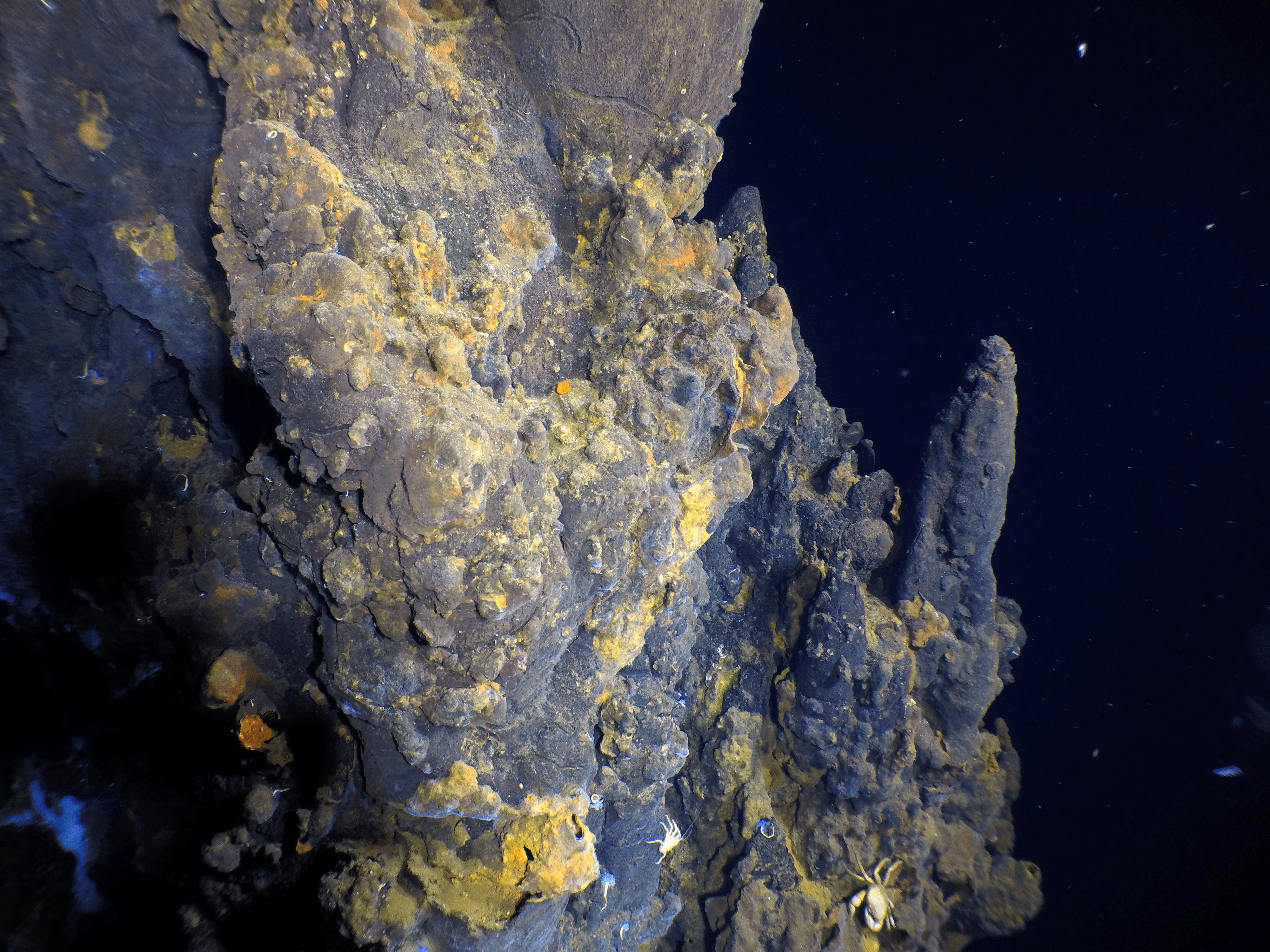
A new high-temperature, off-axis hydrothermal vent field on Pacific seafloor at 2550 meters depth was discovered in 2021 by a team that included researchers from Lehigh University; Scripps Institution of Oceanography (SIO); the University of Bergen Norway; and Woods Hole Oceanographic Institution (WHOI).
Read MoreFluid Flow Stimulates Chemosynthesis in a Greek Salad of Hydrothermal Microbes
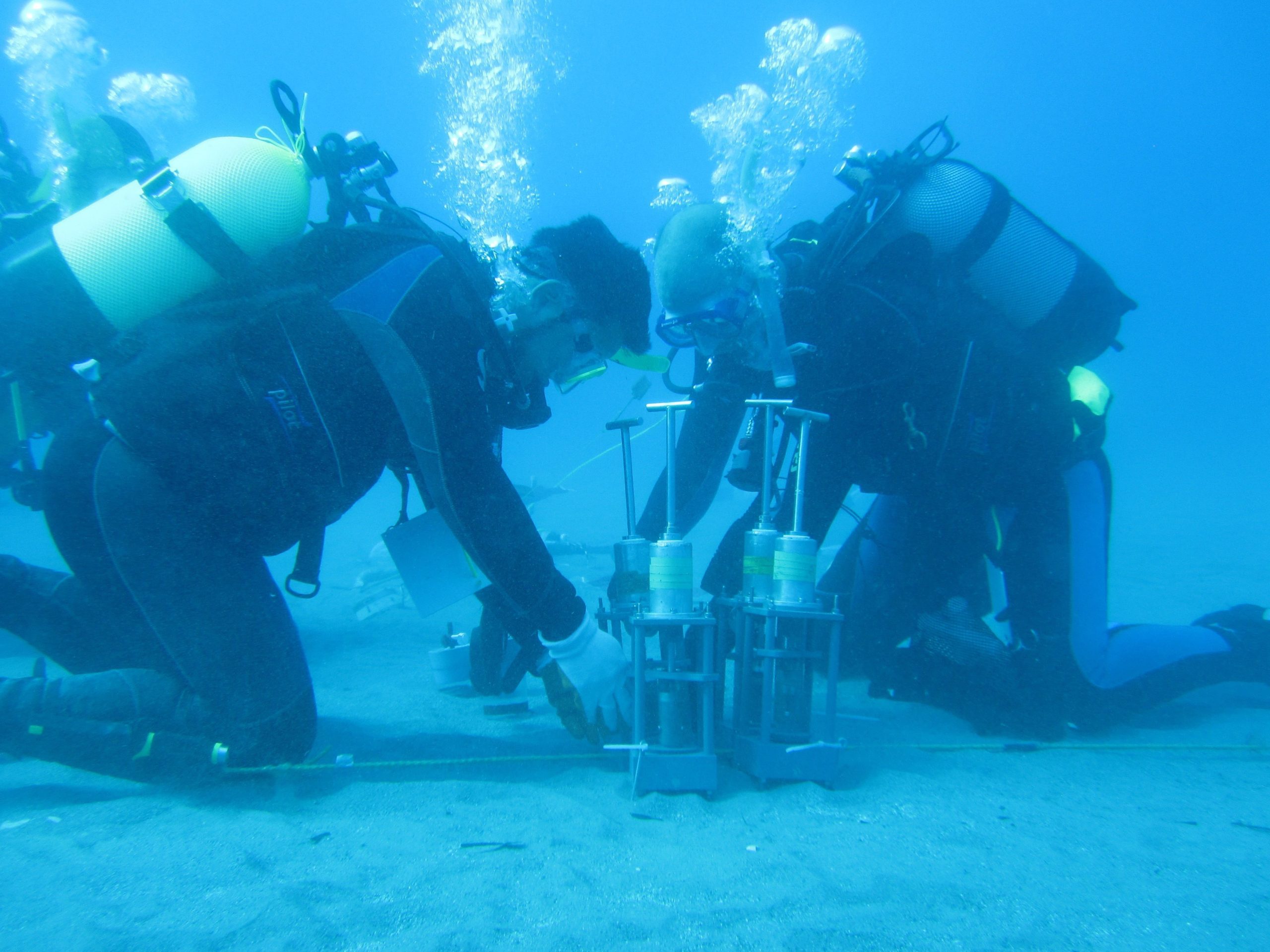
A new study uses an innovative approach to examine the bay’s shallow-water hydrothermal system and the production of microbes there in situ and near natural conditions as a model to assess the importance of hydrothermal fluid circulation on chemosynthesis.
Read MoreStudy Examines the Role of Deep-Sea Microbial Predators at Hydrothermal Vents
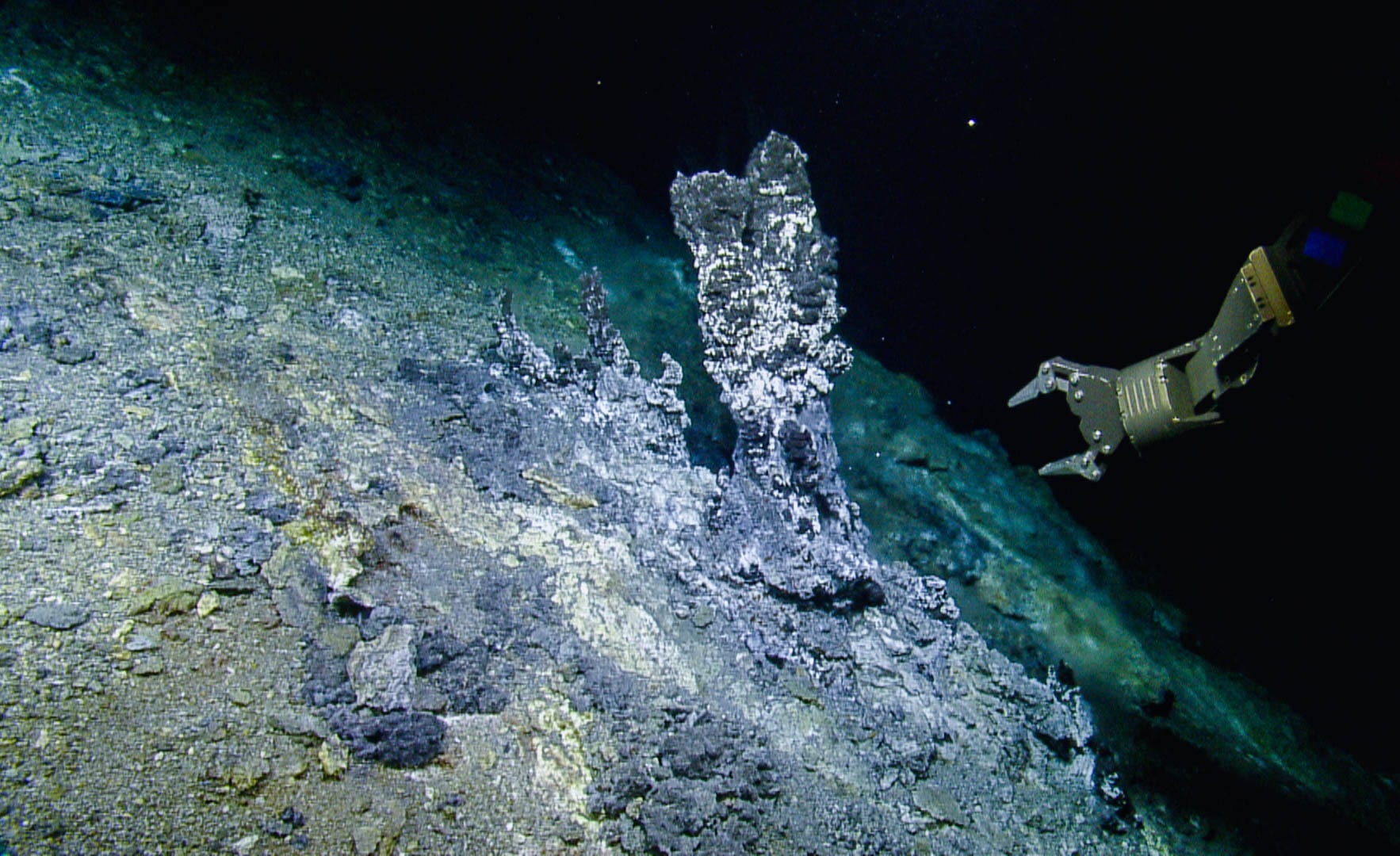
Researchers Emphasize the Need for Baseline Information of Microbial Food Webs The hydrothermal vent fluids from the Gorda Ridge spreading center in the northeast Pacific Ocean create a biological hub…
Read MoreOrigin of Massive Methane Reservoir Identified
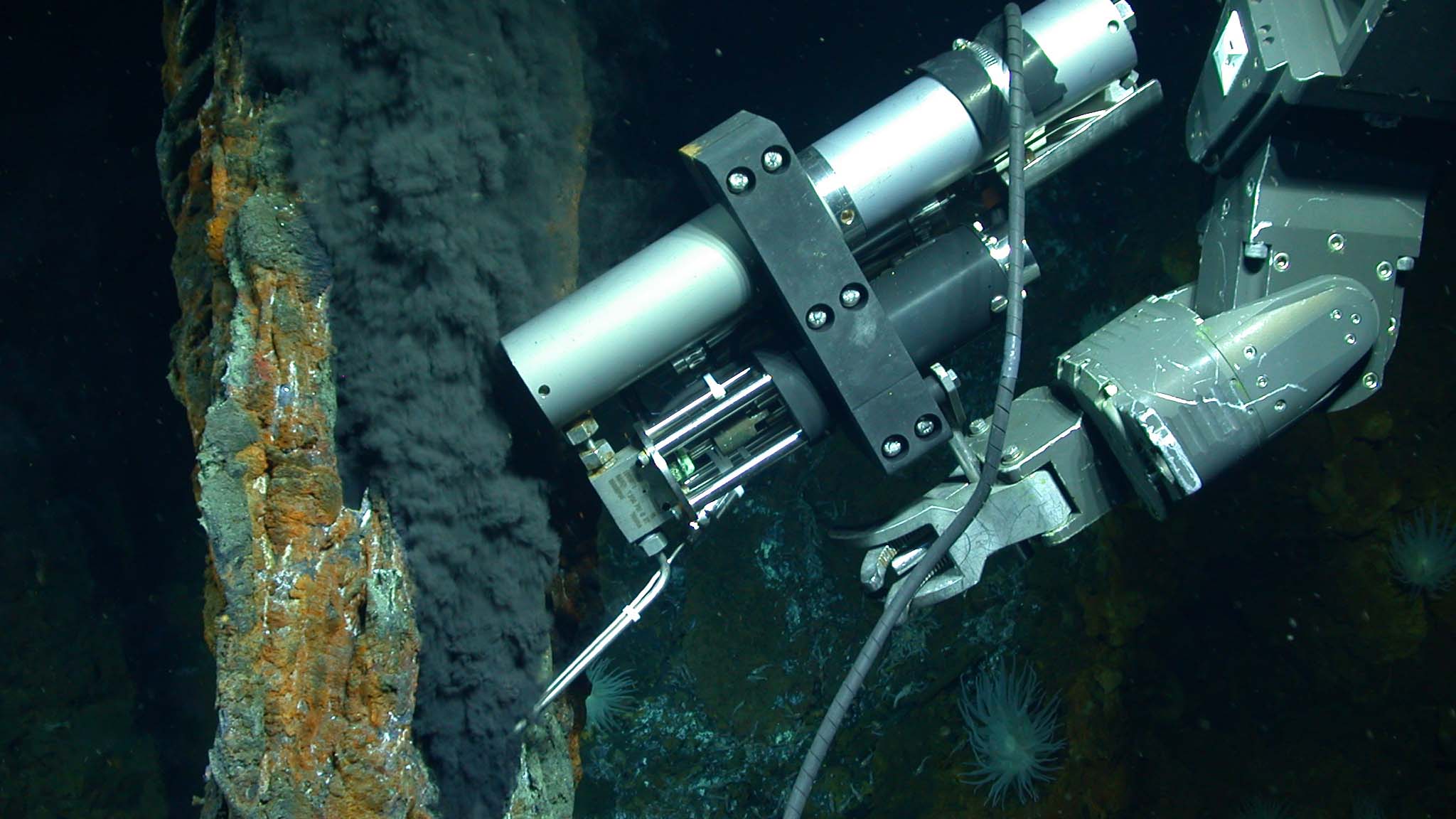
New research provides evidence of the formation and abundance of abiotic methane—methane formed by chemical reactions that don’t involve organic matter—on Earth and shows how the gases could have a similar origin on other planets and moons, even those no longer home to liquid water.
Read MorePanel to Discuss Deep-Sea Mining at AAAS Meeting
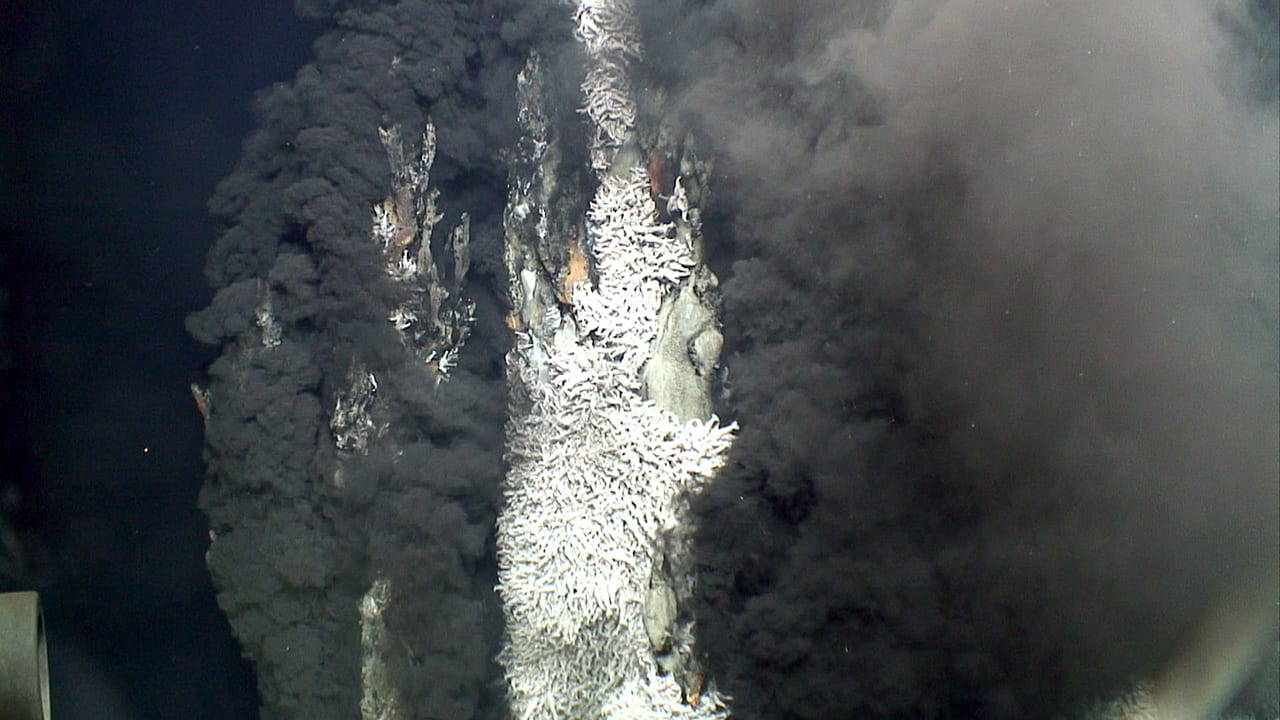
Home to an immense diversity of marine life, the deep ocean also contains valuable minerals with metals such as nickel, copper, cobalt, manganese, zinc, and gold, and rare-earth elements used in electronic technology like smart phones and medical imaging machines. As demand for these resources increases and supplies on land decrease, commercial mining operators are looking to the deep ocean as the next frontier for mining.
Read MoreCarbon Dioxide Pools Discovered in Aegean Sea
The waters off Greece’s Santorini are the site of newly discovered opalescent pools forming at 250 meters depth. The interconnected series of meandering, iridescent white pools contain high concentrations of carbon dioxide (CO2) and may hold answers to questions related to deepsea carbon storage as well as provide a means of monitoring the volcano for future eruptions.
Read MoreMaking Organic Molecules in Hydrothermal Vents in the Absence of Life
In 2009, scientists from Woods Hole Oceanographic Institution embarked on a NASA-funded mission to the Mid-Cayman Rise in the Caribbean, in search of a type of deep-sea hot-spring or hydrothermal vent that they believed held clues to the search for life on other planets. They were looking for a site with a venting process that produces a lot of hydrogen because of the potential it holds for the chemical, or abiotic, creation of organic molecules like methane – possible precursors to the prebiotic compounds from which life on Earth emerged.
For more than a decade, the scientific community has postulated that in such an environment, methane and other organic compounds could be spontaneously produced by chemical reactions between hydrogen from the vent fluid and carbon dioxide (CO2). The theory made perfect sense, but showing that it happened in nature was challenging.
Now we know why: an analysis of the vent fluid chemistry proves that for some organic compounds, it doesn’t happen that way.
New research by geochemists at Woods Hole Oceanographic Institution, published June 8 in the Proceedings of the National Academy of Sciences, is the first to show that methane formation does not occur during the relatively quick fluid circulation process, despite extraordinarily high hydrogen contents in the waters. While the methane in the Von Damm vent system they studied was produced through chemical reactions (abiotically), it was produced on geologic time scales deep beneath the seafloor and independent of the venting process. Their research further reveals that another organic abiotic compound is formed during the vent circulation process at adjacent lower temperature, higher pH vents, but reaction rates are too slow to completely reduce the carbon all the way to methane.
Read MoreStudy Finds Deep Ocean is Source of Dissolved Iron in Central Pacific
A new study led by scientists at the Woods Hole Oceanographic Institution (WHOI) points to the deep ocean as a major source of dissolved iron in the central Pacific Ocean. This finding highlights the vital role ocean mixing plays in determining whether deep sources of iron reach the surface-dwelling life that need it to survive.
Read MoreNewly discovered ocean plume could be major source of iron
Scientists have discovered a vast plume of iron and other micronutrients more than 1,000 km long billowing from hydrothermal vents in the South Atlantic Ocean. The finding, published online Aug.…
Read MoreLong-Distance Larvae Speed to New Undersea Vent Homes
Working in a rare, ?natural seafloor laboratory? of hydrothermal vents that had just been rocked by a volcanic eruption, scientists from the Woods Hole Oceanographic Institution (WHOI) and other institutions have discovered what they believe is an undersea superhighway carrying tiny life forms unprecedented distances to inhabit the post-eruption site.
Read MoreCarbon Acts Like Rustoleum Around Hydrothermal Vents
The cycling of iron throughout the oceans has been an area of intense research for the last two decades. Oceanographers have spent a lot of time studying what has been…
Read MoreLost City pumps life-essential chemicals at rates unseen at typical black smokers
Hydrocarbons?molecules critical to life?are routinely generated by the simple interaction of seawater with the rocks under the Lost City hydrothermal vent field in the Atlantic Ocean. The production of such building blocks of life makes Lost City-like vents strong contenders as places where life might have originated on Earth, according to research led by the University of Washington and the Woods Hole Oceanographic Institution.
Read MoreExplorers to Use New Robotic Vehicles to Hunt for Life and Hydrothermal Vents on Arctic Seafloor
Researchers will probe the Gakkel Ridge during expedition that begins on July 1.
Read MoreScientists Discover First Seafloor Vents on Ultraslow-Spreading Ridge
Scientists have found one of the largest fields of seafloor vents gushing super-hot, mineral-rich fluids on a mid-ocean ridge that, until now, remained elusive to the ten-year hunt to find them.
Read MoreSeafloor bacteria are multi-tasking with the carbon cycle
Scientists have long known that microorganisms can use one of two different methods to convert carbon dioxide into a form that living things can use for energy. What they didn’t…
Read MoreNew Technology for New Exploration of Hydrothermal Vents
Advances in undersea imaging systems, the development of new vehicles and instruments, and improved seafloor mapping capabilities have enabled scientists to explore areas of the deep sea in unprecedented detail. …
Read MoreDiving to the Rosebud Vents – Galápagos Rift
In 2002, researchers diving in the submersible Alvin returned to the Galápagos Rift, a mid-ocean ridge about 250 miles from the Galápagos Islands in the eastern Pacific Ocean where hydrothermal…
Read MoreNew Hydrothermal Vents in the Pacific Located and Mapped with Robotic Vehicle
Three new deep-sea hydrothermal vent fields were discovered in September 2004 in the Lau Basin in the western Pacific between Tonga, Fiji and Samoa and were geologically and biologically mapped…
Read More