
News Releases
Retreating glaciers increase iceberg sightings and reshape deep-sea habitats
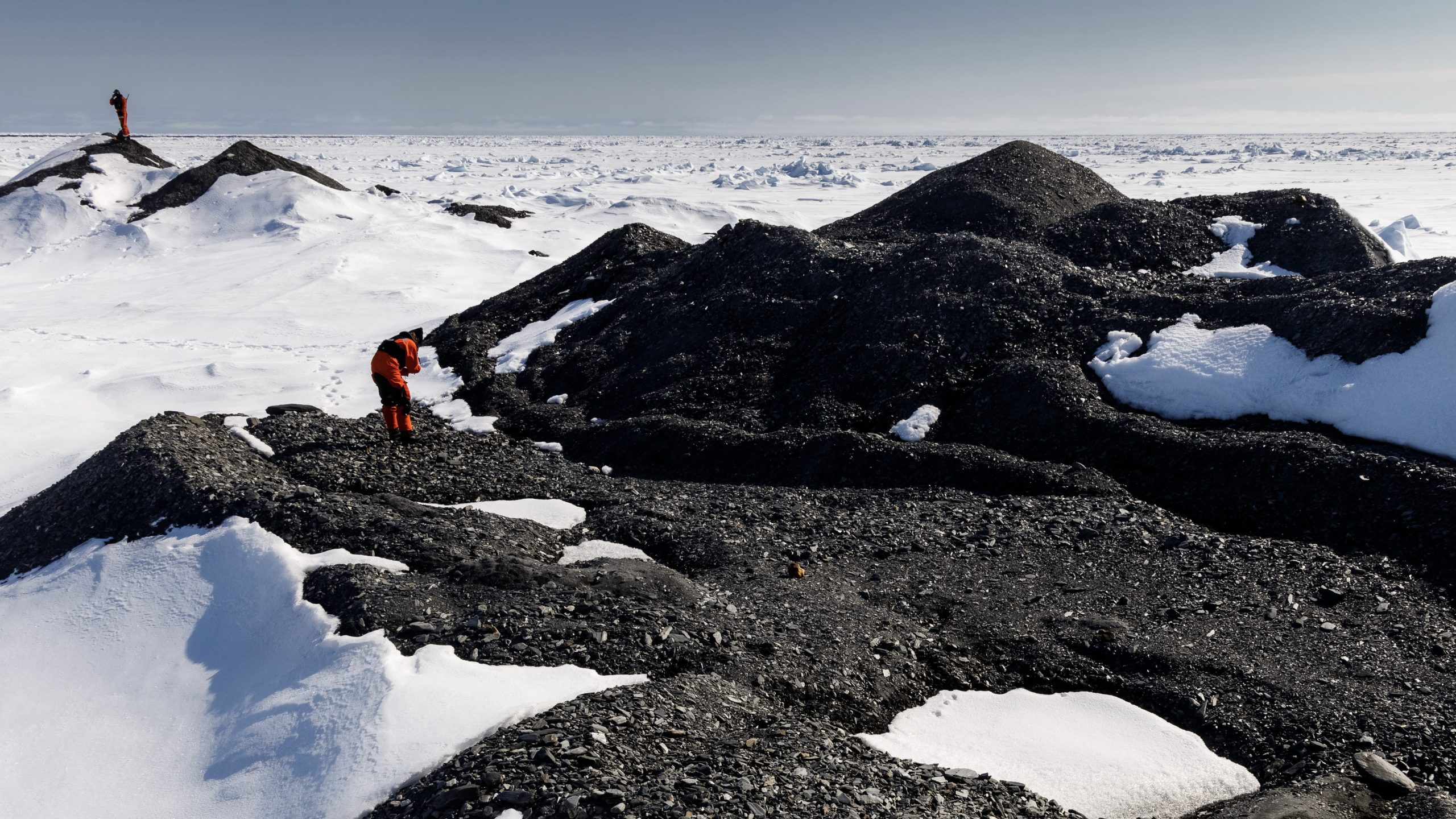
Stones rain down from the melting icebergs, forming new hard-substrate habitats for marine life on the soft seafloor.
Read MoreWHOI receives $1.6 Million to build revolutionary Antarctic ice shelf monitoring system
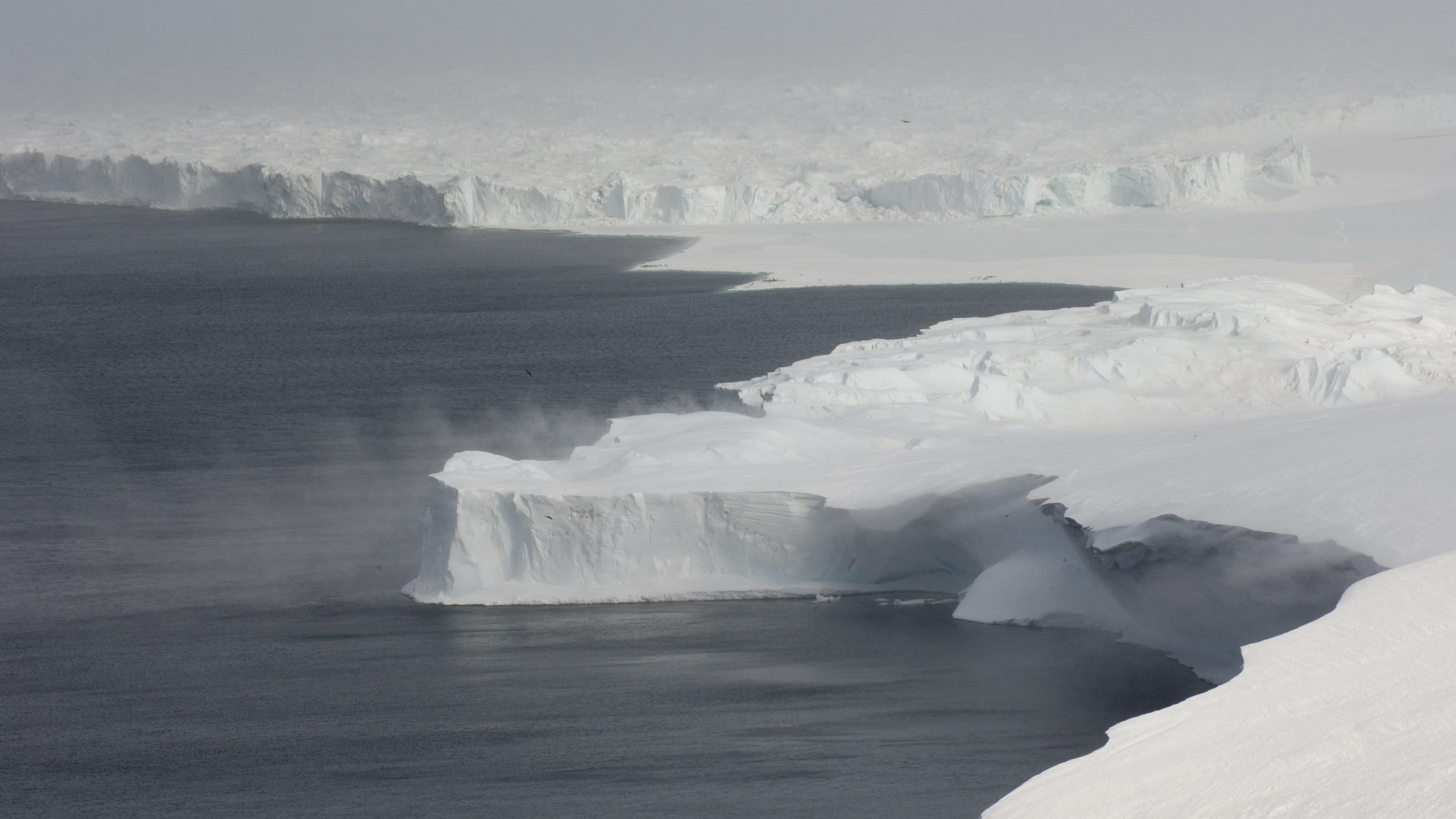
SAMS will operate autonomously for years in hostile, difficult-to-reach locations that are Ground Zero for global sea-level rise
Read MoreStudy says ice age could help predict oceans’ response to global warming
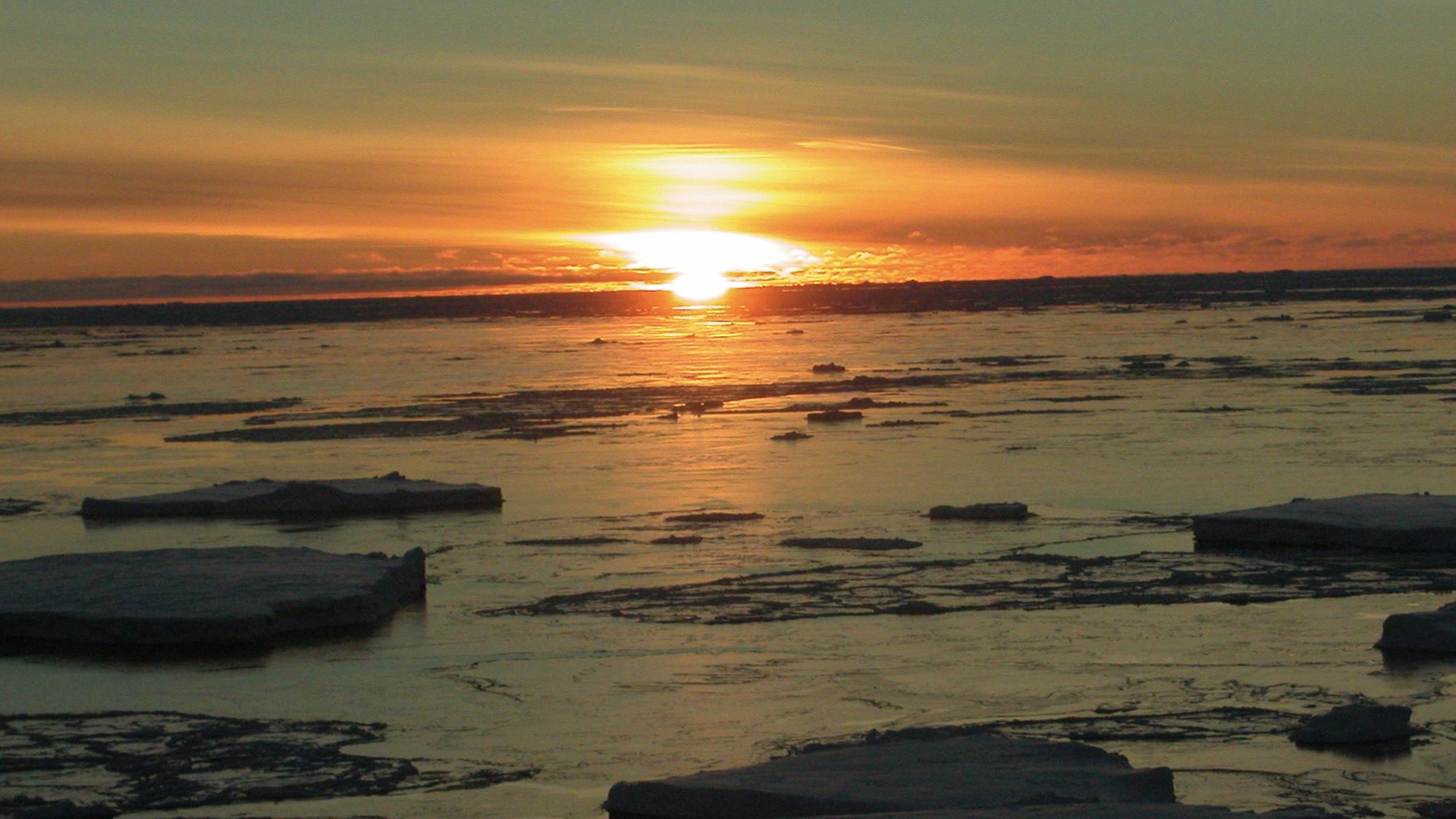
Woods Hole, MA – A team of scientists led by a Tulane University oceanographer and the Woods Hole Oceanographic Institution (WHOI) has found that deposits deep under the ocean floor…
Read MoreScientists report complete collapse of East Antarctica’s Conger Ice Shelf
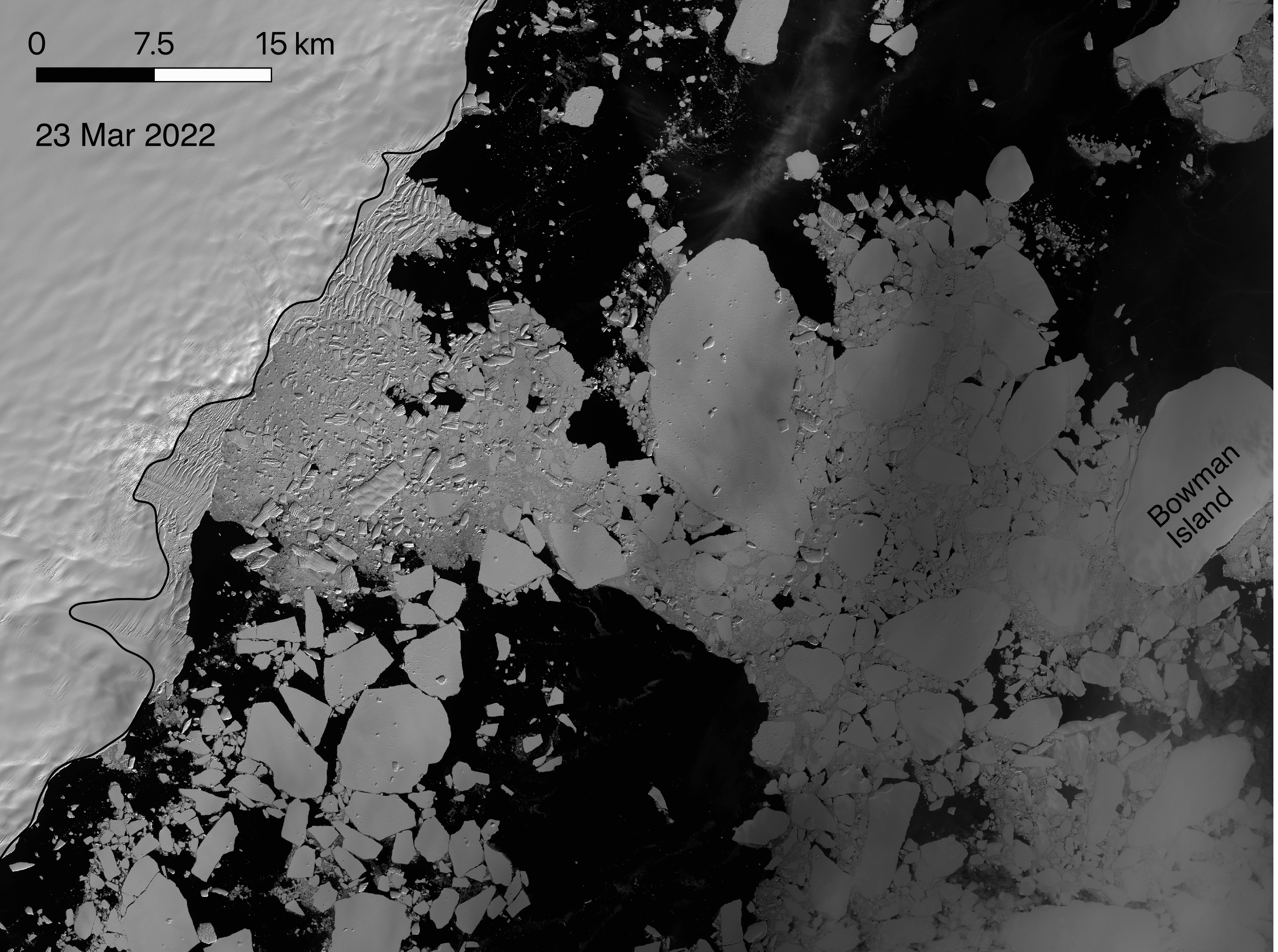
Satellite data has confirmed that an ice shelf about the size of Manhattan has completely collapsed in East Antarctica within days of record high temperatures. The Conger ice shelf, which had an approximate surface area of 1,200 sq km, collapsed around 15 March, scientists confirmed today.
Read MoreA recent reversal in the response of western Greenland’s ice caps to climate change
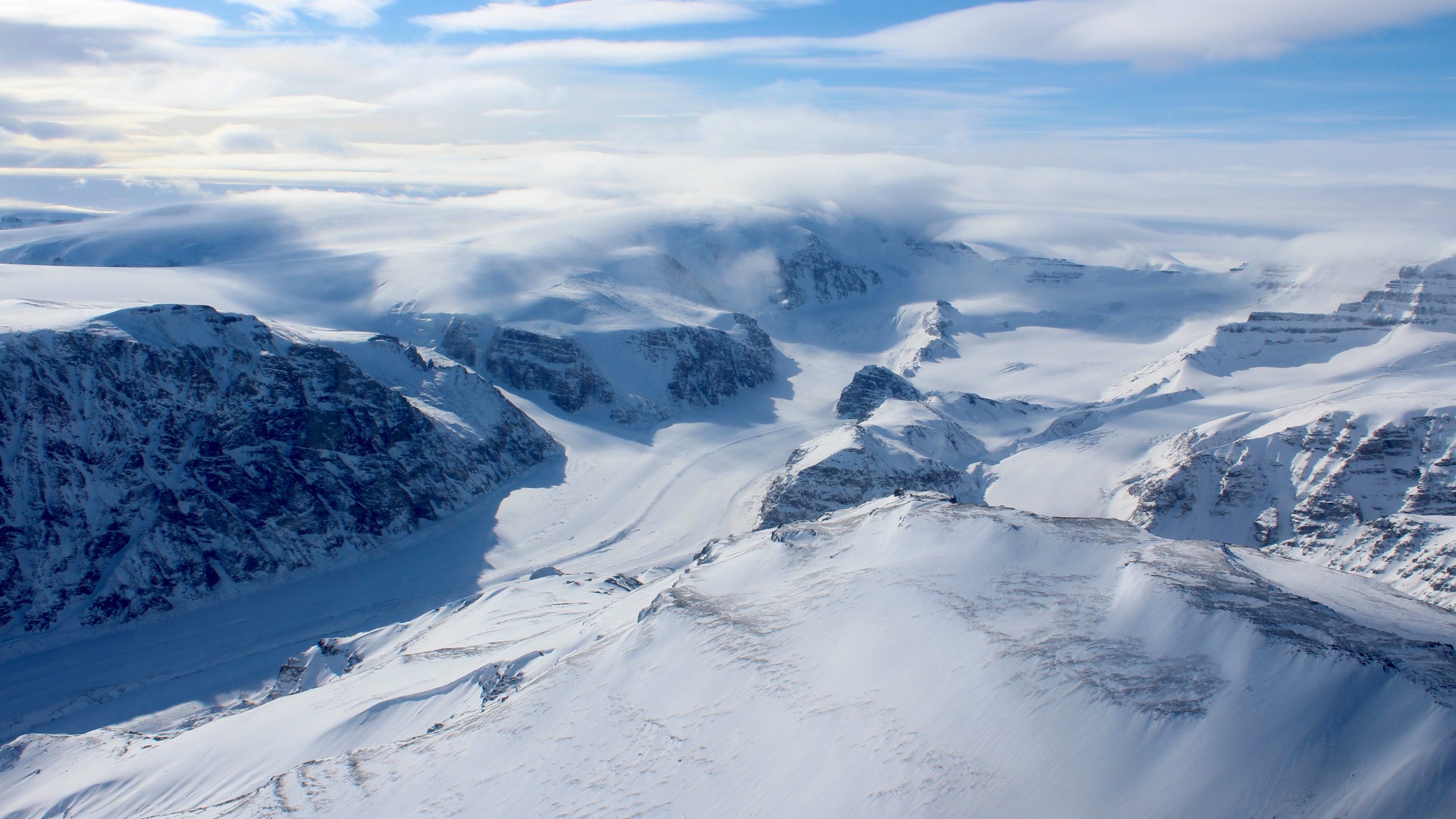
New collaborative research from the WHOI and five partner institutions published today in Nature Geoscience, reveals that during past periods glaciers and ice caps in coastal west Greenland experienced climate conditions much different than the interior of Greenland. Over the past 2,000 years, these ice caps endured periods of warming during which they grew larger rather than shrinking.
Read MoreAntarctic Ice Sheet Loss Expected to Affect Future Climate Change
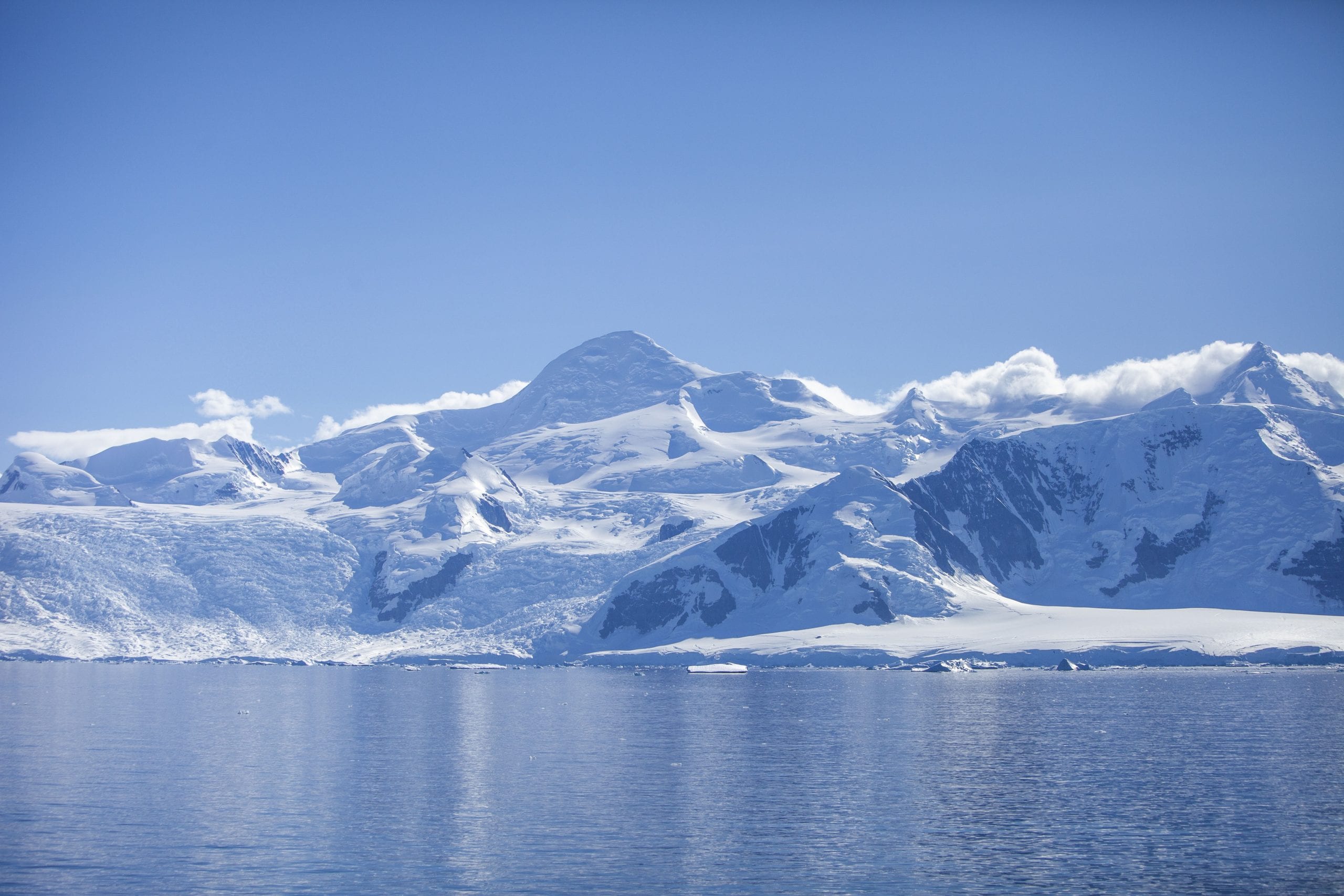
The research team reports that their new models with the added ice melt information reveal important interacting processes and demonstrate a need to accurately account for meltwater input from ice sheets in order to make confident climate predictions.
Read MoreGreenland Ice Sheet Melt ‘Off the Charts’ Compared With Past Four Centuries
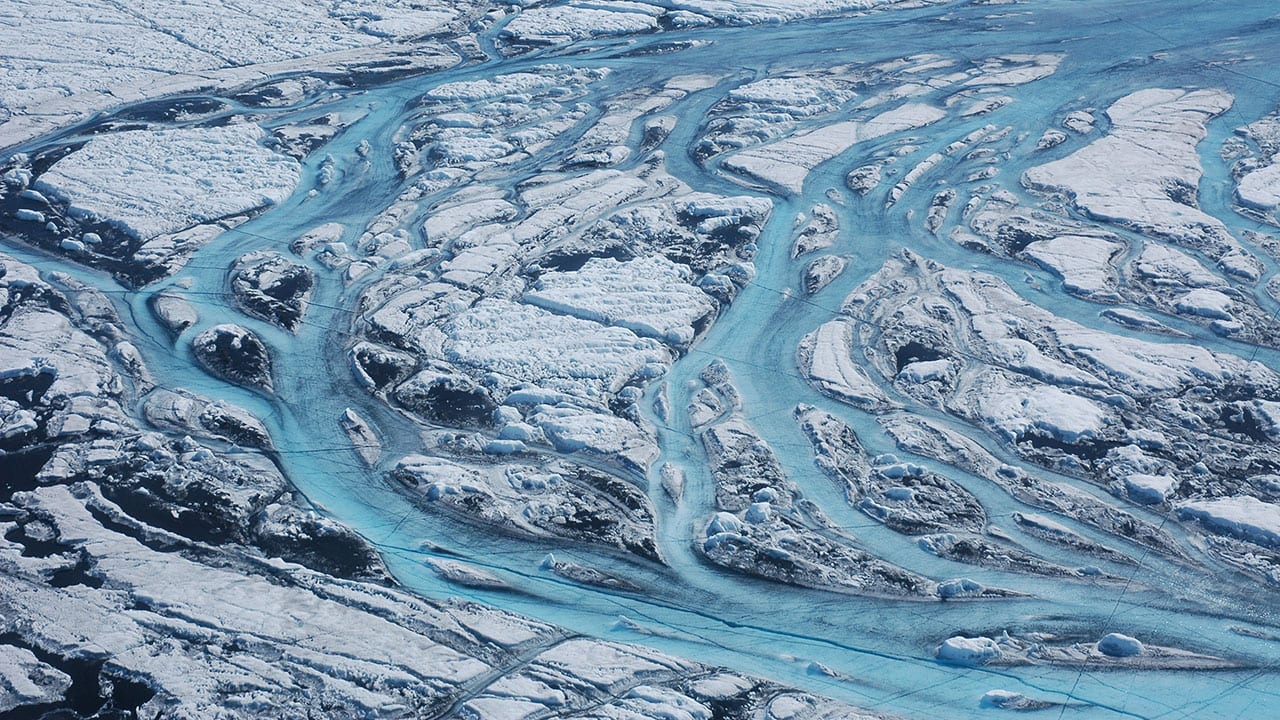
Surface melting across Greenland’s mile-thick ice sheet began increasing in the mid-19th century and then ramped up dramatically during the 20th and early 21st centuries, showing no signs of abating, according to new research published Dec. 5, 2018, in the journal Nature. The study provides new evidence of the impacts of climate change on Arctic melting and global sea level rise.
Read MoreFiamma Straneo Selected for Prestigious Sverdrup Lecture
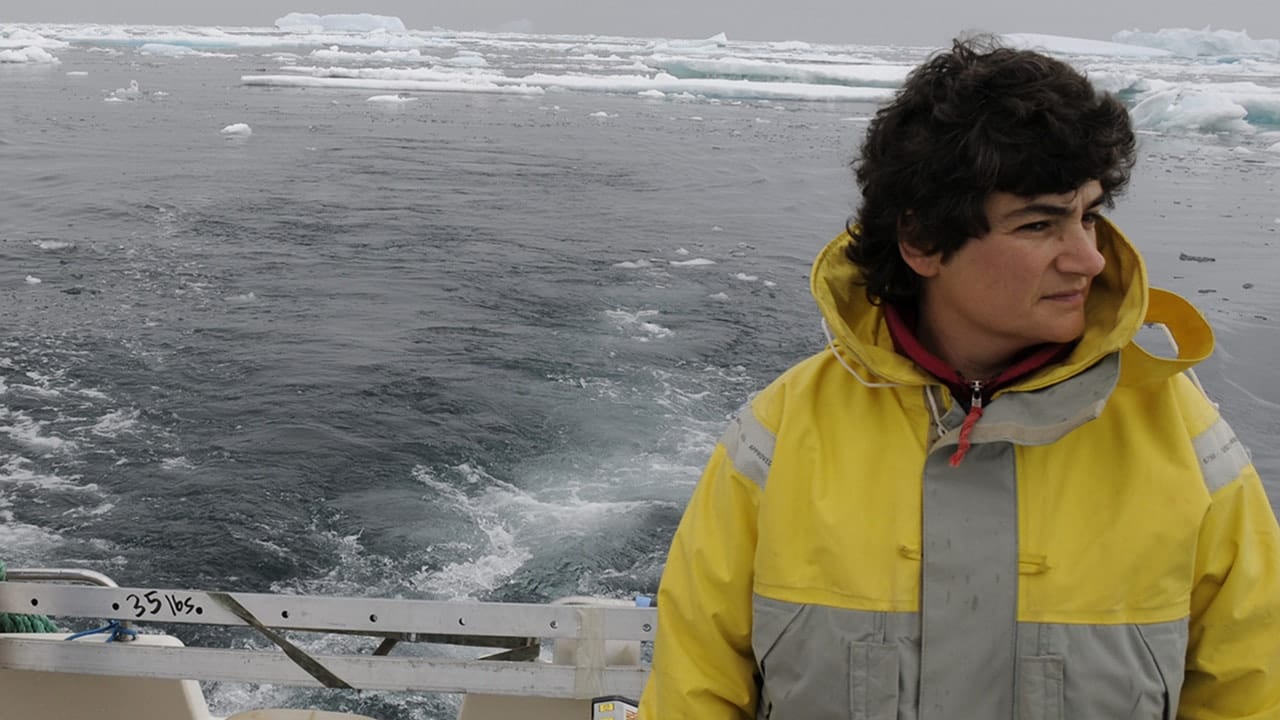
The American Geophysical Union (AGU) has chosen Fiamma Straneo, a physical oceanographer at Woods Hole Oceanographic Institution (WHOI), to deliver the Sverdrup Lecture at this year’s meeting of the Ocean Sciences section held in New Orleans from February 21-26, 2016. The lecture is one of the highest awards the section bestows on its members.
Read MoreNew Study Projects That Melting of Antarctic Ice Shelves Will Intensify
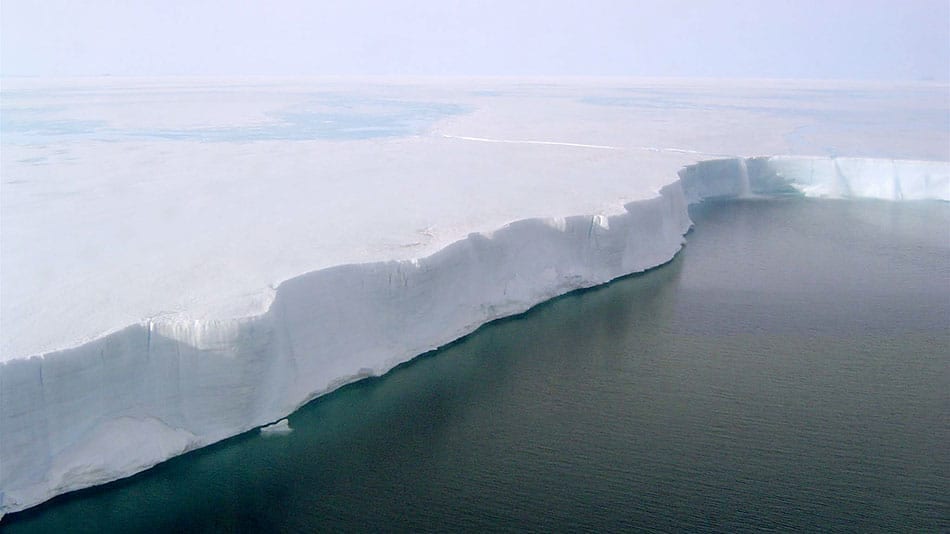
New research published today projects a doubling of surface melting of Antarctic ice shelves by 2050 and by 2100 may surpass intensities associated with ice shelf collapse, if greenhouse gas emissions from fossil fuel consumption continues at the present rate.
Ice shelves are the floating extensions of the continent’s massive land-based ice sheets. While the melting or breakup of floating ice shelves does not directly raise sea level, ice shelves do have a “door stop” effect: They slow the flow of ice from glaciers and ice sheets into the ocean, where it melts and raises sea levels.
Read MoreGlaciers Contribute Significant Iron to North Atlantic Ocean
All living organisms rely on iron as an essential nutrient. In the ocean, iron’s abundance or scarcity means all the difference as it fuels the growth of plankton, the base…
Read MoreTeam finds subtropical waters flushing through Greenland fjord
Waters from warmer latitudes — or subtropical waters — are reaching Greenland’s glaciers, driving melting and likely triggering an acceleration of ice loss, reports a team of researchers led by…
Read MoreLakes of Meltwater Can Crack Greenland’s Ice and Contribute to Faster Ice Sheet Flow
Researchers from WHOI and the University of Washington have for the first time documented the sudden and complete drainage of a lake of meltwater from the top of the Greenland ice sheet to its base. From those observations, scientists have uncovered a plumbing system for the ice sheet, where meltwater can penetrate thick, cold ice and accelerate some of the large-scale summer movements of the ice sheet.
Read More