
News Releases
The NSF Seafood Engine in New England wins $15M U.S. National Science Foundation award to strengthen fisheries and aquaculture
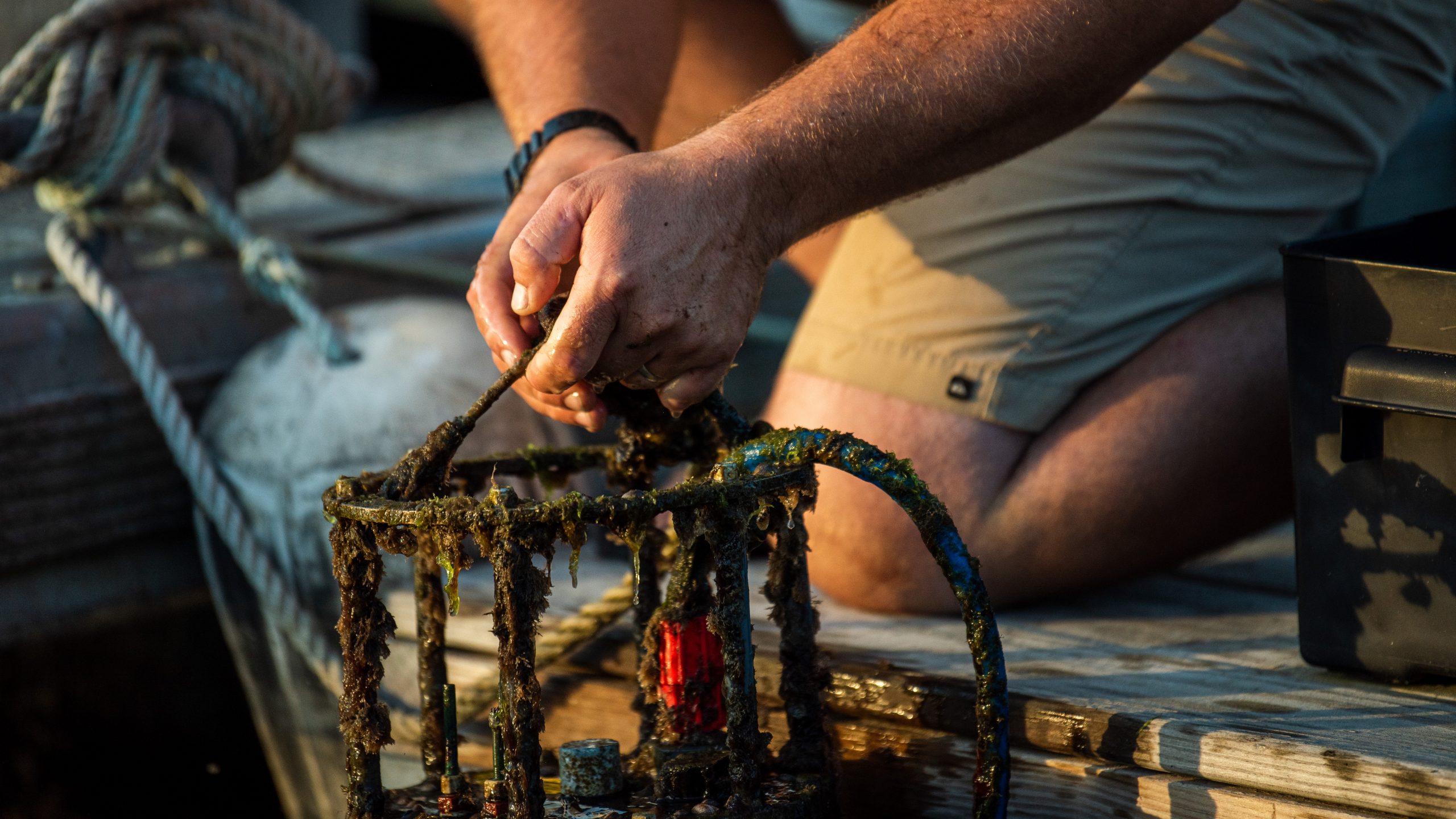
The Seafood Engine will initially receive an award of $15 million over two years, with the potential to grow up to $160 million over ten years as it works to build an internationally competitive technology and innovation cluster.
Read MoreWHOI Sea Grant supports $1.6 million in critical aquaculture and fisheries research
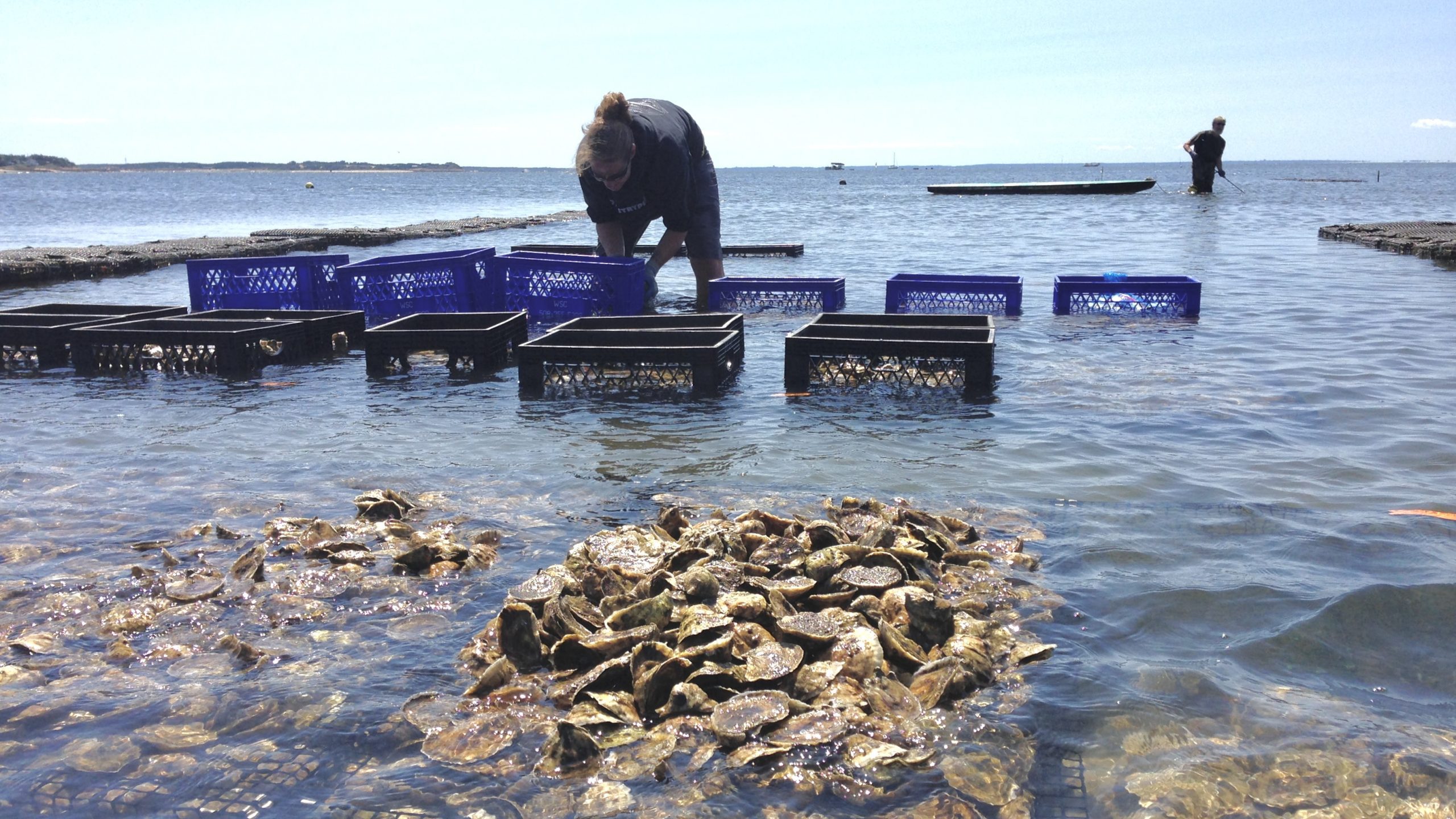
Over the next two years, these projects will generate new tools and data to support species economically and environmentally important to coastal Massachusetts.
Read MoreNew WHOI study cautions that deep-sea fishing could undermine valuable tuna fisheries
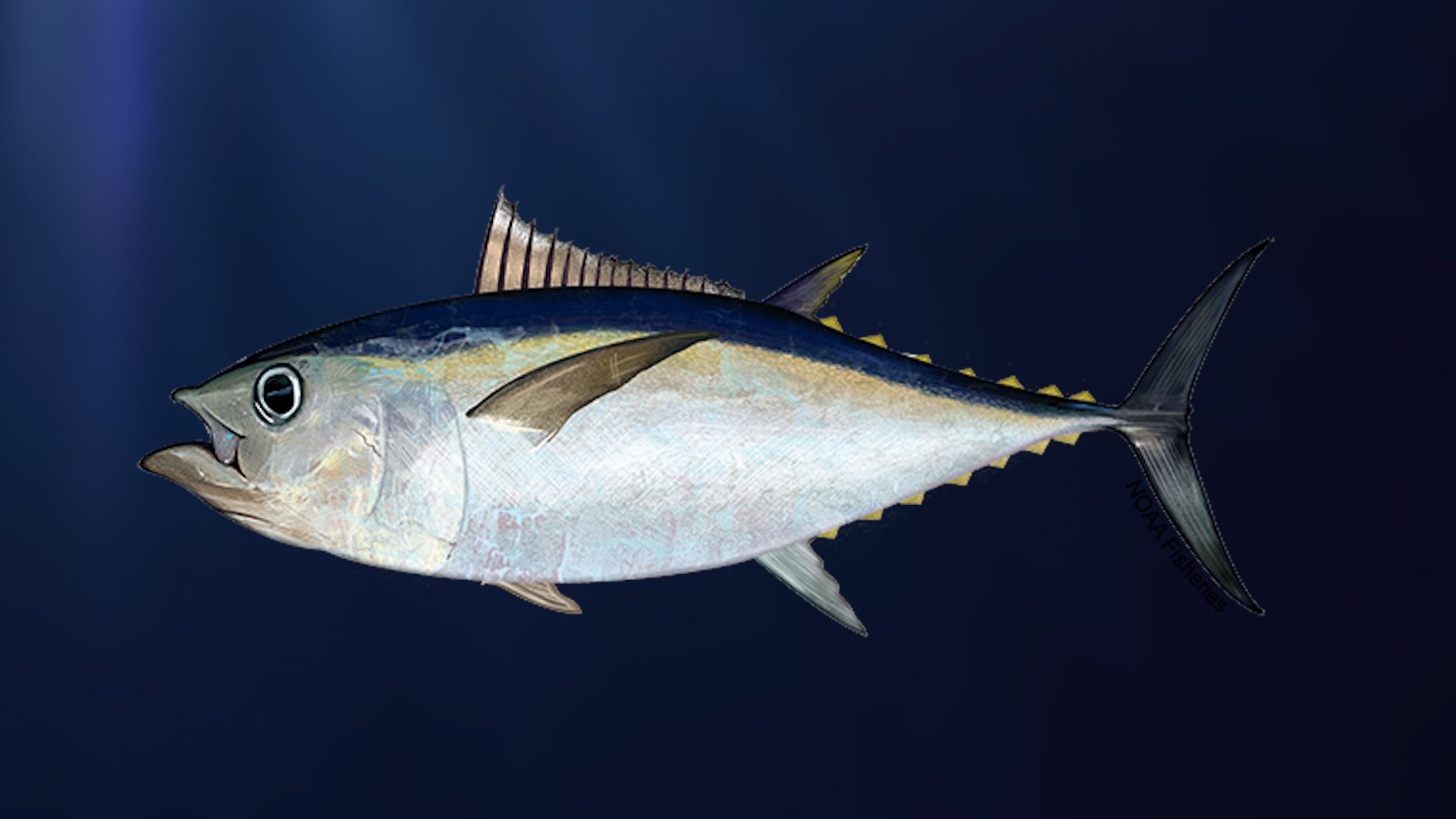
The study shows that large-scale harvesting of mesopelagic fish that live hundreds of meters below the surface could reduce the food available to bigeye tuna
Read MoreFor developing countries, seafood imports are a nutritional bargain

Developing countries pay less for the nutrition in seafood imports than developed countries
Read MoreCINAR Names Four New Fellows in Quantitative Fisheries and Ecosystems Science
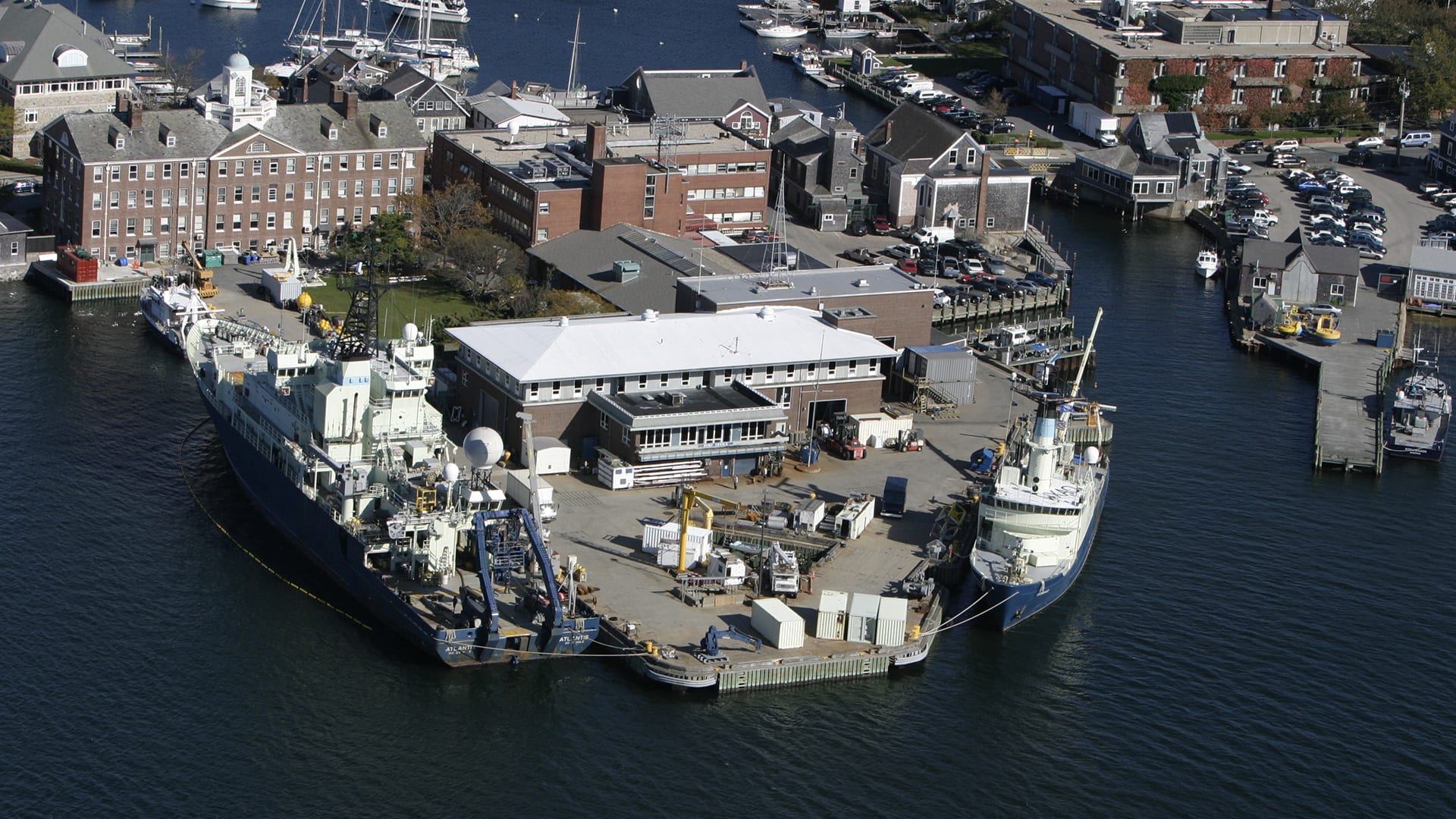
The goal of the fellowship program is to engage early-career scientists in research that supports the training and education in the he assessment and management of living marine resources in the Northeast U.S.
Read MoreTropical fish…up north? How ocean physics play a role in altering water temperature and salinity
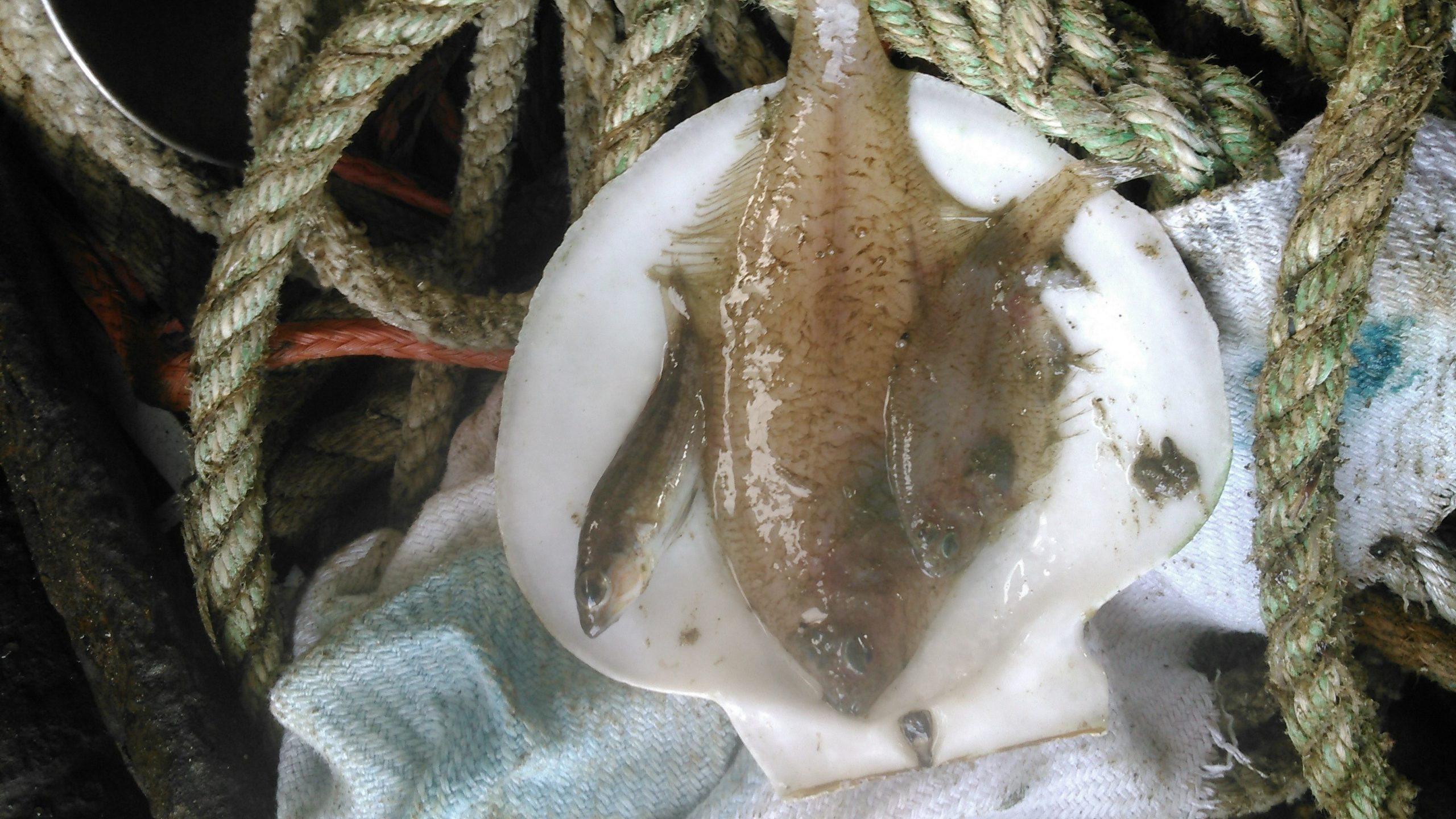
A study led by Woods Hole Oceanographic Institution scientists is explaining why warm and salty water along with warm water fish species, such as the deep-sea dwelling Gulf Stream flounder and Black Sea bass, were found far inshore in New England in the middle of winter 2017. How did this happen? Researchers say it is due to an intrusion of offshore water from the open ocean onto the Northeast U.S. Shelf, caused by eddies (a circular current of water) and wind.
Read More