
News Releases
Researchers help solve mystery of clockwork-like earthquake system deep beneath the Pacific
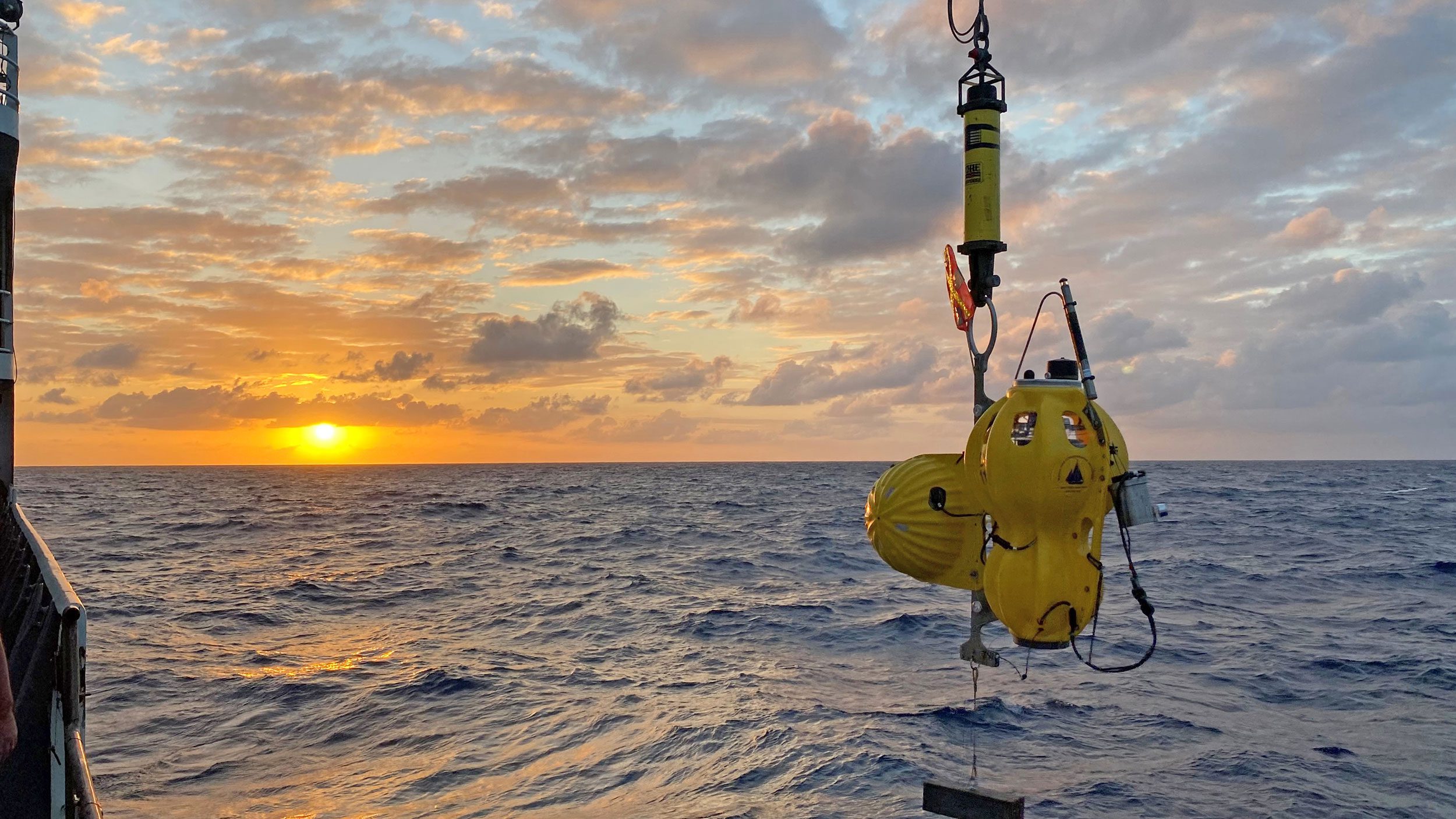
Study of Gofar transform fault on the Pacific seafloor points to mitigating effects of “barrier zones” that keep ruptures from spreading.
Read MoreVolcanic Arcs Form by Deep Melting of Rock Mixtures
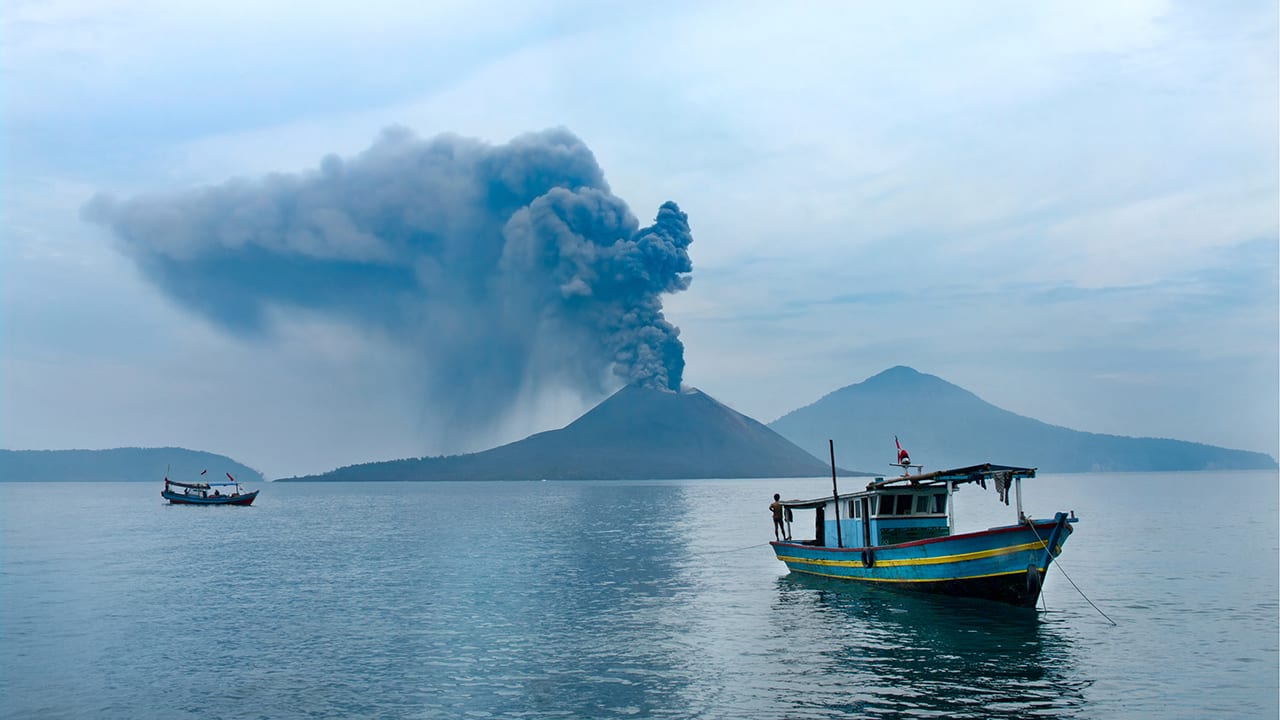
A new study published in the journal Science Advances changes our understanding of how volcanic arc lavas are formed, and may have implications for the study of earthquakes and the risks of volcanic eruption.
Read MoreNew Explanation for Slow Earthquakes on San Andreas
New Zealand’s geologic hazards agency reported this week an ongoing, “silent” earthquake that began in January is still going strong. Though it is releasing the energy equivalent of a 7.0…
Read MoreWHOI Receives $1Million from Keck Foundation for First Real-Time Seafloor Earthquake Observatory at Cascadia Fault
One of the most dangerous faults in North America is the Pacific Northwest’s Cascadia fault – an offshore, subduction zone fault capable of producing a magnitude 9 earthquake that would damage Portland, Tacoma, Seattle, and Victoria, British Columbia, and generate a large tsunami. Yet there are currently no instruments installed offshore, directly above the fault, for measuring the strain that is currently building up along the fault.
But a recent $1 million grant from The W. M. Keck Foundation to scientists at the Woods Hole Oceanographic Institution (WHOI) will change that. An interdisciplinary project led by WHOI geologist Jeff McGuire, an expert in global earthquake seismology and geodesy, and John Collins, director of WHOI’s Ocean Bottom Seismometer Lab, will build and install the first seafloor geodesy observatory above the expected rupture zone of the next great Cascadia earthquake.
Japan Earthquake Appears to Increase Quake Risk Elsewhere in the Country
JapanÃÂs recent magnitude 9.0 earthquake, which triggered a devastating tsunami, relieved stress along part of the quake fault but also has contributed to the build up of stress in other areas, putting some of the country at risk for up to years of sizeable aftershocks and perhaps new main shocks, scientists say.
Read MoreWHOI Experts Stress Lessons From Japan Earthquake
While JapanÃÂÃÂÃÂÃÂÃÂÃÂÃÂÃÂs 9.0-magnitude earthquake and accompanying tsunami represent a devastating natural disaster for the countryÃÂÃÂÃÂÃÂÃÂÃÂÃÂÃÂs residents, scientists should also seize upon the massive temblor as an important learning tool for future quakes around the world, including the Pacific Northwest coast of the United States, according to experts from the Woods Hole Oceanographic Institution (WHOI).
Read MoreMay 2008 Earthquake in China Could Be Followed by Another Significant Rupture
Researchers analyzing the May 2008 Wenchuan earthquake in China?s Sichuan province have found that geological stress has significantly increased on three major fault systems in the region. The magnitude 7.9 quake on May 12 has brought several nearby faults closer to failure and could trigger another major earthquake in the region.
Read MoreFragmented Structure of Seafloor Faults May Dampen Effects of Earthquakes
Many earthquakes in the deep ocean are much lower in magnitude than expected. Geophysicists from the Woods Hole Oceanographic Institution (WHOI) have found new evidence that the fragmented structure of seafloor faults and previously unrecognized volcanism may be dampening the effects of these quakes.
Read MoreNew Instrumentation May Help Scientists Understand Earthquake Mechanics
Hundreds of earthquakes occur every day around the world, most of them underneath the oceans, while the vast majority of instruments used to record earthquakes are on land. As a…
Read MoreDeep-Sea Tremors May Provide Early Warning System for Larger Earthquakes
Predicting when large earthquakes might occur may be a step closer to reality, thanks to a new study of undersea earthquakes in the eastern Pacific Ocean. The study, reported in today??A’s Nature, is the first to suggest that small seismic shocks or foreshocks preceding a major earthquake can be used in some cases to predict the main tremors.
Read MoreAssessing Algerian Earthquake Risk
Scientists from WHOI and USGS Menlo Park will be assessing future earthquake risk in Algeria and training Algerian researchers under a new two-year project funded by the Office of Foreign…
Read MoreMajor Caribbean Earthquakes and Tsunamis a Real Risk
A dozen major earthquakes of magnitude 7.0 or greater have occurred in the Caribbean near Puerto Rico, the U.S. Virgin Islands and the island of Hispaniola, shared by Haiti and…
Read MoreMonitoring Undersea Earthquakes, Deep Sea Tides and Magnetic Fields
One of the largest known mineral deposits in the deep sea, the Tag hydrothermal site on the Mid-Atlantic Ridge (MAR) in the North Atlantic Ocean, was the subject of a…
Read More