
News Releases
Vitamin B12 adaptability in Antarctic algae has implications for climate change
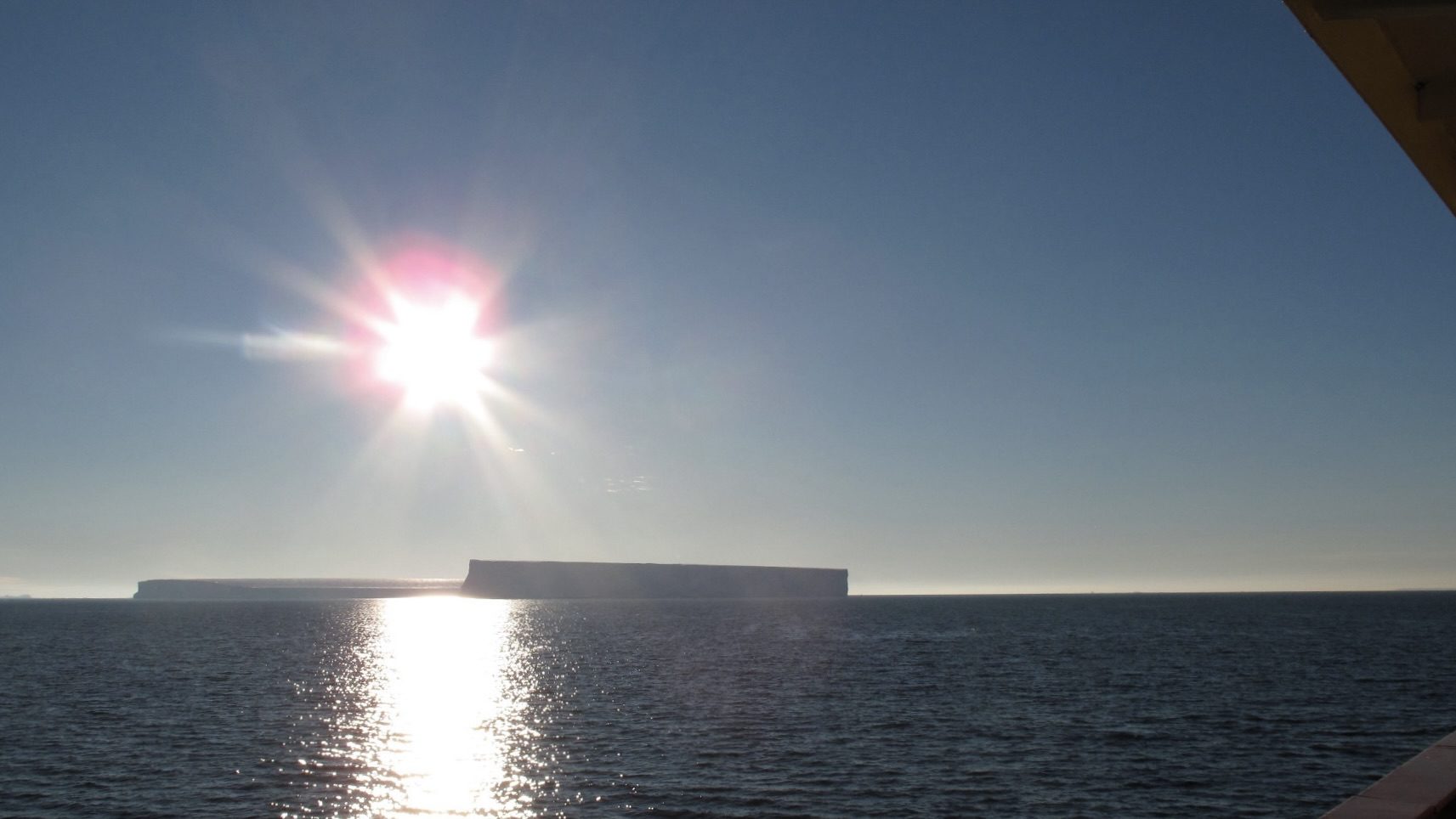
Woods Hole, Mass. — Vitamin B12 deficiency in people can cause a slew of health problems and even become fatal. Until now, the same deficiencies were thought to impact certain…
Read MorePlate Tectonics Fuels a Vast Underground Ecosystem
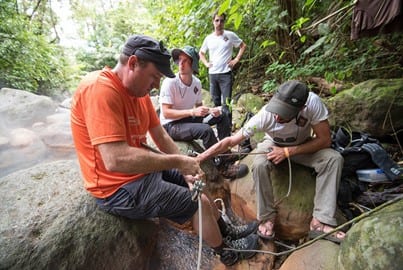
The subsurface is among Earth’s largest biomes, but the extent to which microbial communities vary across tectonic plate boundaries or interact with subduction-scale geological processes remains unknown. In a recently published study, scientists compare bacterial community composition with deep-subsurface geochemistry from 21 hot springs across the Costa Rican convergent margin.
Read MoreClimate Change Can Destabilize the Global Soil Carbon Reservoir, New Study Finds
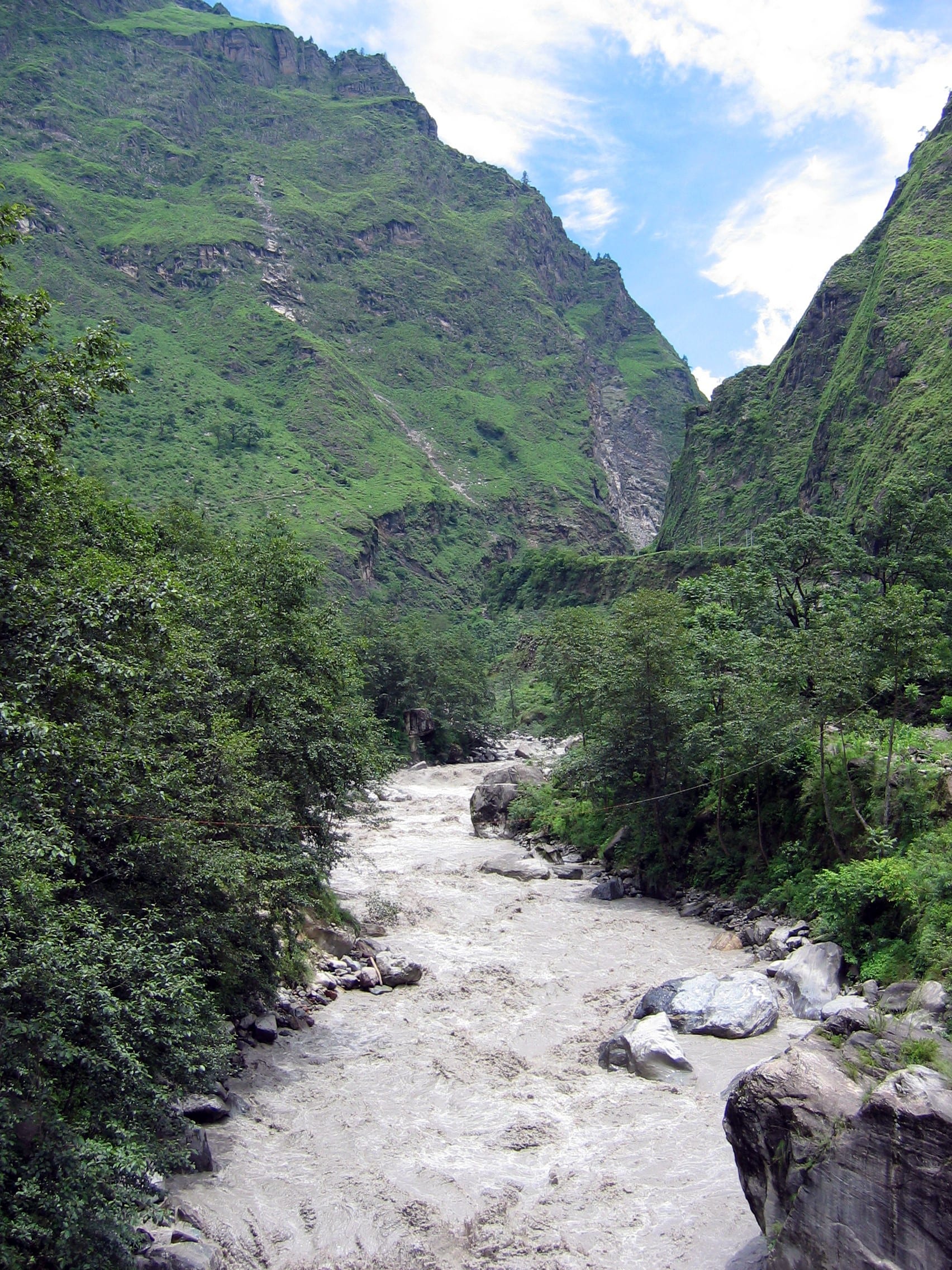
The vast reservoir of carbon that is stored in soils probably is more sensitive to destabilization from climate change than has previously been assumed, according to a new study by…
Read MoreNew geochemical tool reveals origin of Earth’s nitrogen
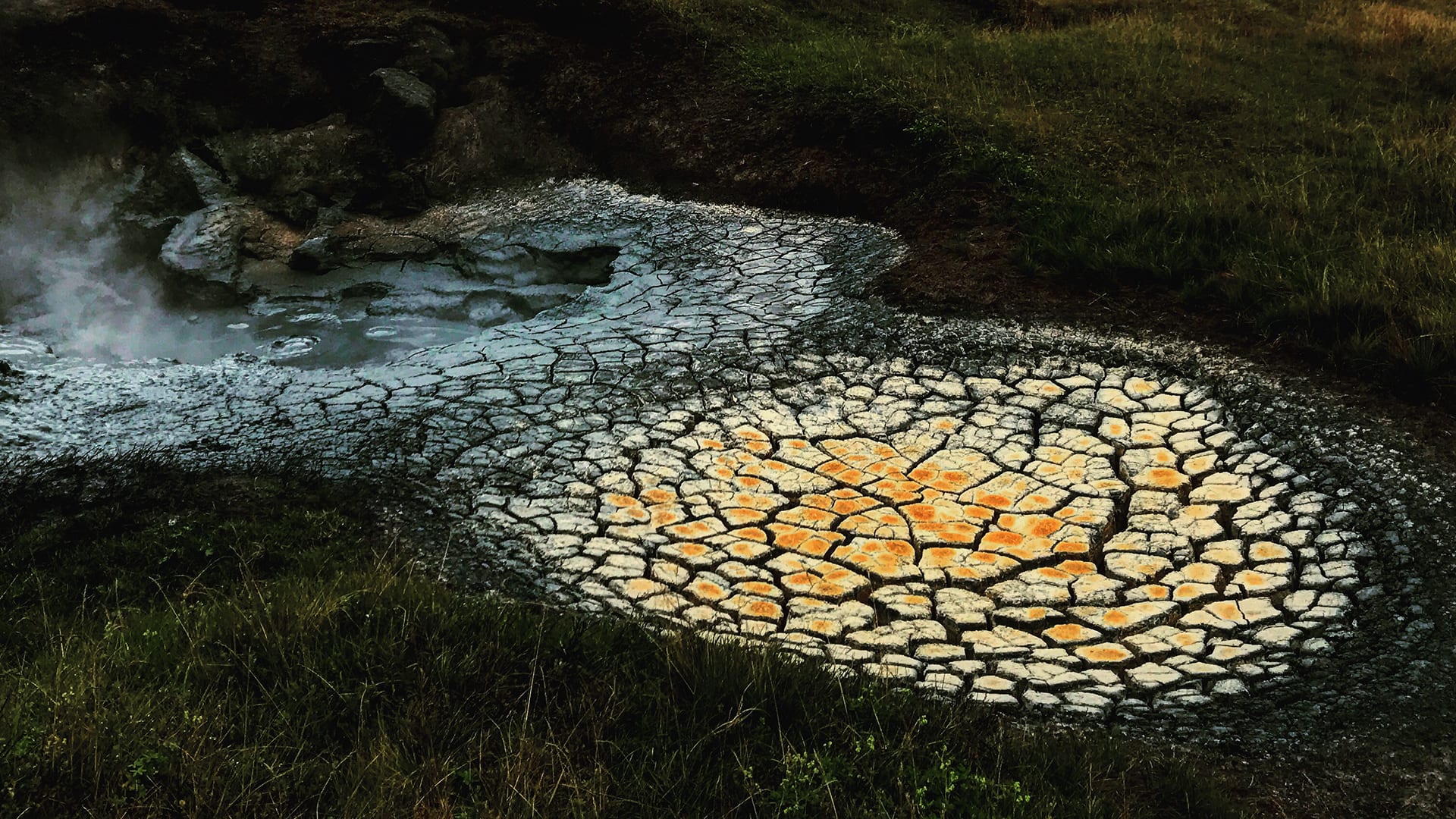
A new geochemical tool sheds light on the origin of nitrogen and other volatile elements on Earth, which may also prove useful as a way to monitor the activity of volcanoes
Read MoreScientists Find Surprising Evidence of Rapid Changes in the Arctic
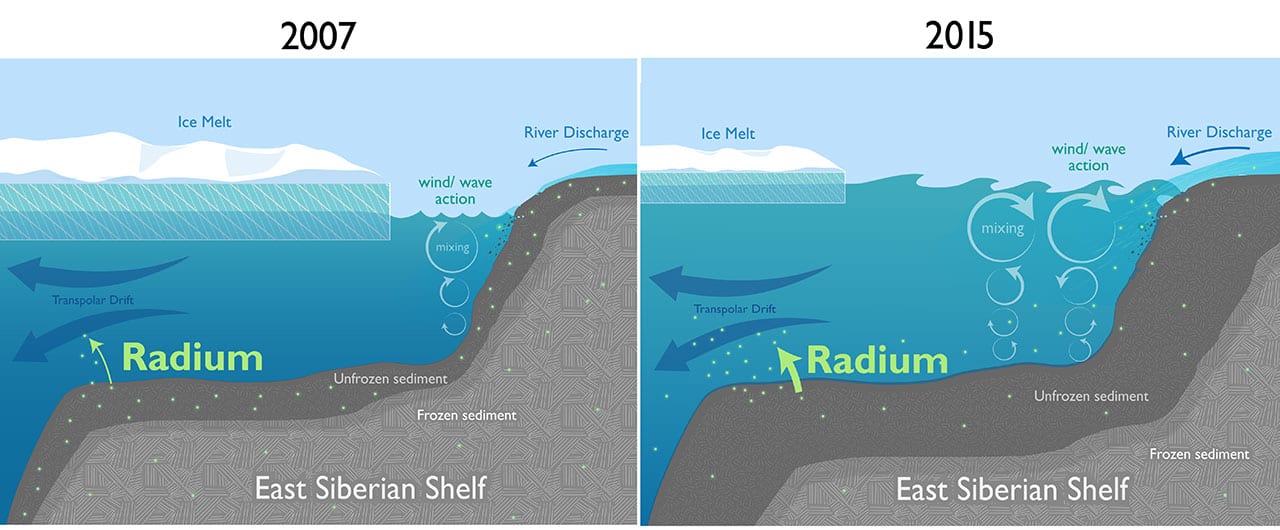
Scientists have found surprising evidence of rapid climate change in the Arctic: In the middle of the Arctic Ocean near the North Pole, they discovered that the levels of radium-228 have almost doubled over the last decade.
Read MoreNew Studies Take a Second Look at Coral Bleaching Culprit
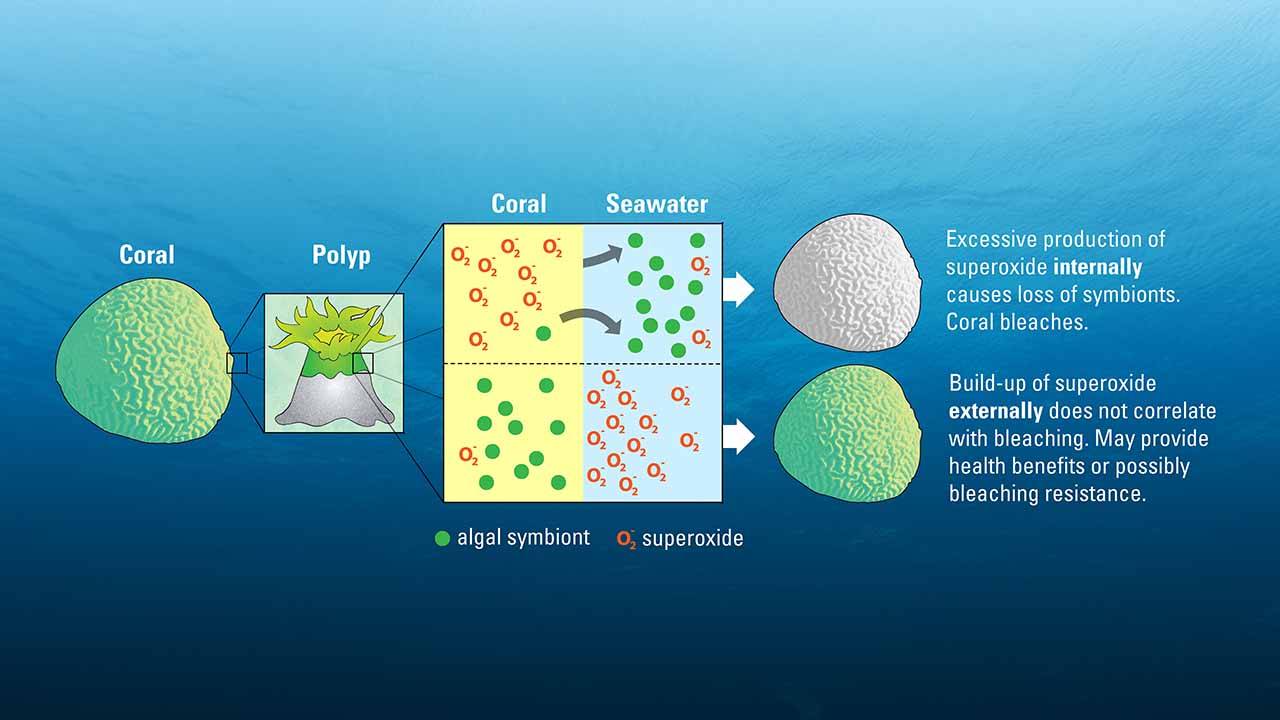
A new study from WHOI indicates that superoxide’a natural toxin believed to be the main culprit behind coral bleaching’may actually play a beneficial role in coral health and resilience.
Read MoreEvidence of Ancient Life Discovered in Mantle Rocks Deep Below the Seafloor
Ancient rocks harbored microbial life deep below the seafloor, reports a team of scientists from the Woods Hole Oceanographic Institution (WHOI), Virginia Tech, and the University of Bremen. This new…
Read MoreWhere Iron and Water Mix
A new study by researchers from University of Washington (UW), Woods Hole Oceanographic Institution (WHOI), and the University of Southern California, demonstrates that chemical-laden plumes erupted from vents at one section of Mid Ocean Ridge in the SE Pacific can be traced all the way across the Pacific for more than 4000 kilometers. Further, the study shows how the iron transported by this process is ultimately brought to the surface oceans of Antarctica where it is serves as a key life-sustaining micro-nutrient supporting up to 30 percent of all the organic carbon uptake in that ocean.
Read MoreScientists Apply Biomedical Technique to Reveal Changes Within the Body of the Ocean
For decades, medical researchers have sought new methods to diagnose how different types of cells and systems in the body are functioning. Now scientists have adapted an emerging biomedical technique…
Read MoreWHOI Research Projects Awarded $5.2 M to Support Marine Microbial Research
There are more microbes in a bucket of seawater than there are people on Earth. Despite their abundance, humans are only just beginning to fathom the complex role marine microbes…
Read MoreWHOI Scientist Receives Gordon and Betty Moore Foundation Marine Microbiology Initiative Investigator Award
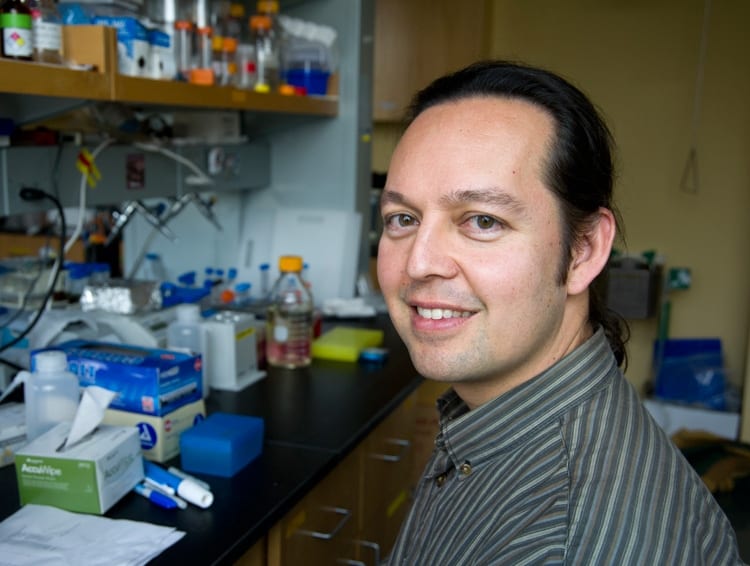
Mak Saito, a biogeochemist at Woods Hole Oceanographic Institution, has been selected for a Marine Microbiology Initiative (MMI) investigator award by the Gordon and Betty Moore Foundation. Saito is one…
Read MoreResearchers from WHOI and MBL Receive $1.2 Million Grant for Collaborative Salt-Marsh Study
Scientists from the Marine Biological Laboratory (MBL) and the Woods Hole Oceanographic Institution (WHOI) were recently awarded a $1.2 million collaborative grant from the National Science Foundation (NSF) for studies on the role of sulfur-oxidizing bacteria in salt marsh nitrogen and carbon cycling. The fieldwork will be conducted at the Plum Island Ecosystem Long-Term Ecological Research (LTER) site on the North Shore of Boston.
Read MorePhytoplankton Cell Membranes Challenge Fundamentals of Biochemistry
Get ready to send the biology textbooks back to the printer. In a new paper published in Nature, Benjamin Van Mooy, a geochemist with the Woods Hole Oceanographic Institution (WHOI),…
Read MoreResearchers Find Substantial Amount of Mercury Entering the Ocean through Groundwater
Researchers from the Woods Hole Oceanographic Institution (WHOI) have found a new and substantial pathway for mercury pollution flowing into coastal waters. Marine chemists have detected much more dissolved mercury entering the ocean through groundwater than from atmospheric and river sources.
Read MoreScientists Find Unusual Use of Metals in the Ocean
Cadmium, commonly considered a toxic metal and often used in combination with nickel in batteries, has been found to have a biological use as a nutrient in the ocean, the…
Read More