
News Releases
Glaciers Contribute Significant Iron to North Atlantic Ocean
All living organisms rely on iron as an essential nutrient. In the ocean, iron’s abundance or scarcity means all the difference as it fuels the growth of plankton, the base…
Read MoreStudy Sheds Light on How Heat is Transported to Greenland Glaciers
Warmer air is only part of the story when it comes to Greenland’s rapidly melting ice sheet. New research by scientists at Woods Hole Oceanographic Institution (WHOI) highlights the role…
Read MoreWHOI Scientist Catherine Walker Joins NASA-Selected EDGE Satellite Mission
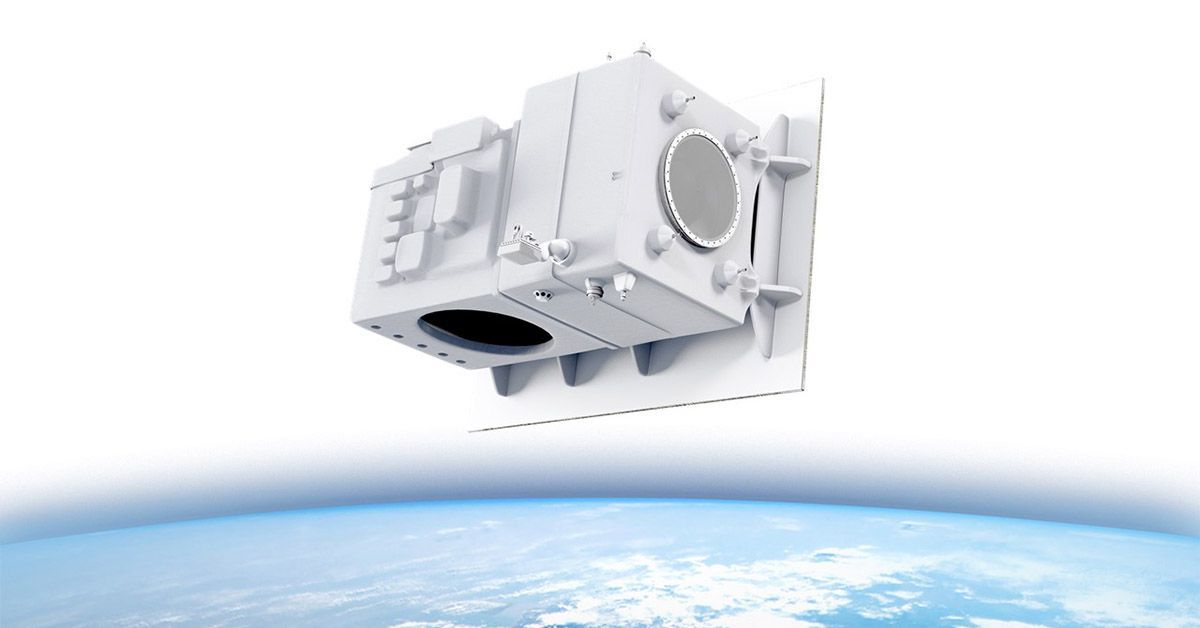
Satellite measuring land, polar, and coastal regions could launch by 2030
Read MoreNew study finds rate of U.S. coastal sea level rise doubled in the past century
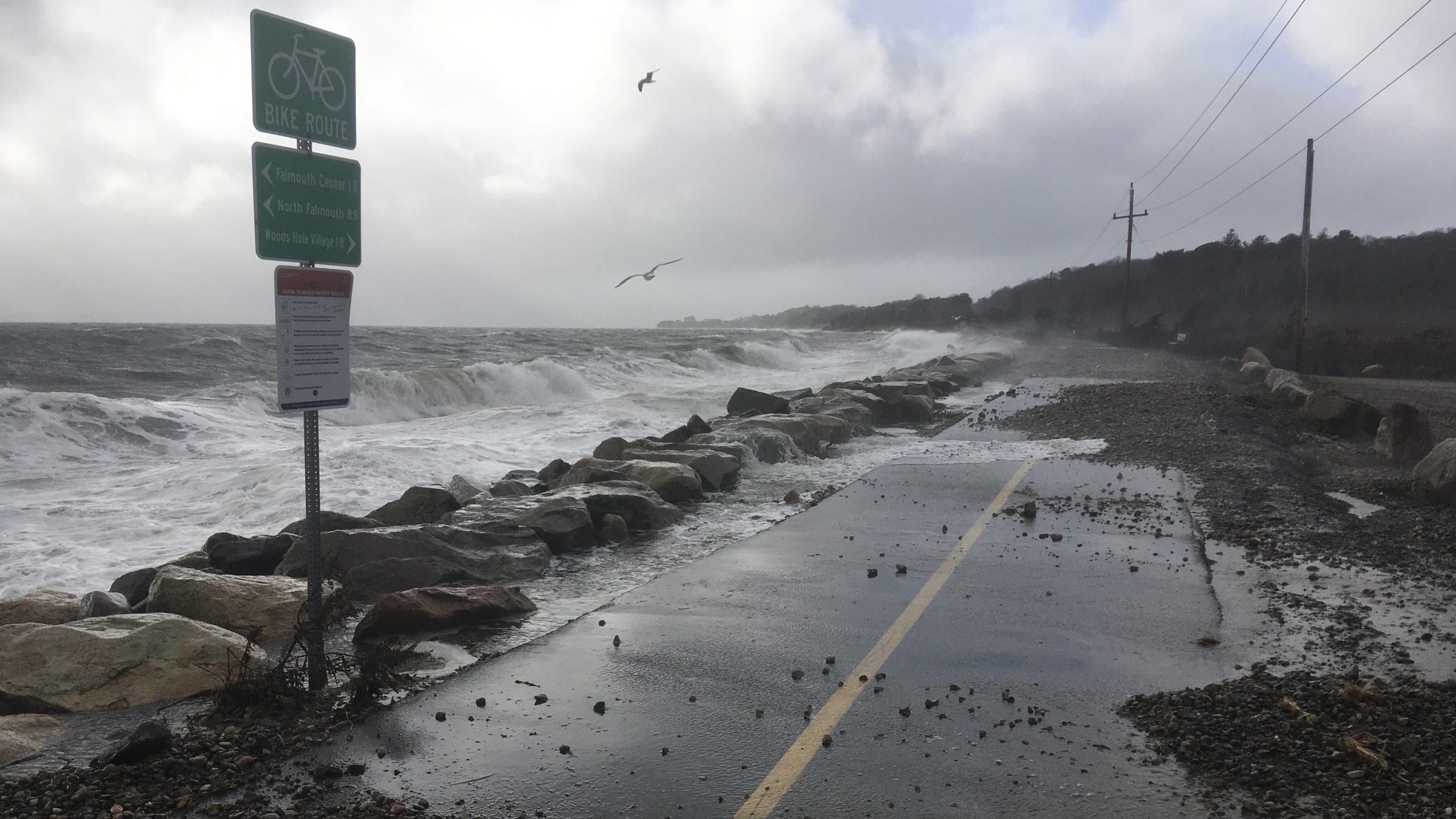
The study finds that the rate of U.S. coastal sea-level rise has more than doubled in the past 125 years.
Read MorePONANT Explorations Group announces new partnership with Woods Hole Oceanographic Institution
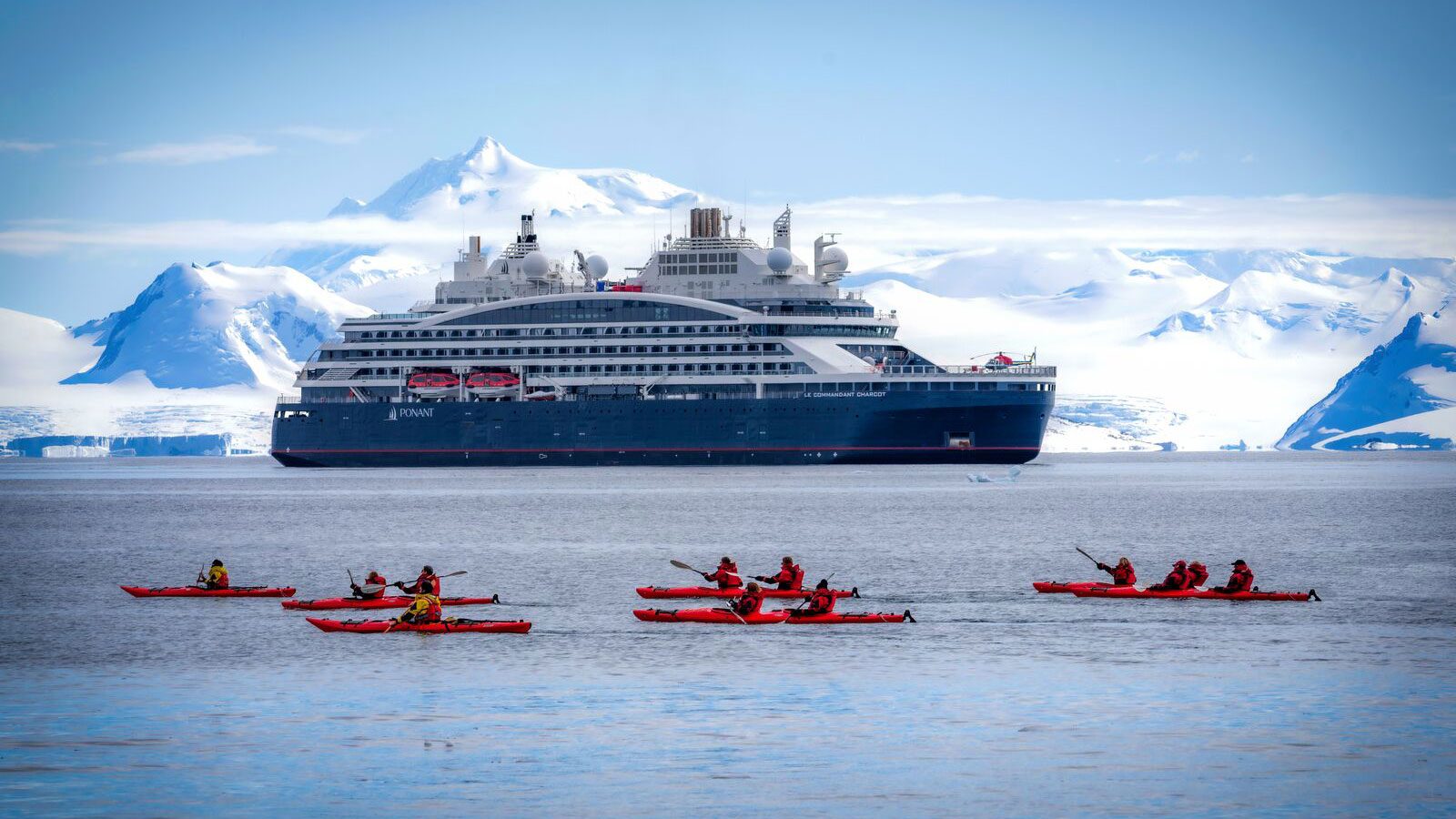
Three-year collaboration to include scientific expeditions, onboard educational programming, and testing of next-generation ocean research technology
Read MoreWHOI vehicles go to extreme sides of the globe
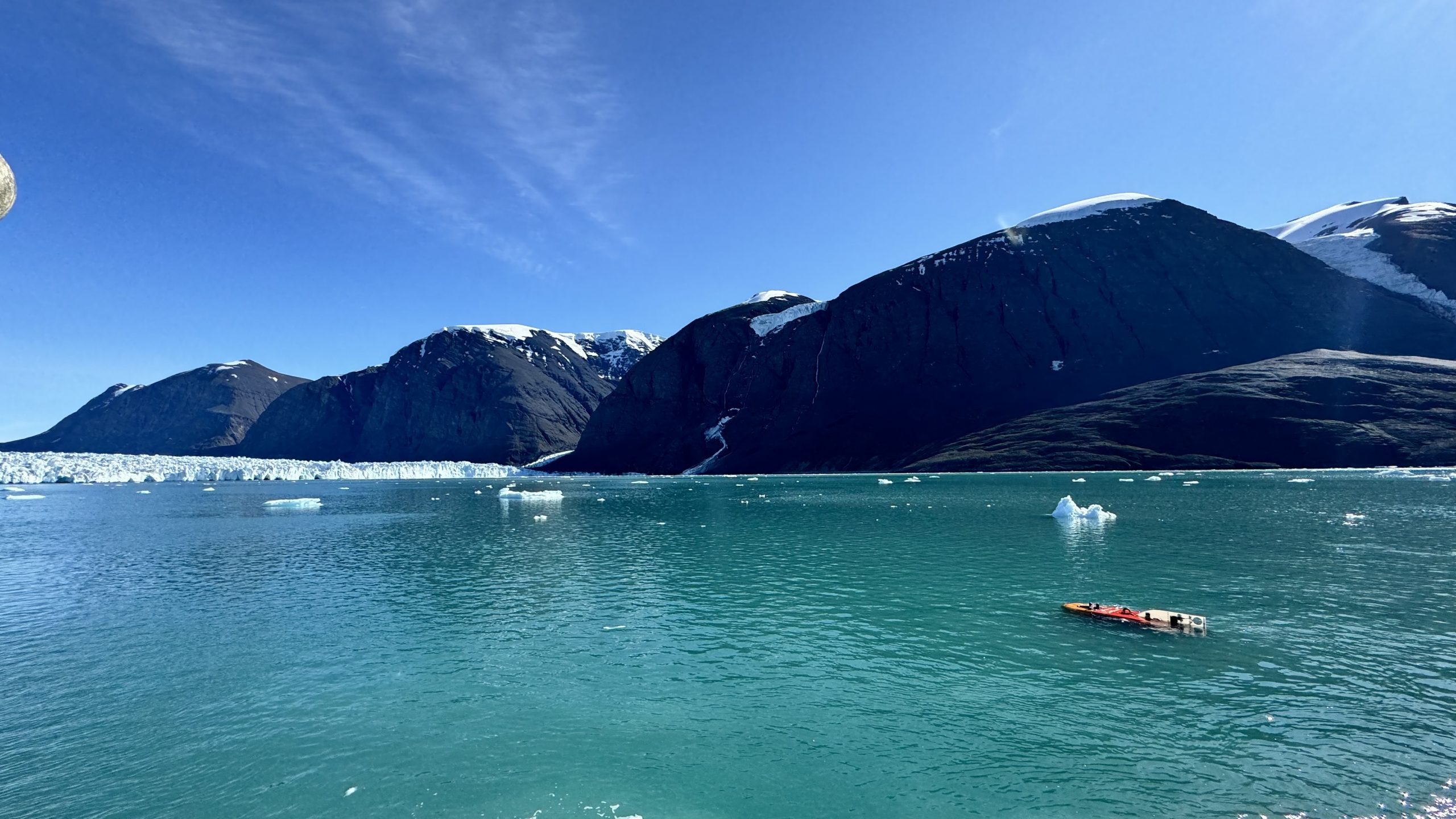
Simultaneous missions near Greenland and American Samoa support critical research about ocean life and sea level rise
Read MoreA new report on coastal resilience
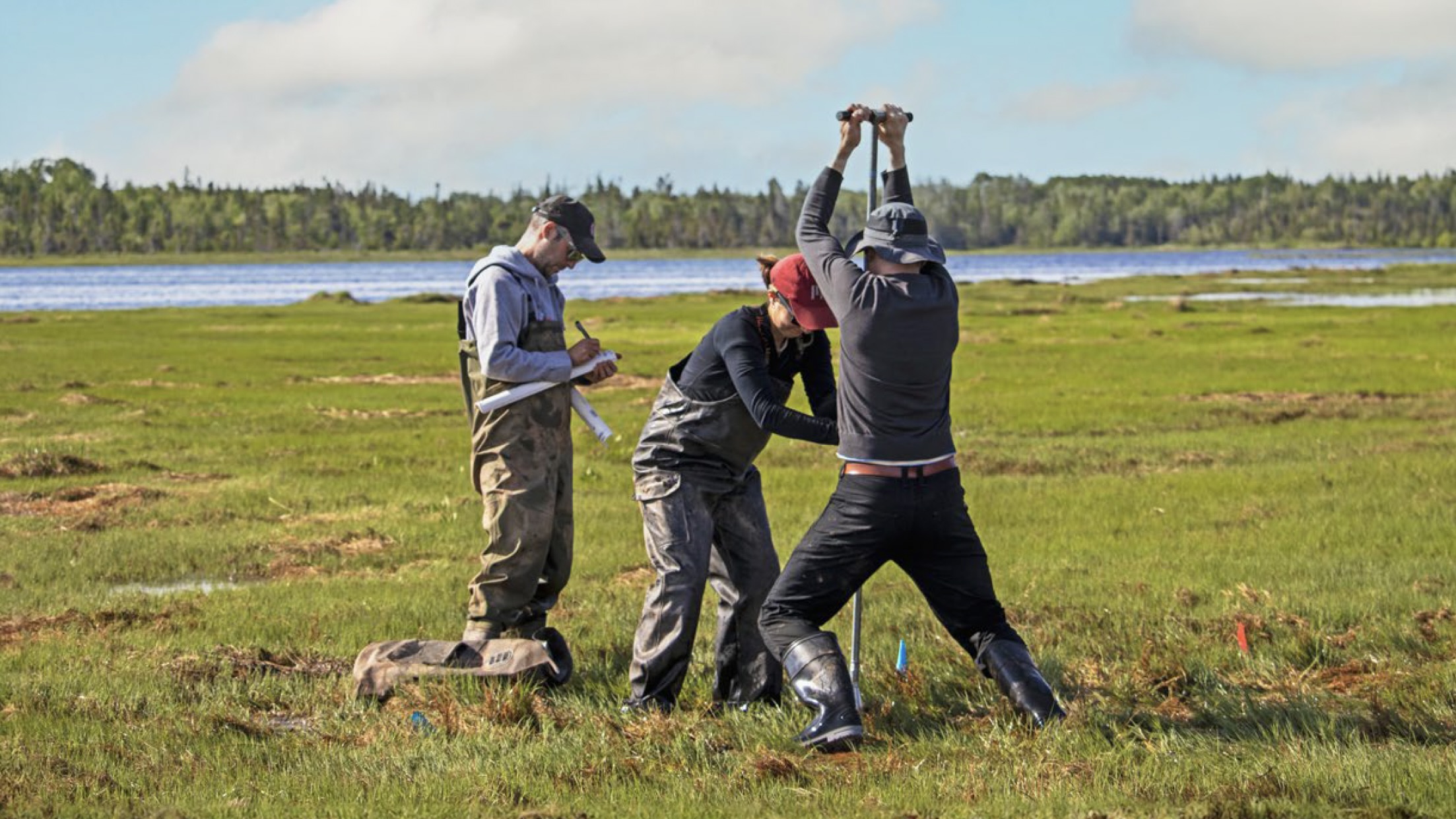
New report released during NY Climate Week and upcoming UN General Assembly high-level plenary meeting on threats posed by sea level rise
Read MoreVitamin B12 adaptability in Antarctic algae has implications for climate change
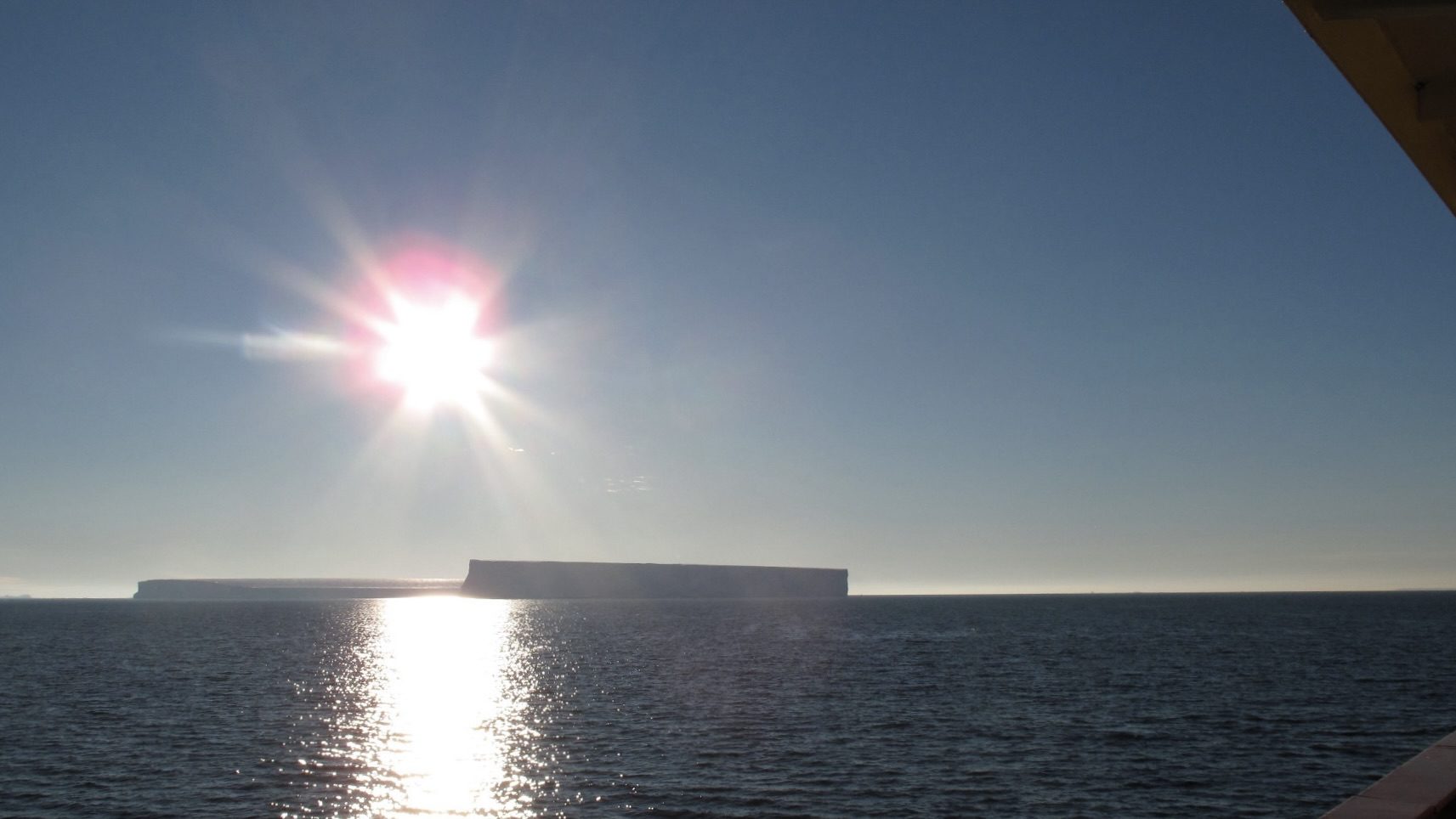
Woods Hole, Mass. — Vitamin B12 deficiency in people can cause a slew of health problems and even become fatal. Until now, the same deficiencies were thought to impact certain…
Read MoreWHOI Arctic experts present at international climate conference overseas
Experts from WHOI and Woodwell Climate Research Center are on the ground at COP26 in Glasgow, Scotland, sharing critical perspective on the implications of a warming Arctic
Read MoreA recent reversal in the response of western Greenland’s ice caps to climate change
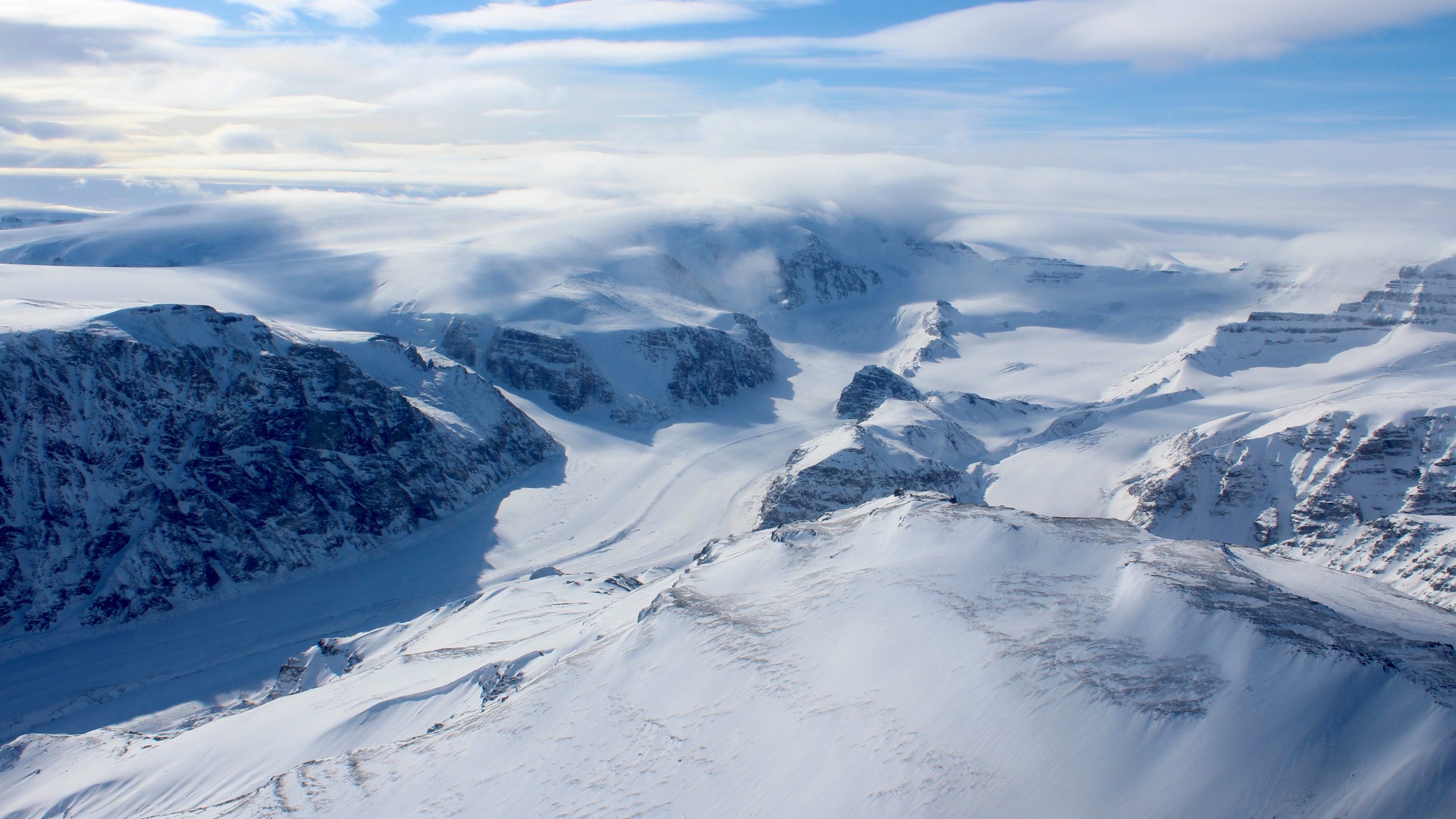
New collaborative research from the WHOI and five partner institutions published today in Nature Geoscience, reveals that during past periods glaciers and ice caps in coastal west Greenland experienced climate conditions much different than the interior of Greenland. Over the past 2,000 years, these ice caps endured periods of warming during which they grew larger rather than shrinking.
Read MoreIcebergs drifting from Canada to Southern Florida
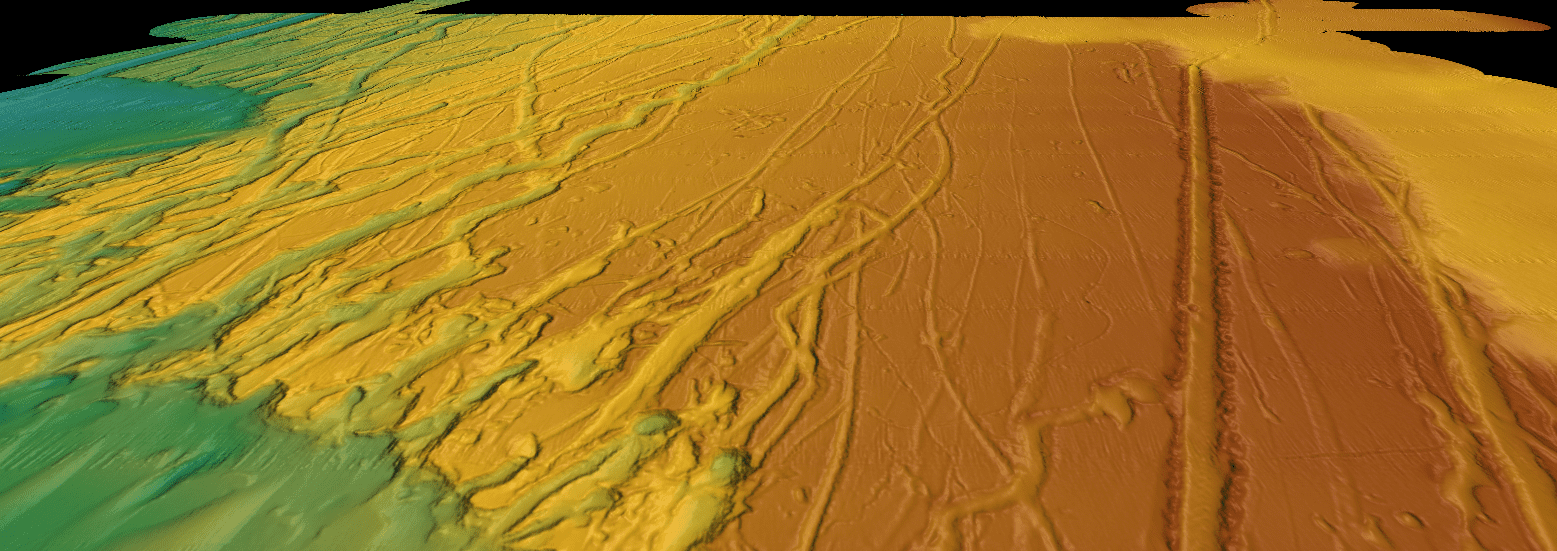
A newly developed iceberg computer model helped the researchers understand the timing and circulation of meltwater and icebergs through the global oceans during glacial periods, which is crucial for deciphering how past changes in high-latitude freshwater forcing influenced shifts in climate.
Read MoreWhy Is Sea Level Rising Faster in Some Places Along the U.S. East Coast Than Others?
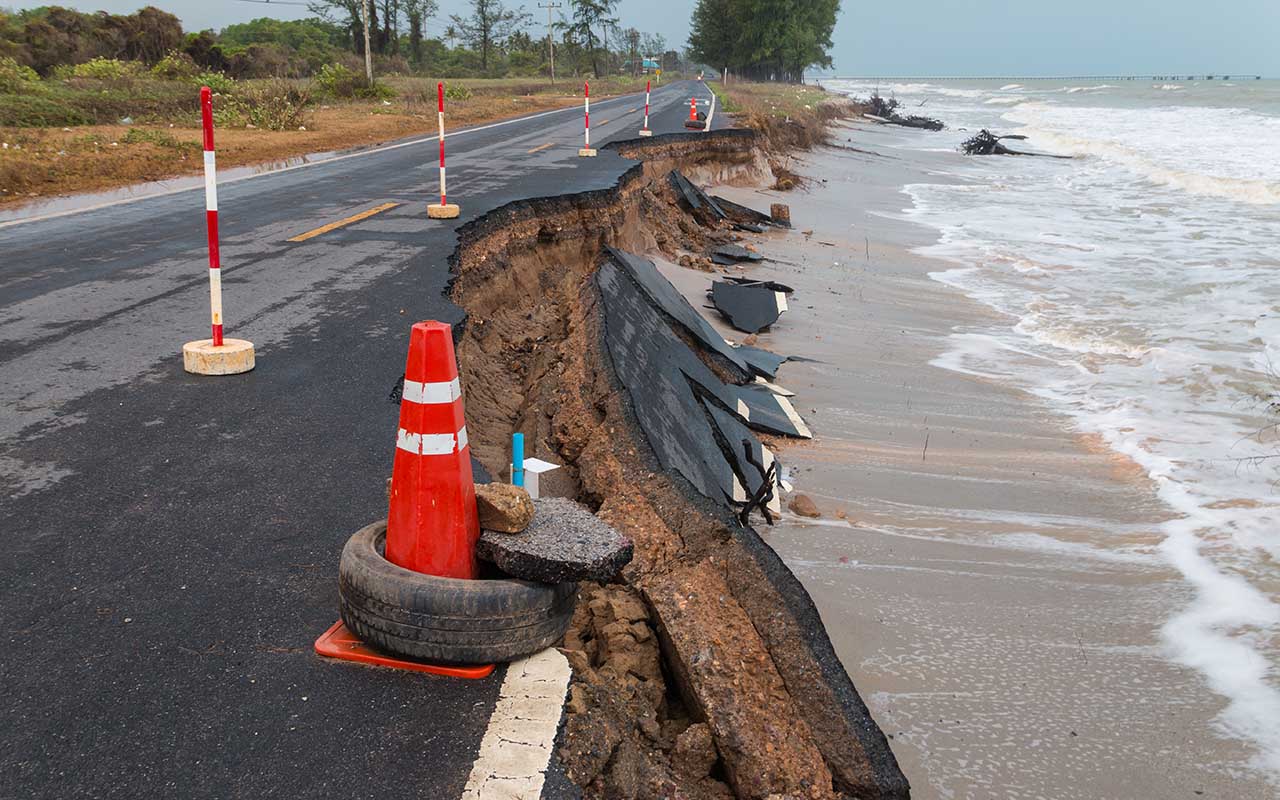
Sea levels are rising globally from ocean warming and melting of land ice, but the seas aren’t rising at the same rate everywhere. Sea levels have risen significantly higher in some U.S. East Coast regions compared to others. A new study led by the Woods Hole Oceanographic Institution (WHOI) reveals why.
Read MoreGreenland Ice Sheet Melt ‘Off the Charts’ Compared With Past Four Centuries
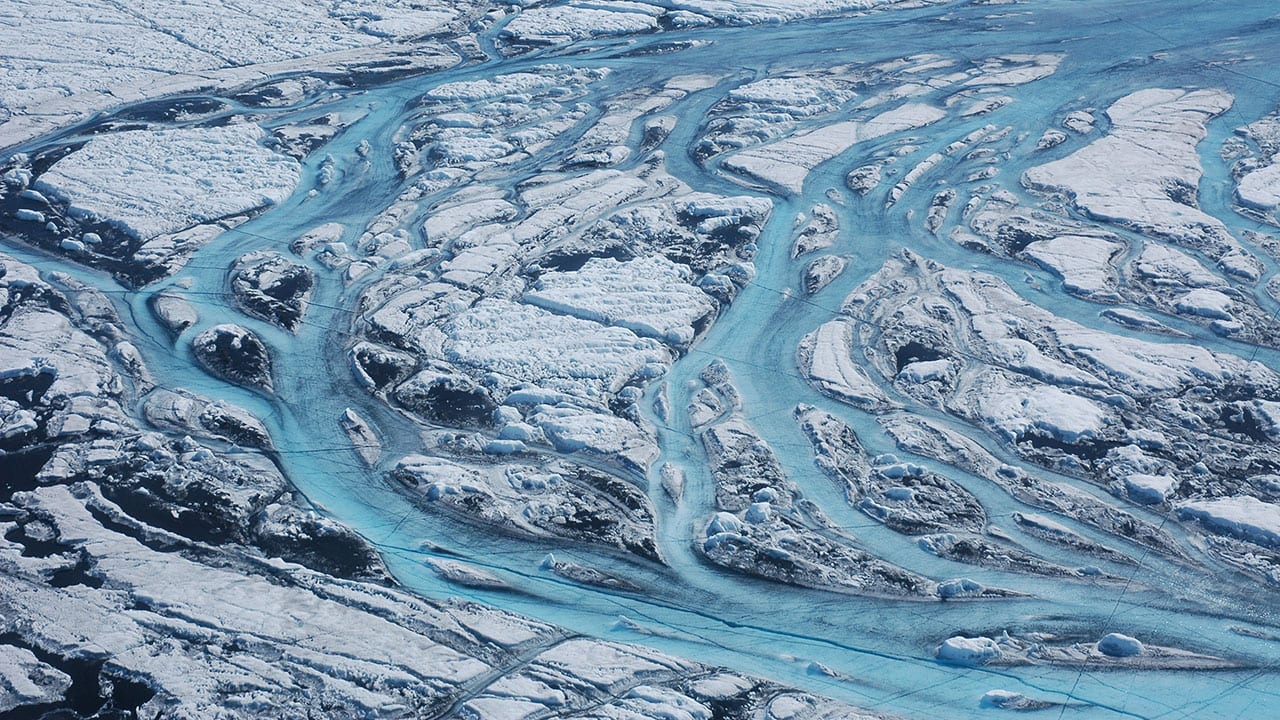
Surface melting across Greenland’s mile-thick ice sheet began increasing in the mid-19th century and then ramped up dramatically during the 20th and early 21st centuries, showing no signs of abating, according to new research published Dec. 5, 2018, in the journal Nature. The study provides new evidence of the impacts of climate change on Arctic melting and global sea level rise.
Read MoreFollowing the Fresh Water
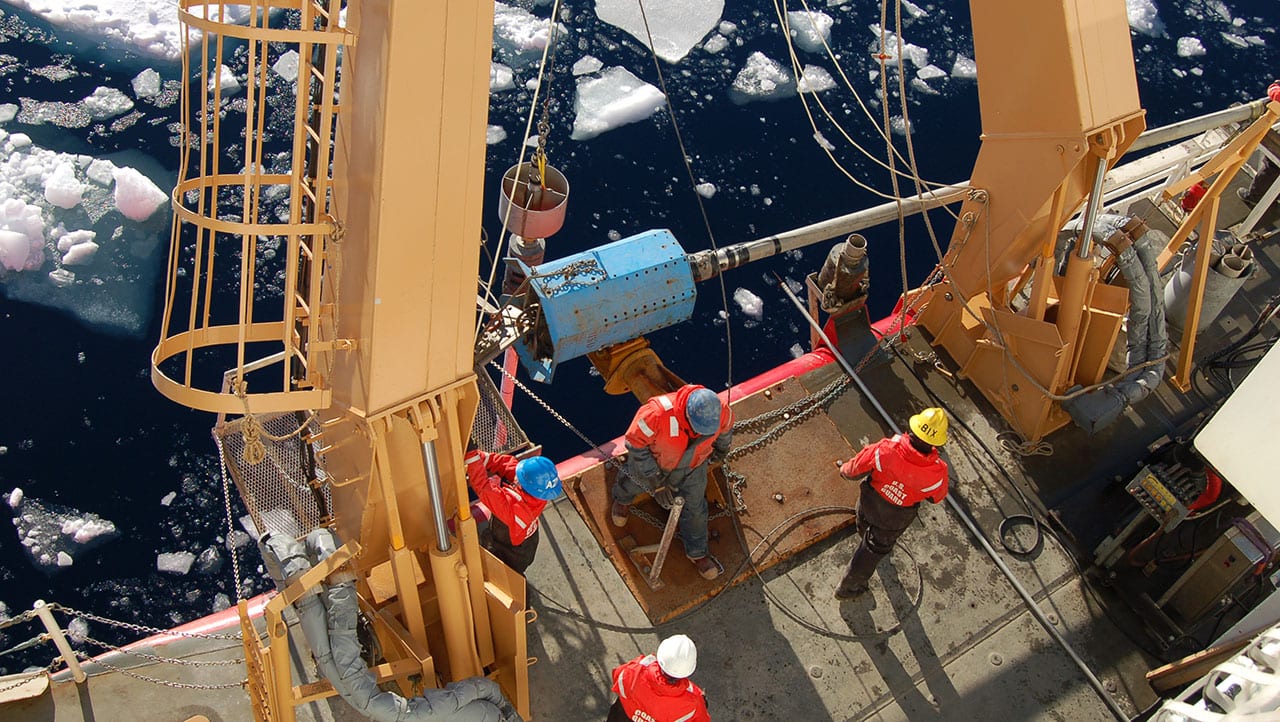
A research team led by Woods Hole Oceanographic Institution (WHOI) found the fingerprint of a massive flood of fresh water in the western Arctic, thought to be the cause of an ancient cold snap that began around 13,000 years ago.
Read MoreAtlantic Ocean Circulation at Weakest Point in 1,600 years
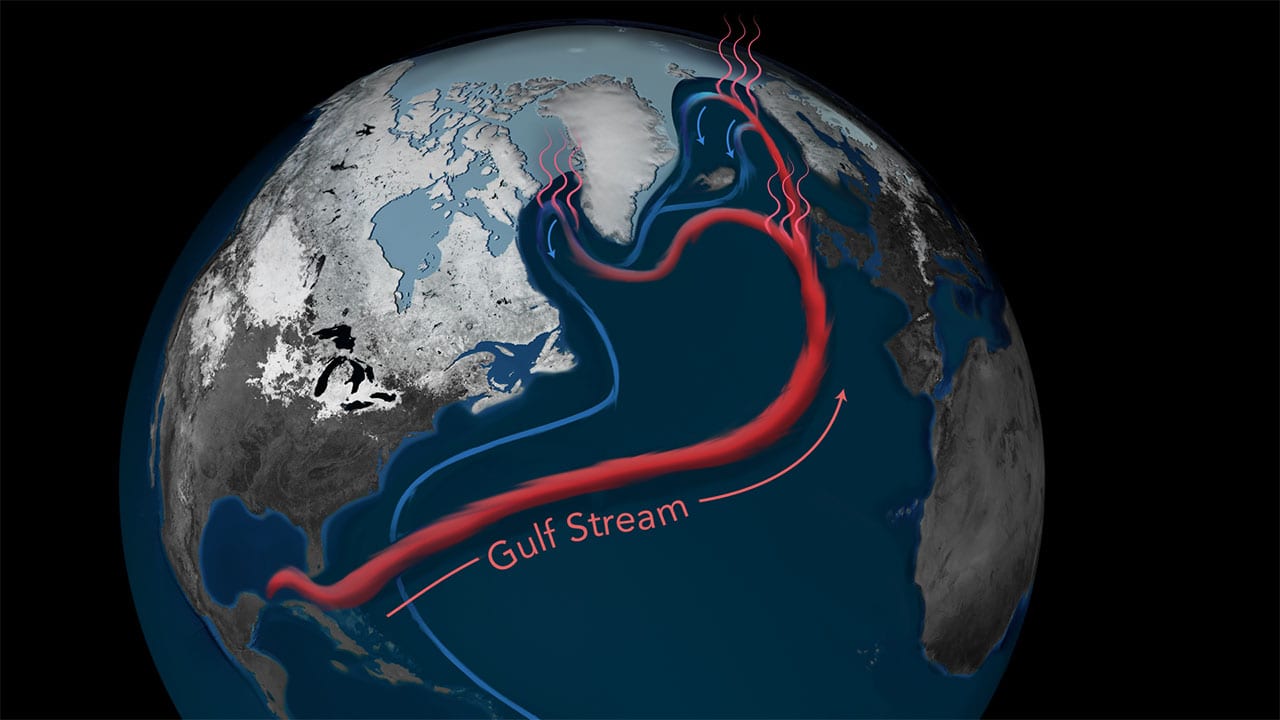
Atlantic Ocean Circulation at Weakest Point in More Than 1500 years New research led by University College London (UCL) and Woods Hole Oceanographic Institution (WHOI) provides evidence that a key cog in the global ocean circulation system hasn’t been running at peak strength since the mid-1800s and is currently at its weakest point in the past 1,600 years. If the system continues to weaken, it could disrupt weather patterns from the United States and Europe to the African Sahel, and cause more rapid increase in sea level on the U.S. East Coast.
Read MoreFiamma Straneo Selected for Prestigious Sverdrup Lecture
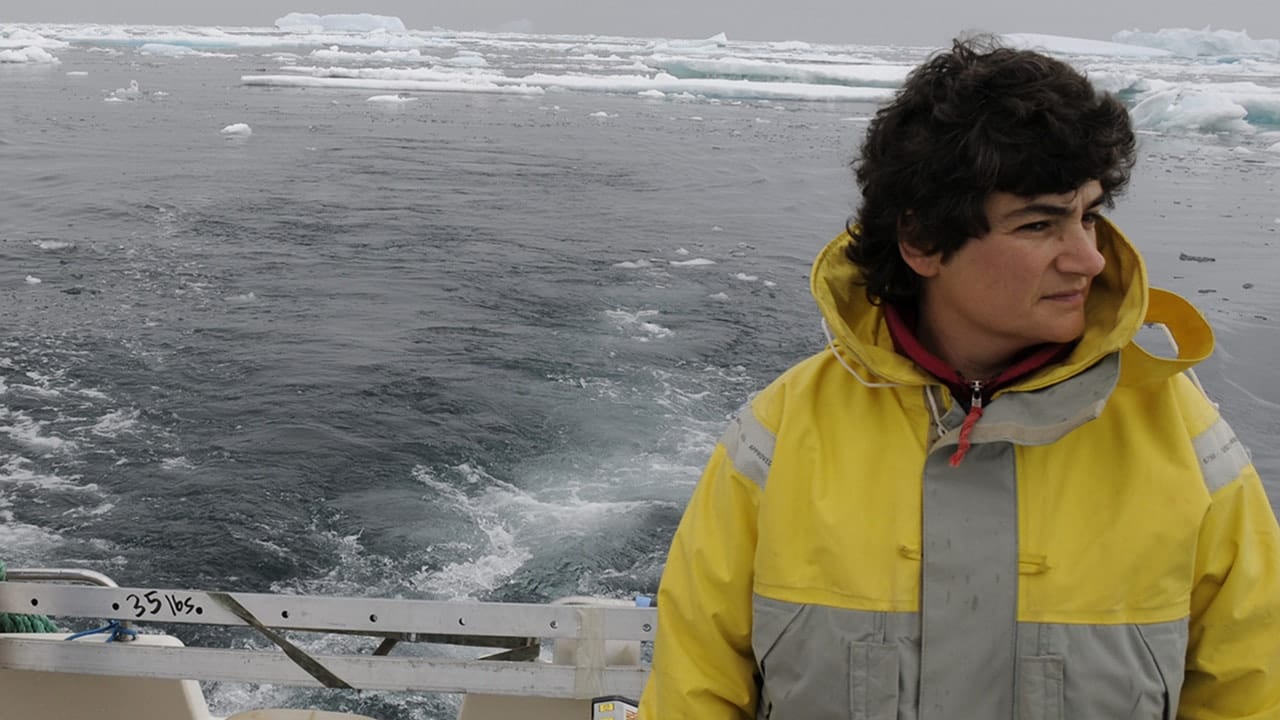
The American Geophysical Union (AGU) has chosen Fiamma Straneo, a physical oceanographer at Woods Hole Oceanographic Institution (WHOI), to deliver the Sverdrup Lecture at this year’s meeting of the Ocean Sciences section held in New Orleans from February 21-26, 2016. The lecture is one of the highest awards the section bestows on its members.
Read MoreNew Study Projects That Melting of Antarctic Ice Shelves Will Intensify
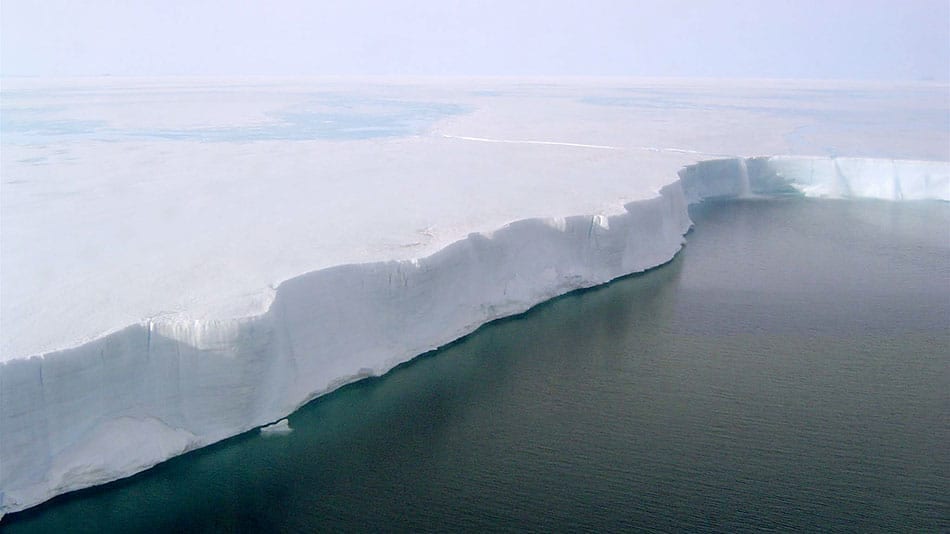
New research published today projects a doubling of surface melting of Antarctic ice shelves by 2050 and by 2100 may surpass intensities associated with ice shelf collapse, if greenhouse gas emissions from fossil fuel consumption continues at the present rate.
Ice shelves are the floating extensions of the continent’s massive land-based ice sheets. While the melting or breakup of floating ice shelves does not directly raise sea level, ice shelves do have a “door stop” effect: They slow the flow of ice from glaciers and ice sheets into the ocean, where it melts and raises sea levels.
Read MoreDeep-Sea Images Give New View of Arctic Ocean Methane Seeps
Working with colleagues from the Centre for Arctic Gas Hydrate, Environment and Climate (CAGE) in Norway, Dan Fornari from Woods Hole Oceanographic Institution’s (WHOI) Geology & Geophysics Department collected nearly 30,000 high definition images at known methane release sites in the Arctic Ocean north of Norway. The detailed images will provide new insights into the most remote areas of natural methane releases in the world.
Read MoreUnderstanding the Ocean’s Role in Greenland Glacier Melt
The Greenland Ice Sheet is a 1.7 million-square-kilometer, 2-mile thick layer of ice that covers Greenland. Its fate is inextricably linked to our global climate system. In the last 40…
Read MoreA Look Back and Ahead at Greenland’s Changing Climate
Over the past two decades, ice loss from the Greenland Ice Sheet increased four-fold contributing to one-quarter of global sea level rise. However, the chain of events and physical processes…
Read MoreScientists solve a 14,000-year-old ocean mystery
At the end of the last Ice Age, as the world began to warm, a swath of the North Pacific Ocean came to life. During a brief pulse of biological…
Read MoreNew Study Reveals How Sensitive U.S. East Coast Regions May Be to Ocean Acidification
A continental-scale chemical survey in the waters of the eastern U.S. and Gulf of Mexico is helping researchers determine how distinct bodies of water will resist changes in acidity. The…
Read MoreClimate Change Led to Collapse of Ancient Indus Civilization, Study Finds
A new study combining the latest archaeological evidence with state-of-the-art geoscience technologies provides evidence that climate change was a key ingredient in the collapse of the great Indus or Harappan Civilization almost 4000 years ago. The study also resolves a long-standing debate over the source and fate of the Sarasvati, the sacred river of Hindu mythology.
Read MoreStudy of Patagonian Glacier’s Rise and Fall Adds to Understanding of Global Climate Change
Increased global temperatures are frequently viewed as the cause of glacial melt, but a new study of Patagonia’s Gualas Glacier highlights the role of precipitation in the glacier’s fluctuation. The study, conducted by Sbastien Bertrand of the Woods Hole Oceanographic Institution (WHOI) and his colleagues, compares past temperature and rainfall data with sediment records of glacier fluctuations and the historical observations of early Spanish explorers.
Read More