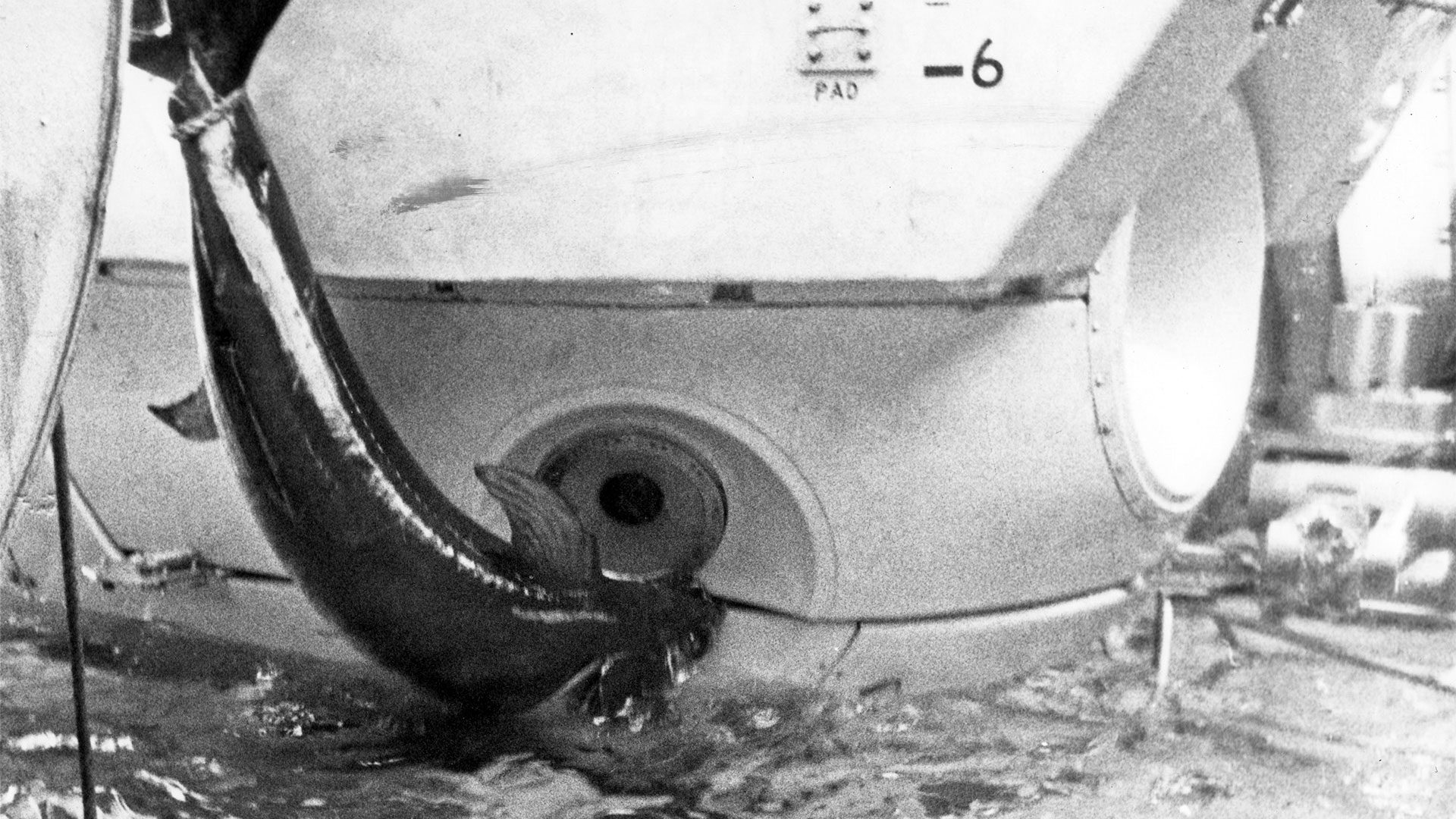
Alvin vs. the swordfish
During a 1967 dive off Florida, a startled swordfish rammed the famed submersible Alvin—lodging its sword in the hull and forcing the crew to abort the mission
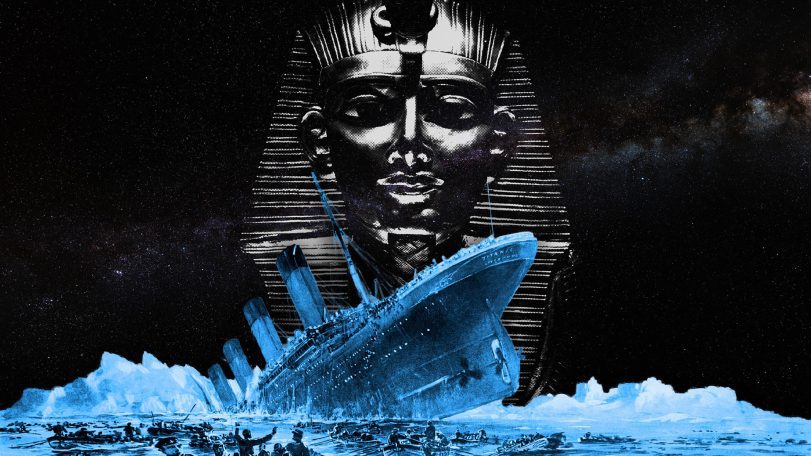
A mummy, a myth, and the Titanic
A 1986 handwritten letter to Bob Ballard revisits one of the Titanic disaster’s strangest myths
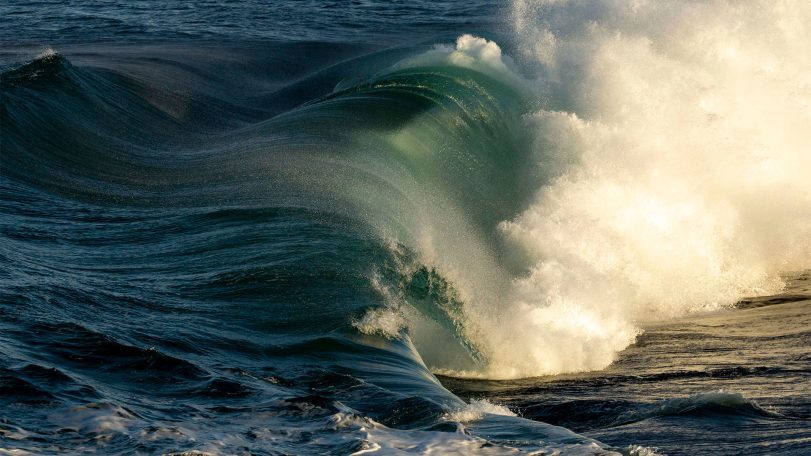
Turning motion into power: Wave energy converters for sustainable ocean monitoring
In the rapidly evolving world of ocean technology, wave energy is emerging as…
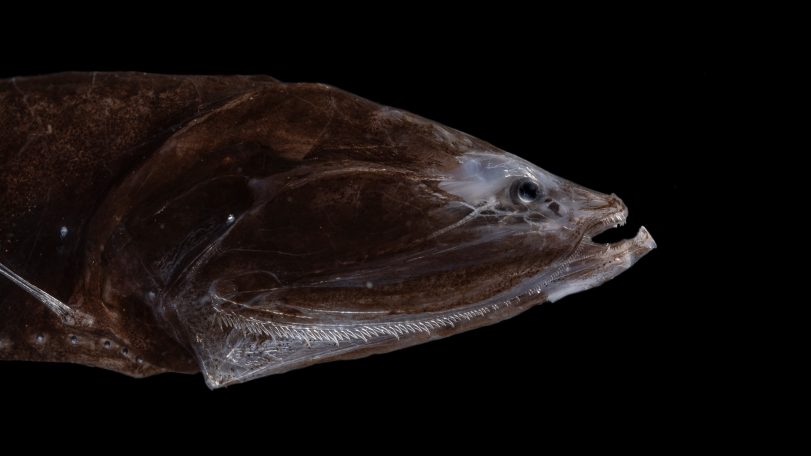
The world’s most abundant fish once thrived in an extreme climate
Fossilized teeth show bristlemouth fish evolved during one of the ocean’s hottest periods
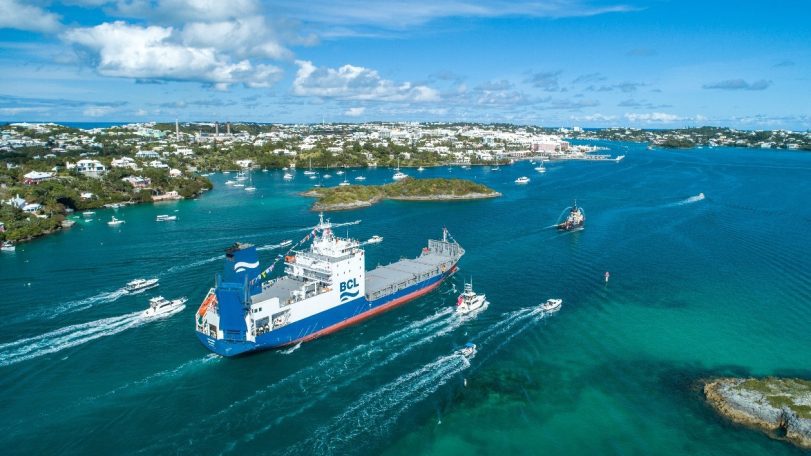
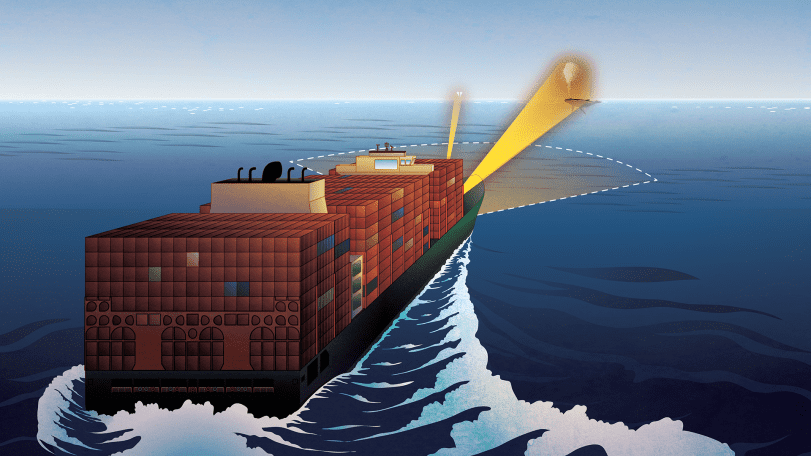
How a cargo ship is tracking hidden ocean life in the Atlantic
With funding support from CMA CGM, ocean observations aboard Bermuda Container Line’s M/V Oleander now include a window into microscopic life
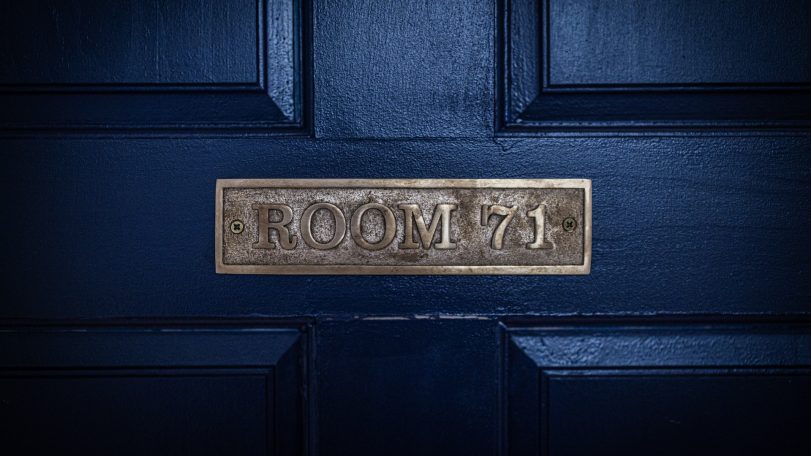
Inside Room 71: WHOI history in seven artifacts
Some of the technology, art, and gifts that tell the story of the institution’s early days
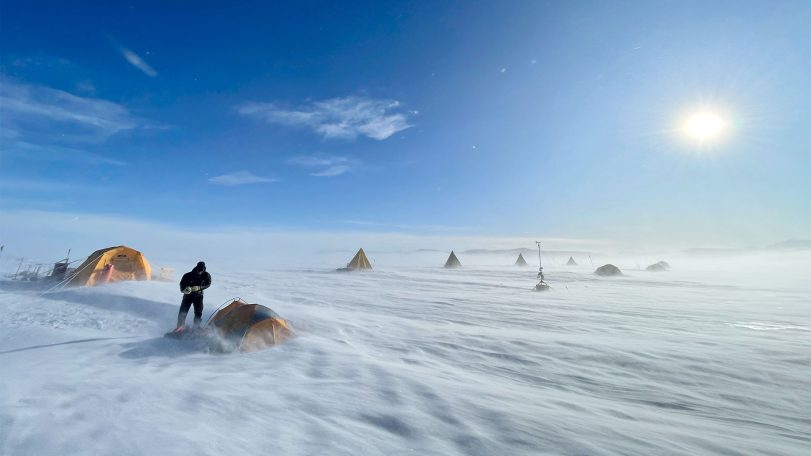
A scientist’s quest to find Earth’s oldest ice
After recovering ice that dates back 6 million years, Sarah Shackleton hopes to dig deeper into Earth’s history from a remote Antarctic moraine
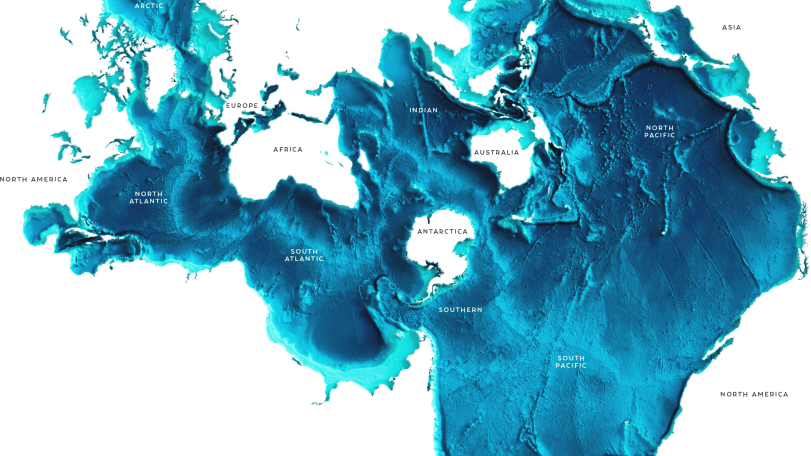
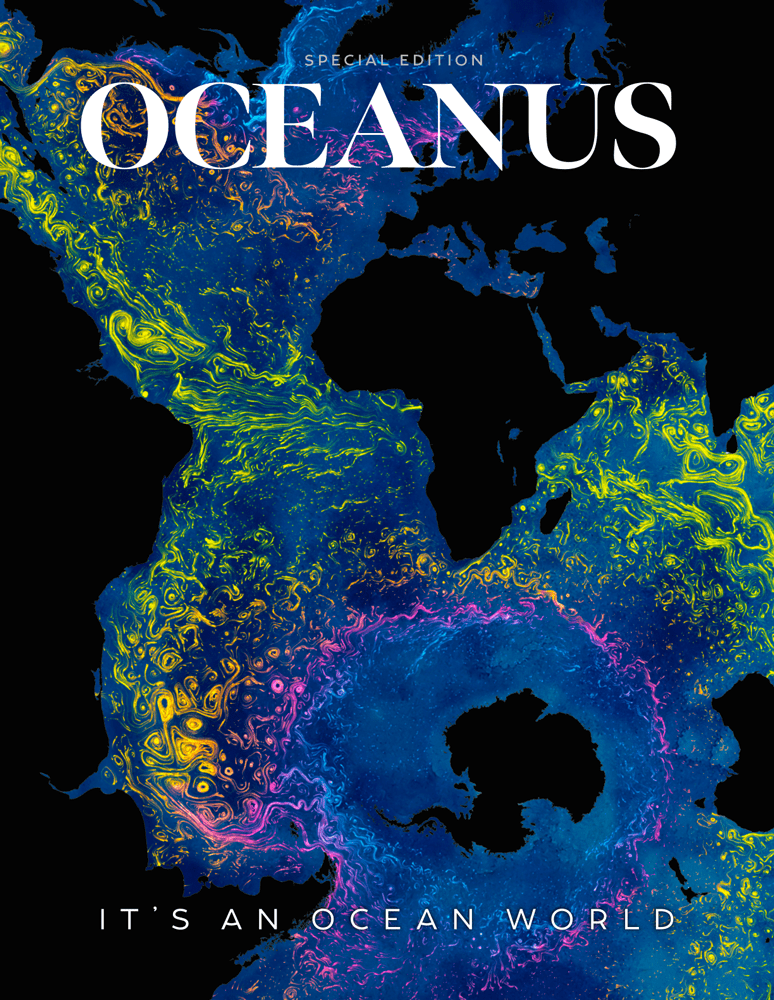
It’s the most ocean-friendly map ever created. Why haven’t more people seen it?
Discover the Spilhaus Projection, a radical world map that reveals Earth as one connected ocean—and reshapes how we see the planet.
and get Oceanus delivered to your door twice a year as well as supporting WHOI's mission to further ocean science.
Our Ocean. Our Planet. Our Future.
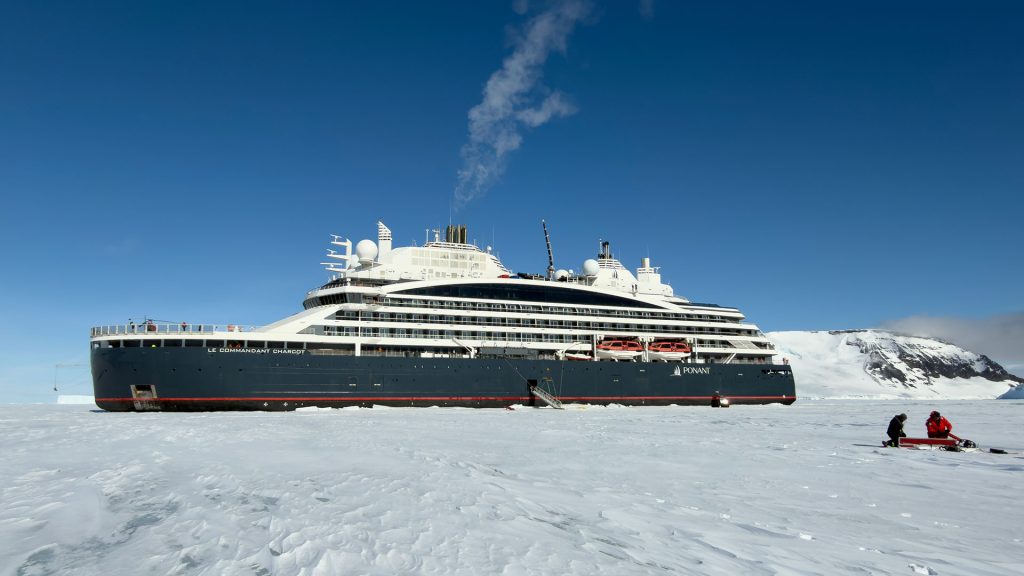
Luxury cruises with a side of climate science
A new partnership gives scientists rare access to remote Antarctic glaciers—and a new way to engage the public
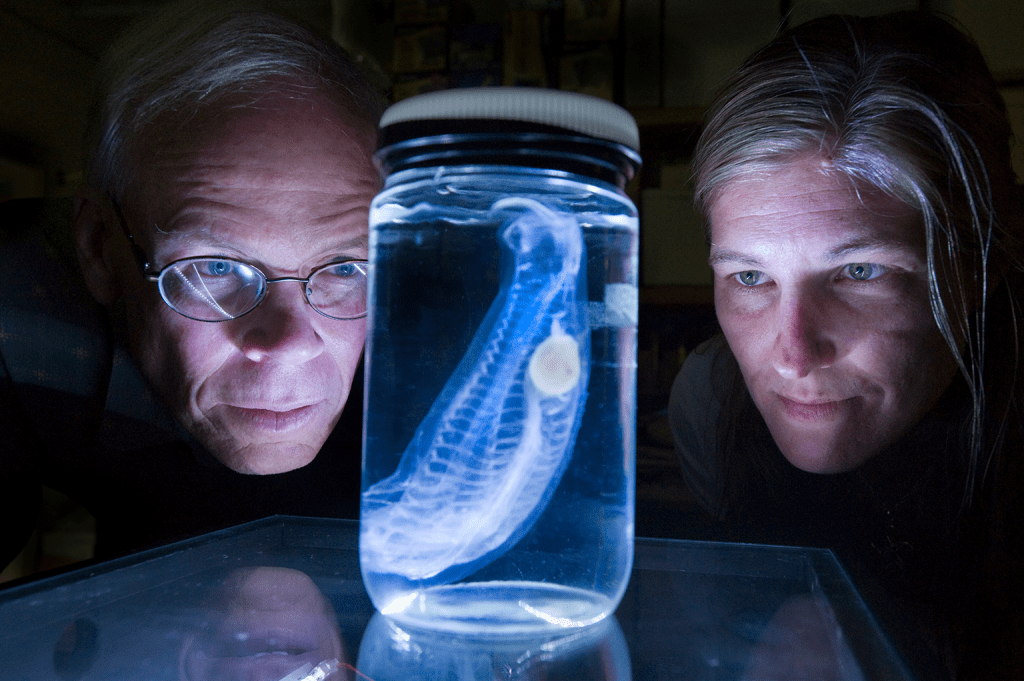
The unseen toll of war on science
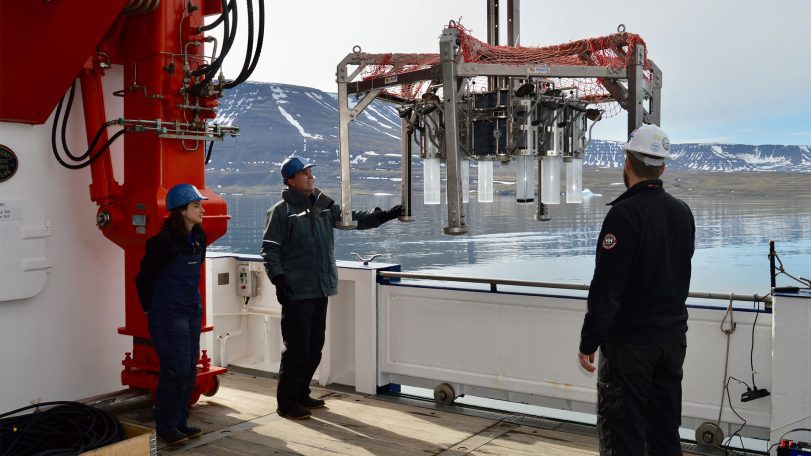
As the changing climate accelerates the spread of toxic algal blooms in the Arctic, the Russia–Ukraine war is cutting off critical international collaboration needed to understand and protect vulnerable ecosystems and communities.

The human cost of Brazil’s floods
New research maps social vulnerability after the 2024 deluge
Tracking the hidden currents of Cape Cod Bay
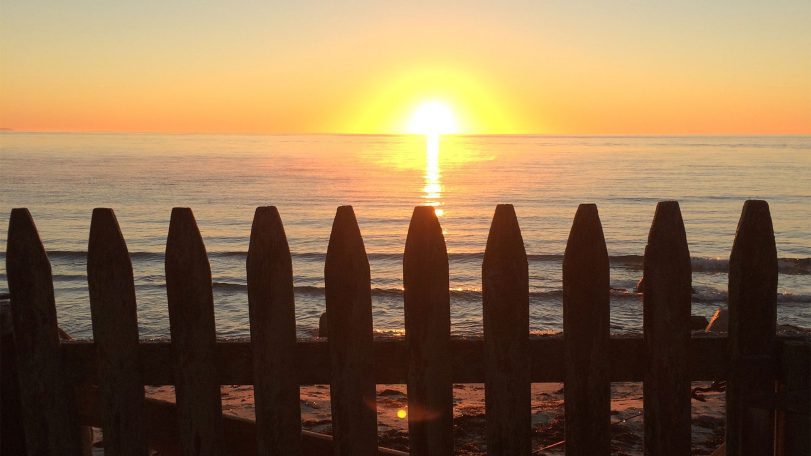
Scientists are using drifters and ocean models to better understand how water, nutrients, and pollutants move through the bay
From ruin to reef
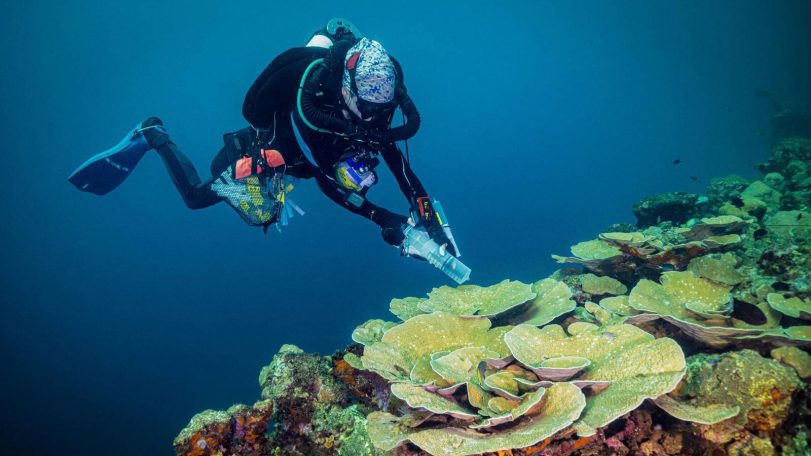
What Pacific wrecks are teaching us about coral resilience—and pollution
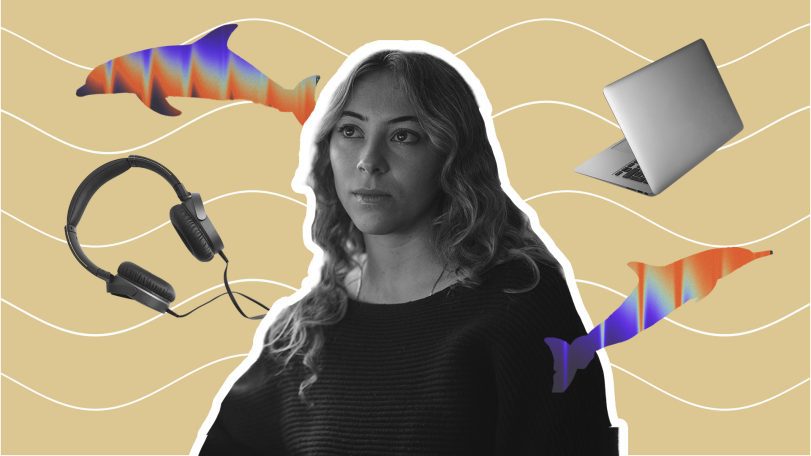
One researcher, 15,000 whistles: Inside the effort to decode dolphin communication
Scientists at WHOI analyze thousands of dolphin whistles to explore whether some sounds may function like words
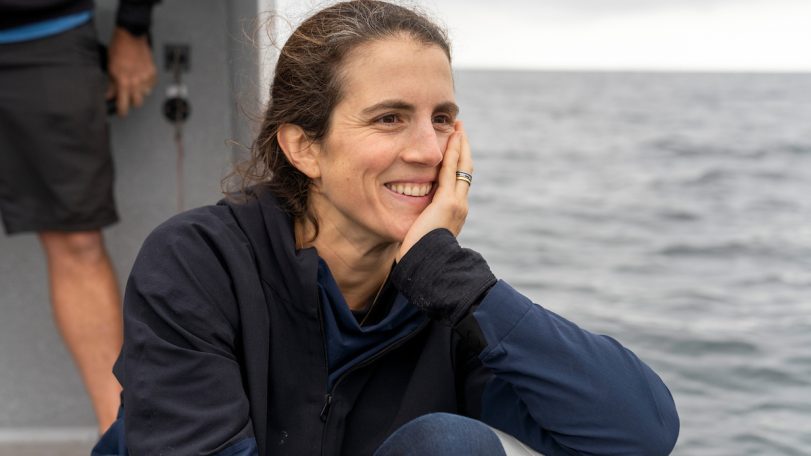
Remembering Tatiana Schlossberg, a voice for the ocean
Environmental journalist and author Tatiana Schlossberg passed away after battling leukemia on December 30, 2025….
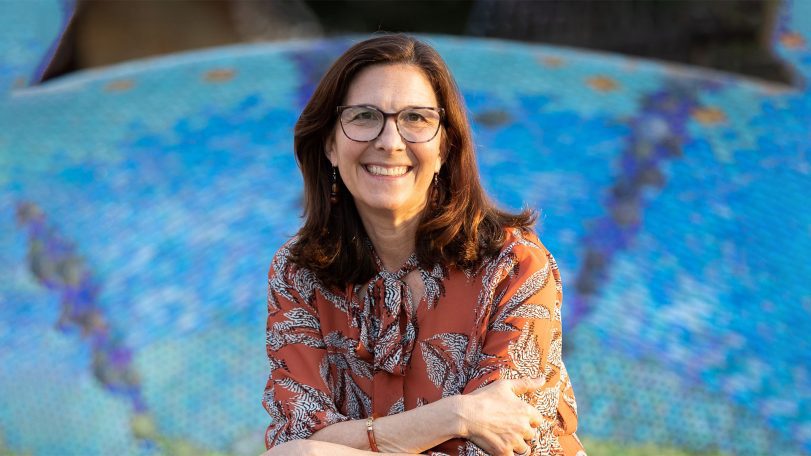
As the ocean warms, a science writer looks for coral solutions
Scientist-turned-author Juli Berwald highlights conservation projects to restore coral reefs
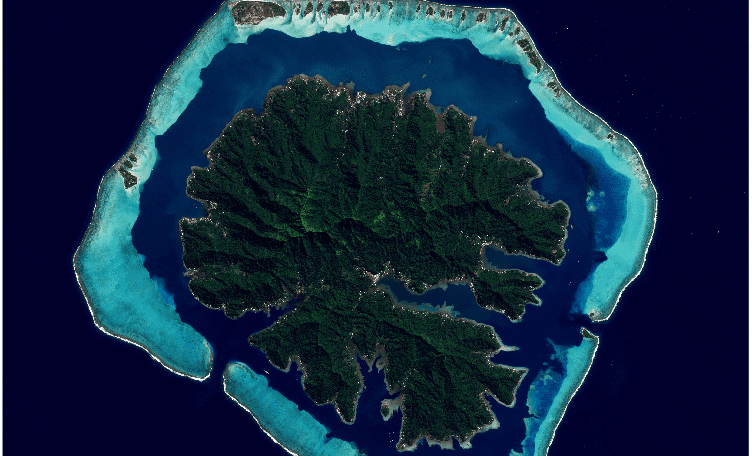
How an MIT-WHOI student used Google Earth to uncover a river–coral reef connection
Google Earth helps researcher decode how rivers sculpt massive breaks in coral reefs
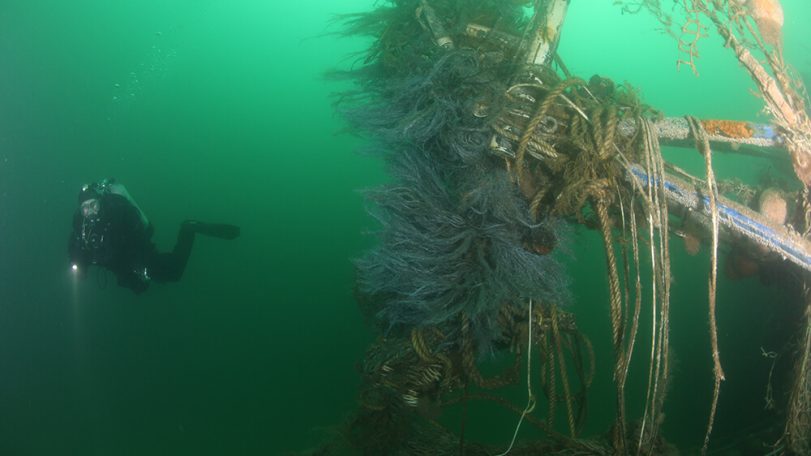
A new underwater robot could help preserve New England’s historic shipwrecks
WHOI’s ResQ ROV to clean up debris in prominent marine heritage sites
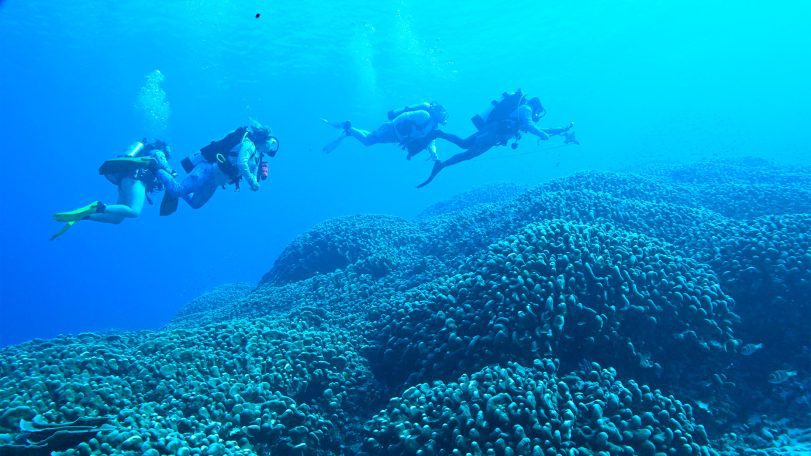
Inside the Solomon Islands’ hidden mega coral — a 300-year-old ocean giant
WHOI’s Reef Solutions team journeys to the world’s largest coral colony
Looking for something specific?
We can help you with that. Check out our extensive conglomeration of ocean information.

The little big picture
WHOI senior biologist Heidi Sosik on the critical need for long-term ocean datasets
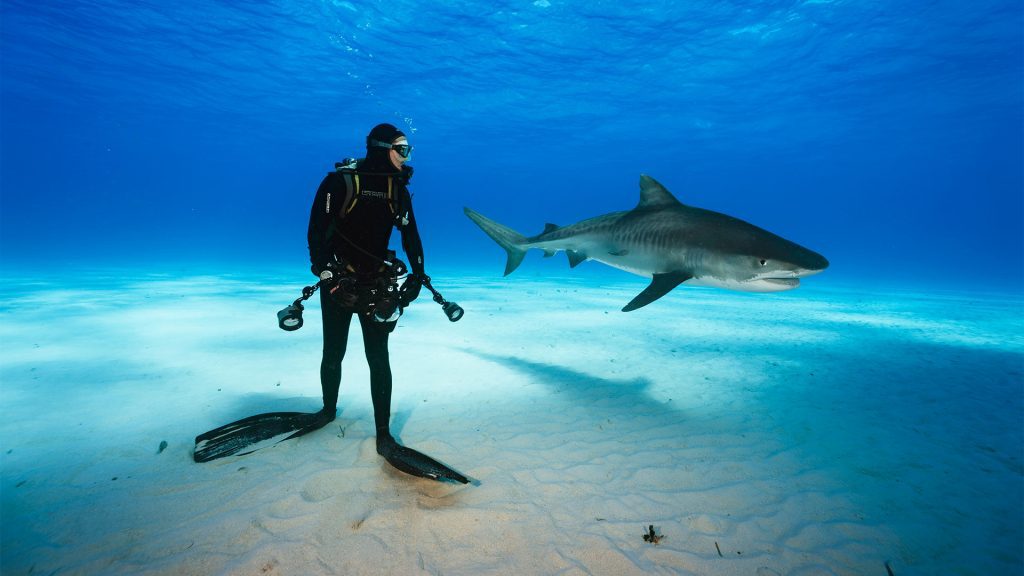
Lessons from a lifetime of exploration
Award-winning ocean photographer Brian Skerry shares insights from a career spent around ocean life and science
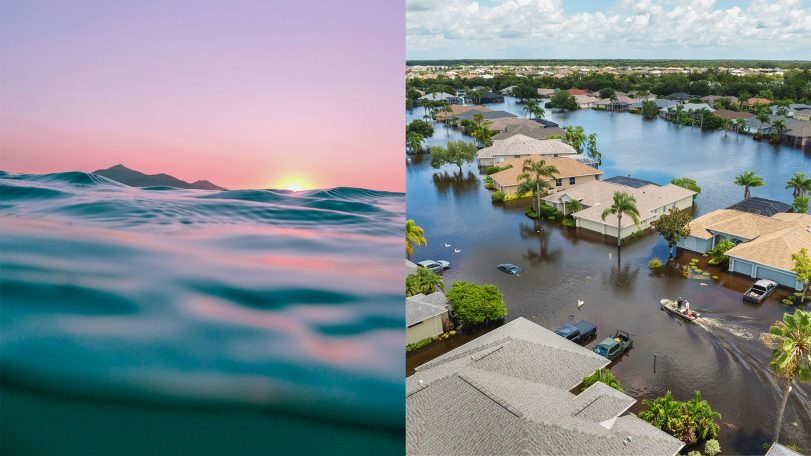
The ocean weather nexus, explained
The vital role of ocean observations in extreme weather forecasting

Breaking down plastics together
Through a surprising and successful partnership, WHOI and Eastman scientists are reinventing what we throw away
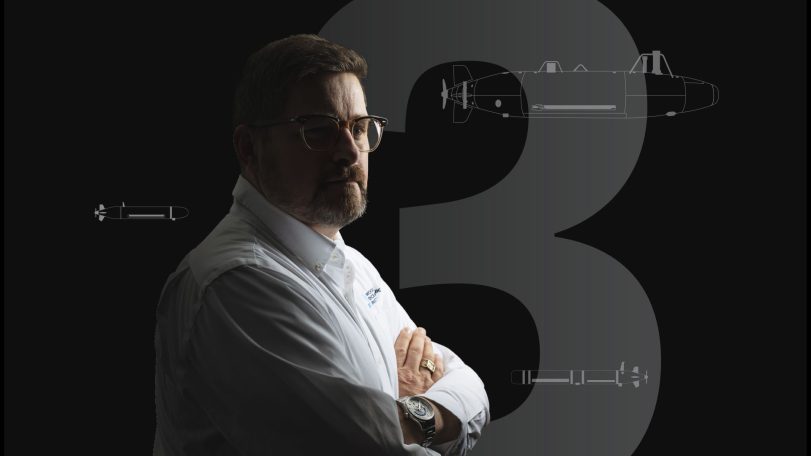
Three questions with Carl Hartsfield
Captain Hartsfield, USN retired, discusses the role ocean science plays in our national defense
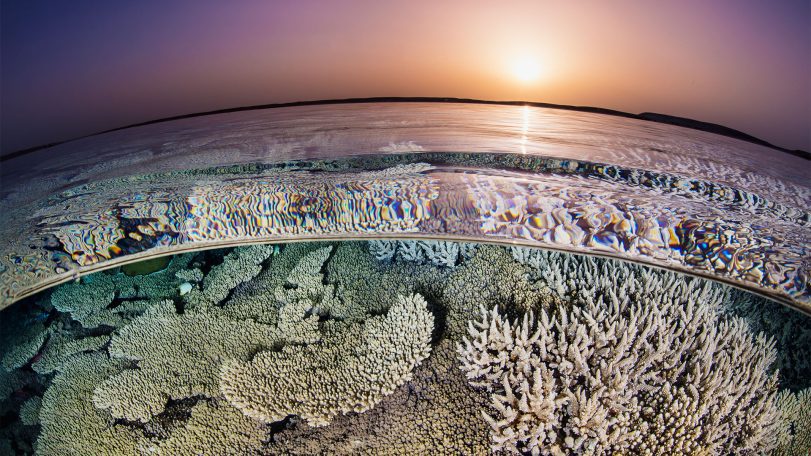
The Ocean (Re)Imagined
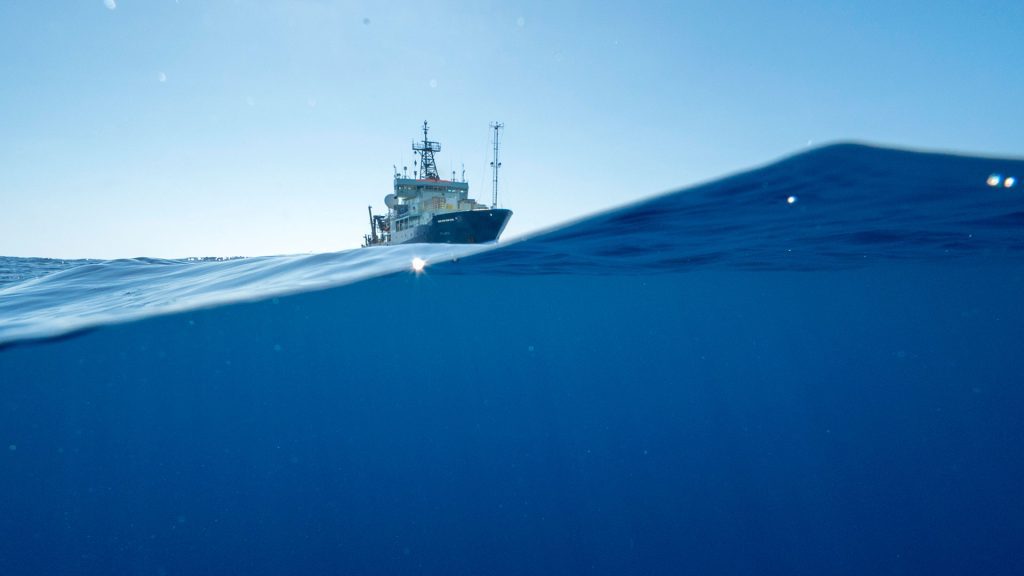
How expanding our view of the ocean can unlock new possibilities for life
Earth’s Complex Complexion
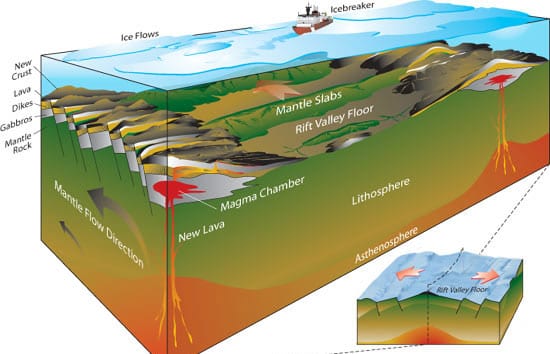
Even as you read this, Earth’s crust is continually being reborn and recycled in a dynamic process that fundamentally shapes our planet. We’re not generally aware of all this action because most of it occurs at the seafloor, under a formidable watery shroud, and often in remote regions of the oceans.
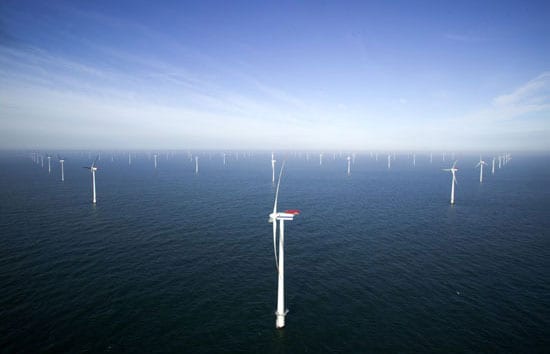
Which Way Will the Wind Blow?
Wind energy is the fastest-growing sector of the global electric power industry, and several companies have proposed to build large wind turbines and utility-scale electric power-generating facilities in the coastal waters of the United States. Such facilities could change the way people use the ocean, and the public is divided over the costs and benefits. The environmental and economic benefits of renewable, nonpolluting sources of energy are clear. But there may be side effects from the placement of modern wind farms in the ocean, including the degradation of seascapes, impacts on birds and marine animals, and the disruption of existing patterns of human use of the ocean. The laws and regulations related to the placement of wind turbines in the ocean are at best rudimentary and inchoate; at worst, they are non-existent. Marine scientists and engineers can make an important contribution to this growing public debate by clarifying our understanding of the nature of these side effects. They might also inform public policies that balance the value of various ocean resources with the rights and interests of all who wish to use them.
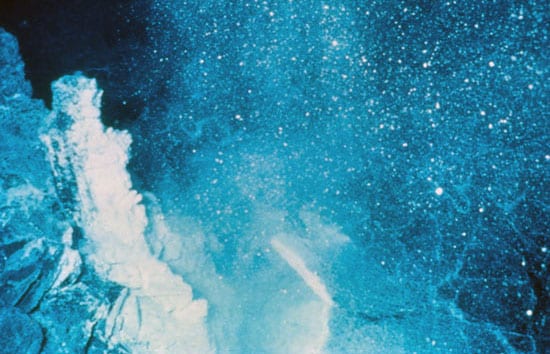
Is Life Thriving Deep Beneath the Seafloor?
In 1991, scientists aboard the submersible Alvin were in the right spot at the right time to witness something extraordinary. They had sailed into the aftermath of a very recent volcanic eruption on the seafloor and found themselves in a virtual blizzard. They were densely surrounded by flocs of white debris, composed of sulfur and microbes, which drifted more than 30 meters above the ocean bottom. The seafloor was coated with a 10-centimeter-thick layer of the same white material. This vast volume of microbes did not come from the ocean. The eruption had flushed it out from beneath the seafloor.
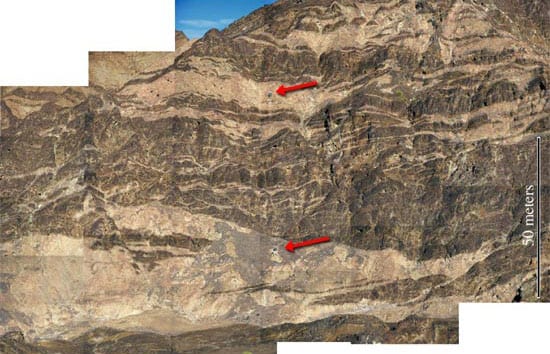
Unraveling the Tapestry of Ocean Crust
Most people know that oceans cover about 70 percent of Earth’s surface. Fewer people realize that the crust beneath oceans and continents is fundamentally different. Why this is so remains a mystery that scientists are still trying to solve.
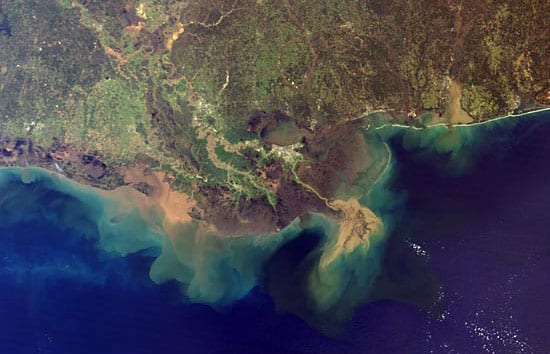
The Grass is Greener in the Coastal Ocean
Stretching from inland rivers and bays to the edge of the continental shelf, the coastal ocean accounts for about 10 percent of the ocean’s surface area. Yet this relatively small sliver of ocean contains about half of all the microscopic plants adrift in our seas.
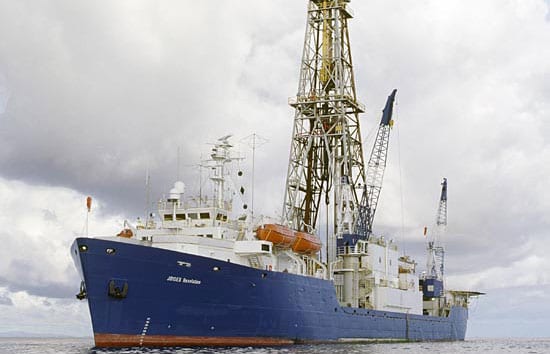
A Sea Change in Ocean Drilling
Stretching from inland rivers and bays to the edge of the continental shelf, the coastal ocean accounts for about 10 percent of the ocean’s surface area. Yet this relatively small sliver of ocean contains about half of all the microscopic plants adrift in our seas.
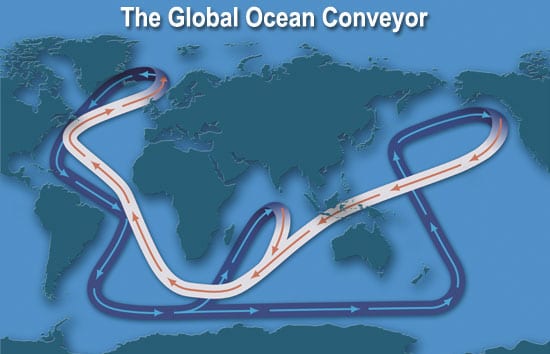
How the Isthmus of Panama Put Ice in the Arctic
The long lag time has always puzzled scientists: Why did Antarctica become covered by massive ice sheets 34 million years ago, while the Arctic Ocean acquired its ice cap only about 3 million year ago?
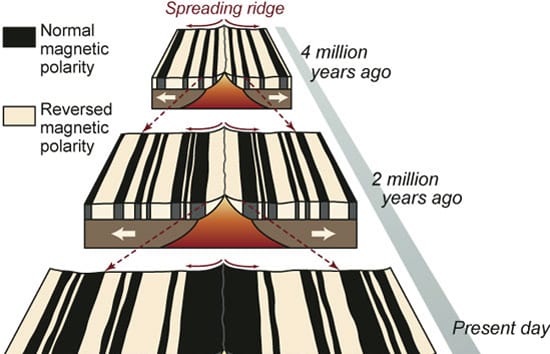
Paving the SeafloorBrick by Brick
Most of Earth’s crust is manufactured at the bottom of the sea. Deep beneath the waves and beyond our view, magma erupts along a 40,000-mile volcanic mountain chain that bisects the ocean floors and encircles the globe. The lava flowing from these mid-ocean ridges solidifies into new ocean crust that spreads out and paves the surface of our planet.
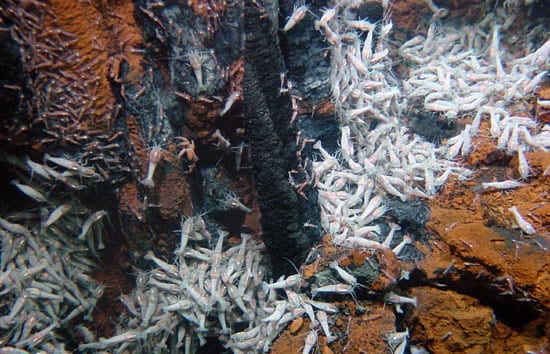
The Evolutionary Puzzle of Seafloor Life
Most of Earth’s crust is manufactured at the bottom of the sea. Deep beneath the waves and beyond our view, magma erupts along a 40,000-mile volcanic mountain chain that bisects the ocean floors and encircles the globe. The lava flowing from these mid-ocean ridges solidifies into new ocean crust that spreads out and paves the surface of our planet.
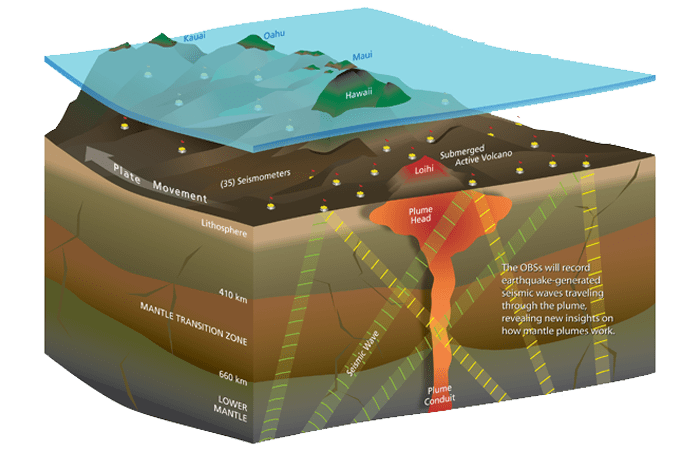
Listening Closely to ‘See’ Into the Earth
Today, excitement and anticipation is growing because of new generations of seismographs designed for use in the oceans. These new instruments will comprise a new national pool of instruments for use by the scientific community.
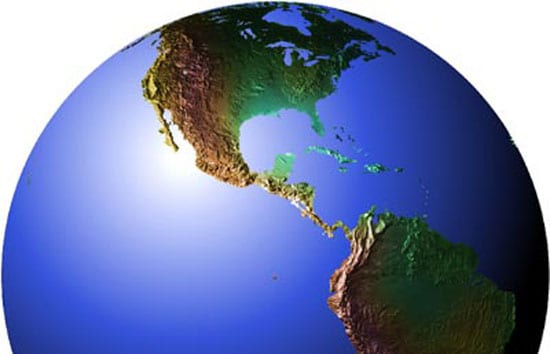
Shifting Continents and Climates
Sixty-five millions years ago, dinosaurs had just become extinct, and mammals were starting to dominate the planet.
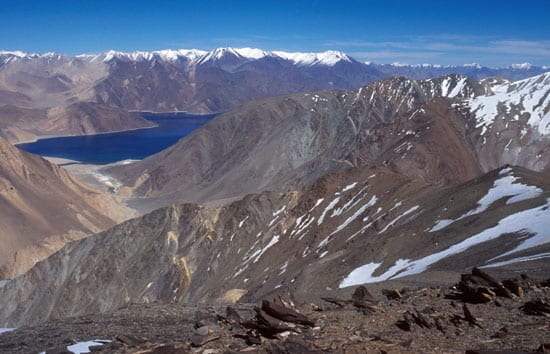
Moving Earth and Heaven
The mountains rise, are lashed by wind and weather, and erode. The rivers carry mud and debris from the mountains into the ocean, where they settle onto the relatively tranquil seafloor and are preserved. The sediments bear evidence about where they came from, what happened to them, and when. By analyzing, measuring, and dating these seafloor sediments, scientists can piece together clues to reconstruct when and how fast their mountain sources rose to great heights millions of years ago, and how the climate and other environmental conditions may have changed in response.