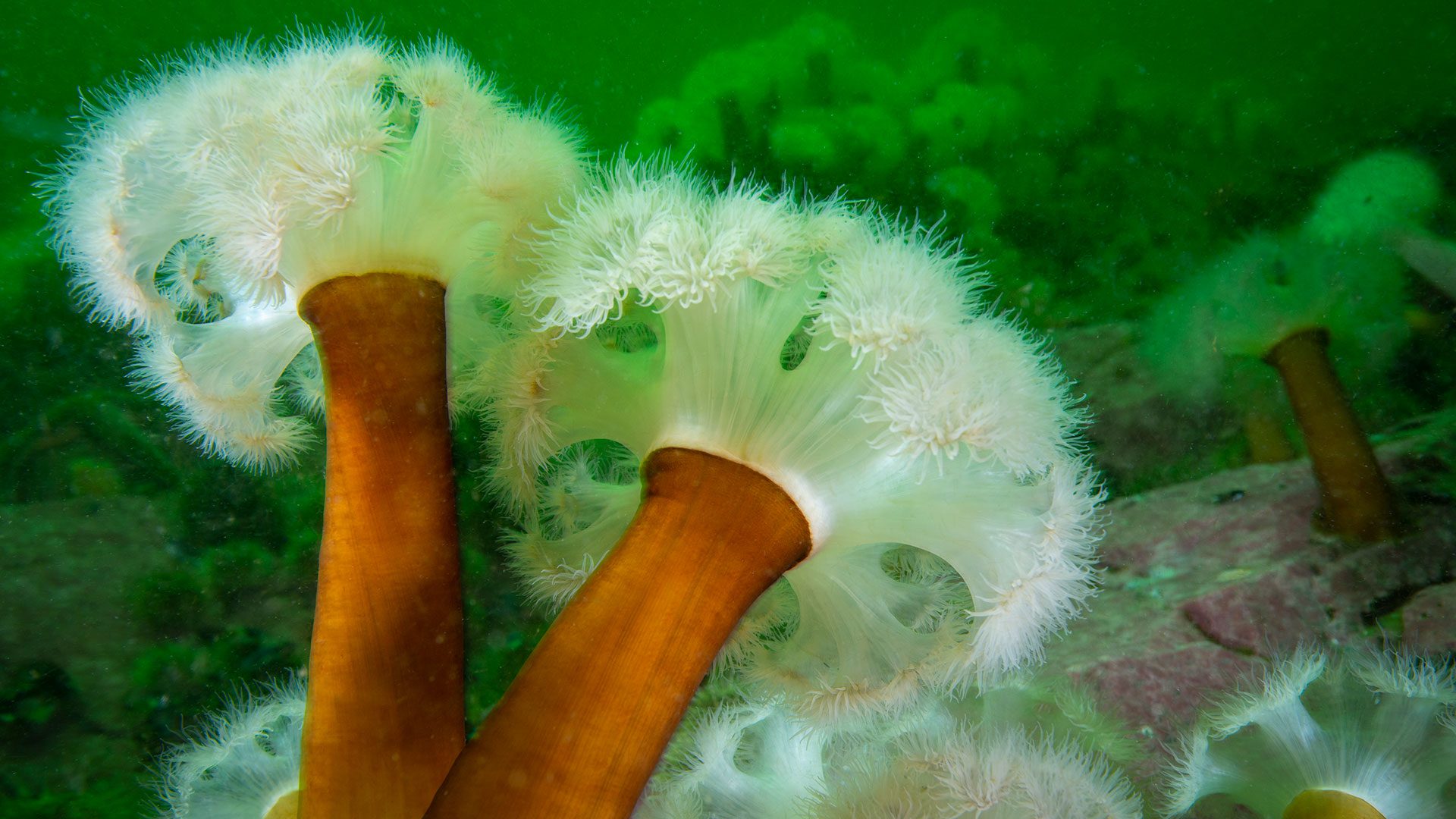
How shipwrecks helped a cold-water anemone move south
Researchers find fluffy anemones spreading south via shipwrecks, revealing how artificial reefs and ocean currents connect marine habitats
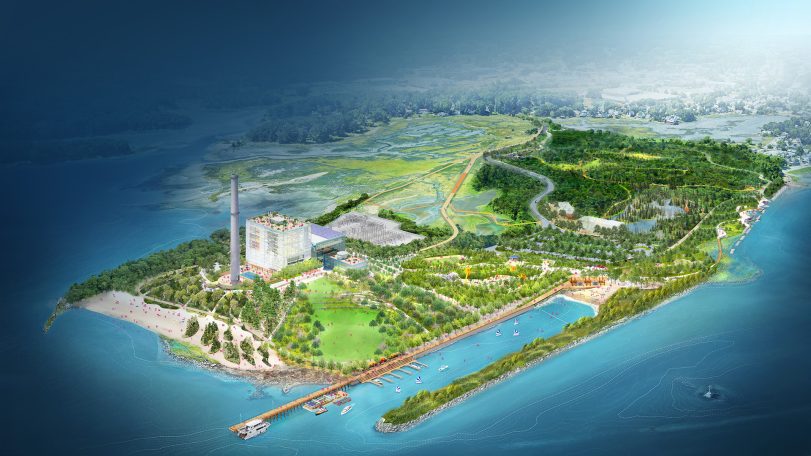
WHOI joins Manresa Wilds Project to help restore part of Connecticut’s coastline
Development of a new coastal green space and public park opens up access to ocean science in Long Island Sound
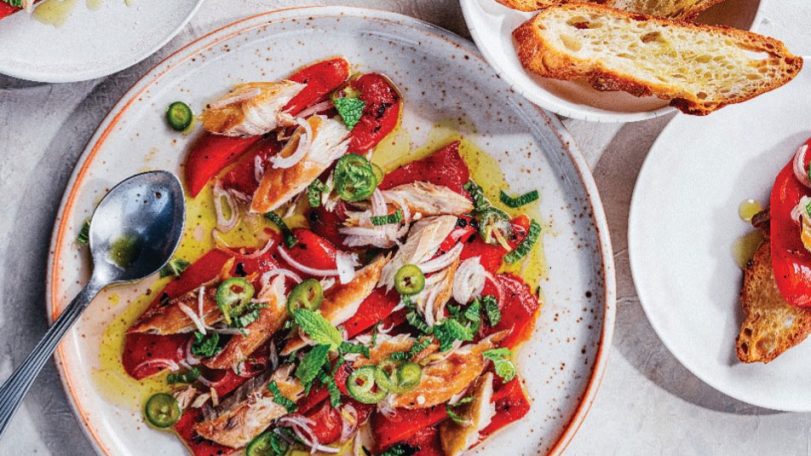
Recipe: Roasted peppers with smoked mackerel, mace, and mint
This seafood recipe by chef and author Barton Seaver is a great introduction to sustainable seafood
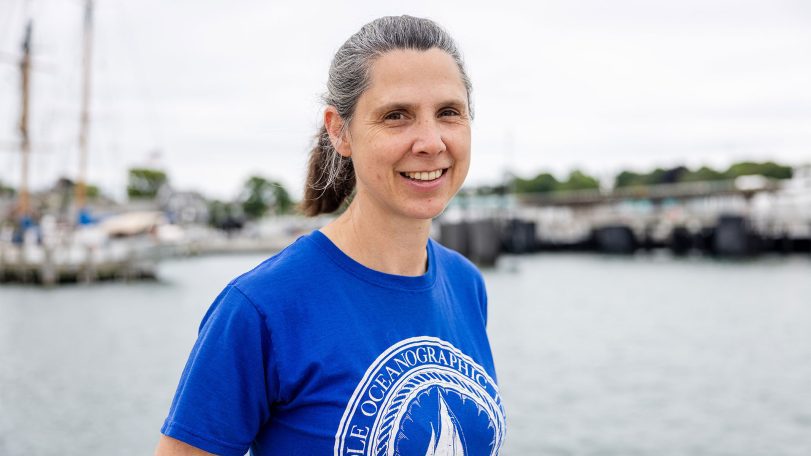
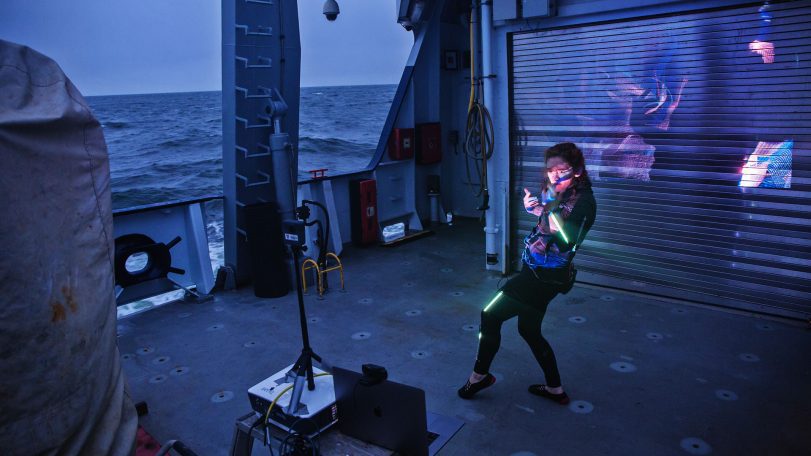
Sampling Gulf Stream plankton, one teaspoon at a time
Three questions with marine research technician Emily Peacock
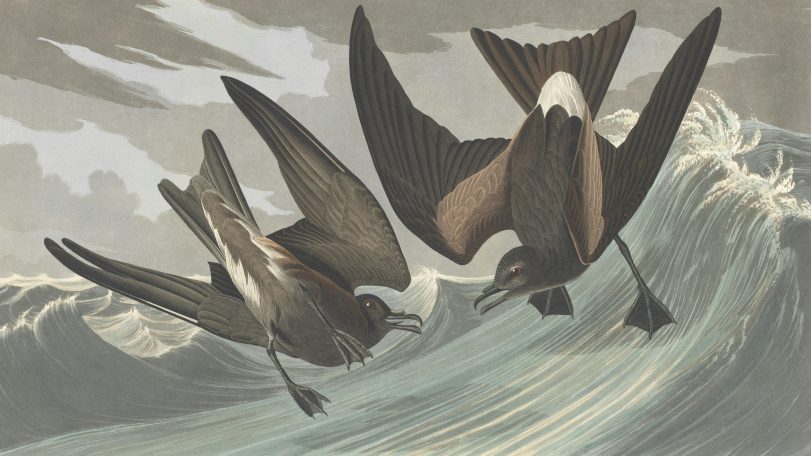
These seabirds fly toward cyclones, not away from them
New GPS tracking on petrels reveals a surprising survival strategy hidden in the eye of the storm
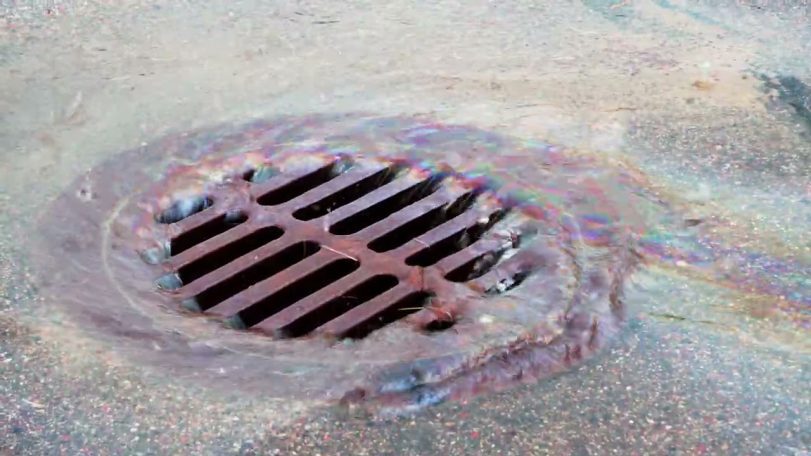
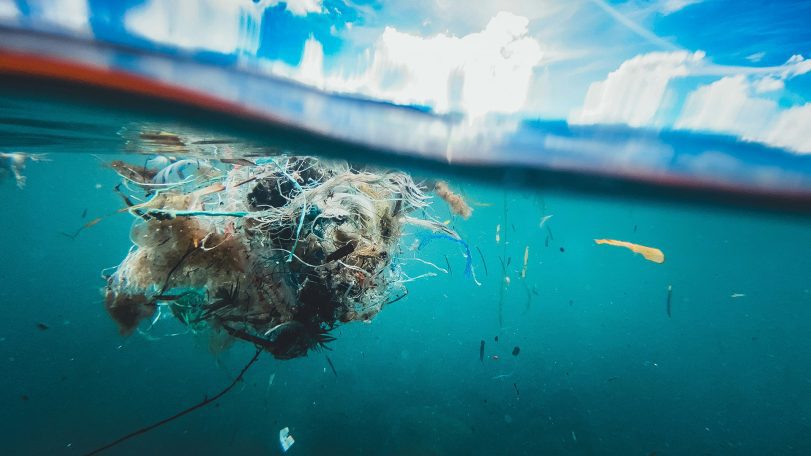
Are big spills the main source of ocean oil?
Evidence shows that smaller leaks on land contribute far more oil to our oceans

Reclaiming knowledge from the sea
Jordan Kennedy combines Indigenous knowledge, engineering, and observation to rethink how coastal landscapes are studied and restored. Her work on clam gardens and autonomous mapping systems explores how revitalizing these ancient systems can also reclaim knowledge and relationships between people, place, and practice.
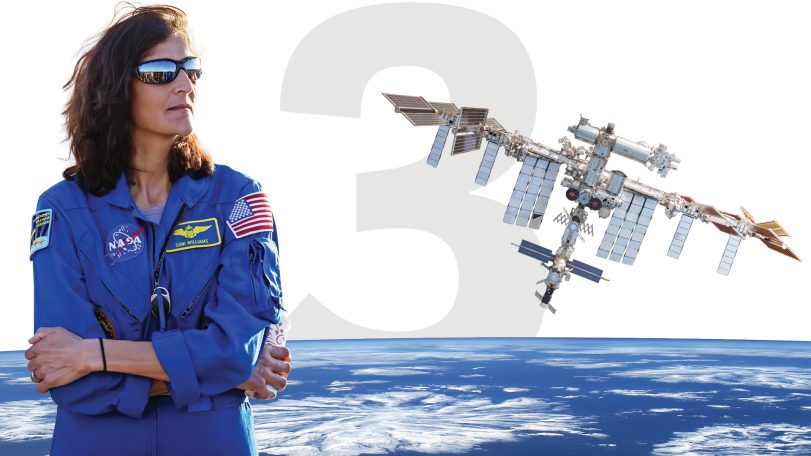
3 questions with a former NASA astronaut
WHOI Corporation Member Sunita Williams discusses space exploration, ocean science, and environmental stewardship
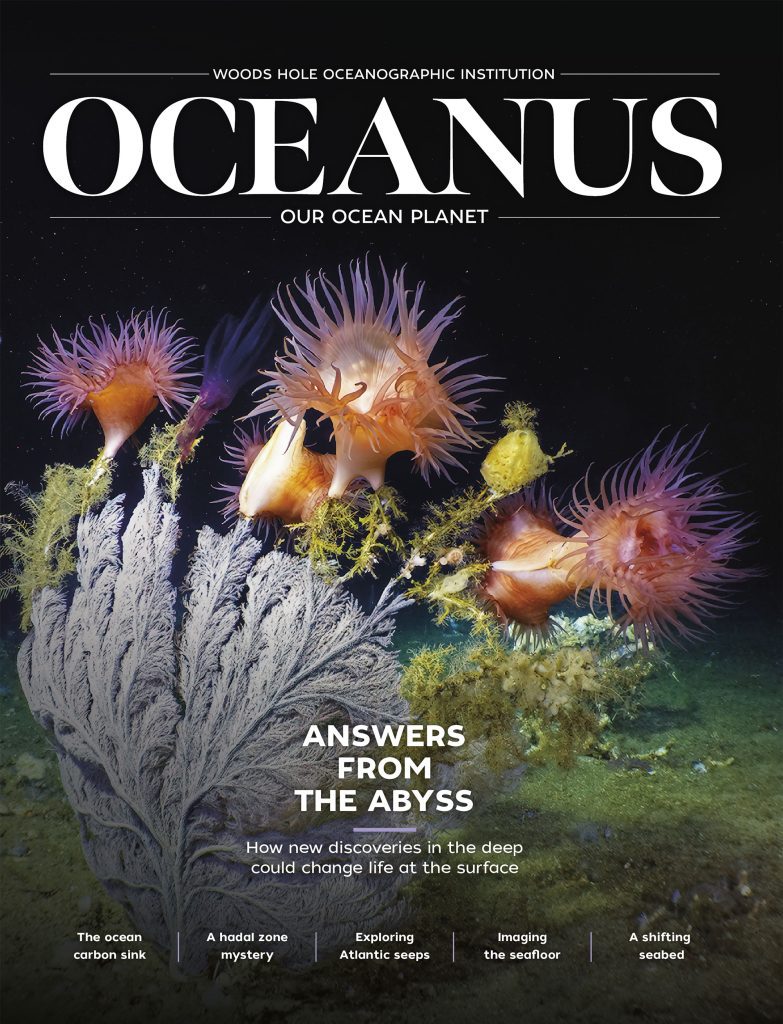
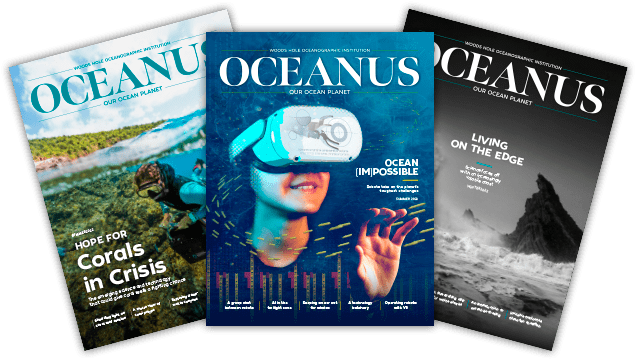
and get Oceanus delivered to your door twice a year as well as supporting WHOI's mission to further ocean science.
Our Ocean. Our Planet. Our Future.
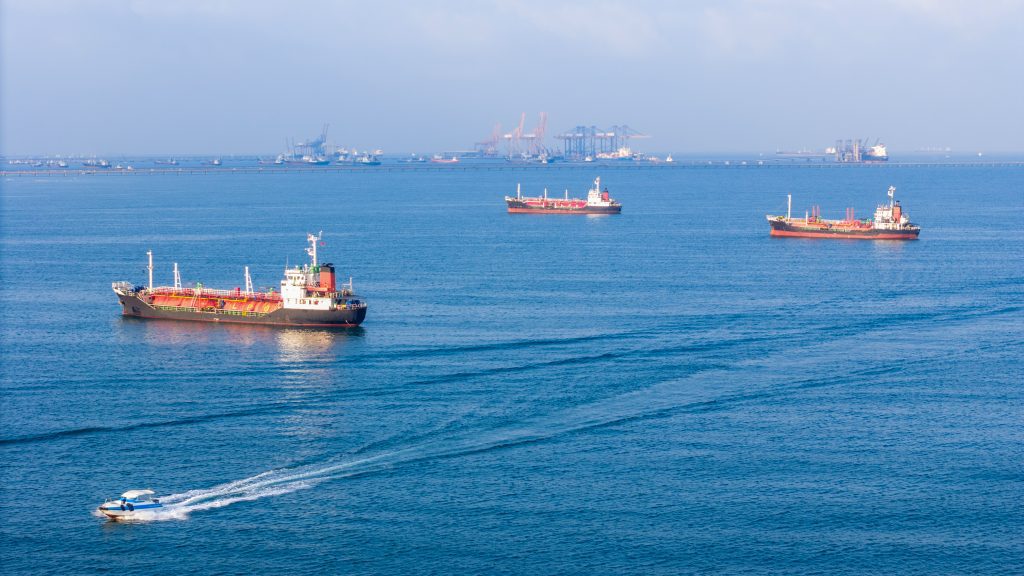
Ships in the Strait of Hormuz are becoming invasive species breeding grounds
Beneath the waterline of every ship stalled in the Persian Gulf, a thriving underwater city takes shape—barnacles, algae, mussels, sea squirts. Some of those hitchhikers could reach coastlines they’d never find on their own.
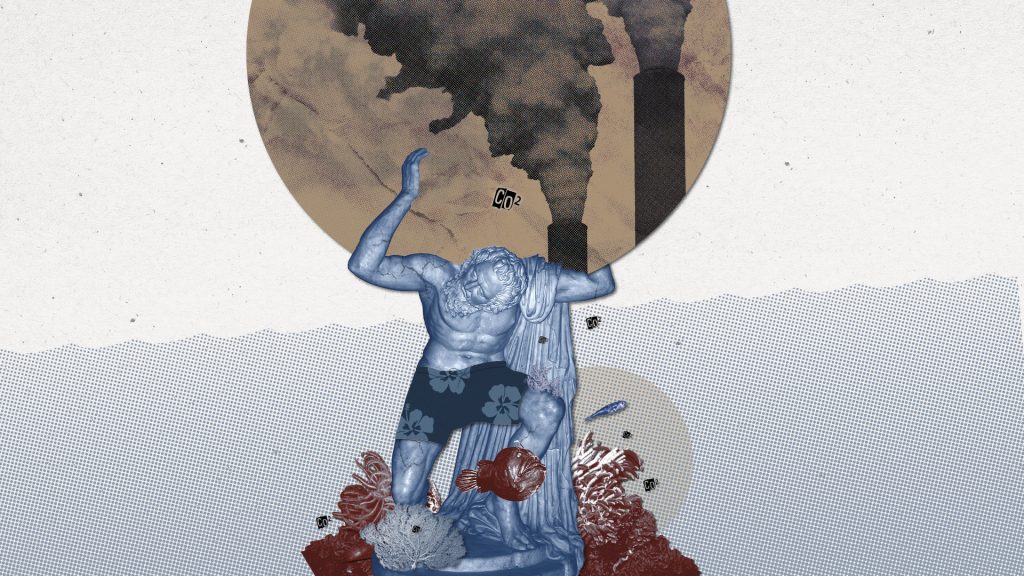
Is the ocean carbon sink at risk of faltering?
WHOI scientists explain how the ocean mitigates climate change—and could be compromised by it
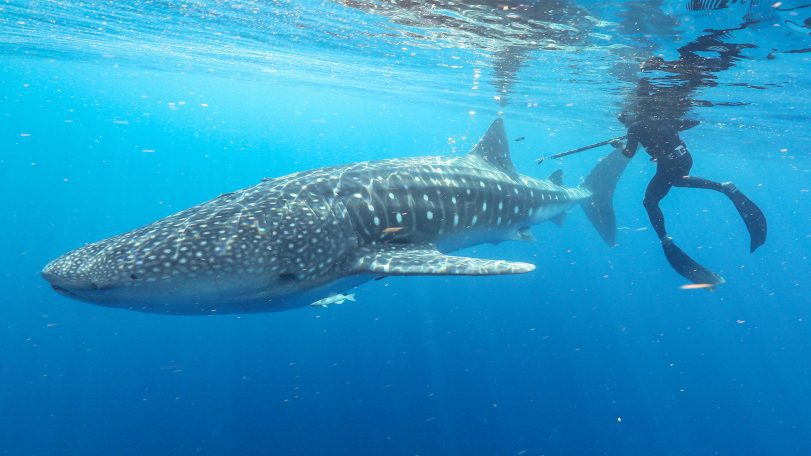
3 questions with Cam Braun
Marine biologist Camrin Braun explains why the world’s largest fish visit waters off Cape Cod—and what their epic migrations reveal about a changing ocean
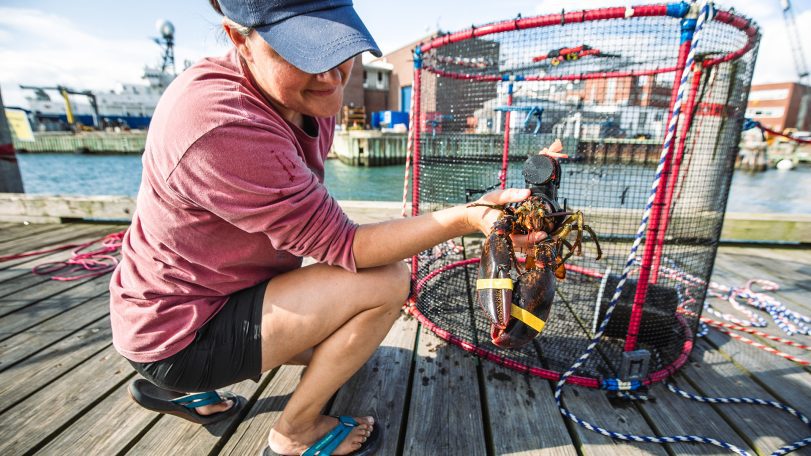
Is underwater noise from construction affecting the American Lobster?
WHOI’s Sensory Ecology Lab investigates whether an industrialized soundscape impacts the health of a New England icon
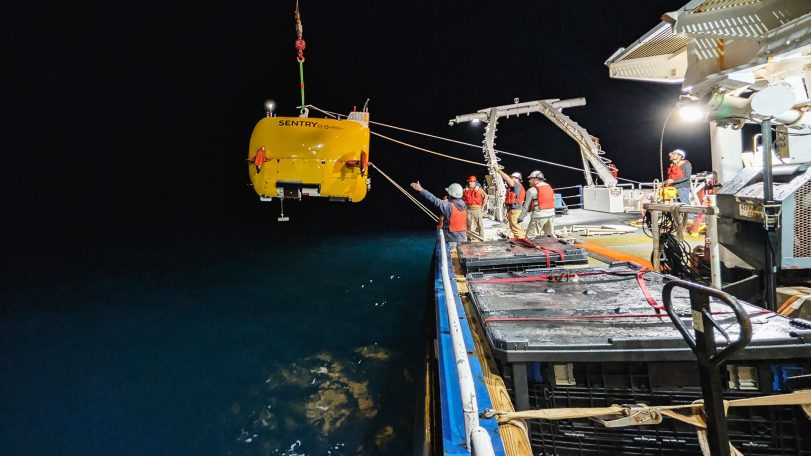
Exploring Atlantic seeps
AUV Sentry leads the way in mapping and monitoring methane bubbling from the seafloor
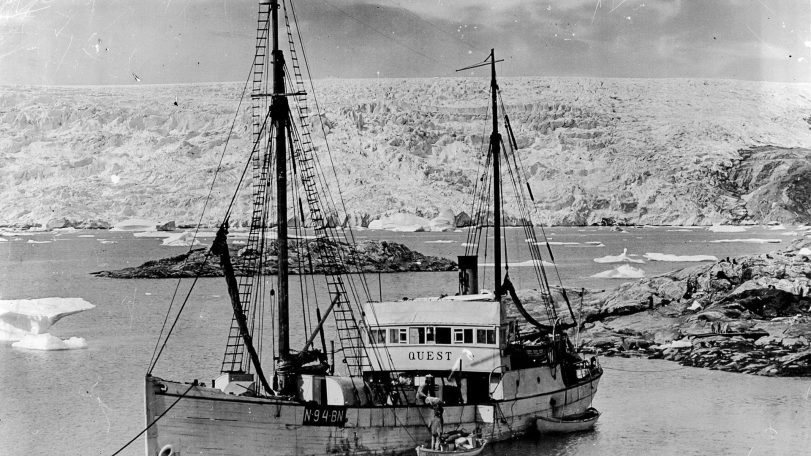
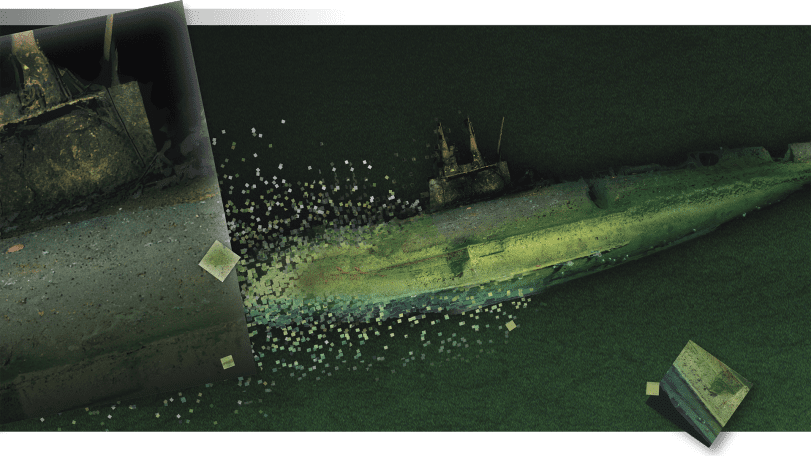
A once-in-a-generation dive into polar history
40 years after helping reveal the Titanic, Alvin returns to the North Atlantic to document two other legendary shipwrecks
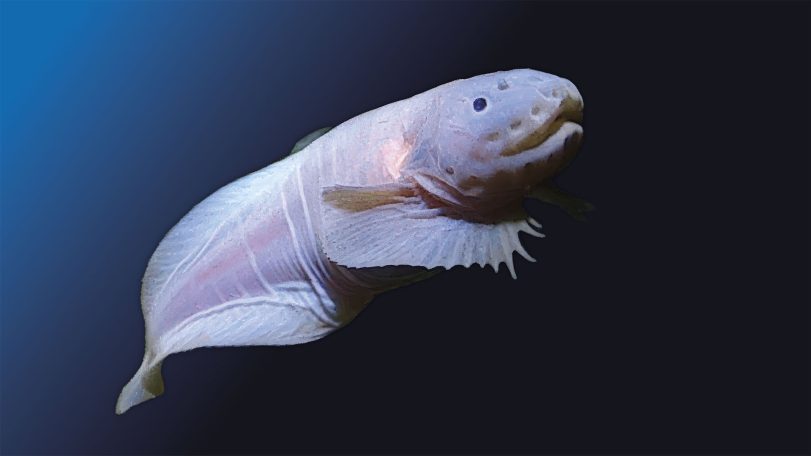
A hadal zone mystery solved
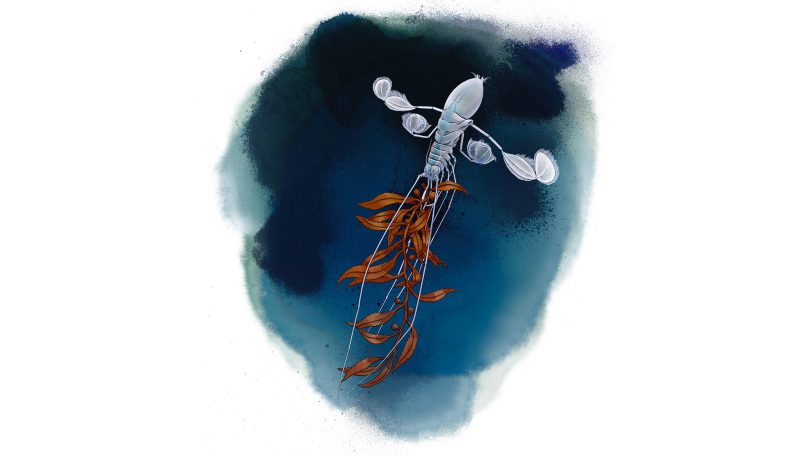
An upside-down swimming isopod shows how tightly we are connected to the deep ocean
Looking for something specific?
We can help you with that. Check out our extensive conglomeration of ocean information.
A mother seal dives
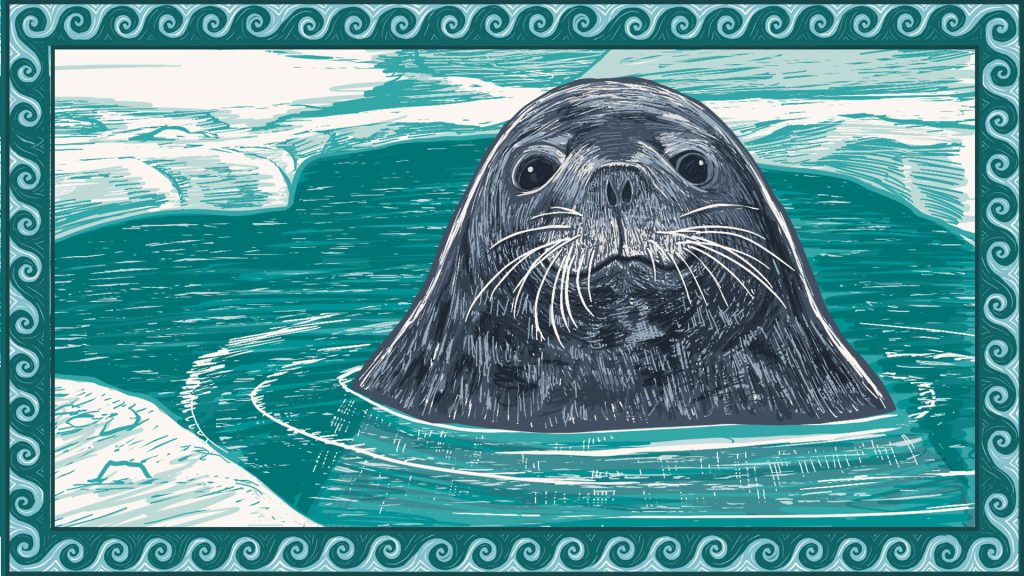
Follow a Weddell seal as her body adapts to foraging in deep, frigid waters
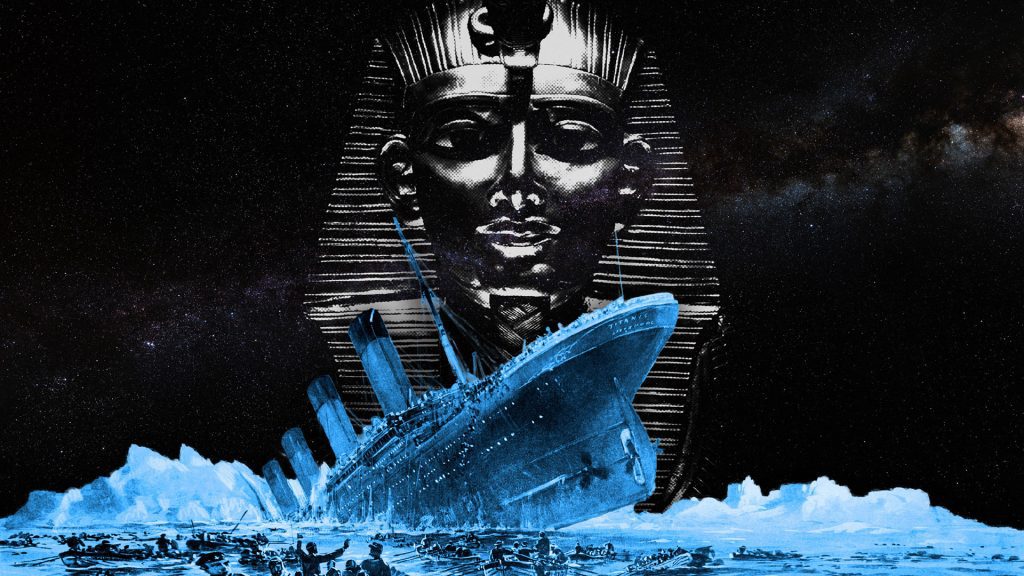
A mummy, a myth, and the Titanic
A 1986 handwritten letter to Bob Ballard revisits one of the Titanic disaster’s strangest myths
Turning motion into power: Wave energy converters for sustainable ocean monitoring
In the rapidly evolving world of ocean technology, wave energy is emerging as a promising…
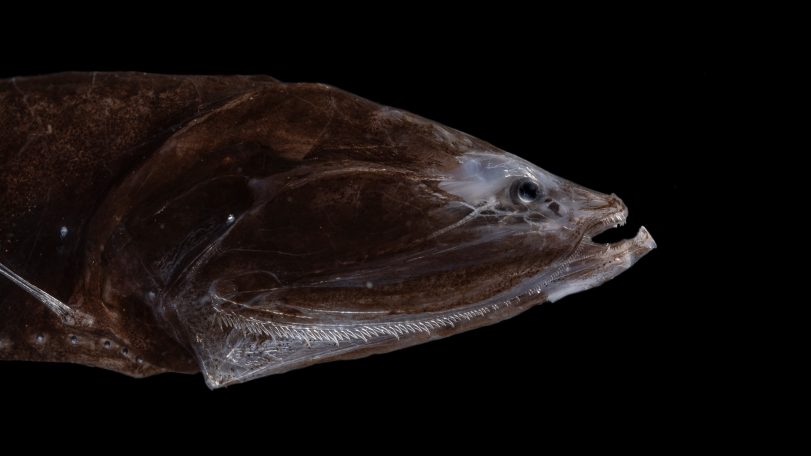
The world’s most abundant fish once thrived in an extreme climate
Fossilized teeth show bristlemouth fish evolved during one of the ocean’s hottest periods
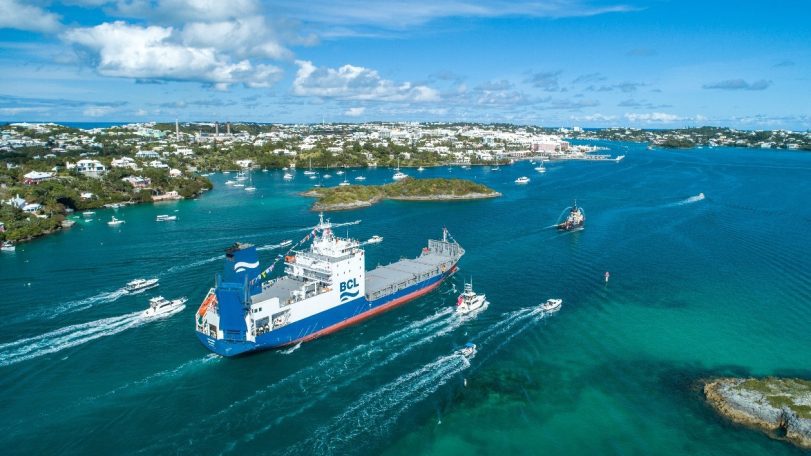
How a cargo ship is tracking hidden ocean life in the Atlantic
With funding support from CMA CGM, ocean observations aboard Bermuda Container Line’s M/V Oleander now include a window into microscopic life
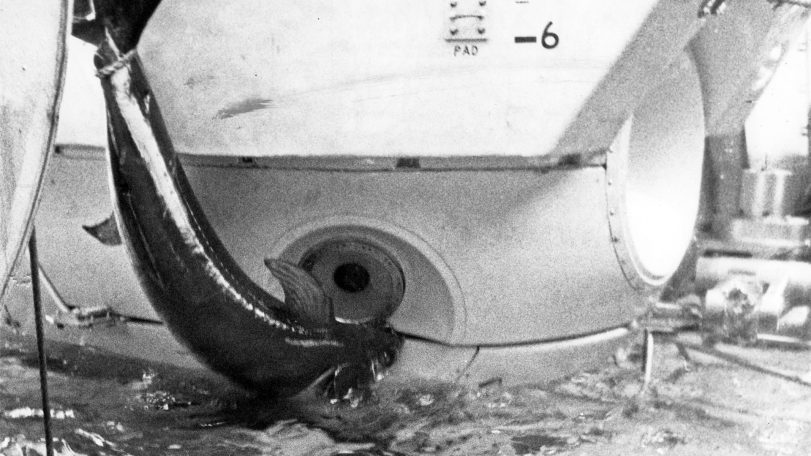
Alvin vs. the swordfish
During a 1967 dive off Florida, a startled swordfish rammed the famed submersible Alvin—lodging its sword in the hull and forcing the crew to abort the mission
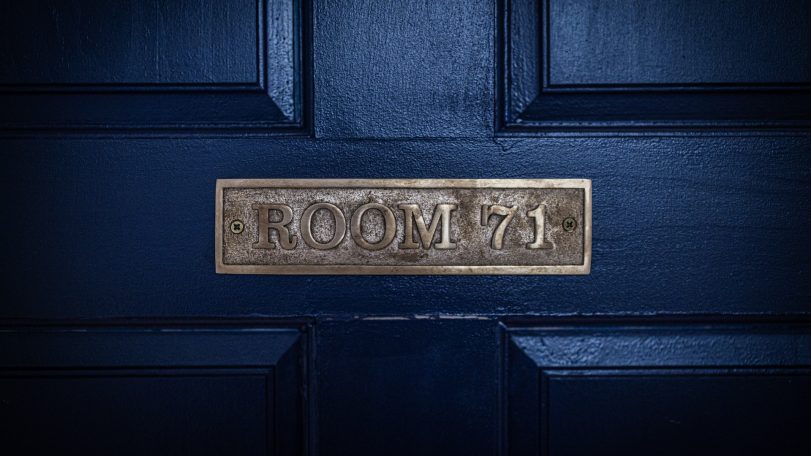
Inside Room 71: WHOI history in seven artifacts
Some of the technology, art, and gifts that tell the story of the institution’s early days
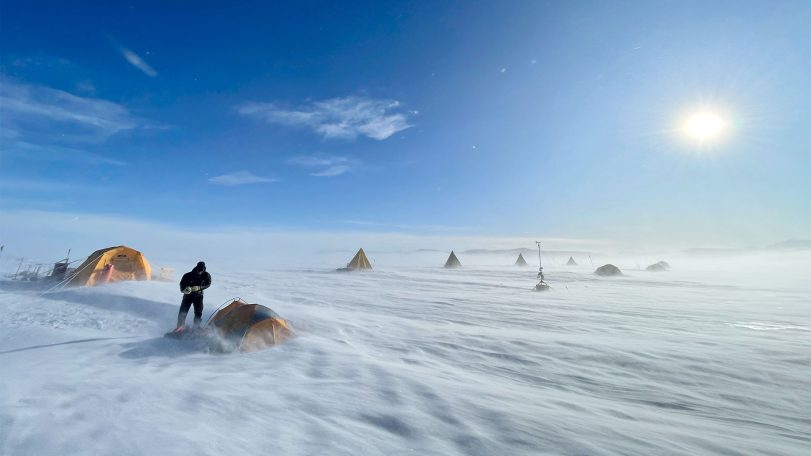
A scientist’s quest to find Earth’s oldest ice
After recovering ice that dates back 6 million years, Sarah Shackleton hopes to dig deeper into Earth’s history from a remote Antarctic moraine
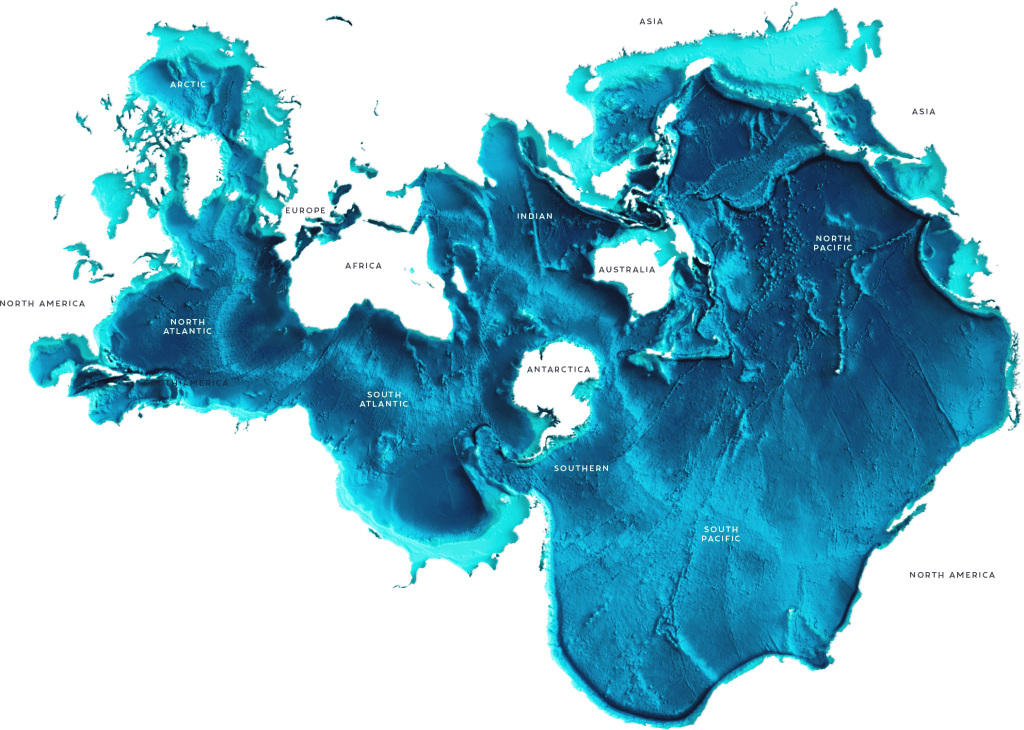
It’s the most ocean-friendly map ever created. Why haven’t more people seen it?
Discover the Spilhaus Projection, a radical world map that reveals Earth as one connected ocean—and reshapes how we see the planet.
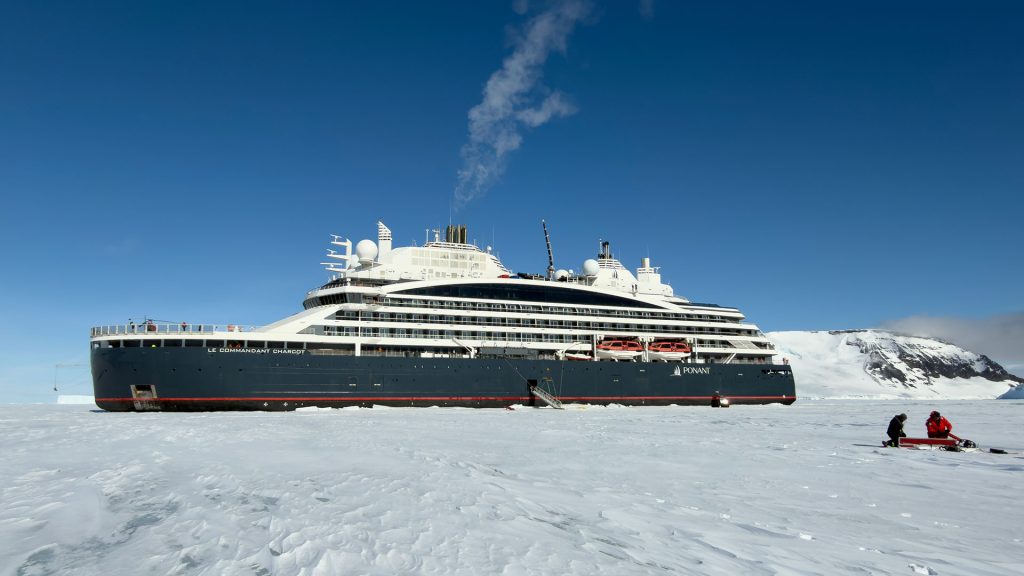
Luxury cruises with a side of climate science
A new partnership gives scientists rare access to remote Antarctic glaciers—and a new way to engage the public
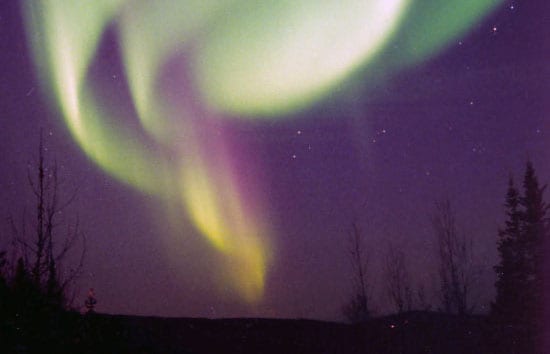
From Ancient Roman Omens, New Data on Solar Activity
Because aurorae, comets, and meteors were omens, the Romans and other ancient peoples observed the sky fastidiously, recording heavenly observations alongside detailed accounts of earthly events and military triumphs. Twenty centuries later, those historical records have become scientific data for researchers such as WHOI Senior Scientist Andy Solow.
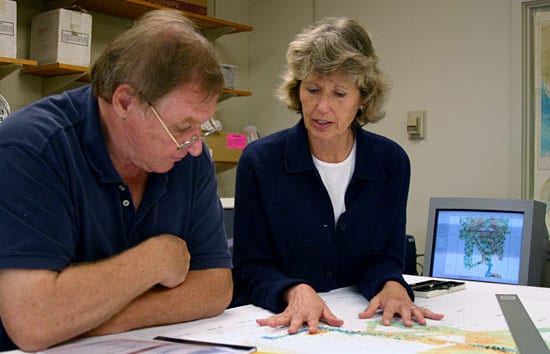
Oceanographic Telecommuting
‘Virtual’ chief scientist directs a research cruise without leaving land.
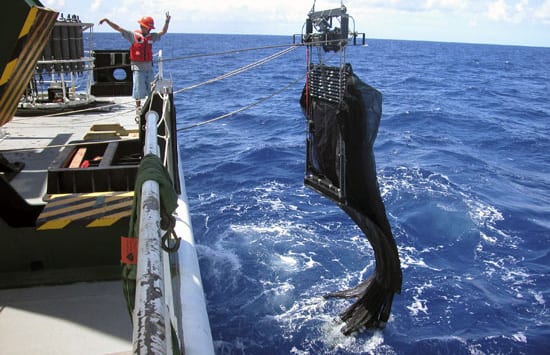
Checking the Forecast for ‘Marine Snow’
The “rain” of tiny particles from sunlit surface waters to the deep ocean could play a key role in understanding global warming.
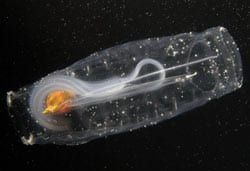
Transparent Salps May Play Conspicuous Ecological Role
WHOI biologist Larry Madin led an expedition to waters off Antartica to learn about little-known gelatinous animals.
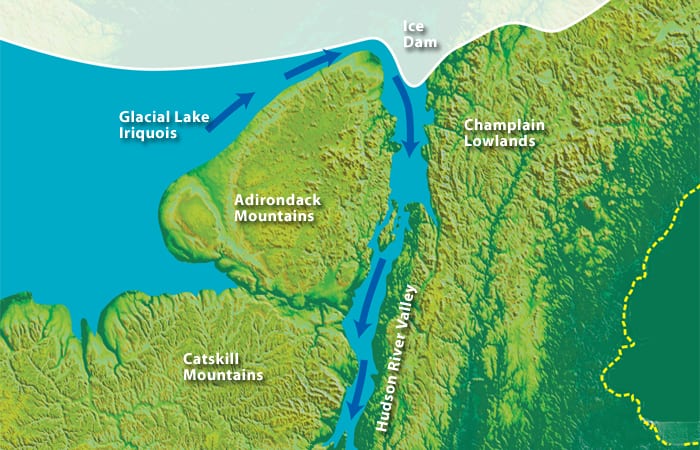
The Great Flood of New York
An ice dam forming a large Ice Age lake collapsed 13,350 years ago, sending a flood down the Hudson River Valley and causing dramatic climate changes.
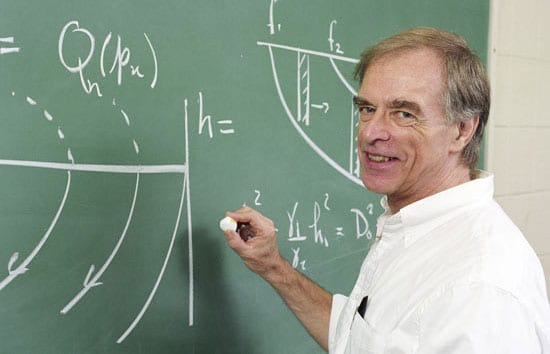
Fathoming the Ocean Without Ever Going to Sea
“The general circulation of the ocean is a massive and majestic phenomenon,” says WHOI physical oceanographer Joe Pedlosky. In 2005, Pedlosky was awarded the prestigious Sverdrup Gold Medal of the American Meteorological Society for his theories explaining the inner workings of the ocean and the atmosphere. Not bad for an oceanographer who has never gone on a research cruise.
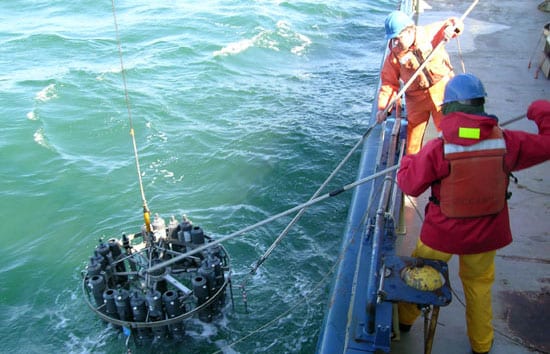
Seeing Red in New England Waters
Coastal resource managers shut down shellfish beds in three New England states in mid-May—including rare closures of Massachusetts Bay and Cape Cod Bay—because of an intense bloom of the toxic algae Alexandrium fundyense. Researchers from the Woods Hole Oceanographic Institution saw the ‘red tide’ coming before its toxic effects reached the shore.
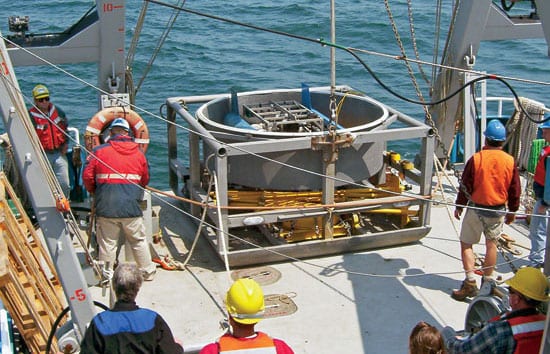
Sensors to Make Sense of the Sea
It is difficult and expensive to go to sea, hard to reach remote oceans and depths, and impossible to stay long. Like scientists in other fields, oceanographers use sensors to project their senses into remote or harsh environments for extended time periods. But the oceans present some unique obstacles: Instruments are limited by available power, beaten by waves, corroded by salt water, and fouled by prolific marine organisms that accumulate rapidly on their surfaces.
Risks and Remedies from the Sea
Researchers from Woods Hole Oceanographic Institution, the Marine Biological Laboratory (MBL), and the Massachusetts Institute of Technology (MIT) have embarked on a novel collaboration to investigate harmful algal blooms, ocean-borne pathogens, and potential pharmaceuticals from marine sources.
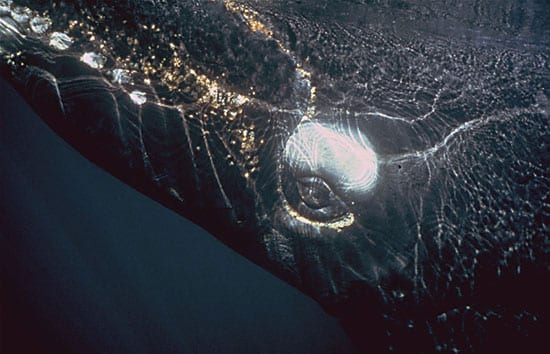
Ocean Life Institute
The oceans cover 70 percent of the planet?s surface and constitute 99 percent of its living space, and every drop of ocean water holds living things. Without its oceans, Earth would be a rock in space, and life may never have appeared on our planet.
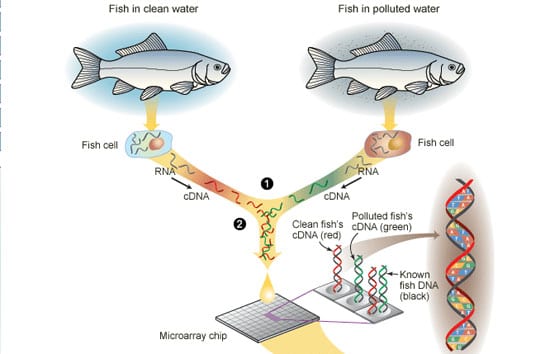
Down to the Sea on (Gene) Chips
The genomics revolution has reached the oceans. New genomic techniques are being used to find previously unknown life forms in the oceans; to learn how species, and genes themselves, evolved over Earth?s long history; to understand the genetic tools that allow species to adapt to diverse and often harsh environments; and to investigate species? responses to pollutants.
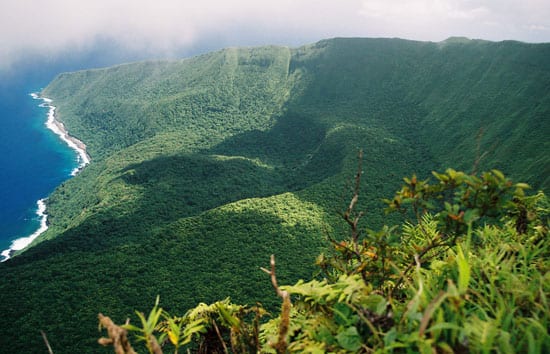
Rambling Atop an Active Volcano to Detect Telltale Rumbling Within It
With machete in hand and 60 pounds of satellite receiver and tripod on his back, Jeff Standish looked up into the lush tropical brush that covered the volcano, up a steep escarpment, and up again to the summit 3,000 feet above sea level. Then he turned to Rhea Workman, a graduate student in the WHOI/MIT Joint Program, and said, “We’re going up where?”