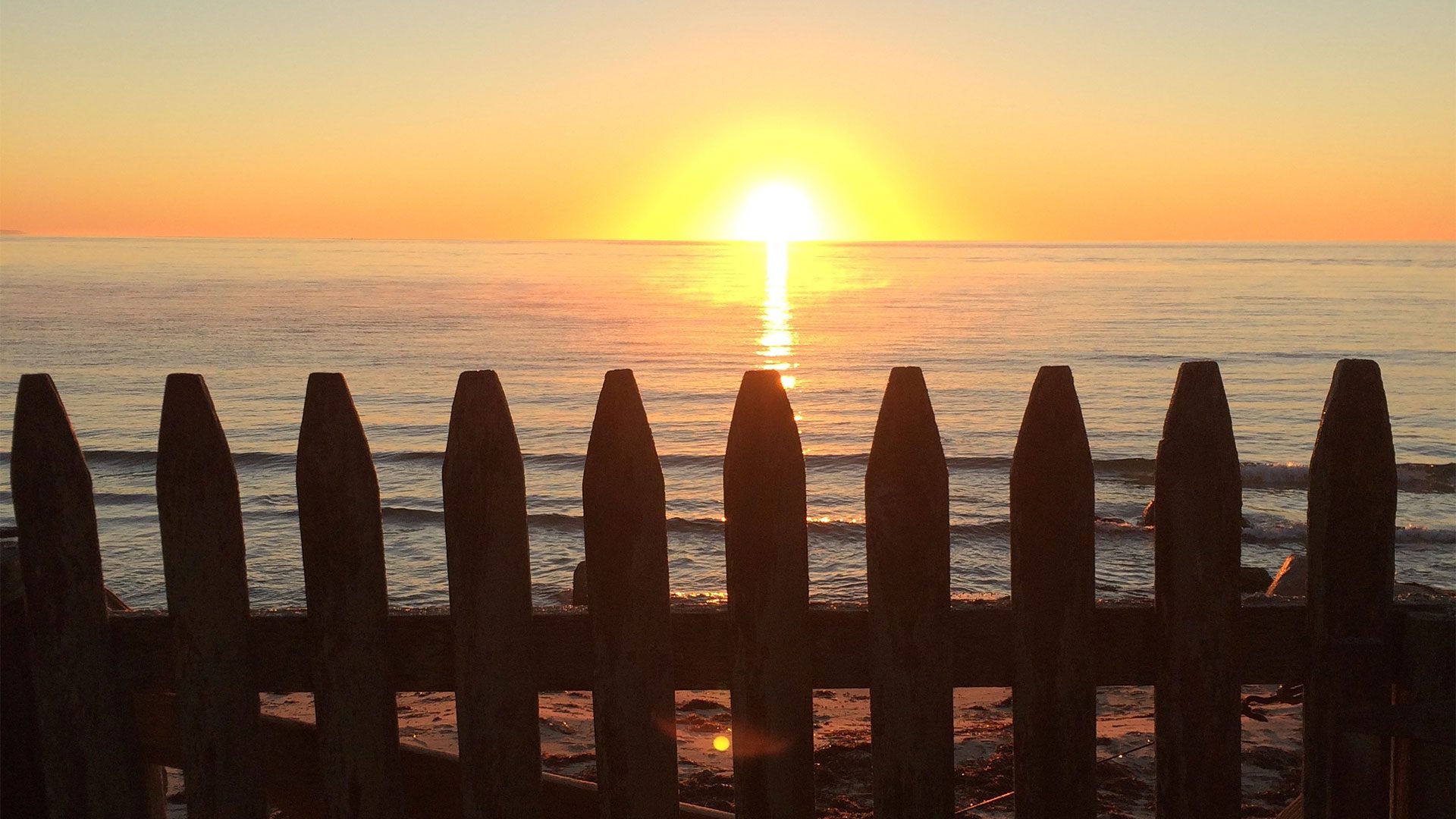
Tracking the hidden currents of Cape Cod Bay
Scientists are using drifters and ocean models to better understand how water, nutrients, and pollutants move through the bay
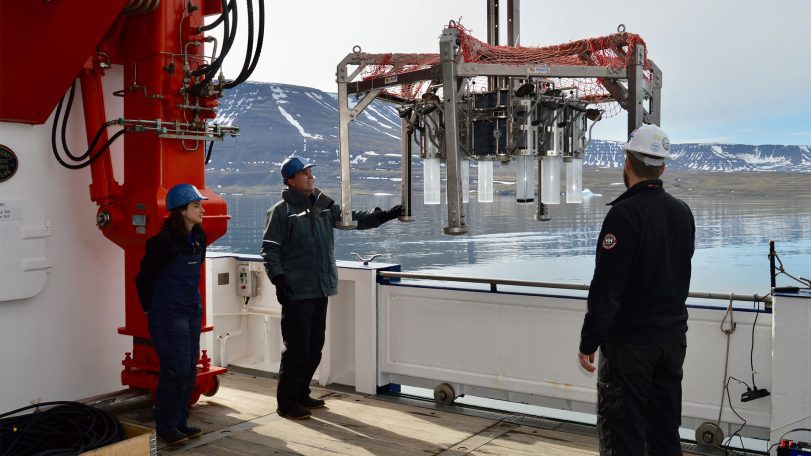
The unseen toll of war on science
As the changing climate accelerates the spread of toxic algal blooms in the Arctic, the Russia–Ukraine war is cutting off critical international collaboration needed to understand and protect vulnerable ecosystems and communities.

The human cost of Brazil’s floods
New research maps social vulnerability after the 2024 deluge

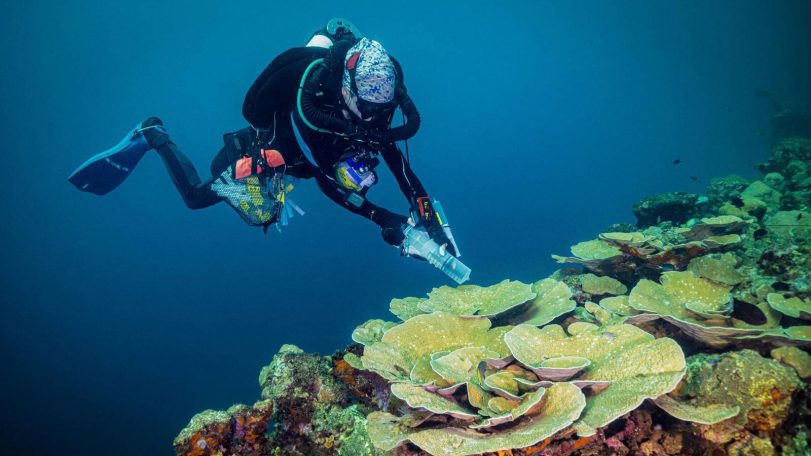
From ruin to reef
What Pacific wrecks are teaching us about coral resilience—and pollution
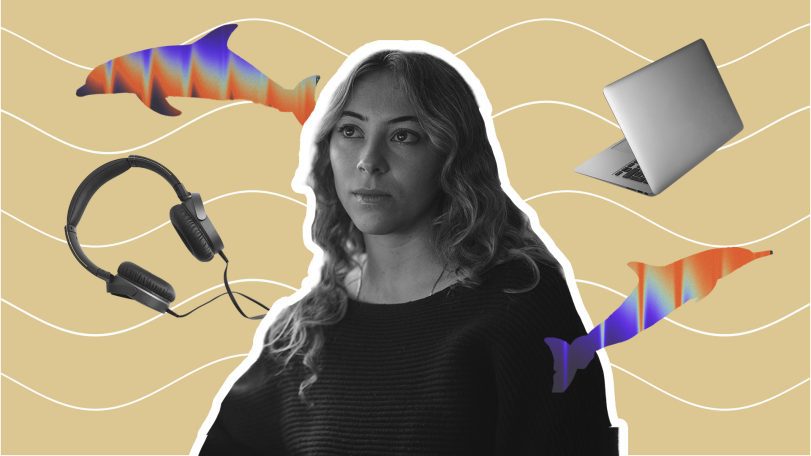
One researcher, 15,000 whistles: Inside the effort to decode dolphin communication
Scientists at WHOI analyze thousands of dolphin whistles to explore whether some sounds may function like words
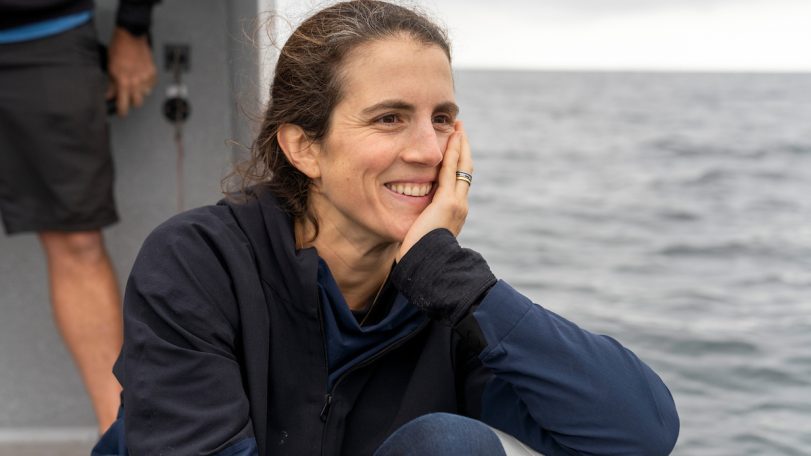
Remembering Tatiana Schlossberg, a voice for the ocean
Environmental journalist and author Tatiana Schlossberg passed away after battling leukemia on December 30, 2025….
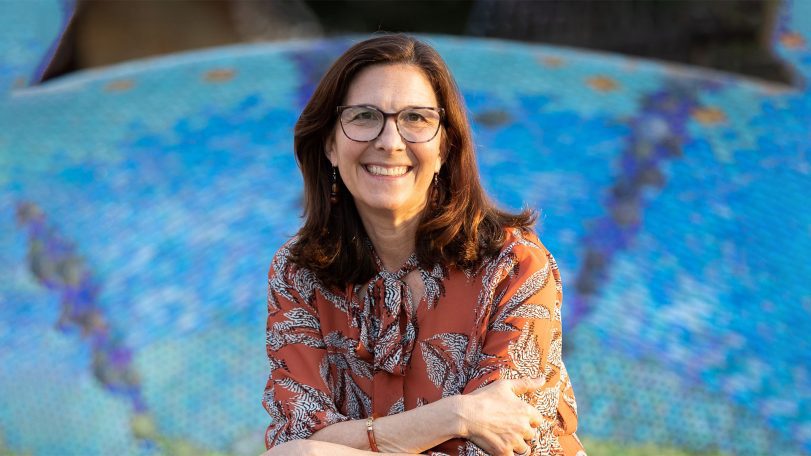
As the ocean warms, a science writer looks for coral solutions
Scientist-turned-author Juli Berwald highlights conservation projects to restore coral reefs
and get Oceanus delivered to your door twice a year as well as supporting WHOI's mission to further ocean science.
Our Ocean. Our Planet. Our Future.
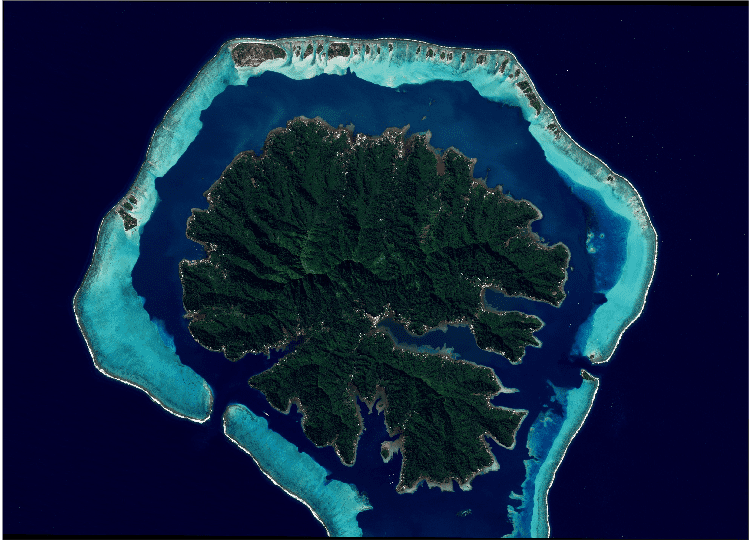
How an MIT-WHOI student used Google Earth to uncover a river–coral reef connection
Google Earth helps researcher decode how rivers sculpt massive breaks in coral reefs
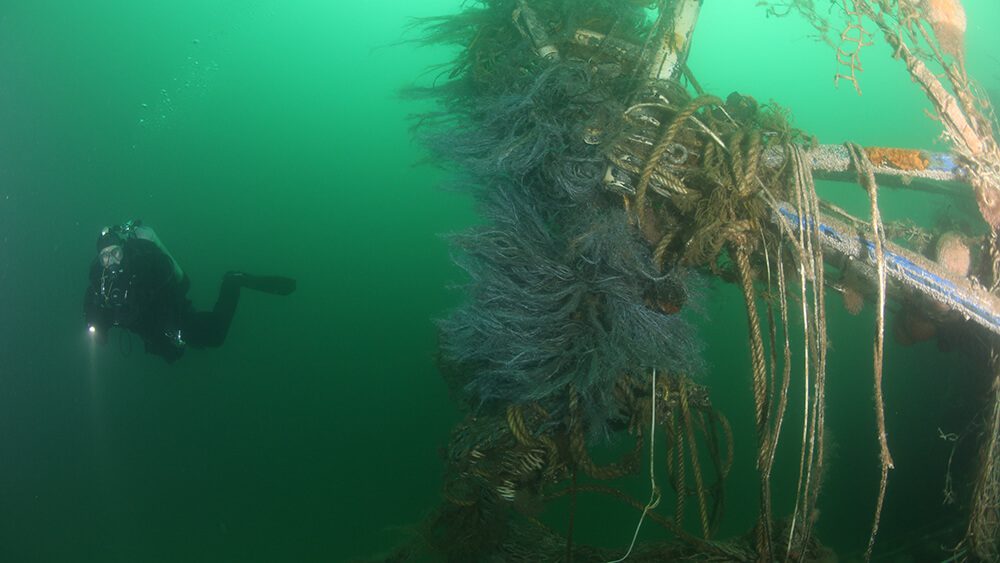
A new underwater robot could help preserve New England’s historic shipwrecks
WHOI’s ResQ ROV to clean up debris in prominent marine heritage sites
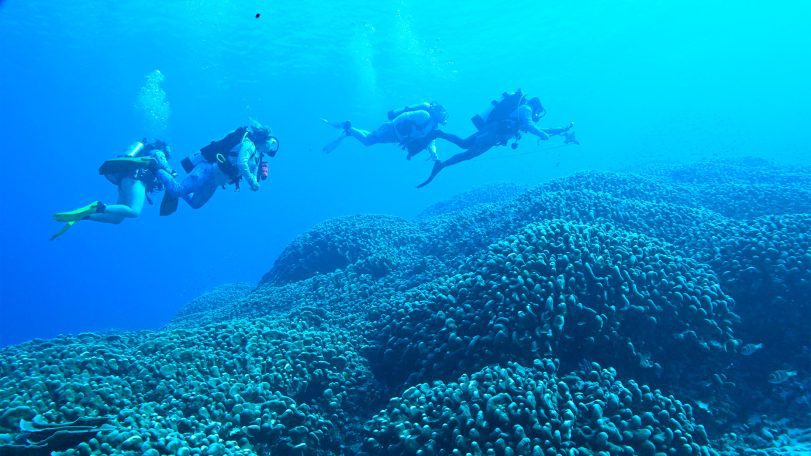
Inside the Solomon Islands’ hidden mega coral — a 300-year-old ocean giant
WHOI’s Reef Solutions team journeys to the world’s largest coral colony

The little big picture
WHOI senior biologist Heidi Sosik on the critical need for long-term ocean datasets
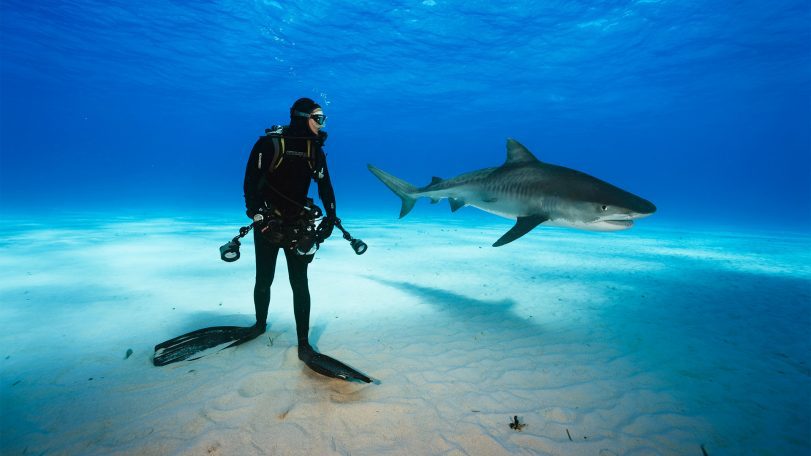
Lessons from a lifetime of exploration
Award-winning ocean photographer Brian Skerry shares insights from a career spent around ocean life and science
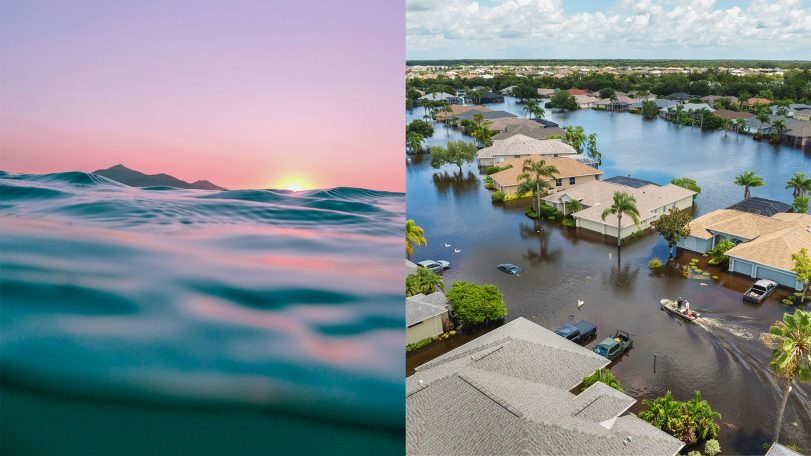
The ocean weather nexus, explained
The vital role of ocean observations in extreme weather forecasting

Breaking down plastics together
Through a surprising and successful partnership, WHOI and Eastman scientists are reinventing what we throw away
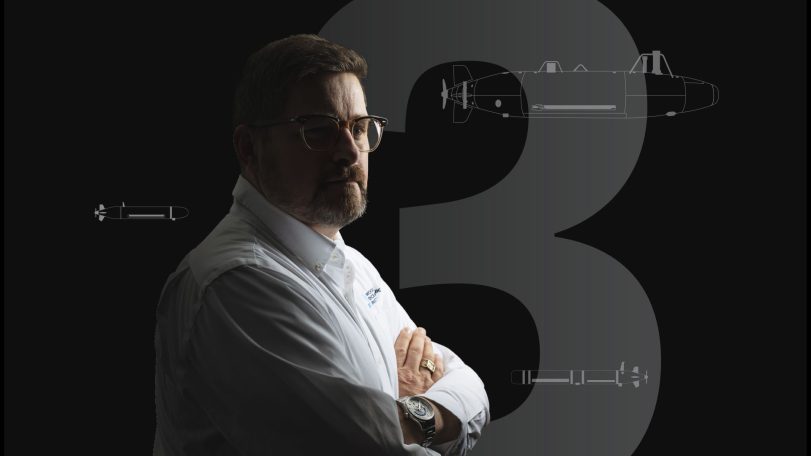
Three questions with Carl Hartsfield
Captain Hartsfield, USN retired, discusses the role ocean science plays in our national defense
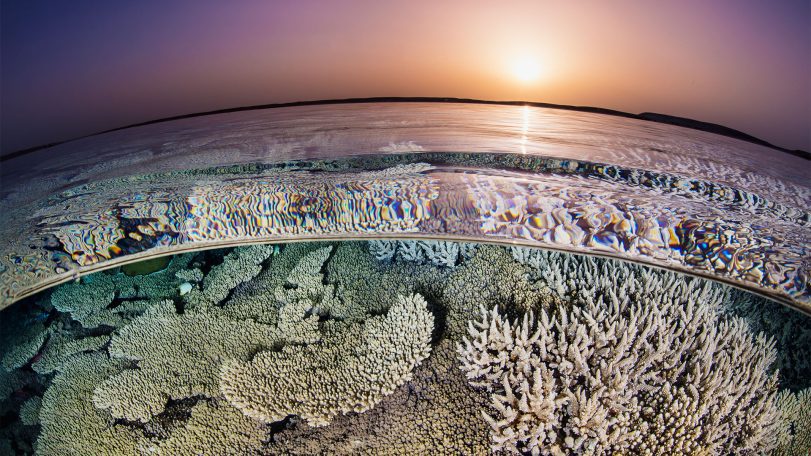
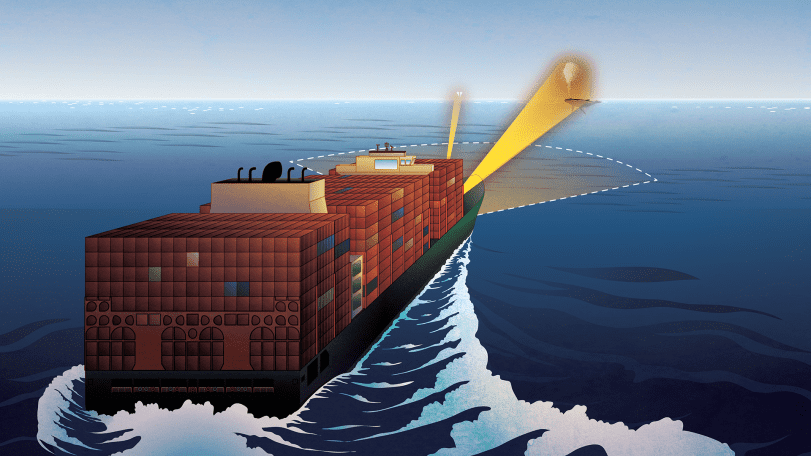
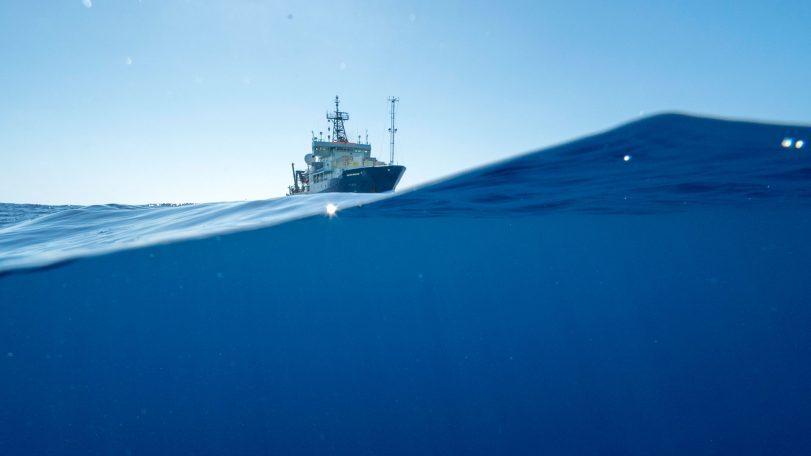
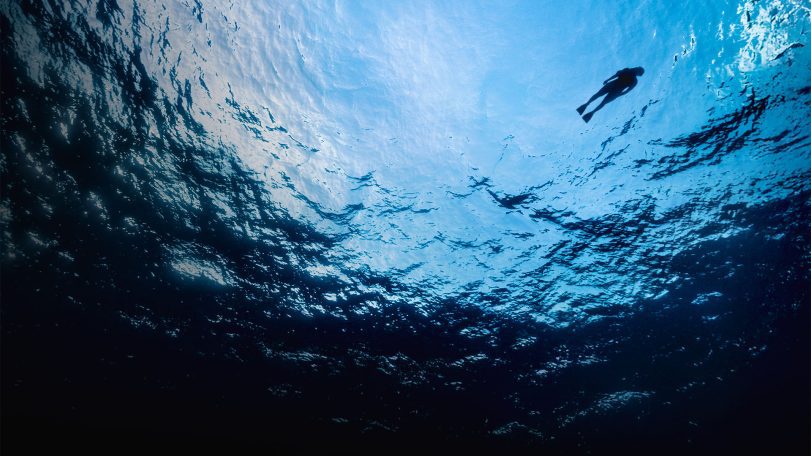
The Ocean (Re)Imagined
How expanding our view of the ocean can unlock new possibilities for life
Looking for something specific?
We can help you with that. Check out our extensive conglomeration of ocean information.
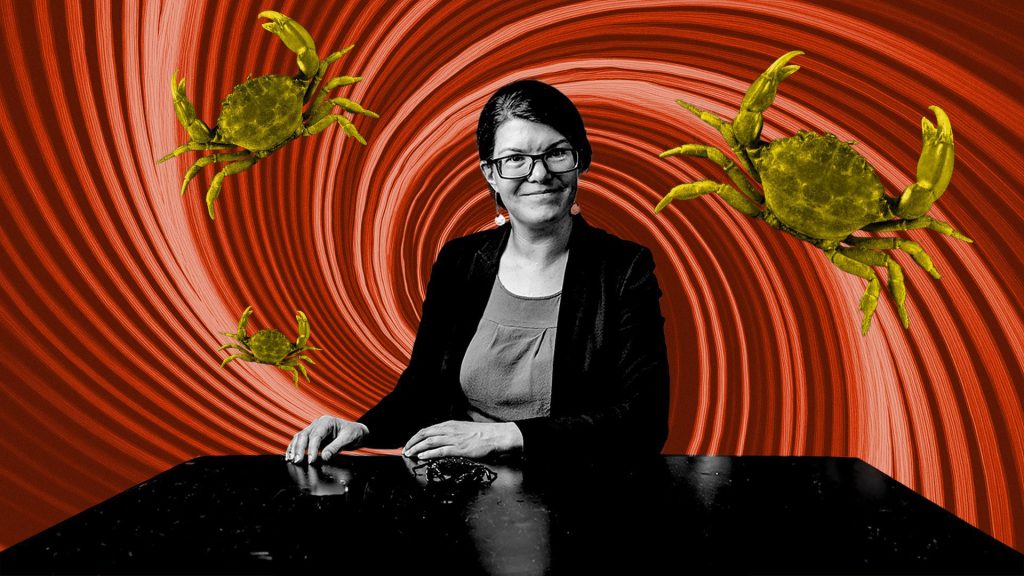
Body snatchers are on the hunt for mud crabs
WHOI biologist Carolyn Tepolt discusses the biological arms race between a parasite and its host
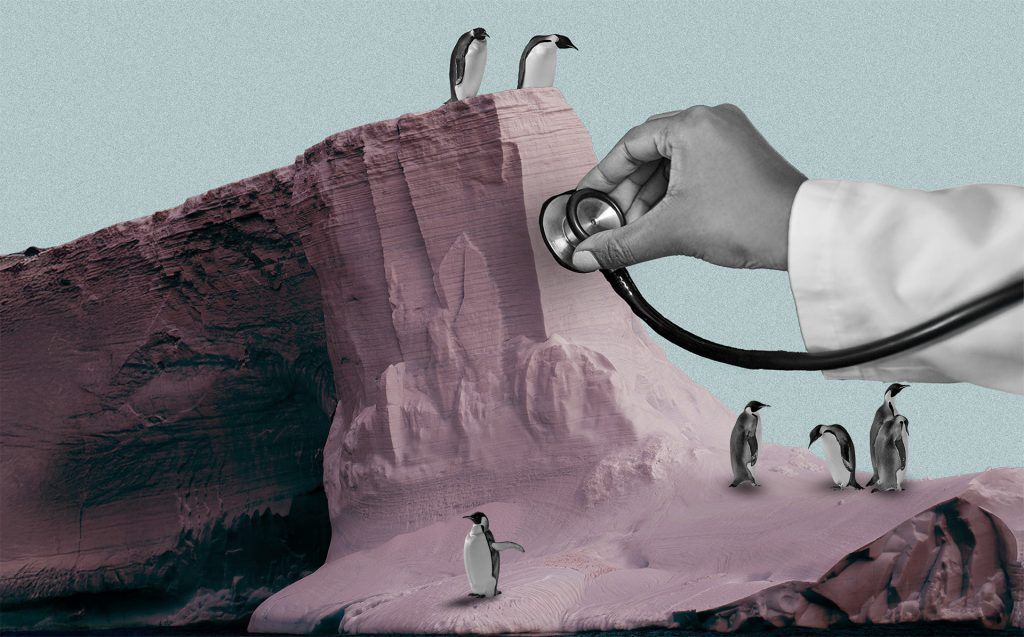
A polar stethoscope
Could the sounds of Antarctica’s ice be a new bellwether for ecosystem health in the South Pole?
Secrets from the blue mud
Microbes survive—and thrive—in caustic fluids venting from the seafloor

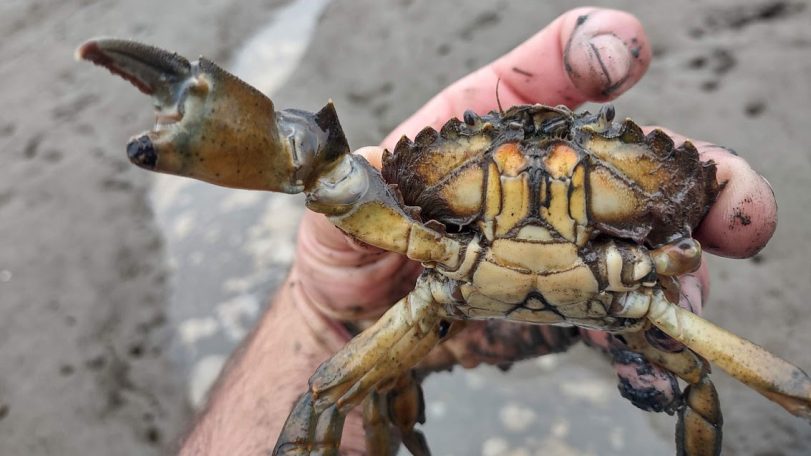
Top 5 ocean hitchhikers
As humans traveled and traded across the globe, they became unwitting taxis to marine colonizers

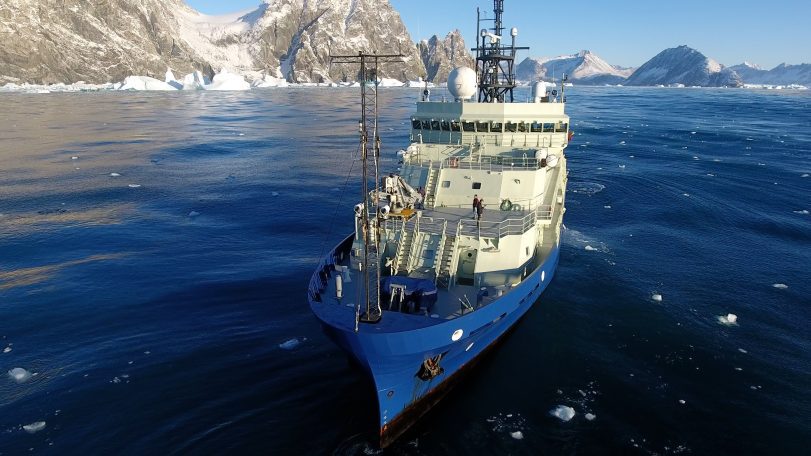
Following the Polar Code
Crew of R/V Neil Armstrong renew their commitment to Arctic science with advanced polar training

Harnessing the ocean to power transportation
WHOI scientists are part of a team working to turn seaweed into biofuel
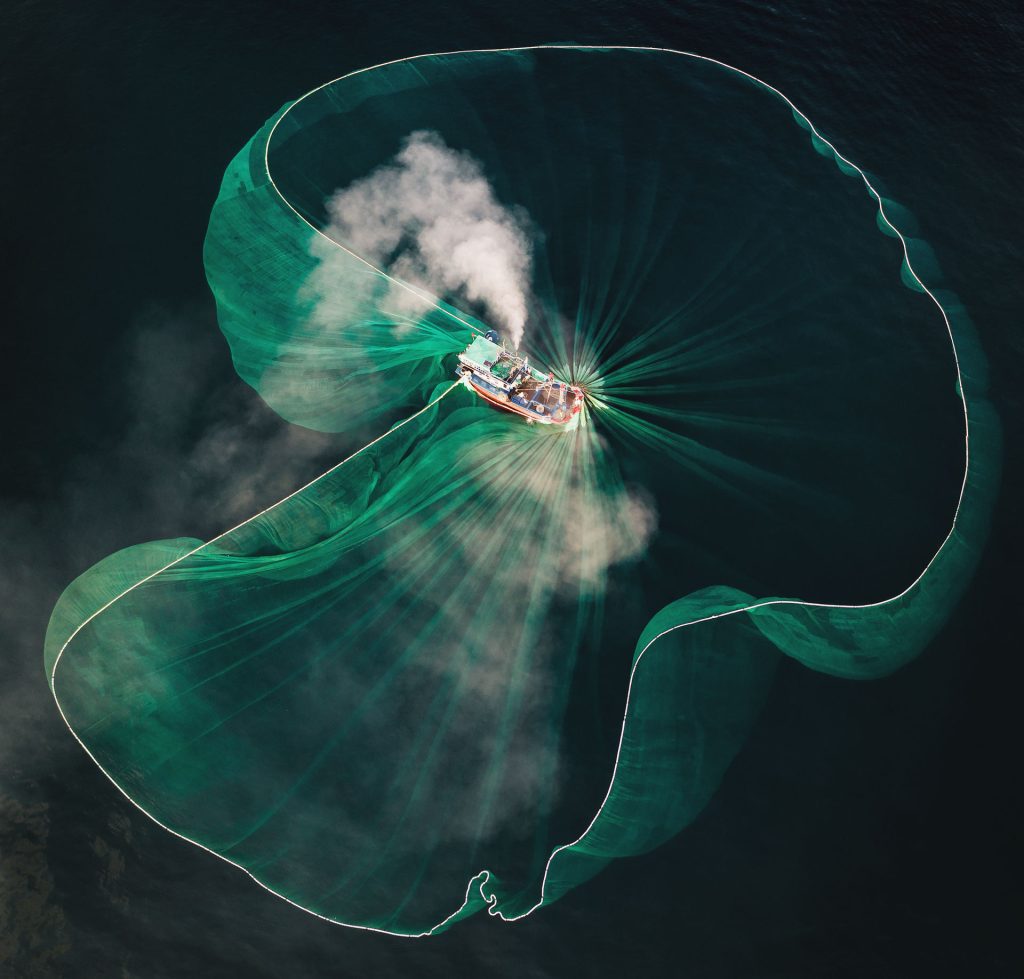
Casting a wider net
The future of a time-honored fishing tradition in Vietnam, through the eyes of award-winning photographer Thien Nguyen Noc

Gold mining’s toxic legacy
Mercury pollution in Colombia’s Amazon threatens the Indigenous way of life
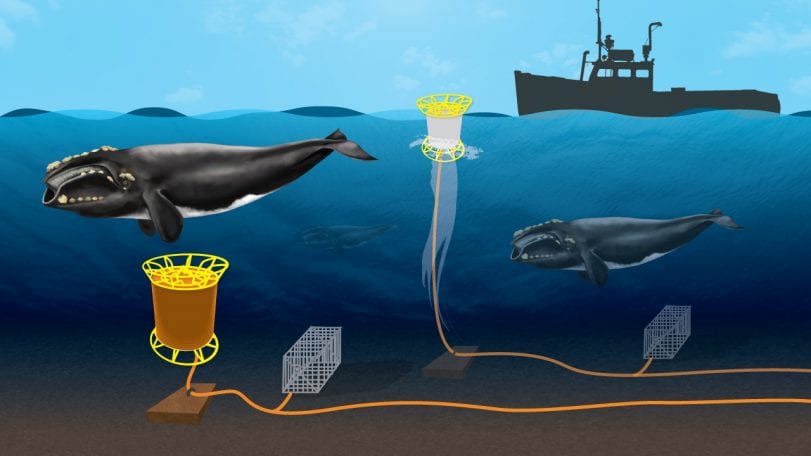
Whale-safe Fishing Gear
WHOI engineers are developing a new kind of lobster trap buoy that could help keep whales from getting tangled in fishing gear.
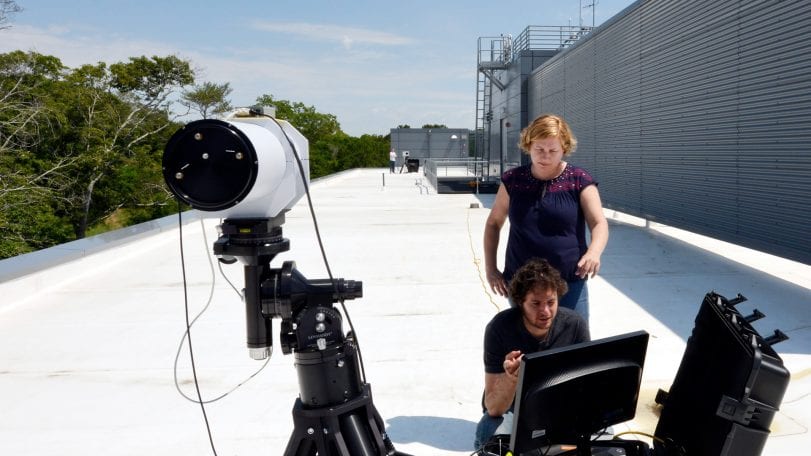
Let There Be Laser Light
WHOI scientists are developing new sensors using lasers to detect methane, carbon dioxide, and other critical environmental gases in the air and under the ocean.
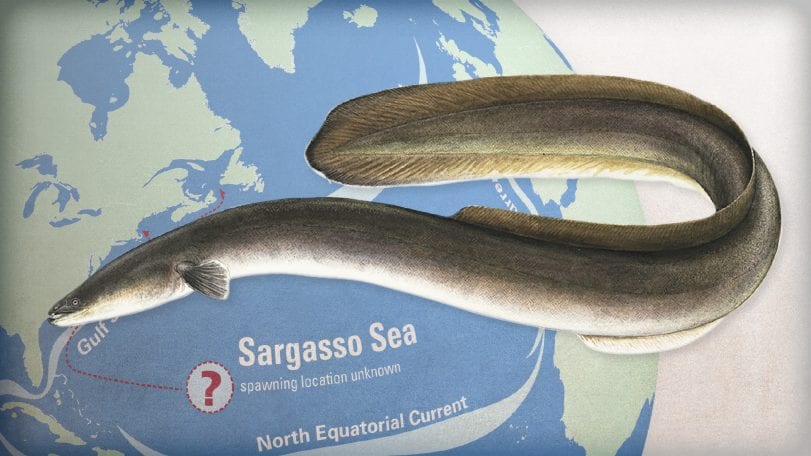
A Slithery Ocean Mystery
It’s an enduring mystery: How do tiny eel larvae make their way from the Sargasso Sea to coastal freshwater estuaries where they grow up?
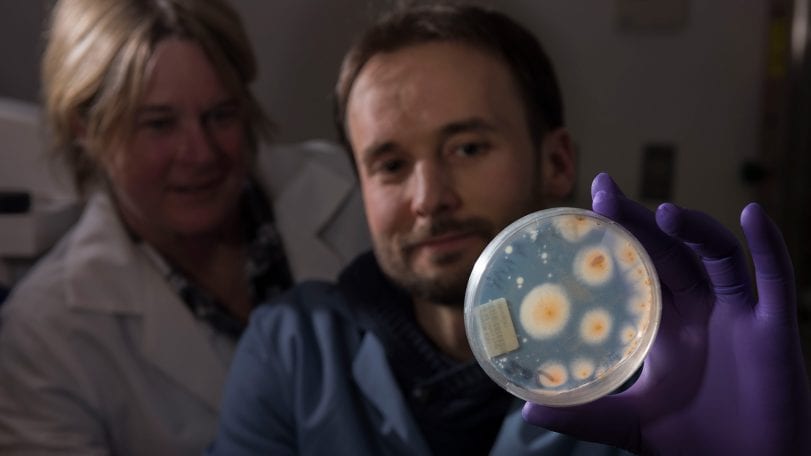
Life Dwells Deep Within Earth’s Crust
Aboard a drillship in the Indian Ocean, geologists pursued their mission to bore a hole…
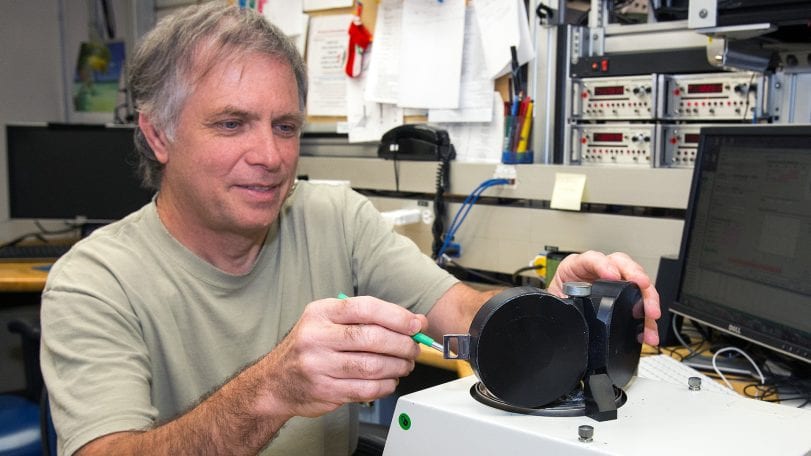
Attracted to Magnetics
Maurice Tivey has probably endured more than a few bad puns, like the one in…
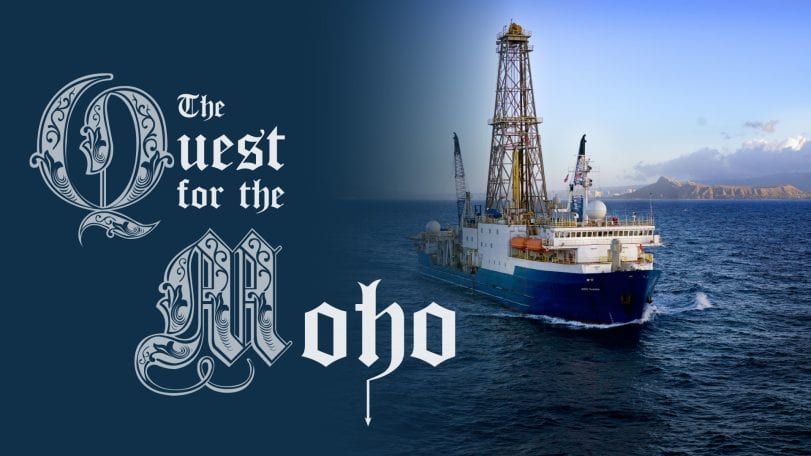
The Quest for the Moho
For more than a century, scientists have made several attempts to drill a hole through Earth’s ocean crust to an interior layer of rock in Earth’s interior called the mantle.
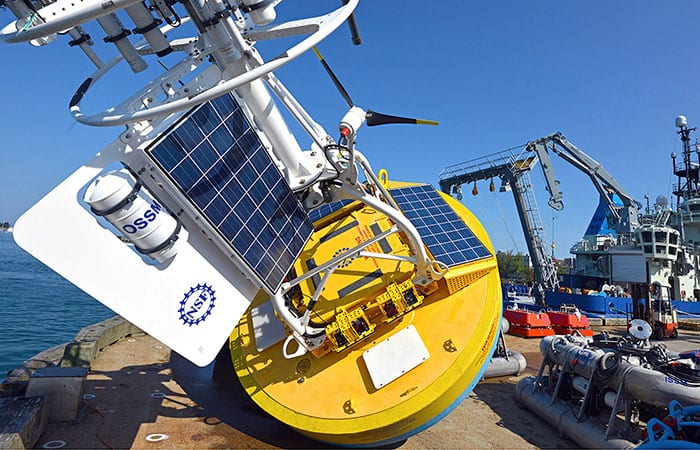
Ocean Observatories System Is Up and Running
The Ocean Observatories Initiative has reached a major milestone: Its network of ocean sensor systems is now fully operational and sending a broad, continuous stream of data back to shore. Funded by the National Science Foundation with a planned life of 25 years, the OOI provides online access to a growing trove of multidisciplinary oceanographic data, freely available to researchers, educators, and the public worldwide.
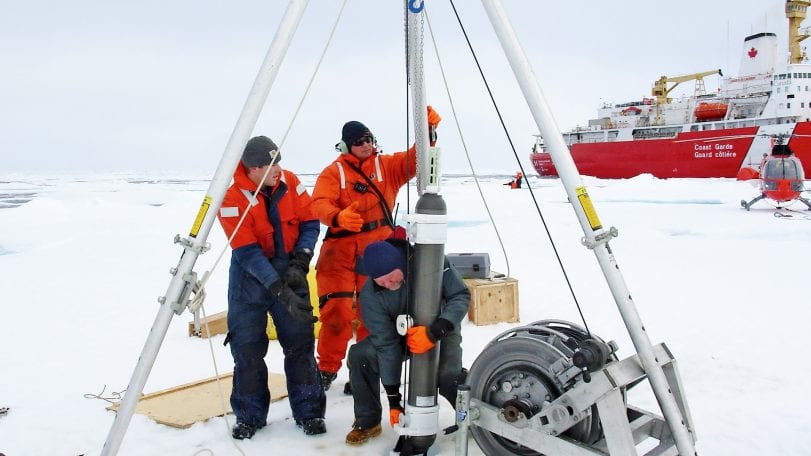
Signs of Big Change in the Arctic
The climate in the Arctic region once predictably shifted back and forth between two regimes. But now the system seems to be stuck.
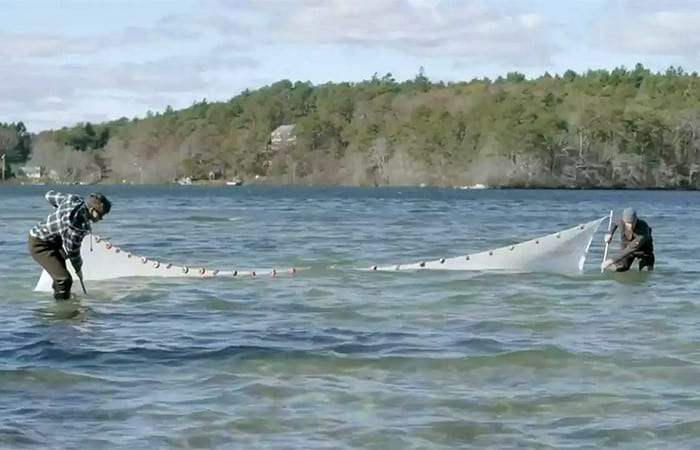
No Stone Unturned
WHOI iologist Joel Llopiz is taking advantage of information stored in the tiny “ear stones” of larval and juvenile river herring to learn more about why the once-ubiquitous species is having difficulty re-populating lakes and streams in New England.
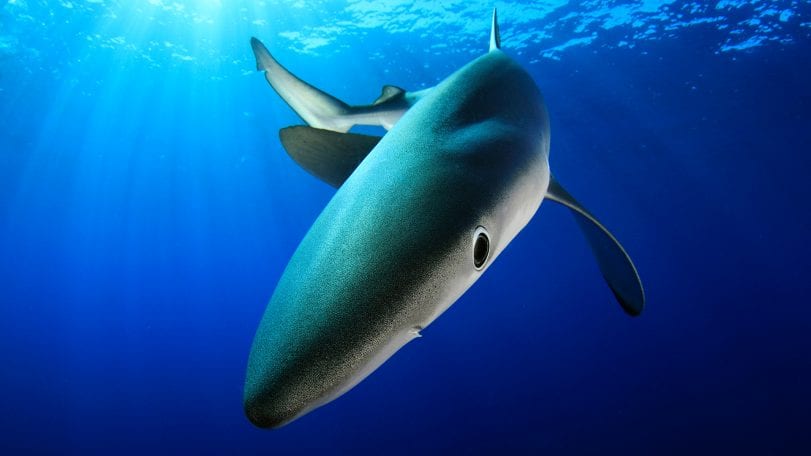
Shark Tales
Sharks are some of the largest fish in the ocean, but their movements and behavior have remained largely hidden from people.
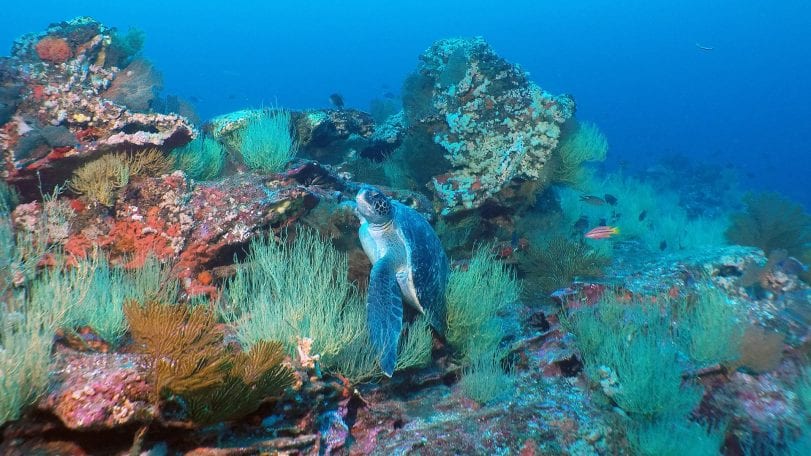
Beneath the Sea, the Galápagos Reveal More Marvels
The Galápagos Islands have offered biologists a natural laboratory ever since Charles Darwin’s day, but…
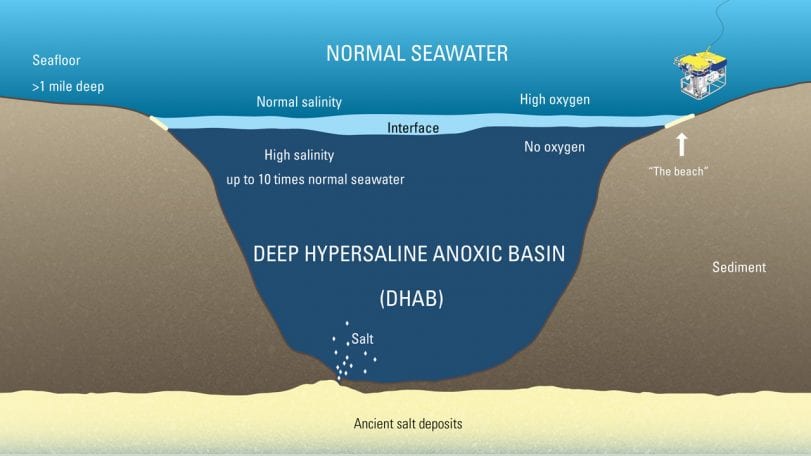
Can Animals Live Without Oxygen?
In 2010, a research team garnered headlines when it published evidence of finding the first…