Oceanus Online Archive
Some Things New Under the Sea
New microbe species discovered In the quest to explore the remarkable diversity of microbial life on Earth, a German-American team of scientists has discovered seafloor bacteria that can “eat” natural…
Read More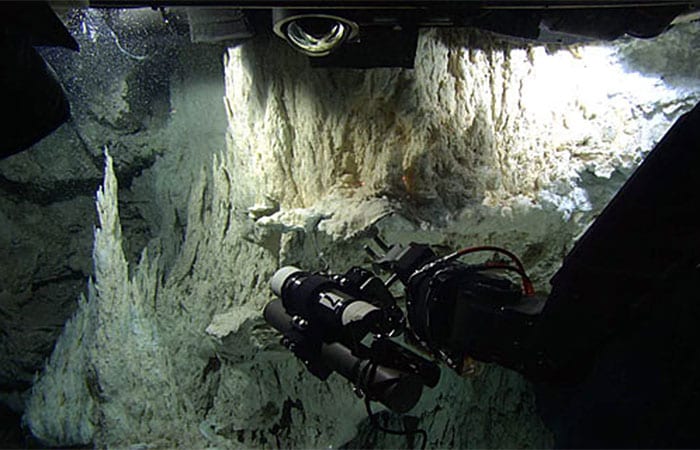
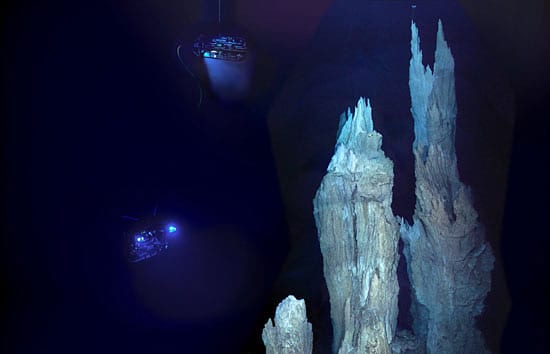
Lost City Pumps Life-essential Chemicals at Rates Unseen at Typical Black Smokers
Hydrocarbons—molecules critical to life—are routinely generated by the simple interaction of seawater with the rocks under the Lost City hydrothermal vent field in the Atlantic Ocean, according to research led…
Read More
WHOI Scientists Testify to Congress
Marine geochemist Scott Doney and marine policy specialist Porter Hoagland traveled to the nation’s capital this spring to inform Congress about critical ocean issues: the effects of climate change and…
Read More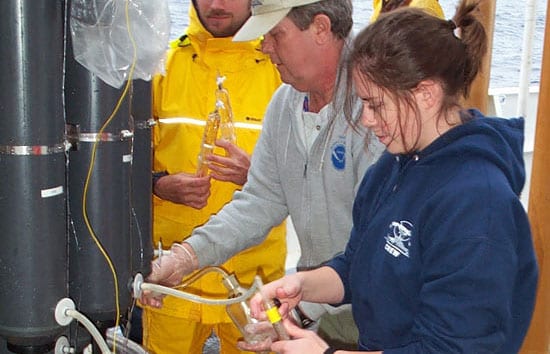
How Long Can the Ocean Slow Global Warming?
It is 4:30 a.m., far from land. A group of scientists clad in bright yellow foul-weather gear gathers in the open bay of a research ship. They wait in the…
Read More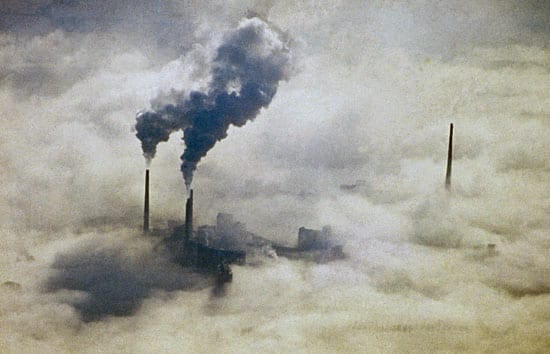
Earth Can’t Soak Up Excess Fossil Fuel Emissions Indefinitely
Earth?s land and oceans have been soaking up the excess carbon Earth?s land and oceans have been soaking up the excess carbon dioxide that humans have pumped into the atmosphere by burning fossil fuels. But there are limits.
A new-generation computer model indicates that the capacity of land and ocean to absorb and store the heat-trapping greenhouse gas will reach its peak by the end of the century?removing a brake that has been tempering the effects of global warming.
Red Tides and Dead Zones
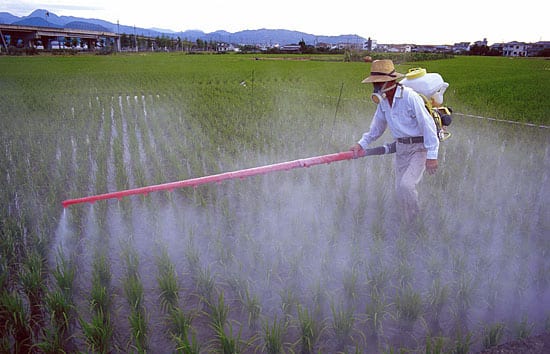
The most widespread, chronic environmental problem in the coastal ocean is caused by an excess of chemical nutrients. Over the past century, a wide range of human activities—the intensification of agriculture, waste disposal, coastal development, and fossil fuel use—has substantially increased the discharge of nitrogen, phosphorus, and other nutrients into the environment. These nutrients are moved around by streams, rivers, groundwater, sewage outfalls, and the atmosphere and eventually end up in the ocean.
Read More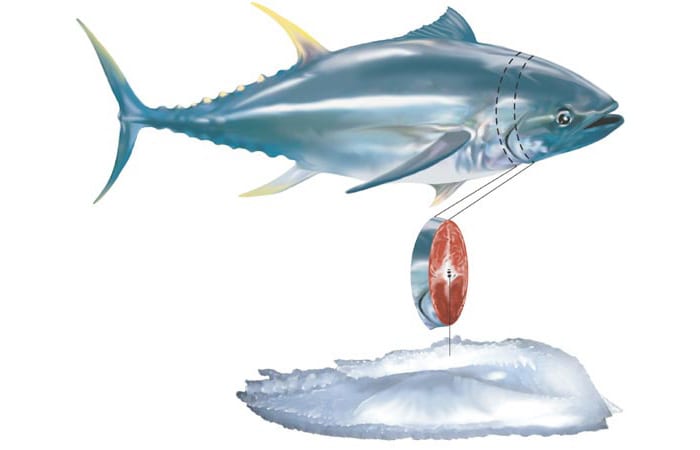
In Tiny Ear Bones, the Life Story of a Giant Bluefin Tuna
The Atlantic bluefin tuna, Thunnus thynnus, is one of the fastest, most powerful and most beautiful of fish. It is also the most expensive. Highly prized by sushi connoisseurs, a…
Read More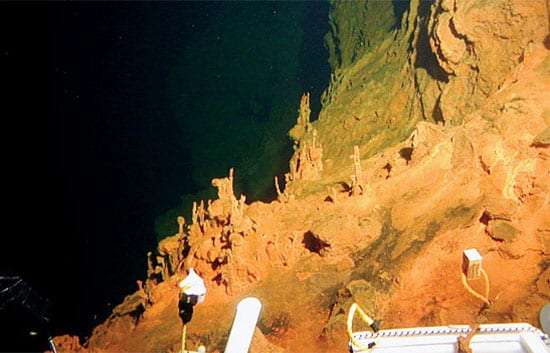
Living Large in Microscopic Nooks
Newly discovered deep-sea microbes rearrange thinking on the evolution of the Eart—and life on it.
Read More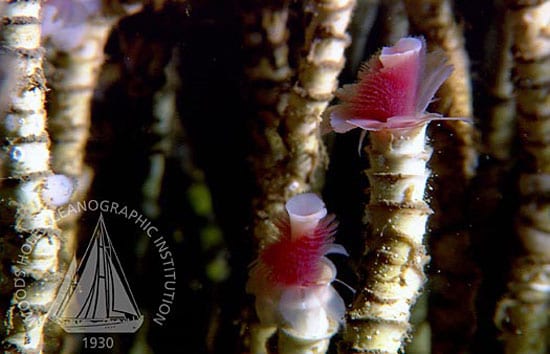
When Seafloor Meets Ocean, the Chemistry Is Amazing
Scientists are discovering that abundant quantities of methane gas are continually seeping from the seafloor throughout the oceans. This widespread but overlooked natural phenomenon has potentially dramatic implications on world energy supplies, life in the oceans, and Earth’s climate.
Read More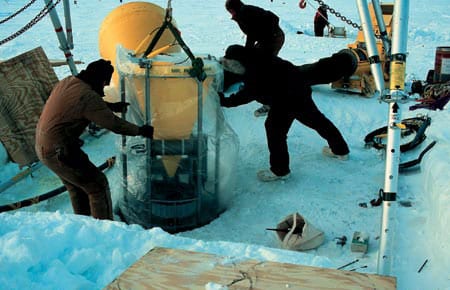
Extreme Trapping
One of oceanography’s major challenges is collection of data from extraordinarily difficult environments. For those who use sediments traps, two examples of difficult environments are the deepest oceans and the permanently ice-covered Arctic Basin.
Read More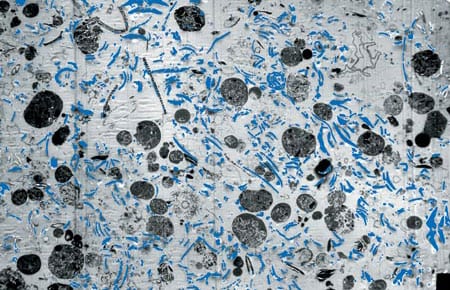
The Rain of Ocean Particles and Earth’s Carbon Cycle
WHOI Phytoplankton photosynthesis has provided Earth’s inhabitants with oxygen since early life began. Without this process the atmosphere would consist of carbon dioxide (CO2) plus a small amount of nitrogen, the atmospheric pressure would be 60 times higher than the air we breathe, and the planet’s air temperatures would hover around 300°C. (Conditions similar to these are found on Earth’s close sibling Venus.
Read More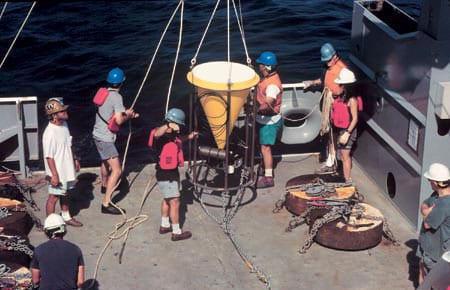
Deploying the Rain Catchers
Deployment of a deep-ocean sediment trap mooring begins with the ship heading slowly into the wind.
Read More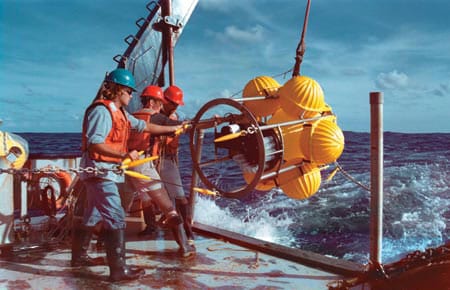
The Oceanic Flux Program
The predawn hours at sea have a unique feel—an eerie stillness, regardless of weather. This morning is no exception as the Bermuda Biological Station’s R/V Weatherbird II approaches the OFP (Oceanic Flux Program) sediment trap mooring some 75 kilometers southeast of Bermuda.
Read More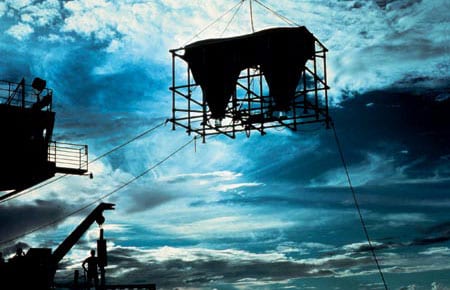
Catching the Rain: Sediment Trap Technology
WHOI Senior Engineer Ken Doherty developed the first sediment trap in the late 1970s for what has come to be known as the WHOI PARFLUX (for “particle flux”) group. Working closely with the scientific community, Doherty has continued to improve sediment traps for two decades, and these WHOI-developed instruments are widely used both nationally and internationally in the particle flux research community.
Read More